Post Contents
- Things to See in Milan, Italy – A First Luxe City-Centre Itinerary for First-Timers
- Duomo Cathedral Rooftop Terraces in Milano – Duomo di Milano Views Over the City Centre
- See the Last Supper in Milan: Timed Tickets at Santa Maria delle Grazie
- La Scala Opera-House Tour – Teatro alla Scala Backstage Culture and a Private Evening
- Luxury Arcades, Galleria, and Via Montenapoleone – Milan’s Fashion-Capital Shopping Circuit
- Brera District Culture in Milan – Pinacoteca di Brera Museum and Fondazione Prada
- Navigli District Aperitivo in Milan – Milanese Cuisine by the Canals
- Sforzesco Heritage in Milan – Sforza Castle, Frescoes, and a Lombardy Escape
- Milan Travel Tips: Reach Milan from Malpensa Airport and Milan Linate Airport
- F.A.Qs: Milan essentials for high-end travellers
- What Stayed With Us After Milano: Craft, Calm, and Contrast in a Modern Classic
Things to See in Milan, Italy – A First Luxe City-Centre Itinerary for First-Timers
A first luxe day in central Milan: landmark walks, elegant streets, and unrushed pauses
For first-timers, the most satisfying things to do in Milan often look like a relaxed day in Milan built around the city’s icons, with time to breathe between them. If you’re searching for things to see in Milan, Italy, think less “race between sights” and more of a curated route through the city centre, with just a few timed entries that keep everything calm. Milan can be brisk, but it’s also deeply human—best enjoyed together, step by step.
Start in the city centre, where the major sights sit close enough for a gentle walking tour that still feels spontaneous. From the heart of Milan around Piazza del Duomo, it’s an easy drift towards the elegant streets that frame the old and the new. If you’re curious about modern Milan as an attraction, take a quick look at the stock exchange area near Piazza Affari—an architectural punctuation mark that contrasts beautifully with historic stonework and sacred spaces.
Best things snapshot: a seamless morning-to-evening plan through central Milan
To keep the time in Milan feeling crafted rather than rushed, use a simple structure that supports you without over-planning—especially if you’re juggling reservations, shopping, and culture.
- Morning icons: Duomo terraces and a slow espresso nearby.
- Afternoon culture: a museum visit or gallery browse when crowds soften.
- Evening rhythm: aperitivo, then a short, chauffeured hop to dinner.
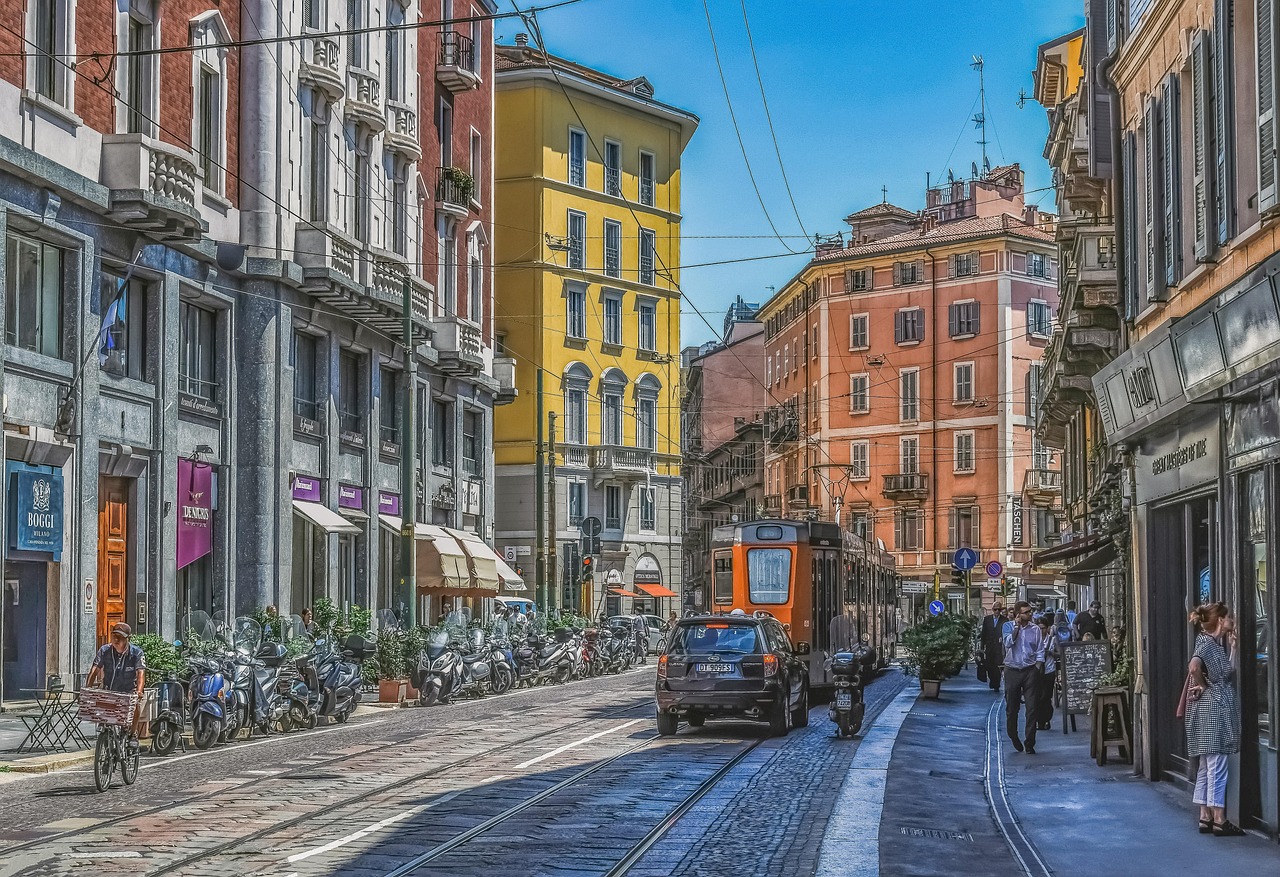
This approach helps you explore the places in Milan that matter, while leaving room for local details—an artisan display, a quiet courtyard, the soft ring of a tram passing on cobblestones.
Queues, timed entries, and pre-booking for effortless pacing
Milan’s headline sights run on timed slots, so design your day around those anchors. The most important mindset shift is this: pre-booking isn’t the opposite of freedom—it’s what creates it. With a few key reservations in place, you can wander without the low-level worry of queues, and you’ll experience Milan with more trust in the rhythm of your plan.




Duomo Cathedral Rooftop Terraces in Milano – Duomo di Milano Views Over the City Centre
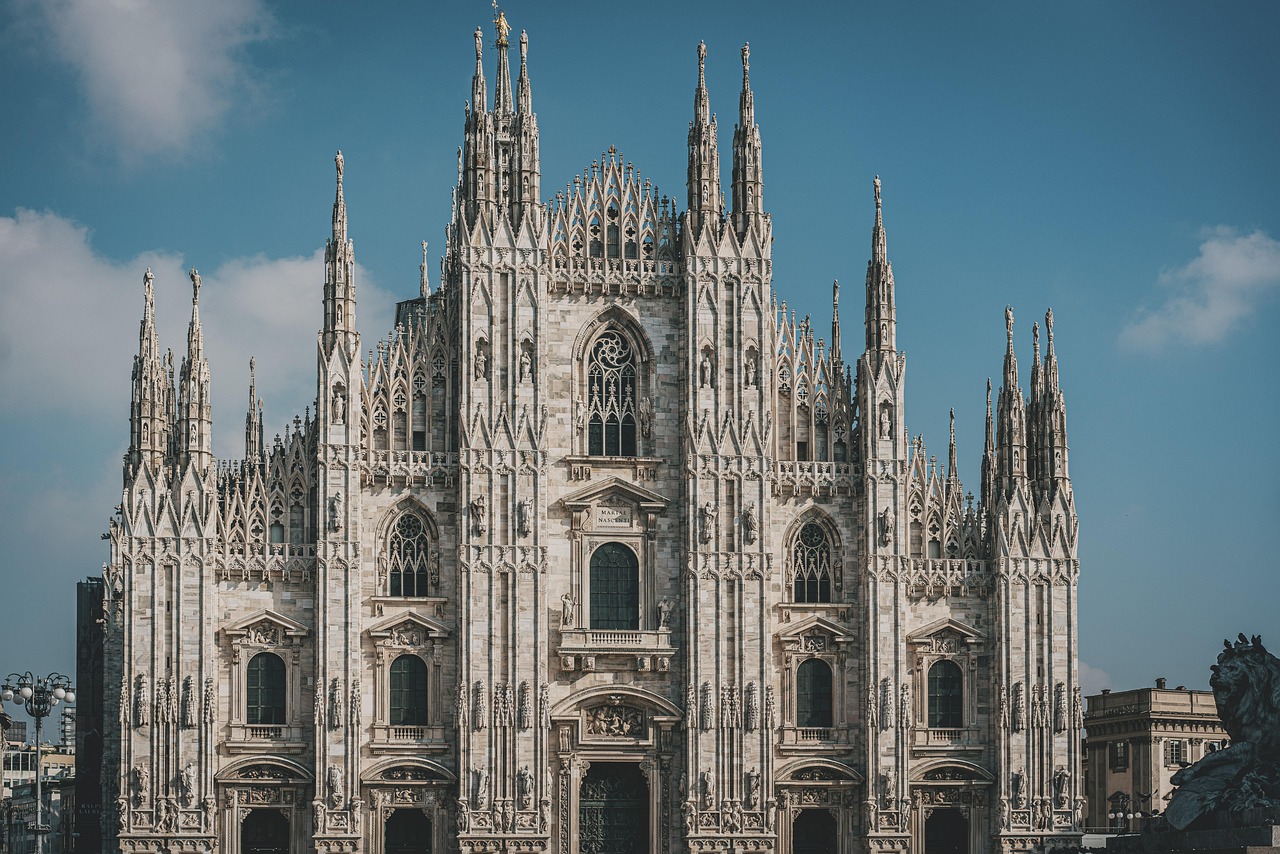
Rooftop views from the Duomo terraces: carved spires, marble light, and skyline contrast
The Duomo rooftop experience is the moment many travellers hold onto long after they leave Milano. The Duomo di Milano is the city’s defining cathedral: theatrical, intricate, and surprisingly intimate once you’re above the streets. For a seamless visit, decide between stairs (for the sense of ascent) or the lift (for a fresh, unhurried arrival), then time your entry so you’re not squeezed into peak-hour crowds.
A high-end traveller once described watching the cityscape from the Duomo at sunset as a profound serenity—quiet awe suspended above the day’s energy. The hustle and bustle continues below, yet up here it softens into a murmur, and you can simply be present. If you’re aiming for photos, late afternoon light tends to flatter the marble and soften the skyline over the city centre.
Duomo rooftop details through a designer’s eye: spires, marble, and skyline lines
Look closely at the Gothic craftsmanship: spires like frozen music, statues with delicate gestures, and stone that changes tone as the light shifts. For photography, angle towards the forest of pinnacles, then turn outward to frame the modern towers beyond the historic core. It’s one of the most beautiful vantage points in Milan for understanding how the city continually creates and re-creates itself.
Cathedral etiquette and dress codes for Duomo access
Inside the cathedral, dress codes are real but easy to manage: shoulders covered, respectful lengths, and shoes you can stand in comfortably. Visit early or late in the day if you can, and keep your voice low—sacred spaces in Milan ask for care, even at peak hours. A small gesture—slowing your step, pausing before a side altar—can turn a visit into a personal moment of calm.
See the Last Supper in Milan: Timed Tickets at Santa Maria delle Grazie
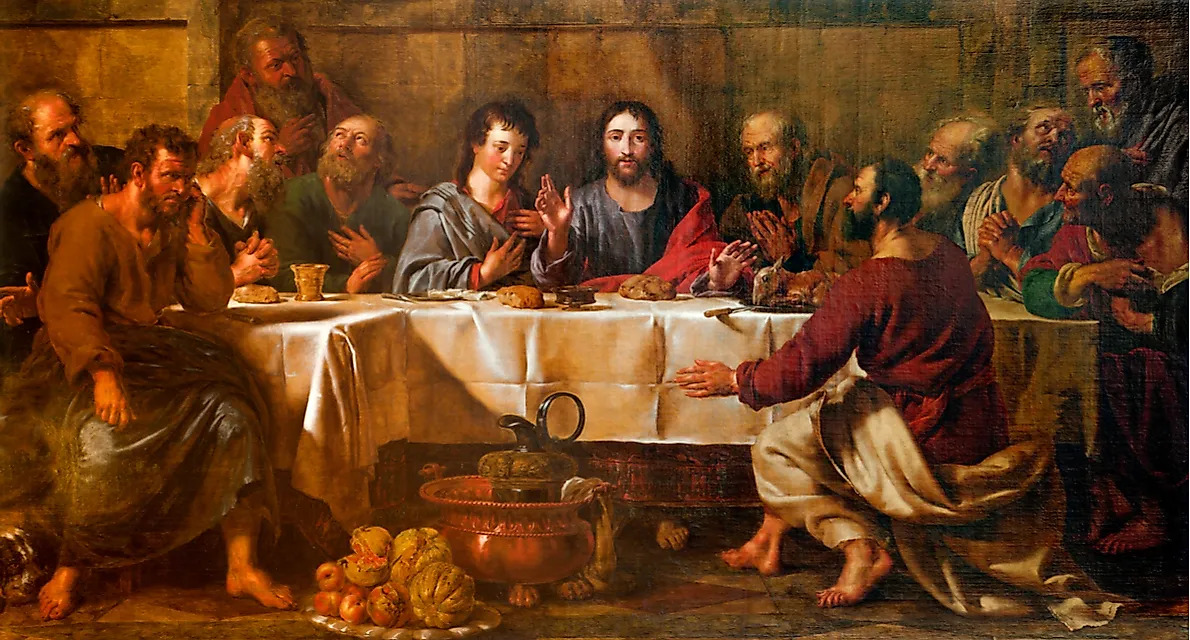
Timed entry to see The Last Supper: calm viewing, strict slots, and a quitely powerful room
If you want to see the Last Supper with confidence, plan your visit and reservations well in advance at Santa Maria delle Grazie. Prioritise official channels and, where possible, premium viewing slots that reduce stress on the day. The artwork is fragile, the entry windows are strict, and the best experience is the calmest one.
Leonardo’s technique—experimental, ambitious, and notoriously vulnerable—makes the setting feel almost protective. A timed visit isn’t just crowd-control; it safeguards the emotional impact of the last supper narrative itself, letting you read the room: tension in the gestures, stillness at the centre, and the shock rippling outward. When you’re not distracted by logistics, you’re free to notice the smallest human details.
Leonardo, the supper scene, and why quiet changes the experience
An art lover once reflected that seeing The Last Supper in person was unexpectedly moving, precisely because the room was controlled and voices stayed low. With fewer distractions, you notice the psychology: a hand half-raised, a head turned away, the breath between reactions. This is where early planning becomes reassurance—your slot is secured, and you can simply look.
Arrival logistics and timed-entry rules at Santa Maria delle Grazie
Arrive early, pass security efficiently, and be ready to follow the timed-entry flow. Keep your phone on silent and your conversation minimal—this is one of Milan’s most intimate cultural moments. If you’re travelling with a concierge or host, ask them to design the approach so you’re not rushing from another appointment; a composed arrival changes everything.
- Tickets in advance: book as soon as your dates are firm.
- On arrival: expect checks and a short wait before entry.
- In the room: keep voices low and let the silence do its work.
La Scala Opera-House Tour – Teatro alla Scala Backstage Culture and a Private Evening
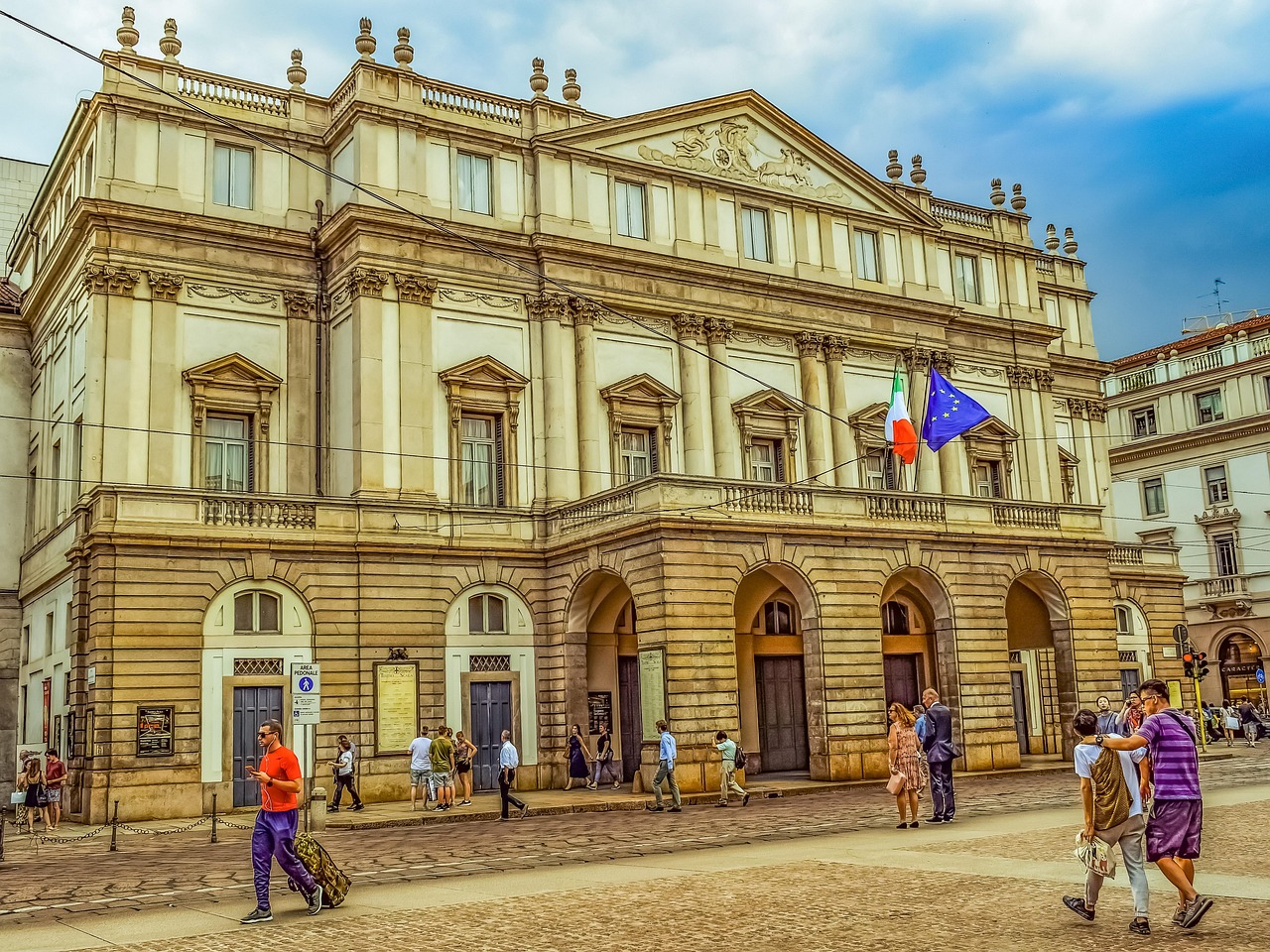
A cultural evening in Milan: velvet interiors, disciplined craft, and the thrill of performance
For many high-end travellers, a night at La Scala is the cultural signature of Milan. A Teatro alla Scala backstage visit can range from a refined daytime tour to behind-the-scenes, privately hosted experiences that reveal rehearsal corridors, costume craft, and the quiet discipline behind the glamour. It’s one of the great opera houses in the world, and the atmosphere is unmistakable.
One visitor recounted a magical evening that began with an intimate backstage look and ended with the thrill of being close to world-class performers. There was a particular moment—standing just offstage, lights warming the velvet—that felt like stepping inside the city’s cultural memory. If you want to add a little extra polish, pair the performance with an early aperitivo near the theatre and a short walk back through the lit arcades.
Opera-night planning for door-to-seat ease and elegant timing
Dress expectations lean elegant, and it’s worth embracing: Milan loves considered style, and you’ll feel more at home when you match the room. Choose your programme with your mood in mind—grand opera for drama, ballet for grace, or a concert for pure sound. For a seamless door-to-seat experience, a concierge or host can handle timings, tickets, and the quiet choreography of arrivals.
Create an unhurried evening around the performance and post-show moments
Pair the night with a pre-show reservation nearby, and leave time for a post-performance glass of wine—a soft landing after the final applause. If you prefer to keep everything effortless, a pre-booked car means you can step out into the night with calm, rather than searching for transport in formalwear.
Luxury Arcades, Galleria, and Via Montenapoleone – Milan’s Fashion-Capital Shopping Circuit
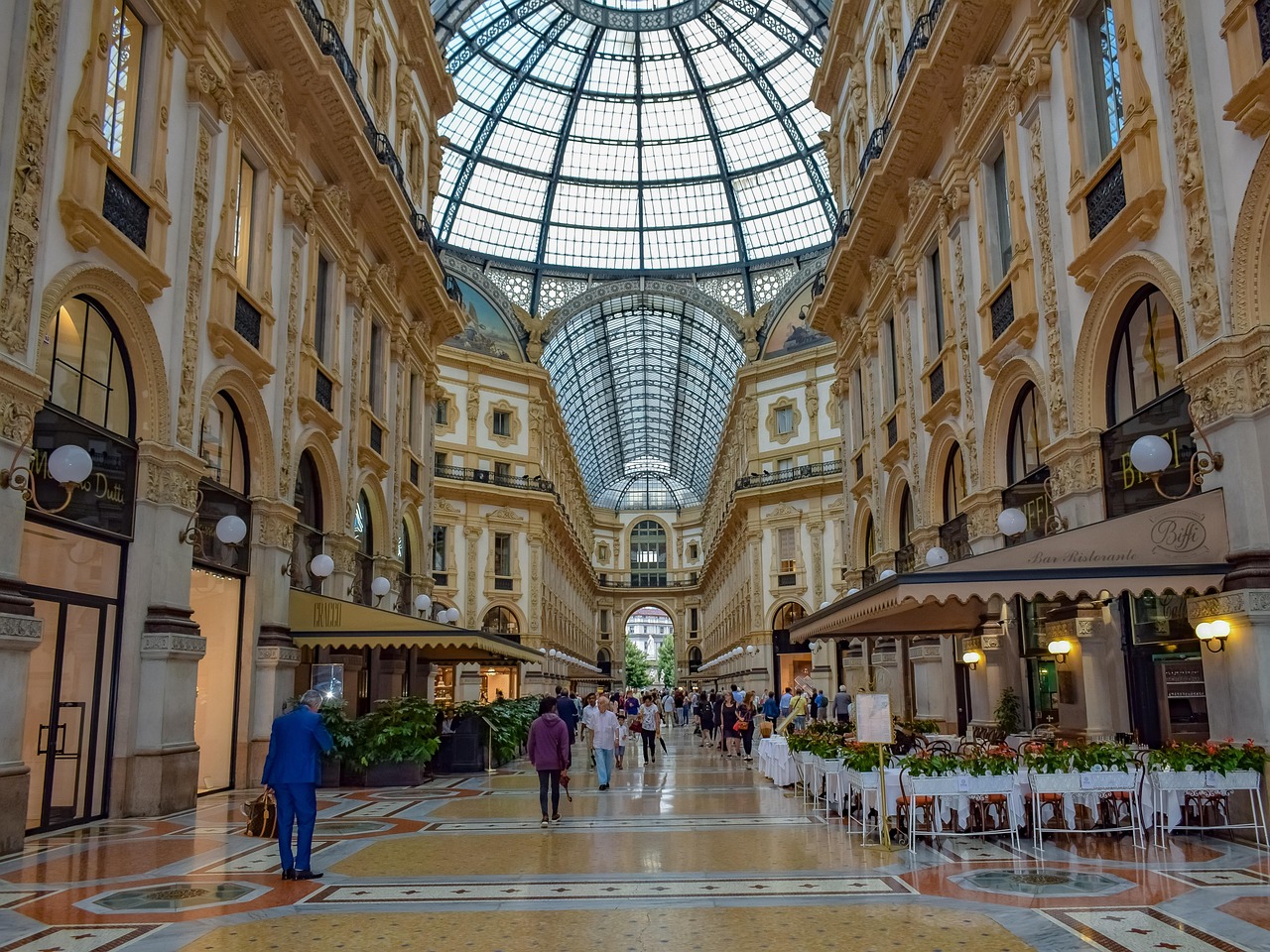
Under the glass roof: architecture, people-watching, and Milan’s most elegant shopping ritual
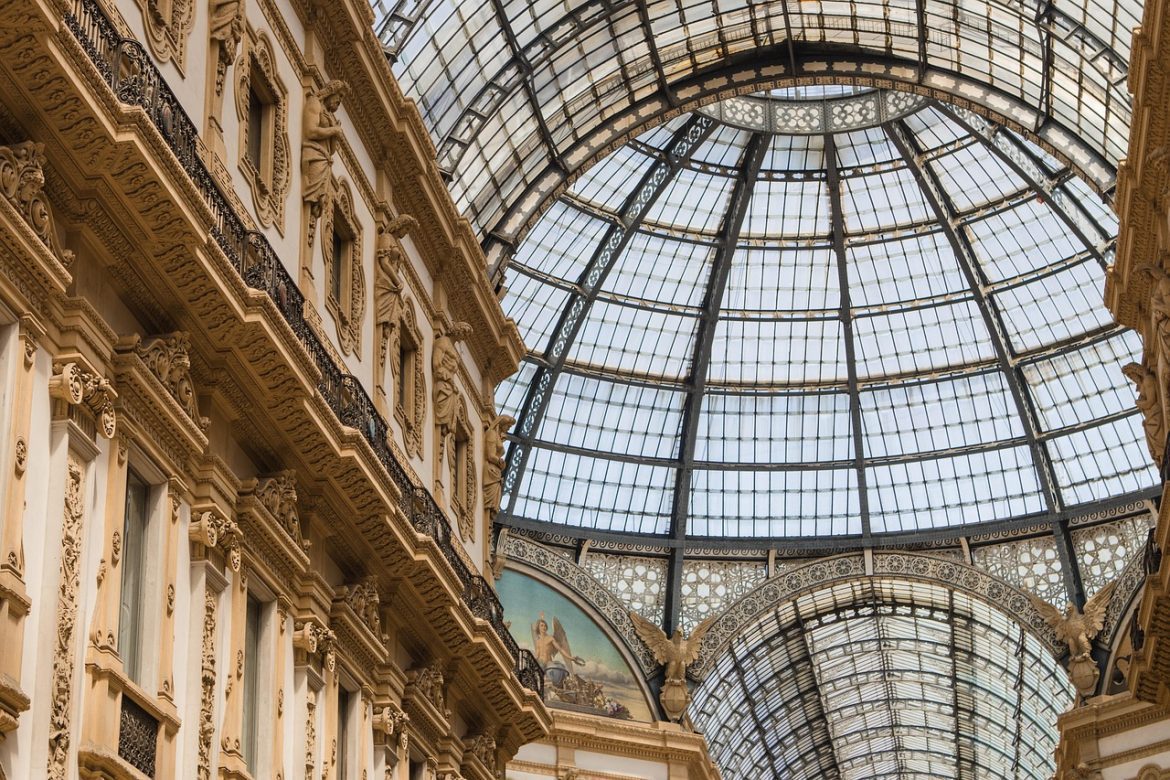
This shopping circuit is more than retail—it’s a Milanese ritual. Begin under the glass roof of the Galleria Vittorio Emanuele II, where architecture, people-watching and tradition meet. Locals and visitors pause beneath the mosaics, and the arcade becomes a living salon in the heart of Milan.
As you explore the galleria vittorio emanuele, notice how the light shifts across the ironwork and stone. It’s an attraction that feels grand yet surprisingly intimate—especially early in the day when footsteps echo, and the city hasn’t quite rushed in. From here, it’s a short stroll to the boutiques and polished windows that make Milan feel unmistakably modern.
Fashion capital shopping: appointments, etiquette, and calm decision-making
Milan is a fashion capital that rewards preparation. If you’re planning high-end shopping, set appointments with the fashion houses you truly love, then allow time for discovery on Via Montenapoleone. The most satisfying purchases often come from calm decisions—trying pieces properly, tailoring thoughtfully, and choosing quality over logos.
- Appointments: book ahead for private salons and better service.
- Timing: shop earlier, then linger over lunch when the streets get busier.
- Style: elegant yet comfortable dressing helps you blend in with chic locals.
A fashion enthusiast once treasured a curated day with a Milanese stylist, uncovering hidden ateliers off the main luxury streets. The pieces they chose were personal—beautifully made, subtly distinctive, and connected to the craft of the city rather than a single trend. If you have time, allocate a full day so the experience feels designed, not hurried.
For refined pauses, reserve a table inside the arcade (terrace seats are prized), and plan your dining around peak times. A slow lunch here can feel like theatre: the glass above, the city’s elegance below, and your day unfolding with confidence.
Brera District Culture in Milan – Pinacoteca di Brera Museum and Fondazione Prada
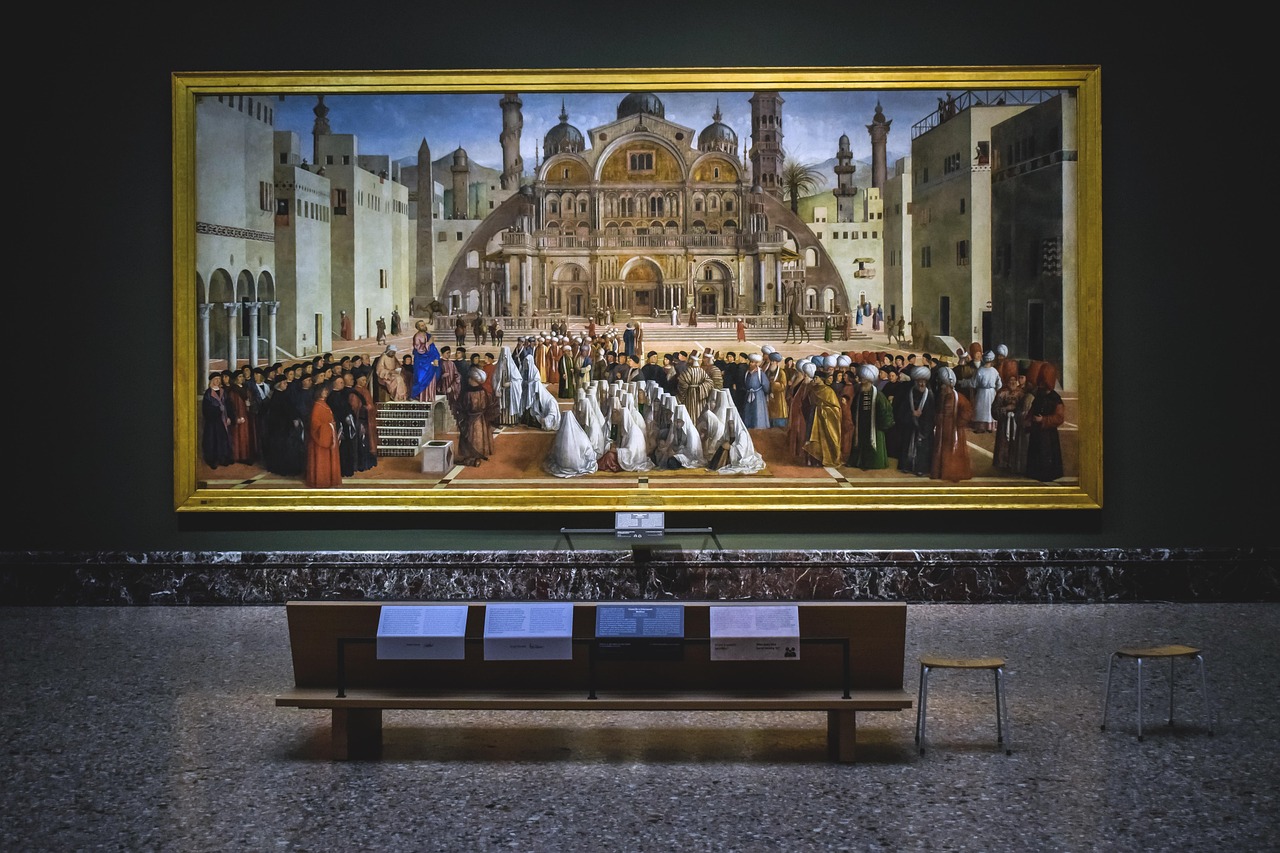
Brera’s slower rhythm: Italian art, thoughtful curation, and quietly stylish streets
The Brera pairing is where Milan’s classic soul and modern imagination meet. In Brera, cobbled streets invite you to slow down—boutique gallery windows, small designer shops, and cafés that feel genuinely local. Rather than chasing a checklist, let the neighbourhood set the pace and reward your curiosity.
Anchor your visit with the Pinacoteca di Brera, a museum that offers a deep sense of Italian art and careful, human-scale curation. Aim for quieter windows—early afternoon or later in the day—so you can linger without being swept along, and bring headphones if you enjoy a calm audio guide.
Pinacoteca di Brera highlights and a quieter museum game plan
Choose a small handful of works you’re excited to see, then give them time. This is one of those Milan experiences where less becomes more: fewer rooms, longer looking, and a richer insight into colour, light and devotion across centuries. If you enjoy context, a short introduction from an expert guide can make the collection feel newly alive.
Fondazione Prada: a guided tour, a cafe pause, and gelato to finish
Then contrast Brera with Fondazione Prada’s contemporary design language. A guided tour here helps you uncover the intent behind the spaces and exhibitions, and it often helps you avoid the busiest flow. Between the two, build in a relaxed cafe stop for a proper cappuccino, and finish with gelato as an everyday luxury—quietly Milanese, quietly perfect.
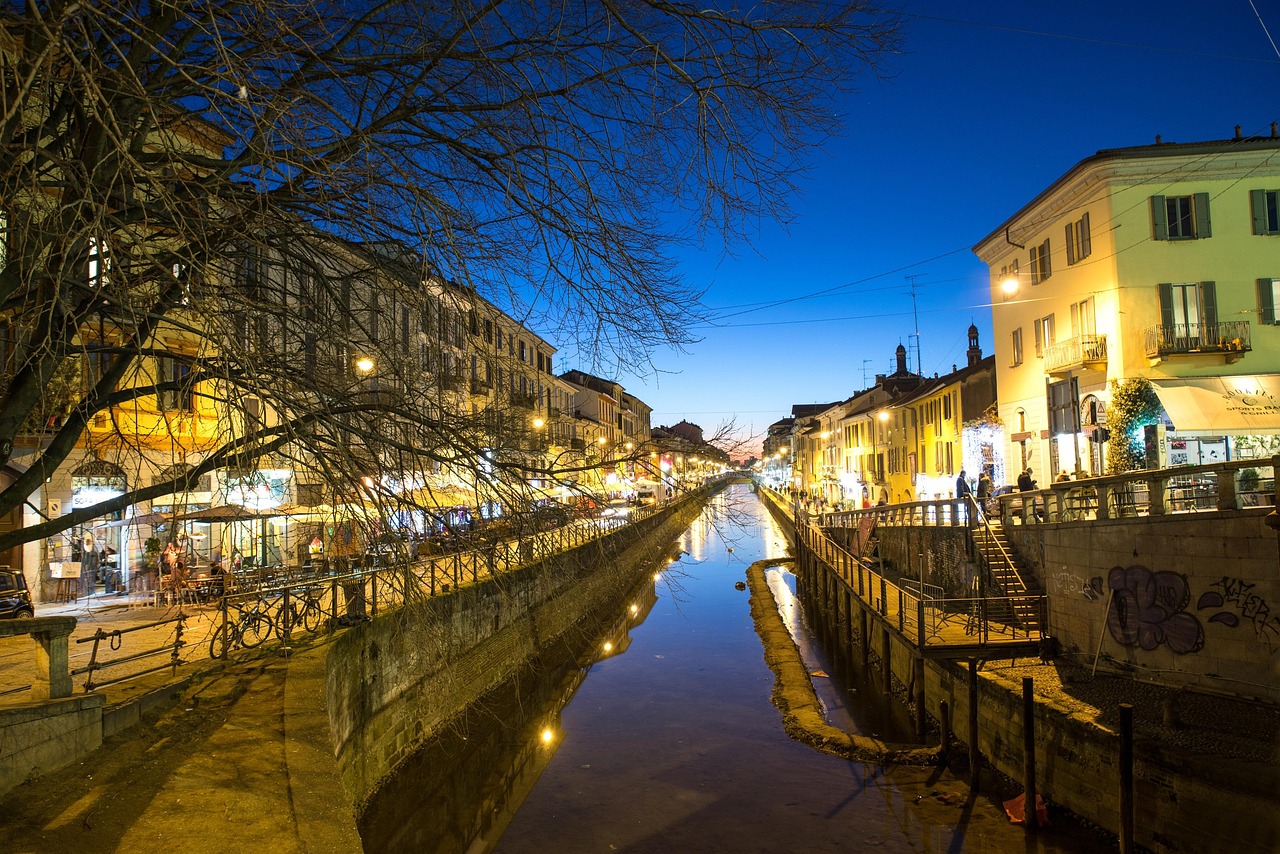
Aperitivo by the canals: golden-hour strolls, soft light, and an easy evening rhythm
The Navigli district scene is at its best at golden hour, when the canal water picks up the sky, and the city feels softer. Start with a canal-side stroll and choose a route that skims the prettiest stretches while avoiding the noisiest pockets. In Navigli, the luxury is often in the atmosphere: unhurried conversation, warm light, and the sense that Milan is exhaling.
For aperitivo, select one or two bars with a curated feel rather than turning it into a sprint. Let it be crafted: a good drink, a small plate, then another gentle walk as the evening deepens and the reflections sharpen on the water. If you’re returning to the city centre later, check taxi ranks in advance so the end of the night stays smooth.
Milanese cuisine classics: trattorias, risotto alla milanese, and ossobuco
When you sit down for dinner, look for trattorias that feel loved by locals and quietly confident. This is the time for Milanese cuisine staples—risotto alla Milanese with saffron, or ossobuco that falls apart at the touch of a fork. It’s also a lovely chapter for simple Italian food done beautifully, without performance.
- Aperitivo tip: arrive slightly earlier for better tables and calmer service.
- Food pairing: balance rich dishes with a bright, mineral white wine.
- Sweet finish: choose Italian gelato from a gelateria where flavours taste clean and not overly sweet.
After-dark comfort: vibrant nightlife with safe, smart returns
If you’d like a little after-dark energy, Navigli can offer vibrant nightlife without sacrificing ease—just be selective about where you linger. The nightlife is best enjoyed with a clear plan for your return: a pre-booked car or a trusted taxi means you can relax by the canals, then leave on your own terms.
Sforzesco Heritage in Milan – Sforza Castle, Frescoes, and a Lombardy Escape
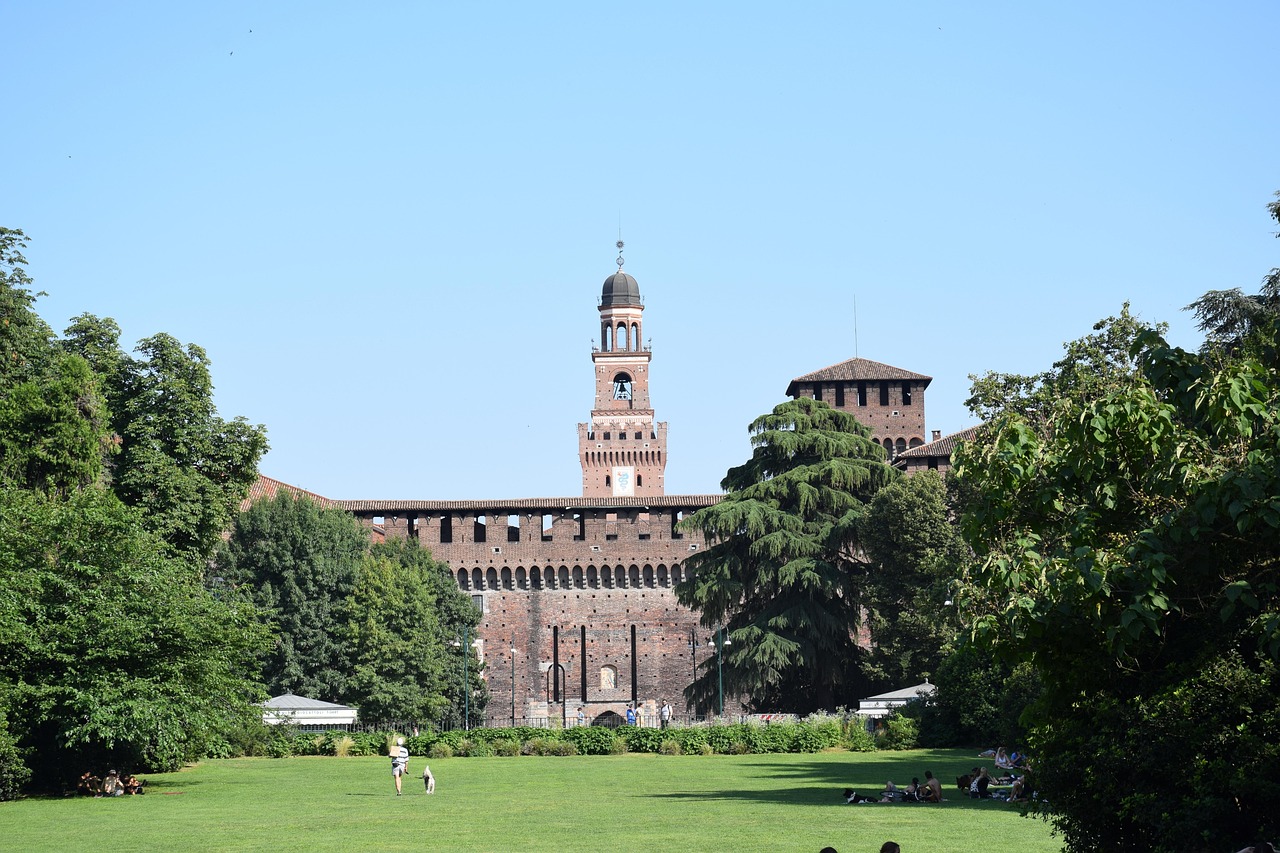
Sforzesco heritage days: courtyards, collections, and an elegant pause beyond the city
This pairing makes for a polished day that balances heritage and breathing space. Begin at Sforzesco—better known as Sforza Castle—where courtyards and collections let you explore at a calm pace. It’s a historic attraction that never feels cramped if you arrive earlier, then allow yourself to wander rather than rush from room to room.
From there, slip into a quieter kind of beauty at San Maurizio al Monastero Maggiore. Often described as a secret in plain sight, it offers a frescoed stillness that feels like stepping out of the city’s tempo and into a pocket of devotion. Even seasoned travellers are surprised by how much this stop resets the day.
Quiet heritage moments, a basilica pause, and an Arco della Pace stroll
After your San Maurizio stop, allow one standout basilica moment elsewhere in the centre—simply for reflection and a change of light. Then head towards Arco della Pace for a photogenic stroll. It’s an elegant pause between collections, and a lovely place to watch Milan move with quiet purpose.
A high-end escape beyond Milan: a day trip to Lake Como with private transfers
If your itinerary allows, design a day trip beyond the city. From Milan, you can easily reach Lake Como in Lombardy, but high-end travellers often prefer private transfers for comfort and timing. Reserve a lakefront lunch, keep the afternoon gently open, and return to the city in time for a relaxed evening—Milan feels even more luminous after water and mountain air.
Milan Travel Tips: Reach Milan from Malpensa Airport and Milan Linate Airport
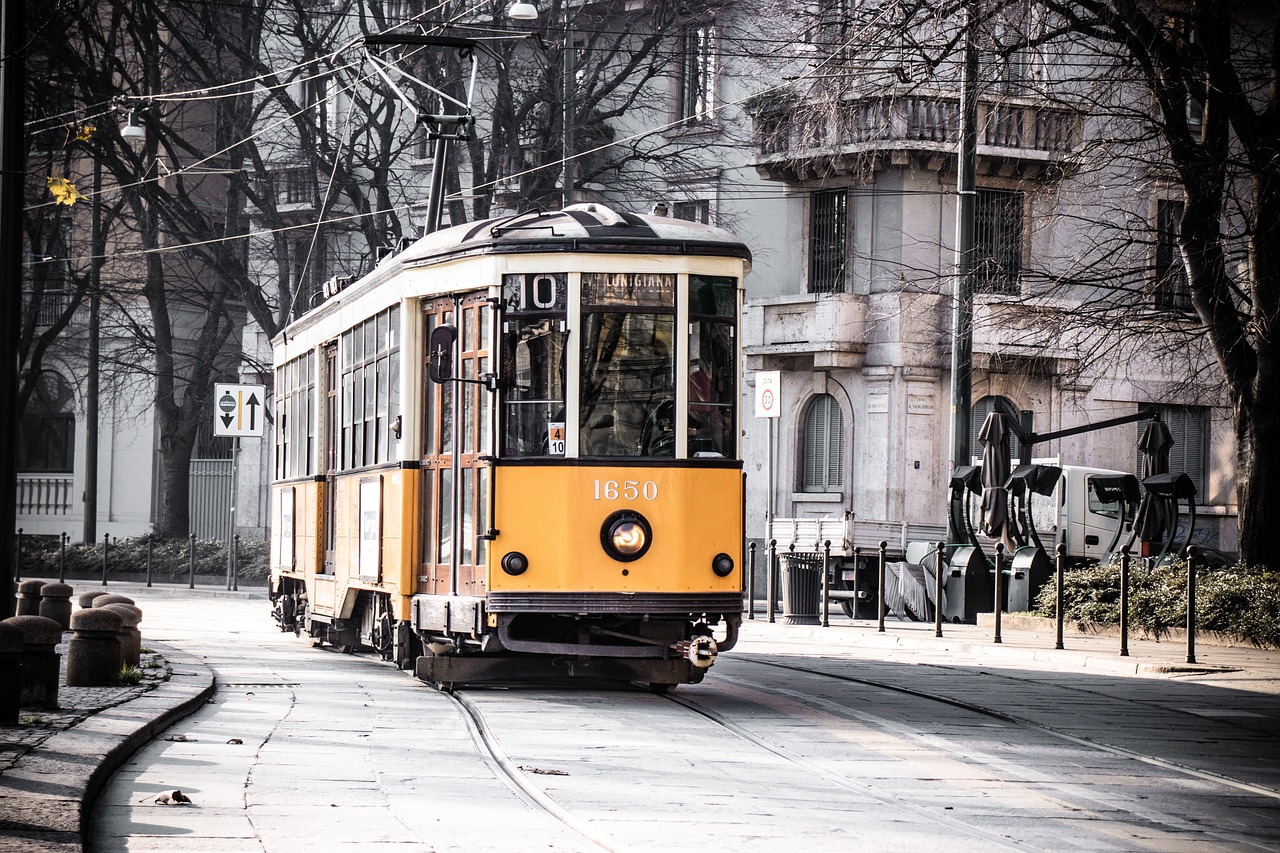
Milan logistics made simple: airport arrivals, metro connections, and classic tram routes
For calm arrivals and polished days, a few practical pointers make a tangible difference. The best time to visit Milan is April to June and September to October, when the weather is mild, and crowds are more manageable across the key attractions in Milan. To reach Milan, most international travellers arrive via malpensa airport, while milan linate airport is wonderfully convenient for shorter hops within Europe and Italy.
When it comes to the way to get around, you can mix comfort and efficiency depending on the day’s mood. The Milan Metro and tram lines are reliable within the public transportation system, while taxis and private chauffeurs bring door-to-door ease—especially in the evening when you want a smooth, stylish return to your hotel in the city centre.
Get around Milan with confidence: metro, tram, taxis, and private cars
To get around Milan smoothly, consider what you value most: speed, comfort, or the romance of the city. A tram ride can feel like a moving postcard; a car service feels discreet and effortless. If you enjoy guidance, even a brief look at a Rick Steves-style approach to neighbourhood pacing can help you simplify choices without losing curiosity.
- Metro and tram: fast for daytime hops, especially between central sights.
- Taxis: ideal for short, spontaneous moves when dressed for dinner.
- Private chauffeurs: best for seamless evenings and multi-stop shopping days.
Local etiquette, dressing well, and a seamless planning checklist
A warm “buongiorno” goes far, and Milan appreciates restraint—respect quiet hours (often 1 pm to 3 pm and after 10 pm), and avoid loud behaviour in public spaces. Dressing elegantly yet comfortably builds confidence and helps you feel part of the city rather than simply passing through it.
For seamless planning, keep a short checklist: timed entries for key sights (especially The Last Supper), a rain-friendly alternative (museums and galleries are perfect), and a little whitespace each day for discovery. If you only visit Milan once, let it be with trust in your pace.
If you’d like inspiration for designing an Italy itinerary beyond the city, our Trip gallery offers a beautiful starting point.
F.A.Qs: Milan essentials for high-end travellers
What should you not miss in Milan on your first visit, even on a short stay?
Don’t miss the Duomo rooftop terraces, an exclusive timed visit to see The Last Supper at Santa Maria delle Grazie, and an evening of music or ballet at the city’s legendary opera house. For many first-timers, these are the signature things to do in Milan because they combine design, history, and atmosphere in a single, elegant arc. Add the Galleria Vittorio Emanuele for architecture and people-watching, plus Brera for galleries and café culture.
What is Milan, Italy, best known for today in 2026?
Milan is best known for fashion and design, world-class art and music, and landmark architecture. It’s the fashion capital where Via Montenapoleone and historic arcades meet contemporary creativity, and it’s home to The Last Supper and the Duomo. The city’s appeal lies in how elegantly it blends heritage with modern life.
Can I wear jeans in Milan and still look appropriate for upscale venues?
Yes—jeans are fine in Milan, especially if they’re well-cut and paired with smart shoes and a polished jacket. In churches and sacred spaces, dress modestly with shoulders covered; for upscale dining, aim for a more elegant look. Comfortable, refined clothing helps you feel confident and fits naturally with local style.
What is the main tourist attraction in Milan for first-timers?
The main tourist attraction in Milan is the Duomo, the city’s iconic cathedral. Most visitors prioritise the rooftop terraces for panoramic views, then explore sights in the city centre, such as the Galleria. Booking rooftop access ahead of time helps keep the experience calm and seamless.
What Stayed With Us After Milano: Craft, Calm, and Contrast in a Modern Classic
Long after leaving Milano, what returns isn’t a checklist—it’s light on stone, and the quiet confidence of moving through a city that values craft. There’s the remembered calm above the duomo, where the air felt cooler and the skyline looked almost hand-drawn. There’s the hush before Leonardo’s supper scene, when time narrowed to a single wall and a single, astonishing idea held in pigment.
And then, unexpectedly, the theatre-light of an opera night: not just glamour, but discipline and devotion, felt in the pause between notes. Milan holds contrasts gently—design beside the everyday local rhythm—until you find yourself carrying it in smaller ways. You begin to notice how you choose: a slower table, a quieter street, a more personal object, a moment treated with care.
Perhaps that is why travellers fall in love with Milan: it rewards curiosity and patience, and it meets good style with something rarer—trust, and a quiet love with milan that lingers. Among Italy’s great Italian cities, it’s the one that teaches you to savour details rather than chase them.