Post Contents
- The Colosseum and Rome’s first rush of history in the city of Rome
- Exploring inside the Roman Colosseum from the entrance to the arena floor in Rome, Italy
- Uncover the Colosseum underground hypogeum guided tour in Rome, Italy
- The Colosseum night tour in Rome, Italy with evening tickets
- Roman Forum and Palatine Hill near the Colosseum in Rome, Italy
- Plan your visit to the Colosseum in Rome, Italy with tickets and Metro Line B
- F.A.Qs:
- Final Thought
The Colosseum and Rome’s first rush of history in the city of Rome
The Colosseum and Rome’s first rush of history
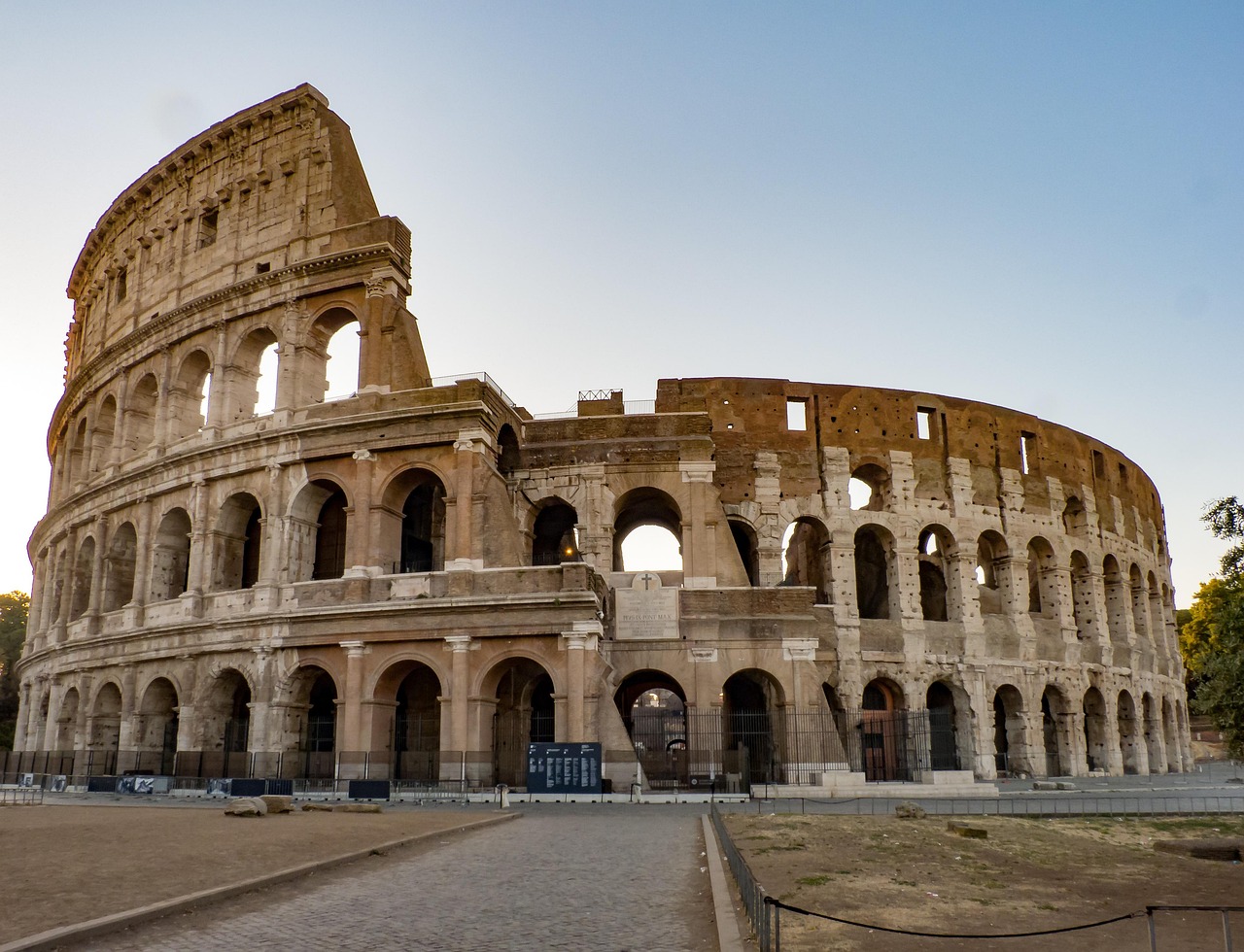
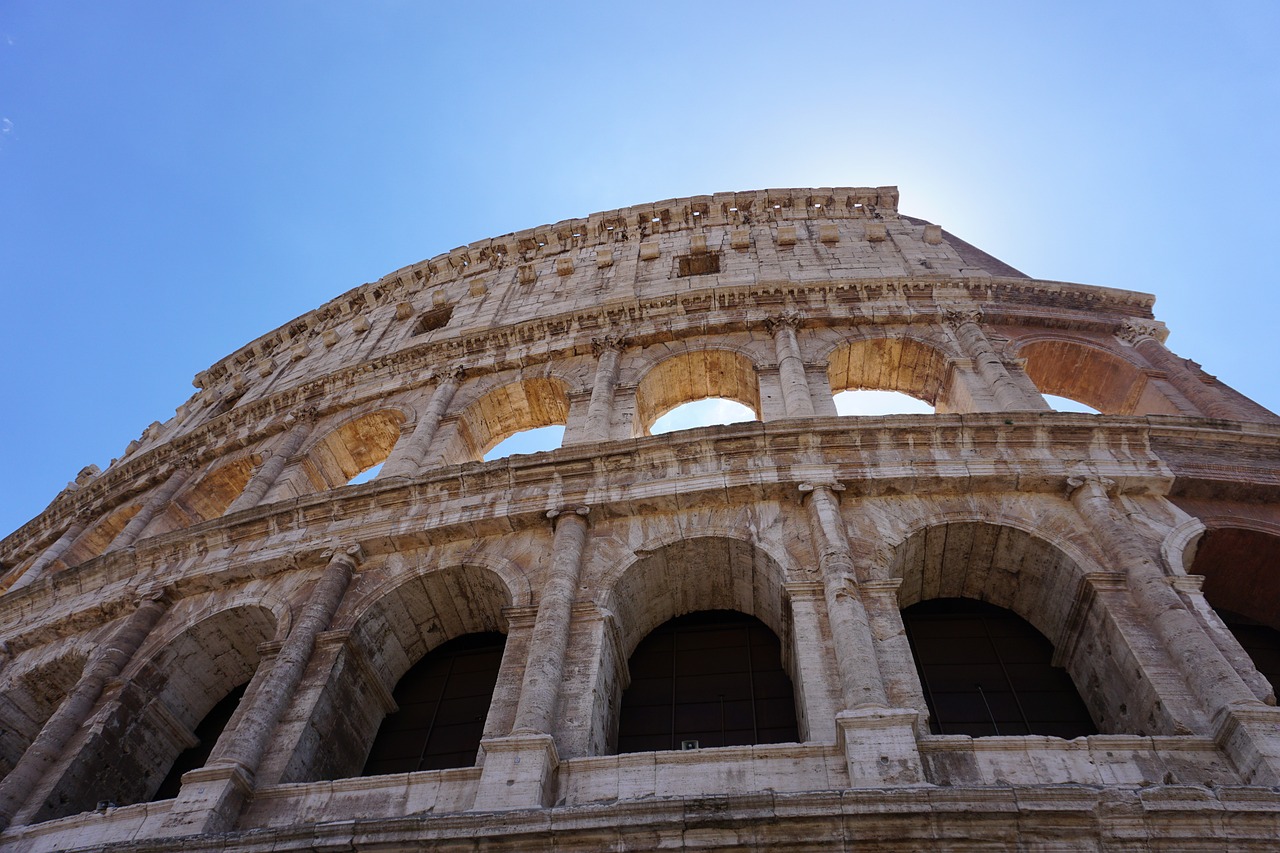
On a first visit, the Colosseum in Rome appears right in the city, as if it has pushed up through the modern street plan, daring you to match its scale with your imagination. Even if you’ve seen it in books, the elliptical structure changes everything when it’s in front of you—stone, shadow, and the hum of scooters and footsteps around the city centre.
In ancient Rome, this was the Flavian Amphitheatre (also spelt Flavian amphitheatre), commissioned by Emperor Vespasian of the Flavian dynasty. The opening games were staged under Emperor Titus in 80 AD, and the message was clear: the Roman empire could entertain, organise, and dominate at a level ordinary life could barely comprehend. The construction of the colosseum was as much about politics as it was about architecture.
Interesting facts that make the stone feel alive
Look closely, and you’ll spot the pale warmth of travertine, the signature material that still catches the Roman light. The arena’s long axis measures 156 meters, and the structure once anchored a vast urban theatre of movement. Over time, the Colosseum fell into changing uses—at times treated as a quarry, later as a fortress—especially after a major earthquake damaged sections and forced repairs and the construction of secondary walls to stabilise what remained.
Why the spectacle mattered to every spectator
This was an entertainment venue designed for every spectator class, from senators to the standing crowds, because spectacle kept loyalty close. You don’t need to arrive knowing every emperor, every date, every detail. We’ll create your first layer of insight with calm, expert care—so you can simply stand there, breathe, and discover what the monument is ready to tell you.




Exploring inside the Roman Colosseum from the entrance to the arena floor in Rome, Italy
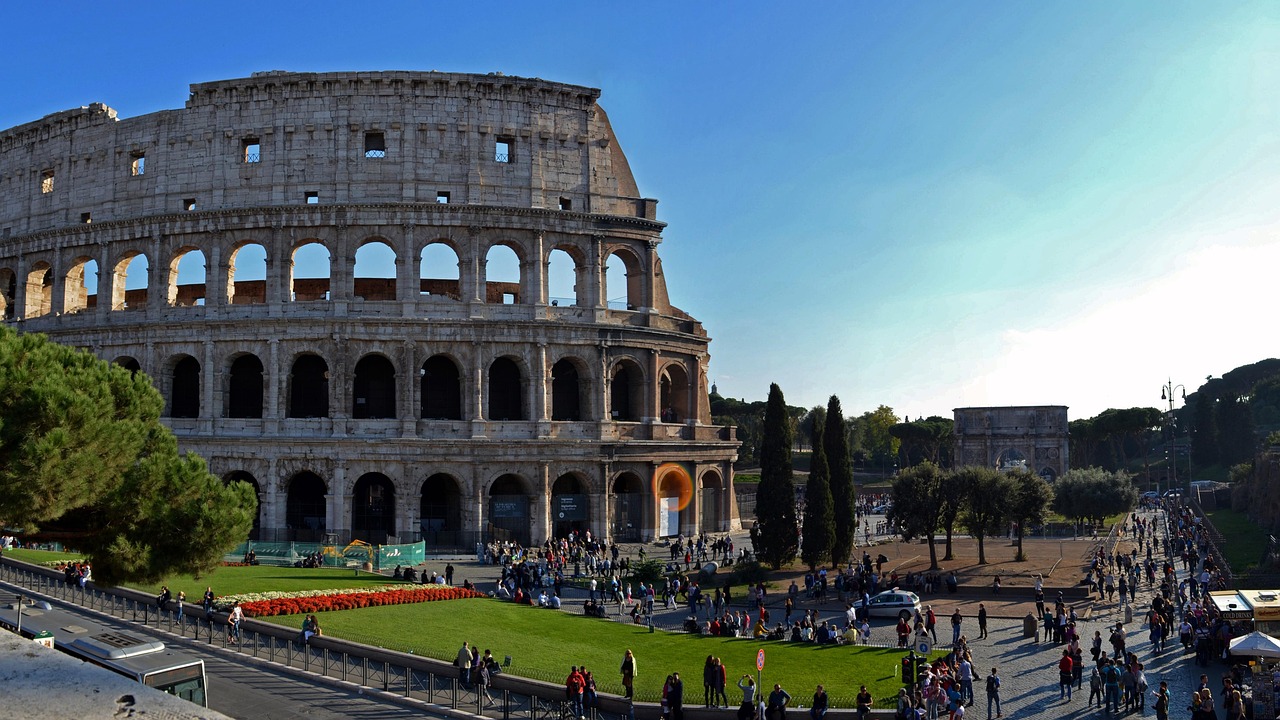
Exploring the Roman Colosseum from entrance to arena floor
To explore inside the Roman Colosseum, the entrance experience in Rome, Italy, is your first clue to its genius. The building once had 80 entrances, engineered to move tens of thousands with astonishing order. Imagine the surge of sandals, chatter, vendors, and anticipation—yet organised so the crowd could arrive, watch, and depart with near-military efficiency.
For today’s traveller, a simple route keeps things seamless. Start by orienting yourself from an upper level, then descend to mid-tier viewpoints where the curves of the seating bowl make the scale easiest to feel. Pause at the balustrades where you can see both the arena and the exposed under-structure; it’s the best place to create a personal moment without being swept along.
Entrance flow and the arena floor view
If you’ve booked arena access, stepping onto that platform is quietly electrifying. It’s where gladiatorial contests were staged as theatre and control: gladiator fights, animal hunts, and set-piece dramas. Gladiatorial combat was brutal, but it also shaped identity—who was celebrated, who was expendable, and how Rome rehearsed dominance in public.
- Photo pause with mood: frame the curves first, then turn to capture the light on the stone.
- Sound check: stop for ten seconds and listen; even modern echoes feel amplified.
- One slow moment: pick a spot, breathe, and let the colosseum speak before you move on.
Next to the Colosseum, Rome keeps messaging
Just next to the colosseum stands the Arch of Constantine, a triumphal arch that reminds you this site was never just about sport—it was propaganda in marble and relief. In a city filled with major tourist attractions, this pairing is unmissable: performance in the arena, and power written into the skyline.
Uncover the Colosseum underground hypogeum guided tour in Rome, Italy
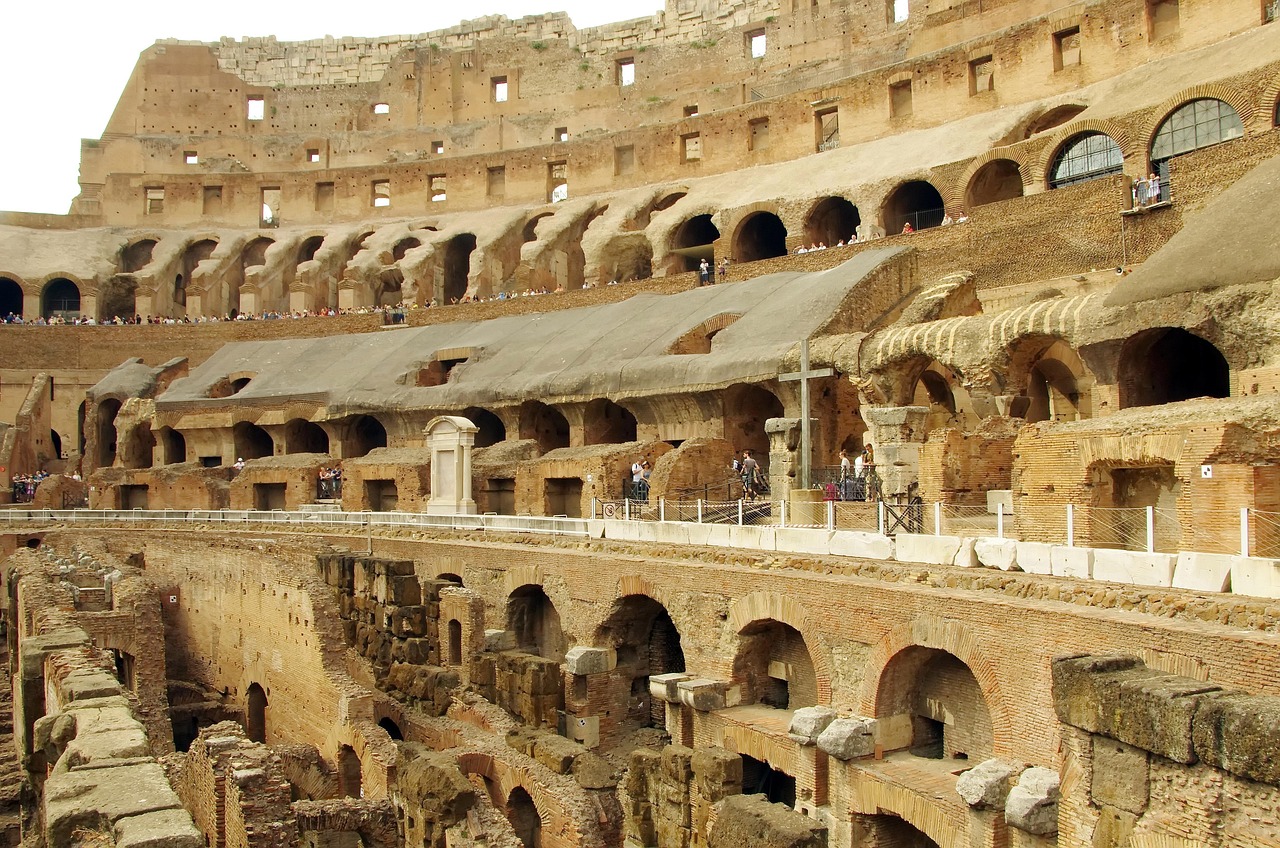
Uncover the hypogeum underground where gladiators prepared
A Colosseum underground hypogeum guided tour with a gladiator story thread is where Rome, Italy, feels most intimate. The hypogeum is the backstage world beneath the arena: a complex system of corridors, cages, ramps, lifts, and trapdoors that made the shows possible. You’re no longer watching history from a distance—you’re uncovering its mechanics.
Rachel, an adventure seeker we’ve travelled with, described a deep connection here. In the underground tunnels, she imagined gladiators pacing before battle with quiet courage—breath controlled, mind racing, listening for a signal from above. In that dim air, the colosseum becomes less postcard and more human.
Emperor engineering and the Flavian legacy
After Vespasian began the project and Titus inaugurated the arena, Domitian pushed innovations further; the reign of Domitian is closely tied to expanding the underground operations. Local guides often share tales handed down through generations—how teams coordinated lifts, how animals were staged, how timing and terror were crafted together.
Private lake legends and what’s true
One calm myth-busting note: you’ll hear about naval battles and mock naval battles. While early spectacles may have involved flooding, the later hypogeum made that impractical. Before the amphitheatre rose, this zone was reshaped from Nero’s extravagance—his Golden House grounds included a private lake and an artificial lake. Nearby, the Colossus of Nero (a colossal statue) gave the area a haunting point of reference; even the word colossus lingers in the naming of the area.
Notice the cool air, the worn stone underfoot, and the way your voice drops. With the right expert guide, the underground doesn’t sensationalise—it restores context, trust, and care to what can otherwise feel like legend.
The Colosseum night tour in Rome, Italy with evening tickets
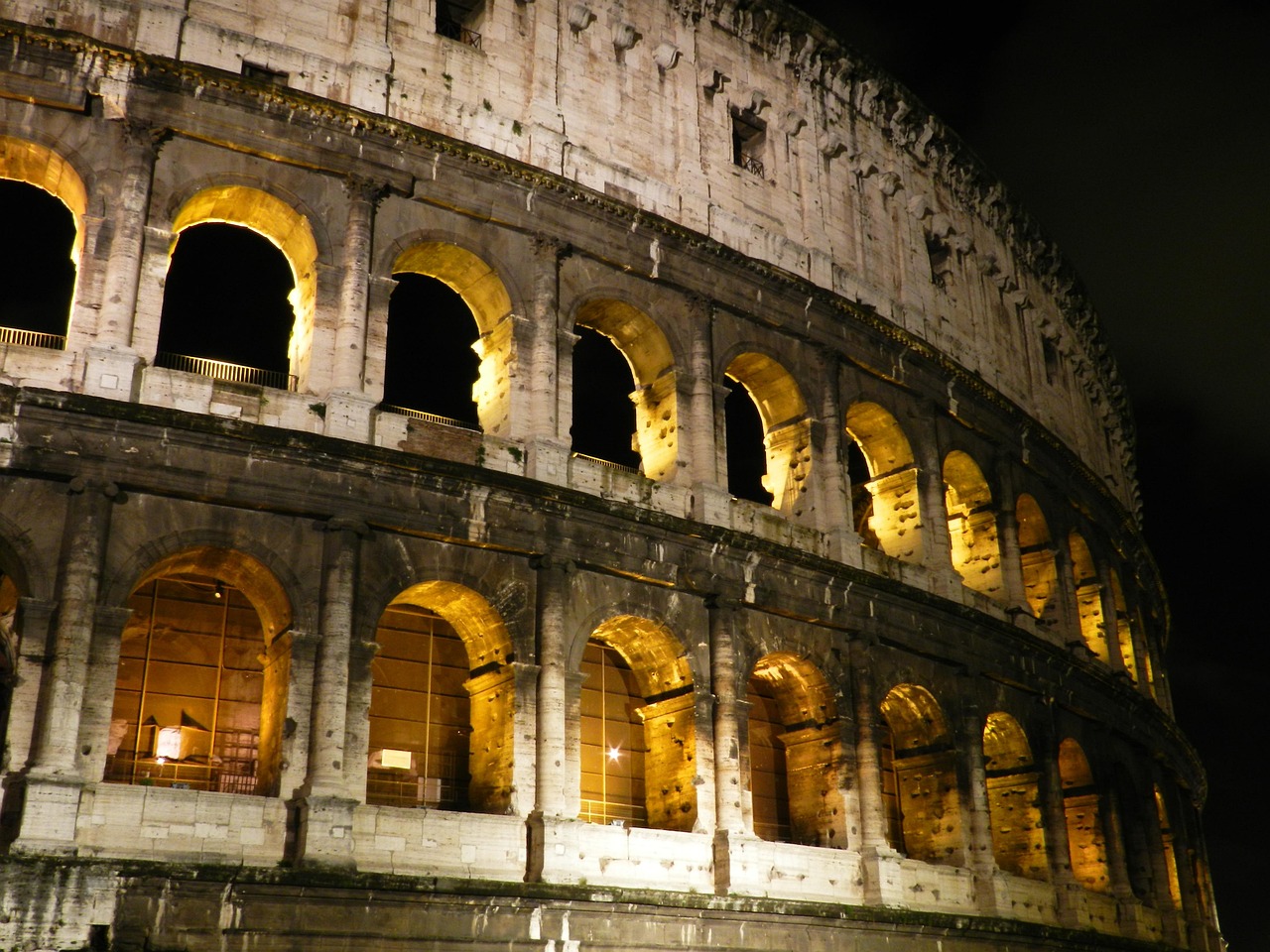
The Colosseum at night a quieter kind of daring
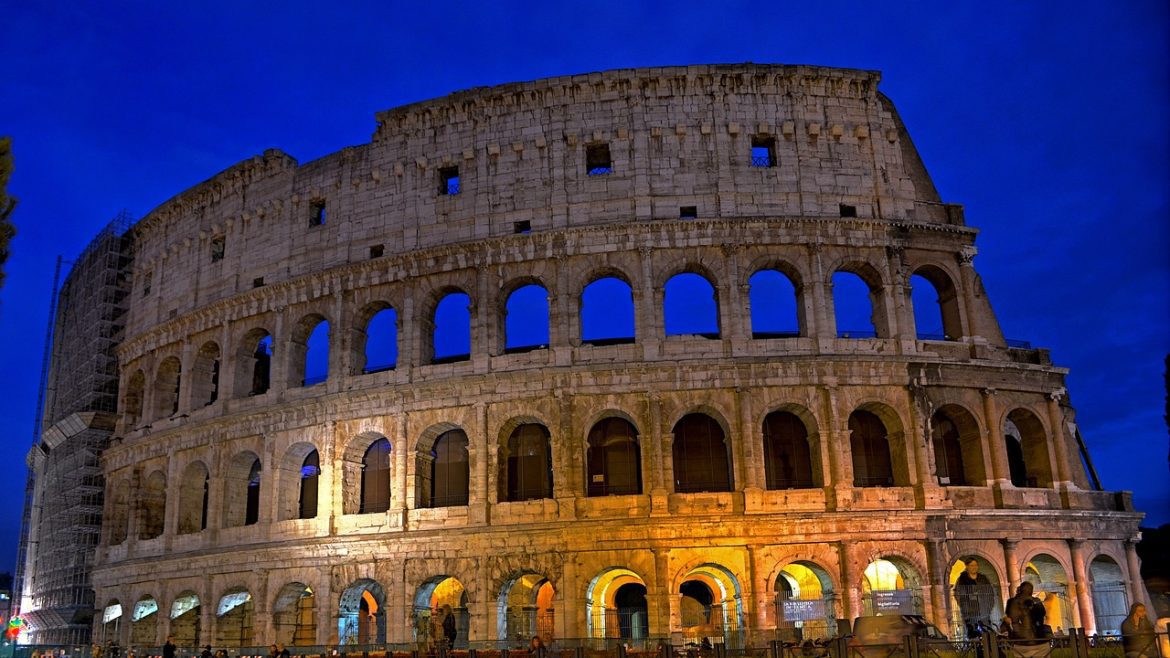
A Colosseum night tour in Rome, Italy, with evening tickets changes the emotional temperature of the visit. With fewer distractions, the travertine reads differently—shadows lengthen into arches, and details you missed in daylight suddenly feel close. It’s a softer kind of daring, made for travellers who want space to imagine rather than jostle.
Some visitors recount the thrill of arriving at sunset, when the stone warms to a surreal glow. It can feel almost cinematic: the city quieting, the colosseum holding on to the last light, and then slipping into a more private atmosphere.
Designed for confidence and seamless safety
Well-run evening visits are crafted for confidence: clear meeting points, smaller groups, and guides who keep the route smooth. If daytime crowds feel intense, night can be a more personal way to explore—especially if you enjoy moving through a place with intention rather than speed.
- Arrive early: give yourself time to find the right gate and settle in.
- Keep it light: a small bottle of water and a layer for cooler air.
- Stay present: put the phone away for two minutes and listen to the quiet.
Respectful night etiquette for a living monument
A gentle cultural note: don’t touch fragile areas, don’t climb, and let the monument keep its dignity. The best night tours build support into the experience, so you can move together as a group and still feel wonderfully free within the space.
Roman Forum and Palatine Hill near the Colosseum in Rome, Italy
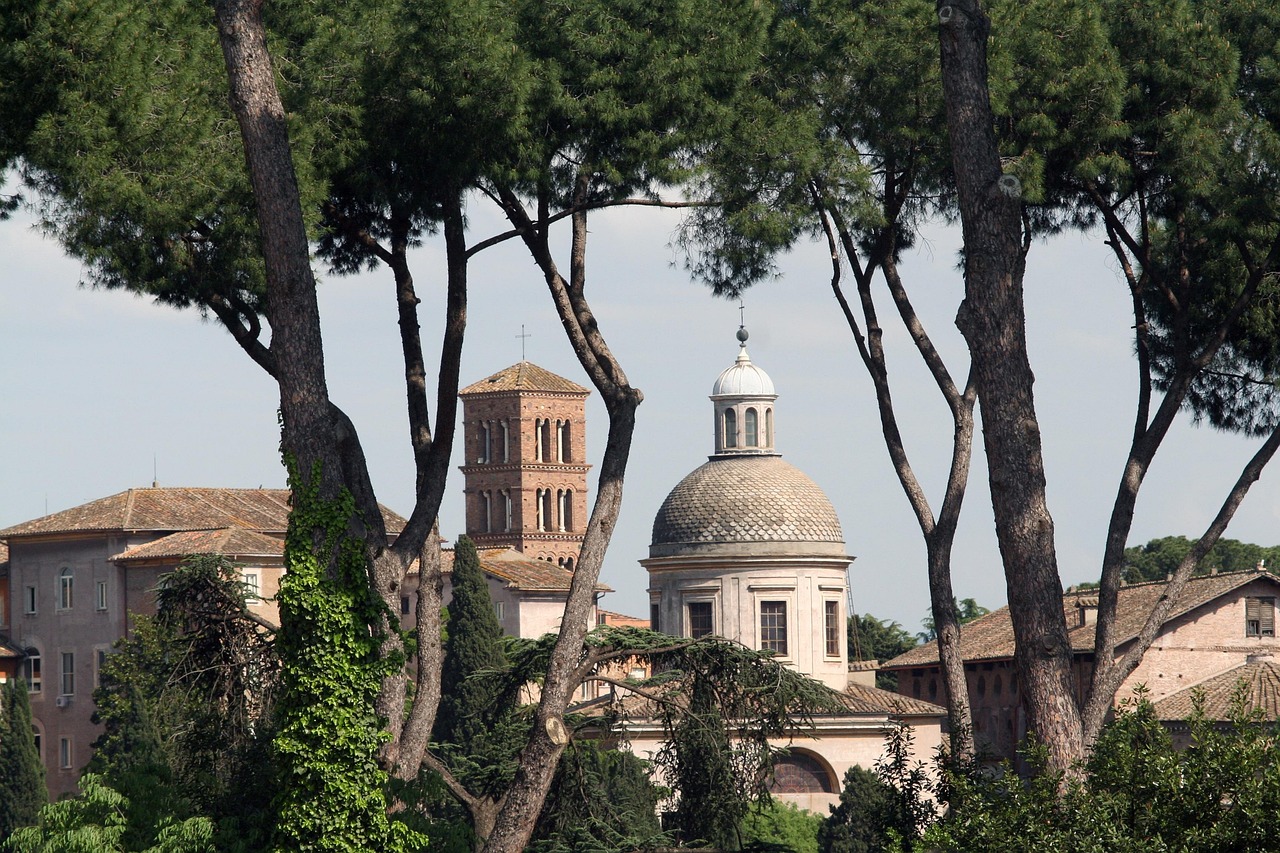
Beyond the Colosseum, Roman Forum and Palatine Hill
Visiting the Roman Forum and Palatine Hill near the Colosseum in Rome, Italy, connects the dots in a way the arena alone can’t. The Roman Forum and the Palatine reveal the wider map of ancient Roman life—temples, courts, processional routes, and the daily choreography of power.
A designer journey flow feels natural here: Colosseum to Forum to Palatine Hill, letting viewpoints do the storytelling. From above, you can see how Rome is layered—ruins, Renaissance, and modern city all sharing the same air. This is where cultural enthusiasm meets adventure, because you’re not just looking; you’re moving through time.
Doric, Corinthian, and the triumphal route in stone
Even if you don’t know the vocabulary, you’ll recognise the confidence of Doric forms and the flourish of Corinthian detail. It’s hard not to picture the triumphal routes—victory parades, banners, and the controlled theatre of a Roman empire that understood branding long before the word existed.
Palatine Hill is perfect for adventure seekers
Palatine Hill is exposed and uneven, and that’s part of its charm. You’ll pass palace remnants where emperors once shaped policy and image; the stones feel sunlit and uncompromising. Wear comfortable shoes and carry water—these small choices create freedom, and freedom creates better insight.
- Best viewpoints: take the higher terraces for a sweeping read of the Forum.
- Move with care: uneven paths reward slow, steady steps.
- Local finish: choose a trattoria in the area around the colosseum and let Roman cuisine turn history into a present-tense memory.
Plan your visit to the Colosseum in Rome, Italy with tickets and Metro Line B
Plan your visit with confidence tickets timing and transport
To plan your visit, Colosseum tickets, skip-the-line strategy, and Metro Line B to Colosseo station are the trio that make Rome, Italy, feel effortless. Opening hours vary by season, so check the official slot options and aim for early morning or late afternoon to avoid the midday heat. This is one of Italy’s capital highlights, and it draws million visitors—timing is your quiet luxury.
Buy Colosseum tickets online in advance to lock in entry and reduce stress. Combined tickets typically include the Roman Forum and Palatine Hill, and they’re excellent value if you want the bigger story. Choose guided tours when you want access to areas that are otherwise closed, such as the underground and the arena floor—and for the extra layer of trust that comes from a calm expert leading the way. If you’d like to see how these days can be designed end to end, browse our Trip gallery.
Entrance timing and where to go
Arrive 20–30 minutes early for your timed slot and confirm the correct entrance gate for your ticket type. It’s a small step that saves you from the only real frustration here: long lines caused by people joining the wrong queue. Once inside, keep your pace measured—this is a place that rewards attention.
Expert checklist for a calm, personal rhythm
- Bring: water, sun protection, and a light layer in shoulder seasons.
- Wear: supportive shoes for uneven stone and steps.
- Consider: accessibility needs—staff can support with route advice and lifts where available.
- Avoid: oversized bags and rushed scheduling back-to-back across Rome.
- Remember: respect the site—no climbing, and keep a gentle distance from fragile areas.
If you’re deciding whether to visit the Colosseum on a busy day, know this: smart timing and a well-crafted plan make it feel surprisingly seamless.
F.A.Qs:
Why is the Colosseum in Italy famous?
The Colosseum in Italy is famous because it’s the Flavian Amphitheatre of ancient Rome: a vast Roman amphitheater built to stage public spectacles and project imperial power. Its scale, engineering, and survival through centuries of change make it one of the world’s most recognisable monuments in Rome.
Can you still go inside the Colosseum?
Yes. You can still go inside the Colosseum with timed entry tickets, and many visits include the main levels overlooking the arena. For deeper access, book a guided tour that includes restricted areas such as the arena floor or the underground passages, which require specific ticket types.
Is the Colosseum 7 wonders?
The Colosseum is often linked with the “seven wonders” idea and is frequently referenced among modern lists of wonders of the world. While wording varies by list, it’s widely celebrated as one of the most iconic surviving structures from the Roman empire and a defining landmark of Rome.
What was the most famous fight in the Colosseum?
No single, fully verified “most famous” fight is recorded in a way we can confirm today. What’s best documented is the tradition of gladiatorial combat itself—highly staged contests that could elevate a gladiator’s reputation, reinforce social hierarchy, and keep the crowd invested in Rome’s public theatre.
Final Thought
For many, the Colosseum isn’t something you simply tick off in Rome, Italy; it becomes an afterimage. Days later, you may hear a crowd at a station or a match and feel an echo—an instinctive shift in how you understand noise, courage, and time. That’s why roman colosseum is one of those wonders of the world that changes you quietly, without asking permission.
There’s awe here, and there’s discomfort too. It helps to hold both with care: admiration for an ancient Roman engineering feat, and an honest awareness of the human cost behind gladiatorial spectacle. The gates had names—the gate of life and the gate of death—and the language itself tells you how normalised brutality could become when entertainment and politics fused.
And yet, the coliseum also offers something unexpectedly personal. In the right light, the stone can feel almost local, as if the distance between your life and theirs is thinner than you assumed. You might find yourself thinking about what you would have cheered, what you would have questioned, and what you would have protected.
Leave Rome gently. Let the monument stay with you as a question rather than a conclusion—because the next time you hear a crowd rise somewhere in the world, you may imagine ancient echoes, and feel connected, together, across time.