Post Contents
- Designing a luxury itinerary for the best places to visit in Italy and hidden gems
- Rome and Vatican City are the best places to visit for ancient grandeur
- Florence is a city in Italy and one of the best places in Italy to see Renaissance art
- Tuscany and Chianti are among the best places to visit for wine and hilltop charm
- Venice, Italy best places to visit with a private gondola and artisan workshops
- Amalfi Coast, Italy best beaches, Positano and Ravello, with private yacht days
- Naples, Pompeii and Mount Vesuvius as a UNESCO World Heritage Day trip
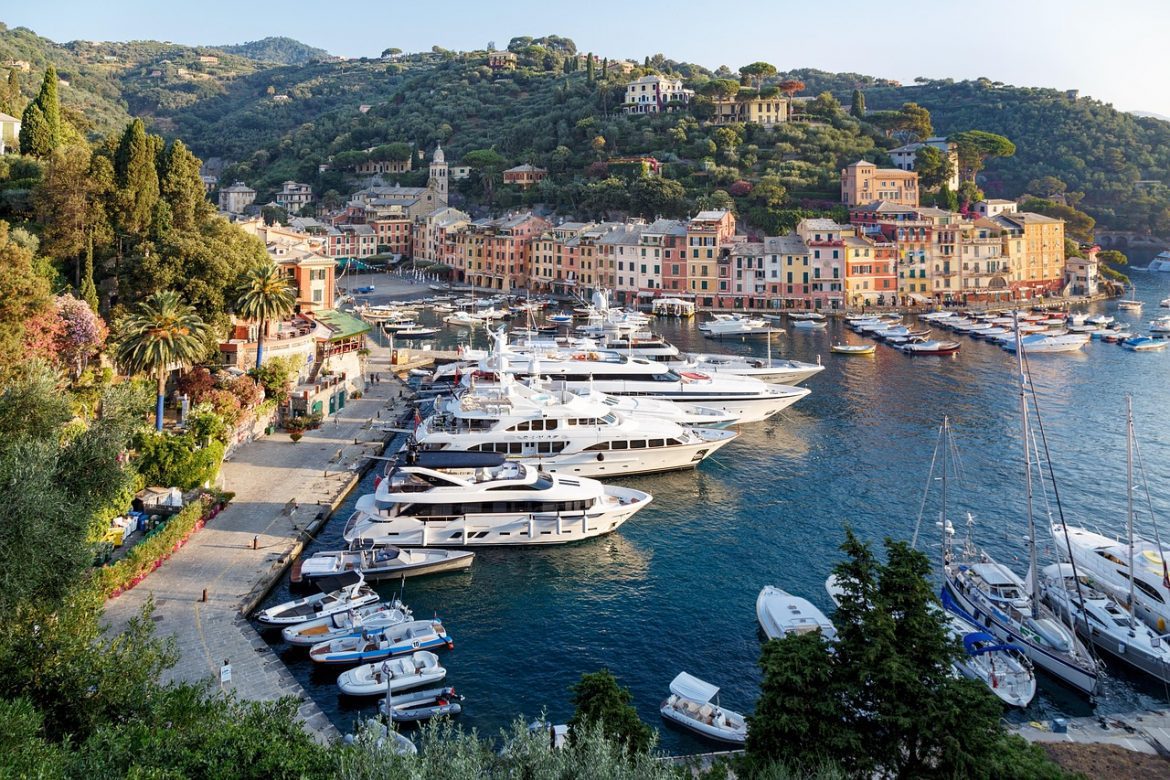
- Cinque Terre, Italy, places to visit for colourful houses and coastal walks
- Milan, Italy, Lake Como and the Dolomites are the best places to see in the north
- F.A.Qs: best places to visit in Italy travel guide
- After Italy, what stayed with you
Designing the best places to visit in Italy for a high-end itinerary
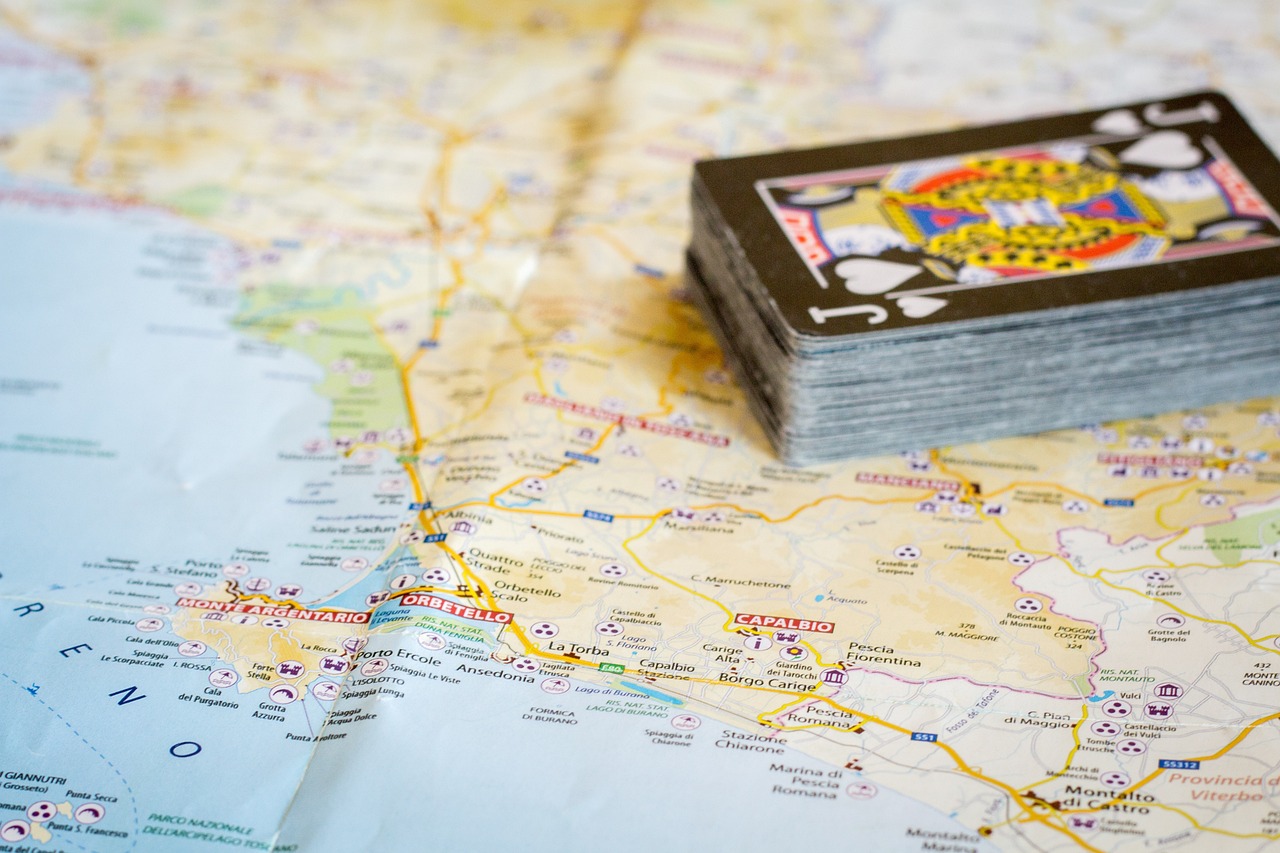
The art of designing the best places-to-visit itinerary in Italy for luxury travellers is about choosing a rhythm you can trust. Italy is generous, but the number of places matters: too many stops and even beautiful towns begin to blur. I suggest designing fewer bases, with enough days to explore each destination in Italy properly—so you can linger in a city square, book an evening opening, or simply sit with an espresso and watch local life unfold.
The best time to visit is typically April to June and September to October: warm light, easier reservations, and fewer tourist crowds. If you’re considering Italy in June, build in early starts and late finishes: a first entry at a museum, then a long lunch, then a golden-hour walk. That’s how a packed calendar becomes a crafted experience.
How to travel around with seamless comfort
To travel around well, combine high-speed trains between Italian cities with private drivers for hilltop villages, and water taxis when you visit Venice. A short flight can make sense when you’re linking far-apart regions (for example, north to southern Italy) and want to protect your time and energy.
Where luxury changes the feel of the trip
Luxury isn’t about excess; it’s about ease. A trusted expert guide can uncover meaning quickly, pre-booked entries remove friction, and a smart best hotel strategy means you splurge where it changes the atmosphere—think canal views in Venice or a terrace above the sea. As a design principle, add contrast: one restorative pause among the icons. Umbria—perhaps Orvieto with its hilltop calm—works beautifully as a quiet exhale between bigger cities. If you’d like to imagine what this looks like in real journeys, explore our Trip gallery for curated inspiration.
- Pace rule: choose 3–5 bases for 10–14 nights, rather than hopping nightly.
- Access rule: book private or early entries for the major sights you care about most.
- Contrast rule: pair a historic city with the countryside, then the coast, then the mountains.




Rome and Vatican City are the best places to visit for ancient grandeur
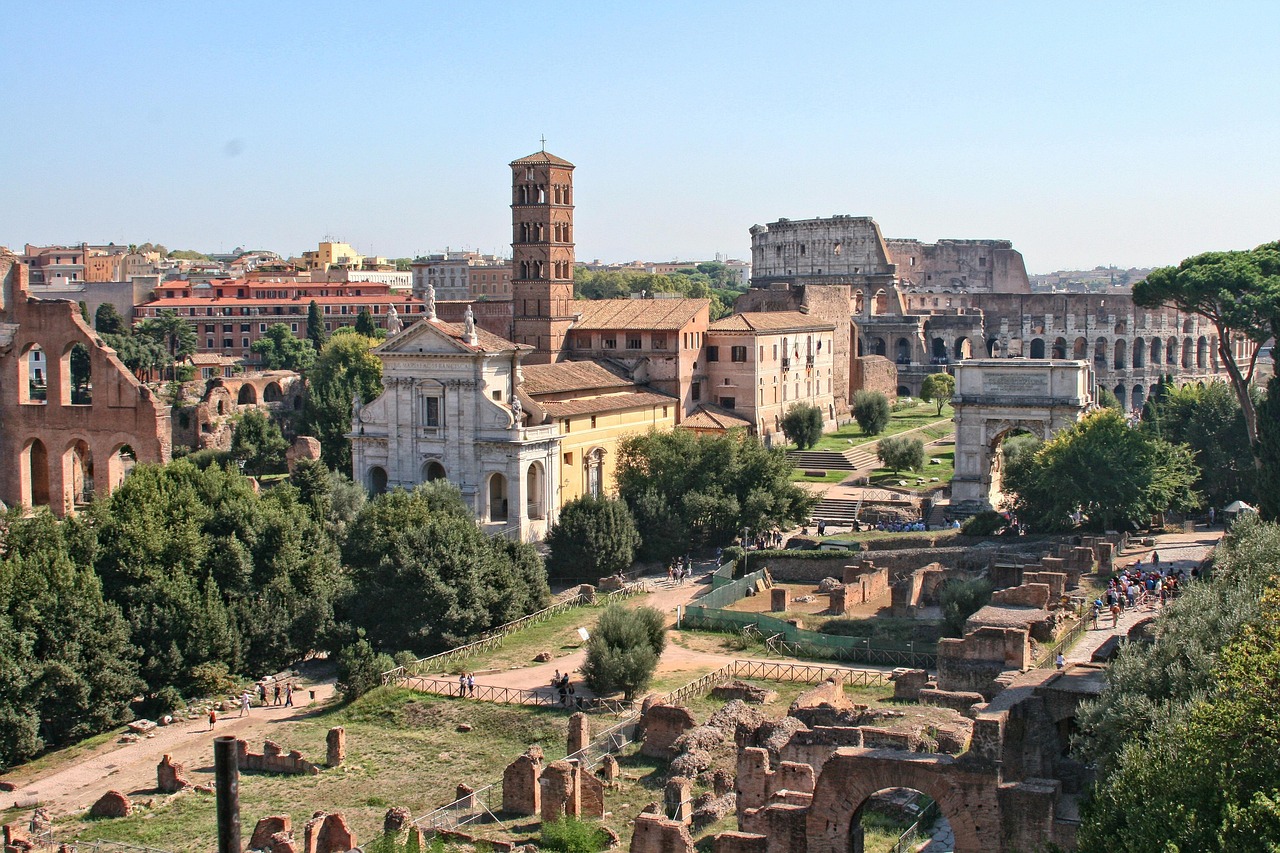
Rome and Vatican City are the best places for ancient grandeur
For many travellers, Rome is the best place to visit in Italy, the Colosseum, the Roman Forum, and Vatican City, all in one sweep—and yet it’s at its most moving when you go icon-to-intimate. To visit Rome with an ancient Roman perspective, start where the ground itself feels storied: the Colosseum and Roman Forum. There’s a particular thrill in feeling years of history underfoot, as if the city’s layers are still quietly speaking.
Colosseum and Roman Forum with an ancient Roman lens
One guest once described their sunrise tour of the Colosseum as “almost unreal”. Before the crowds arrived, the amphitheatre felt cavernous and hushed, and their expert guide traced the daily life of the ancient Roman empire through details most people walk past—stone grooves, worn steps, the geometry of power. It was less “photo stop” and more insight: a calm, immersive moment that made the rest of their trip to Italy feel deeper.
Vatican City and the Sistine Chapel with confidence
The Vatican deserves the same care. In Vatican City, St Peter’s Basilica is breathtaking at any hour, while the Sistine Chapel rewards quiet attention. Dress modestly in religious sites (covered shoulders and knees) and greet with a gentle “Buongiorno”—small gestures that signal respect and create warmer local interactions.
For a seamless day, book Colosseum tickets online well in advance and consider a private guided tour: you’ll move at an unhurried pace, with context that brings the stones to life. Then soften the edges of sightseeing with a simple pleasure—gelato in hand, a slow stroll through a city square—so Rome remains personal, not over-programmed.
Florence is a city in Italy and one of the best places in Italy to see Renaissance art
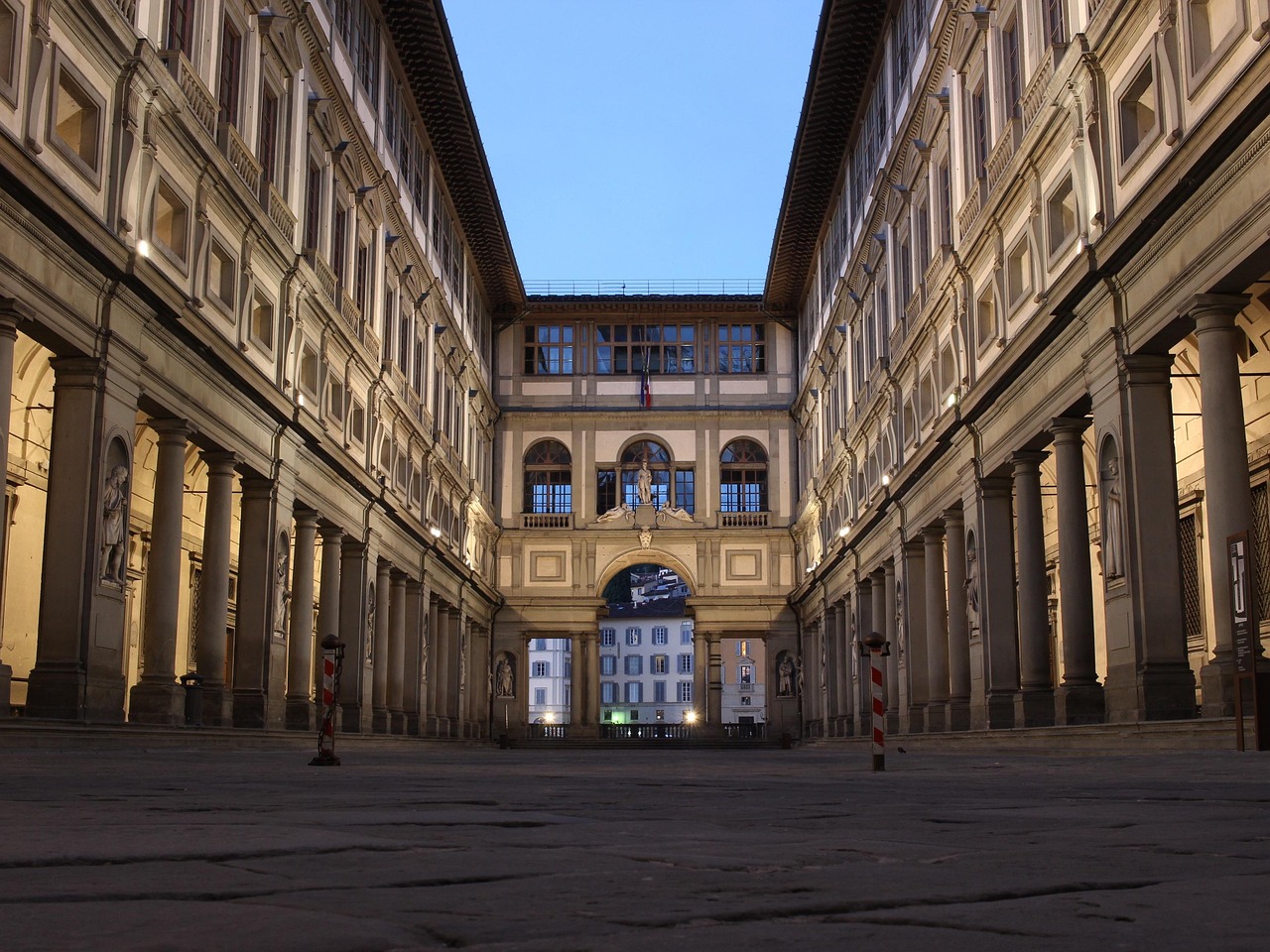
Florence is a city in Italy known for its Renaissance art and design
For art lovers, Florence, Italy, is the best place in Italy to see the Uffizi Gallery and Boboli Gardens, which is more than a headline—it’s a feeling. Florence is a city in Italy where beauty is built into the streetscape: carved stone, graceful proportions, and workshops that still celebrate craft. The Uffizi Gallery is the heart of it, but it’s the right guidance that helps you uncover meaning beyond the labels.
Uffizi Gallery evenings and Botticelli with local insight
One art lover told me their most memorable Florence moment wasn’t a morning dash, but an evening at the Uffizi with a local historian. In the quieter rooms, Botticelli’s figures felt less like famous images and more like complex characters. The historian shared context—patrons, politics, symbolism—until the guest felt a new confidence in their own taste. That is what an expert adds: not facts, but clarity.
Boboli Gardens for a slower counterpoint
After the galleries, the Boboli Gardens offer a green exhale. Explore the beautiful paths without rushing, pausing at crafted viewpoints and shaded walks that reset your senses. It’s one of those elegant balances: culture, then calm.
- Museum strategy: reserve skip-the-line tickets in advance and choose early-morning visits where possible.
- Restorative pause: plan a long lunch so the day feels designed, not packed.
- Decision lens: if it’s “Rome or Florence”, choose Rome for ancient scale, and Florence for Renaissance intimacy—or split your time for a richer contrast.
Tuscany and Chianti are among the best places to visit for wine and hilltop charm
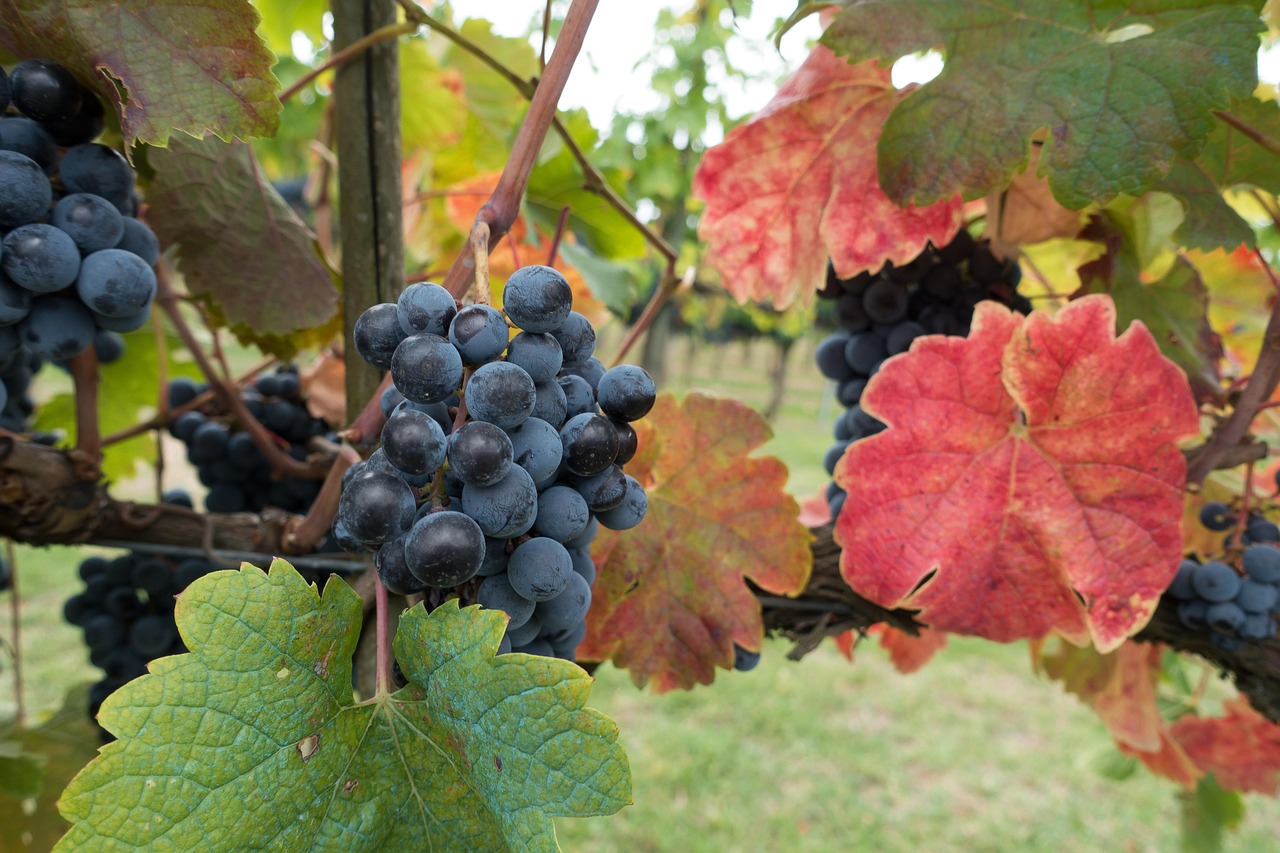
Tuscany and the Chianti wine country are two of the best places to visit
If your idea of a holiday in Italy includes quiet luxury, then the Tuscany Chianti wine tour itinerary, including Siena, San Gimignano, and Pisa, is the kind of line that makes perfect sense. Tuscany is rolling countryside and golden light, but it’s also craftsmanship—olive oil, leather, ceramics—and that feeling of arriving somewhere that knows how to live well.
Chianti wine tasting with a crafted, private rhythm
Exclusive tastings in the Chianti region are best pre-booked, with private transport so you can relax fully. Dress elegantly, but keep comfortable shoes for cellar walks—there’s nothing glamorous about slipping on cool stone. A beautiful tasting is unhurried: a tour, a barrel sample, a conversation with the vintner, then a long table lunch where the food is as considered as the wine.
One wine connoisseur shared an experience that felt almost cinematic: harvesting grapes alongside a Tuscan family during the autumn rush, hands stained purple, laughter in the rows. Later, there was a celebratory dinner pairing local cuisine with estate bottles, and the sense that they’d been welcomed, not merely served. Tuscany excels at that: warmth with refinement.
Siena, San Gimignano and Pisa without the crowds
For day trips, mix a historic city with a village skyline: Siena offers poised elegance, while San Gimignano rises like a medieval promise above the vineyards. And yes—Pisa is worth a visit when it’s done well. Time your visit for early morning so the leaning tower photo moment feels light rather than chaotic; it’s far more satisfying to see the leaning tower of Pisa before the coaches arrive.
The secret to Tuscany is that it’s best explored slowly: late starts, long lunches, and sunset drives through hilltop roads that feel like they were designed for you.
Venice, Italy best places to visit with a private gondola and artisan workshops
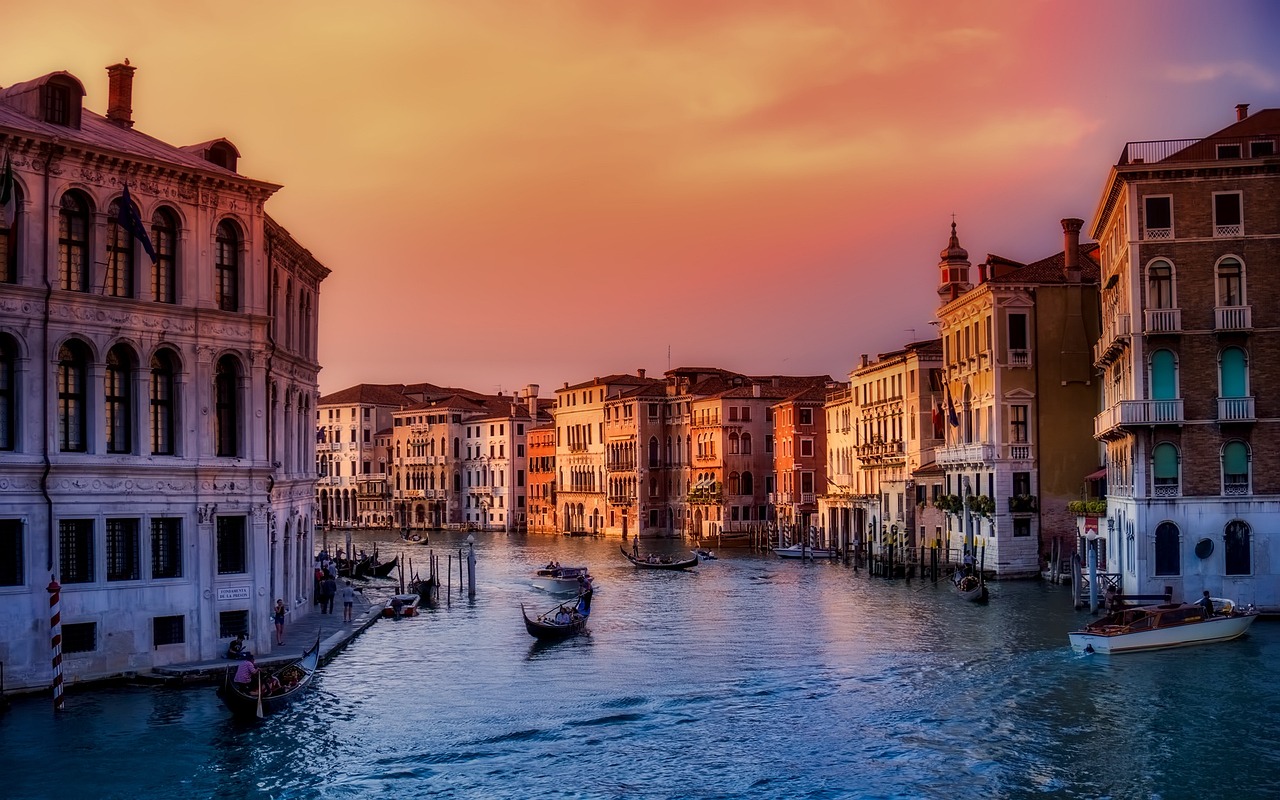
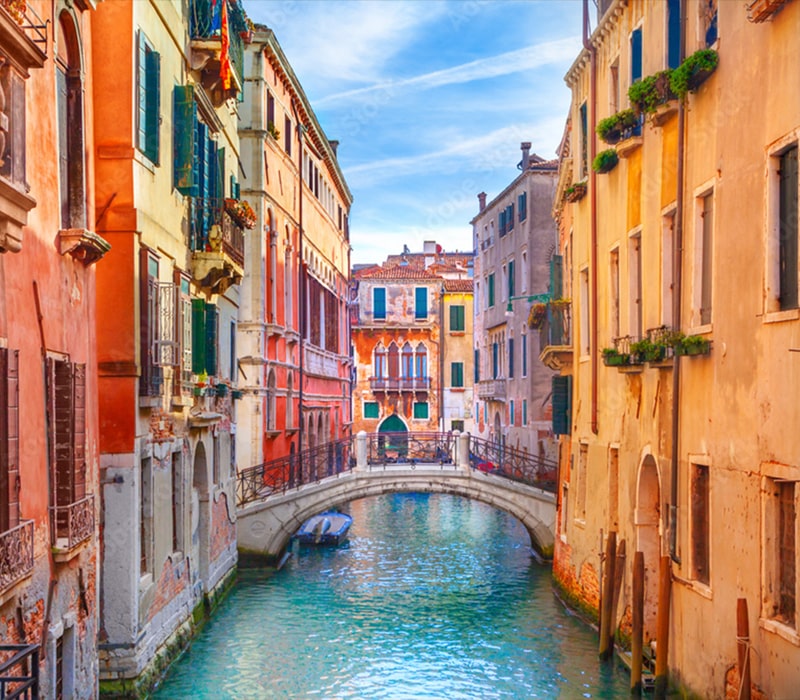
Venice one of the most beautiful places in Italy to see
Few places in Italy to see are as instantly transporting as Venice, Italy’s best places to visit, a private gondola, and artisan workshops. Venice is one of the most beautiful cities in Europe, but it can feel overwhelming if you arrive without a plan. The reassurance is simple: Venice is best explored on foot and by vaporetto, with generous breaks for coffee, galleries, and small churches that pull you away from the main flow.
Private gondola and water taxi arrival for a seamless first impression
For a signature splurge, time a private gondola ride for quieter canals—early morning or near dusk—when the city feels softer. Pair it with a water taxi arrival so your first impression of Venice is effortless: no dragging luggage over bridges, no second-guessing directions, just a smooth glide to your hotel with confidence.
Uncover local workshops beyond the postcard
One visitor recalled a spontaneous encounter with Venetian glass artisans in a hidden workshop. They learned the craft first-hand, sipping local prosecco while the maker explained how tiny shifts in heat and breath change everything. That’s the Venice you remember: not just landmarks, but local stories and shared skills.
- Comfort tip: avoid peak summer months for cooler air and fewer crowds.
- Practical note: carry some cash—small establishments may not accept cards, and tipping is easier.
- Quiet route: start early with small bridges and uncrowded churches, then pause for lunch away from the main lanes.
Amalfi Coast, Italy best beaches, Positano and Ravello, with private yacht days
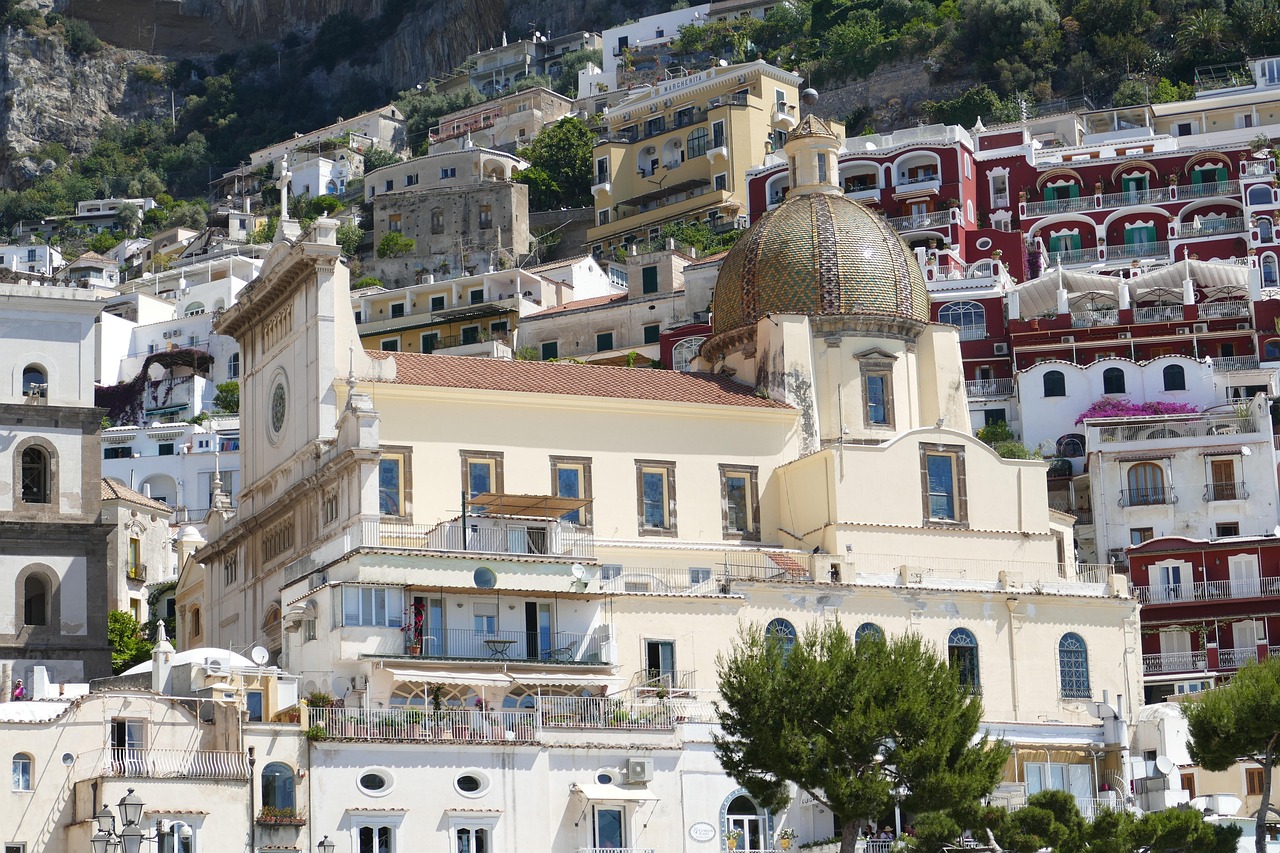
Amalfi Coast beach glamour and cliffside beauty in southern Italy
The Amalfi Coast, Italy, is home to some of the best beaches, including Positano and Ravello, and a private yacht tour is a dream of cliffs, lemon trees, and design hotels perched above the sea. The Amalfi Coast is the kind of destination where you can feel your shoulders drop the moment you arrive—especially when logistics are handled with care and your days are designed around your own pace.
Private yacht freedom for maximum comfort
On the Amalfi Coast, renting a private yacht or boat is one of the clearest upgrades you can make. It offers maximum comfort, access to secluded coves, and the freedom to create a day around your rhythm—swim stops when the water looks inviting, a lingering lunch when the light is perfect, and a gentle cruise back as the coastline turns gold. For many, this becomes the best place feeling of the whole trip: simple, sunlit, and entirely unhurried.
Positano and Ravello on a crafted, effortless day
One guest shared an unforgettable private boat excursion that included luxurious stops in Positano and Ravello. What made it special wasn’t only the scenery, but how safe and seamless it felt: towels waiting, chilled water on hand, an expert captain reading the sea, and a reservation already confirmed for a late lunch. That kind of support turns a busy coast into a calm pleasure.
Onshore, plan for sunset aperitivo, boutique shopping, and transfers that match your comfort level. A private driver is often best for cliff roads, while ferries can be enjoyable when timed well. For coastal care, pack motion-sickness prevention, stay ahead of the heat, and keep beach days elegant: one linen cover-up, water, and a small pouch—rather than overpacking. It’s southern Italy at its most glamorous, with genuine ease.
Naples, Pompeii and Mount Vesuvius as a UNESCO World Heritage Day trip
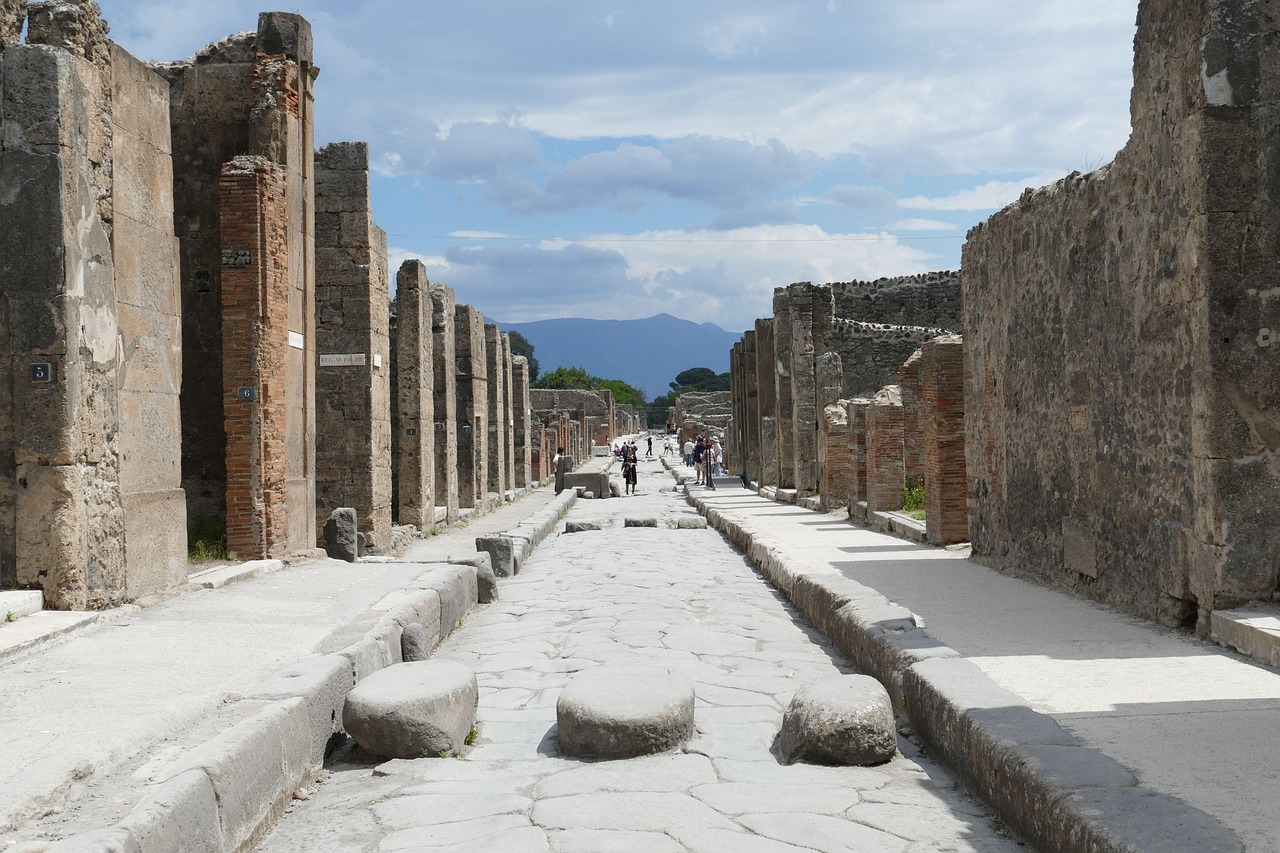
Naples, Pompeii and Mount Vesuvius for dramatic history
For travellers who want Italy to feel real and layered, a Naples Pompeii Italy Mount Vesuvius day trip, a UNESCO World Heritage site, adds flavour and edge. Naples is vivid, slightly chaotic, and deeply local—the kind of city that reminds you Italy isn’t a museum; it’s lived. It’s also a powerful base (or stopover) for extraordinary history.
Pompeii is a UNESCO World Heritage Site with human stories
Pompeii, a UNESCO World Heritage Site, can feel overwhelming without guidance. With a private guide, it becomes intimate: a bakery counter, a courtyard, a faded fresco—small details that reveal human lives rather than “ruins”. Early entry changes everything, giving you space to listen, imagine, and absorb. If you’ve ever wanted history to feel immediate, this is it.
Mount Vesuvius viewpoints with comfort and confidence
For Vesuvius, choose the walking option that matches your fitness and footwear; the wind can be sharp even on sunny days. A light jacket, sunglasses, and sturdy shoes make the climb more comfortable, and the Mount Vesuvius viewpoints reward a steady pace rather than a push.
- Logistics: design it as a day trip from the Amalfi Coast, or overnight in Naples for a calmer start.
- Energy plan: avoid tourist-trap lunches; choose a crafted, local meal that keeps you steady for the afternoon.
- Ease: pre-arranged transport protects your time and reduces decision fatigue.
Cinque Terre, Italy, places to visit for colourful houses and coastal walks
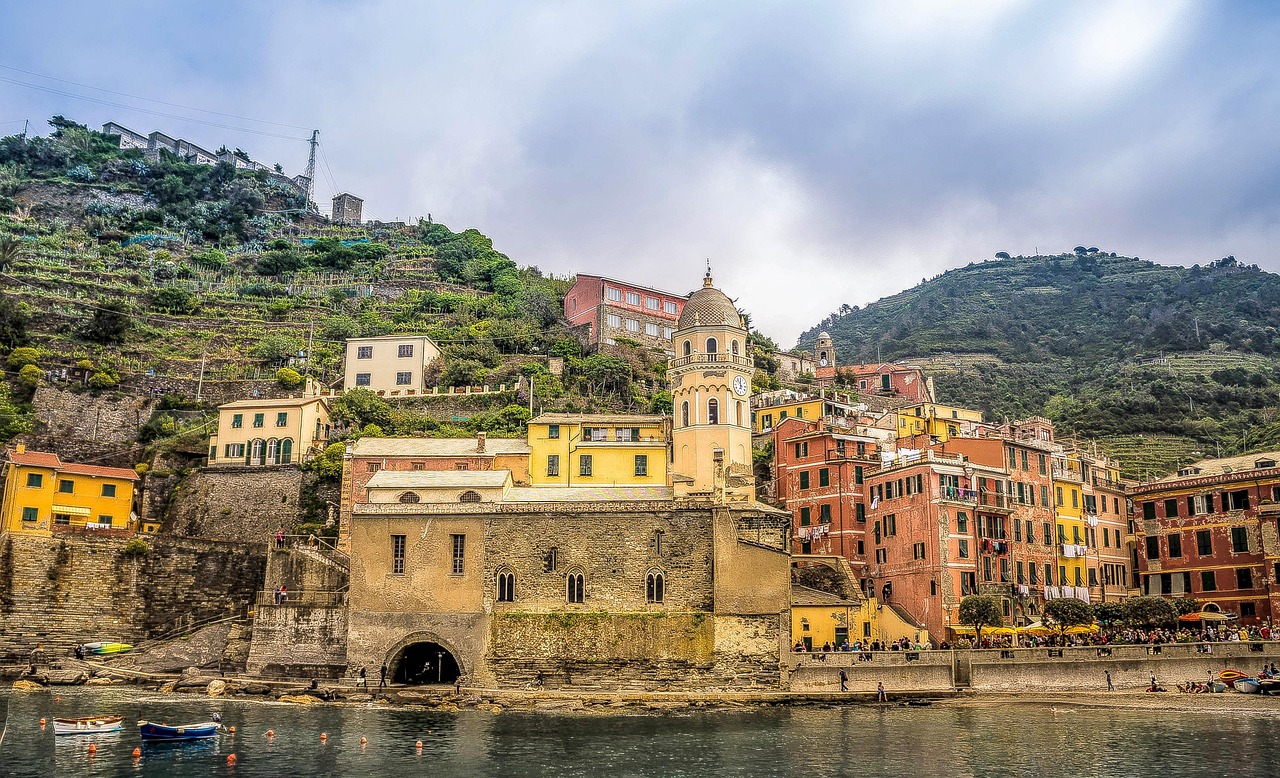
Cinque Terre’s colourful houses and coastal walks
For a coastal chapter that feels light, scenic, and joyful, Cinque Terre, Italy, offers colourful houses, Vernazza, and Manarola. Cinque Terre is a string of villages clinging to sea cliffs, and it’s at its best when you accept that you can’t do everything in a day. Think of it as a curated wander: a few stops, a swim if conditions suit, and time to simply look.
Village-by-village pointers for what’s worth seeing
Vernazza often feels like the classic postcard, with a small harbour that’s perfect for lingering. Monterosso is the most beach-friendly, while Monterosso al Mare (often used interchangeably) is where you go for a more traditional beach stretch and easier access. Manarola is a favourite at golden hour, Corniglia sits higher and feels quieter, and Riomaggiore has a lively, end-of-the-line energy. The goal is not to tick them off, but to choose what’s genuinely worth seeing for your tastes.
National park rules, trains, and avoiding the busiest moments
The villages sit within a national park, so rules and trail conditions can shape your day. Use trains to hop between villages and walk only one scenic section if it’s open and you’re comfortable. For calmer photos, start early or arrive later in the afternoon; midday can feel compressed in peak season.
For a beach moment, choose a small cove and bring water shoes—pebbles can be sharp. Luxury-minded travellers often enjoy a small-group or private guiding day here: you get insight without stress, plus a simple plan that keeps things refined and easy.
Milan, Italy, Lake Como and the Dolomites are the best places to see in the north
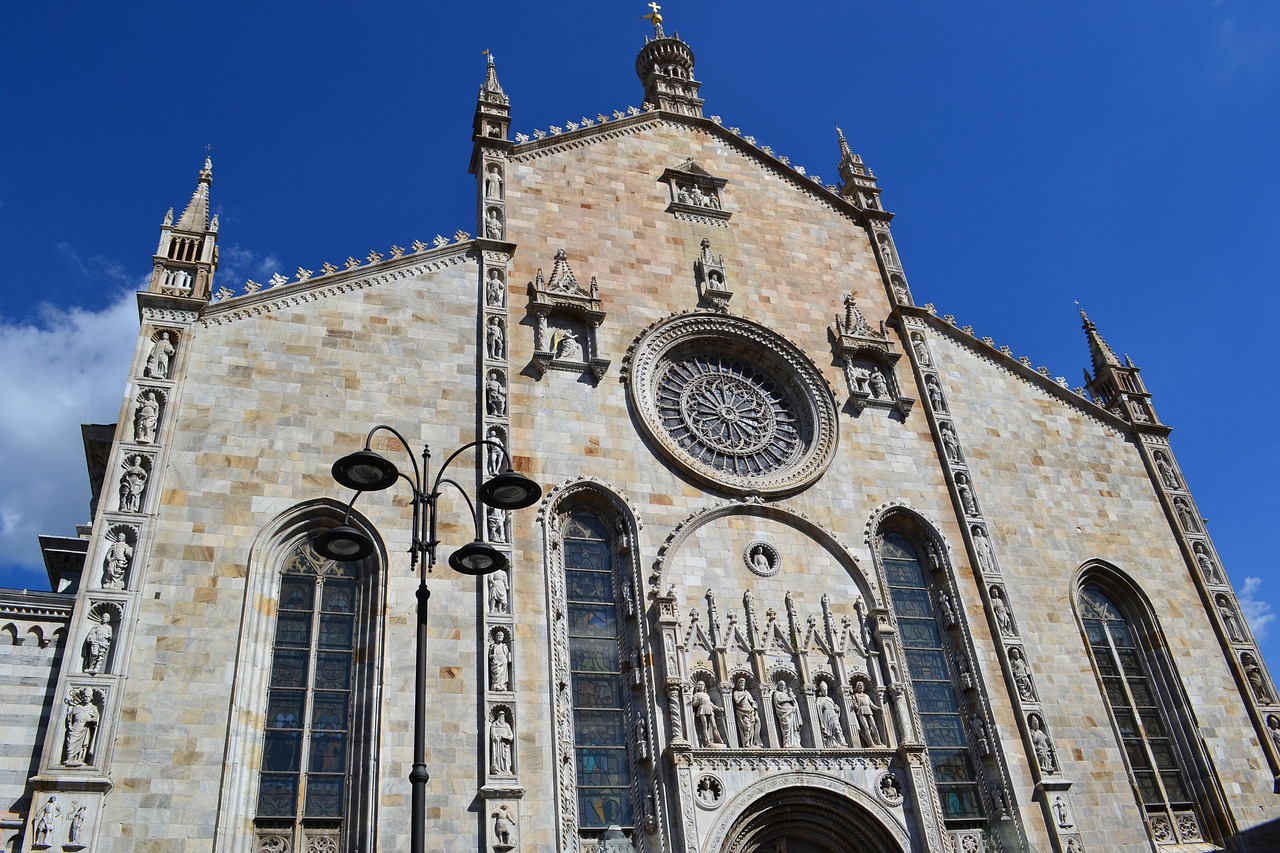
Milan, Lake Como, and the Dolomites, a northern Italy trilogy
For a polished, high-contrast finale (or beginning), Milan, Italy; the Duomo; Lake Como; and the Dolomites are the best places to see, offering a northern trilogy that feels effortlessly designed. Milan brings style and design culture, Lake Como offers soft-focus rest, and the Dolomites provide beautiful nature—each one enhancing the next.
Milan and the Duomo with warmth and authenticity
Milan can be sleek, but it’s also deeply local when you know where to look. Start by visiting the Duomo (or take a rooftop slot for the city’s best geometry of light and stone), then wander the design districts that celebrate craftsmanship rather than hype. Milan is an ideal arrival/departure point: fast trains, smart hotels, and the ability to feel grounded quickly.
Lake Como is calm, and the Dolomites are beautiful for their nature
Lake Como is best treated as one perfect afternoon: a private boat hour, a villa visit, and an unhurried lakeside aperitivo. Then, if you want air and elevation, head to the Dolomites. For comfort, choose a base with scenic lifts nearby and gentle walks that still deliver big views; chauffeured transfers help keep the experience seamless, especially in shoulder seasons.
- Route idea: Milan for convenience, Como for rest, and the Dolomites for contrast.
- When to go: late spring and early autumn for clearer trails and calmer towns.
- Future dreams: if this journey sparks a bucket list, consider Alberobello or Taormina, and the valley of Sicily—the Valley of the Temples—as beautiful places to return to another time.
F.A.Qs: best places to visit in Italy travel guide
What is the most beautiful part of Italy to visit?
“Most beautiful” depends on your travel style. For coastal drama, the Amalfi Coast is hard to beat; for romantic atmosphere, Venice is unforgettable; for countryside light and long lunches, Tuscany is a favourite. If you want beautiful nature, the Dolomites are a serene, high-end choice. The best place is the one that fits your pace and the season you’re travelling.
Is $10,000 enough for a trip to Italy?
It can be, especially for a well-designed 7–10 day trip with thoughtful priorities. Your budget will stretch further by travelling in shoulder seasons, using high-speed trains, and choosing where to splurge—such as one exceptional hotel and a couple of private guides—while keeping other days simple. Italy rewards smart planning: pre-booking and a clear itinerary can protect both comfort and costs.
Where should I go for the first time in Italy?
For first-timers, a classic route is Rome, Florence, and Venice, linked by high-speed train for a seamless flow. It offers ancient history, Renaissance art, and canal-lined romance without overcomplicating logistics. If you have extra days, add Tuscany for wine-country calm, or the Amalfi Coast for beach glamour. The key is to choose fewer bases and explore each with confidence.
What are the top 3 destinations in Italy?
A widely loved top three is Rome, Florence, and Venice, each offering a distinct atmosphere and world-class sights. Rome delivers the Colosseum and Roman Forum; Florence centres on the Uffizi and Renaissance design; and Venice brings canals, artisan workshops, and quiet corners beyond the crowds. Many travellers then add one contrasting pause—Tuscany, the Amalfi Coast, or the Dolomites—depending on season and style.
After Italy, what stayed with you
The best journeys through Italy’s best sites rarely linger as a perfect recap. What stays with you is texture: light on worn stone, the hush of early mornings, and the soft satisfaction of a day that never felt rushed. It’s the moment you step from a grand historic street into open countryside, and realise your mind has finally caught up with your surroundings.
Long after you unpack, you may notice a renewed curiosity and a gentler trust in your own taste. You remember the guide who offered quiet insight rather than performance, the artisan who welcomed you behind the workshop door, the vintner who spoke about weather and patience as if those were life lessons. Those local encounters—shared with care—become the true souvenirs.
And perhaps that is Italy’s gift: it doesn’t ask you to do it all. It simply invites you to return, one day, when the timing feels right, and to explore again with the same calm confidence.