Post Contents
- Tourist Florence Italy Luxury Florence Travel Guide – Plan and Visit Florence with Confidence
- Things to do in Florence: top attractions from the Duomo to Ponte Vecchio (easy itinerary)
- Museums to visit in Florence: museum highlights at the Uffizi Gallery and Accademia (Renaissance art)
- Florence food and Tuscan wine: Michelin-star dining and experiences in Florence by the Arno
- Hidden gems in Florence – Oltrarno artisan workshops, best views, and Tuscany’s best day trips
- F.A.Qs: Florence essentials for planning your stay
- After Florence: why the memories stay with you (and pull you back to Italy)
Tourist Florence Italy Luxury Florence Travel Guide – Plan and Visit Florence with Confidence
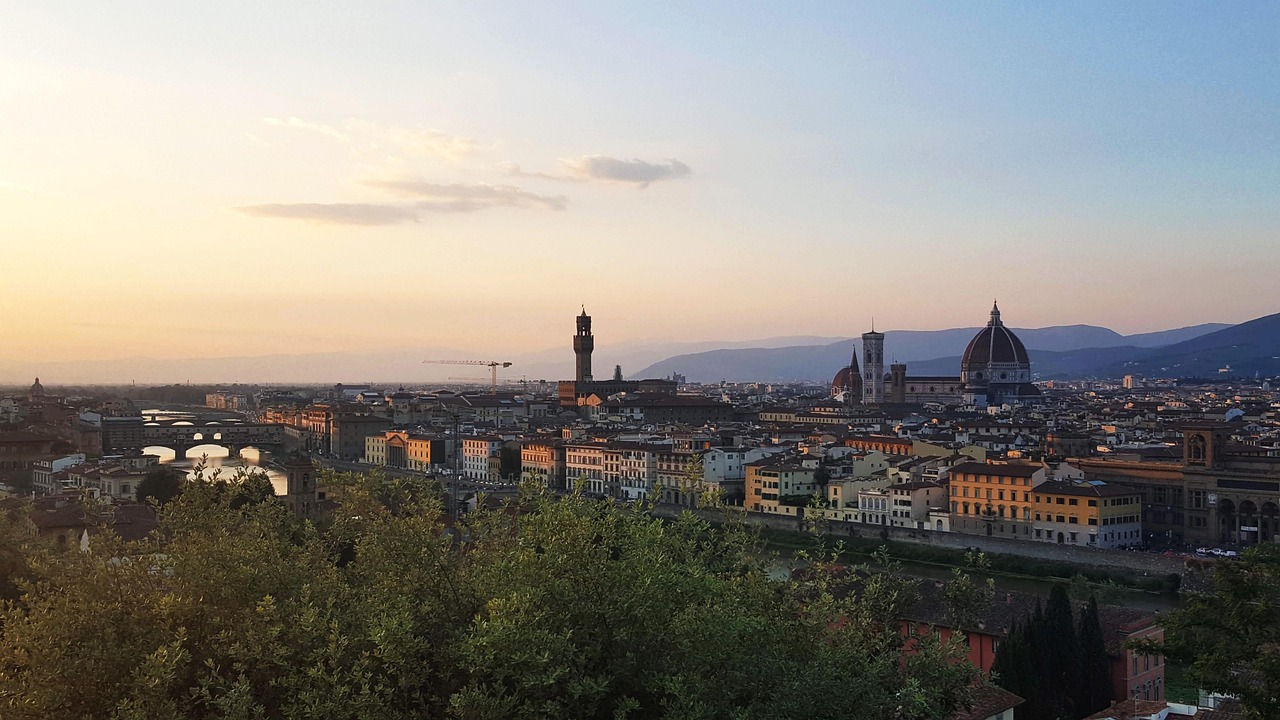
Luxury Florence planning essentials, with Duomo skyline views and a calm, curated pace
This guide to Florence, Italy, is written for luxury planning—so your days feel crafted, calm, and full of insight rather than logistics. If this is your first trip to Florence, the time to visit matters: spring (April–June) and early autumn (September–October) bring soft light, comfortable temperatures, and a gentler rhythm to the city. In these seasons, cafés spill into piazzas, and the centre of Florence feels more like a lived-in stage set than a queue.
Summer can still be wonderful if you design your days around early starts, long lunches, and shaded afternoons. Winter has its own charm—museums feel more intimate, and you can linger longer in each museum room—but you may trade aperitivo terraces for cosy wine bars. Whatever your dates, a little expert planning is the difference between merely arriving and truly beginning.
Plan your visit with seamless arrival options and smart logistics
Florence is famously easy to reach, which is part of its appeal for a long weekend or a longer, slower time in the city. Amerigo Vespucci Airport (Florence Airport) is closest; for many travellers, high-speed rail from Rome or Milan feels even more effortless. If you arrive by train, Santa Maria Novella station puts you within minutes of your hotel, often without needing a car.
For a polished start, ask your hotel or concierge to arrange a meet-and-greet, porter service, and a transfer that matches your pace. It sounds small, but that first hour sets the tone for life in Florence—especially if you’re arriving after an international flight and want to avoid the main tourist corridors at their busiest.
- Book ahead: reserve museum entries and the Duomo climb days in advance so your schedule stays elegant and flexible.
- Confirm transfers (airport or station) and share arrival times with your concierge for support.
- Carry modest layers for churches, and keep valuables secure in crowded areas.
- Save key addresses offline—Florence’s streets can be wonderfully maze-like.
Get around Florence with walkable routes, taxis, and private drivers
To get around Florence, you’ll mostly walk—and that’s part of the magic. The streets of Florence were made for wandering: a turn becomes a tiny galleria, a doorway becomes a fresco, a courtyard becomes a pause. Cobblestones are beautiful but demanding, so choose stylish yet comfortable footwear and consider a small umbrella for sudden showers in spring.
For evenings, museum transfers, or longer days, a private driver gives you control and quiet comfort, especially if you’re dressed for dinner. Taxis are helpful for short hops, though availability can be limited at peak times; your concierge can call one without fuss. In the historic centre, cars are restricted in many zones—another reason to design a stay that keeps you close to the experiences you love, and to schedule one private tour in Florence when you want expert context without the crowds.
Where to stay in Florence can shape your mood, especially if you choose the right area for your style. Near Piazza della Signoria, you’re in the heart of the theatre—walkable, iconic, and ideal if you like stepping straight into art, architecture, and elegant shopping. Across the Arno in Oltrarno, boutique properties feel more residential, with a softer pace and a sense of local belonging, especially near Santo Spirito. Whichever you choose, prioritise strong concierge support: personalised bookings, private access, and a calm hand when plans shift.
Finally, a note on local customs—warm and simple. Begin with “Buongiorno”, dress modestly for religious sites, and keep your bag close in busy squares. With a little care, you can move through Florence with trust and ease, fully present to its beauty.




Things to do in Florence: top attractions from the Duomo to Ponte Vecchio (easy itinerary)
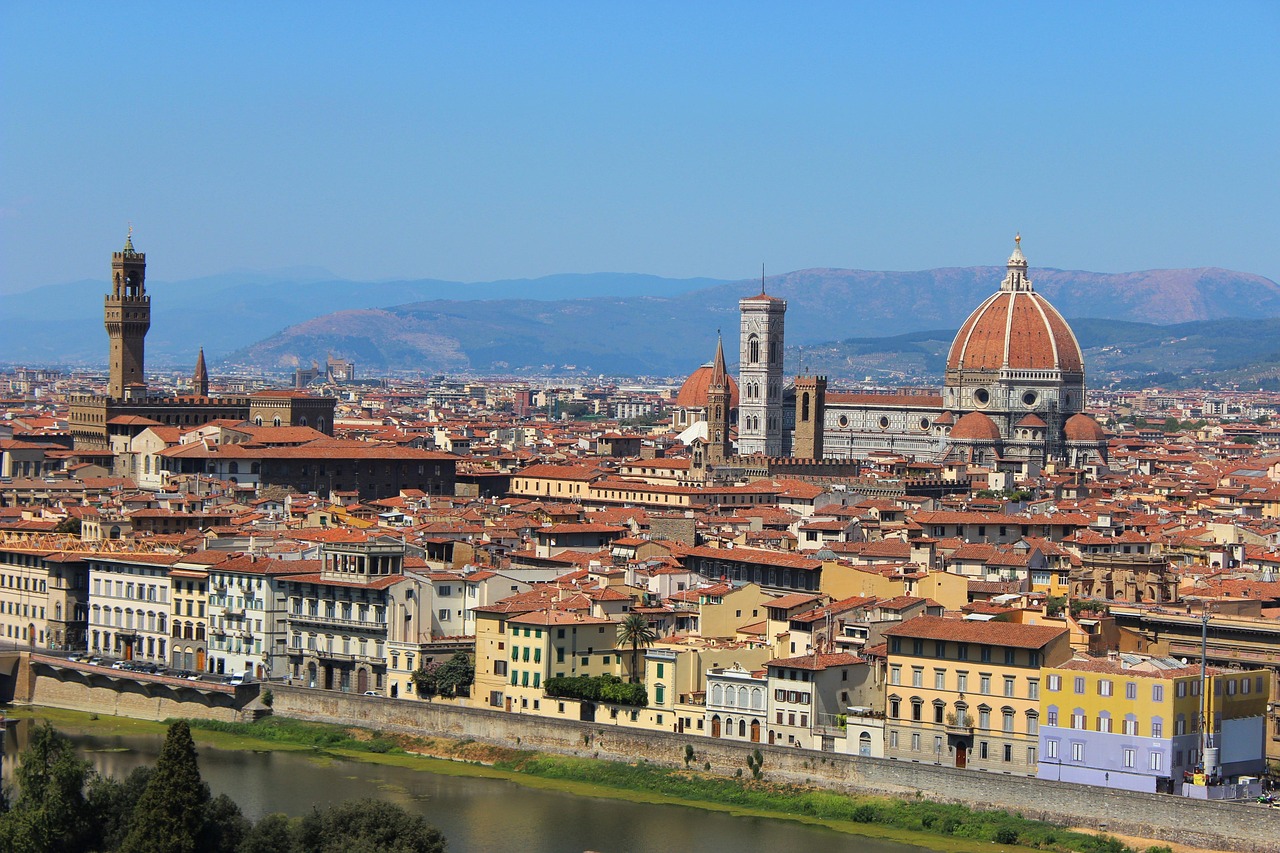
Iconic Florence attractions in the historic centre, from the Duomo to Ponte Vecchio
If you’re choosing things to do in Florence, top attractions like the Duomo and Ponte Vecchio deserve your time—yet the secret is how you connect them. A gentle, on-foot itinerary lets you see in Florence what matters most while keeping the day unhurried, so you can sightsee with intention rather than urgency. Start early, step lightly, and let the city open like a beautifully bound book.
Begin in the heart of the centre of Florence, where the streets narrow and the façades feel close enough to touch. If you’re travelling with a private guide, ask them to shape the route around light and crowd patterns; it’s a subtle form of luxury that changes everything. These are some of the best things you can do in one day while still leaving space for gelato, shopping, and quiet pauses.
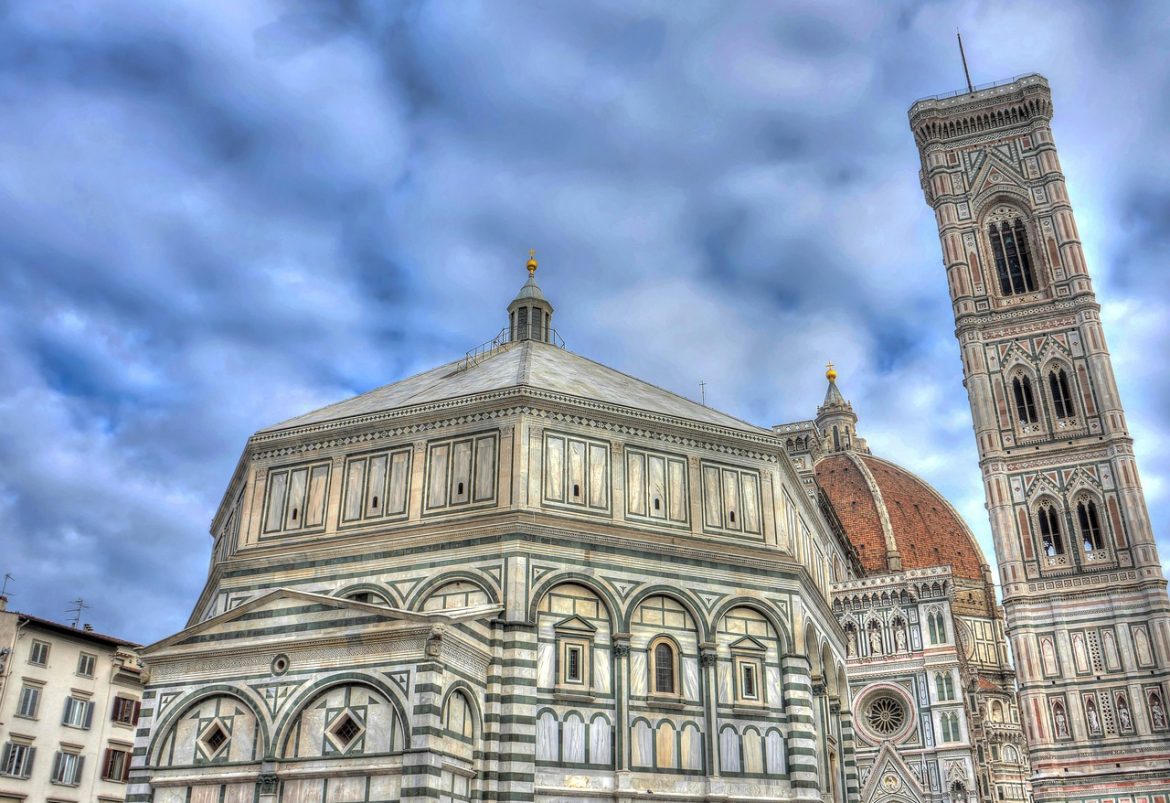
Piazza del Duomo, Duomo of Florence & Florence Cathedral – Brunelleschi’s masterpiece
Your first anchor is Piazza del Duomo, where Florence Cathedral rises with a confidence that still feels audacious. The Cathedral of Florence is more than an icon—it’s a lesson in ambition and engineering, and Brunelleschi’s dome (the Duomo) remains one of Europe’s great architectural feats. It isn’t just something to photograph; it’s something to climb, ideally at the earliest timed slot when the stairwells feel cooler, and the city is still stretching awake.
Time your ascent for a clear view of Florence, then linger for a quieter view of the city as the rooftops glow warm terracotta. As you explore, give yourself one moment to stand quietly and notice the geometry, the craftsmanship, and how the light moves across the marble. Nearby, the Baptistery adds essential context—one of those details that deepens rather than overwhelms.
Ponte Vecchio, Piazza della Signoria & Palazzo Vecchio – classic places to visit
From the Duomo area, drift towards Piazza della Signoria, Florence’s open-air stage and one of the popular places to visit for first-timers. Here, the architecture speaks in grand gestures, yet the pleasures are often small: the echo under an arch, a sculpted profile, a brief pause at a café with a perfect espresso. This is where you can weave in Palazzo Vecchio for a short, rich visit between longer museum hours, and the piazza itself is free to enter—perfect for an unplanned stop.
Then follow the flow towards Ponte Vecchio—an attraction that’s as much about atmosphere as it is structure. Go early for stillness, or after sunset when the shop windows sparkle, and the Arno carries a softer, darker sheen. When you browse the luxury jewellers, do it respectfully: ask before photographing, take your time, and remember that the most memorable pieces often come with a story, not a sales pitch.
Inside Palazzo Vecchio, look for the courtyards and the ceiling details—each fresco feels like a private revelation when you’re not rushing. This is an easy place to pace yourself: a little grandeur, a little quiet, and then back to the streets for air and gelato. Along the way, keep an eye out for sculptures and stately facades that explain the history of Florence without a single signboard.
Popular places to visit if you’re designing a polished day plan: Piazza della Signoria for sculpture and civic drama; Palazzo Vecchio for frescoed rooms and Medici power; Ponte Vecchio for romance and artisan gold; Santa Croce for calm grandeur; Piazzale Michelangelo for the evening skyline. These aren’t boxes to tick—they’re moments to place carefully, like jewels in a setting, and they’re some of the most memorable things to see in Florence.
With this route, you’ll cover Florence attractions without feeling pulled in too many directions. Later, you can decide which places to visit deserve a second look, and which you’re happy to hold as a beautiful first impression—especially if your time in the city is limited.
Museums to visit in Florence: museum highlights at the Uffizi Gallery and Accademia (Renaissance art)
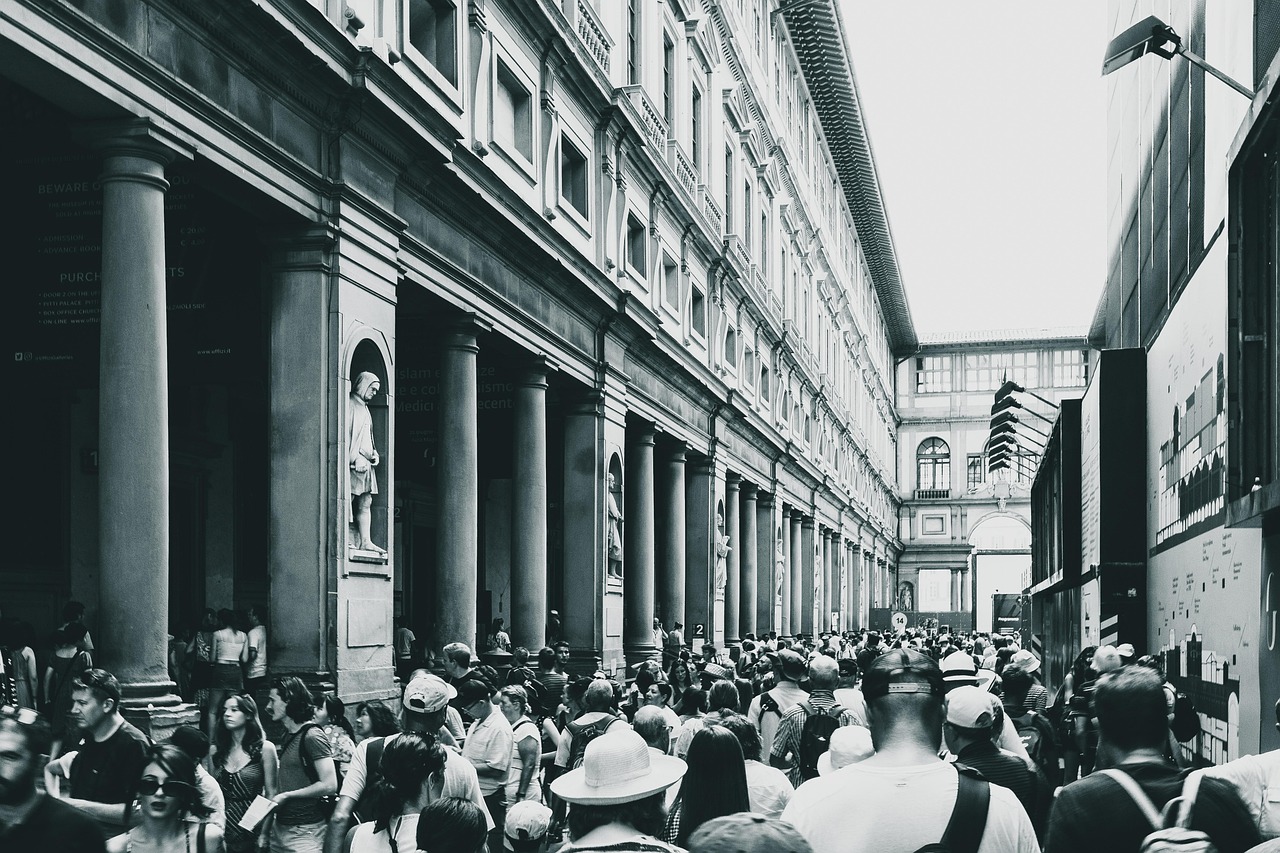
Renaissance masterpieces in Florence museums, including the Uffizi Gallery and Accademia
A museum day in Florence can feel exhilarating or exhausting—and the difference lies in strategy. For the museum, Florence Uffizi Gallery, Accademia, Renaissance art, pre-booked timed entries, and a thoughtful sequence allow you to absorb masterpieces with ease. On your first visit to Florence, art isn’t a side activity; it’s the pulse under the city’s skin.
Uffizi and Uffizi Gallery: booking strategy for unhurried Renaissance insight
The Uffizi Gallery rewards those who arrive with a plan and permission to linger. Book your entry days in advance, and consider a private guide who can translate symbolism into story—so the works of art feel personal rather than academic. The Uffizi can be busy, but with an early slot and a clear route, you can keep your energy for the paintings that truly move you.
Choose a few Renaissance highlights and give them time: Botticelli’s grace, Leonardo’s quiet intellect, Michelangelo’s intensity. Rather than racing from room to room, create a short list and allow yourself to sit, look, and notice how modern these faces feel. This is where the history of Florence becomes tangible: patronage, politics, devotion, and human ambition rendered in colour.
Accademia and the Galleria dell’Accademia: the David statue moment
The Accademia is often framed as a single must-see, and that’s fair—David is a main tourist attraction for good reason. Set expectations: it can get crowded, and the security line is real, even with tickets. Go early or near closing, and let your guide position you for a quieter first view.
At the Galleria dell’Accademia, the iconic statue experience is less about the first glance and more about the second. Notice the scale, the tension, the astonishing tenderness in marble. If you’re travelling with family, this is a powerful place to introduce young travellers to art without lectures—simply by asking, “What do you see?” and listening together.
For context-rich stops between major galleries, consider San Lorenzo for Medici Florence and a deeper sense of power shaping beauty. Then step into Santa Maria Novella, the basilica of Santa Maria that offers a calmer spiritual pause—cool air, measured light, and architecture that resets the mind. It’s a beautiful counterbalance to a long museum morning, and it helps you balance museums to visit in Florence with quieter spaces.
Practical notes for museum days: dress codes are generally relaxed, but churches prefer covered shoulders and respectful hemlines. Expect security checks, carry a small bottle of water, and keep jewellery to a minimum if you don’t want to manage it in cloakrooms. A curated “what to skip” approach can be the most luxurious decision of all—choose fewer rooms, more meaning.
- Book ahead: timed-entry tickets for the Uffizi and Accademia sell out quickly in peak months.
- Design the rhythm: one major museum per day, with a long lunch and a quiet church in between.
- Hold your energy: skip add-on exhibits if you feel “art fatigue”; return later with fresh eyes.
Why does Renaissance art still feel modern in Florence today? Because it’s about people—desire, doubt, pride, tenderness—and those truths don’t date. When the day is planned with care, you’ll leave the museum not drained, but softly lit from within.
Florence food and Tuscan wine: Michelin-star dining and experiences in Florence by the Arno
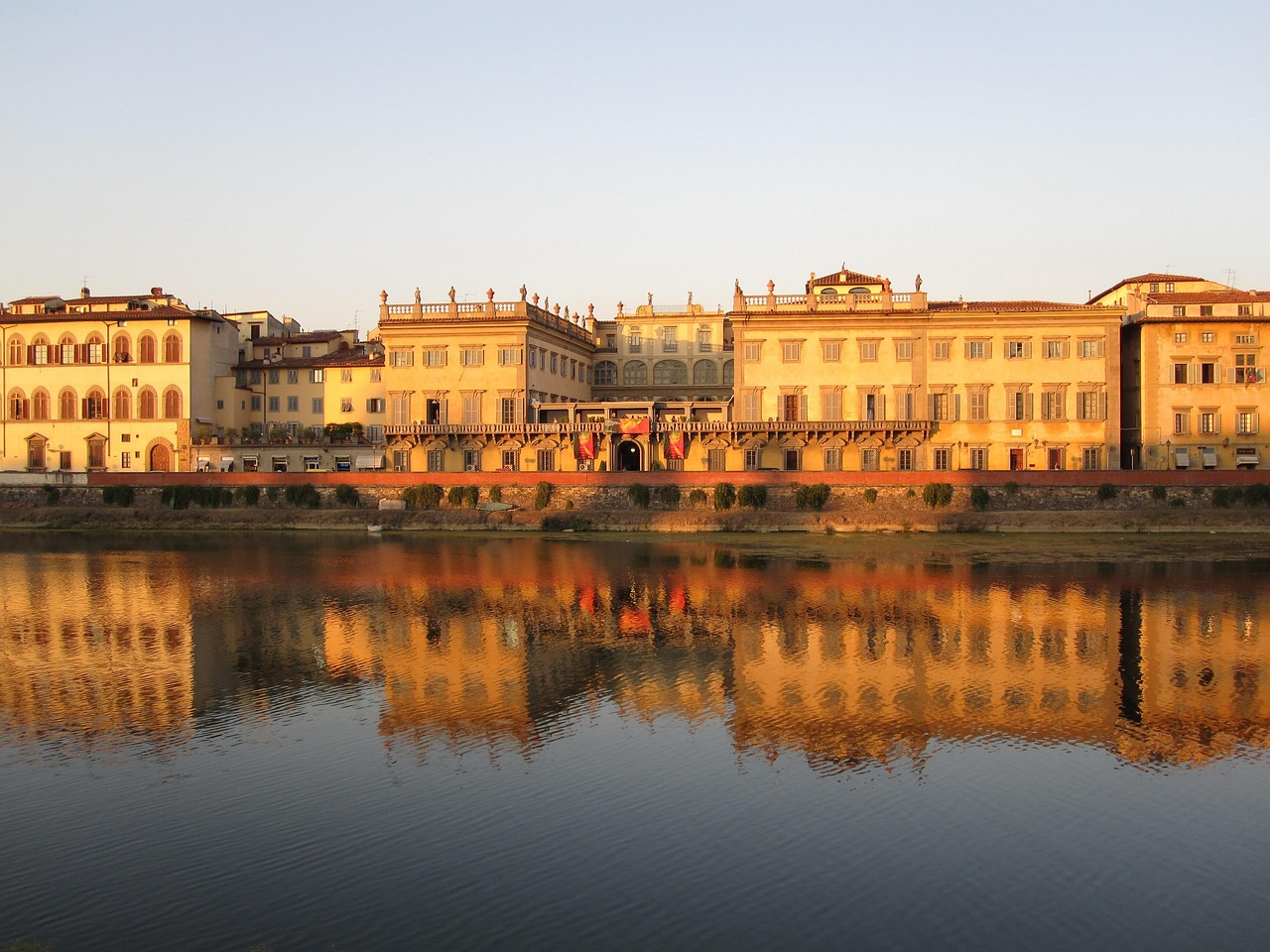
Florence food and crafted moments by the Arno, from Michelin-star tables to garden afternoons
Florence’s food is where luxury becomes intimate: a table angled to the light, a server who remembers your preferences, a dish that tastes like the season itself. For Florence food and Michelin-star Tuscan wine experiences, think terraces overlooking the Arno, where the city feels hushed and the evening unfolds at your pace. One couple told me their most vivid memory wasn’t a single course, but the sommelier’s gentle confidence—pairing vintage Tuscan bottles with stories of hillside vineyards.
Service, at this level, becomes part of the travel narrative. You don’t feel managed; you feel supported, and you start to notice the smaller Florentine details that make a meal feel like a scene. And that freedom lets you listen more closely—to the clink of glass, the hum of conversation, the river’s slow movement below.
Mercato Centrale tasting: local flavours with an elevated approach
For daytime flavour, Mercato Centrale is lively and genuinely useful—especially if you visit with a guide who can steer you to the best counters. Go earlier, when the produce looks freshly arranged, and the energy is bright rather than hectic. Taste simply: ripe tomatoes with salt, pecorino with honey, delicate pastries, and a small glass of something crisp.
The key is to design the visit: set a meeting point, choose a short tasting list, and leave before it becomes crowded. Luxury here is not exclusivity; it’s ease and insight—knowing what to try and why it matters, then walking back into Florence feeling refreshed.
Palazzo Pitti and Boboli Gardens: a slow afternoon of art, gardens, and calm
After lunch, cross towards Palazzo Pitti, where the scale of the former palace creates a sense of calm even before you step inside. Pair a brief look at the Pitti collections with time outdoors in the Boboli Gardens, one of Italy’s most elegant green spaces. Boboli Gardens are best enjoyed slowly—pausing for symmetry, shade, and the way clipped hedges frame small surprises.
If you want to create an exclusive picnic concept, ask your concierge about permissions and the most suitable areas and timing. Pack lightly: a woven blanket, still water, a few market finds, and something sweet. It’s a simple luxury, but it feels profoundly Tuscan—crafted, considered, and quietly celebratory in the heart of Tuscany’s most artful city.
For a more hands-on memory, consider a private cooking class built around the market: shopping together, tasting olive oil, then preparing a meal in a home-style setting. It’s not about becoming a chef; it’s about connection—learning a technique you can carry home, and sharing it with people you love.
Here’s a “best day” structure you can reuse: morning art in a museum or galleria, afternoon gardens at Pitti, golden-hour aperitivo by the Arno, then a late dinner that doesn’t rush the conversation. In Florence, the most luxurious evenings often end not with spectacle, but with unforced elegance.
Hidden gems in Florence – Oltrarno artisan workshops, best views, and Tuscany’s best day trips
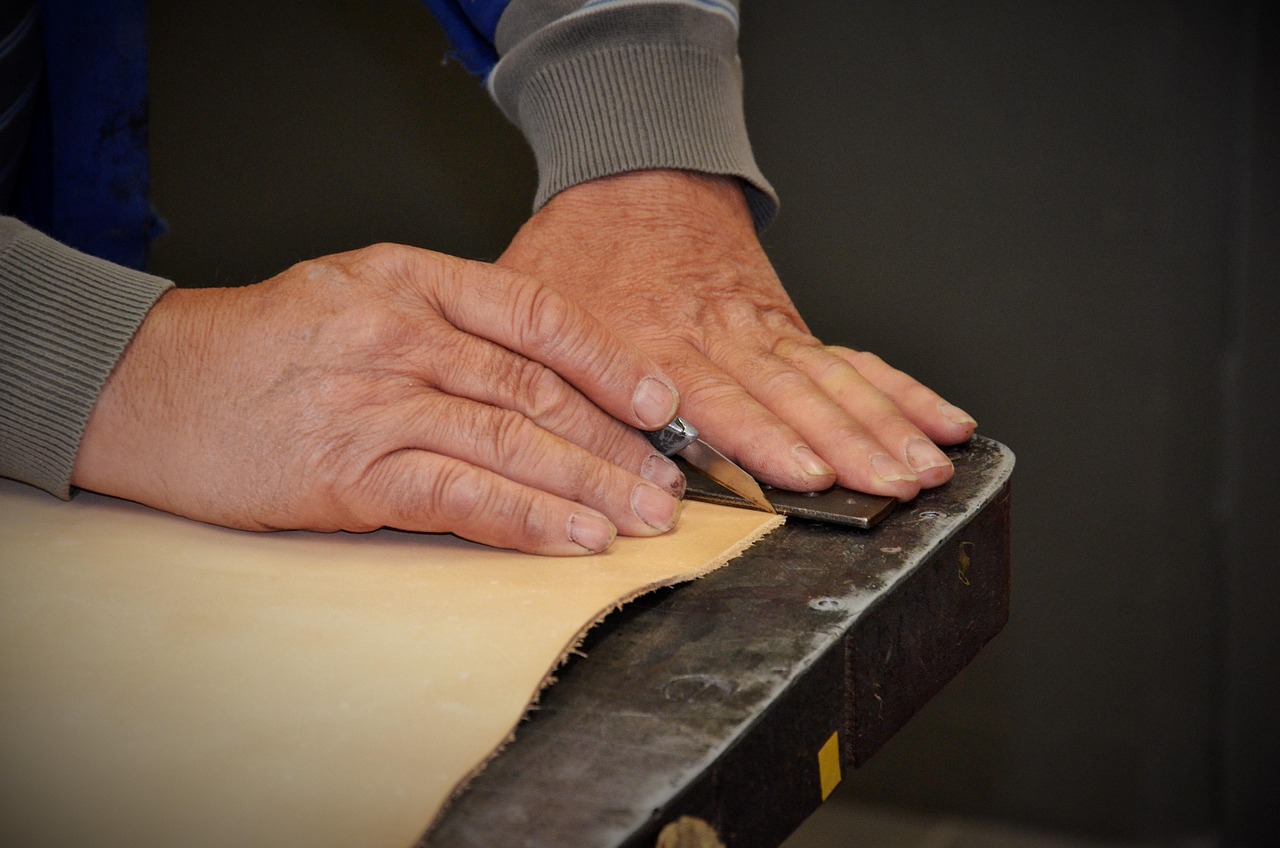
Oltrarno artisans and Tuscan escapes beyond the city walls, from workshops to sunset viewpoints
If you’re craving a more local side of Florence, Oltrarno is where the city feels most human—workbenches, courtyards, and the scent of leather rather than perfume counters. For Oltrarno artisan workshops and Tuscany escapes, begin with a private guided walk designed around makers you can trust, and treat it like one of the most rewarding places to visit in Florence. This is also where you can uncover bespoke leather goods and custom-made jewellery, and learn how to commission pieces with care; these are the kinds of hidden gems that never feel mass-produced.
A good guide will translate not just language, but etiquette: when to ask questions, how to discuss timelines, and what “quality” looks like in a workshop that has done things the same way for generations. Several luxury travellers have described these meetings as the most meaningful part of shopping, because you leave with an object and a relationship to the hands that made it.
Best views at sunset: Piazzale Michelangelo and San Miniato al Monte
For the best views, aim for sunset at Piazzale Michelangelo—yet arrive earlier than you think, and bring patience. A concierge can arrange a driver to drop you close, or you can walk up with a gelato and treat the climb as part of the ritual. Some travellers still talk about sipping Chianti as the sky warmed, watching the Duomo silhouette soften into gold.
For an even calmer alternative, continue to San Miniato al Monte. The atmosphere feels more contemplative, and you can hear your own footsteps as evening settles. It’s a gentle reminder that Florence rewards those who step slightly aside—and it’s one of the best day-to-night transitions in the city.
Around Florence: experiences and best day trips in Tuscany
Around Florence, the countryside changes the texture of your trip—suddenly the air smells of rosemary and sun-warmed earth. One guest shared an anecdote of a surprise, concierge-arranged Vespa ride through the Tuscany countryside: thrilling, personalised, and carefully managed with safety in mind. If you prefer, you can choose a vintage car with a driver, keeping the romance without the responsibility.
For the best day trips, think experience-first rather than distance-first. A Florence to Pisa excursion can be elevated with a private guide and a long seafood lunch; a Chianti winery visit becomes unforgettable when you meet the family, walk the vines, and taste older Tuscan vintages in a quiet cellar. For something quieter, choose a small hill town where you can simply wander, sit, and let the afternoon happen.
If you’d like help matching these options to your style, start with our Trip gallery and imagine how you want the days to feel—spirited, serene, or a little of both. This is how you discover Florence in layers: first the icons, then the makers, then the landscape that shaped them.
As a soft sightseeing in Florence wrap-up, consider leaving one desire untouched—one church, one street, one workshop you didn’t quite reach. It’s a quiet way of designing your next chapter: places to visit in Florence will still be waiting when you’re ready.
F.A.Qs: Florence essentials for planning your stay
What is the number one Duomo attraction to prioritise?
For most travellers, the Duomo and cathedral complex is the number one highlight, thanks to Brunelleschi’s dome, the marble façades, and the rooftop views. It’s one of the main tourist attractions in Florence, so book a timed entry and go early for a calmer climb, then take a few quiet minutes in the square to appreciate the details and scale.
Yes—Florence is easy to navigate, walkable, and well set up for visitors, especially if you plan key bookings ahead. Many tourist attractions sit close together in the historic core, so you can move between a museum, a church, and a long lunch without constant transport. A little courtesy goes a long way: begin with “Buongiorno”, dress modestly in churches, and keep valuables in sight in busy areas.
How many days in Florence is enough for a first stay?
Three days is a comfortable minimum for a first visit, giving you time for the Duomo, a day at one major museum, and an unhurried evening by the Arno. If you can stay four to five days, you’ll enjoy a slower pace, add Oltrarno artisans, and include a gentle day trip into Tuscany without feeling rushed.
What are the top five things to do in Florence, Italy?
Top choices include climbing the Duomo, seeing Renaissance masterpieces at the Uffizi, visiting the Accademia for David, strolling Ponte Vecchio at golden hour, and enjoying an afternoon at Palazzo Pitti and the Boboli Gardens. Pre-book tickets and consider a private guide to ensure a smooth, personal experience, especially during peak season.
After Florence: why the memories stay with you (and pull you back to Italy)
After Florence, travel memories often arrive in small, vivid fragments rather than grand scenes. You remember stone warmed by sun, the cool hush inside a chapel, and the sound of steps on cobbles as evening comes in. The beauty of Florence is that it doesn’t ask to be consumed quickly; it lingers, and it changes how you notice light in other cities in Italy.
Sometimes what stays with you is a moment of connection with a maker—hands stained with dye, a quiet pride in a finished seam, an exchange that felt honest. Or it’s a table-side conversation by the Arno, where time in the city seemed to slow just enough for you to breathe. These are not souvenirs; they’re a new sensitivity.
There’s also a particular confidence that comes from being cared for. When transfers are seamless, tickets are handled, and your days are designed with expert attention, you stop managing and start experiencing. You’re free to notice the detail in a fresco, the curve of a bridge, the soft change in the air before rain, and to understand why Florence is one of the cultural anchors of the greatest cities in Italy.
Florence is one of those places that quietly reshapes your taste—towards craft, towards patience, towards presence. And long after the suitcases are unpacked, you may find yourself planning to return to Florence, not for more, but for deeper.