Post Contents
- How to Choose Beautiful Italian Coastal Towns to Visit for Italy’s High-End Travellers
- Positano Beach, Amalfi Coast, Campania Luxury Guide, Italy, Coastal Beauty
- Cefalù, Sicily: Beach town in Italy with crystal-clear water and seafood days.
- Portofino Liguria Puglia Italian Beach Towns Luxury Itinerary Italy
- F.A.Qs: Best beach towns in Italy
- After the Sea, What Italy Leaves With You
How to Choose Beautiful Italian Coastal Towns to Visit for Italy’s High-End Travellers
How to Choose Beautiful Italian Coastal Towns to Visit for High-End Travellers
When people search for beautiful Italian coastal towns to visit, high-end travellers are usually asking a deeper question than “where’s pretty?”. The “best” beach towns in Italy for luxury are the ones that feel effortless: a crafted hotel aesthetic, a marina that’s calm and well-run, a beach you’ll actually want to swim from, and transfers that keep your first day gentle. Add the right energy—romantic, family-friendly, quietly exclusive, or design-forward—and you have a destination that fits you, not the other way around.
For high-end Italy travel, consider your beach time part of the overall design. The most memorable Italian coastal days often hinge on small details: where you’ll change comfortably, whether you can reserve a sunbed, how quickly you can reach a secluded cove, and whether dinner is a relaxed stroll or a complicated drive through narrow streets.
Map the coast of Italy by mood and sea
To discover the best fit, it helps to “read” the Italian coast as a collection of atmospheres. Liguria and the Italian Riviera’s glamour leans into yacht-lined harbours and immaculate service. The Amalfi Coast is cliff drama and colour—beautiful, cinematic, and intense in peak summer. Puglia’s Adriatic stretch tends to feel calmer in the mornings, with an easy rhythm and wide skies. Southern Italy can be slower and more rooted, where seaside town life is still centred on fishing towns and evening passeggiata. And for turquoise waters, Sicily and Sardinia deliver a different kind of beach satisfaction—often wilder, brighter, and wonderfully elemental.
A quick planning lens for a seamless trip
Luxury is often time saved, and stress avoided. A simple structure creates confidence, especially when you’re combining more than one coastal town.
- Nights per beach town: Aim for 3 nights minimum (4–5 if it’s the Amalfi Coast), so your beach days aren’t swallowed by travel.
- Ferries vs private cars: Use ferries when the sea is calm, and your luggage is light; use a private driver when you want door-to-door support and zero decision fatigue.
- When a day trip works: A day trip can be perfect for a quick swim and lunch; it’s rarely kind if you’re trying to “do” a place with a beach club booking and a sunset dinner.
Finally, a note that always matters: local customs. Dress modestly for churches, especially in coastal towns in Italy, where cathedrals are part of daily life, and keep voices low in residential lanes. Arriving with care builds trust—your presence feels like appreciation, not intrusion.




Positano Beach, Amalfi Coast, Campania Luxury Guide, Italy, Coastal Beauty
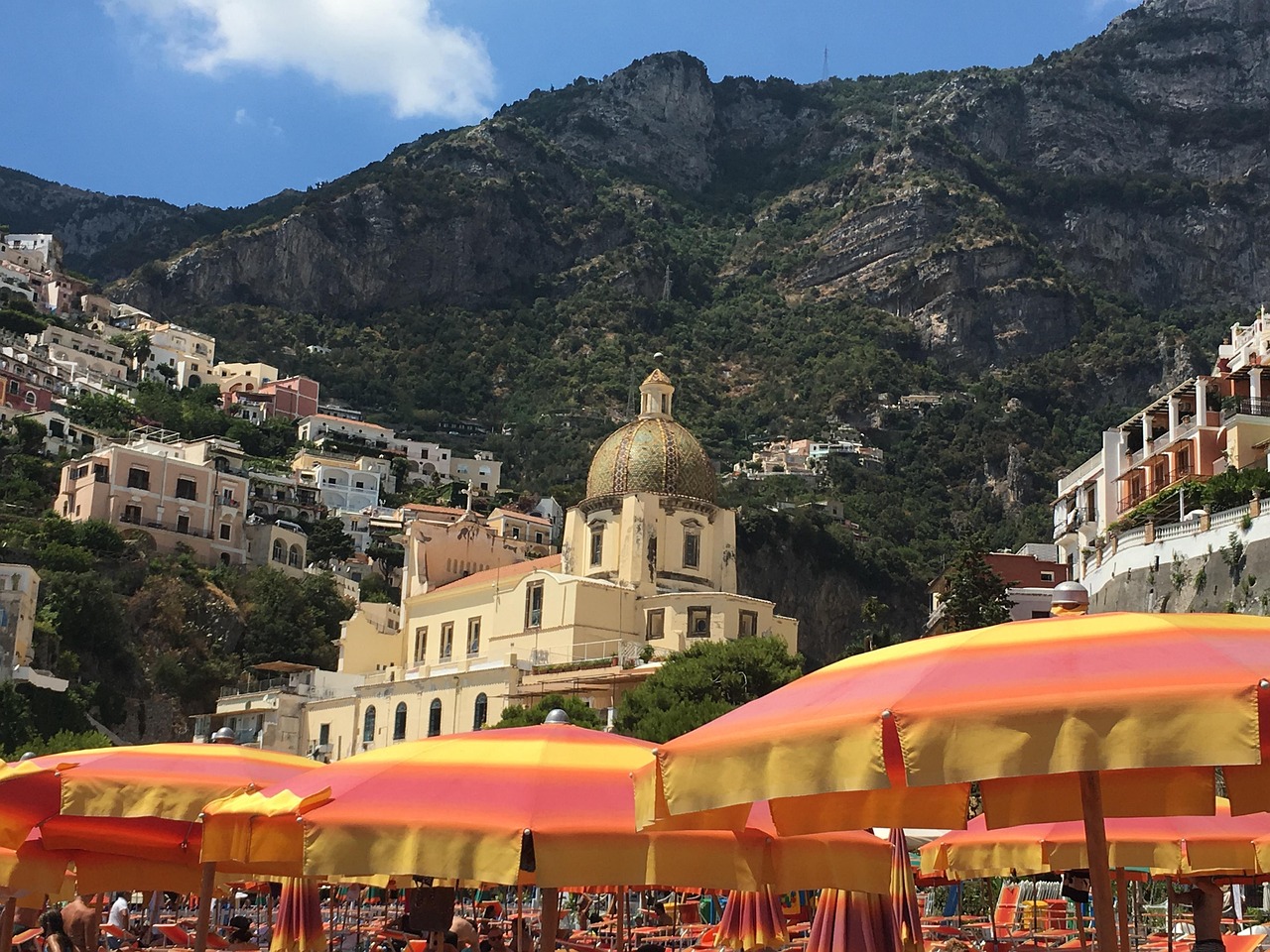
Positano and Campania on the Amalfi Coast with colourful cliff views
If your search looks like Positano beach town, Amalfi Coast, Campania, luxury guide, Italy, you’re already imagining it: Positano spilling down a cliff in pastel layers, all sea views and effortless style. It’s a beach town that feels both intimate and iconic—an Italian coastal classic where the light changes the buildings from soft apricot to rose-gold as the day slips towards evening.
In high season, Positano can feel busy, but it’s also where expert planning pays off. When your transfers are seamless and your beach time is reserved, the town becomes what it should be: a slow, beautiful stage for your own pace.
Beach time in Positano and the Amalfi Coast
Spiaggia Grande is the social heart of Positano: a pebbled beach with a lively shoreline and boats coming and going. The private beach clubs here typically charge an entrance fee that covers sunbeds, umbrellas, towels, and service (often with a minimum spend). In peak months, reservations matter—not because it’s trendy, but because it protects your day from the “nothing available” moment at noon.
For a quieter beach hour, you can also slip to smaller stretches nearby by boat, especially if you want a calmer swim away from the centre. A short charter can turn a standard beach day into something personal: an unhurried dip, a shaded seat, a chilled drink waiting when you return to the boat.
A Positano sunset that stays with you
One traveller told us about a simple ritual they still picture clearly: limoncello at a seaside café in Positano, watching the sun lower over the Tyrrhenian Sea. Nothing was rushed—just the clink of ice, warm air on skin, and that soft hush that arrives when a coastline realises it’s being admired. It’s a reminder that the Amalfi Coast doesn’t need to be “done”; it needs to be felt.
If you’re designing a longer stay in Campania, consider a few extensions that change the rhythm without sacrificing comfort. Salerno is a practical gateway with strong transport links and a less theatrical pace. Ischia offers a gentler beach destination, with gardens, thermal wellness, and evenings that feel local rather than performative. And Santa Maria di Castellabate brings a quieter seaside town atmosphere—simple promenades, slower meals, and a sense of space that can be a relief after Positano’s intensity.
Logistics are part of luxury here. Fly into Naples, then choose a ferry (beautiful on calm days), a private driver (best for comfort and luggage), or a scooter rental for flexibility. Scooters help for quick hops and scenic moments; they add stress when the roads are busy or you’re carrying bags. With the right support, your travel day becomes part of the pleasure, not a test of patience.
Cefalù, Sicily: Beach town in Italy with crystal-clear water and seafood days.
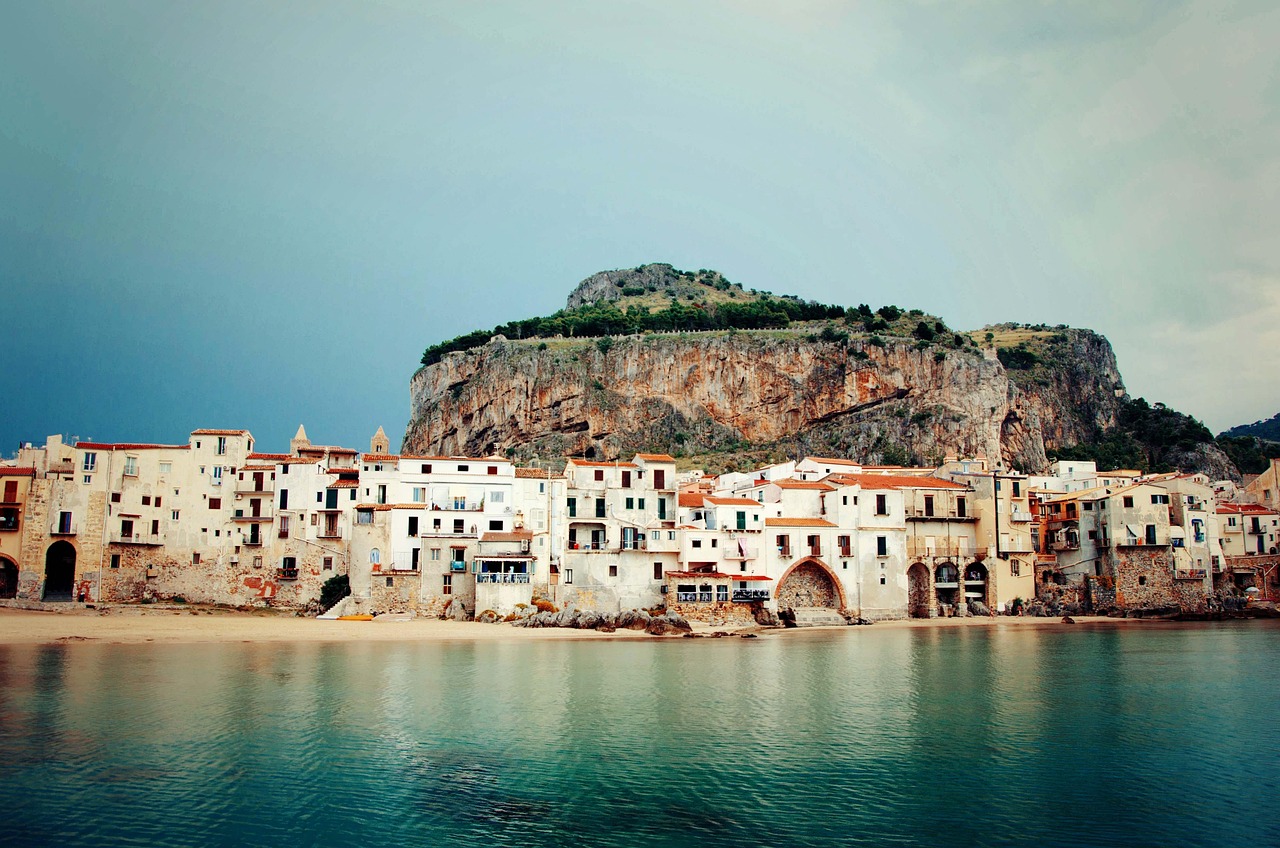
Cefalù and Sicily for Crystal-Clear Beach Days beside historic streets
Search for Cefalù, Sicily, a beach town in Italy with crystal-clear water, seafood, and you’ll find the essence of Cefalù quickly: a medieval seaside town where a sandy beach sits right beside history. The cathedral’s presence is grounding, and the contrast is part of the charm—sun on your shoulders in the morning, cool stone and sacred quiet by late afternoon.
Cefalù is especially rewarding for travellers who want both beach and culture, without constantly changing hotels. It’s also wonderfully human: fishermen mending nets, families on the promenade, and a gentle evening energy that makes you feel looked after by the place itself.
Local life in Cefalù and small towns nearby
Start with local markets for fruit, ceramics, and the everyday textures that make Sicily feel intimate. Then let meals do what they do best here: slow the day down. In trattorias, seafood is the point—simply prepared, often caught close by, and served with a confidence that doesn’t need embellishment.
If you’re curious to explore beyond town, small towns in the surrounding area can give you an even softer rhythm, especially if you’re balancing beach time with family needs or a desire for quiet. You don’t need an over-packed itinerary to uncover a deeper Sicily; you need space for it to reveal itself.
A family beach day done well
A family we spoke with described snorkelling just off Cefalù, where the water was clear enough to watch fish slip between rocks. They’d pre-booked a short boat outing for the morning—simple, well-timed, and seamless—then spent the rest of the day together: gelato, a slow swim, and a long dinner of fresh seafood that turned into laughter and stories. The insight here is practical: a little planning creates freedom, not structure.
If you want to find the best alternatives, Sicily offers options with distinct feels. San Vito Lo Capo is known for its beautiful sandy beaches and holiday atmosphere, with clear waters that can feel almost Caribbean in certain light. Choose based on wind (some days suit boat trips, others suit sheltered swimming), crowd levels, and whether you prefer a lively beach scene or something more relaxed.
- Arrival: Fly into Palermo airport, and consider a private transfer so your first day stays calm.
- Heat strategy: From May to early October, plan beach time early and late, with a shaded lunch and rest during peak sun.
- Beach basics: Reef shoes can help on mixed shorelines, and high-SPF sun protection matters more than you think on reflective water.
Done thoughtfully, Sicily’s beach days feel both elevated and authentic—luxury that still belongs to local life.
Portofino Liguria Puglia Italian Beach Towns Luxury Itinerary Italy
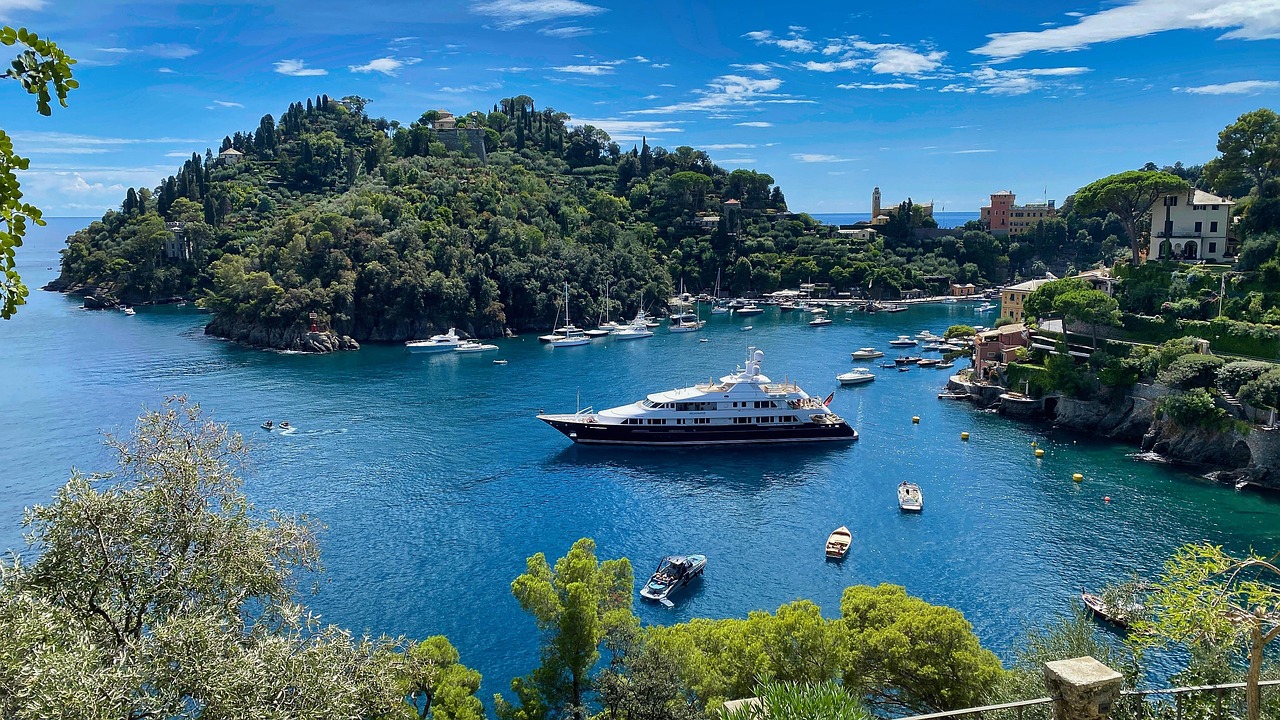
Portofino to Puglia and beyond Italian beach towns in Italy
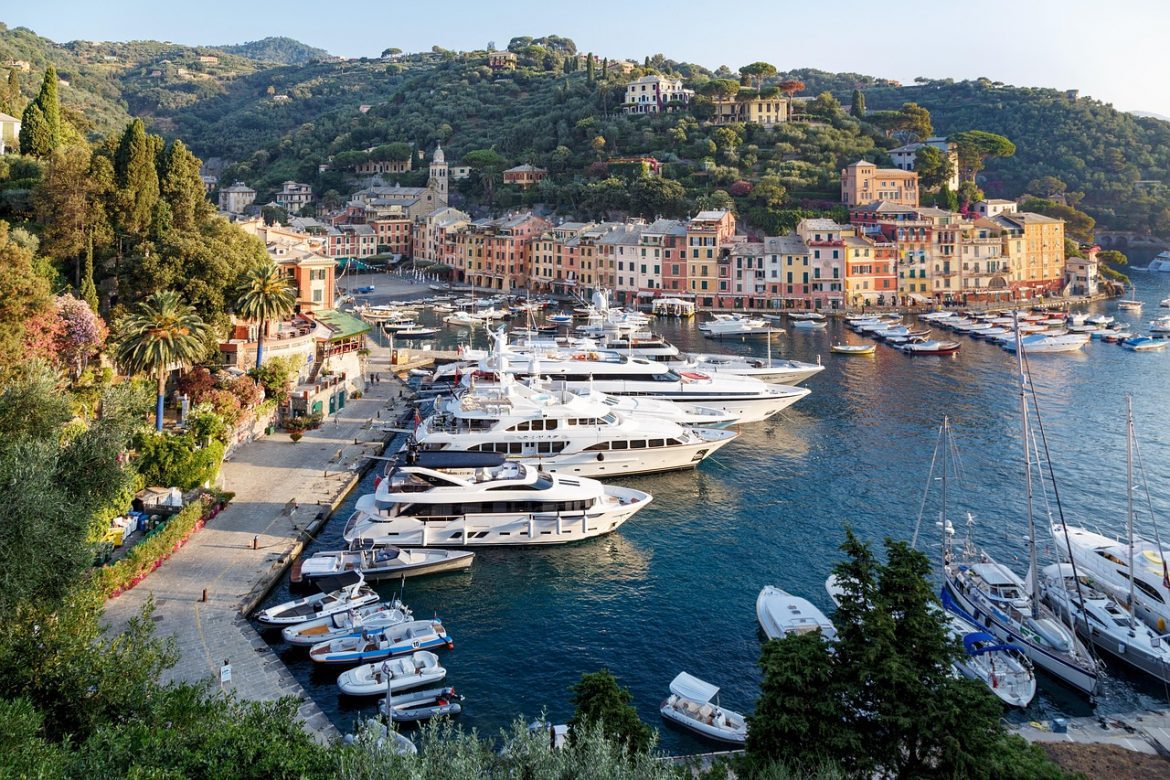
For travellers searching for Portofino, Liguria, Puglia, Italian beach towns, and a luxury itinerary in Italy, the joy lies in contrast. Begin in Portofino, where the harbour curves like a set piece: luxury yachts at rest, designer touches everywhere, and the kind of service that feels quietly assured. This is the Italian Riviera at its most polished, and the Ligurian coastline rewards travellers who like their glamour paired with discretion.
A couple once described their weekend here as “small, perfect scenes”. They booked a private boat tour to a secluded cove, swam in calm water, then returned to explore artisan shops away from the busiest corners. Over dinner—Michelin-starred, but never stiff—they felt that rare thing: time expanding. That’s Portofino at its best moment.
Liguria highlights from Portofino to Cinque Terre
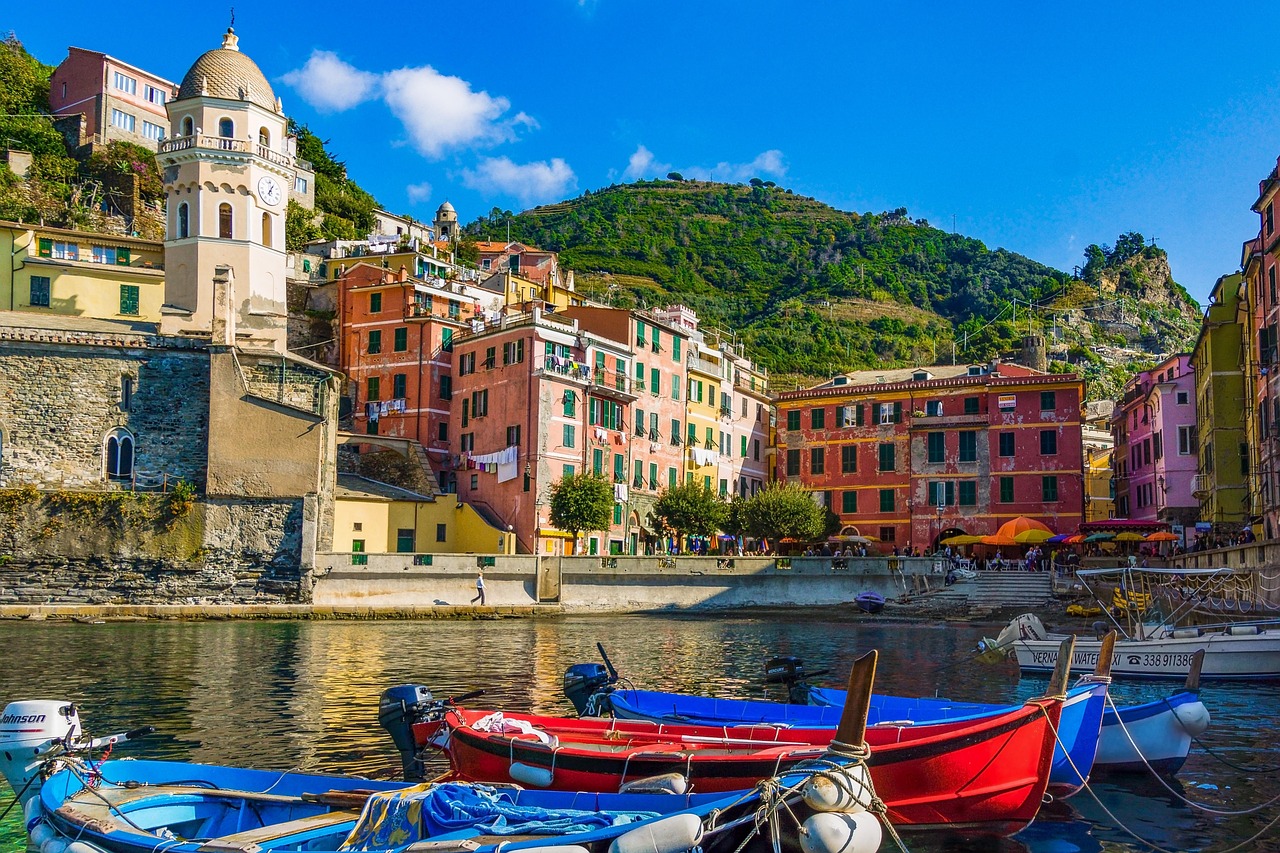
If you want a base that’s elegant but slightly easier, Santa Margherita Ligure offers more breathing room, with excellent access to Portofino. For a more rugged, postcard-pretty experience, Cinque Terre delivers dramatic coastal villages and footpaths, with Monterosso al Mare as the beach-forward choice when you want sand and swimming alongside the scenery.
In practice, this region can connect well with major hubs. Depending on your route, a train from Rome via key connections can be more relaxed than driving, especially if you prefer to arrive rested and ready for the beach.
Shift to Puglia and southern Italy for a calmer beach rhythm
Then comes the Adriatic: Puglia as a beautiful coastal counterpoint to the Amalfi Coast. Towns in Puglia can feel more spacious—less vertical drama, more open sky, and mornings where the shoreline belongs to swimmers and locals. Polignano a Mare (often shortened to Polignano) is famous for its dramatic cliffs and rock-carved swim spots, while Bari makes an atmospheric urban coastal stop with real energy and excellent food.
Along the coast of Puglia, you can design beach days that are gentle and consistent: early swims, long lunches, and late-afternoon walks. It’s not about chasing the “next” thing; it’s about settling into a pace that feels like care.
For travellers drawn to southern Italy beyond the obvious, Calabria offers rugged coastline and quieter fishing towns. One evening in a small fishing village there—boats pulled up, neighbours greeting one another, the sea darkening to ink—can be as moving as any headline destination. It’s a reminder that Italy’s beach magic lives in small, local moments too.
To keep a high-end itinerary truly seamless, plan the pieces that often bottleneck in peak season:
- Timing: May to early October offers warm water and better odds of breathing room.
- Bookings: Reserve hotels, boat charters, and private beach arrangements well in advance; availability is limited in summer.
- Transport: Ferries are joyful when the weather cooperates, buses are best for confident travellers, and private cars bring door-to-door support and calm.
If you’re gathering inspiration visually before you commit, you can explore our Trip gallery for thoughtfully crafted journeys. Wherever you land—Liguria, the Amalfi Coast, Puglia, or Calabria—what matters is that the design matches you, and the travel day feels like part of the holiday.
F.A.Qs: Best beach towns in Italy
What is the nicest beach town in Italy?
It depends on your style. Positano is a standout for cliffside beauty, luxury boutiques, and beach club ease on the Amalfi Coast. For a quieter, culture-rich seaside town, Cefalù pairs a sandy beach with a historic cathedral and excellent seafood. If you prefer harbour glamour and polished dining, Portofino offers an iconic Italian coastal setting with private boat options.
Which side of Italy has the best beaches?
Italy’s best beaches are spread across different coastal areas. The Tyrrhenian side includes the Amalfi Coast and parts of Sicily with dramatic scenery and clear water, while the Adriatic side in Puglia often feels calmer and more spacious for swimming. For vivid turquoise waters, Sicily and Sardinia are especially strong choices, particularly outside the busiest weeks.
Is the Amalfi Coast or Puglia better?
The Amalfi Coast is ideal if you want dramatic cliffs, iconic views, and a lively, high-energy beach scene with bookable clubs. Puglia suits travellers seeking a gentler pace, easier beach mornings, and a more understated luxury feel along the Adriatic. Both can be exceptional; the “better” choice is the one that matches your preferred rhythm and how much movement you want between towns.
What is the underrated seaside town in Italy?
Santa Maria di Castellabate in Campania is often overlooked compared with Positano, yet it offers a relaxed seaside atmosphere and a more local feel. In southern Italy, Calabria also rewards travellers who want quieter fishing towns and a less obvious coastline—especially if you value space, simple meals, and beaches that feel unhurried rather than curated.
After the Sea, What Italy Leaves With You
Long after you’ve left the beach, Italy lingers in details you didn’t think to photograph. Salt on skin that you can almost feel again on a winter morning. Bells from a hillside church drifting over rooftops. The hush of early seaside walks, when the town is still sleepy, and the water looks like brushed glass.
What stays, often, are the moments that felt personal rather than performative: limoncello at dusk in Positano, sipped slowly while the sky softened; a shared snorkel in Sicily that turned into laughter and togetherness; a quiet boat ride in Portofino where the world narrowed to sea, light, and the steady confidence of being looked after.
Back home, you might notice how Italy gently changes your sense of time. You may find yourself choosing fewer plans, better meals, and more unhurried conversations—small acts that echo the coast without trying to recreate it. The colours return in unexpected ways too: a bowl of lemons on your kitchen counter, a whitewash wall catching afternoon light, the simple pleasure of walking without needing to arrive quickly.
And perhaps that’s the most reassuring truth about an Italian coastal town: it doesn’t end when you leave. It becomes a reference point—proof that life can be softer, more attentive, more beautifully human. One day, in another season, you may feel curious again and find yourself imagining the coast in a different light.