Post Contents
- Rome to Venice by Train – Why This High-Speed Ride Feels Like a Mini Adventure Across Italy
- Trains from Rome to Venice – Italo vs Trenitalia Frecciarossa: high-speed train choices
- Train ticket guide: tickets from Rome to Venice, Italy, fare details, and booking online with confidence
- Traveling by train: Rome to Venezia, with high-speed classes, quiet zones, and scenic views.
- Get from Rome to Venice: arrive at Santa Lucia station in Venezia with ease
- F.A.Qs: Train from Rome to Venice, Italy – train ticket prices, train times, and luggage rules
- Rome to Venice reflections: why train travel in Italy feels personal
Rome to Venice by Train – Why This High-Speed Ride Feels Like a Mini Adventure Across Italy
Rome to Venice by train: a quietly cinematic ride across Italy, from city streets to countryside light
Planning a train trip from Rome to Venice, Italy, is a rare kind of luxury: swift, elegant, and quietly cinematic. This route links Rome and Venice like a moving gallery—architecture, everyday local life, and a changing horizon stitched together through the window.
If you want the fastest way to connect the two cities without losing the romance of the road, take the train. A modern high-speed train keeps your day open for museums and aperitivi, while still delivering a genuine sense of movement from the moment you step onto the platform.
Rome to Venice as a cultural corridor: scenic views, smart travel tips, and a smooth rail journey
Even when the pace is brisk, the landscape has texture: distant church domes, low hills, and small historic towns flashing by like quick sketches. One traveller told us the thrill was the contrast—departing from Rome with a coffee in hand, then watching grand stone soften into countryside light in minutes.
For planners, keep expectations simple and practical. The journey time is usually around 3.5–4 hours on a fast service; the train takes you from city centre to city centre with comfortable seats, power sockets, and an easy rhythm for reading, work, or quiet window-gazing.
Why a seamless rail day supports bold plans in Rome and Venice
This is the kind of day that feels seamless when designed well: a calm arrival at the main terminus, a reserved seat, and a ride that lets anticipation build. For many travellers, it’s the most human way to travel from Rome to Venice—shared space, small acts of care, and that subtle togetherness that happens when everyone is headed toward the same beautiful destination.




Trains from Rome to Venice – Italo vs Trenitalia Frecciarossa: high-speed train choices
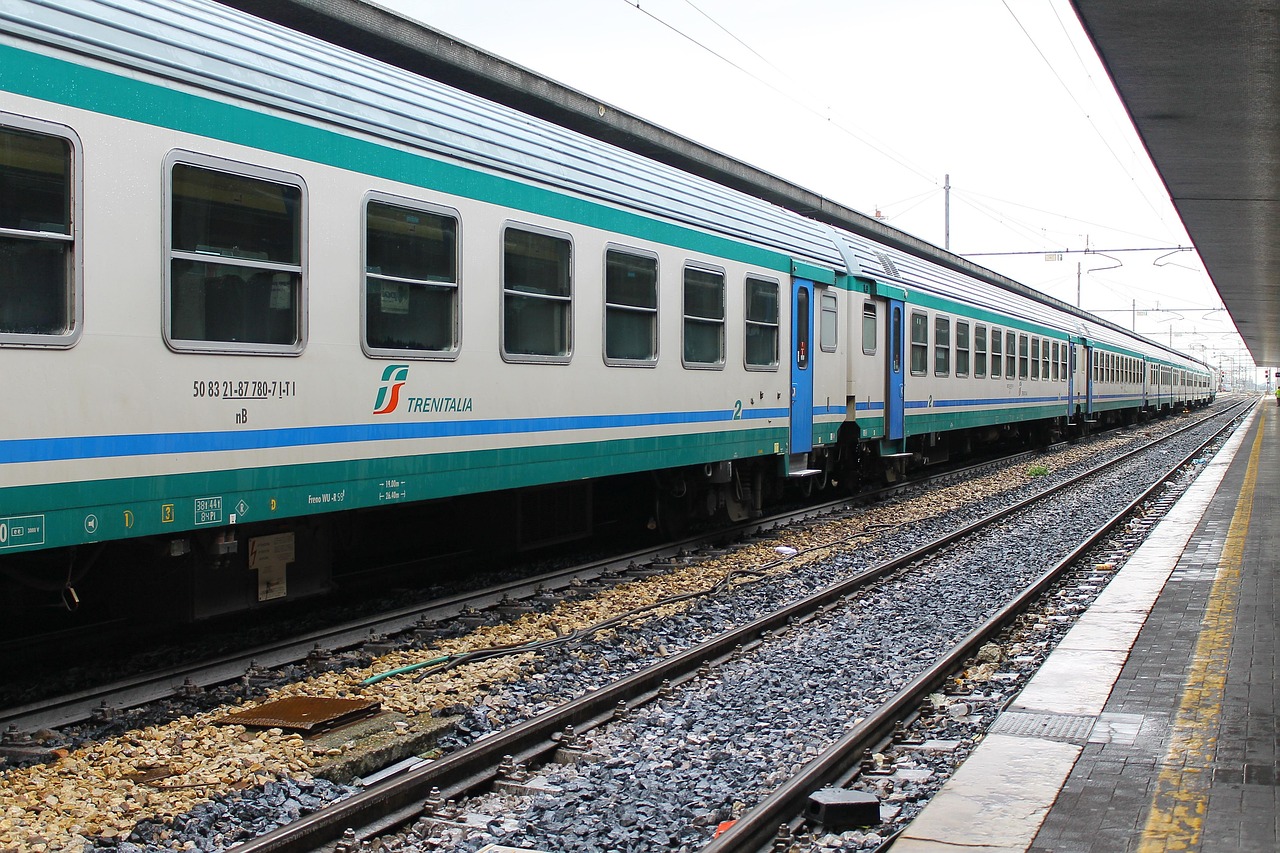
Compare trains from Rome: Italo and Trenitalia Frecciarossa for the main train between Rome and Venice
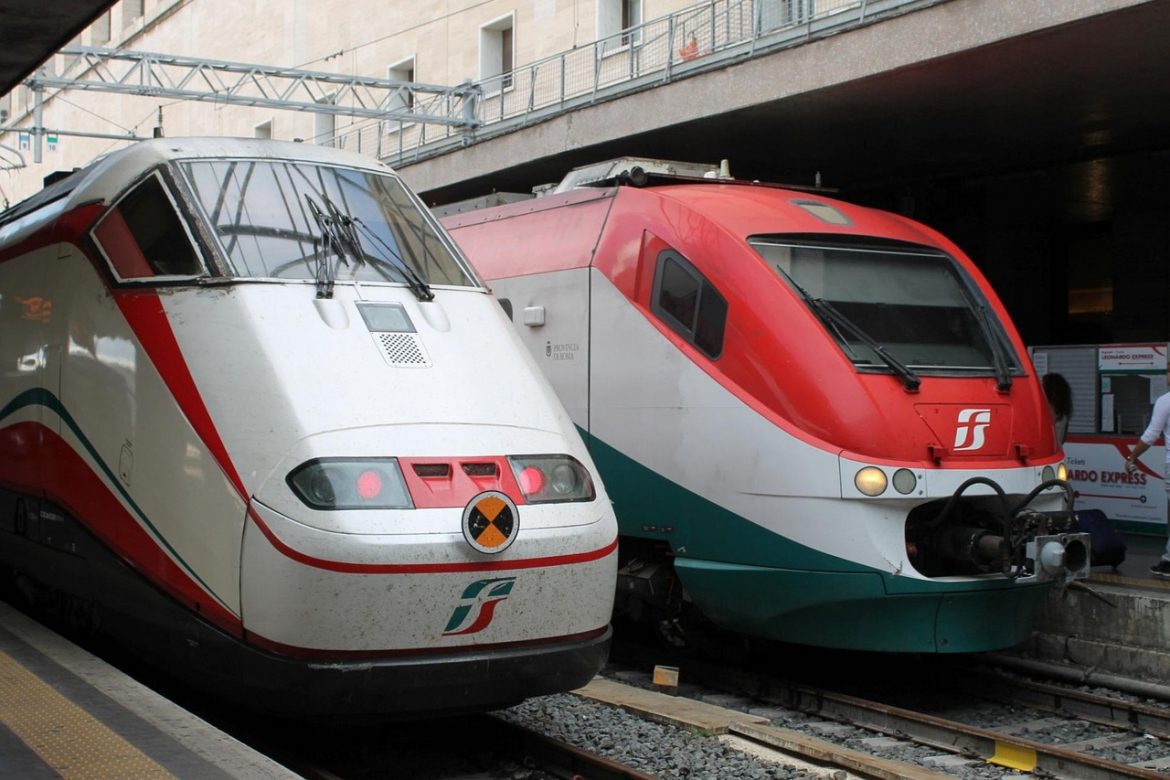
When you search for trains from Rome heading north, you’ll typically see two main high-speed brands on this corridor: Italo and services run by Trenitalia. On this line, the flagship Frecciarossa routes are operated by Trenitalia, while the Italo train offers its own polished, modern experience—both are reliable for a fast, comfortable train service.
For most travellers, the decision isn’t “good vs bad”. It’s about details that match your style—departure time, station convenience, luggage ease, and whether you prefer a quieter carriage or a specific travel class.
Direct train vs Bologna connection: journey takes, visiting Rome plans, and arrival timing
A direct train is the simplest-feeling option, especially if you’re travelling with luggage or timing a hotel checkout while visiting Rome. Some schedules route via Bologna; the change can still feel effortless when the connection is well-paced, and you’re not cutting it fine.
When comparing options, glance beyond the headline duration. Consider how the journey unfolds on your final morning in Rome and your first evening in Venezia—arriving before dinner can be its own kind of luxury on a short trip from Rome to Venice.
From Roma Termini to Santa Lucia: train station guide, terminus flow, and platform tips
Most travellers start at Roma Termini, the main terminus and the most convenient station in Rome for high-speed departures. You’ll also see it referred to as Termini station; the full name, Roma Termini station, is the same central hub, built for clear signage, quick connections, and an easy flow on busy days.
For this route, trains typically depart from Roma Termini as a central terminus, and a train from Roma Termini is an easy choice if you’re staying in the historic centre. If you see Rome Termini on maps or apps, it’s simply the same place written in English.
In Venice, the dream arrival is Venezia Santa Lucia—a waterfront terminus where you step out and the city’s pace changes instantly: less traffic noise, more canal light, more possibilities.
Planning mindset matters more than micromanaging. There are many departures—think trains per day rather than a single perfect option—and you can usually find a convenient last train if your day runs long.
- Travel tips: choose early morning or later evening for a calmer carriage and easier navigation at the train station.
- Keep an eye on the listed train times, but prioritise the departure that supports your hotel check-in and dinner plans.
- If you’re connecting via Bologna, aim for a relaxed buffer so the change stays confident and unhurried.
Train ticket guide: tickets from Rome to Venice, Italy, fare details, and booking online with confidence
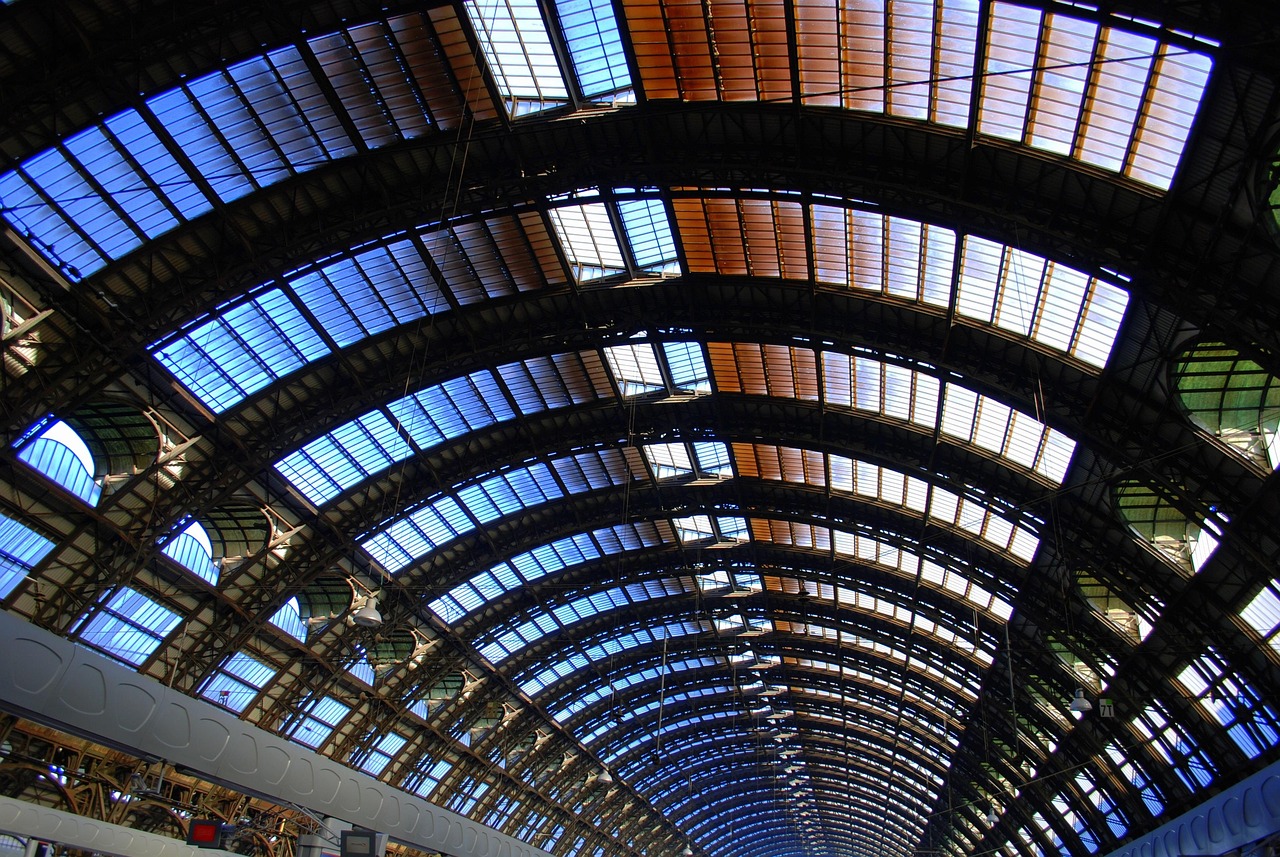
Train ticket strategy: compare fares, choose your class, and book online with confidence
A smart train ticket plan starts with one reassuring idea: book early, then stop worrying. When you book your train tickets directly with Trenitalia or Italo, you’ll see clear seat selection, carriage details, and the kind of confirmation that builds trust before you even reach the platform.
For most travellers, buying train tickets online is the easiest way to get the best price, especially on weekends and holidays. Look at the total fare (and what’s included), then choose the departure that supports your plans rather than the absolute cheapest option.
High-speed train tickets or regional train: travel times, comfort, and stops
On this route, high-speed train tickets are the premium choice: fewer stops, polished comfort, and a smoother pace that protects your time in Venezia. A regional train can work for the flexible and curious, but it’s slower and may involve extra changes—better for travellers who truly want to turn the day into a long local wander.
If your priority is arriving fresh, choose the fast option. The fastest train takes about 3 hours and 45 minutes, depending on the day, and those shorter travel times can be the difference between rushing and relaxing once you arrive.
Eurail pass vs point-to-point: train tickets from Rome and tickets from Rome to Venice
A Eurail pass can be brilliant if you’re building a multi-city design—Rome, Florence, Venice, and beyond—with flexibility to shift plans. But if you’re focused on one polished transfer, tickets from Rome to Venice purchased in advance often feel simpler, with fewer rules to remember and a clearer seat reservation process for train tickets from Rome.
Two calm essentials: bring valid ID for checks, and read what’s included on your ticket (seat, coach, departure time, and change/refund terms). If plans change, don’t panic—most fare types have clear conditions, and staff are used to helping travellers stay on track.
If you’re still planning a trip across Italy, you can mix approaches: use a Eurail pass for flexible days and buy a point-to-point seat when you need a specific departure. For a single, set-date journey, many travellers prefer to lock in a single Rome-to-Venice train reservation and move on with their itinerary.
If you’d like inspiration for how this rail day fits into a wider Italian story, you can explore our Trip gallery for crafted routes that balance culture, comfort, and a sense of adventure.
Traveling by train: Rome to Venezia, with high-speed classes, quiet zones, and scenic views.
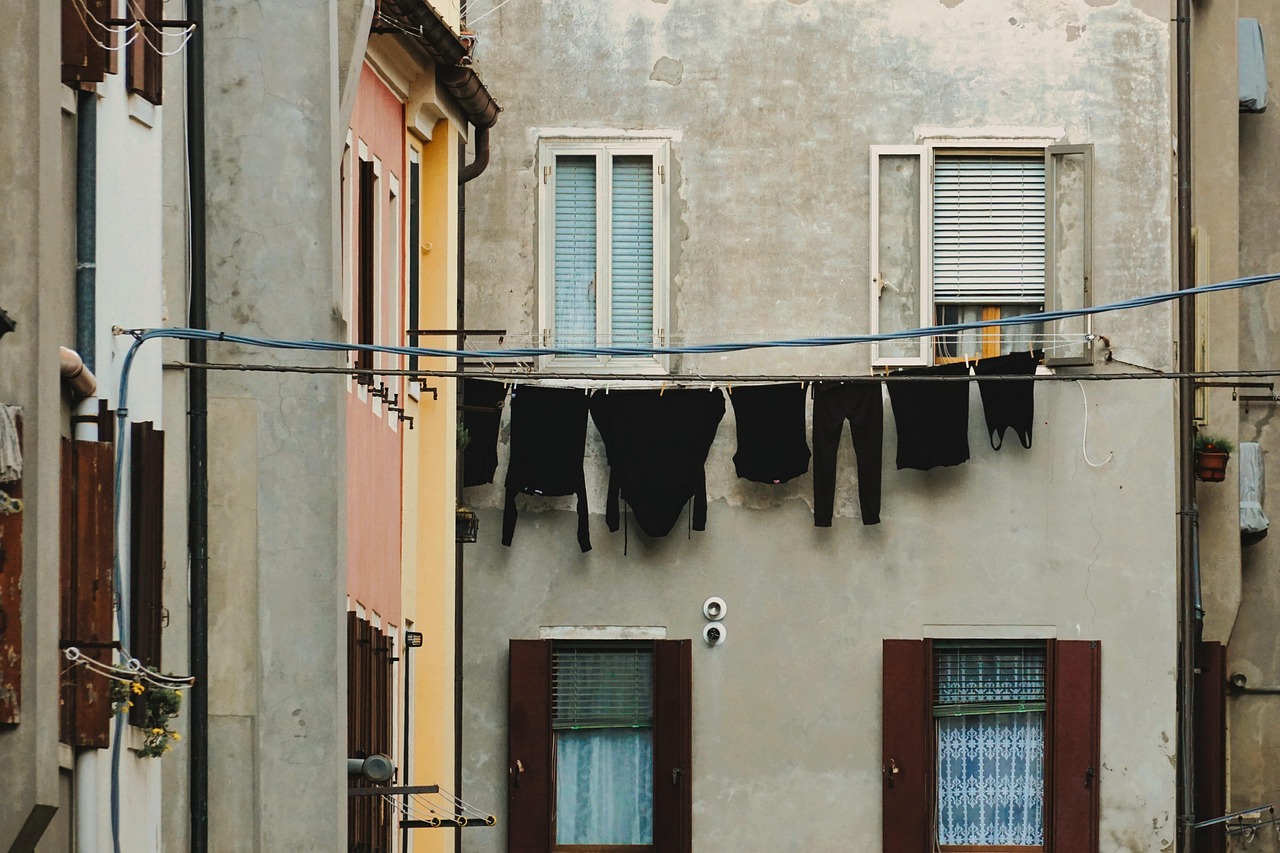
Onboard comfort: choose your class, find quiet zones, and enjoy the views
On this corridor, the real luxury is choice without pressure. Standard class can still feel bright and comfortable, while higher tiers offer more space, a quieter ambience, and sometimes lounge-style touches—ideal if you want to arrive looking as composed as you feel.
Once settled, the train ride becomes its own experience: a curated window onto the country. Even on a fast service, you’ll still catch a scenic stretch of fields, industrial edges, and sudden glimpses of historic rooftops that remind you how densely Italy is layered with story.
Travel classes, seat options, quiet zones, and what to expect on every train
Most high-speed services offer multiple travel classes and, on some departures, dedicated quiet areas—ideal if you’re editing plans, reading, or simply letting the day breathe. Respecting the quiet zone (low phone volume, headphones, gentle conversation) is a small act of cultural care that makes shared space feel better for everyone.
If you’re travelling as a couple, upgrading can feel like a private cocoon. One pair we spoke to met fellow travellers over an onboard coffee, swapped insight on lesser-known Venice neighbourhoods, and arrived with a list of hidden spots they wouldn’t have uncovered alone.
Human moments on the journey between Rome and Venezia
A solo traveller shared a different kind of magic: she rode off-peak for a calmer carriage, sat by the window, and let the countryside set her pace. In that quiet, she fell into spontaneous conversation with a local—gentle recommendations, a shared laugh, and a reminder that confidence often grows from ordinary kindness.
- Keep valuables close when boarding and at busy stops—stations can be energetic, so it’s wise to stay alert.
- Pack a light layer: air conditioning can vary by carriage.
- Consider a snack a preview of Venetian flavours; some services offer a café-bar feel, a small, fast-track service into holiday mode.
Get from Rome to Venice: arrive at Santa Lucia station in Venezia with ease
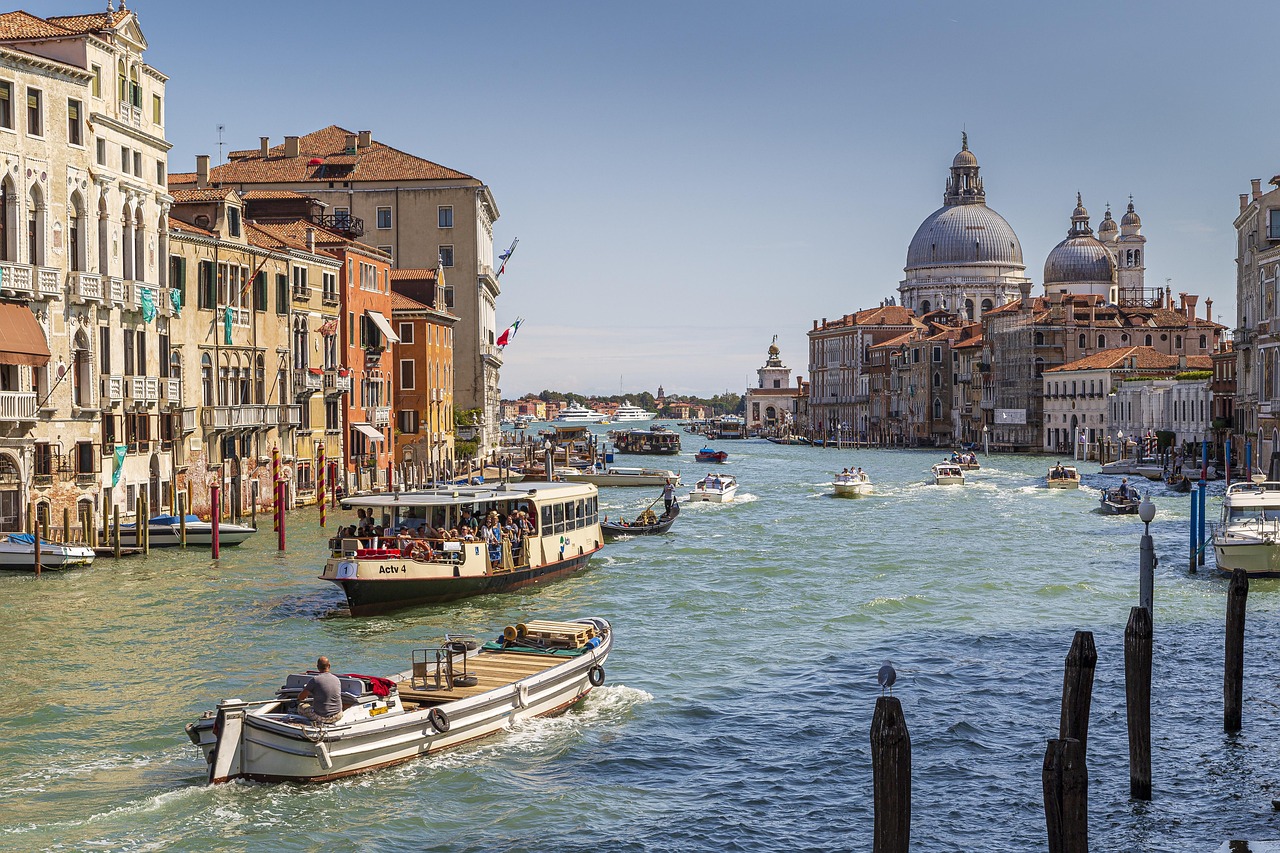
Arriving in Venezia: step out at Santa Lucia and meet the canals immediately
To reach Venice from Rome by rail is to step straight into an atmosphere. You come off the platform at the waterfront terminus, and the city meets you immediately—water, light, movement, and that unmistakable Venetian hush beneath the bustle.
This is where the Rome to Venice start feels complete: you’ve crossed the peninsula, and now the world rearranges itself around canals. It’s a gentle, exhilarating shift—perfect for travellers who want culture with a pulse, but not chaos.
Santa Lucia location: first vaporetto choices, travel to Venice, and how to get to Venice
Santa Lucia is brilliantly placed for first impressions. From Venezia Santa Lucia station (often called Santa Lucia station), you can head straight to the vaporetto (water bus) stops and get to Venice the local way. It’s usually more affordable than a private water taxi, and it delivers a moving panorama that feels like an opening scene.
If you’re travelling with luggage, keep it close while you queue and board. Venice is welcoming, but busy spaces ask for calm attention and a little care—especially if you’re navigating crowds for the first time.
Venice from Rome: a culture-first first day in beautiful Venice and easy island gems
For a culture-first landing, begin with the classics at an unhurried pace: St Mark’s Basilica for gold mosaics and reverence, then the Rialto Bridge for that sweep of history over the Grand Canal. Let your first walk be about noticing—stone underfoot, reflections in shop windows, and the way beautiful Venice makes you slow down.
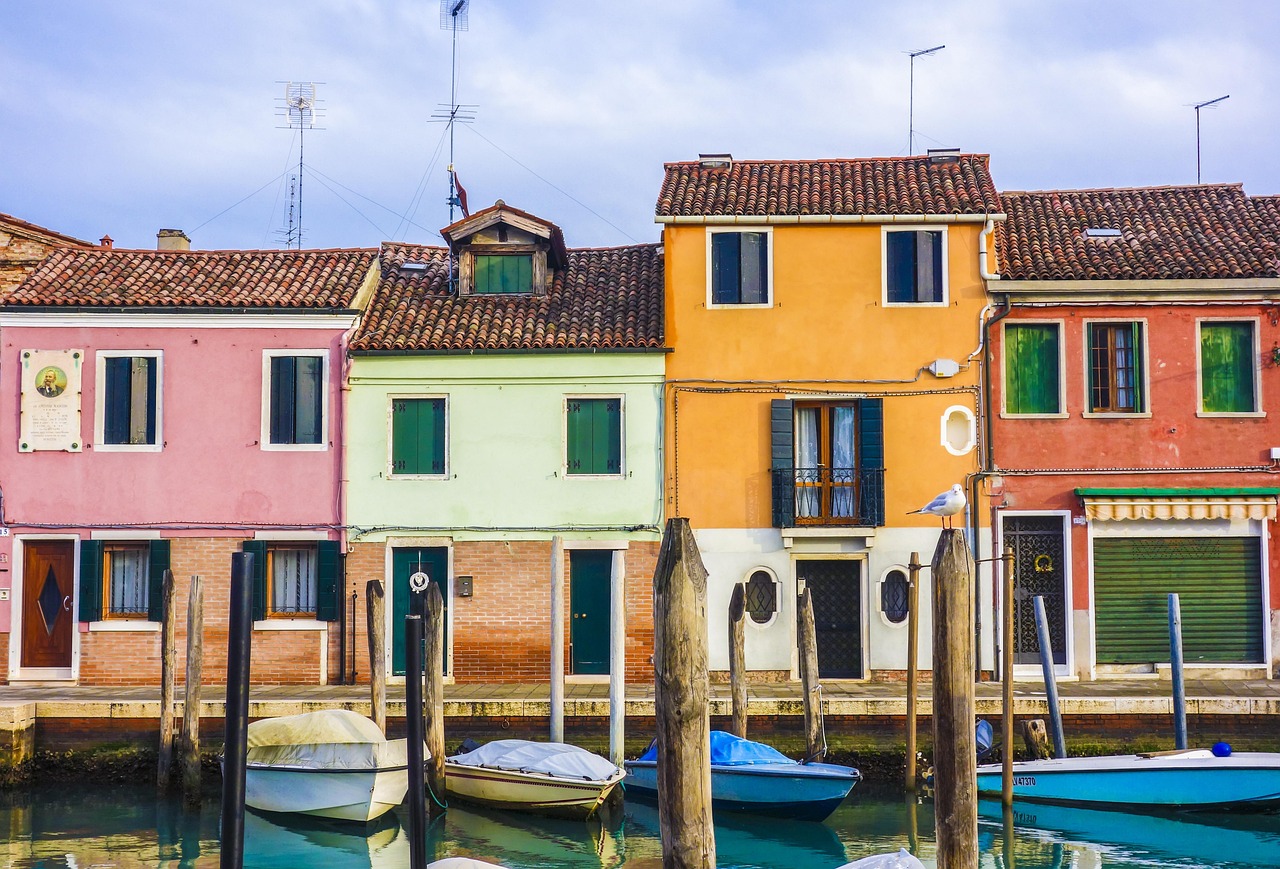
Then uncover what many travellers miss. Take the train to Venice, drop bags, and design a small-island day: Burano for colour and craft, or an afternoon in the Venetian art scene, where contemporary work sits alongside centuries of tradition. If you have time in Venice, moving between islands deepens your sense of place without rushing, and it’s a memorable trip within your larger holiday.
F.A.Qs: Train from Rome to Venice, Italy – train ticket prices, train times, and luggage rules
How much is a high-speed (bullet) train ticket from Rome to Venice?
Prices vary by day, time, and how early you book. For high-speed services, a standard ticket is often cheaper when purchased in advance, while last-minute fares can rise. If you want the best price, book early online with the operator and choose off-peak departures when possible.
Is there a nonstop or direct train between Rome and Venice?
Yes, there is often a direct train between Rome and Venice, especially on high-speed routes. Some services may include a connection, commonly via Bologna, but it can still feel smooth if the change time is comfortable and you keep luggage manageable.
How long is a high-speed train ride from Rome to Venice?
A high-speed train trip typically takes around 3.5 to 4 hours, depending on the service and stops. Always check your specific travel times when booking, as the timetable can vary by season and day of the week.
Can I bring luggage on Italian trains?
Yes. You can bring luggage on Italian trains, including high-speed services, as long as you can manage it yourself and store it in the designated racks or overhead spaces. Keep valuables with you, especially when boarding and at busy station moments.
Rome to Venice reflections: why train travel in Italy feels personal
In the end, reflections after a fast transfer aren’t only about speed; they’re about a shift in attention. You arrive at the terminus with the sound of wheels still in your body, and Venezia feels more vivid for the contrast—like the city has been waiting for you to notice it properly.
What stays is often small. A shared coffee offered without fuss. A window-view silence that felt like permission to exhale. A local’s patient gesture when you hesitated at a sign. These ordinary seconds build trust in a place, and they give your memories their warmth.
Later, you might find yourself imagining the return—venice to rome, or onward to another city—carrying a quieter confidence. You’ll know how to read a platform, how to follow the timetable, and how to let train travel support you rather than distract you on the way back to Rome or beyond.
And perhaps that is the real gift of the journey between rome and venice—this simple chance to travel between rome and venice comfortably across Italy. It doesn’t just get you there: it helps you slow down enough to see what Venezia has been showing all along, and to wonder—gently—what you might uncover next.