Post Contents
- Venice to Florence: Why This Iconic Route Between Venezia and Firenze Sparks a Cultural Adventure
- Venice to Florence by Train: High-Speed Train Tickets, Italo vs Trenitalia, and Firenze SMN
- Bus and Flights from Venice to Florence: Compare Bus Station Transfers, FlixBus, and Flying Options
- Hidden Stops on the Venice to Florence Route: Ferrara and Bologna Day Trips Between Cities
- From Venice to Florence, through Tuscany: Cycling Stages for an Adventure Travel Experience
- Florence Travel Guide: Arriving at Firenze SMN, Santa Maria Novella, and Top Sights Like the Duomo
- Frequently Asked Questions: Venice to Florence
- What Stayed With Me After Venice to Florence: A Personal Reflection on the Journey Between Venice and Florence
Venice to Florence: Why This Iconic Route Between Venezia and Firenze Sparks a Cultural Adventure
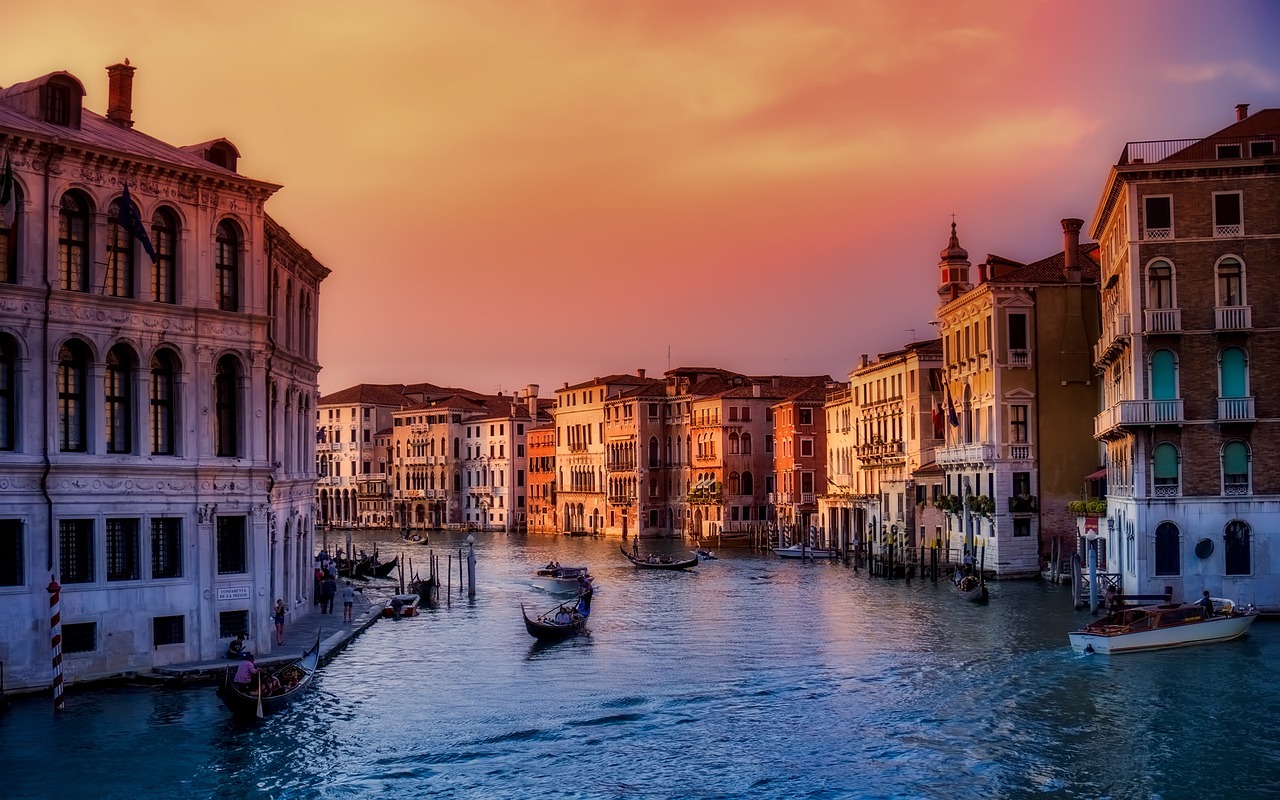
Venice to Florence at sunset: a slow, beautiful start to your journey
For travellers planning from Venice, Italy, to Florence, the story often begins quietly—on water. One traveller told me about a sunset gondola ride where the city’s edges softened: bells in the distance, the last gold on the canal, and that unmistakable Venetian hush that makes you slow down without trying. It set the tone for the week, not by speeding up, but by creating space to discover what Italy gives you when you move with trust.
The distance between Venice and Firenze is ideal for a short hop that still feels like a shift between two creative worlds. There’s more than one way to get from Venice to Florence, but most people get from Venice to Florence most smoothly on the rails, because the train is the best way to keep your rhythm calm. Think of it as a designed contrast between Venice and Florence: waterways and shifting light first, then crisp lines, galleries, and artisan streets.
Travel from Venice to Florence, Italy: plan your trip like a designed journey
High-end travel doesn’t have to mean over-planning; it means planning a trip around the pieces that matter, then leaving room to explore. Start with Venice’s icons—St Mark’s, the Rialto, and a late aperitivo—then leave Venice with intention and let the motion do the work. The journey from Venice to Florence is short enough to feel seamless, yet long enough to feel like you’re moving toward something new.
To keep it adventurous without stress, anchor your day with one “must” and one “maybe”. You might be a quiet morning walk before the crowds; you might be a spontaneous cicchetti stop or a detour through a quieter sestieri. That simple structure is everything you need for a confident arrival in Firenze—with energy left for an evening that feels personal.
Ways to get from Venice to Florence: Venice to Florence by train, bus, or flight from Venice
When you get from Venice to Florence, three main options are available: the Venice to Florence by train, a bus, or flying from Venice to Florence (rarely the smartest, but occasionally useful). This travel guide helps you choose the best way to get there based on comfort, flexibility, and how you want the day to feel—whether you’re taking quick rails or building in slower trips from Venice to Florence with stops.
A gentle note on travelling smart: dress modestly for churches, greet people with a warm Buongiorno, and move through busy areas with care. In stations and on vaporetto platforms, keep your awareness soft but present—confidence is often just attention, practised kindly, and it becomes your simplest way to Florence.




Venice to Florence by Train: High-Speed Train Tickets, Italo vs Trenitalia, and Firenze SMN
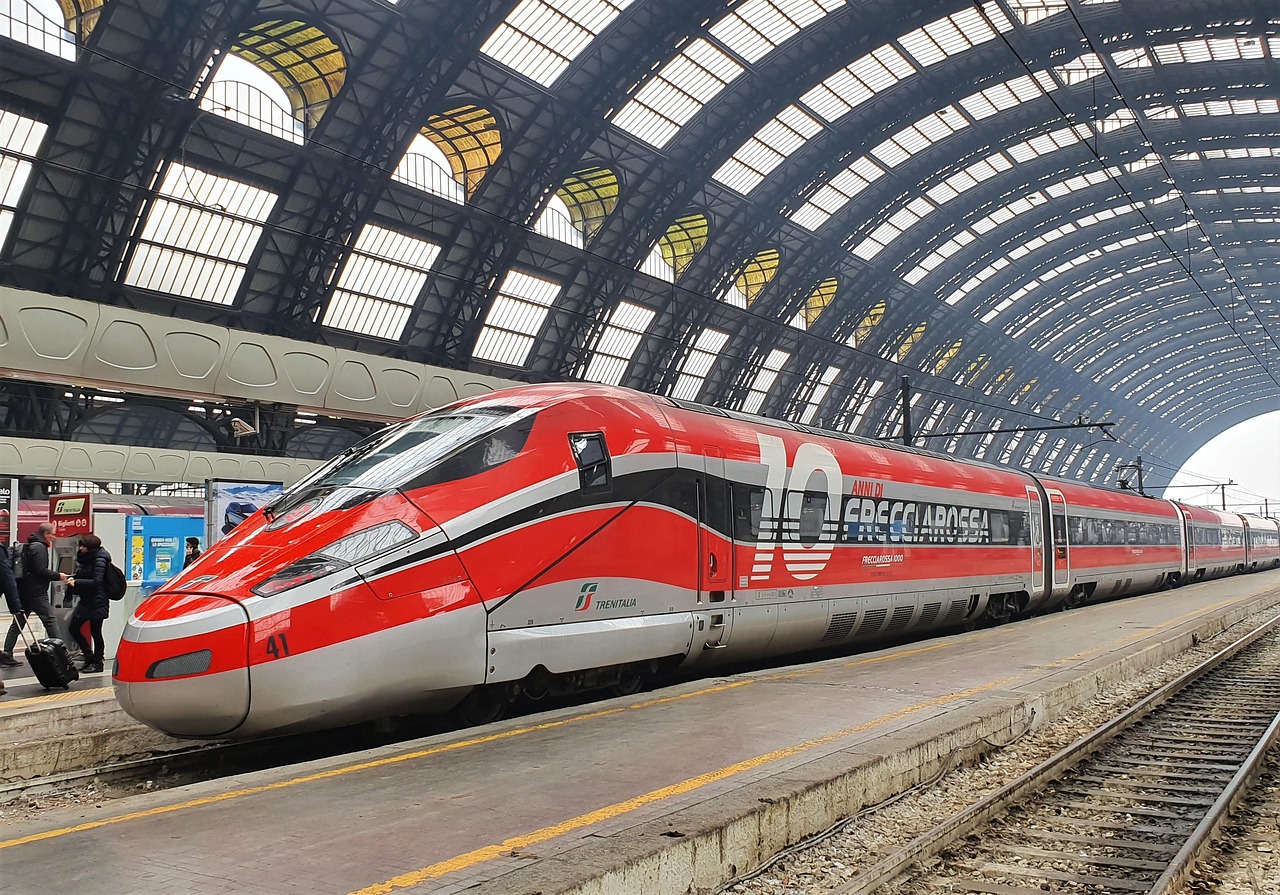
Venice to Florence train travel: sleek services and easy arrivals in Firenze
If your plan is to take the train from Venice to Florence, you’re in the sweet spot of modern Italian travel. The classic route is simple: depart from Venezia Santa Lucia (right on the water) or Venezia Mestre (on the mainland), and arrive at Firenze SMN, also known as Firenze Santa Maria Novella. It’s a refined travel option—fast, scenic in places, and wonderfully predictable.
For most travellers, the Venice to Florence train is about arriving on time. You step off close to the historic centre, so you can get to your destination without wrestling with long airport transfers. If you’re travelling by train with a light case and a daypack, you’ll feel how effortless Italy can be, especially on a high-speed train.
Booking train tickets from Venice to Florence: fares, ticket prices, and how to book your ticket
My warmest expert advice is to book online once you know your dates, especially if you want a specific departure time. Smart booking is straightforward: compare flexible vs non-refundable options, check what’s included in each fare, and confirm the station names before you pay. If you’re aiming to find cheap deals, early release periods can open the best ticket prices—sometimes you’ll spot routes starting around €20 on quieter departures.
On many services, you’ll receive mobile QR codes, which means no paper to misplace. Still, screenshot your confirmation and store it offline—one small act of care that keeps the day seamless. If you do have paper train tickets for regional services, you may need to validate them; platform signage will usually indicate where to validate them. When in doubt, ask staff and book tickets with a buffer so you’re never rushed.
Italo vs Trenitalia: onboard services, free wi-fi, and train times
Choosing between Italo and Trenitalia is often about mood rather than major differences. Both offer comfortable seats, reliable air-conditioning, and modern onboard services—and yes, you’ll usually find wi-fi or free wi-fi depending on class and route. Luggage expectations are relaxed, but the real luxury is travelling light, especially when you change platforms in a busy stazione.
Train times are frequent, with early-morning to late departures throughout the day, keeping your day flexible rather than fixed. As a clear benchmark, high-speed travel times are typically about 2 hours, while less expensive regional services and other regional trains can take longer with more stops. If you want to relax and enjoy the ride, choose a fast service and arrive with your energy intact.
Station notes: to reach Santa Lucia, it’s common to arrive by vaporetto—it’s easy to find from the main canal routes, and the Lucia train station entrance is well signposted once you step onto the waterfront. Mestre is practical if you’re staying on the mainland or arriving by car. If you can, skip large bags; a streamlined carry makes boarding feel calm and unforced.
Bus and Flights from Venice to Florence: Compare Bus Station Transfers, FlixBus, and Flying Options
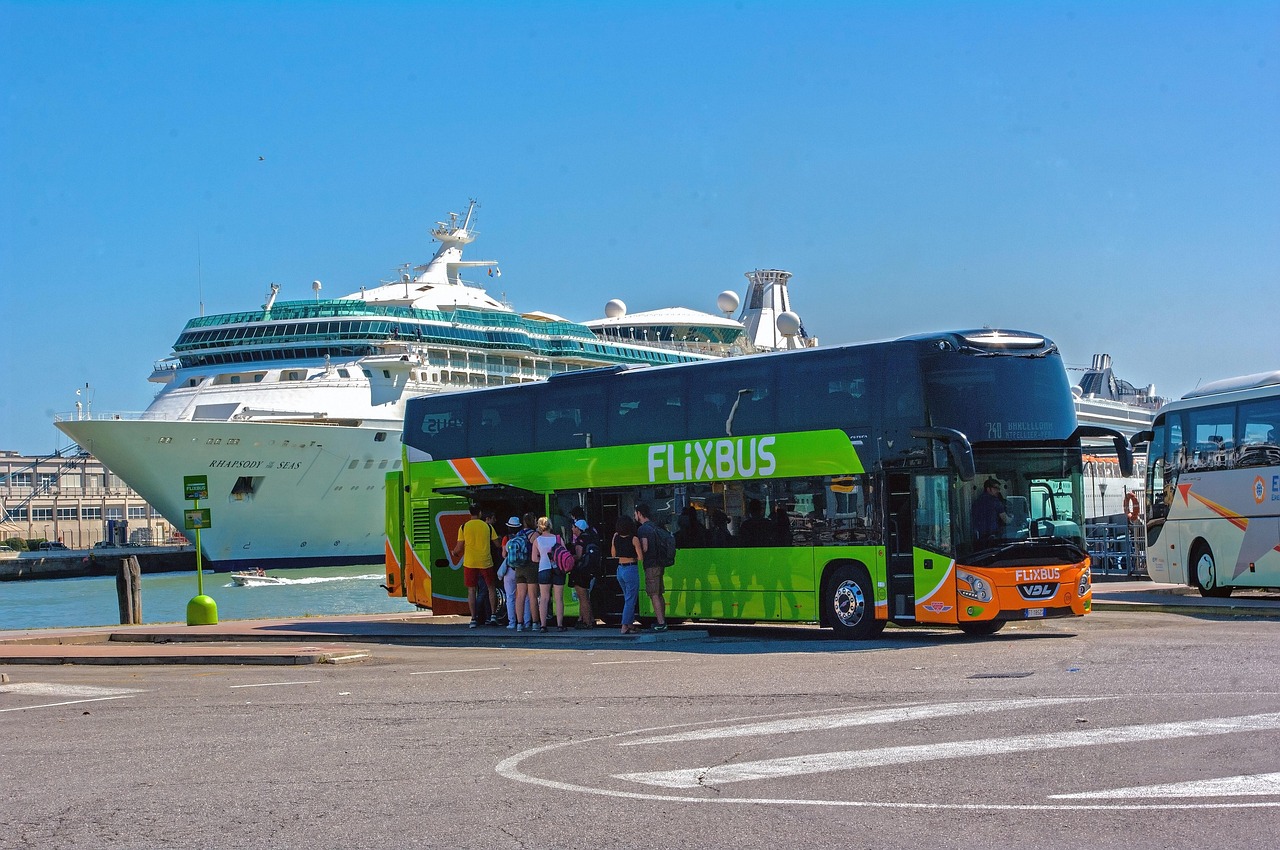
Bus and flights from Venice: choosing the right transfer style for your day
When comparing buses, flights, and the train from Venice (of course), the best choice depends on budget, time, and how much adventure you want built into the logistics. Some travellers love the simplicity of a train; others don’t mind a bus if it frees up spending for a boutique hotel or a private guide in Firenze. This is your permission to choose the travel option that supports your pace.
If you’re weighing options, remember one truth: door-to-door matters. A drive from Venice to Florence can be beautiful, but it brings ZTL rules and parking realities that can take the ease out of it. For most people, the smart comparison is really train vs bus vs air—and the right answer changes by season, luggage, and your start point in Venezia.
Bus station logistics: FlixBus, Tronchetto, and when a bus is worth it
A FlixBus run can be a practical way to get from Venezia to Firenze, especially for backpackers or travellers who don’t mind a longer ride. Buses often depart from Tronchetto or Mestre; confirm your bus stop carefully, as Venice’s geography can be confusing on a first visit. Travel duration varies with traffic, but it’s typically longer than the train, so check the timetable before you commit.
Night services can be tempting, yet consider your comfort: arriving tired makes even Florence’s beauty feel loud. If you choose a bus, keep valuables close, and store only low-value items in the hold luggage. In busy terminals, a little alertness is a quiet form of care.
Flights from Venice: flying from Venice to Florence, Marco Polo Airport, and connections via Milan
Flights from Venice can sound glamorous, but flying from Venice to Florence is rarely the fastest option once you factor in transfers and waiting. You’ll need to reach Marco Polo—formally Marco Polo Airport—then check in, clear security, and often connect via other hubs such as Milan. Even if you see direct flights listed (uncommon on this route), the overall time can be less appealing than a simple train journey.
If you do fly, protect your comfort: choose earlier departures on the day of the week that suits your schedule, and keep your essentials in a single under-seat bag. Screenshot boarding passes and key travel information for offline access. It’s not about worry—it’s about travelling with confidence and a little extra margin.
Hidden Stops on the Venice to Florence Route: Ferrara and Bologna Day Trips Between Cities
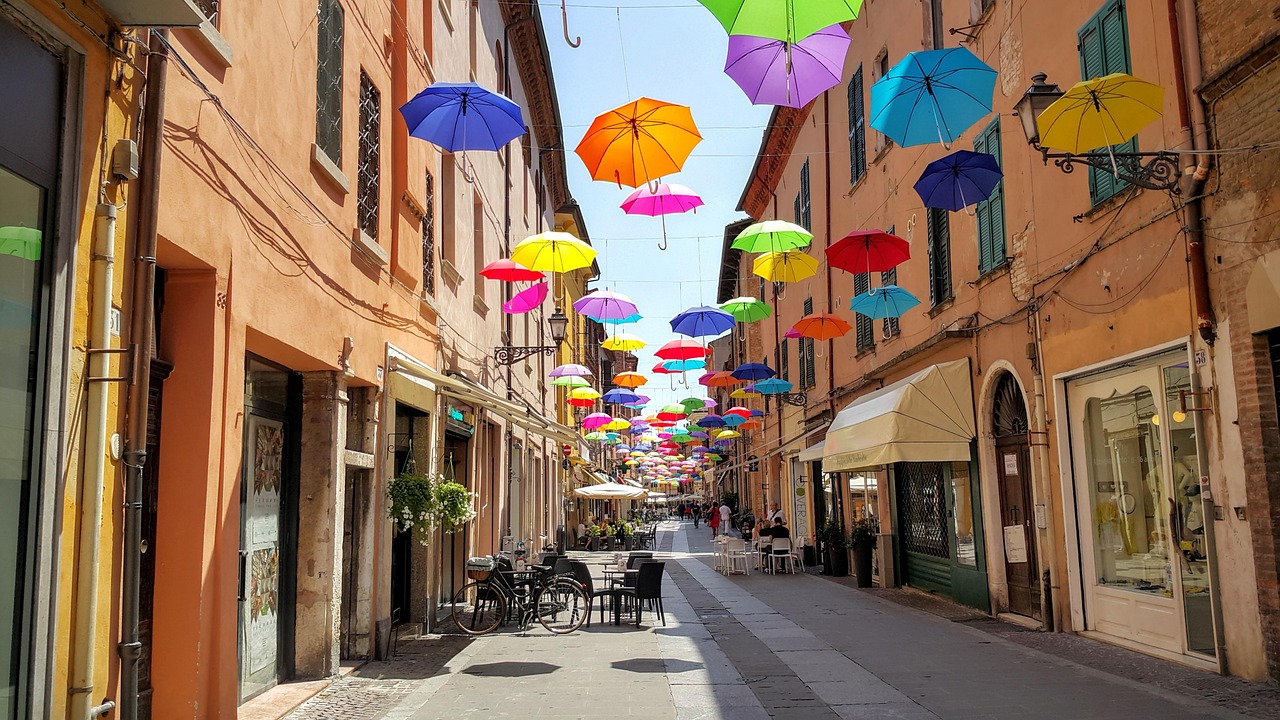
Ferrara and Bologna: beautiful “between” cities for a richer Venice to Florence day
If you’re drawn to the idea of designing the day you get from Venice to Florence as an experience—via Ferrara and Bologna—you’ll love this: the “between” time can become the heart of the journey. Instead of treating the transfer as dead time, you shape it like a walking tour—walls, porticoes, markets, and the kind of local detail that makes a cultural enthusiast feel quietly thrilled. It’s an elegant way to travel with intention, and it suits adventure seekers who want texture without chaos.
Ferrara offers a calm, Renaissance sense of proportion—wide streets, bike-friendly lanes, and a slower pulse that lets you notice things. Then, Bologna arrives with its signature porticoes and lively food culture, where curiosity is rewarded on every corner. In Emilia-Romagna, even a short stop can feel like a small masterclass in Italian daily life.
Booking multi-leg trains: Venezia to Ferrara to Bologna to Firenze SMN
Logistically, splitting the journey between Venice and Florence is straightforward by rail. You’ll typically go from Venezia to Ferrara, then onward to Bologna, then down to Firenze SMN. When booking, you can either buy a single itinerary with connections or choose separate tickets for flexibility—just allow a buffer for platform changes, especially at busier times.
Use station time wisely: check the departure boards, confirm the stazione platform, and keep your day realistic. If you’re travelling with only a daypack, moving between platforms feels seamless. If you have a suitcase, consider station lockers—yet I still recommend staying nimble and skipping large bags where you can.
Local bites and micro-moments in Emilia-Romagna between Venice and Florence
Here’s where the route becomes personal. In Ferrara, pause for espresso and a simple pastry, then stroll along the city walls as if you have nowhere else to be. In Bologna, follow the market streets, make a small purchase, and greet vendors with Buongiorno; those tiny exchanges build trust and warmth.
If you want to elevate the day, align one stop with a museum opening time—an art lover’s treat without turning the itinerary into a sprint. For inspiration on crafted routes and high-touch support, browse our Trip gallery when you’re ready.
From Venice to Florence, through Tuscany: Cycling Stages for an Adventure Travel Experience
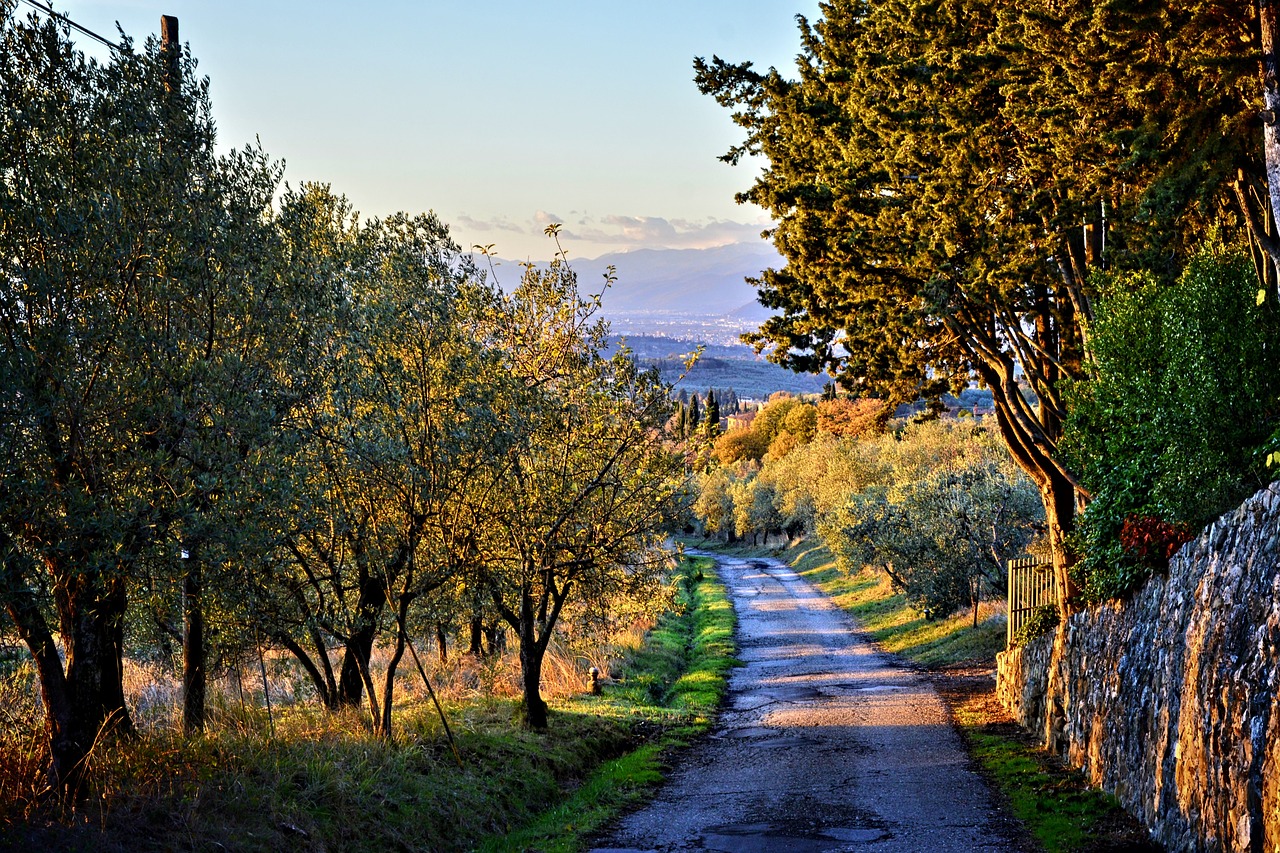
From Venice to Florence through Tuscany: quiet roads, long views, and a slower Italy
For travellers curious about a Venice-to-Florence cycling route through Tuscany, the transfer becomes a living landscape. Several adventure seekers shared how riding stages on the way to Firenze created immersive cultural interactions—farmers waving from fields, cafés that remembered their order, and long views that made the effort feel like a privilege. It’s a way to uncover Italy beyond the highlights, and to create a travel experience that stays with you.
You don’t have to ride the full distance between these cities. The smartest approach is to blend bikes with trains, designing stages that feel ambitious but supported. Done well, the cycling becomes a personal thread stitched into an otherwise seamless itinerary.
Two ways to blend trains with a Florence start for cycling in Tuscany
Option one is simple: take a train from Venezia to a Tuscany start point—often near the hills or vineyards—then cycle toward Firenze over one or two days. Option two is more structured: ride staged sections over several days, using trains to skip the least enjoyable stretches and save time. In both cases, it’s wise to plan your trip with daylight and weather in mind, and to choose your preferred daily distance before you commit.
Route design matters: Tuscany offers rolling hills, and wind can make a moderate day feel big. Check forecasts, carry layers, and choose quiet lanes where possible. If you’re renting, ask about bike fit, included locks, and a simple repair kit—small details that help you maintain your confidence.
Views along the route: vineyards, hill towns, and cultural micro-moments
Pause along the route for the moments that make the effort meaningful: a vineyard gate, a hill town’s stone edge, a workshop where someone is sanding wood in the doorway. These are the views along Tuscany that help you discover craft culture in real time. Keep your days crafted but flexible—ride early, break at midday, then arrive in the afternoon with enough calm left to wander.
Safety is part of care: hydrate, stay road-aware, and avoid headphones on busier stretches. If you’d rather not navigate alone, guided day rides offer built-in support vehicles and local expertise—adventure, with reassurance in the background.
Florence Travel Guide: Arriving at Firenze SMN, Santa Maria Novella, and Top Sights Like the Duomo
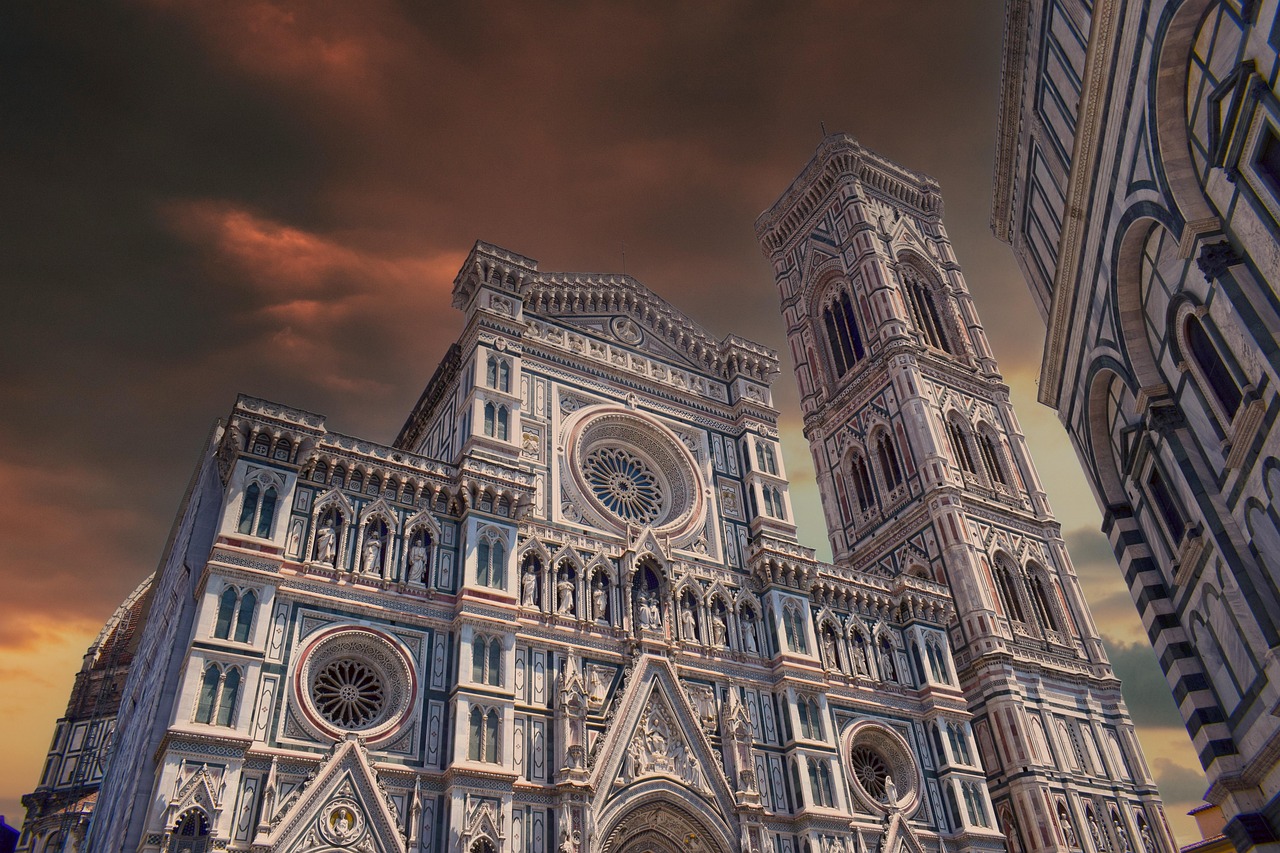
Florence travel: arrive at Firenze SMN and walk to the Duomo with ease
For Florence travel, arrival is wonderfully straightforward. Florence’s Santa Maria Novella station sits close to the historic centre, so you can often walk to your hotel, or take a short taxi ride if you’re staying across the Arno. From Santa Maria Novella—the main Santa Maria Novella station—picture a simple map in your mind: the basilica nearby, the duomo area a comfortable stroll, and the river as your orientation line.
If you’re arriving on a train from Venice to Florence, step off, breathe, and resist the urge to rush. Firenze rewards a calm pace, and a five-minute pause—water, a quick check of directions—helps you start well. Later, if you’re doing the return, Florence to Venice is just as simple to plan with the same stations and apps.
Florence cultural highlights: Uffizi, Duomo, and artisan craft near Santa Maria
The essential cultural arc is clear: explore the Uffizi for Renaissance masterpieces, then let the Duomo pull your gaze upward with architectural certainty. Reserve timed entries as a form of kindness to yourself, especially in peak months. If you want one elegant strategy, choose an early slot, then keep the afternoon for wandering—your mind will absorb art better when you’re not sprinting.
One backpacker described a serendipitous encounter with local artisans in Firenze: they ducked into a small workshop to escape a sudden shower, ended up chatting about leather tools, and left with a deeper appreciation of Italian craftsmanship. These moments can’t be forced, but they can be invited—by slowing down and showing genuine interest. A polite greeting, a thoughtful question, and a small purchase (if it feels right) go a long way.
Travel tips for etiquette, safety, and seamless days in Firenze
Florence feels welcoming, yet it’s wise to be quietly alert. In crowded areas, keep your phone secured and your passport stored in your accommodation safe where possible; carry a copy and one card, not everything. Dress modestly when visiting churches, and queue patiently—local etiquette is a small language of respect.
To avoid burnout, build a calm rhythm: early starts, a long lunch, and a midday break back at your hotel. If you miss a train departing, don’t panic—check the next service and confirm the new fare rules if you’re changing ticket types. These are the travel tips that make everything you need to know feel simple once you’re actually on the ground.
Frequently Asked Questions: Venice to Florence
Frequently asked questions for Venice to Florence: tickets, timing, and travel confidence
How long is a high-speed train ride from Venice to Florence?
On most high-speed services, the ride is typically about 2 hours from Venezia Santa Lucia or Venezia Mestre to Firenze Santa Maria Novella. Allow a little extra time to reach the station, find your platform, and board calmly—especially if you’re travelling at peak times.
Can you wear jeans in Florence, Italy?
Yes—jeans are completely normal in Florence. The only time to be more mindful is when entering churches or religious sites: aim for modest coverage (no very short shorts or exposed shoulders) so your visit feels respectful and seamless.
What are the big 3 in Italy?
Many travellers consider Rome, Florence, and Venice the “big three” cities for a first cultural trip, as they offer a powerful mix of history, art, and atmosphere. That said, smaller places—like Bologna—often add the most personal memories between headline stops.
How much does a train cost from Venice to Florence?
Prices vary by time, demand, and how early you book your ticket. As a rough guide, high-speed fares can start around €20 on good deals, while popular times cost more. Booking in advance and choosing slightly off-peak departures often improves value.
What Stayed With Me After Venice to Florence: A Personal Reflection on the Journey Between Venice and Florence
After Venice to Florence, what lingers isn’t a list of sights—it’s atmosphere. I still remember the hush after that Venetian sunset, the way the canals seemed to hold the last light like a secret, and how quietly my thoughts changed pace to match it. Then the rails: steady motion, passing fields, and the feeling of being carried rather than pushed—an easy reminder that the journey between Venice and Florence can be part of the art.
Florence’s light feels different—more direct, more certain. It settles on stone and skin in a way that makes you stand a little taller, even when you’re tired. Somewhere between a museum queue and a small workshop doorway, you realise confidence isn’t rushing; it’s moving through new places with trust, care, and gentle attention to local life.
What you uncover in Italy is often the space you create within yourself: the decision to leave room for a slow coffee, to listen before speaking, to let beauty arrive without chasing it. And when the journey ends, it doesn’t close so much as soften—like a door left slightly open, waiting for the next route to reveal itself when you’re ready.