Post Contents
- Colosseum Rome facts and why the Roman Colosseum is famous, a modern marvel in Rome
- Visiting Rome: How to visit the Colosseum with tickets, hours, and entry tips
- Tour of Rome’s Colosseum underground chambers and arena floor with a guide
- Panoramic views of Rome, Italy, from the third level of the Colosseum, showcasing architecture.
- Roman Forum and Palatine Hill combined ticket near the Colosseum in Rome, Italy.
- Personal reflections on visiting the Colosseum in Rome.
- F.A.Qs: Colosseum in Rome: tickets, tours, facts
Colosseum Rome facts and why the Roman Colosseum is famous, a modern marvel in Rome
Colosseum Rome facts that make it famous today
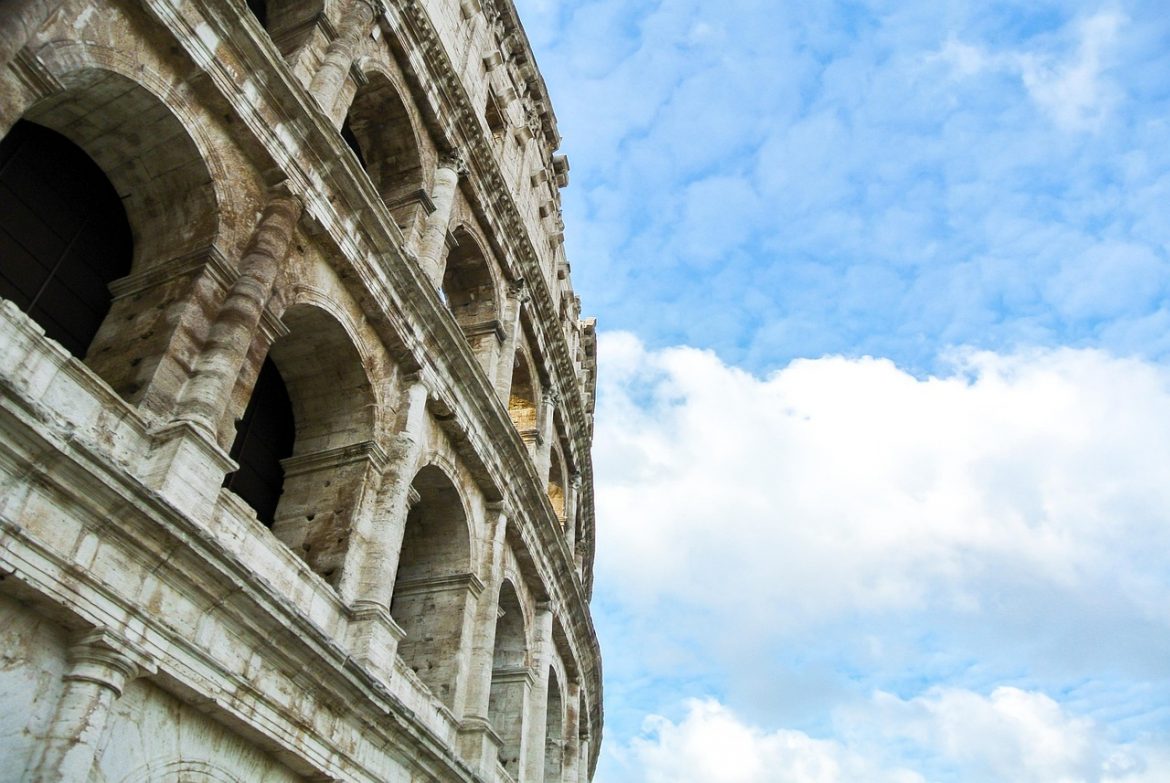
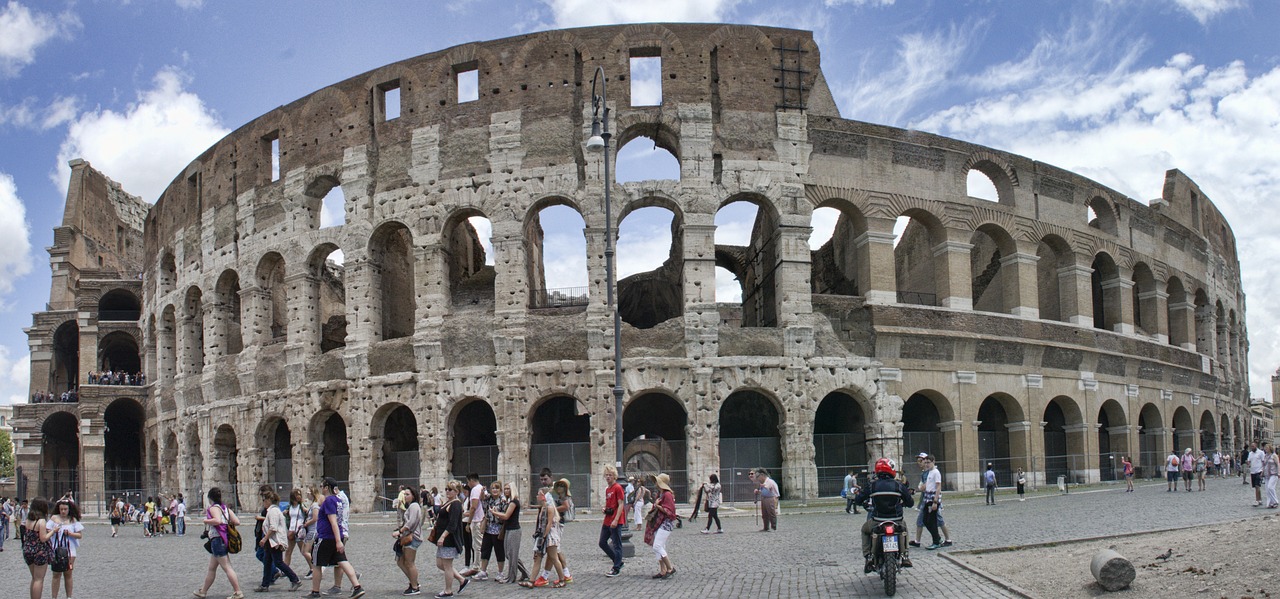
When travellers ask for Colosseum Rome facts and why the Roman Colosseum is famous, I start with the origin story: the Flavian dynasty built it in the 1st century to restore public morale and showcase imperial power. This was not simply a stadium—it was a statement, designed to gather the city together under one dramatic roofline. Even now, the Colosseum still feels like a living symbol rather than a static ruin.
As an ancient amphitheatre, its impact is as much about engineering as it is about legend. The elliptical form, layered arches, and clever crowd routing were created to move tens of thousands with surprising speed and safety. Stand close and you’ll notice how the travertine and brickwork make the structure feel both rhythmic and raw—an architectural lesson written in stone.
How the Roman Colosseum was built and why 157 feet still matters
Here’s a grounding fact for scale: the Colosseum reaches around 157 feet in height, and the curve of the ellipse makes that vertical rise feel even more imposing. Its construction blended materials—travertine, tuff, brick-faced concrete—so the building could be both strong and flexible under stress. For Adventure Seekers, it’s the kind of craftsmanship you can almost feel in your chest when you first stand inside.
Gladiatorial spectacle, the crowd, and the empire’s theatre of power
Of course, the Colosseum’s fame is braided with drama: gladiator contests, staged theatre, and animal hunts that turned politics into public entertainment. A spectator wasn’t passive—your reaction was part of the performance, and the crowd itself became a tool of the empire. Some accounts even mention early naval displays before the complex basement systems evolved.
Time didn’t treat the building gently. An earthquake damaged sections, and later centuries saw re-use that included workshops, housing, and even a cemetery tucked into the site’s long afterlife. Yet colosseum today is carefully protected and thoughtfully presented, balancing preservation with access for the modern world.
It’s also officially part of contemporary culture: voted among the new seven wonders in 2007, it remains one of the world’s most recognisable monuments. Often cited at around 6 million visitors annually, it draws millions of people from around the world—proof that 2000 years can still feel immediate.




Visiting Rome: How to visit the Colosseum with tickets, hours, and entry tips
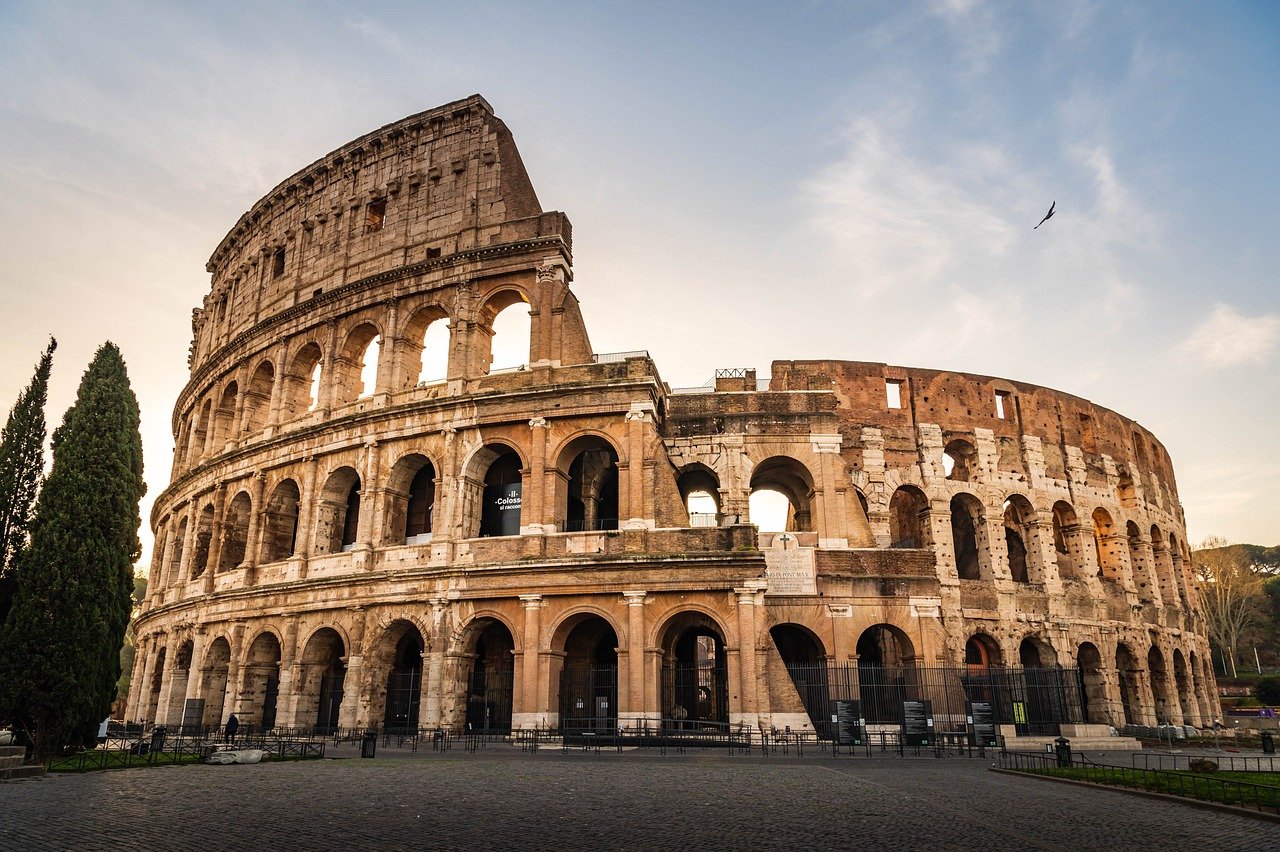
Design your visit to the Colosseum in Rome
If you’re researching how to visit the Colosseum in Rome, the real goal is simple: a calm plan that protects your energy for the experience itself. For most travellers, early morning or late afternoon is the sweet spot—cooler stone, softer light, and fewer tour waves pressing through the gates. In summer, this timing can be the difference between feeling rushed and feeling present.
Ticket and entry essentials so you can skip the lines
Buy your ticket online in advance where possible, and consider timed entry to keep the day seamless. If you’re short on time, choose options that help you skip the lines—not to “do more”, but to create breathing room for real insight. Always check the official page before you go, as opening details can shift due to restoration work or special events; note that opening hours vary by season.
At security, expect airport-style checks, and carry ID if you’re using age-based discounts (EU citizens 18–25 typically qualify). Plan realistic time on-site: a quick loop can be 60–90 minutes, but a more crafted route with upper tiers or special access can take several hours.
Getting there in Rome and choosing the right guide
Arriving is easy: Metro Line B stops at Colosseo, and the short walk places the amphitheatre right in front of you with almost cinematic timing. Surfaces are uneven, so comfortable shoes and steady footing matter—especially if you’re pairing your day with nearby ruins. And if you want the stories to land with depth, an authorised guide offers both context and quiet support, keeping the flow smooth when crowds surge.
- Best times: early morning or late afternoon for cooler air and better photos.
- Budget note: standard entry is around 16 euros; some discounts apply, and the first Sunday of the month can be free.
- Bring: water, sun protection, and footwear that handles polished stone.
- Respect: don’t climb walls or touch fragile surfaces—care preserves the site.
Tour of Rome’s Colosseum underground chambers and arena floor with a guide
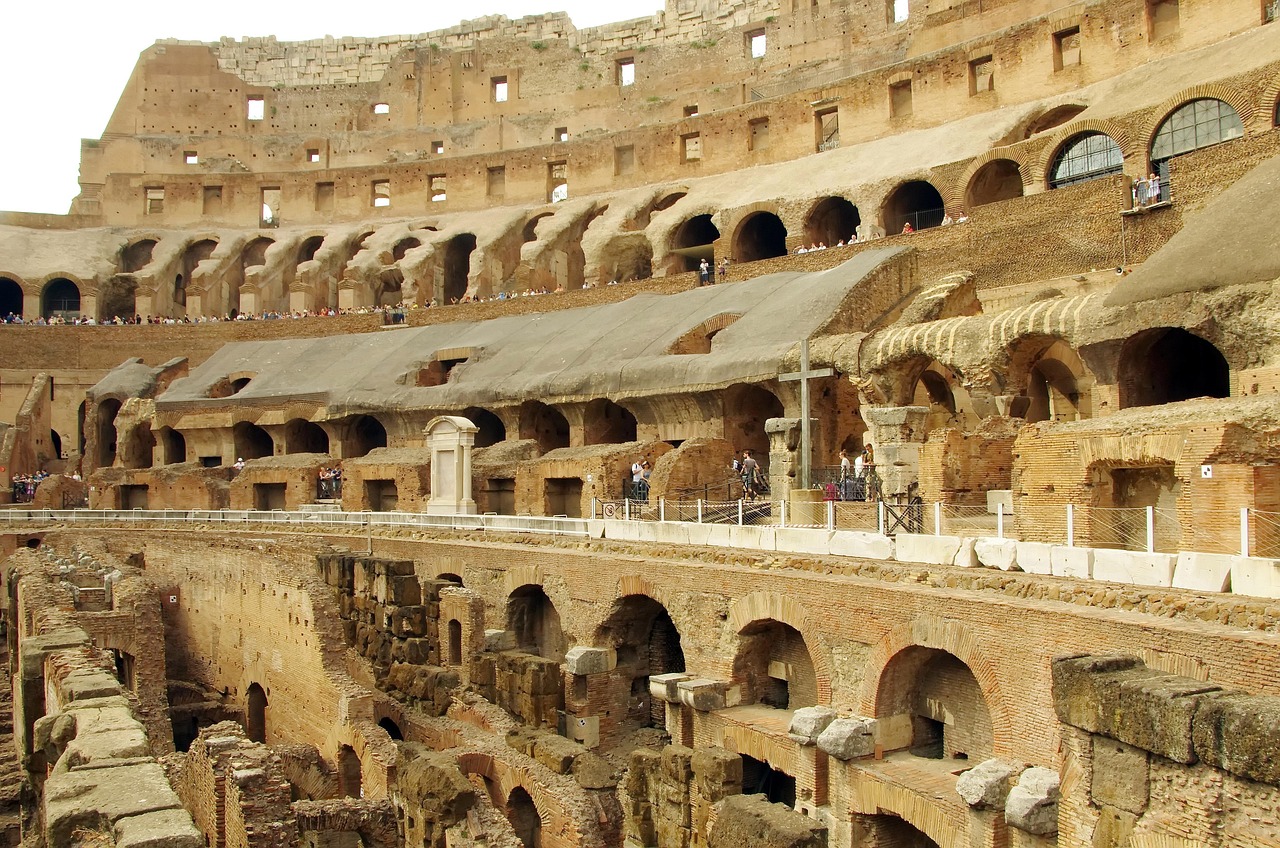
Explore the underground and arena floor on a guided tour
The phrase “Colosseum underground chambers and arena floor tour, Rome, Italy” signals the most thrilling way to explore the monument, because special access changes everything you think you know about the monument. Down below, you uncover the hidden logistics: corridors, holding areas, and the mechanics that once powered trapdoors and lifts. It’s a place where the building stops being a postcard and becomes a working machine.
Gladiator routines, pre-fight rituals, and the arena as amplifier
On the arena level, your guide can help you imagine the choreography behind every gladiator appearance—how fighters waited, how entrances were timed, and how sound carried. The arena was designed to amplify emotion, turning each battle into a public spectacle where the emperor’s favour felt close enough to touch. It’s important not to romanticise violence, yet it’s equally honest to recognise why history feels so intensely human.
One traveller once told me that joining a controlled, educational re-enactment experience—more about stance and storytelling than combat—was the moment the past clicked into place. They didn’t glorify the fight; they felt empathy for the people forced to perform, and admiration for the monument’s ability to hold difficult truth with clarity.
Small group or private tour choices and booking expectations
These areas typically require advance booking and limited numbers. A small group can be lively and efficient, while a private option is ideal if you want slower pacing, more questions answered, and a route tailored to your interests. Either way, an expert local guide makes the underground legible—without that, it can feel like “rooms and stones” rather than a coherent story.
For photos, pause to show the contrast between the bright arena and the shadowed corridors. Listen for the subtle echo; it’s a sensory clue to how sound once travelled, and it adds a surprising emotional layer to your own personal memory.
Panoramic views of Rome, Italy, from the third level of the Colosseum, showcasing architecture.
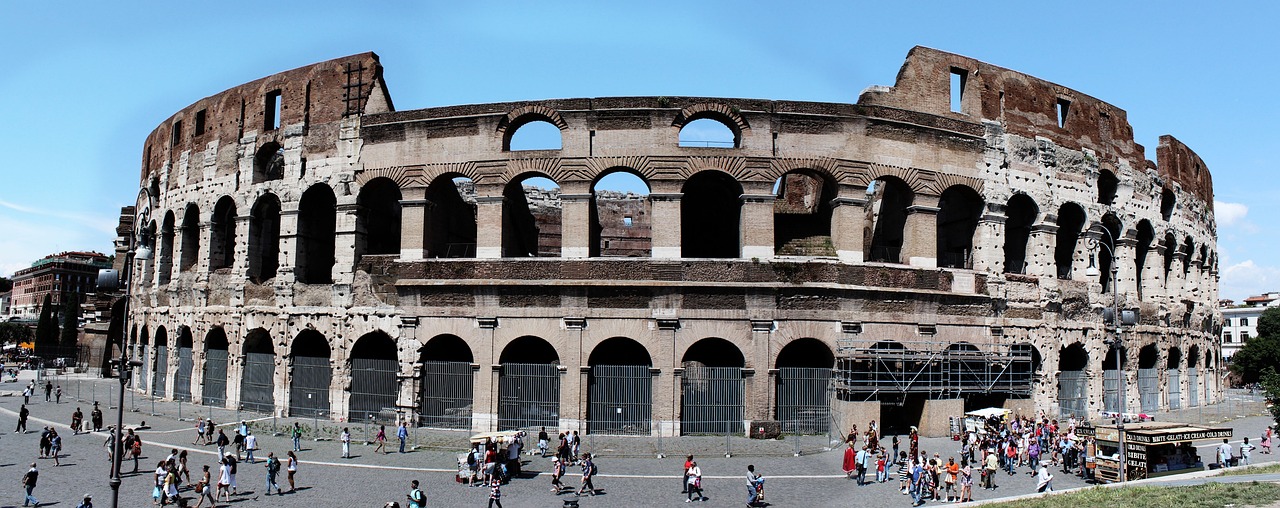
Third-level views and the Colosseum’s architecture from above
If you’ve seen the phrase Colosseum third level opening panoramic views Rome Italy, you’re looking at a very different kind of adventure: less about proximity, more about perspective. When available, the third level gives you space to breathe and to read the building as a whole. From up here, the Colosseum isn’t just impressive—it’s intelligible.
Architecture decoded from the top of the largest ellipse
From above, the ellipse reveals the seating hierarchy, the entrances, and how movement was managed to protect the mass of bodies below. You start to see why the building was the largest of its kind in its era, and how design choices created order without modern technology. This is where architecture becomes story: a map of social structure as much as a feat of stonework.
Many travellers describe a quiet awe here, as if the noise drops away and time widens. Looking down, you can trace years of history in a single sweep—an almost meditative reminder that human ambition leaves marks that outlast it.
Practical pointers for stairs, timing, and photo moments
The climb can be demanding, especially in the heat, so aim for cooler hours and take your time on the steps. If you pair this level with a guide-led explanation, the view becomes more than a panorama—it becomes a lesson you can feel, not just hear. For photos, late afternoon light flatters the arches; frame through the stone to show scale without relying on wide-angle distortion.
- Best light: late afternoon for warm tones and depth in the arches.
- Energy tip: pause at landings and sip water—small resets keep the moment enjoyable.
- Composition: include a curved seating line to communicate proportion naturally.
Roman Forum and Palatine Hill combined ticket near the Colosseum in Rome, Italy.
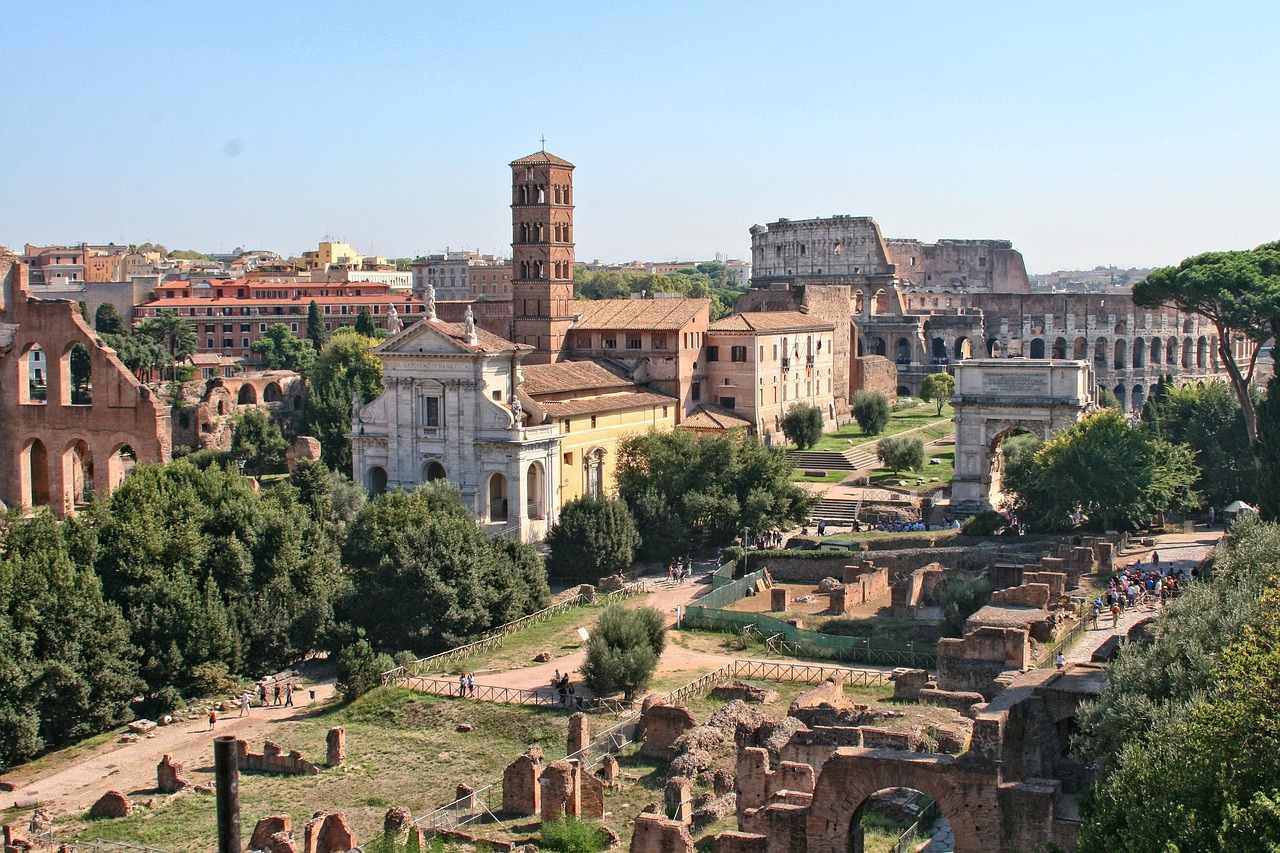
Roman Forum and Palatine Hill are nearby for a full ancient Rome route
The combined ticket for the Roman Forum and Palatine Hill near the Colosseum in Rome, Italy, is a smart move, as these sites complete the story of the amphitheatre. The Forum’s lanes hold the footprints of decision-making and daily life, while Palatine Hill offers viewpoints that help you connect monuments to the power structures that shaped them. Together, they turn a single landmark into a full ancient narrative.
How to design a one-day route with pace and care
A combined pass often covers the Colosseum, Roman Forum, and Palatine Hill, making planning feel tidy and cost-effective. Many travellers enjoy starting with the Colosseum while energy is high, then drifting into the Forum as the day softens. Others reverse it, beginning in the quieter ruins and arriving at the amphitheatre with anticipation—either route can be beautifully crafted.
One evening, a traveller shared how wandering the ruins at sunset felt like stepping into a slower century. With fewer people around, they could uncover smaller details—inscriptions, worn thresholds, bits of marble—and create photographs that felt intimate rather than performative. It’s the kind of calm that turns a day of sightseeing into something closer to belonging.
Highlights to look for and how local insight changes everything
In the Forum, look for arches, temple remains, and the everyday traces that make history tangible. A warm, local guide can bring emperors and citizens back into focus while keeping you grounded—offering context, shade breaks, and reassurance on uneven stone. That blend of trust and storytelling is what often makes the day feel both adventurous and safe.
- Comfort: carry water, plan shade stops, and expect lots of walking on irregular paving.
- Timing: allow half a day for Forum + Palatine if you want space to explore, not just pass through.
- Inspiration: browse our Trip gallery for designer-led routes across the country.
Personal reflections on visiting the Colosseum in Rome.
For anyone searching Colosseum Rome personal reflections after visiting, the truth is that what stays isn’t a checklist—it’s a feeling. You step inside, you stand in the curve of stone and sky, and time seems to stretch in two directions at once. The Colosseum can feel iconic and intimate in the same breath.
Holding wonder and respect together
It helps to hold two truths side by side: the beauty of the arches, and the weight of what happened here. There is tenderness in acknowledging both—the human cost, and the human genius that built such a place to endure. When you let that complexity settle, the memory becomes quieter, deeper, and more honest.
Later, you may recall the soft warmth of stone at dusk, or the way the shadows gather under an arch as the city’s pace changes. Rome’s lights begin to hum, and the monument seems to exhale—less a tourist attraction, more a keeper of stories. If you return one day, it won’t be because you missed something; it will be because you’re ready to hear it differently, with gentle courage and renewed curiosity.
F.A.Qs: Colosseum in Rome: tickets, tours, facts
F.A.Qs: Colosseum in Rome, Italy, tickets, tours and facts
What are 5 fun facts about the Colosseum?
It’s an elliptical amphitheatre from the Flavian era; it could host tens of thousands; it used numbered entrances for crowd flow; parts were later reused for homes, workshops and even a cemetery; and it remains one of the new seven wonders, keeping 2000 years of history remarkably close.
Can you just walk into the Colosseum in Rome?
Not usually. Entry is timed and capacity-controlled, so you’ll need a ticket in advance. You can buy on the day if availability remains, but for a smoother experience—especially in peak season—pre-book online and arrive early for security checks.
Why is the Colosseum in Rome so famous?
It’s famous for its scale, engineering, and the gladiatorial spectacles once staged there, as well as for its enduring presence as a symbol of Rome’s imperial past. The building’s arches and surviving structure make it instantly recognisable, and its stories still feel vivid when explained by a skilled guide.
How much is it to get into the Colosseum in Rome?
Standard tickets are commonly around 16 euros, with possible reductions for EU citizens aged 18–25 and free entry on the first Sunday of the month. Prices vary by inclusions (arena/underground/upper levels), so check official listings when you book.