Post Contents
- Catacombs in Italy Guide for High-End Travellers – Exploring Sacred Catacombs, Crypts, and Famous Burial Places
- Catacombs of Rome, Italy – Via Appia Antica, San Callisto, San Sebastiano, and Famous Roman Catacombs
- Catacombs of Priscilla, Rome – Via Salaria, Frescoes, Crypts, and Quiet Christian Faith
- Private Tour to the Catacombs of Rome – Book Tickets for a Luxury Catacomb and Crypt Experience
- Naples Catacombs of San Gennaro – Catacombs of Naples, Sanità, Rione Sanità, and Southern Italy Heritage
- F.A.Qs: Catacombs in Italy
- Catacombs Italy Reflective Travel Experience – Lasting Impressions from Underground Cemeteries
Catacombs in Italy Guide for High-End Travellers – Exploring Sacred Catacombs, Crypts, and Famous Burial Places
Catacombs in Italy: A Refined Introduction to the Ancient Underground Cemeteries and Crypts
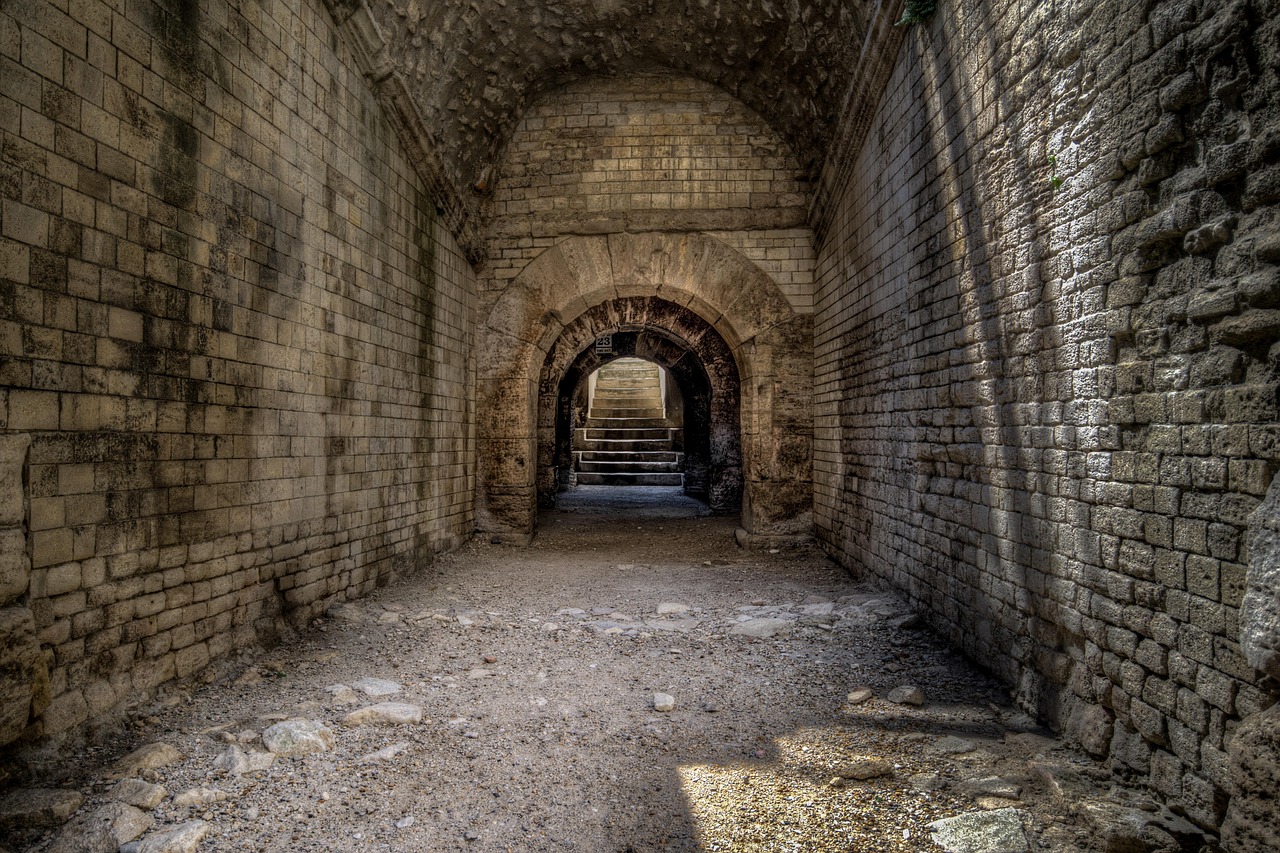
As a catacombs in Italy guide for high-end travellers, it’s essential to understand what these catacombs truly are: extensive underground cemeteries carved out as burial places outside the boundaries of daily life. In the region of ancient Rome, catacombs began their extraordinary expansion in the 2nd century AD, driven by early Christian faith, Roman law, and evolving burial customs. Each sacred burial site is a profound archive of prayers, names, and hope, making Italy’s catacombs a journey into both history and devotion.
Upon descending into the underground tunnels, your senses shift: the air cools, light fades, and narrow corridors invite a slower, more mindful pace. The ground may feel uneven in places—steps, stones, and gentle curves—prompting patience rather than haste. If you’re apprehensive, pause and breathe amid these hallowed crypts; guided visits ensure a crafted experience rooted in reverence rather than endurance.
Burial Places and Archaeological Meaning in the Italian Catacombs
Delve into these underground basilicas and you’ll uncover a subtle language of stone: a niche shaped for a body, inscriptions bearing a name, and chapel-like crypts filled with layered memory. These details are powerful archaeological clues about the church of Rome, the Christian community, and the ordinary lives of early Christians. The bones of the dead, respectfully buried in the catacombs, remind us that these are places of both faith and personal legacy.
Archaeological Etiquette and Discovering the Crypts of Famous Catacombs
Maintaining a catacomb atmosphere and preserving ancient art requires mindfulness. Speak softly, avoid flash photography, and treat every crypt corridor as a quiet burial place honouring centuries of history. While several parts of Italy’s catacombs are open to the public, some crypts or tombs require special guided access—another reason why luxury travellers often opt for private or small-group tours with expert guidance and unhurried discovery.




Catacombs of Rome, Italy – Via Appia Antica, San Callisto, San Sebastiano, and Famous Roman Catacombs
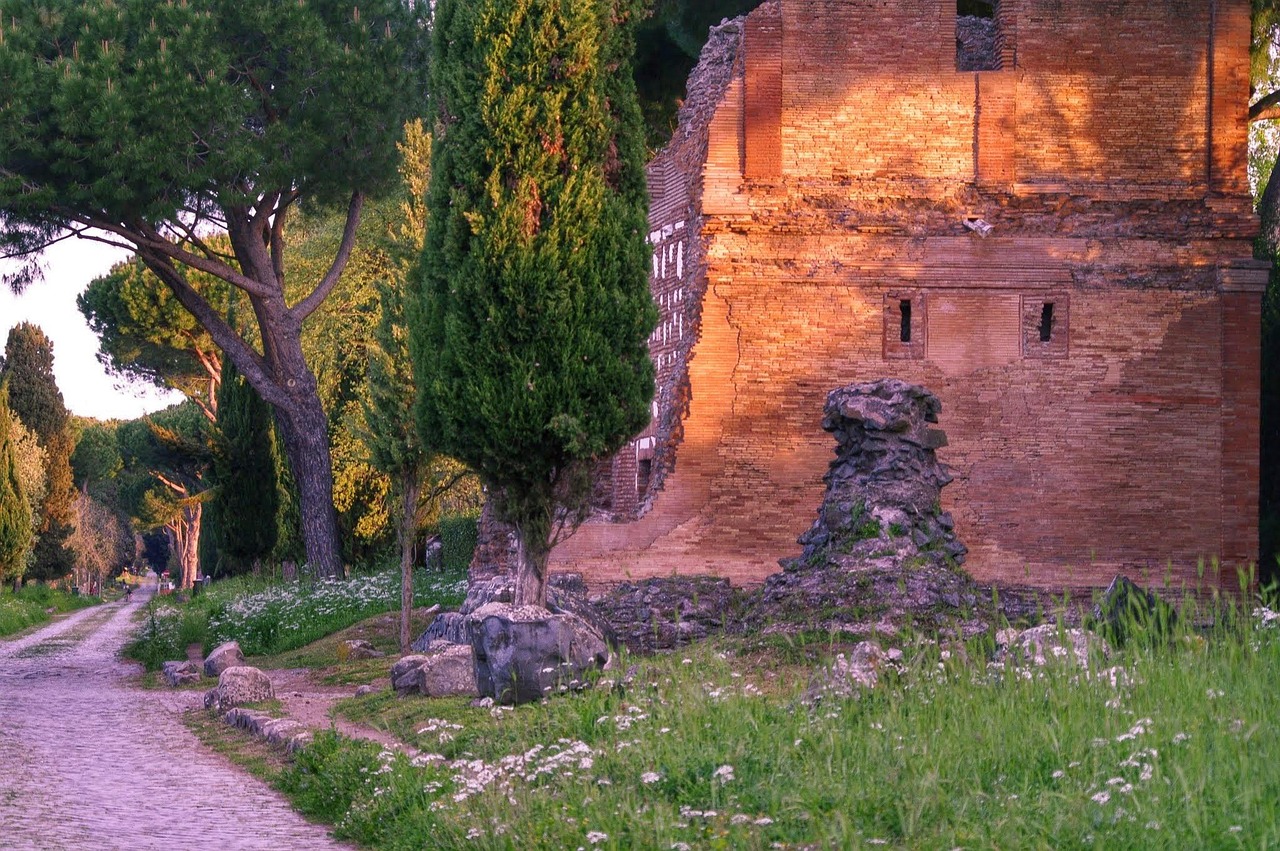
Catacombs of Rome Along Via Appia Antica: San Callisto, San Sebastiano, and Archaeological Wonders
For first-time visitors, the catacombs of Rome—especially those on Via Appia Antica, including San Callisto and San Sebastiano—represent the most iconic introduction. The Roman catacombs form a stunning network of underground tunnels, constructed outside the ancient city walls in alignment with the burial customs of ancient Rome. Walking along the Appian Way is both scenic and historic, guiding travellers toward a burial experience that is both cinematic and deeply contemplative.
The landscape along Via Appia Antica combines lovely pine shade and ancient stones—a tranquil transition to the archaeological depths below. If you are planning a visit to Rome and are interested in early Christian martyrs, Christian catacombs, and Italian travel, this route offers a grounding, intimate glimpse into the centuries-old cemetery culture just beyond the bustling city.
Via Appia Antica and the Magnificent Catacombs of San Callisto
Spanning several kilometres of tunnels, the catacombs of San Callisto remain the official cemetery of the church of Rome—a monumental underground basilica and burial place associated with Christian martyrs, multiple popes, and the poignant legacy of Callixtus. The original nucleus of the catacombs, known as Catacomba di San Callisto, features rows of frescoes, mosaics, and burial sites that trace Christian faith from the 2nd century onward. Interpreted by expert guides, these crypts are rich with layered stories and archaeological insight, not just historical facts.
As you explore, you’ll notice subtle details: faded names, delicately carved tombs, and artistically rendered chapels. The catacombs of San Callisto, also sometimes written as San Callixtus, feature underground tunnels filled with graves of early Christians—showcasing how burial and devotion intertwined with dignity and faith in ancient times.
Catacombs of San Sebastiano – Crypts, Fresco, and the Legacy of Martyrs
In the catacombs of San Sebastiano, the historical atmosphere deepens. Here, you may encounter the crypt of Lucina, frescoes, and mosaic details that showcase intricate Christian art from southern Italy. The story of Sebastian, a famed Christian martyr buried in these chambers, brings solemnity to your journey. A nearby basilica—San Sebastiano—above ground provides balance after time below, connecting the burial site to the rhythms of daily life along the Appian Way.
The silence in these Roman catacombs is profound, amplifying the presence of ancient worship and inviting thoughtful reflection. Pair your visit with basilica stops to experience both the depth of the underground crypt and the sunlight of Rome—a process that enhances the emotional harmony of your Italian itinerary.
Catacombs of Priscilla, Rome – Via Salaria, Frescoes, Crypts, and Quiet Christian Faith
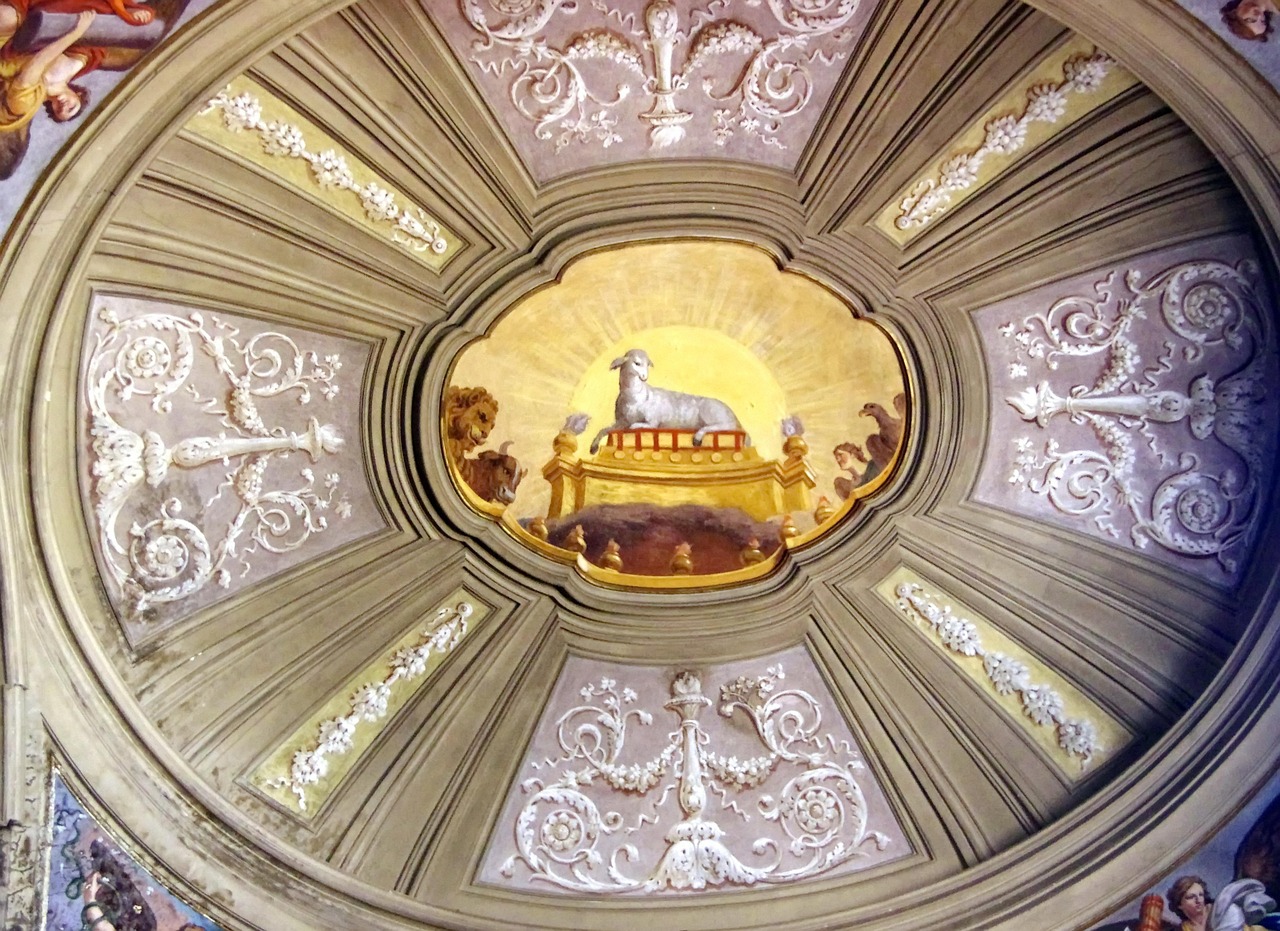
Catacombs of San Priscilla and Via Salaria: The Quiet Art of Faith and Burial
The catacombs of Priscilla, located along Via Salaria, are among Rome’s oldest and are celebrated for their exquisite frescoes depicting early Christian symbolism. Sometimes called the “queen” of famous catacombs, Priscilla’s burial chambers and crypts display delicate frescoes and rich pictorial mosaics that reflect both artistic restraint and creative growth from the third to the fifth centuries. The catacombs of Priscilla are a must for lovers of early Christian art, history, and archaeological ambience.
Standing near the tomb, many travellers feel a personal connection across time, as stories of Christian faith, martyrdom, and loving care blend into a tapestry of enduring memory. These moments—when martyr history and quiet devotion merge—make the site uniquely moving without spectacle.
Crypts, Tombs, and Niches: Understanding Burial Terminology
If you are new to Roman catacombs, understanding basic terminology can build confidence. A niche is the carved recess holding a human corpse; a tomb is the marked burial place; a crypt is a broader chamber used for devotion and remembrance. Your guide will show how these underground cemeteries offered both communal burial and spaces for prayer—creating a bridge between community, faith, and remembrance.
Frescoes and Byzantine Paintings: Artistic Flourish Through the Fifth Century
Look for Christian frescoes, Byzantine paintings, and exquisite motifs—rich pictorial evidence of faith evolving over the 5th century (often called the fifth-century style). The catacombs of Priscilla provide a stunning backdrop for studying how relics and underground basilicas shaped Christian art. For additional depth, consider visiting the catacombs of Domitilla or those of Saint, along Via Salaria. Each offers unique insight into burial traditions, early Christian community, and Rome’s archaeological layering.
Private Tour to the Catacombs of Rome – Book Tickets for a Luxury Catacomb and Crypt Experience
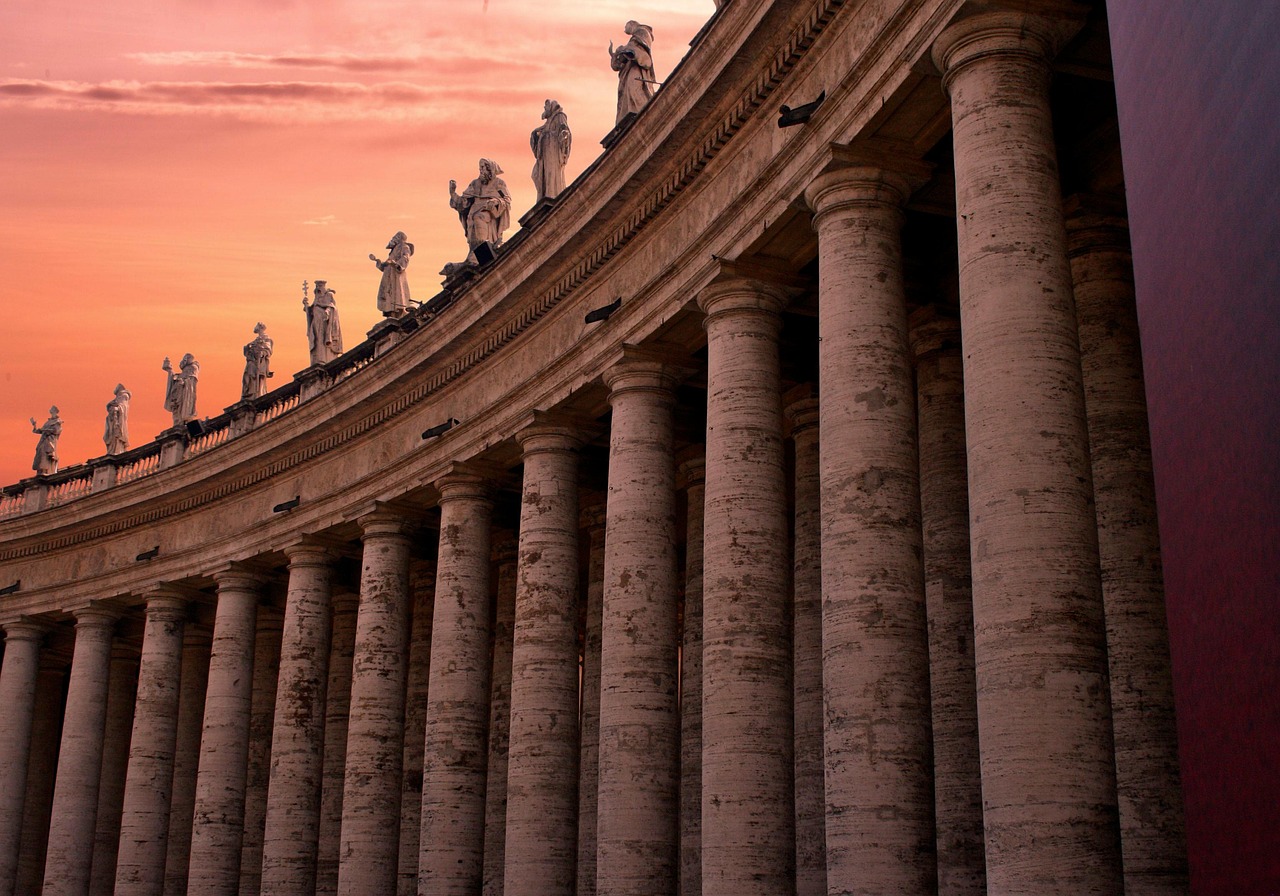
Designing a Seamless Private Visit to the Catacombs of Rome and Famous Crypts
If a private tour of the catacombs of Rome is on your list, book tickets early to ensure access to these legendary burial places. The best time to visit the catacombs is spring or autumn, when the cool air underground adds to the mystique. Private and small-group bookings often provide access to special areas and flexible pacing through the catacomb tunnels, tombs, and major crypts.
Guided access to Roman catacombs is managed, and popular sites fill up quickly—so always book tickets online ahead of your visit. Entry fees range from 8 to 15 euros, with private guides charging more for their expertise and ability to linger at significant historical and archaeological points. A thoughtful itinerary includes gentle time before and after underground visits—a hallmark of luxury Italian travel.
Transport Choices and Footwear Tips for Uneven Archaeological Paths
Reaching the catacombs of Rome is easy by metro, bus, or private car. Comfort is key, as underground cemeteries often feature steps, narrow passages, and cool air. Wear sturdy shoes and bring a light jacket, as the underground temperature remains consistent even in summer. Plan for 30 to 60 minutes below ground—longer if interested in the underground basilica or events related to Christian martyrs.
If you have special needs or mobility concerns, consult your private tour operator in advance. Reputable operators provide clear guidance on stairs, corridor width, and restricted areas, ensuring a seamless, informative archaeological visit.
Private Night Tours and Choosing a Licensed Operator for Exclusive Access
Some luxury operators offer private night visits to the catacombs. These experiences, often reserved for those seeking the most exclusive access, feature softly illuminated frescoes, maximum privacy, and expertly narrated history. It’s crucial to trust a licensed operator with official permissions—many special crypts and cemetery areas are protected heritage zones.
Pairing catacomb visits in Rome with a broader Italian travel plan is effortless—use high-speed trains to Naples, Palermo, or even tranquil parts of Abruzzo for a heritage-focused itinerary. For those passionate about the art, burial rituals, and hidden archaeology, combining Rome and Naples offers a rewarding contrast.
Naples Catacombs of San Gennaro – Catacombs of Naples, Sanità, Rione Sanità, and Southern Italy Heritage
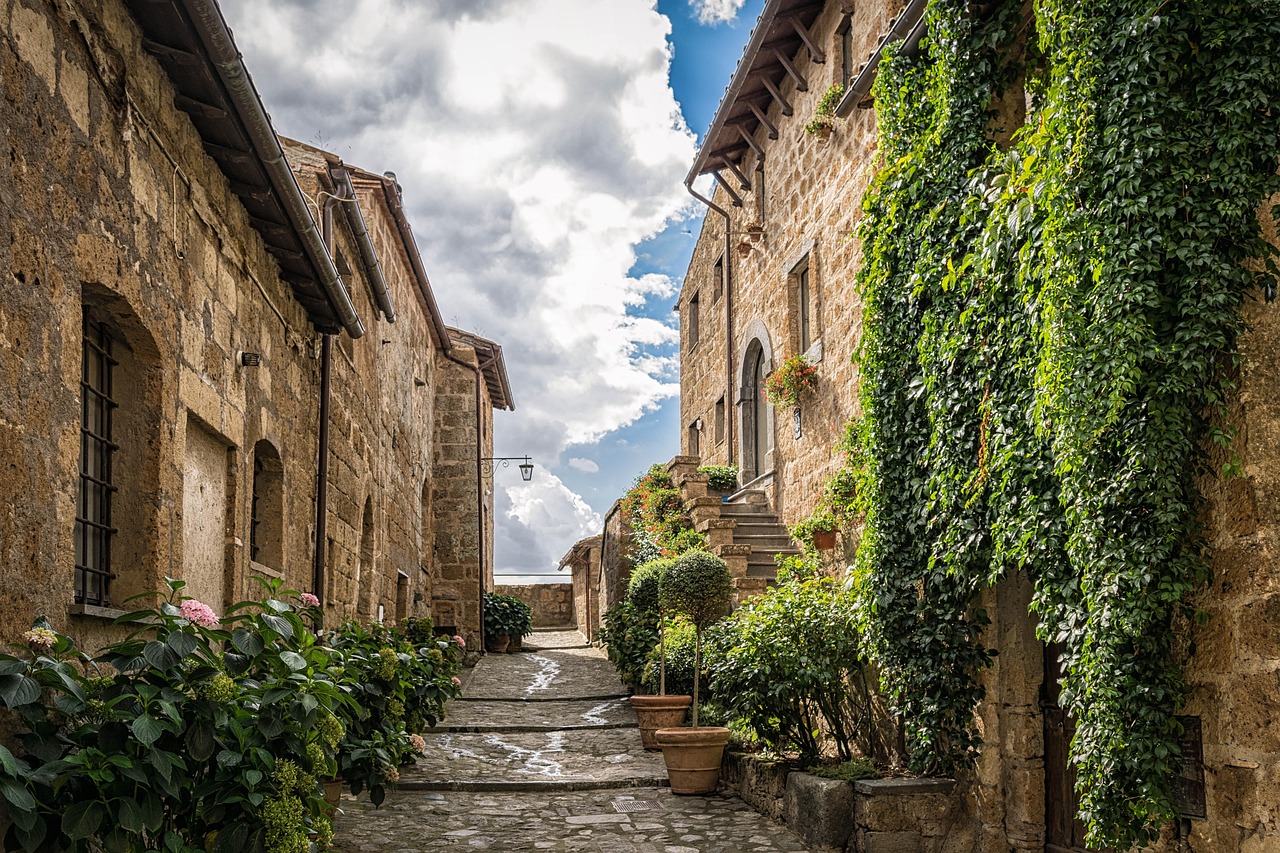
Naples and Southern Italy: Catacombs of San Gennaro, Sanità, and Historic Rione Sanità
For a different experience, Naples is renowned for the catacombs of San Gennaro (catacombs of Naples), located in the Rione Sanità district. Here, the mood contrasts with Rome: broader burial chambers, a deeper resonance with community, and a rhythm shaped equally by history and living tradition. The catacombs of San Gennaro are among the most famous in southern Italy and a key part of Campania’s distinctive identity.
Navigating these underground tunnels with a knowledgeable guide reveals stories of Christian martyrs, the remains of St Gennaro, and the way devotion evolved as social and religious life changed. The burial site’s original nucleus and later expansions reflect high social status and reveal much about the region’s shifting traditions—stories that professional guides interpret with local warmth.
San Gennaro and the Third Century: A Journey Through Burial Heritage
In these ancient catacombs, observe burial chambers shaped by centuries of devotion, and notice where the traditions around cult saints like Gennaro were moved and adapted by the Christian community. Titles such as the catacombs of St and the catacombs of Saint honour longstanding local reverence for these historic places. The layering of architecture and the story of the underground basilica illuminate how burial and Christian belief intertwined over time, especially from the 3rd century onward.
Witness the original nucleus of the catacombs and see how both high- and low-status burial sites coexisted within this vast, artistic underground world—a living testament to the city’s multi-faceted past in Campania, southern Italy.
Beyond Naples: Capuchin Catacombs, the Mummy Phenomenon, and Other Parts of Italy
If you’re intrigued by Italy’s catacombs beyond Naples, Palermo’s Capuchin catacombs are a remarkable yet solemn destination, known for their preserved mummies and distinctive burial practices. The display of human remains, including the famous mummy, should be approached with deep respect for the deceased and sensitivity to the cultural context. Yet, if such displays aren’t your preference, Italy offers gentler heritage trails—from ancient burial grounds in Abruzzo to tranquil archaeological experiences throughout the peninsula.
For those building an Italian heritage itinerary, connecting the catacombs of Rome and Naples with a fast train, good accommodation, and balanced pacing ensures time for reflection and discovery. Italy’s layered catacombs offer a profound perspective on both art and mortality, drawing together famous catacombs, unique cemetery practices, and sacred Christian faith in unforgettable ways.
F.A.Qs: Catacombs in Italy
Are there catacombs in Italy?
Yes. Italy has catacombs in several cities, with the most well-known clusters in Rome and Naples. These underground burial spaces were used across different periods and communities, and many are now carefully managed heritage sites with guided access.
Are the catacombs in Italy worth seeing?
They are worth seeing if you value history, sacred art, and quiet, atmospheric places. The experience is less about spectacle and more about close-up insight into early Christian life, rituals, and imagery, best appreciated with a respectful guide and unhurried pacing.
What happened in the catacombs in Rome?
The Roman catacombs were primarily burial places, developed especially for early Christian communities outside the ancient city. Families and communities commemorated the dead through inscriptions and paintings, and some areas became important sites of memory and devotion associated with martyrs and church history.
Are the catacombs in Rome still open to the public?
Yes, several catacombs in Rome are open to the public through guided tours on set schedules. Access is managed to protect the sites, and certain sections may be restricted; booking ahead is wise, especially in peak seasons or for smaller-group experiences.
Catacombs Italy Reflective Travel Experience – Lasting Impressions from Underground Cemeteries
After your immersive catacombs Italy reflective travel experience, one finds that the most lasting impressions come after climbing the final steps back into daylight. City sounds resume, but internally, visitors carry the hush of centuries—an emotional recalibration inspired by burial inscriptions, the dignity of a tomb, and the evocative power of ancient frescoes and bones of the dead. Even a single corpse, once abstracted in history, feels like a personal reminder of real lives honoured with care.
Visitors report feelings of awe, gratitude, and clarity. Some are moved by the martyr stones, others by quiet Christian paintings in southern Italy. The details—painted gestures, shafts of light, a silent crypt—linger longer than dates or facts. On your next walk through Rome or Naples, you move more mindfully, knowing that Italy’s layered stories, beneath your feet, continue to shape the soul of this country.