Post Contents
- Duomo Square, Milan: First steps in Milano for Duomo Italy orientation and Duomo station.
- Inside Milan Cathedral: Quiet power and detailed interior, including stained glass windows of Saint Bartholomew.
- Rooftop Terraces of the Duomo: A Spire-Level Adventure in Milan. Compare stairs versus elevator, and enjoy Madonnina spire views.
- Duomo Museum and Fabbrica del Duomo, involving the Veneranda Fabbrica del Duomo’s construction of the cathedral.
- Design a seamless Milan Duomo day itinerary with tickets, guided tour, Galleria Vittorio Emanuele II visits, and local moments.
- F.A.Qs: Duomo Italy and Milan cathedral questions
- After the Milan Duomo’s rooftop sunset leaves a lasting impression.
Duomo Square, Milan: First steps in Milano for Duomo Italy orientation and Duomo station.
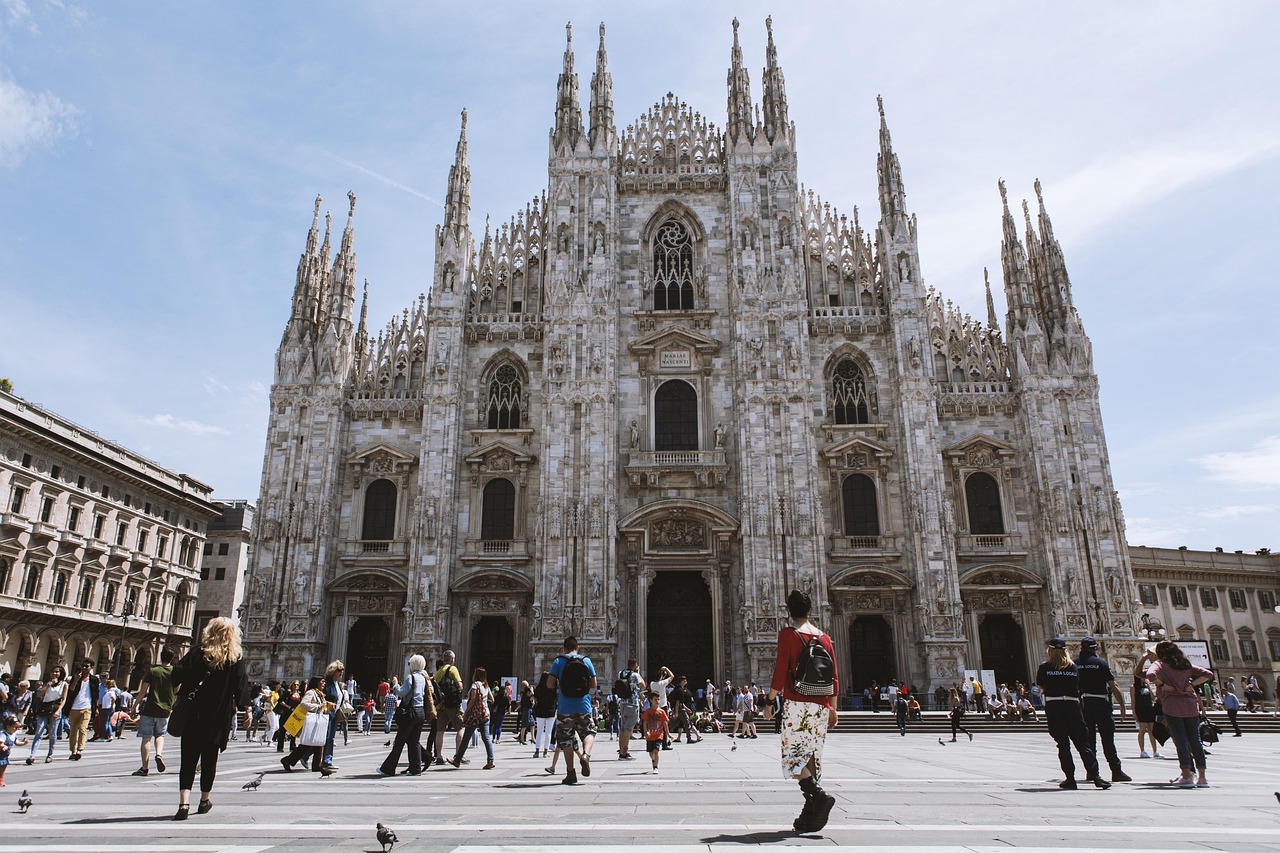
Duomo Square, Milan, First Steps in Milano as you exit Duomo station into the piazza
Start exactly where Milan is easiest to read: arrive via Duomo station, follow the stream upward, and you’ll surface into Duomo Square, Milan—your most efficient Duomo Italy orientation point. The first minute can feel busy, but you’re not meant to rush; pause, take a calm breath, and let your eyes trace the cathedral’s vertical lines until your bearings settle.
This is the centre of Milan in its purest form: the Duomo as a living landmark, the piazza widening like a stage, and the city’s rhythm circling around you. If you’re travelling with adventure in mind, this is where you create the day’s momentum—without wasting time second-guessing the map.
How to read the Duomo façade like a crafted masterpiece
Think of the façade as an invitation rather than a wall. The Gothic cathedral design pulls your gaze upward through a dense pattern of spire lines, niches, and statues, all carved from pale stone that shifts tone with the weather. In bright sun, the marble looks almost silver; after rain, it deepens and feels more sculptural, as if the whole cathedral has been freshly revealed.
Look for the “forest” effect even from ground level: a sense that the Duomo isn’t one building, but hundreds of upward gestures moving together. It’s also a reminder that this cathedral of Milan has never been a single finished moment—more a long conversation between makers, patrons, and time.
Crowd-smart timing and your first photo with care
For the calmest first impression, arrive early morning or late afternoon, when the square is cooler, and the crowd flow is gentler. Stand slightly off-centre—near the edges of the piazza—so you can frame the façade without people pressing into the shot. If the day is warm, treat shade as a strategy: short stops, water on hand, and a steady pace that protects your energy for the climb later.
Before you commit, make one clear “design” choice: begin with the cathedral interior for quiet power, go straight to the terraces of the duomo for fresh air and height, or choose a guided tour if you want expert context from the first step. Any of the three can be seamless—you just match it to the weather, mobility, and how adventurous you feel today.
- If you want calm: start with the interior, then rise to the roof when your senses feel settled.
- If you want adrenaline: head up first, especially if you plan to take the stairs.
- If you want deep insight: choose a guided tour and let the stories shape what you notice.




Inside Milan Cathedral: Quiet power and detailed interior, including stained glass windows of Saint Bartholomew.
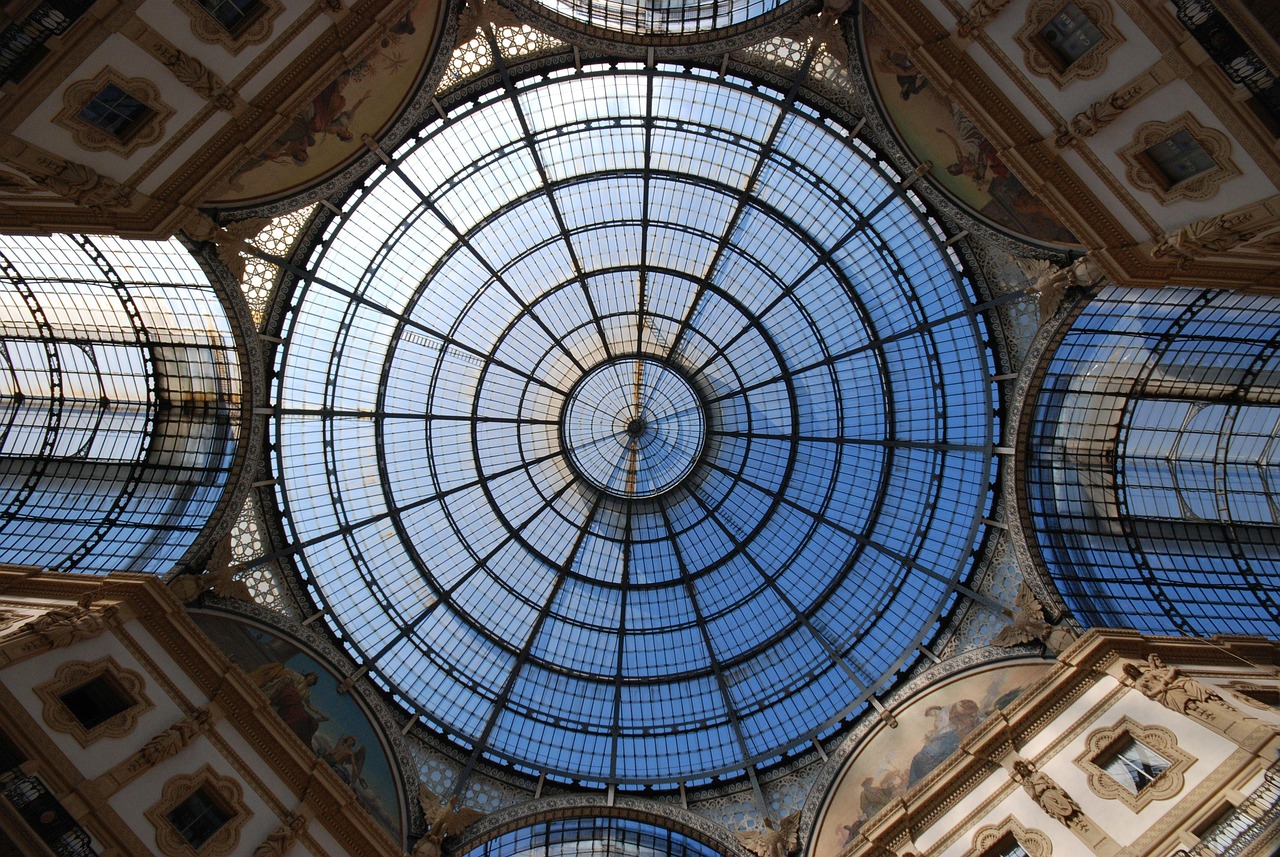
Inside the Milan Cathedral, Quiet Power and Detail beneath towering columns
For Milan Cathedral interior expectations, the essentials are reassuringly simple: the cathedral is free to enter, there’s a security line, and you’ll want to arrive a little earlier at peak times. You are allowed inside with modest dress—shoulders covered, and shorts kept respectful—especially if a mass is in progress. This is the Duomo di Milano as a sacred space first, even when it’s busy.
Once you step beyond the threshold, the temperature drops and the sound changes. More than one visitor has told me the same thing: despite the crowds, the cathedral can hold an unexpected quietness, as if the building gently asks you to slow down and listen.
Walk the nave with an “uncover the story” mindset rather than a checklist. High above, the stained glass windows depicting scenes from the Old and New Testaments turn daylight into colour—one of the most powerful ways the duomo teaches without words. Let your eyes adjust, then look down the transept and towards the apse, where the scale becomes almost oceanic.
This is why the Duomo is often described as one of the largest churches in the world: not because you need the numbers, but because your body feels the vastness. Still, it helps to know the building stretches well over 150 meters in length, and that the structure is the seat of the archdiocese, so it carries both civic pride and living faith.
Saint Bartholomew and a sculptor-focused pause
Make time for the famous statue of Saint Bartholomew, a work that can stop even fast-paced travellers. The intensity is part artistry, part devotion; it’s a moment to consider the sculptor’s hand and the cathedral’s willingness to hold difficult truth in plain sight. If you’re travelling with confidence, this is where you practise a different kind of adventure: staying with a single artwork long enough to let it speak.
If you want extra depth, consider the crypt and the archaeological area. Beneath many Italian cathedrals are “layers” of earlier worship; here you can connect that idea to Milan’s own past, including an ancient baptistery tradition. It’s the kind of insight an audio guide can support beautifully—especially if you like to explore at your own pace without losing meaning.
Rooftop Terraces of the Duomo: A Spire-Level Adventure in Milan. Compare stairs versus elevator, and enjoy Madonnina spire views.
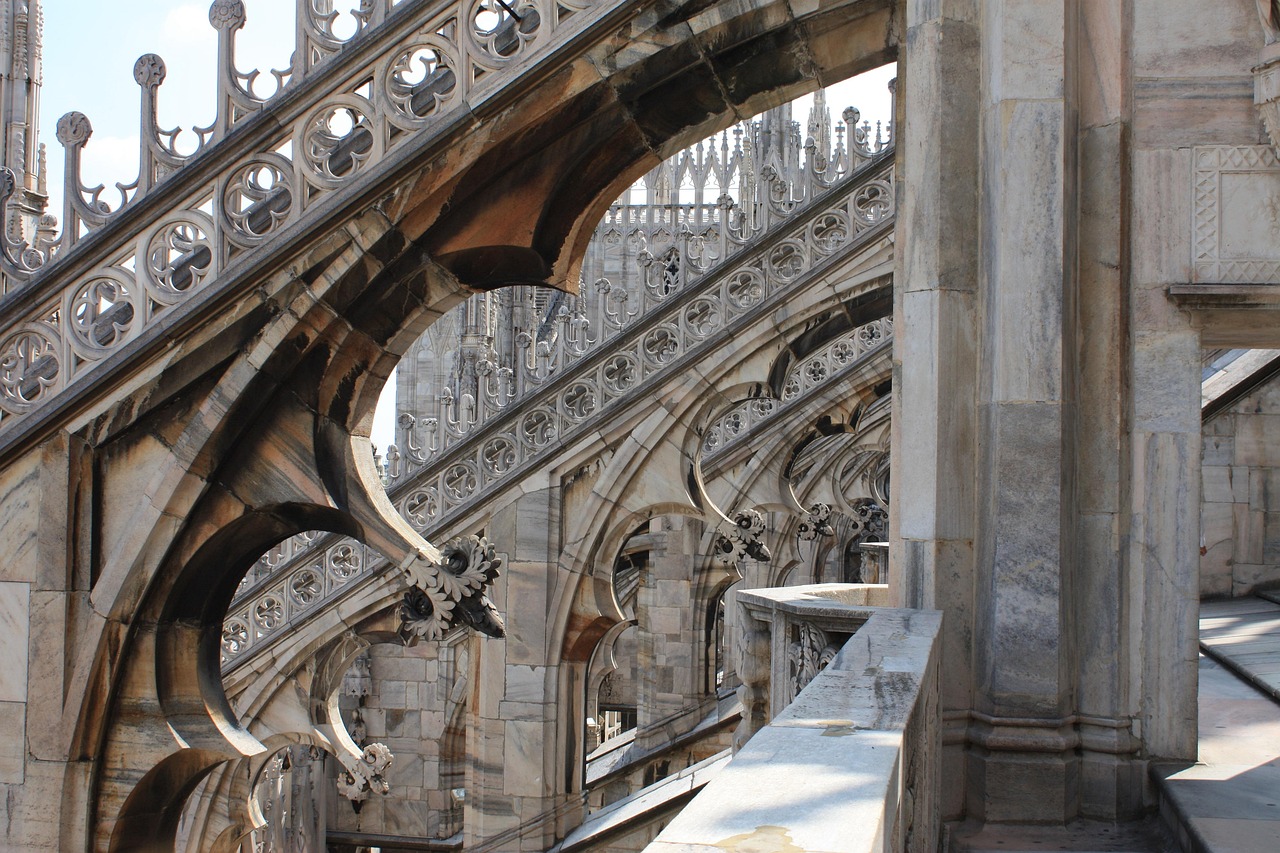
Rooftop Terraces of the Duomo: A Spire Level Adventure among white marble statues
For rooftop terraces in Milan, the smartest move is to book online—queues can be long, and the roof deserves unhurried time. Your key decision is simple: Milan Duomo stairs vs elevator. Both are valid; the right choice is the one that lets you stay present rather than depleted.
If you’re feeling bold, it’s possible to climb, and that choice can become a personal milestone. One adventurer shared how the steep steps tested their resolve, but the reward—meeting the sky at cathedral height—felt like earning the view rather than merely arriving.
Stairs or lift, and how to pace with confidence
Choose stairs if you want the story in your legs; choose the lift if you want to save energy for photography and detail. Either way, wear comfortable shoes, carry water, and take short pauses without judgment. High-end travel isn’t about proving anything—it’s about designing the experience so you can explore with trust and care.
- Stairs: slower, more immersive, and satisfying if you enjoy a challenge.
- Lift: quickest access, ideal in heat or if you’re balancing a full day.
- Timing: late afternoon brings softer light; sunset can be unforgettable.
Madonnina spire views and the forest of spires
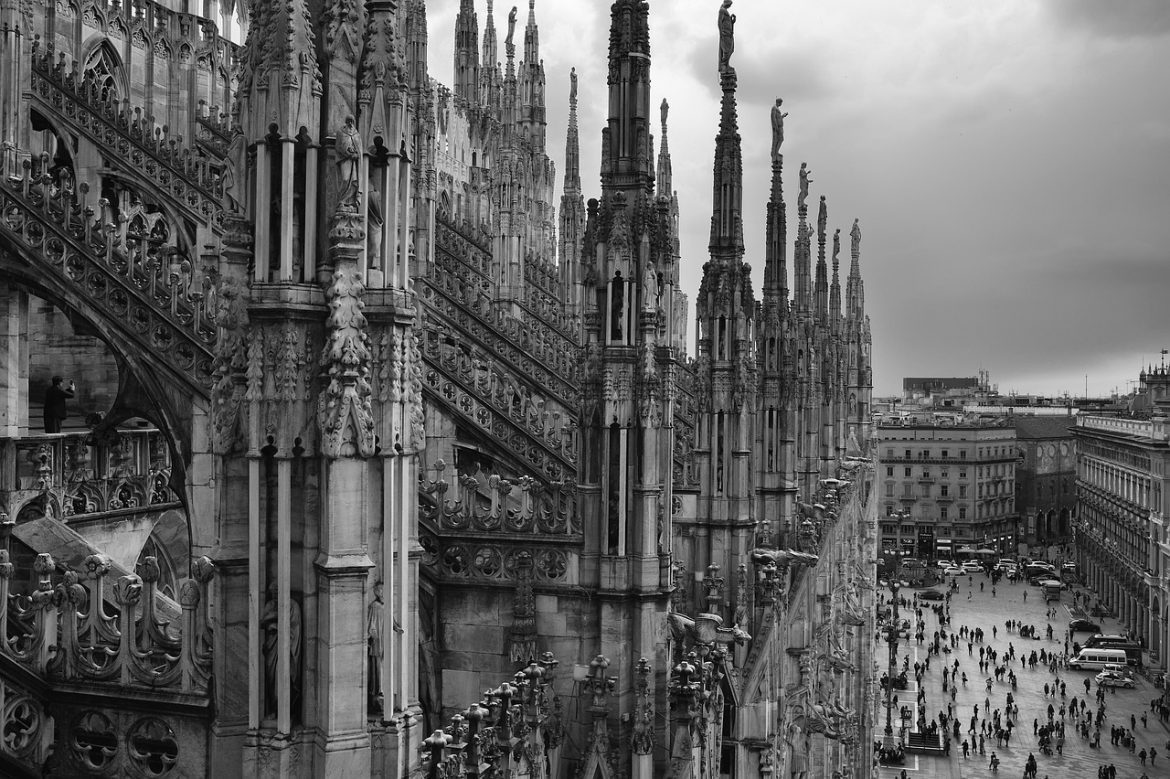
Up on the roof, the Duomo becomes intimate. The white marble is close enough to see tool marks, the statues feel like companions, and the “forest of spires” effect surrounds you in every direction. Follow the terrace route as it flows between pinnacles and open platforms; you’ll keep discovering new angles as the skyline shifts around you.
Find the Madonnina and give yourself permission to linger. This is where travellers often talk about a rooftop terrace sunset: the city lights beginning to sparkle, the cathedral silhouette sharpening against the sky, and a quiet sense that you’ve stepped into Milan from a rare altitude. When you notice how the spire details catch the last light, you’ll understand why so many people remember this as their most magical moment.
Duomo Museum and Fabbrica del Duomo, involving the Veneranda Fabbrica del Duomo’s construction of the cathedral.
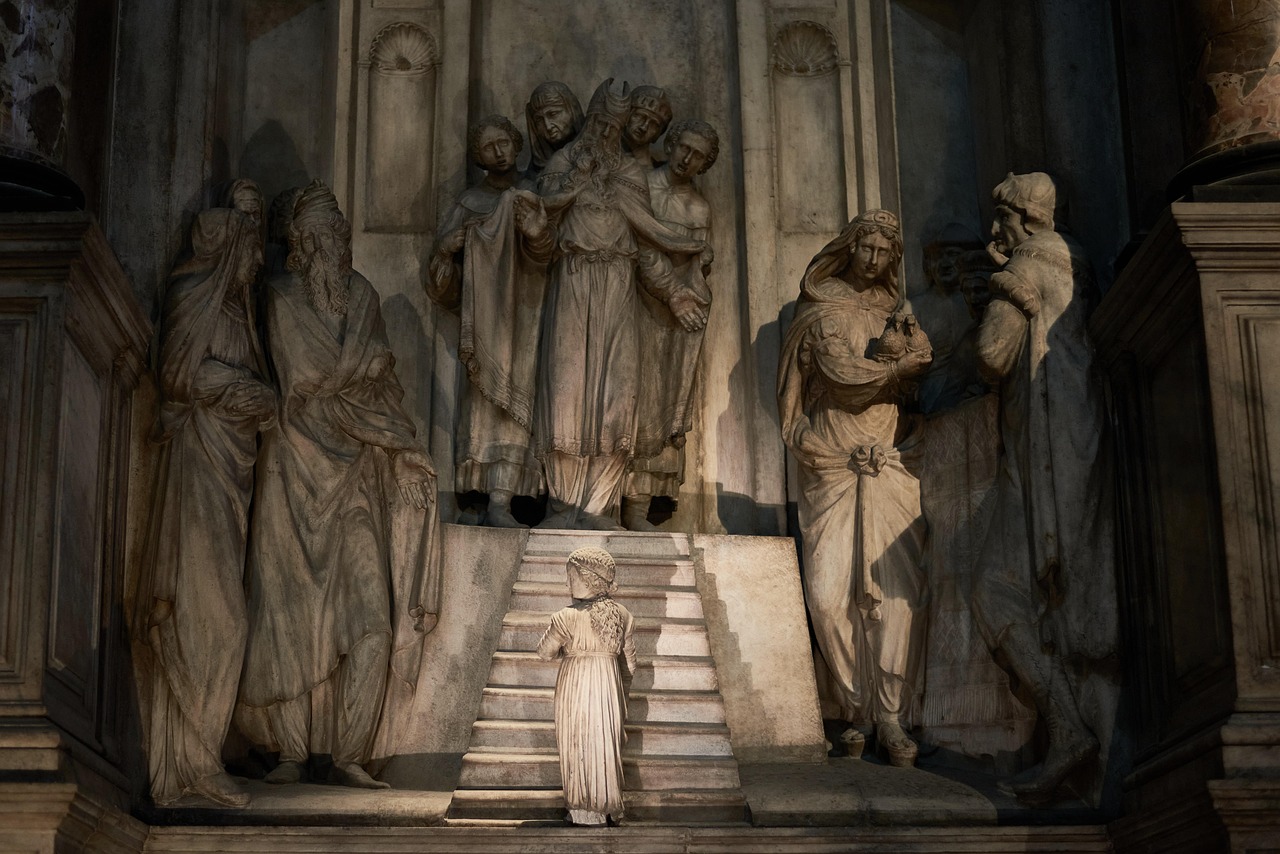
Duomo Museum and Fabbrica del Duomo Crafted by Time with sculptures and models
If you want the Duomo to feel less like a monument and more like a human endeavour, the Duomo Museum in Milan experience is your turning point. Here, models, bas-relief fragments, and close-up sculpture details reveal the cathedral as something crafted, maintained and continuously understood by the Fabbrica del Duomo. You’ll see the Veneranda Fabbrica del Duomo not as a distant institution, but as the steady hand that keeps the building alive.
It also makes the timeline click. The construction of the Duomo began in 1386, in the 14th century, and decisions continued for centuries; the cathedral’s construction reflects changing tastes, techniques, and politics. Seeing the process laid out in rooms rather than footnotes makes the story feel beautifully real.
Gothic engineering without jargon, and why it still matters
You don’t need technical language to understand Gothic ambition. Think of it as an architect’s solution to a poetic problem: how to build height, invite light, and keep the structure stable. In the museum, that logic becomes visible—how supports distribute weight, how decoration and engineering work together, and why the Duomo could become the symbol of Milan’s persistence.
You’ll also hear the cathedral’s official dedication echoed in labels and lore: Santa Maria Nascente. It’s a gentle reminder that even the grandest building is, at heart, a place of devotion.
Italy-wide duomo comparison with Brunelleschi and Santa Maria del Fiore
For cultural enthusiasts, it’s satisfying to place Milan’s Duomo within Italy’s broader cathedral tradition. In Florence, the cathedral of Santa Maria del Fiore rises from plans begun in 1296 by Arnolfo di Cambio, then transformed by Filippo Brunelleschi—Brunelleschi’s dome becoming a different kind of miracle. Nearby, the baptistery of San Giovanni and the famous bell tower complete that ensemble, with names like Francesco Talenti and even Domenico di Michelino appearing as the story branches out.
This is where a single phrase earns its weight: the cathedral of Santa Maria, and even the older formulation cathedral of Santa, are more than labels—they’re a cultural pattern that repeats city by city, each time with local character. Milan’s answer is bolder in vertical detail; Florence’s is cleaner in geometry. Together, they help you understand why Italy’s domes keep calling travellers back.
If you’re deciding between an expert-led visit and self-led wandering, use this simple decision tree: choose a guided tour if you want art history made effortless; choose an audio guide if you want flexibility with strong context; go self-led if you prefer intuition and time for photography. The best choice is the one that keeps your day seamless when you combine the museum, the roof, and the interior.
Design a seamless Milan Duomo day itinerary with tickets, guided tour, Galleria Vittorio Emanuele II visits, and local moments.
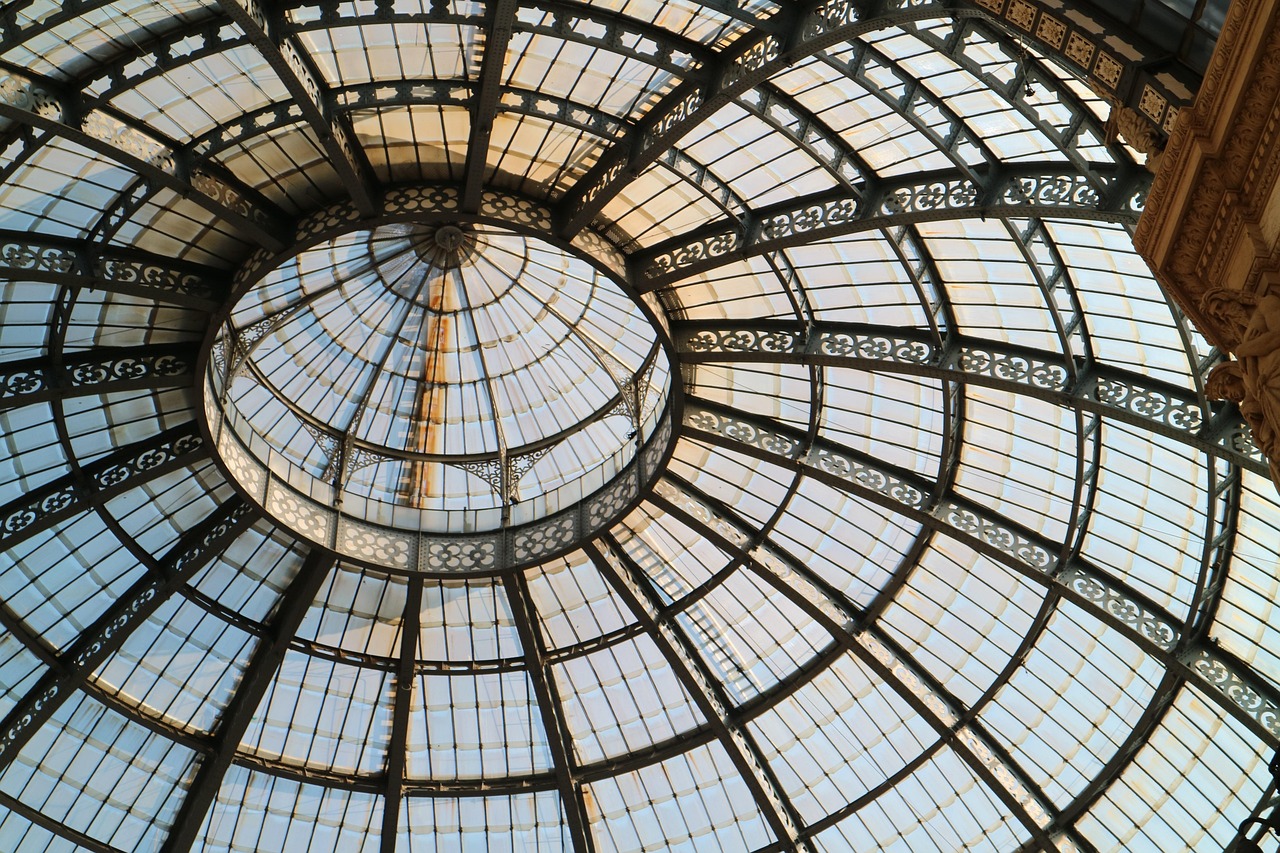
Design a Seamless Duomo Day Tickets, Routes and Local Moments at Galleria Vittorio Emanuele II
To visit the Duomo well, think in sequences rather than stops. A Milan itinerary that starts at Duomo station, moves into the cathedral, rises to the roof, and then glides into the Galleria Vittorio Emanuele II keeps your energy up and your navigation simple. This is where you design the day so it feels effortless—high-end in pace, not in haste.
For Adventure Seekers, structure is freedom: you know what matters, you leave space for surprise, and you can explore without the low-level stress of “what next?”.
A timeboxed route that keeps momentum through Milano
Here’s a rhythm that works in most seasons. Begin early for cool air and clearer photos, or arrive late afternoon if you’re chasing rooftop light. Give the interior 45–60 minutes (longer if you’re lingering with the stained-glass windows), then allow 60–90 minutes for the roof so you can move slowly among the statues and spires.
- Cathedral first: quieter, ideal for mass times and respectful stillness.
- Roof next: best light, best breeze, and a confident sense of “I did it”.
- Galleria last: a graceful transition—shop, photograph the arch, and enjoy an espresso.
Ticketing is where plans can wobble, so build flexibility with care. Rooftop slots can sell out during peak periods, so book ahead. If queues are long on arrival, swap your order—do the museum first, then return when lines ease. If you want a guided tour, choose it for the part of your day when you’re freshest, because that’s when insight lands best.
Local culture moments, from concerts to the “retrieve the nail” tradition
Some of the most meaningful moments aren’t scheduled. Attending a mass or a concert inside the cathedral can shift your whole impression—sound travels differently under the vaults, and the space feels less like an attraction and more like a basilica with a living purpose. If locals invite you to a ceremony, accept with quiet gratitude, follow their lead, and let respect be your language.
At certain times of year, Milanese tradition includes the rite of retrieving the nail—an echo of the Duomo’s deep rituals and the city’s care for its heritage. Even if you don’t witness it, knowing these layers exist changes how you stand inside the building.
If you’re still shaping your wider Italy route, you can explore our curated Trip gallery for beautifully designed journeys that balance culture, comfort, and momentum.
And if you’ve time to wander a little further, consider the Basilica of St Ambrose for a different architectural mood—earthy, ancient, and quietly powerful in contrast to the Duomo in Milan.
F.A.Qs: Duomo Italy and Milan cathedral questions
Is the Duomo in Florence or Milan?
Both cities have a duomo. The Duomo di Milano is in Milan, while Florence’s Duomo is the Cathedral of Santa Maria del Fiore. They’re different buildings with different styles, and each is central to its city’s identity.
What is a Duomo in Italy?
In Italy, “duomo” typically means a city’s main cathedral, often the seat of the local bishop. It isn’t a single architectural style; a duomo can be Gothic, Romanesque, or Renaissance, depending on when and how it was built.
Why is Duomo so famous?
The duomo in Milan is famous for its intricate Gothic architecture, its vast cathedral interior, and the rooftop terraces where you can walk among spires and statues. The experience combines art, devotion, and panoramic views in the very heart of the city.
Can you wear jeans in the Duomo in Florence?
Yes, jeans are generally fine in Florence’s duomo, as long as you follow modest dress rules. Keep shoulders covered and avoid very short skirts or shorts. When in doubt, choose smart-casual clothing that respects the cathedral as an active place of worship.
After the Milan Duomo’s rooftop sunset leaves a lasting impression.
After the Duomo, it isn’t the checklist that follows you—it’s sensation. You might remember the coolness of marble underfoot, or the way your breath slowed as the cathedral swallowed the city noise. Perhaps it’s the hush that surprised you most: a pocket of stillness held inside one of the largest churches in the world, right at the heart of Milano.
Up on the terrace, the air can feel sharper, cleaner, as if the height edits out distraction. Many travellers carry home the same image: a rooftop sunset where the spires cut into the light, and the Madonnina watches as Milan changes colour. The moment doesn’t shout; it simply settles into you, warm and unmistakable.
There can be a personal lesson, too, and it’s often gentler than you expect. Maybe courage looked like taking the stairs, meters high above the square, trusting your body to manage the climb. Or maybe courage looked like choosing stillness—standing in the nave long enough to notice how light moves, and letting that be enough.
However you moved through the cathedral, you did it with intention. You designed a day that held both adventure and care, and you proved to yourself that confidence doesn’t have to be loud to be real. Later, when Italy offers another threshold—another church doorway, another rooftop, another sudden view—you may find you meet it more calmly, as if you’ve learned how to travel with a steadier kind of attention.
And if you ever return, you might come at a different hour, in another season, simply to watch the light change on the duomo again.