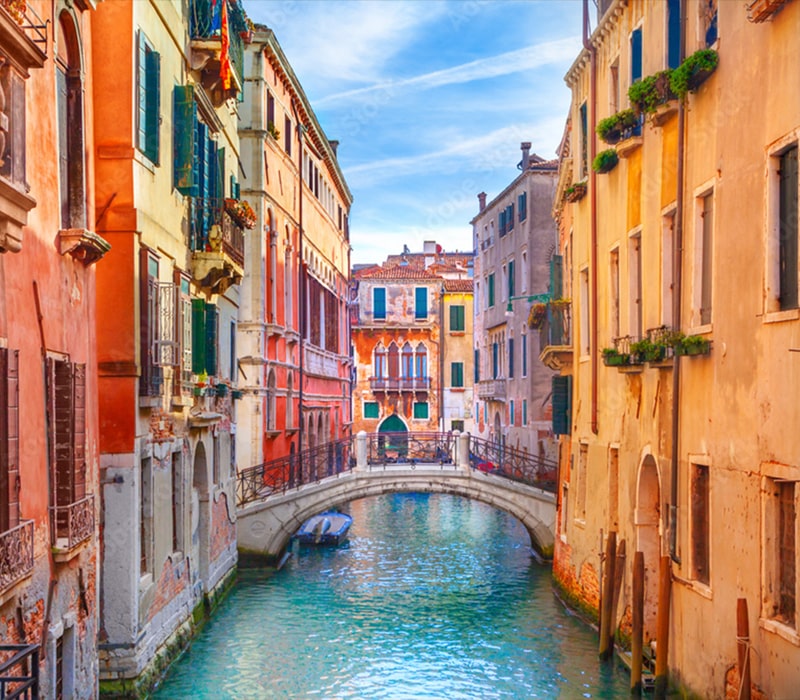
Post Contents
- Why Trastevere is Rome’s most alive neighbourhood and cultural guide in Italy
- Getting to Trastevere and orienting yourself in Rome: use Tram 8 to Ponte Sisto along the Tiber River.
- Piazza di Santa Maria the heart of Trastevere Piazza di Santa Maria Trastevere Basilica di Santa Maria in Trastevere
- Wandering the cobblestone streets of Trastevere like an adventurer, exploring narrow medieval lanes in Rome.
- Renaissance and neighborhood stories: Villa Farnesina to Museo di Roma in Trastevere, Rome.
- Green escapes and sunset views over Rome from Gianicolo, Orto Botanico, Trastevere, and Janiculum Hill.
- Taste Trastevere with confidence at trattorias, gelato, and aperitivo restaurants offering traditional Roman cuisine.
- F.A.Qs: Trastevere, Rome, Italy
- What stayed with me after Trastevere Rome: personal reflections on a cultural adventure in Italy.
Why Trastevere is Rome’s most alive neighbourhood and cultural guide in Italy
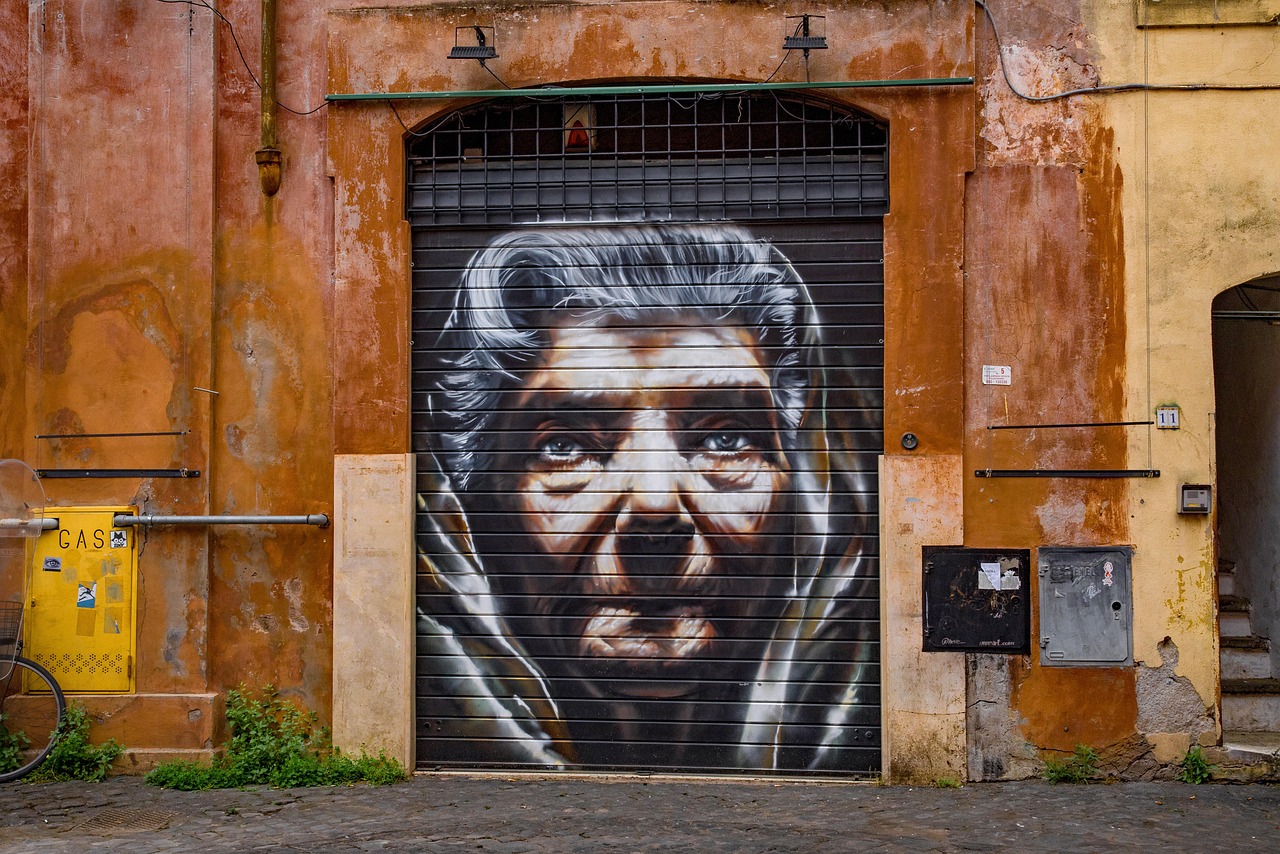
Why Trastevere is Rome’s most alive neighbourhood in Trastevere, Rome, Italy
Think of a Trastevere Rome neighbourhood cultural guide, Italy, as less of an itinerary and more of a gentle permission slip. Trastevere has its own rhythm: mornings that feel almost private, then evenings that sparkle as locals reclaim the streets and the light turns honeyed on old stone. It’s a local neighbourhood where the charm isn’t curated for visitors—it simply continues, whether you’re watching shutters open or following music through a side lane.
If your next trip to Rome includes the big-hitters—Ancient Rome sights like the Colosseum—Trastevere offers a contrasting kind of wonder. Rome’s historic centre can be awe-inspiring and busy; Trastevere can feel intimate, like you’ve stepped into someone’s day-to-day Roma. The best part for adventure seekers is that discovery here is often unplanned yet reassuringly close to everything.
Trastevere in Rome is perfect for getting lost happily
I first discovered Trastevere by wandering off-plan after a long morning near the Spanish Steps, telling myself I’d “just cross the river and see”. Within minutes, I’d slipped into a tiny piazza, found a market stall selling sun-warmed fruit, and realised I hadn’t checked a map in half an hour—and it felt brilliant. That’s the particular confidence Trastevere gives you: it invites you to explore, then quietly supports you with familiar landmarks and friendly faces.
To keep your day crafted without feeling rigid, try this simple framework—one that leaves room for detours (and stories):
- Morning: wander the lanes while the neighbourhood is calm
- Afternoon: pause for art and a cool, shaded interior
- Sunset: take in a viewpoint above the rooftops
- Evening: settle into delicious food, then follow the sound of laughter
Hold that lightly and you’ll naturally cover many of the most memorable things to do in trastevere—without turning your day into a checklist.




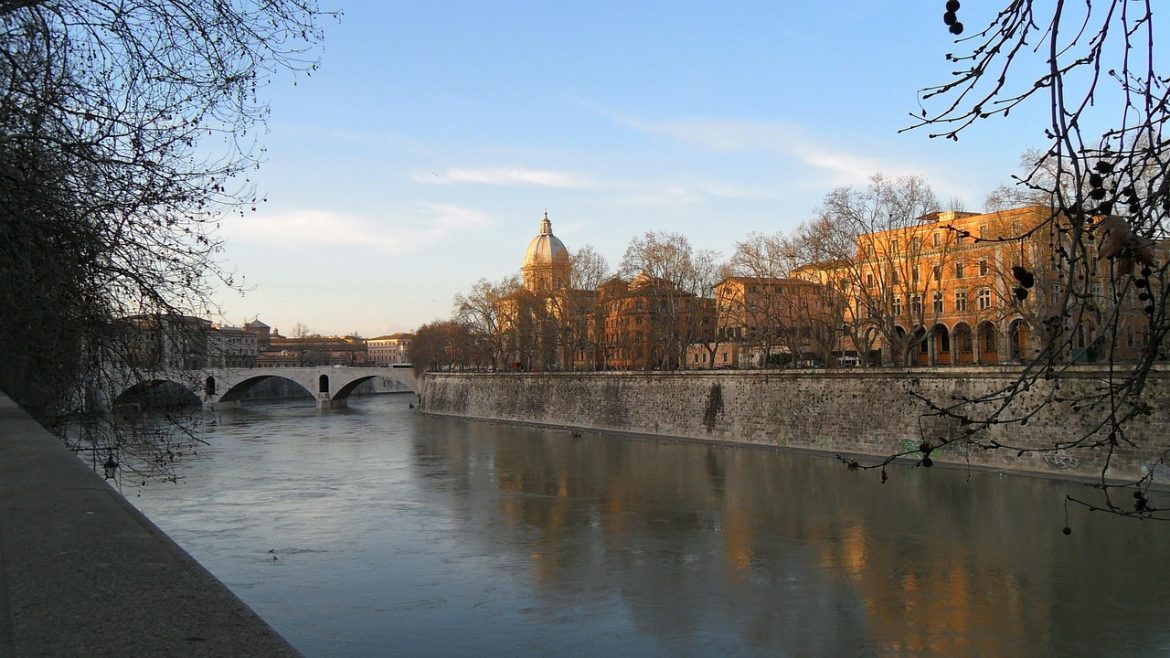
Getting to Trastevere and orienting yourself in Rome: use Tram 8 to Ponte Sisto along the Tiber River.
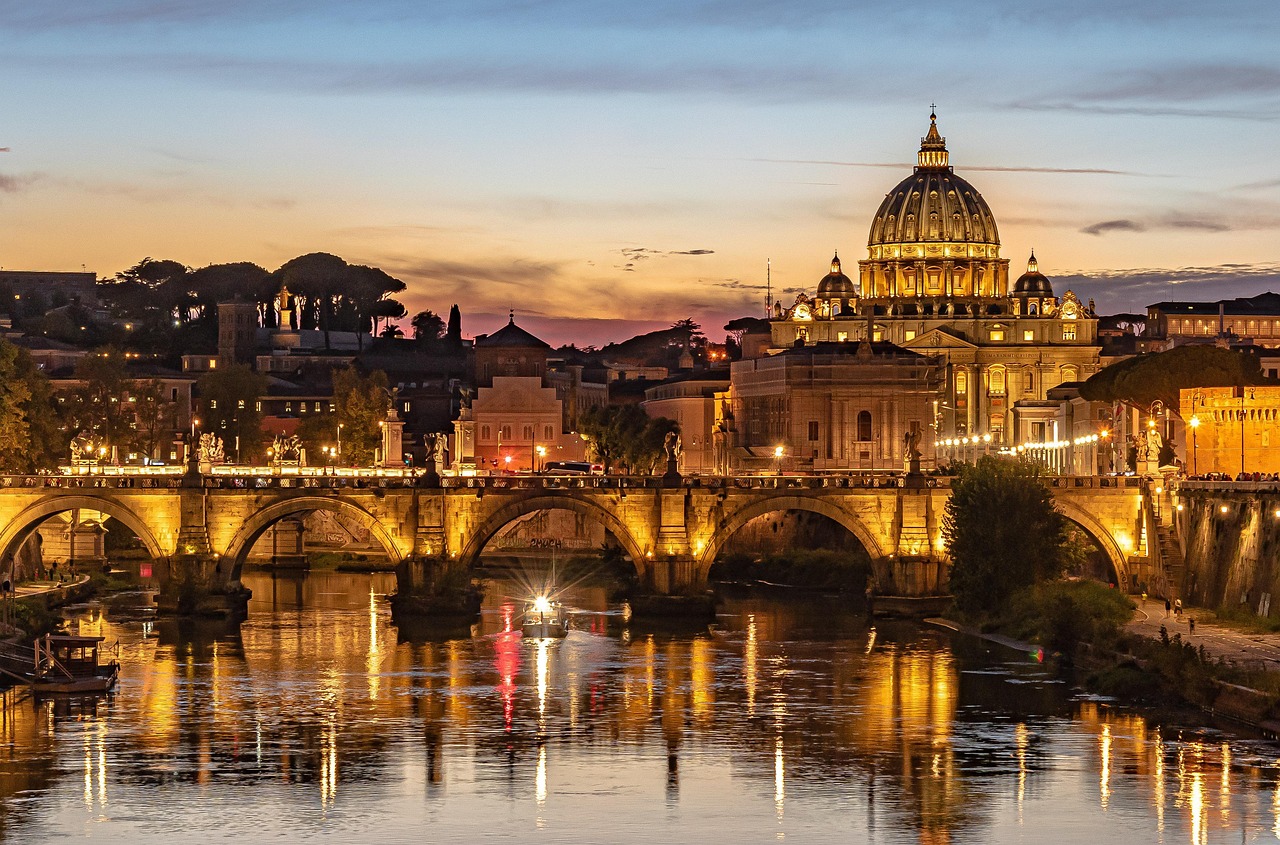
Getting to Trastevere and getting your bearings in Rome along the Tiber
If you’re asking how to get to Trastevere, Rome, tram 8, Ponte Sisto, Tiber River style, the reassuring answer is: it’s wonderfully simple. Tram 8 is the easiest way to reach central Rome, especially if you want a seamless start without negotiating taxi queues. For a more scenic approach, cross on Ponte Sisto (ponte is the word you’ll see on signage) and let the city change tone as the Tiber River slides beneath you.
Ponte Sisto and the bank of the Tiber as your compass
Trastevere sits on the west bank of the Tiber, and that alone helps you stay oriented. If you like to “choose your pace”, you can arrive by tram, then slow down on foot once you’ve crossed the threshold into the neighbourhood in Rome. On warmer days, the walk across the ponte feels like a soft reset—leaving the formality of grand boulevards and stepping into something more human-scale.
Use these plain-language edges and anchors to create confidence quickly:
- River edge: the bank of the river is your straight line back to central sights
- Gateway Square: Piazza Trilussa is a natural meeting point and people-watching perch
- Main drift line: keep a mental note of the tram route as your “return thread”
Timing, crowds, and calm safety in Trastevere, Rome
Spring and autumn are the sweet spots: the light is kind, and you’ll feel less compressed by crowds. Visit earlier in the day for quieter lanes, then return at night if you want that famous energy—just keep valuables secure in busy areas, as you would anywhere in Rome. Pickpockets tend to target pinch points; your best defence is simple care: zip bags, keep phones out of back pockets, and move with unhurried awareness.
Many places in Trastevere are free or low-cost, and some museum entries are under 10 euros—perfect for travellers who like to keep plans flexible. At weekends, pre-booking popular spots is the small expert move that keeps the day feeling smooth rather than squeezed. If you’re building a broader Italy route, you can browse our Trip gallery for crafted inspiration.
Piazza di Santa Maria the heart of Trastevere Piazza di Santa Maria Trastevere Basilica di Santa Maria in Trastevere

Piazza di Santa Maria, the heart of Trastevere in Rome
Piazza di Santa Maria Trastevere Basilica di Santa Maria in Trastevere sounds like a mouthful—until you arrive and it all makes sense. This is the heart of Trastevere, where the neighbourhood exhales into an open room, and everyone finds their place. Stand near the fountain for a full view: cafes framing the edges, locals cutting across the stones, and performers setting up as the afternoon leans towards evening.
Santa Maria in Trastevere and the basilica glow
Step inside Santa Maria in Trastevere and you’ll feel the temperature drop and the mood shift. The basilica rewards a slower gaze: the mosaic catches the light in a way that feels almost alive, and the façade outside warms into a gentle gold. It’s one of the oldest churches in Rome, and even if you’re moving quickly through Rome’s historic sights, this interior encourages a different pace.
Because it’s a church in Rome, dress with respectful modesty—shoulders covered, and avoid very short skirts or shorts. The Basilica di Santa Maria is welcoming, but the small act of care helps you blend in with local customs. You’ll also hear locals refer to the Basilica of Santa Maria in casual conversation, especially when giving directions.
Piazza Santa Maria after dark and aperitivo confidence
As the light fades, Piazza Santa Maria becomes a shared living room. One traveller told me they watched street artists perform live music here, and the whole scene felt like an invitation rather than a show—people smiling, children dancing, strangers keeping time with a nod. Language barriers tend to melt away in moments like this, especially when you’re simply present and open.
If you’d like to join in without feeling self-conscious, start with aperitivo at a nearby cafe table, then let the evening unfold. Many menus spell it “aperitivo” (not apertivo), and it typically means a drink with small bites—enough to bridge you into dinner later. Order a spritz or a glass of wine, relax into the rhythm, and trust that you don’t need to perform Rome to belong in it.
Wandering the cobblestone streets of Trastevere like an adventurer, exploring narrow medieval lanes in Rome.
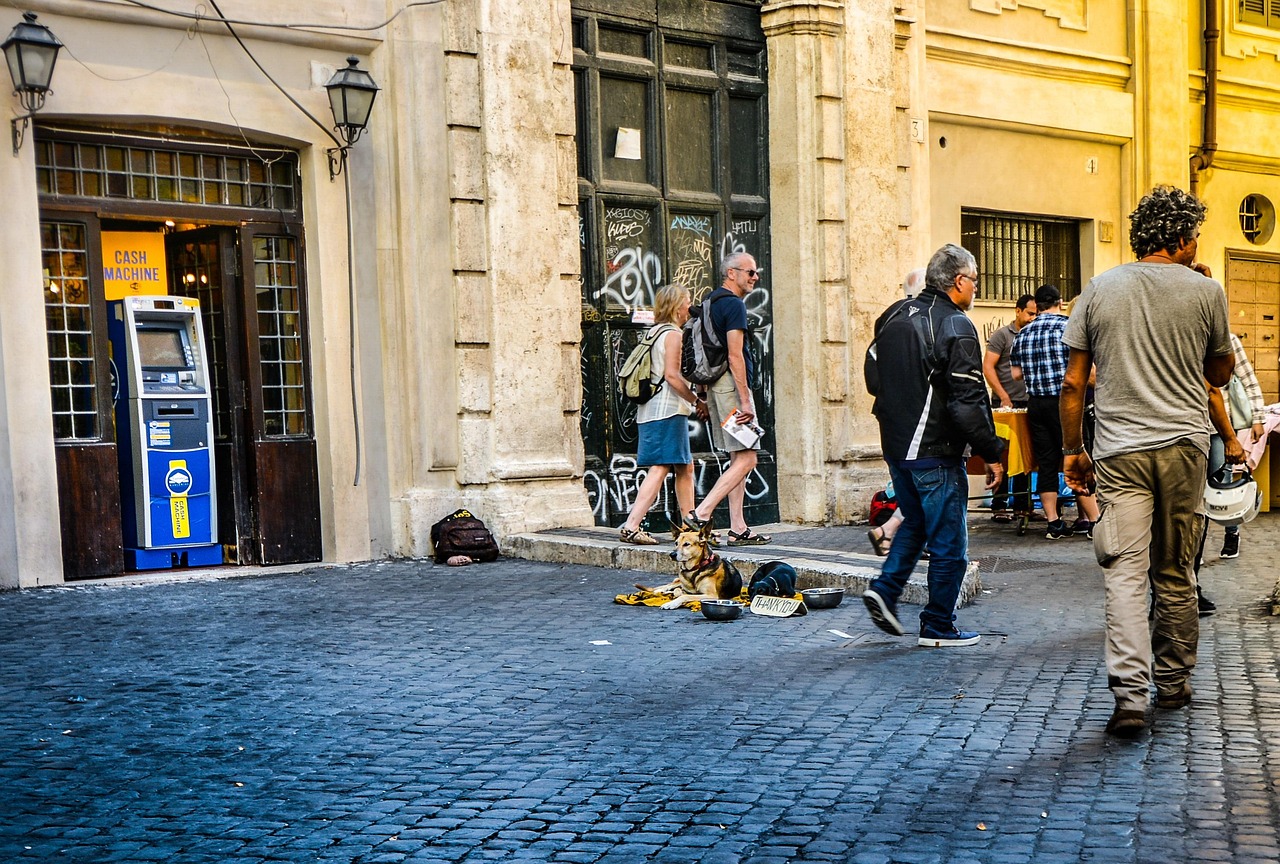
Wandering the cobblestone streets of Trastevere like an adventurer in Rome
For the streets of Trastevere in Rome —narrow streets, medieval lanes, walking routes —don’t aim for efficiency—aim for texture. Start near Piazza Trilussa, then drift into the narrow streets where scooters hum past ivy walls and laundry lines flutter between ochre façades. The cobblestone streets can be uneven, but that’s part of the neighbourhood’s honest beauty; wear supportive shoes and keep your stride relaxed.
The streets of Trastevere are a sensory treasure hunt
Take your cues from sound and scent: the clink of plates from a trattoria, coffee grinding behind a doorway, the sudden quiet of a shaded corner. Medieval architecture appears in fragments—arched passages, worn stone steps, tiny balconies—then disappears behind a modern boutique window. It’s often in these small shifts that Trastevere feels most alive.
Try this “uncover the details” checklist as you explore, especially if you love photography:
- Door plaques and family names etched into stone
- Street shrines tucked into wall niches
- An inventive shop window display in a narrow lane
- Quiet corners near Trilussa where the noise softens
Via della Lungara as your practical spine
If you want freedom without getting disoriented, use Via della Lungara as a grounding line—your “I can always find this” street. You’ll see “lungara” on signs, and it’s a helpful landmark word to remember when you’re checking directions quickly. From there, you can loop back towards the river or wander deeper into the residential lanes without losing that sense of control.
At night, Trastevere can become crowded in popular pockets. Move through busy lanes calmly, keep bags zipped and worn to the front, and step aside into a doorway if you need to re-check your route. Adventurous doesn’t have to mean rushed—confidence here is simply awareness, plus a willingness to slow down when the streets get tight.
Renaissance and neighborhood stories: Villa Farnesina to Museo di Roma in Trastevere, Rome.

Renaissance and neighbourhood stories at Villa Farnesina in Trastevere, Rome
Villa Farnesina Trastevere Rome Museo di Roma in Trastevere might sound like a full cultural day—and it can be, without feeling heavy. Villa Farnesina is a Renaissance jewel that surprises people who claim they’re “not an art person”. The rooms are intimate enough to feel immediate, and the frescoes have a clarity that lands even if you don’t know a single painter’s name.
Villa Farnesina frescoes for the “not an art person”
Approach Villa Farnesina like an adventure of attention: slow down, look up, and let the scenes unfold as storytelling rather than homework. Give yourself permission to choose one room that moves you—light, colour, gesture—then linger. This is high-end travel in the truest sense: not more speed, but more depth.
To keep transitions seamless, plan this stop for early afternoon when your feet appreciate a pause. Tickets are usually straightforward, and it’s one of those places where a small amount of planning (checking opening hours) saves a lot of friction. Pair it with a gentle wander afterwards so the art doesn’t feel like an isolated “task”.
Museo di Roma in Trastevere and Santa Cecilia in Trastevere
To understand life in Rome beyond postcard landmarks like the Trevi Fountain, step into Museo di Roma in Trastevere. It’s a grounding counterpoint to grand monuments, offering glimpses of everyday scenes and local identity—the fabric of a local neighbourhood in motion. You come out seeing Trastevere not as a backdrop, but as a community with memory.
Nearby, Santa Cecilia in Trastevere adds a quieter, reflective note. Cecilia is remembered as the patron saint of music, which feels fitting after the street performers outside the main piazza; the neighbourhood’s soundtrack seems to have a lineage. One visitor shared a personal moment that captured the same spirit of trust: after chatting in simple Italian, a local chef invited them behind the scenes to learn to make pasta at a family-run place. In Trastevere, that kind of warmth can happen when you show up with curiosity and care.
Green escapes and sunset views over Rome from Gianicolo, Orto Botanico, Trastevere, and Janiculum Hill.
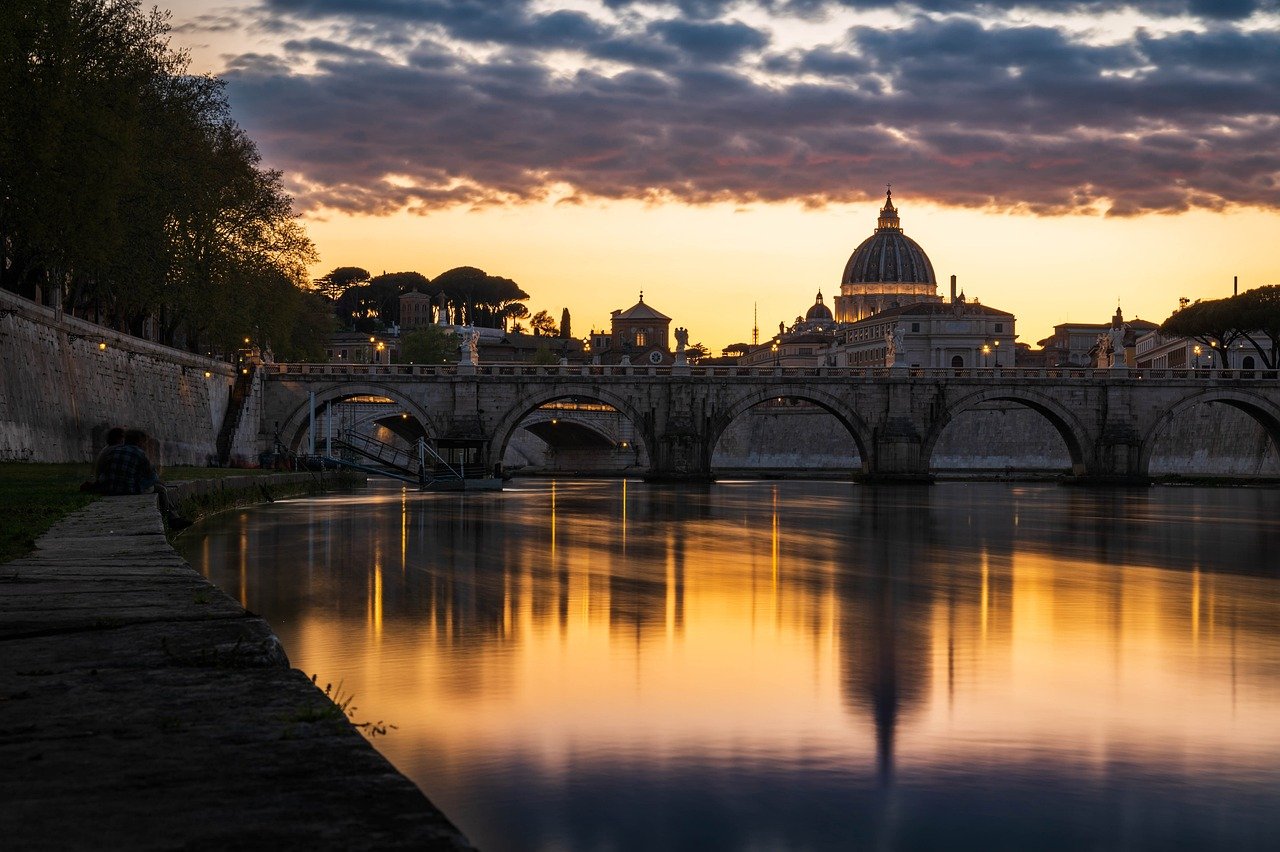
Green escapes and sunset views over Rome from Gianicolo near Trastevere
Orto Botanico Trastevere Gianicolo Janiculum Hill view of Rome is your cue to trade bustle for breathing space. The Orto Botanico is a hidden gem when you want to discover calm without leaving Trastevere, and it’s especially welcome after a busy morning in central Rome. For adventure seekers, it’s a different kind of thrill: not adrenaline, but the pleasure of uncovering somewhere quietly beautiful.
Orto Botanico and a walk along the river
The gardens feel like a reset button—shade, birdsong, and room to stretch your pace. If you’re travelling together as a couple or group, it’s an easy place to support different energy levels: some can wander, others can sit and simply absorb. Afterwards, a walk along the river brings you back towards the waterline, where the city feels broad and unhurried.
Choose a peaceful time of day—late morning or mid-afternoon—and you’ll often find calmer paths. If you’re sensitive to heat, bring water and take breaks; Trastevere rewards those who respect their own rhythm. This is where high-end travel becomes human: designing a day that fits you, not forcing yourself to keep up with Rome.
Gianicolo, Janiculum, and the best views at sunset
Then comes the payoff: Gianicolo, also known as Janiculum, rising above the rooftops. The climb is manageable for most, but the final steps can be uneven—watch your footing and take it slowly, especially in sandals. Bring a light layer for breezes, and plan to arrive with enough time to choose your spot without rushing.
From Janiculum Hill, the best views open out across domes and terraces, and you can spot the Vatican and the skyline’s gentle curves. This is the moment for your single, perfect view of Rome: quiet, wide, and softly cinematic. If you still have energy, you can loop onwards towards Castel Sant’Angelo for a broader perspective, but it’s equally lovely to simply stand, breathe, and let the city settle.
Taste Trastevere with confidence at trattorias, gelato, and aperitivo restaurants offering traditional Roman cuisine.
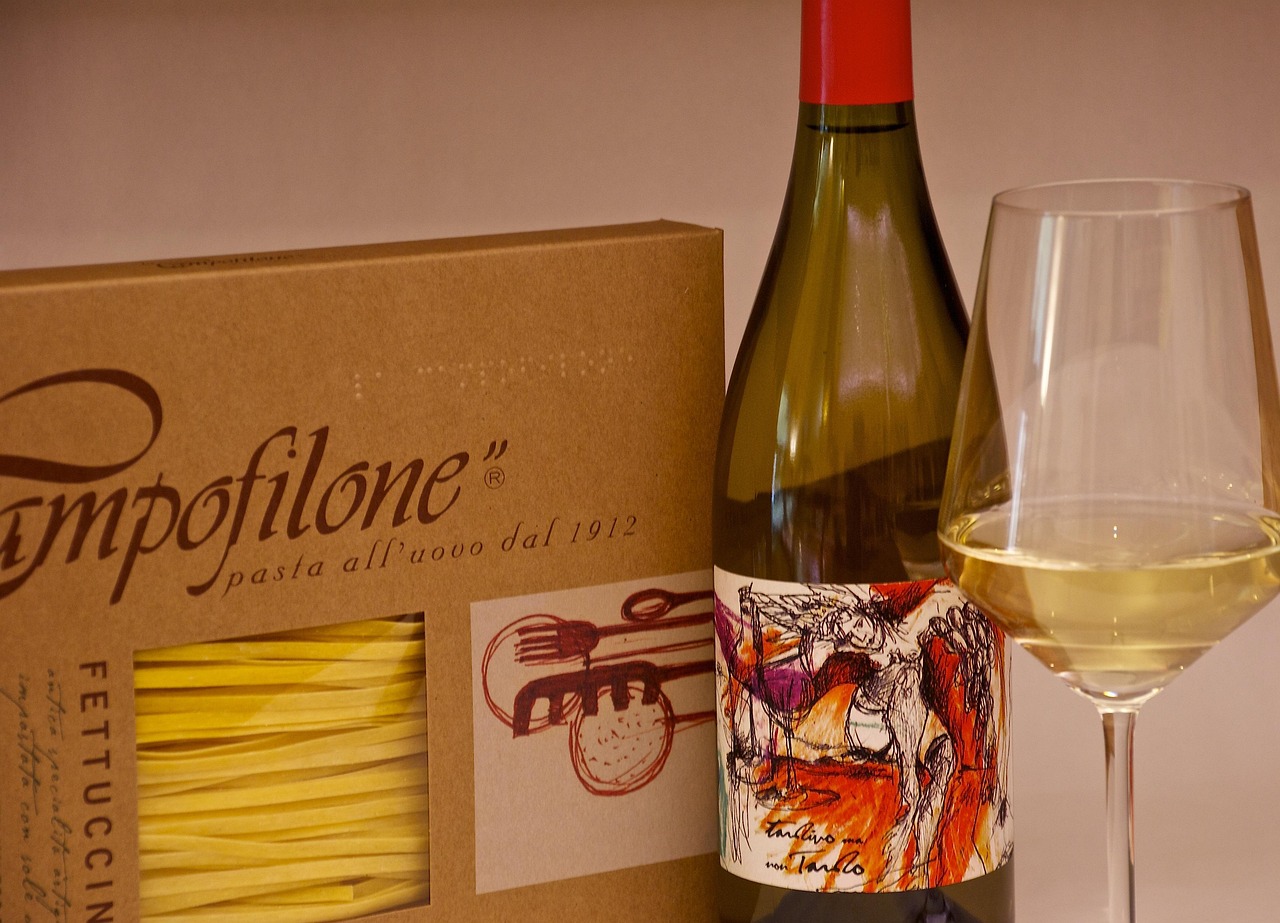
Taste Trastevere with confidence with trattorias, gelato and aperitivo in Rome
For restaurants in Trastevere, traditional Roman cuisine, trattorias, gelato planning, the secret is to design your evening as locals do: later, slower, and with room to wander. Book ahead on weekends, especially for the most-loved tables, and give yourself one “anchor” meal so the rest of the night can stay flexible. Trastevere after dark can be lively, but with a little structure, you’ll feel relaxed rather than swept along.
A crafted dining strategy in Trastevere, Rome
Start with a small bite, then build into dinner—this keeps the night unhurried and helps you avoid the trap of eating too early, then searching for atmosphere later. If you want examples to spark your own shortlist, Da Enzo al 29 is a classic for good reason, Mimi e Coco suits a celebratory mood, and Freni e Frizioni is known for its buzzy drinks scene. Use these as reference points, then choose based on your budget, energy, and whether you want candlelit calm or a lively terrace.
When you order, think of it as traditional Roman, not a checklist. A bowl of cacio e pepe is comfort with confidence; amatriciana brings that bold, tomato-rich warmth; and focaccia is your effortless companion between stops. Add a glass of wine, and you’ll understand why “simple” in Rome often tastes like something carefully learned.
Gelato and an easy nightlife vignette
Gelato is your sweet reset between wandering and late-night laughter. Look for places where flavours are seasonal and the display looks natural rather than piled into neon peaks—quality doesn’t need to shout. A good scoop is cooling, clean, and exactly what you want before you step back into the lanes.
Later, let yourself drift: a cocktail in a lit-up square, music threading through the alleys, and that surprising feeling that Trastevere can be welcoming even if you’re travelling solo. If you do see “apertivo” on a sign, treat it as a charming misspelling rather than a different ritual—Rome has always been a little playful with language.
F.A.Qs: Trastevere, Rome, Italy
Is Trastevere a nice part of Rome?
Yes. Trastevere is widely considered a very nice area of Rome: characterful, walkable, and full of local life. By day, it’s relaxed and charming; by night, it comes alive with dining and music. Like any popular neighbourhood, it pays to keep an eye on your belongings in crowded spots, but the atmosphere is generally welcoming and easy to enjoy.
Why is Trastevere so popular?
Trastevere is popular because it feels authentic and intimate while still being central. Travellers love the cobbled lanes, colourful houses, and the social energy around Piazza di Santa Maria, as well as cultural highlights like Villa Farnesina. It’s also known for traditional food and late-night out, making it a natural place to experience Rome’s everyday rhythm.
What not to miss in Trastevere?
Don’t miss Santa Maria in Trastevere, especially the glow of the basilica and the life in the surrounding piazza. Villa Farnesina is a standout for Renaissance art, and the Orto Botanico is ideal for a quiet break. For views, head up to Gianicolo around sunset, then return to the lanes for dinner and a gelato.
Is it safe to walk around Trastevere?
Trastevere is generally safe to walk around, including in the evening, particularly in well-lit areas near main squares and busy streets. The main risk is petty theft in crowds, so keep bags zipped, avoid leaving phones in back pockets, and be mindful in tightly packed lanes at night. If you’re solo, stick to lively routes and move with calm confidence.
What stayed with me after Trastevere Rome: personal reflections on a cultural adventure in Italy.
Trastevere, Rome, personal reflections, cultural adventure, Italy is less about what you ticked off and more about what lingered. What stayed with me was the sense of being gently held by the neighbourhood: light on stone at dusk, murmurs in a piazza, and the calm that arrives after a day of big sights. Trastevere doesn’t demand that you “do more”; it simply offers itself, and trusts you to meet it at your own pace.
I think most about the human moments. Laughter shared over pasta; a small kindness when you hesitate at a corner; the way a smile can translate what your Italian can’t. Several adventurers have told me that getting lost here didn’t feel like a mistake—it felt like permission to travel with curiosity and trust, letting the city reveal itself in fragments.
And perhaps that’s the quiet gift of this neighbourhood in Rome: confidence without bravado. You learn you can explore, take care of yourself, and still be open to connection—togetherness that doesn’t require performance. The memory becomes part of you, like a song you can’t quite name but can always hum.
In another season, Trastevere will be different—sharper light in winter, softer evenings in spring—and there will always be one more side street to uncover, one more story waiting without urgency.