Post Contents
- Roman Forum essentials for first-time explorers – forum Rome Italy planning that feels effortless
- History of the Roman Forum – from marshland and the foro to the Roman Empire (reconstruction insights)
- A walking route through the forum – Via Sacra temples, arch landmarks, and basilica highlights
- Roman Forum and Palatine Hill – how to link the Forum, Capitoline Hill views, and the Colosseum
- F.A.Qs: Roman Forum and Palatine Hill
- What stayed with us after the forum in Rome – reflections on ruins, antiquity, and the feeling of time
Roman Forum essentials for first-time explorers – forum Rome Italy planning that feels effortless
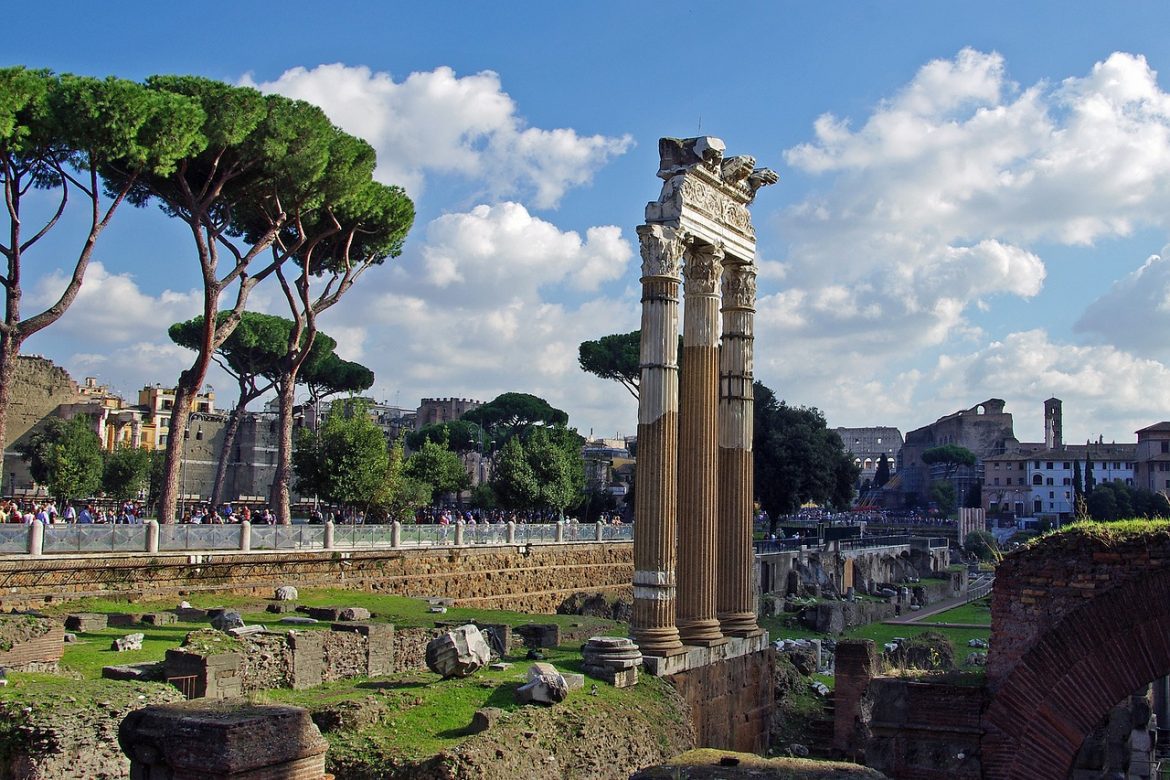
Roman Forum essentials for first-time explorers, Roman Forum, Rome, Italy, essentials planning
If you’re searching “forum rome italy” and hoping it feels as powerful in person as it does in your imagination, you’re in exactly the right place. The Roman Forum sits in the centre of Rome and was the centre of civic life in Ancient Rome; today, this forum still reads like the city’s beating heart for travellers who want meaning as well as momentum. If you’re “visiting the Roman” world for the first time, arriving with a simple plan keeps the scale inspiring rather than overwhelming.
Think of the Roman Forum as an open-air archaeological experience: uneven paving, sun-baked stone, and sudden shade breaks that feel like small mercies in warm weather. Most visitors enter from the Colosseum side or from Via dei Fori Imperiali (Fori Imperiali), and that choice quietly shapes your flow. Start with a calm route in mind, and you’ll move through the forum with confidence, especially when you’re travelling together.
How the forum route works inside the archaeological park – steps, layers, and the ruins of the forum
Inside this archaeological park, allow your senses to lead for a moment before you chase a checklist. Stone steps can be polished and slippery, so slow down where the ground changes and save your energetic climbs for the best viewpoints. You’ll notice that the forum’s ruins sit lower than the modern street level—an immediate reminder that excavation has revealed layers of ancient ruins beneath the modern city.
For high-comfort travellers, the simplest luxury here is ease: pre-arranged entry, a private expert if you want one, and a loop that avoids backtracking. A good guided tour can turn broken columns into a coherent storyline, while a well-made app is ideal when you want flexibility and a quieter pace. Either way, bring curiosity—this ancient site rewards people who pause and look twice.
Best time to visit Rome for atmosphere – tickets online, light, and visiting the Roman Forum
For comfort, spring and autumn are your best allies: softer light, fewer crowds, and the kind of air that makes long walking feel effortless. Maria, a traveller we met, shared how walking through the forum at dawn felt like stepping back in time, with silence broken only by birdsong and distant church bells. That early hush is rare in Rome, and it changes the experience—less like a museum, more like a living place.
To design your day with confidence, book combined tickets online that cover the Colosseum, Roman Forum, and Palatine Hill. Timed entry usually applies to the Colosseum; the forum and Palatine often have a broader window, but “skip the line” rarely means zero waiting—more than you avoid the longest ticket queues. Pack light, carry water, and keep a layer for breezy viewpoints and shaded passages.
- Wear comfortable, grippy shoes; the forum stones can be uneven and dusty.
- Carry a refillable bottle and top up at nearby fountains (nasoni).
- Greet locals with a warm “Buongiorno” and dress modestly if you pop into churches afterwards.
- Set one priority (a viewpoint, a monument, or one standout temple) so you don’t try to see everything at once.
As you step in, set expectations gently: you’ll encounter temples, an arch or two, a basilica, and a wide scatter of fragments. Let the forum reveal itself in layers, and your day will feel more seamless—and strangely more complete.




History of the Roman Forum – from marshland and the foro to the Roman Empire (reconstruction insights)
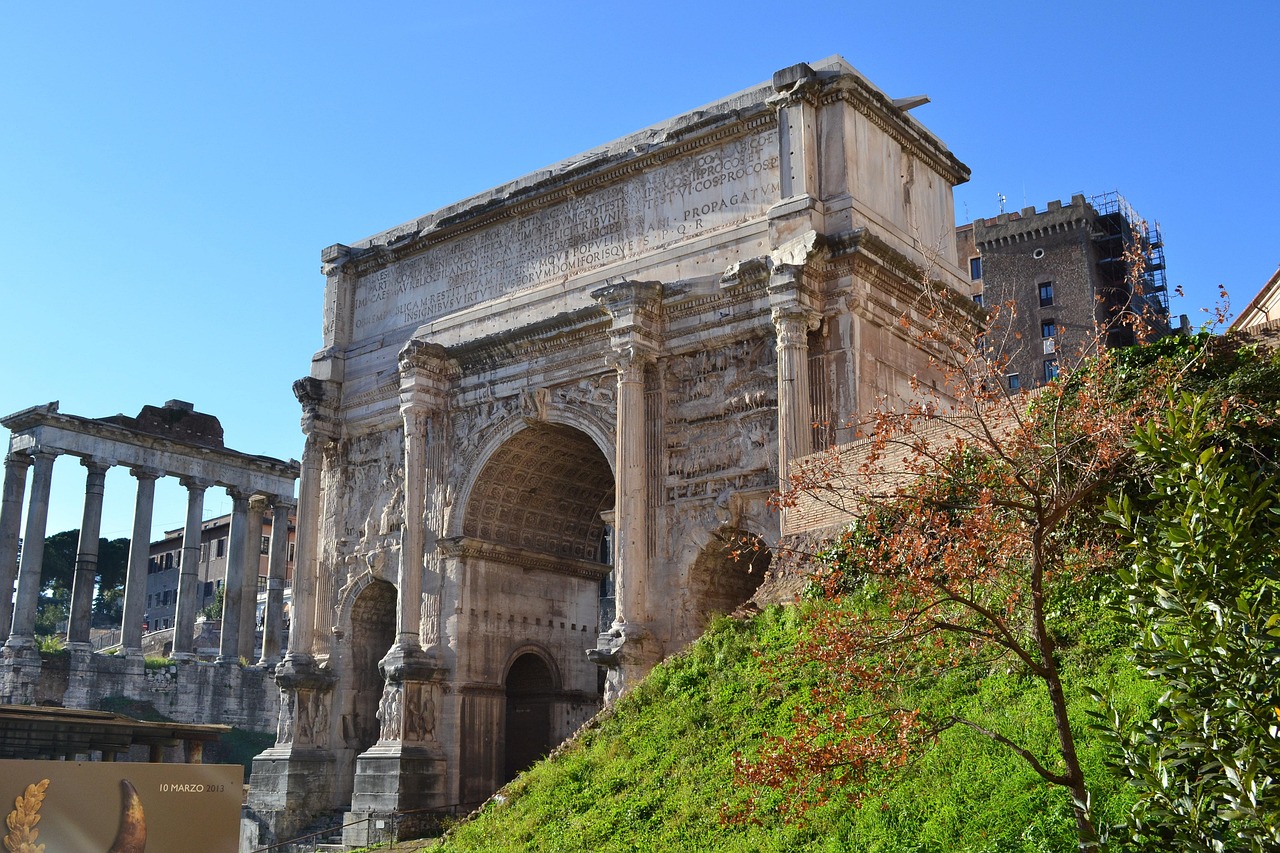
History of the Roman Forum from marshland to empire, history of the Roman Forum in Rome, Italy, foro reconstruction
The history of the Roman Forum is easiest to love when it’s told as a clear storyline rather than a list of dates. This low valley began as marshland, later drained and channelled by the Cloaca Maxima, which enabled public life to gather here. By the 7th century, the space had become a true civic stage—busy, contested, and essential to Rome’s identity.
Locals often call it the foro, and that word is useful: it reminds you this wasn’t a ruin in its own time, but a working place with commerce, debate, and ceremony. On-site panels and a light-touch reconstruction can help you visualise what stood here in a century BC, yet no model captures the noise and movement. Your best tool is imagination—build a “before and after” in your mind as you walk the stones.
Foro reconstruction and “before/after” thinking – using a depiction without losing the human scale
Maps and models show where a temple stood or how an arch framed a route, but they can flatten the human scale. Try a simple technique: pick one feature, study the depiction for 20 seconds, then look up and around to reinsert height, sunlight, and distance. A single reconstructed line in your mind can make the Roman Forum feel well-preserved in spirit, even when the stonework is fragmented.
As the Republic matured, power-brokering became a daily ritual here: speeches, alliances, and public judgment shaped Roman women and men alike, though not equally. Later, the Roman Empire used the forum as a theatre, a monumental building, a civic space for messaging, and an unmistakably imperial style of self-presentation. That polish didn’t erase earlier layers; it built on them.
Roman history from Republic to Middle Ages: how the forum became a palimpsest.
Watch for three layers: Republican pragmatism, the Roman Empire’s showmanship, and the Middle Ages, when stone was reused, and weather did its quiet work. A temple could be stripped of its materials; a basilica could collapse and still remain a landmark. This is how the forum became a palimpsest—time written over itself in ancient times and beyond.
To keep the story human, imagine criminal trials drawing a crowd, triumphal processions cutting a bold line through the dust, and the daily rhythm of officials passing messages through the centre. Even the decision to deify a leader could begin as a conversation and end as architecture—grandeur built from ordinary days. This is Roman history you can feel underfoot, not just read about.
An expert cue as you explore: look closely at colour and texture. Original marble often has softer wear and subtle staining; restored sections can look cleaner, with sharper edges. And please don’t touch fragile surfaces—care is part of preservation, and it’s one of the most respectful ways to travel.
A walking route through the forum – Via Sacra temples, arch landmarks, and basilica highlights
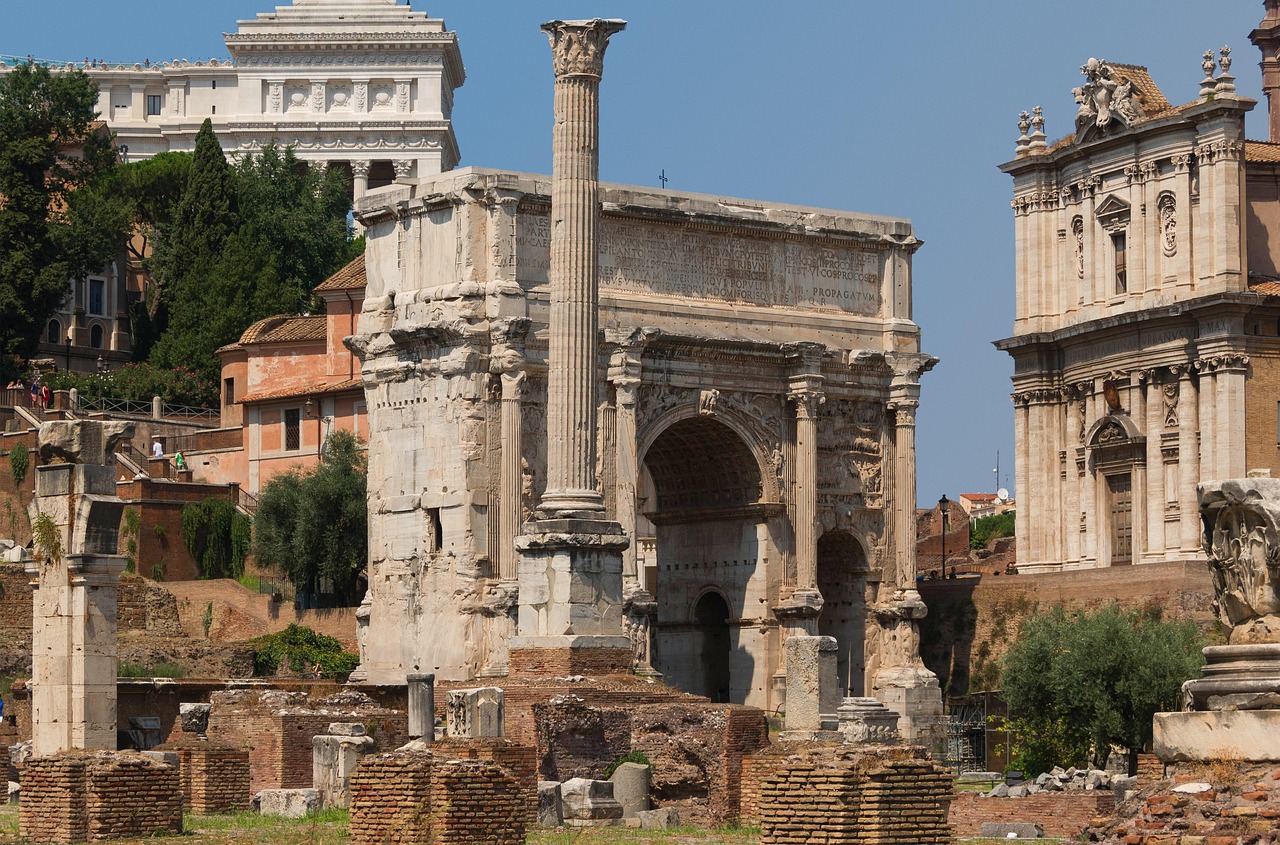
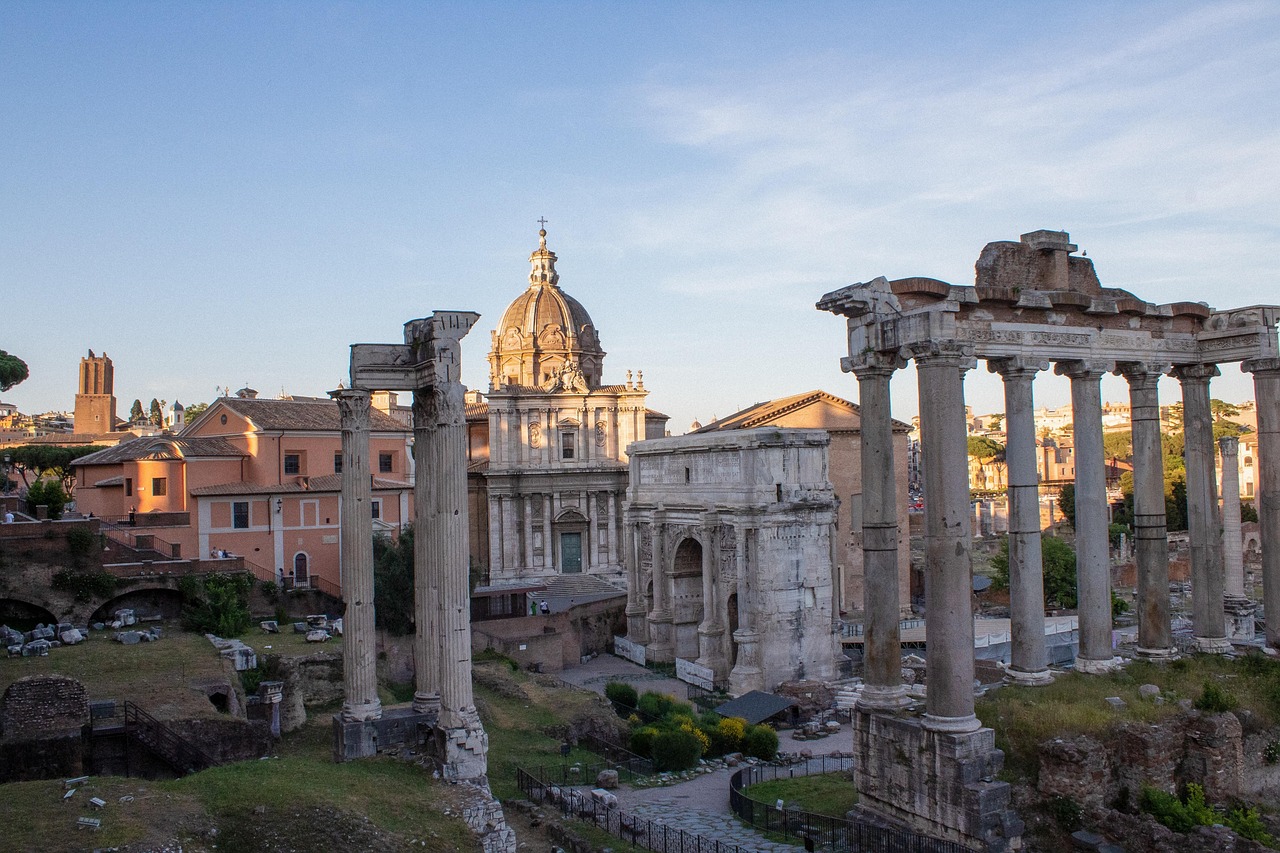
A walking route through the Forum’s temples, arches, and basilicas. Forum walking route, Rome, Italy: Via Sacra temples, arches
If you want a confident, high-comfort day, follow a Forum walking route Rome Italy travellers love: trace the Via Sacra, pause often, and let meaning guide your stops. The forum rewards a steady pace—fast enough to feel adventurous, slow enough to notice small details in stone and shadow. This route works beautifully solo, and even better together when you agree on a few photo pauses in advance.
Via Sacra through the Roman Forum – Temple of Saturn, Temple of Vesta, and the shrine of the Vestals
Begin with the Via Sacra as your backbone, and treat side paths like optional discoveries rather than obligations. One of the most evocative early stops is the Temple of Saturn (Temple of Saturn), where Rome’s financial life once anchored the forum’s practical power. Nearby, the Temple of Vesta (Temple of Vesta) and the round lines of its sanctuary offer a softer counterpoint to political stone.
Here, the goddess Vesta was honoured through the sacred flame, tended by the Vestal Virgins—Roman women who took vows of chastity as part of their service. If you can, slip towards the House of the Vestal Virgins to feel the forum’s domestic and religious textures side-by-side, almost like a private palace courtyard in miniature. Look for traces of fresco and garden space near the small shrine areas; it’s a quieter kind of insight.
As you continue, notice how religion and politics intertwine. These sacred buildings weren’t only devoted; they were public statements of legitimacy. Even the Temple of Castor and Pollux (Castor and Pollux) speaks to identity—myth, victory, and civic pride held together in one place.
Arch and basilica moments – Arch of Septimius Severus, Curia Julia, and Caesar’s legacy
For signature drama, pause at the Arch of Septimius Severus (Arch of Septimius Severus), where Emperor Septimius Severus (Septimius Severus) commemorated victories at a scale designed to impress. If you look closely, you’ll see the story includes Geta—his name literally altered after political disgrace—proof that even monuments were edited. This is where a single arch can feel like a whole lesson in power.
Keep going towards the civic giants. The Basilica of Maxentius (Basilica of Maxentius) still reads as an engineering ambition, and it helps you understand what “basilica” meant before it became a church word: a vast public hall for administration and commerce. Stand where you can see the vaulting remains and imagine the basilica as it was in AD, when it was new, bright, and full of echoing footsteps—an unforgettable slice of ancient history.
Nearby, the Curia Julia (Curia Julia)—your essential senate house stop—brings you face-to-face with decision-making in Rome. Julius Caesar (Julius Caesar) is never far from this space; even after his death, Caesar’s imprint shaped how leaders exercised authority in an ancient Roman state. Luca, a local historian we trust, often meets visitors here and shares everyday-life details: what senators wore, how messages moved, and how boredom and ambition could sit in the same room. That local voice makes the forum personal.
To end your route with a clean emotional marker, aim for the Arch of Titus (Arch of Titus) as a powerful punctuation point. Then take a slow breath: you’ve walked a spine of antiquity without rushing the experience.
- Photographing stone textures works best in angled morning or late-afternoon light.
- Choose one highlight to linger at, rather than racing through every nameplate.
- Plan a short rest near shade—your focus improves immediately.
- Ask your guide about restoration versus original blocks if you’re on a guided tour.
Roman Forum and Palatine Hill – how to link the Forum, Capitoline Hill views, and the Colosseum
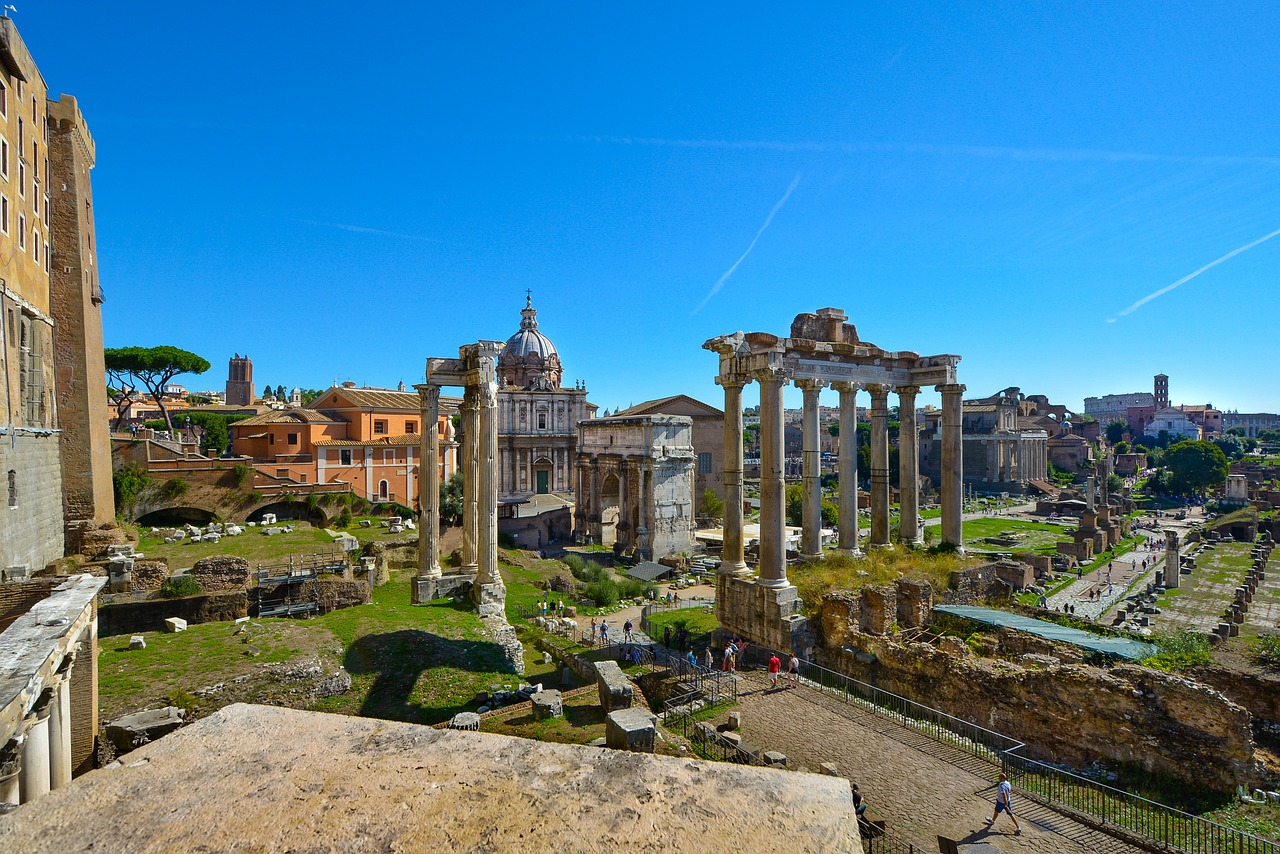
Roman Forum and Palatine Hill, as well as the Colosseum route that connects them in Rome, Italy
When travellers talk about a “big day” in Rome, they often mean the Roman Forum and Palatine Hill with the Colosseum nearby—and for good reason. The forum is the public stage; Palatine is the elevated home of power, where you feel distance, control, and sweeping perspective. Linking them on foot makes the experience seamless, like a story that naturally rises to its climax.
Palatine Hill viewpoints and Palatine myth – panoramic perspectives according to legend
For adventurers, Palatine Hill offers reward-by-effort: panoramic views that justify every step. Time your climb for softer light, and you’ll capture layers—forum stones below, domes beyond, and cypress silhouettes framing your photographs. According to legend, Romulus founded Rome here, and that myth thread adds meaning to the climb even if you approach it with a modern lens.
It helps to place what you’re seeing within the seven hills of Rome. The Palatine and Capitoline hills sit close together, creating a natural dialogue between political power and civic identity; a brief glance at Capitoline Hill (Capitoline) helps you orient your mental map. From some paths, you can also spot the long sweep of Circus Maximus—another reminder of how tightly this landscape is stitched together.
If you enjoy context, look for traces of an imperial residence and the sense of a once-private palace world on the Palatine. It’s also a good place to think about Emperor Augustus, whose era reshaped the city’s image and memory.
Colosseum sequencing and Via di San Gregorio – Colosseo shortcuts and a smooth day plan
Because timed entry often anchors your day, sequence the Colosseum first if your reservation is early, then flow into the Roman Forum and climb to Palatine Hill afterwards. If your Colosseum slot is later, reverse it: begin in the forum while it’s quieter, then head towards the Colosseum with purpose. Either way, try to avoid backtracking along Via dei Fori Imperiali more than once, and consider the calmer edge of Via di San Gregorio for a smoother walk between viewpoints.
If you have the stamina, continue towards Piazza Venezia and the Colosseum in one photogenic line—piazza venezia and the colosseum make a striking contrast of eras in a single afternoon. Pop up to the Altar of the Fatherland for a panoramic city view, then return to the stones with fresh eyes. Seeing the Roman Forum, the Colosseum, and Palatine Hill in one day is intense, but the shift from antiquity to the modern city is part of what makes Rome feel emotionally complete.
For safety and comfort on Palatine paths, choose shoes with grip, pause in shade, and keep your pace steady. Hydration matters more than people admit, especially on warm days when excitement makes you forget basic needs. Moving with confidence is its own kind of luxury—quiet, self-assured, and deeply enjoyable.
F.A.Qs: Roman Forum and Palatine Hill
What is the Roman Forum famous for?
The Roman Forum is famous for being the political, religious, and social heart of Ancient Rome, where public spaces, temples, and civic buildings framed daily life. Today, it’s treasured for its atmospheric fragments, the Via Sacra, and landmark stops such as the Curia Julia, which help you picture how Ancient Romans governed and debated.
Is the Forum in Rome worth visiting?
Yes—especially if you enjoy culture with a sense of adventure. The forum is an open-air archaeological park with layered stories and standout sights like the Temple of Saturn and the House of the Vestal Virgins. Arrive early for quieter paths, and consider a guide for a richer context and a smoother route.
What’s the difference between Forum and Colosseum?
The forum was the civic centre, where politics, religion, administration, and criminal trials unfolded among temples and basilicas. The Colosseum was an entertainment arena built for spectacles and crowds, including gladiatorial events. Visiting both is the best pairing: the forum explains how Rome functioned, while the Colosseum shows how it displayed power publicly.
Is there a dress code for the Forum in Rome?
There’s no strict dress code for the forum itself, but practical choices matter: comfortable shoes, sun protection, and a light layer for changing temperatures. If you plan to visit nearby churches the same day, dress modestly with your shoulders covered. A respectful approach—no touching fragile surfaces and staying within open areas—helps preserve this archaeological park for future visitors.
What stayed with us after the forum in Rome – reflections on ruins, antiquity, and the feeling of time
In the end, what lingers from the Roman Forum isn’t a perfect memory of every name, but a shift in how you hold time. On a guided night tour, the forum changes character: illuminated stones soften into a story, and the air feels cooler, almost intimate. James, an adventure seeker, described his exhilaration at twilight as an expert brought senators and gladiatorial echoes close enough to feel—suddenly—the scale of ambition and risk in the Roman Empire.
Then there’s the quieter counterpoint that stays just as vividly. Maria’s dawn hush returns in memory like a private gift, and Anna told us about savouring gelato in a quiet corner near the forum, watching modern life pass while antiquity sat calmly beside it. In that small pause, she felt tenderness as well as grandeur—history not as a performance, but as a companion.
Luca’s warmth also stays with people. Facts become trust when a local voice shares them with care, because you sense the forum is not only a monument but part of someone’s daily relationship with their city. The interesting history is often delivered in a simple anecdote: where people waited, what they feared, how they celebrated a triumph, and how they found shade.
Leaving, you may notice dust on your shoes and a steadier calm in your thoughts. The forum doesn’t demand you become an expert; it simply invites you to look longer, imagine more generously, and carry that insight back into everyday life. And if you return, you may notice new details—an ancient Roman inscription, a restored corner, or the way the light lands on a single stone.
If you’re ready to design a crafted, seamless Italy itinerary beyond this ancient site, browse our Trip gallery for inspiration.