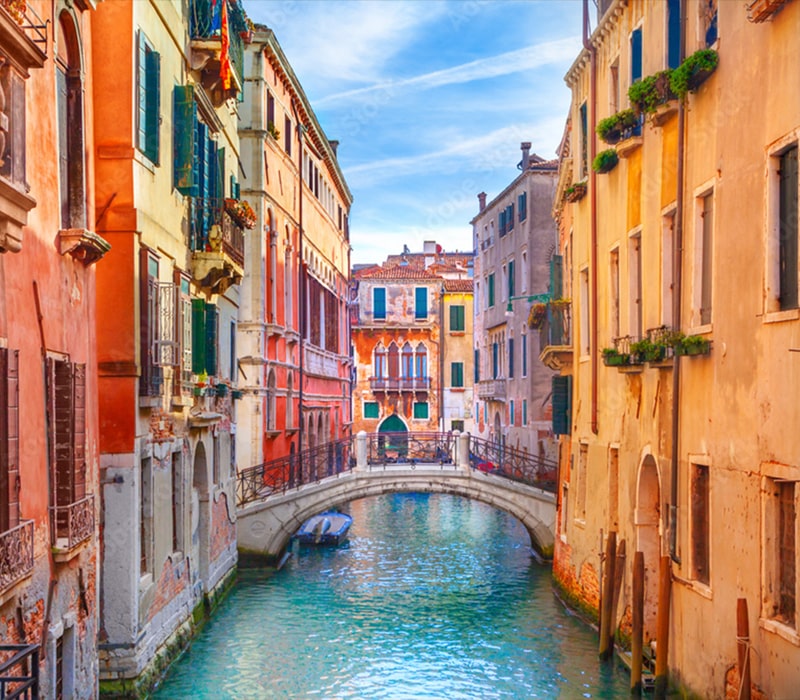
Post Contents
- Naples, Italy sights: Naples travel guide to the best things to do in Naples (guide to the best places)
- Attractions in Naples: an elegant orientation tour of Naples city centre (top attractions, calmly)
- Historic centre of Naples: Spaccanapoli and via dei Tribunali strolls to explore Naples
- Naples Archaeological Museum: archaeological museum highlights and Roman cities in mosaic
- Underground Naples: a guided tour with Napoli Sotterranea to uncover another city
- Castel dell Ovo: a waterfront landmark with Bay of Naples views
- Royal Palace of Naples: Piazza del Plebiscito glamour, royal palace calm
- Teatro di San Carlo: luxury opera night and one of the oldest performance landmarks
- Neapolitan cuisine: private Neapolitan pizza class in Naples and sunset dining
- Mount Vesuvius day trip from Naples: visit Pompeii and Herculaneum beyond the city
- F.A.Qs: Naples, Italy sights (quick answers)
- What stays with you: Naples luxury travel reflections after exploring the city
Naples, Italy sights: Naples travel guide to the best things to do in Naples (guide to the best places)

Naples, Italy, sights on your first day – an unhurried, design-led start
Think of this Naples travel guide as a way to plan Naples, Italy, sights around the city, not just ticking boxes. The best things often happen when you leave breathing space for a balcony view, a conversation with a local, or a museum room that holds you longer than expected. For high-end travellers, the goal is simple: curated choices, seamless logistics, and personal moments that feel yours genuinely in this fascinating city.
Start by choosing a pace that matches your style—one anchor attraction, one neighbourhood to wander, and one dinner worth dressing for. Naples is a major city, and it rewards travellers who create a gentle structure and then let the day soften around it.
Time to visit Naples for style, comfort, and calm
The best time to visit Naples is spring (April to June) or early autumn (September to October), when the light is kind, the air is mild, and terraces feel inviting. If you can, avoid the busiest weekends; midweek arrivals often deliver a quieter, more exclusive rhythm. It’s a small decision that adds a surprising sense of care to the whole experience.
Arrivals made seamless in Napoli
Arrive via Naples International Airport and book a private transfer or luxury car service to your hotel—this is one of the easiest ways to begin with confidence. Taxis have their place for short hops, while Uber is less common than in other cities, so it helps to lean on concierge support or pre-arranged drivers. Once you’re settled, much of the centre is best explored on foot, with a guided walking tour on day one if you want extra trust and local insight in Napoli.
For practical clarity, expect entrance fees for key sights: the Naples Archaeological Museum is typically around €15, while Teatro di San Carlo tickets vary widely by performance and seat. The waterfront fortress is free to wander, though tours are available for deeper storytelling and to avoid crowds.
- Reserve ahead for the archaeological museum (timed entry), performance nights, and any private class or guided tour.
- Keep day one light: check-in, a waterfront stroll, and a single cultural highlight.
- Plan to visit one “hero” dinner spot—Naples is at its most reassuring when your evening is already crafted.
If you’re spending three days in Naples, a balanced framework works beautifully: day one in downtown Naples for culture, day two along the waterfront for views of the bay, and day three as a day trip outside the city. For a quick planning cue, days in Naples feel most generous when you keep one afternoon unscheduled for espresso, shopping, and simply to see Naples at street level. For inspiration beyond this guide, you can browse our Trip gallery and imagine how Naples can sit within a larger Italy journey.




Attractions in Naples: an elegant orientation tour of Naples city centre (top attractions, calmly)

A refined overview of attractions in Naples – a panoramic orientation across the city
For first-time visitors, a luxury orientation begins with building a calm mental map of the Naples city experience. Think in three simple layers: the historic core (dense, textured, unforgettable), the waterfront (light, air, and promenades), and the hilltop viewpoints (for perspective and pause). When you know where you are, exploring the city feels more relaxed—and every landmark becomes easier to fit into your day.
A thoughtful tour of Naples doesn’t overwhelm; it edits. A good local expert will tailor routes to your interests, avoid unnecessary friction, and share folklore in a way that feels warm rather than performative—helping you discover the best corners without rushing past them.
Where to stay for design-led comfort near the centre of Naples
If you want to step straight into the historic lanes, choose a refined base near the centre of Naples so mornings begin with coffee and church bells rather than a commute. If you prefer sea air, a sea-view address near the promenade can feel restorative, especially after a museum afternoon. Either way, a hotel with strong concierge support makes everything more seamless—from restaurant bookings to vetted drivers—especially around the city centre.
Safety, etiquette, and trust while you explore Naples
Safety is generally good in tourist areas, yet it’s wise to remain vigilant in crowded spots and avoid poorly lit streets at night. Greetings are typically a handshake or a light kiss on both cheeks, and elegant dress codes are appreciated for upscale dining. Tipping around 10% in restaurants is customary when service isn’t already included.
For extra reassurance, choose licensed guides and well-reviewed operators; it’s a simple way to protect your time and create togetherness-friendly days, whether you’re travelling as a couple, solo, or with family. If you’d like a different perspective, consider a short ride up to Vomero hill for views and a calmer pace before returning to the city’s energy.
Historic centre of Naples: Spaccanapoli and via dei Tribunali strolls to explore Naples
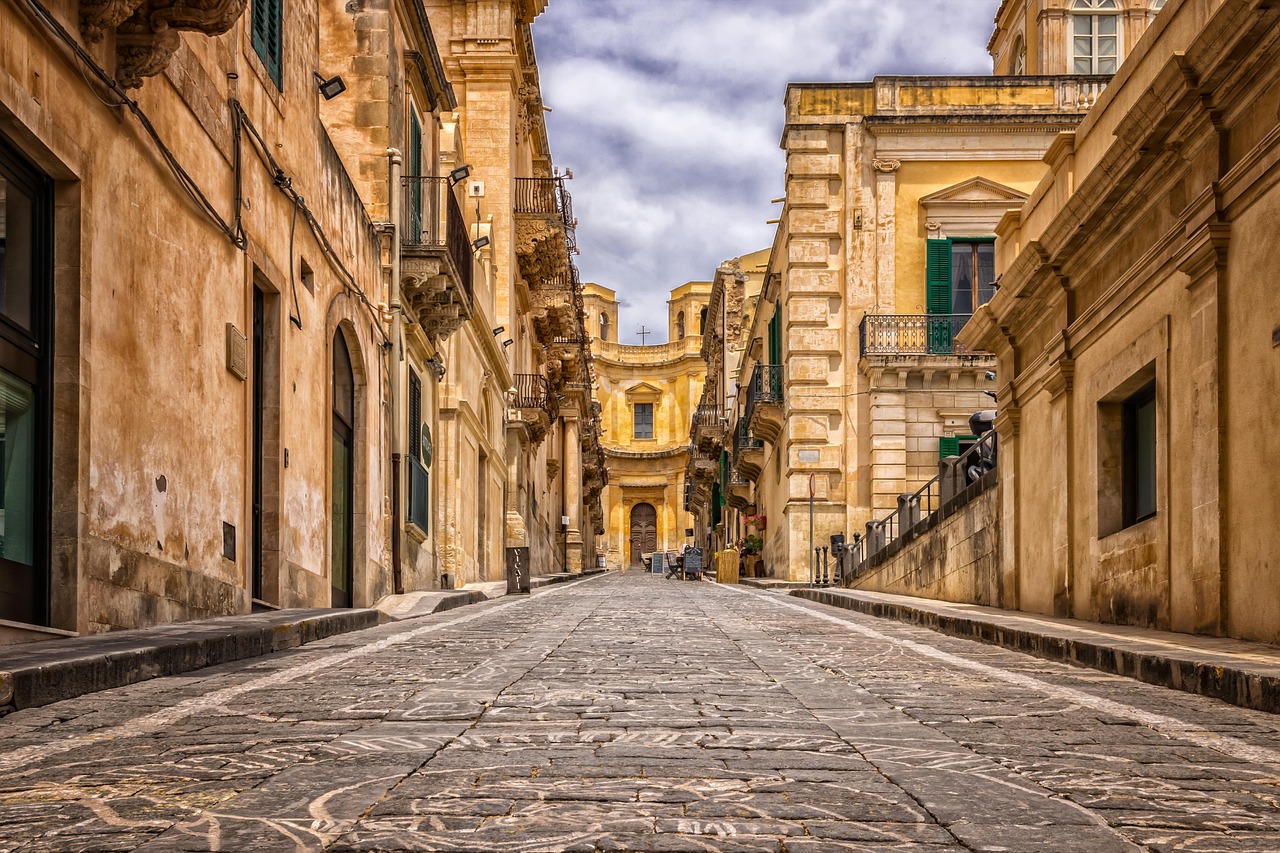
Historic centre of Naples and Spaccanapoli – the city’s living stage
The historic centre of Naples, walking along Spaccanapoli and via dei tribunali, is one of the best ways to experience Naples with fresh eyes. As a unesco world heritage site, the historic center isn’t a preserved museum-piece; it’s a living stage where laundry lines, artisan workshops, and baroque doorways share the same frame. This is a place in Naples where you can meet “real” Napoli with both curiosity and confidence.
Begin along spaccanapoli and let it guide you like a line drawn through the city’s story. You’ll notice carved stone portals, tiny shrines, and the rhythm of via dei tribunali—busy, beautiful, and best enjoyed with a little spatial awareness.
Spaccanapoli details, artisan corners, and pickpocket care
Walk with intention: look up for balconies and faded frescoes, then down into shop windows where craftsmanship still matters. In the busiest lanes, keep your bag secure and your phone tucked away; it’s not about fear, just sensible care in a lively setting. If you’re travelling with an expert guide, you’ll gain insight without losing the joy of wandering.
- Early morning brings quiet streets and soft light for photography.
- Late afternoon delivers golden tones that make stone and stucco glow.
- Choose one artisan stop—perhaps nativity figures on Via San Gregorio Armeno—rather than chasing endless lists.
Quartieri Spagnoli (Spanish Quarter) and sacred stops in the heart of Naples
A detour into the Spanish quarter and quartieri spagnoli adds grit-and-glam character: street photography, small ateliers, and quick espresso rituals that feel wonderfully local. For sacred Naples, pause at Naples Cathedral and listen for the story of San Gennaro, the patron saint of Naples, whose presence is woven into civic identity with surprising tenderness.
If you have time for one more artistic hush, consider the veiled Christ in the Cappella Sansevero—an intimate, sculptural moment that stays with you long after you step back into the street.
Naples Archaeological Museum: archaeological museum highlights and Roman cities in mosaic
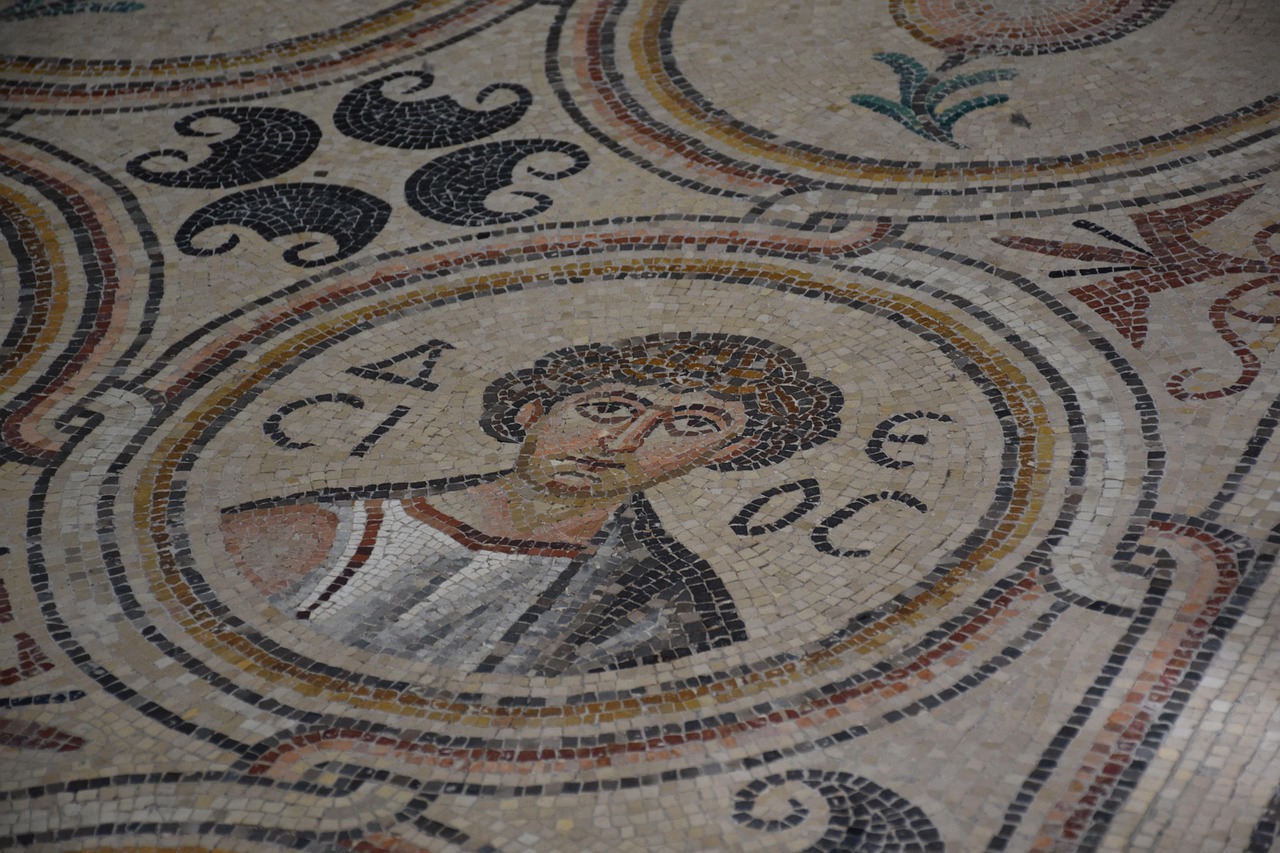
Naples Archaeological Museum – Roman cities in mosaic and a deep-dive cultural attraction
The Naples Archaeological Museum highlights are essential for anyone drawn to ancient sites and storytelling depth. This is one of the city’s true top attractions, where Roman artefacts, frescoes, and preserved mosaics connect directly to Pompeii and Herculaneum—yet the museum itself never feels like a mere prelude. Give it time, and it becomes a private conversation with history.
An art enthusiast once told us they felt unexpectedly emotional here: standing before the Pompeii mosaics, they could almost hear the everyday life behind the scenes—feet on stone, laughter in courtyards, the human scale of the ancient world. It’s a reminder to slow down and let beauty arrive in layers as you move through the heart of Naples.
Practical luxury pacing for the museum: guided tour options that feel curated
Book timed entry if available, and consider a private guide for a curated route—especially if you value context over quantity. A well-designed visit might be a focused 90-minute highlights walk, or a deeper half-day immersion with breaks. Either way, plan a pause: a quiet bench, a bottle of water, and a moment to absorb what you’ve uncovered.
Why the museum enriches a later plan to visit Pompeii
If you plan to visit Pompeii later, the museum gives you the “why” behind what you’ll see on site: iconography, domestic details, and artistic techniques that weather and time can blur outdoors. It also helps the story of Roman cities feel continuous rather than fragmented—especially meaningful for travellers who want narrative, not just photographs.
Afterwards, pair your visit with a refined lunch reservation nearby, then stroll gently back towards the city’s main arteries for an unhurried afternoon. A quiet meal is sometimes the most luxurious part of a cultural day.
Underground Naples: a guided tour with Napoli Sotterranea to uncover another city
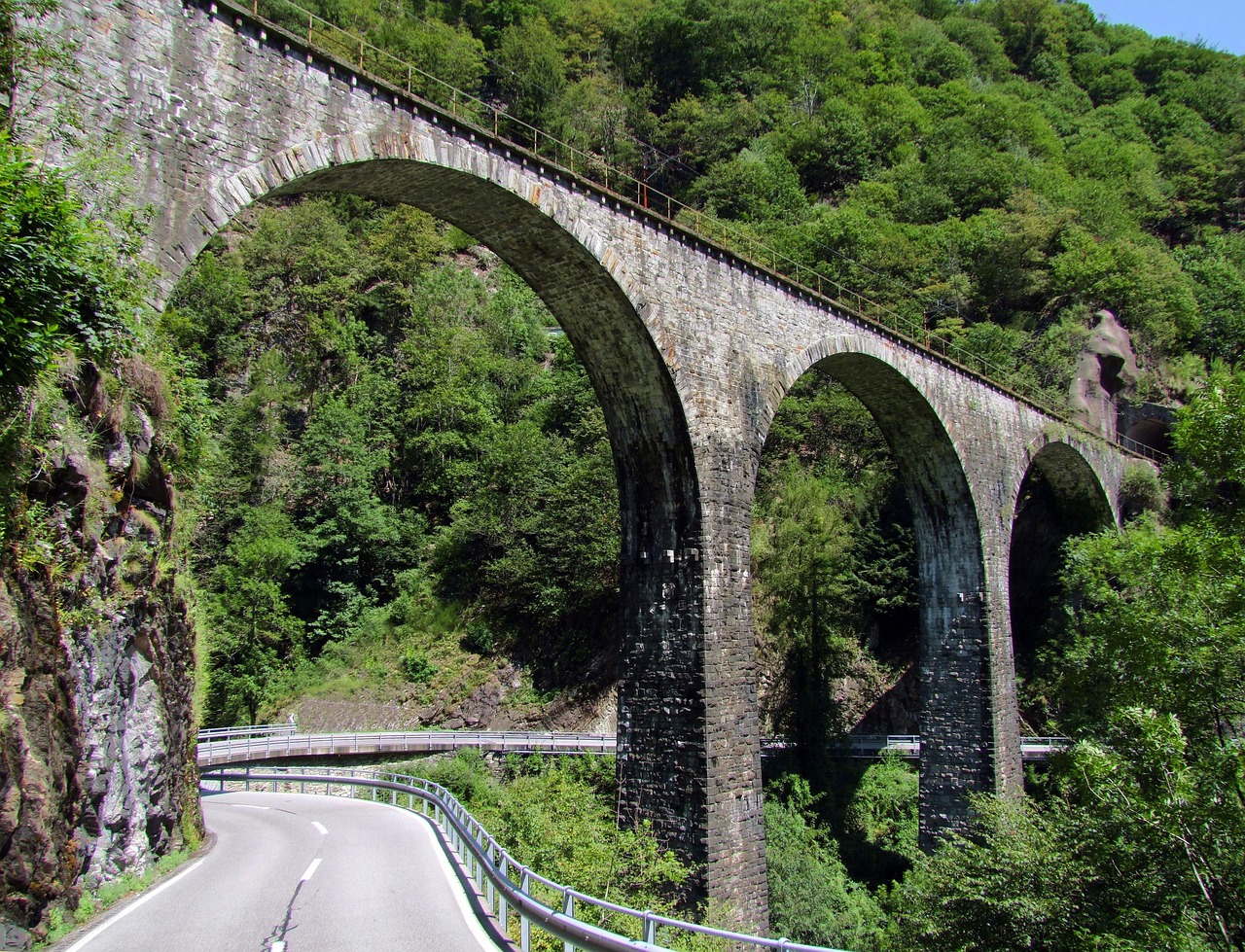
Underground Naples with Napoli Sotterranea – ancient tunnels beneath the streets
Underground Naples, with Napoli Sotterranea, reveals a second world beneath the streets—ancient Greek and Roman tunnels, caverns, and layered engineering that feels both intimate and cinematic. This attraction can be surprisingly moving: you’re not just looking at history, you’re walking through it, step by step, below the surface.
For comfort and storytelling, we recommend an exclusive guided tour in a small group or privately. The right guide brings support and steadiness, especially if you’re travelling solo or with family members who prefer a calmer pace.
Folklore and quiet courage in Napoli Sotterranea
A solo traveller once described their visit as “mystery without menace”. Their local expert shared captivating folklore—stories that made the shadows feel like theatre, not threat—and the traveller left with more confidence than they expected. It’s proof that the right human touch can transform a space.
Practical notes for a seamless underground visit
Wear shoes with grip and bring a light layer; temperatures can drop below ground level. Accessibility varies by route, so confirm details before you book, and choose a time slot that suits your energy levels. Pre-booked entry keeps the experience crafted and avoids unnecessary waiting.
- After your tour, decompress in a quiet café with espresso and something sweet.
- Look for hidden gems nearby: small workshops and artisan studios that feel untouched by rush.
- Keep the rest of the day light; underground walking can be more tiring than it sounds.
Castel dell Ovo: a waterfront landmark with Bay of Naples views
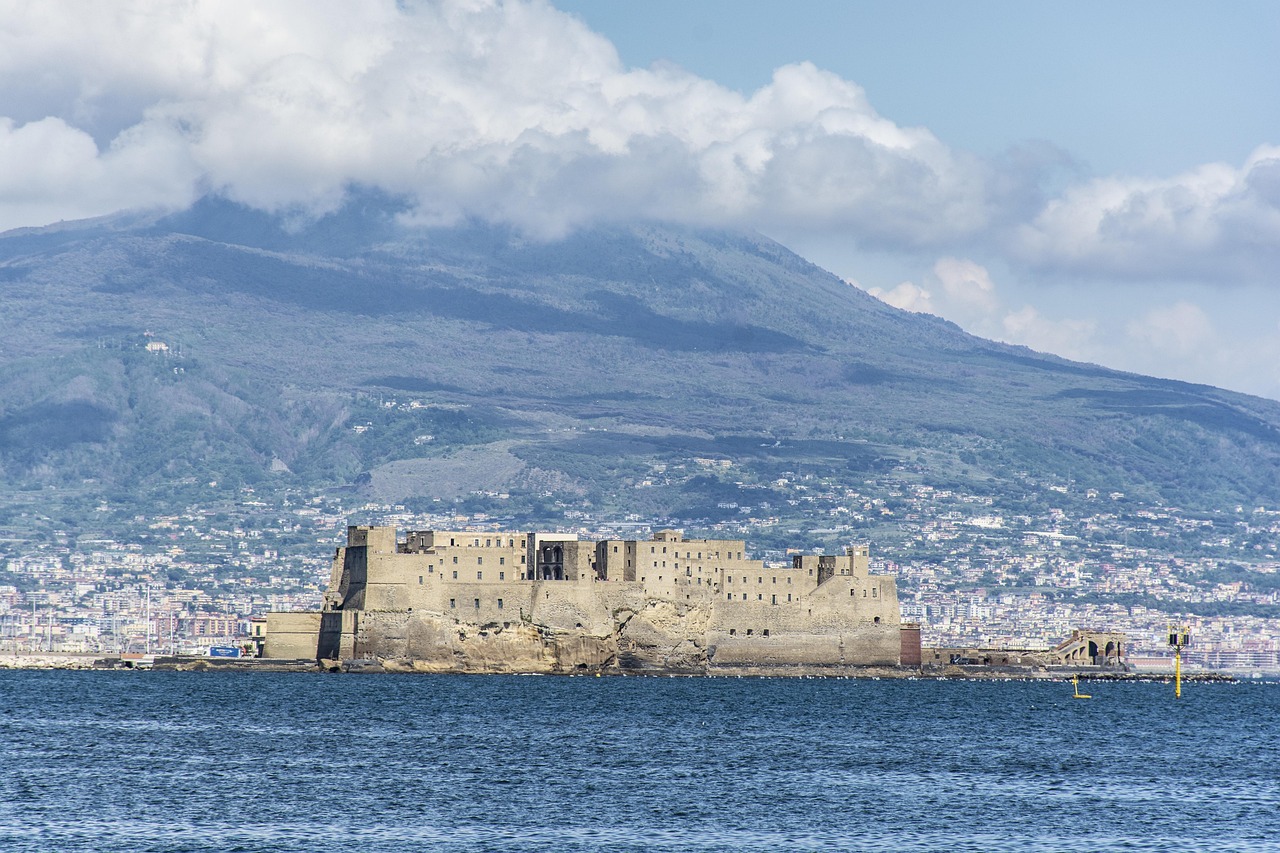
Castel dell Ovo – a timeless waterfront walk at golden hour
The views here are the kind that make you pause mid-sentence. This seaside fortress is the oldest standing fortification in naples, and it remains a quietly cinematic waterfront landmark for a slow walk with sea air and open sky. Arrive with time to linger; this is where the Gulf of Naples light seems to soften everything.
A refined plan is simple: come close to golden hour, stroll the causeway, and let the city fade behind you. On calm days, a short boat tour can add a fresh angle—Naples from the water feels elegant, spacious, and restorative.
A private evening on the terraces and the bay, and Mount Vesuvius glows
A honeymoon couple once shared a magical private evening visit here, culminating in a personalised wine tasting on the terraces. The atmosphere felt exclusive and almost suspended in time, with the bay and Mount Vesuvius glowing in the distance. It’s the sort of moment you can’t manufacture, yet you can create the conditions for it: the right timing, the right guide, and a little intention.
Practical clarity: when a guided tour adds value
The surrounding area is free to walk, but a guided tour can add depth, fewer crowds, and access to details you might otherwise miss. If photography matters to you, ask your guide to time the visit for the best light and the calmest flow of people.
Let the experience be sensory: salt in the air, footsteps on stone, and the feeling of being held between city and sea. This is slow-luxury at its most natural.
Royal Palace of Naples: Piazza del Plebiscito glamour, royal palace calm
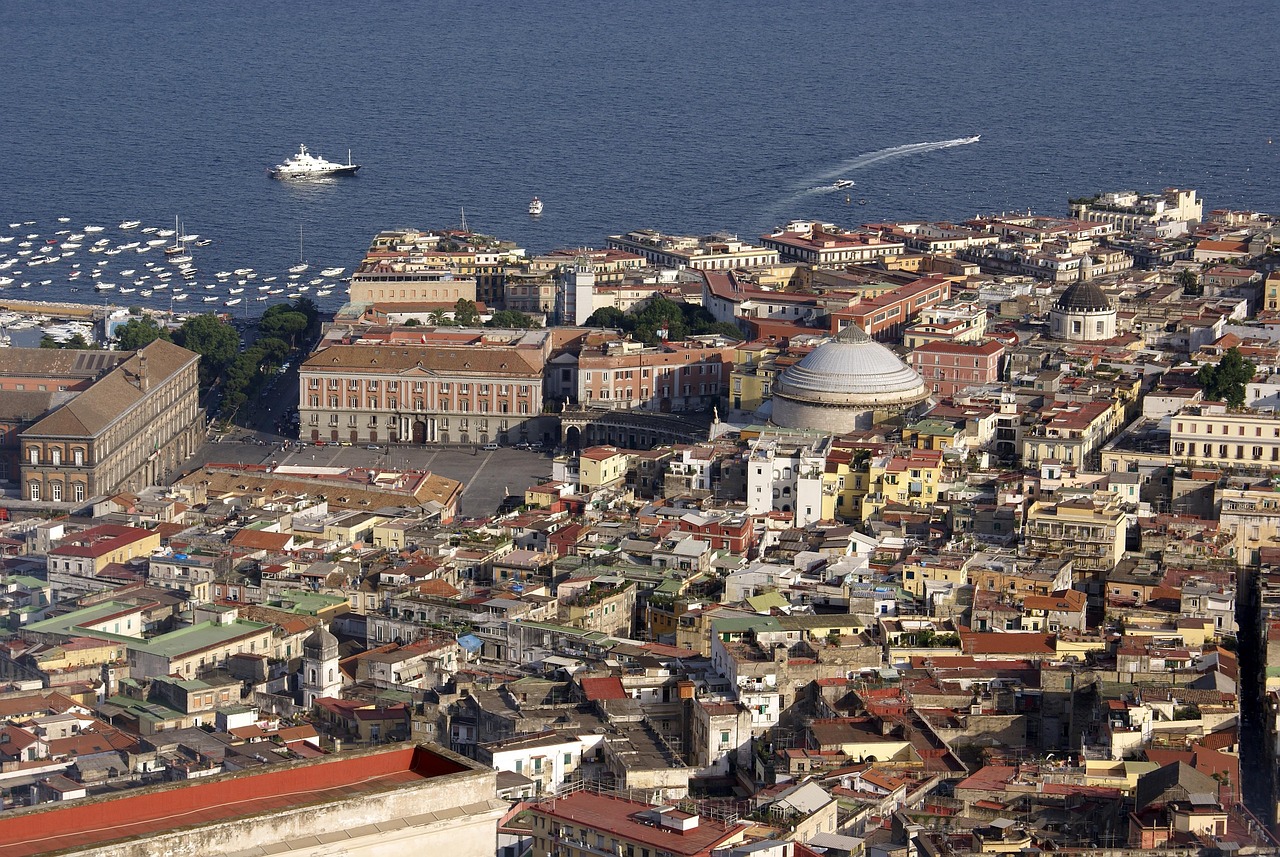
Royal Palace mornings at Piazza del Plebiscito – polished, elegant, and unhurried
Visits to Piazza del Plebiscito and the Royal Palace are perfect for a polished morning when you want elegance without intensity. The piazza is expansive and theatrical, yet it often feels calmer than the tighter lanes of the old town—an ideal reset for high-end pacing. It’s a gracious kind of attraction, designed for lingering steps and good shoes.
Step into the royal palace of Naples with a local expert, and the rooms begin to speak: ceremony, power, and the lived details of the kingdom of the Two Sicilies. This is where context turns gilding into meaning, and where “palace” becomes a story rather than a backdrop.
Royal palace interiors: symbols, courtly life, and the Two Sicilies story
A knowledgeable guide can point out the symbols that most visitors glide past—the way portraits shape legacy, or how a staircase choreographs arrival. It’s not about memorising dates; it’s about insight, and the way spaces were designed to influence emotion across the Two Sicilies.
Architectural pairings: San Francesco di Paola and Galleria Umberto
Pair the palace with San Francesco di Paola for symmetry and serenity, then drift to Galleria Umberto for a grand arcade moment—often compared with Galleria Vittoria Emanuele II in Milan. If you enjoy a well-timed aperitivo, choose a spot with attentive service and a view that lets you exhale.
- Booking cue: pre-book timed entries in peak seasons to keep the route seamless.
- Style note: an elegant dress is appreciated near cultural venues and refined dining rooms.
- Custom: tip discreetly, and greet staff warmly; it sets a tone of mutual respect.
Teatro di San Carlo: luxury opera night and one of the oldest performance landmarks

An opera-night highlight – craftsmanship, tradition, and quiet glamour
Planning an evening here is an invitation into craftsmanship, tradition, and quiet glamour. Teatro di San Carlo is one of the oldest working opera houses in the world, and stepping inside can feel like entering a jewel box built for attention. Even if you’re not an opera regular, the atmosphere has a way of drawing you in—an attraction where artistry feels close enough to touch.
For a seamless evening, book in advance and consider using the hotel concierge, especially on performance nights when the best seats sell out quickly. The aim is confidence: arrive composed, not rushed, and give yourself a few minutes to take in the room.
How to book with confidence and dress expectations
Choose seats based on what you value—acoustics, sightlines, or the romance of a classic box. Dress codes tend towards smart elegance; think tailored jackets, polished shoes, and a sense of occasion that matches the room. If you prefer not to plan alone, a trusted concierge can manage tickets, transport, and timings with ease.
Optional daytime tour: details to look for inside the theatre
A daytime visit can be deeply rewarding, especially with an expert who can explain the auditorium’s proportions and the story of the royal box. You’ll notice how every surface was designed to flatter sound and light, and you may find yourself unexpectedly moved by the continuity of performance across centuries. That’s the quiet emotional payoff: the feeling that beauty can endure, and you’re part of it for one evening.
Neapolitan cuisine: private Neapolitan pizza class in Naples and sunset dining
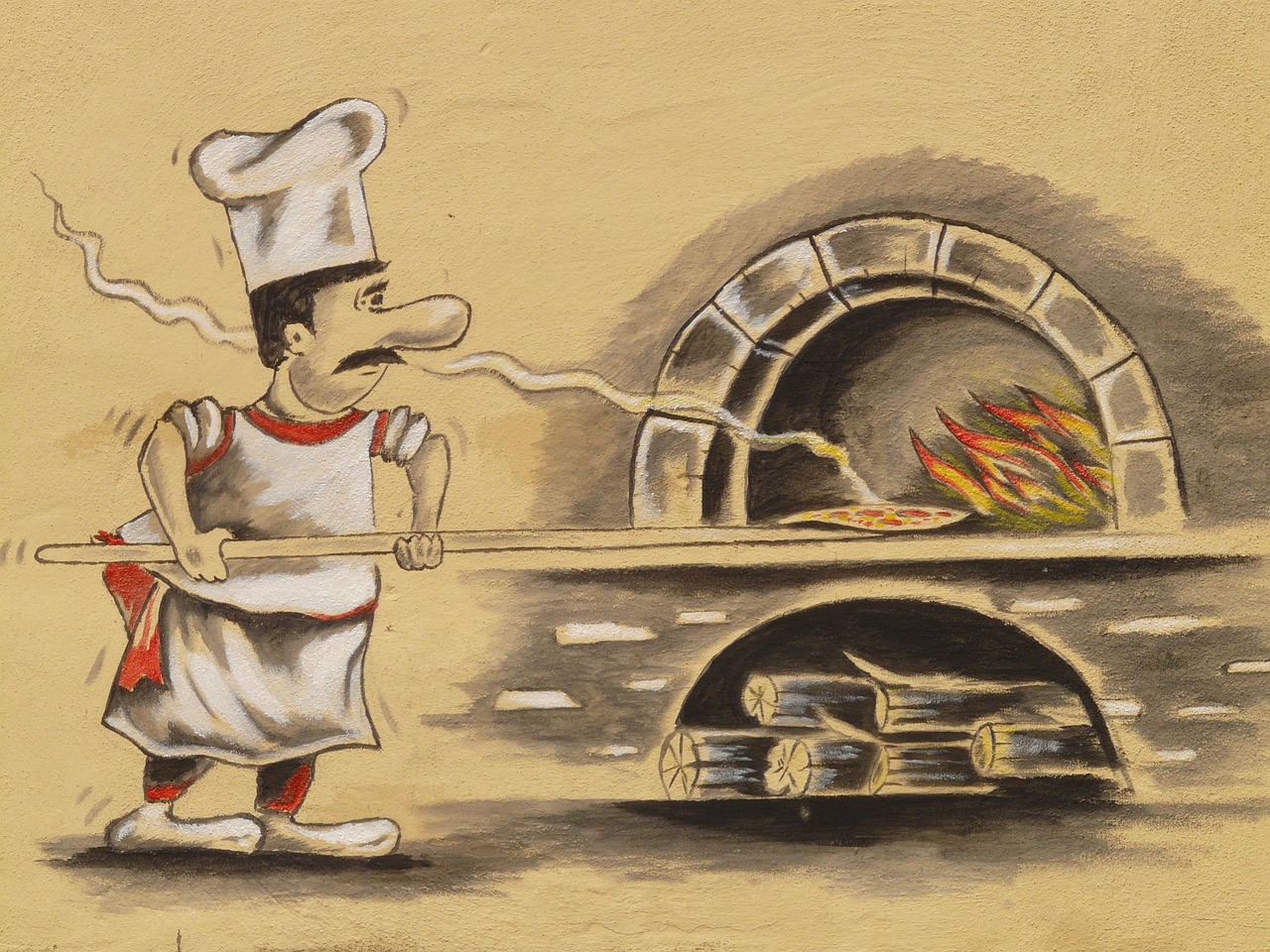
Neapolitan cuisine – a private pizza-making class with crafted flavour
Neapolitan cuisine is one of the most authentic ways to visit Naples, especially when experiences are guided with warmth and skill. Food here is heritage and daily life, from market stalls to espresso counters where everyone seems to have a favourite ritual. For high-end travellers, the difference is in the curation: you can explore confidently when someone local helps you choose well among attractions like bakeries, trattorias, and small wine bars.
A private gourmet pizza-making class led by a local chef offers hands-on joy without the chaos of big-group tourism. You’ll learn dough texture, oven timing, and the small decisions that turn good into exceptional—then sit down to taste what you’ve created together, with a glass chosen to match Italy’s regional flavours.
A private Neapolitan pizza class with a local chef
Look for a class that feels polished but not stiff: quality ingredients, thoughtful pacing, and the freedom to ask questions. It’s also a lovely option for families or couples, because it creates a shared memory that’s both playful and refined. If you’re seeking Neapolitan pizza with a deeper story, this is where confidence comes from: technique, context, and care.
A Michelin-starred sunset seafood dinner over the bay
One luxury traveller described a sunset seafood dinner at a Michelin-starred restaurant overlooking the water as “a perfect alignment of taste and light”. The flavours were exquisite, and the view held steady as dusk arrived—Vesuvius in the background, the city lowering its voice for the evening. Moments like that are why Italy’s great food cities matter: they remind you to notice what’s fleeting.
- Reservations: book sought-after restaurants well ahead, especially for terrace tables.
- Allergies: share preferences early; the best kitchens welcome clarity.
- Wine pairings: ask for local guidance—small producers often surprise with beautiful pairings.
Rather than chasing hype, trust a few expert recommendations and let the rest be discovered on foot. That’s often how the best meals find you—and what you’ll remember most.
Mount Vesuvius day trip from Naples: visit Pompeii and Herculaneum beyond the city

Mount Vesuvius day trips – ancient ruins and a refined escape from Naples
A Mount Vesuvius day trip from Naples works best when you choose one focus and keep the day refined. You can hike Mount Vesuvius, or devote yourself to ancient ruins—either Pompeii and Herculaneum combined, or one site with deeper attention. The most common mistake is trying to do everything; the most luxurious choice is editing.
The eruption of Mount Vesuvius shaped this region’s history in a single, devastating event, and Mount Vesuvius in 79 still frames how we understand daily Roman life. A knowledgeable guide turns those facts into human insight, so the day feels meaningful rather than heavy—and it helps you connect the landscape to the region’s most important historical sites.
Private driver-guide or full-day tour for seamless timing
For high-end travellers, a private driver-guide is often the difference between “busy” and seamless. It keeps timing under your control, reduces waiting, and offers support when the day gets hot. If you prefer a structured option, a full-day tour with a small group can also work well—just confirm pace, inclusions, and comfort standards in advance.
Outside the city pairings: a tour from Naples towards the Amalfi Coast
If you’re tempted by the sea, consider a separate tour from Naples towards the Amalfi Coast, which is one of the most beautiful coastal scenes in the world. It’s best as its own day rather than an add-on, so you’re not constantly watching the clock. Keeping these experiences distinct makes returning to Naples feel restorative.
- Footwear: choose supportive shoes for uneven stone and dust.
- Weather: carry water and sun protection; heat can build quickly near Vesuvius.
- Energy: Schedule a calm dinner after your return—your body will thank you.
F.A.Qs: Naples, Italy sights (quick answers)
What is a must-see in Naples, Italy?
A must-see is the National Archaeological Museum, where mosaics and Roman artefacts add real depth to everything you’ll later see at nearby ancient sites. For atmosphere, the historic centre of Naples and Spaccanapoli are unforgettable, and the waterfront at Castel dell’Ovo offers timeless views across the bay. If you enjoy culture, an evening at the opera house is a standout attraction.
What is Naples, Italy, best known for?
Naples is best known for its layered history, expressive street life, and exceptional Neapolitan food culture—especially Neapolitan pizza. It’s also a gateway to Vesuvius and the famous Roman ruins: visit Pompeii for its streets and frescoes, then return to the city for churches, underground tunnels, and a dramatic waterfront setting.
How many days in Naples is enough?
For most travellers, three days is enough to enjoy Naples at a comfortable, high-end pace: one day for the historic core, one for museums and the waterfront, and one day for a day trip to Mount Vesuvius or the ruins. If you’re adding the Amalfi Coast or want slower dining and shopping, four to five days can feel beautifully unhurried.
What is the prettiest town in Italy?
“Prettiest” depends on what moves you: coastal drama, quiet villages, or art cities. Many travellers love the cliffside beauty along the Amalfi Coast, while others prefer the elegance of lake towns or the romance of smaller hilltop places. If you’re based in Naples, a well-planned day on the coast can deliver that picture-perfect feeling without losing comfort.
What stays with you: Naples luxury travel reflections after exploring the city
What stays with you after Naples luxury travel is rarely a checklist of Naples landmarks. It’s the texture of the streets in the historic centre as the morning opens, and the hush of underground chambers where your own footsteps become the soundtrack. It’s the moment the sea turns silver at dusk, and the city seems to hold its breath for a second before returning to itself.
Often, it’s small acts of care: a waiter who notices your pace and brings courses gently, or a guide who shares a story with quiet pride and makes you feel safe to ask questions. In Naples, trust is not an abstract idea—the patron saint stories, the family businesses, and the craft traditions all add to that sense of steadiness.
And then there’s the way beauty appears in layers. You can uncover history and still hear scooters in the distance; you can admire old stone and still sense the life inside it. Naples lingers because it doesn’t ask to be perfected—only noticed, with curiosity and time.
Long after you’ve left, you may find yourself imagining a return, not to repeat the same route, but to find new angles, new flavours, and a few more quiet pauses you didn’t know you needed. If you’re making a shortlist of the best things, don’t miss the simple pleasure of slowing down and letting the city come to you.