Post Contents
- Lake Maggiore, Italy: a lakeside destination among the Italian Lakes.
- Visit the Borromean Islands on Lake Maggiore: Isola Bella ferry routes, terraces, and palace gardens
- Stresa and Verbania on Lake Maggiore: markets, festivals, and local culture in northern Italy
- Angera and Santa Caterina: Rocca views, cliff sanctuaries, and villas around Lake Maggiore
- Things to Do in Lake Maggiore: hiking, kayaking, sailing, and Mottarone adventures
- F.A.Qs: Lake Maggiore, Italy
- Lake Maggiore reflections: what stayed with us after this Italian lakes journey
Lake Maggiore, Italy: a lakeside destination among the Italian Lakes.
Lake Maggiore guide and overview: a scenic place to visit in the Italian Lake District
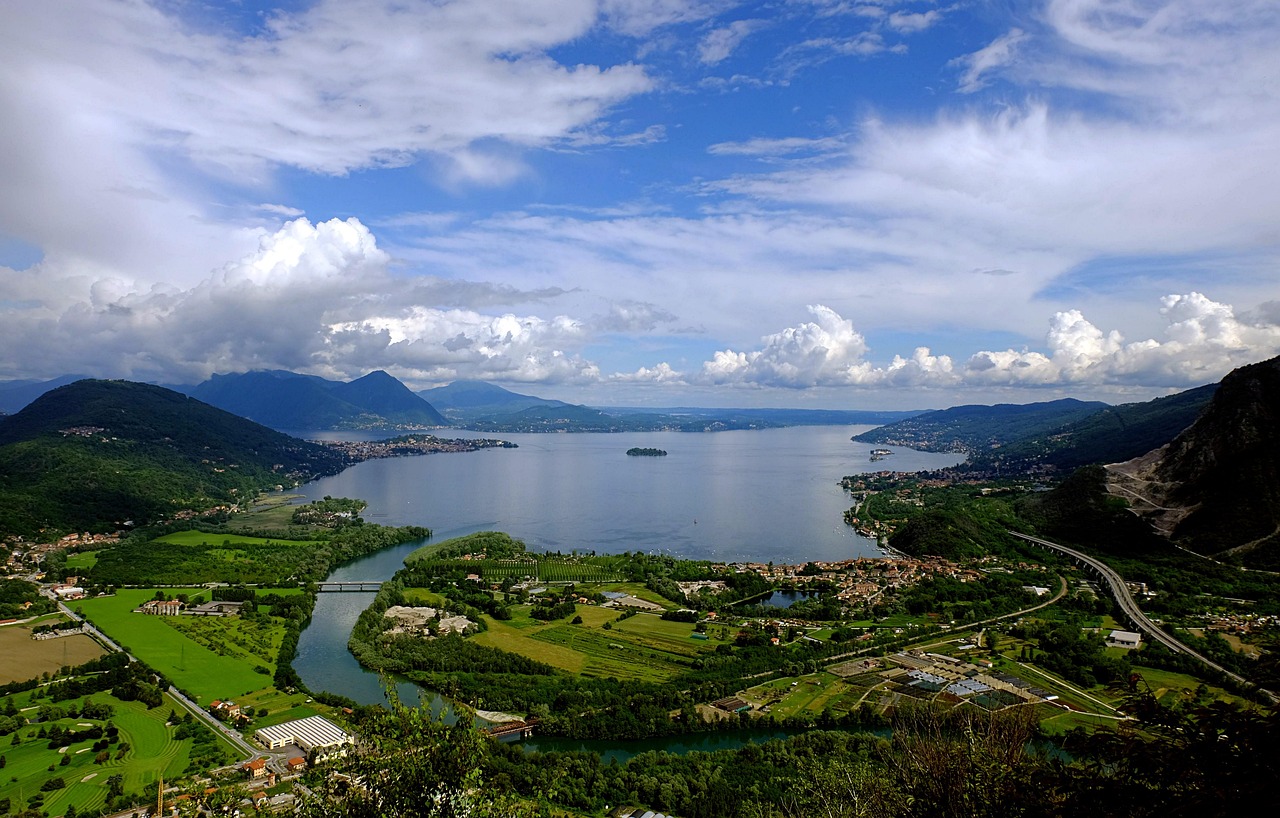
If you’re researching Lake Maggiore, Italy, this overview is a quick way to see why this destination is one of northern Italy’s most rewarding escapes for travellers who want both culture and momentum. Lake Maggiore is one where you can tour island palaces in the morning, then leave room for hiking, sailing, or a long lunch with local insight—without feeling rushed. It feels beautifully lived-in: elegant enough for luxury travel, yet outdoorsy enough to keep adventurous souls curious.
The geography is easy to grasp. The Piedmont shore is a classic launchpad for the islands and historic towns, while the Lombardy side of the lake brings cliffside sanctuaries and quieter bays. The eastern side of the lake adds day-trip variety, and the Italian side also makes it simple to add Switzerland to your itinerary without changing hotels.
Planning a trip with a base for exploring the area in Stresa and Verbania
For most travellers, the easiest rhythm is to choose one base for exploring and let the water routes connect everything. Stresa and Verbania are both reliable for transport and evenings that feel effortless; they also deliver those coveted views across Lake Maggiore from promenades and breakfast tables. Stresa leans “resort classic”, while Verbania feels more residential—both are useful for exploring with minimal logistics, especially if you’re deciding the best time to visit based on weather and ferry timetables.
Getting here is part of the calm. Fly into Milan Malpensa and continue by train or road toward the shoreline; from Malpensa Airport, transfers are straightforward and often faster than expected. If you’re arriving via Milan for a night or two first, aim for daylight travel, then let your accommodation arrange the final stretch so you arrive rested and ready to explore around the lake.
Why Lake Maggiore suits adventure seekers better than a single stereotype
It helps to know the mood of the neighbours. Lake Como can feel more polished and camera-ready, while Lake Garda is often sportier and busier in summer. This lake sits in a softer middle: a great Italian escape where you can discover serious history, then slip into a kayak at sunrise or take an unhurried hike—adventure with context, and culture with oxygen.
If you’d like inspiration for a crafted route that links the wider region, our Trip gallery is a gentle starting point for planning days that feel personal, not programmed.




Visit the Borromean Islands on Lake Maggiore: Isola Bella ferry routes, terraces, and palace gardens
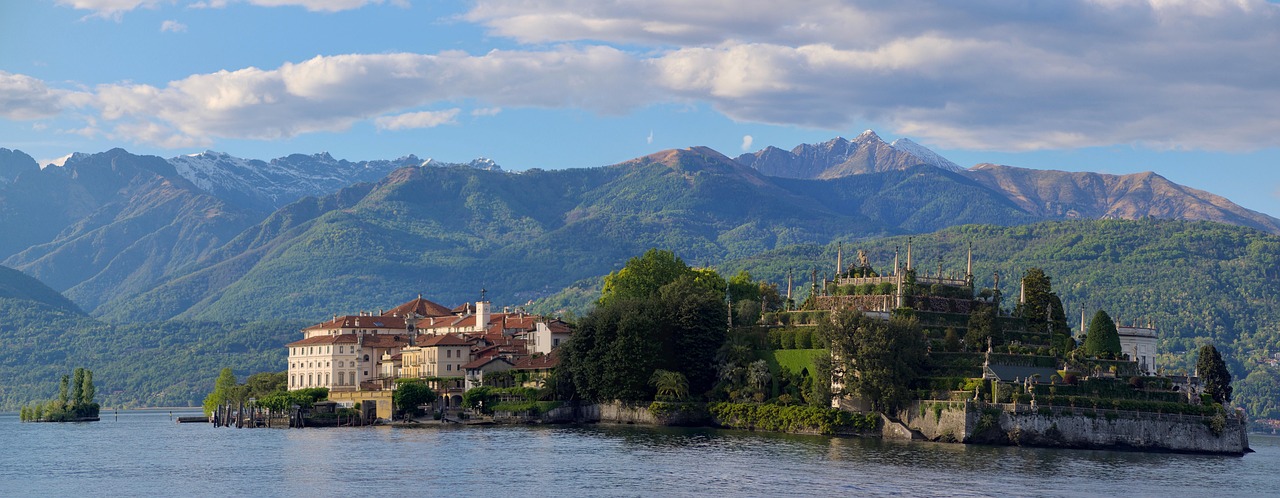
How to visit the Borromean Islands on Lake Maggiore, including Isola Bella highlights
To visit the Borromean Islands—especially Isola Bella—the key is making the day feel light. Regular ferry departures run from Stresa and Verbania, and once you’re on the water, the lake becomes your scenic corridor: breezy, efficient, and genuinely relaxing. In peak season, a little booking goes a long way, particularly for palace entry slots and popular boat times.
Visit the islands with a simple ferry plan and smart booking tips
Start with a clear plan: choose two islands and allow time to linger. Weekdays and the first boats usually mean more space and better light for photography. If you’re travelling with family, keep the return flexible so no one feels hurried—this is exactly the kind of day where slow, attentive looking is the whole point.
- Morning: depart from Stresa or Verbania and begin with Isola Bella before the busiest wave arrives.
- Midday: cross to Isola Madre for shade and garden paths, then pause for gelato or a quiet bench.
- Late afternoon: finish on Isola dei Pescatori for Italian food and a relaxed lakeside stop.
Isola Bella, the Borromeo legacy, and a peacock in the palace gardens
Isola Bella is the showpiece: baroque rooms that unfold like theatre sets, and a terrace sequence that steps down toward the water with statues, clipped hedges, and playful fountains. The design is so deliberate you can almost feel time tilt; one traveller told me they watched the sunset from the palace gardens and felt transported, as if the lake had quietly opened a doorway to another century. Even the smallest details stay with you—like the sudden appearance of a peacock, unbothered, striding through the scene as if it owns the place.
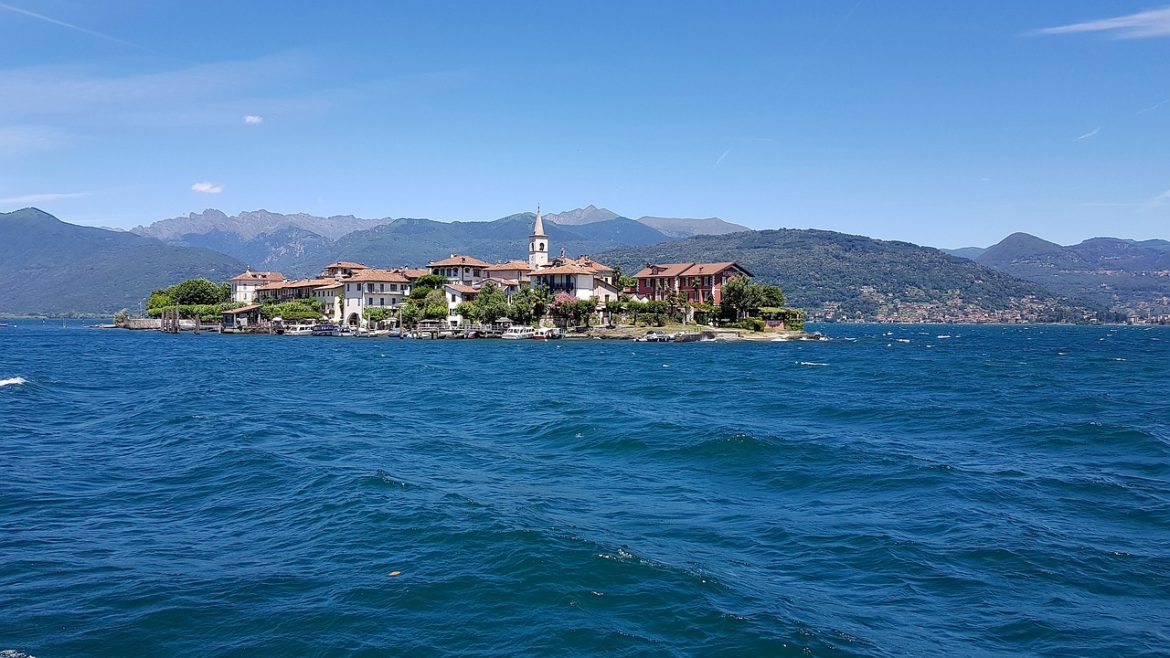
To round out the Borromean Islands, balance splendour with softness. Isola Bella and Isola Madre make a perfect pair; Isola Madre is the largest of the Borromean Islands, with paths that feel calmer and more botanical in spirit. Add Isola dei Pescatori for a bar and restaurant moment—fresh fish, a glass of something cold, and that gentle sense of being together in a place that still feels real. The Borromeo family legacy is present, but it never overwhelms; it simply adds context to how power and beauty were staged on the water.
Stresa and Verbania on Lake Maggiore: markets, festivals, and local culture in northern Italy
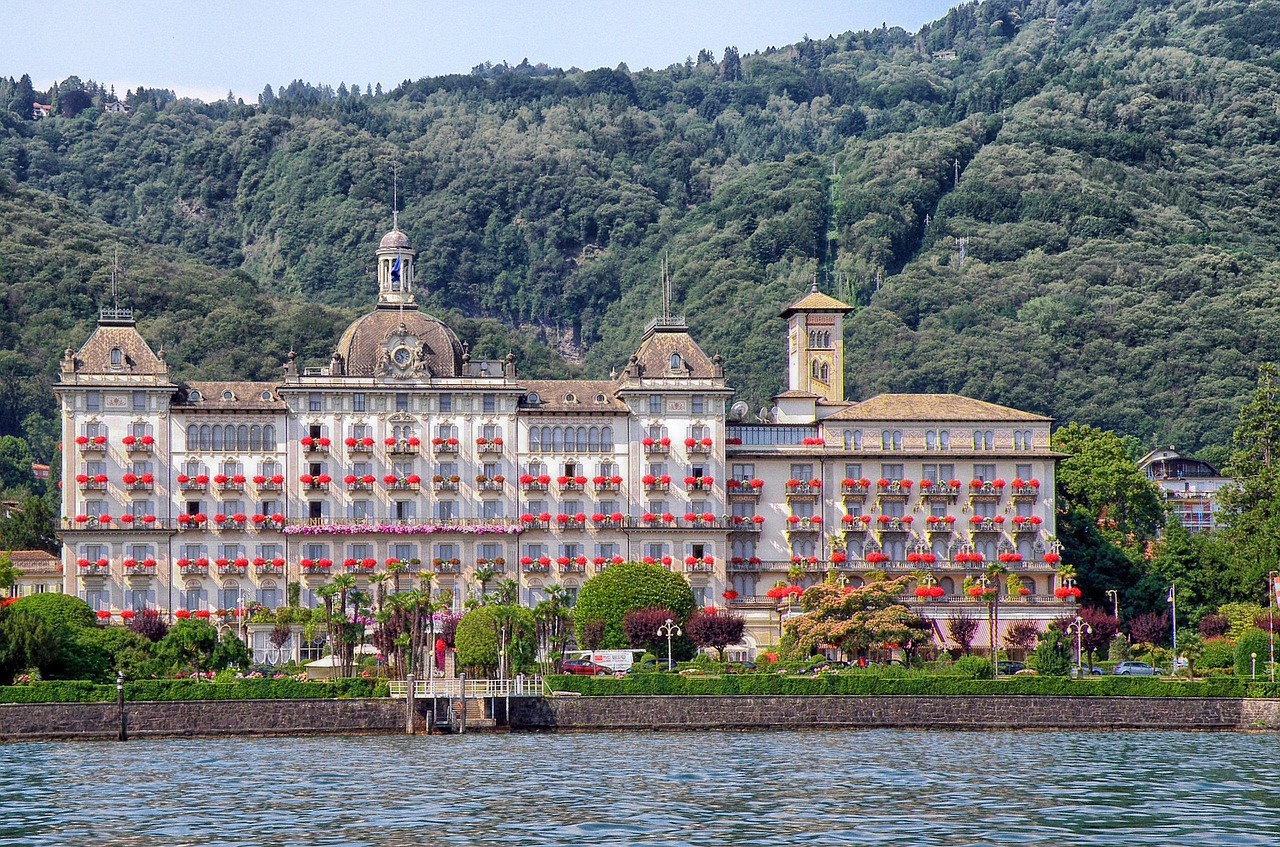
Stresa and Verbania: local culture, markets, and festival life by the water
If you’re looking for local culture with a relaxed pace, think of these towns as two complementary doors into the region. The lake can do glamour, yes, but it also does everyday warmth—cafés where the same locals arrive at the same time, and markets where what’s seasonal quietly shapes what’s on your plate. For adventure seekers, this matters: you want culture that supports your day, not culture that demands it.
Stresa is the main town: grand hotels, art nouveau hotels, and an elegant promenade
Stresa is the elegant main town, built for promenade strolls and lake-facing aperitivi. Its 19th-century resort culture still shows in the grand hotels, and there’s a softness to the architecture that makes a simple walk feel like a scene. If you want to keep boat piers and dinners close, choose a property located in Stresa so your evenings stay effortless and your mornings start on the waterfront.
Look for subtle art nouveau touches and, if you enjoy design history, ask your hotel about local art nouveau hotels and villa architecture from the early tourism boom. One quick stroll can feel like a small, stylish history lesson—without ever turning your day into a museum tour.
Verbania, Cannobio, Cannero and Luino: small towns along the lake with market energy
Verbania is where the region feels most like a living Italian town—less staged, more day-to-day. It suits travellers who like waterfront cafés with local conversation and menus that keep things simple and delicious. If you’d like a gentle “green break” between hikes and boat days, nearby gardens and promenades add an easy rhythm.
For extra texture, explore the nearby small towns. The town of Cannobio has a relaxed shoreline stroll that’s quietly picturesque; Cannero offers calm corners for a pause and a swim. And Luino brings market-day buzz—go midweek for the best balance of energy and space, and keep valuables close as you would in any busy market.
One couple shared a favourite memory from a village festival: locals pulled them into traditional dances, then insisted they try homemade lake fish dishes. The story wasn’t about “doing it right”; it was about feeling supported, laughing together, and finding confidence in the welcome.
If you’re border-curious, Switzerland is close enough to feel like an extension rather than a separate trip. Locarno is a lovely add-on for cafés and a different architectural feel, and a wider Italian-lake loop can naturally include Como and Lugano when you want variety without complication.
Angera and Santa Caterina: Rocca views, cliff sanctuaries, and villas around Lake Maggiore
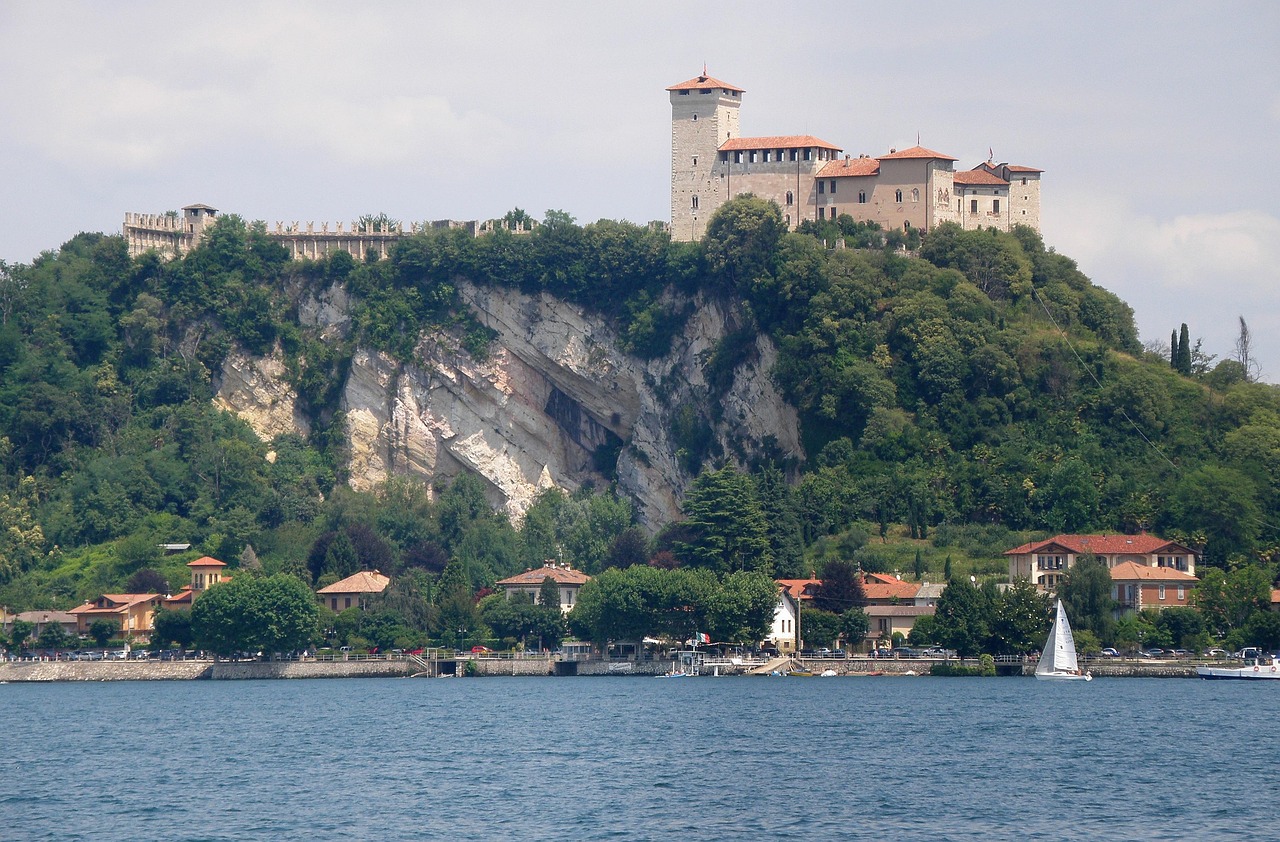
Angera, cliff sanctuaries, and classic villas around Lake Maggiore
For travellers mapping Angera, the Rocca, and classic villa days around Lake Maggiore, the joy is how close the highlights are—yet how different they feel. Lake Maggiore’s shoreline holds castles and sanctuaries that add meaning between boat rides and trail time, giving your trip an extra layer of story.
Angera and the Rocca di Angera: a castle that’s well worth a visit
Across the water, Angera feels quietly powerful, and the Rocca di Angera is well worth a visit if you enjoy history with a view. Go earlier in the day for softer light and calmer rooms, then pair it with a ferry crossing so the journey itself becomes part of the experience. It’s a satisfying way to keep continuity—heritage on one shore, a lake breeze in between, and lunch somewhere unpretentious when you return.
Santa Caterina: the cliffside hermitage and peaceful views
For something more introspective, Santa Caterina del Sasso is the kind of place that rewards quiet attention. The hermitage of Santa Caterina sits dramatically on the cliff, and you’ll feel the atmosphere change as you approach—stone, water, and a sense of time slowing. If you’re short on time, it’s still worth a visit for the viewpoint alone; check access options in advance if you have limited mobility.
To soften the day, add a garden-focused villa stop. Villa Taranto is celebrated for its botanical gardens, and using colour and shade as a palate cleanser between hikes and museums is a surprisingly good choice. You’ll come away with cultural insight that feels light, not heavy—fragrance, pathways, and the simple permission to wander.
Choose one afternoon for art and regional history, too: small museums, discreet collections, craft traditions, and exhibitions that explain identity without taking up your whole day. Think discovery rather than a checklist—an hour or two, then back outside.
A pacing note I often share with adventure seekers: try a two-speed itinerary. Plan heritage in the morning, then keep the late afternoon for a second-terrace aperitivo, a short swim, or simply sitting by the water. That balance builds trust in your rhythm and keeps the trip feeling personal.
Things to Do in Lake Maggiore: hiking, kayaking, sailing, and Mottarone adventures
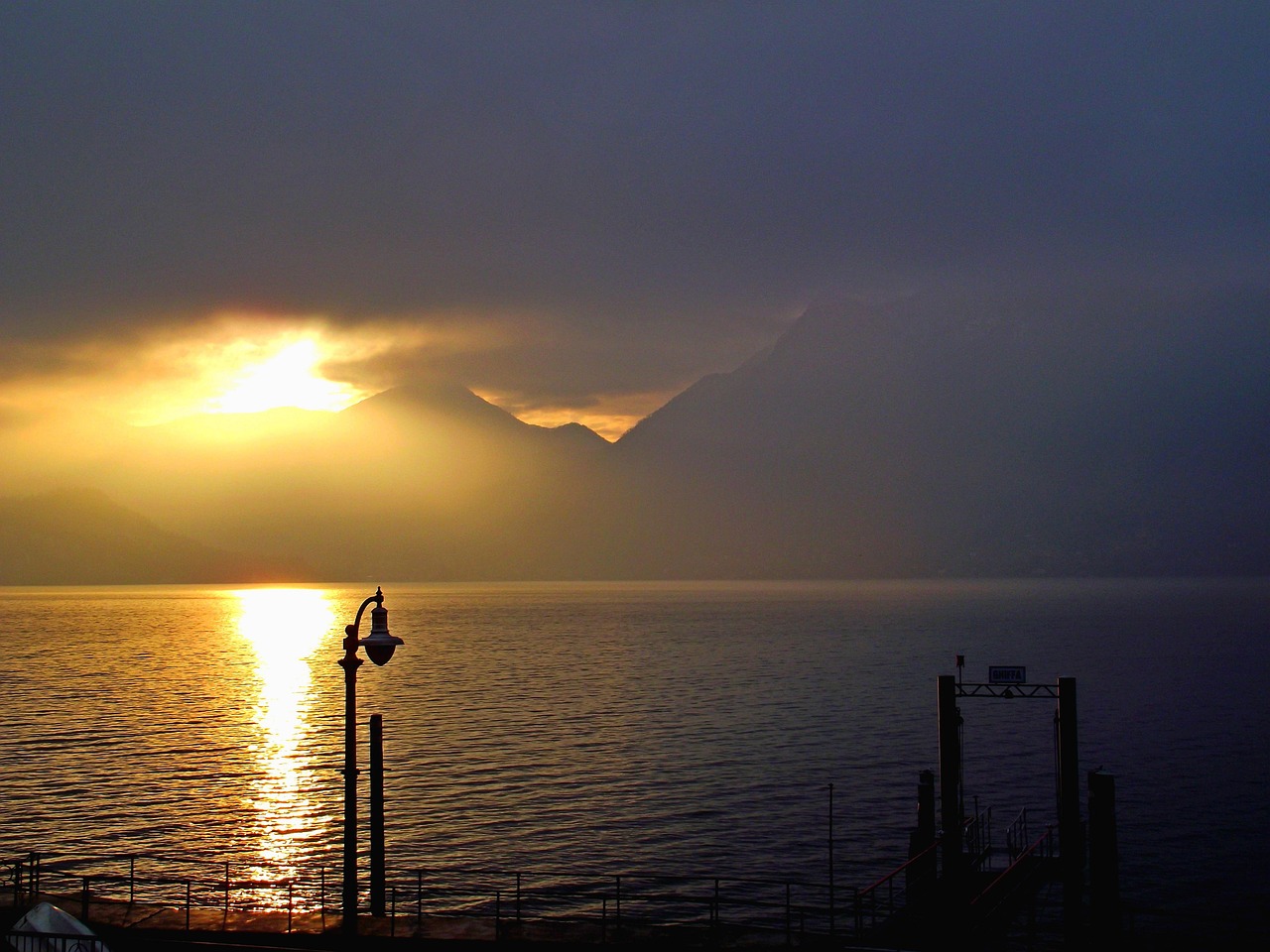
Active days on Lake Maggiore: hiking, kayaking, sailing, and mountain views
When people search for active days here, they’re usually hoping the adventure will feel doable as well as exciting. Around Lake Maggiore, that’s exactly the point: you can design days that move, then recover in comfort—always with the water nearby as your compass.
Water sports, sunrise kayaking, and weather-aware confidence
For water sports, early morning is your secret ally. One traveller described kayaking across turquoise water at sunrise, greeted by quiet nature and distant mountain views—an experience that felt both energising and deeply calming. For safety and peace of mind, watch weather conditions closely before setting out; wind can rise quickly, and it’s best to stay near shore if forecasts change.
Sailing is equally rewarding here, particularly when the light is clear and the mountains feel close. Choose reputable operators, ask about routes and wind patterns, and keep a light layer in your day bag even in summer.
Trekking, il panorama del Mottarone e la funivia del Lago Maggiore
On land, the Alpine foothills offer trails that range from gentle to properly leg-burning. The Mottarone viewpoint is a standout for panorama lovers, and it pairs beautifully with a cable car journey when services are running. Check funivie del lago maggiore updates for seasonal operations, timetables and any closures—this small step protects your day and keeps everything seamless.
For families and explorers, biking is a joyful middle ground between a hike and a boat day. A family once told me their favourite memory was renting bikes and following hidden routes along the lake, stopping for snacks and photos whenever something looked “too pretty to ignore”. The best part was how achievable it felt: short distances, frequent pauses, and that shared sense of discovery.
- Ferry strategy: use day passes when you’re island-hopping, and build in buffer time for popular crossings.
- Booking moments: reserve palace slots, weekend boats and summer gear hire in advance for a smoother day.
- Costs with clarity: budget for entry fees, ferry tickets, and equipment rental; it’s easier to relax when numbers are clear.
- Local respect: dress modestly for churches, and a few Italian greetings go a long way.
Where to stay in Lago Maggiore depends on your preferred “after-adventure” mood. There are places to stay that range from a discreet boutique hotel near the water, to family-run inns with heartfelt hospitality, to a spa retreat with an infinity pool that feels made for the post-hike exhale. If you’re comparing options, use trusted booking platforms and verify recent reviews—names can change, and it’s wise to double-check listings such as Hotel Pironi before you commit. For best hotels, focus less on labels and more on location, lake access, and whether the service style matches how you like to travel.
F.A.Qs: Lake Maggiore, Italy
Is Lake Maggiore as pretty as Lake Como?
Yes—both are beautiful, but they shine in different ways. Lake Como often feels more polished and cinematic, while Lake Maggiore blends island palaces, gardens, and a wilder mountain backdrop that can feel more spacious and serene.
What is the most beautiful town on Lake Maggiore?
Many travellers fall for Stresa for its promenade, classic hotels and easy access to the islands. If you prefer a more everyday feel, Verbania is charming and relaxed, with waterfront cafés and a lived-in local atmosphere.
Why is Lake Maggiore famous?
It’s famous for the islands—especially Isola Bella’s palace and garden design—plus historic villas and castles such as the Rocca di Angera, and outdoor experiences from hiking to sailing.
Is Lago Maggiore worth visiting?
Absolutely. Lago Maggiore is worth visiting if you want culture and adventure together: island-hopping by ferry, gardens and museums for insight, and easy access to hikes and water activities—often with a calmer feel than some neighbouring lakes.
Lake Maggiore reflections: what stayed with us after this Italian lakes journey
What returns isn’t a checklist of palaces or a count of crossings—it’s the afterglow of an evening by the water, and the hush of waves against stone. This destination has a way of giving you space to breathe, then leaving you with a gentle clarity you didn’t know you needed. Even days filled with movement somehow settle softly in the mind.
There are contrasts that linger: palace gardens and wild trails, festival music and sudden solitude. You might discover that you become a slightly different version of yourself here—more attentive, more patient, more willing to trust the pace of a place rather than force your own.
And then there are the human moments: a waiter who remembers your preference without fuss, a stranger who offers directions with care, a shared table that turns into conversation. In those small exchanges, you feel a sense of support and belonging, as though the lake is holding everyone a little closer together.
When you picture the shore of Lake Maggiore later, it may be a single image that returns: light across a balcony, a boat slipping away, the mountains darkening at the edges. Not an ending, exactly—just an invitation to plan your trip back and explore what else waits on the side of Lake Maggiore you didn’t reach this time.