Post Contents
- Rome to Florence overview: choosing your best way to get from Rome to Florence, Italy
- Train from Rome to Florence high speed rail made easy train from rome to florence by train Roma Termini Italo Trenitalia
- Bus and other routes get from Rome to Florence
- Arriving in Firenze SMN, staying safe and moving well at Firenze SMN Santa Maria Novella station
- Explore Florence Renaissance buildings and hidden local craft places to visit in Florence, Italy
- F.A.Qs: Rome to Florence, Italy travel
- What stayed with us after Rome to Florence, Rome to Florence reflection journey
Rome to Florence overview: choosing your best way to get from Rome to Florence, Italy
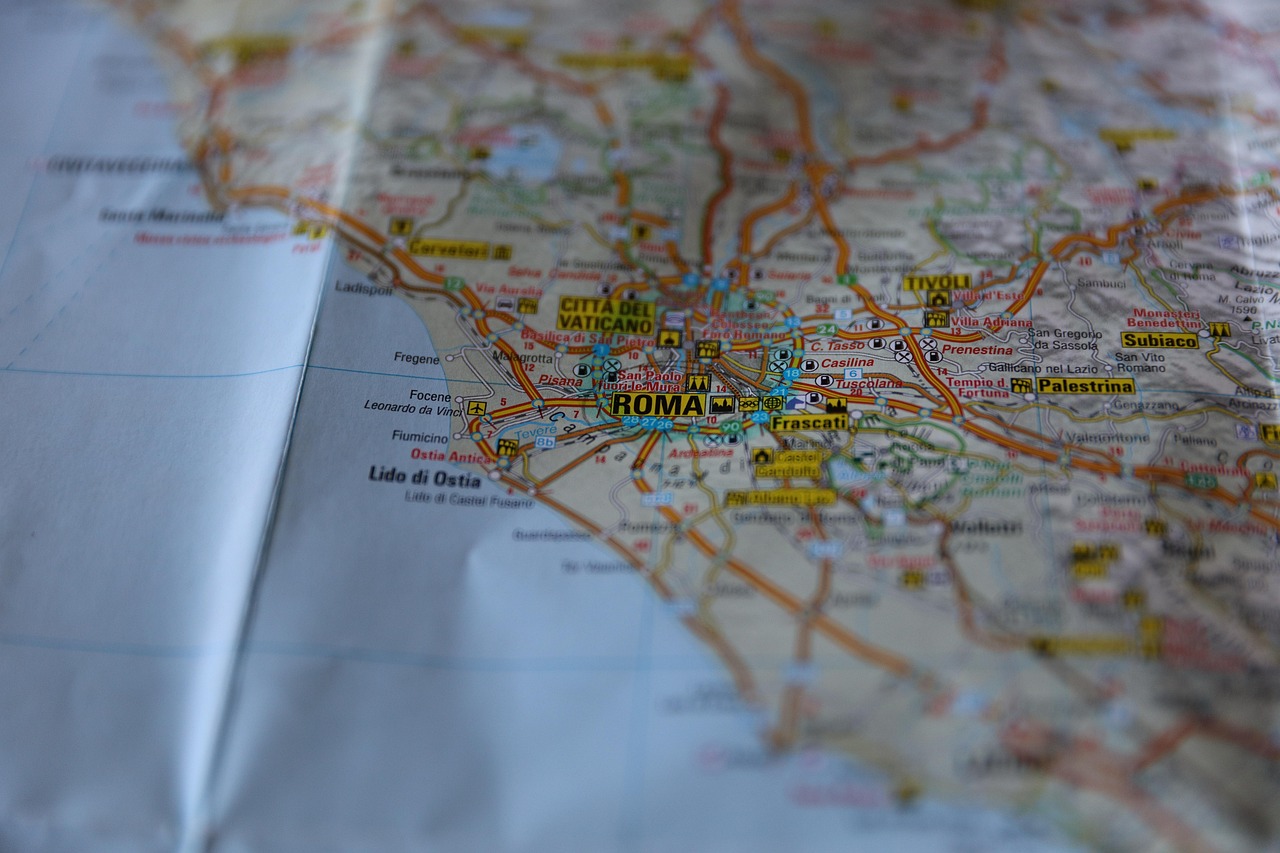
Rome to Florence overview, choosing the best way to get across Italy
When you map out Rome to Florence, you’re really moving between two Italian cities with wildly different energies: the Eternal City’s ancient grandeur and Firenze’s Renaissance clarity. For adventure seekers, “adventure” here doesn’t need cliff edges—sometimes it’s the thrill of a swift departure, a new neighbourhood on foot, and the confidence to explore with purpose. This is the corridor where you can design a day that feels curated, not hurried.
So, what is the best way to get from Rome to Florence, Italy? In practice, you’re choosing between a high-speed train, a less expensive regional train, a bus, or (rarely) flying from Rome to Florence. The right choice depends on your mood: do you want speed, a budget-friendly fare, or late-night flexibility?
Rome to Florence travel times and the fastest way
The distance from Rome to Florence is roughly 270 km (about the distance between Rome and Florence that many travellers quote as “a few hours by road”). In real terms, travel times matter: the high-speed rail link is usually the fastest, with the train taking around 1.5 hours from city centre to city centre. By contrast, the bus can take longer depending on traffic, and the regional train stretches the journey but can be gentler on the wallet.
If you’re planning a trip where time is your most precious luxury, the Rome to Florence by train experience is hard to beat. If you’re shaping the journey around cost, the bus or regional routes can make sense—especially when you’re travelling light and flexible.
Booking strategy and a mini checklist for confidence
A little foresight in booking creates a surprisingly calm start. The goal is simple: minimise station stress, protect valuables, and arrive in Firenze ready to wander.
- Book early for value: ticket prices often drop when you book online in advance; last-minute fares can climb.
- Pack for comfort: a light layer, water, and a small day bag you can keep close.
- Keep valuables secure: phones and wallets out of easy reach in busy hubs, and passports stored safely.
- Plan your first hours: a morning departure, midday arrival, then a gentle first walk and a coffee to anchor you.
If you’d like inspiration for a wider itinerary beyond this one transfer, you can browse our Trip gallery for beautifully paced journeys across Italy’s regions.
Now, let’s make the most popular option feel effortless—because a seamless start sets the tone for everything that follows.


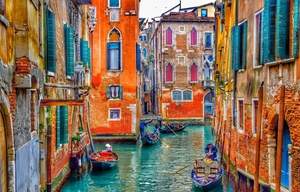


Train from Rome to Florence high speed rail made easy train from rome to florence by train Roma Termini Italo Trenitalia
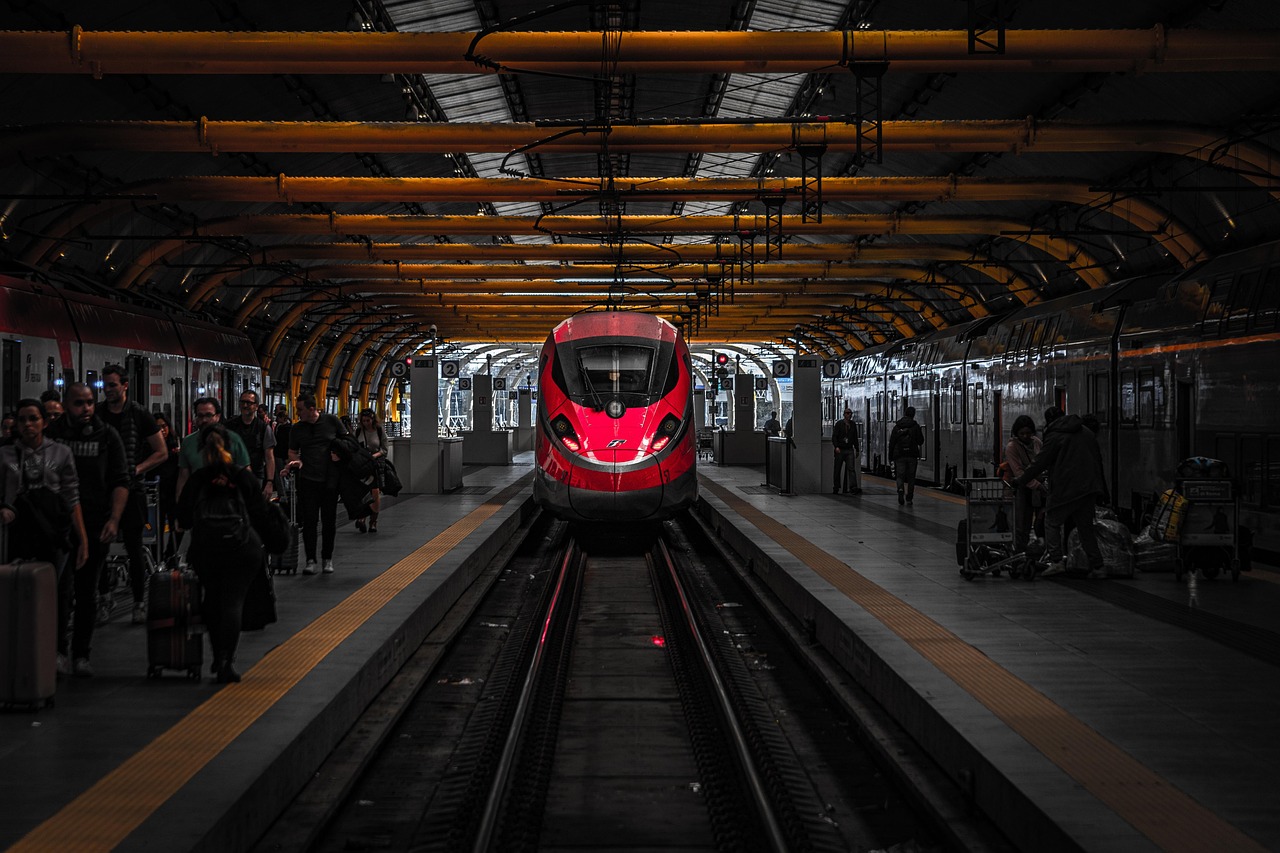
Train from Rome to Florence high-speed rail made easy with a platform view
If you’re choosing the high-speed train from Rome to Florence, you’re choosing simplicity with a touch of theatre: Roma Termini, Italo, Trenitalia. There’s something deeply reassuring about stepping onto a modern carriage in Roma Termini and knowing that, in about 1 hour and a bit more, you’ll be arriving at Florence with your day still open. This is travelling by train from Rome at its most elegant.
For most high-end travellers, the luxury isn’t only the seat—it’s the certainty. With the right booking approach, your transfer becomes a crafted transition: espresso, platform, departure, and then Tuscany (almost before you’ve finished your first chapter).
Booking tickets from Rome to Florence, and when flexibility helps
Start with booking: book your train tickets as soon as your dates feel stable, particularly for peak spring and early autumn. When you book online, you can compare times, select your carriage, and reserve a seat so you’re not negotiating space at the last minute. Flexible tickets can make sense if you’re building in spontaneity—say, you’re lingering over breakfast or adjusting plans after a late museum night.
As a rule of thumb, ticket prices range from about €20 to €50, depending on when you buy and the time of day. If you want a quieter journey, look for a quiet carriage option and check what’s included before you book your ticket.
Italo vs Trenitalia from Roma Termini to Firenze
At a practical level, Italo and Trenitalia both connect Rome to Florence frequently, and both are comfortable for a high-speed journey. What changes is the feel: departure boards, lounge access options, and small variations in fare rules. Your tickets from Rome to Florence typically include your specific train time, a reserved seat on high-speed services, and a clear carriage/seat assignment to follow at the platform.
For many travellers, the deciding factor is simply the best departure time. Choose the option that supports your day, not the other way round—this is where trust in the plan becomes part of the pleasure.
Personal moment, Termini station to Umbria and the Tuscan countryside
One traveller described the thrill of boarding at Termini station: the cityscape of Rome sliding away, then Lazio opening into softer horizons. As the train settles, the view along the route begins to change—hills, stitched fields, and that first hint of Umbria before the beautiful Italian countryside starts to feel distinctly Tuscan. It’s Italy’s scenic interlude, and it invites you to breathe a little deeper.
Onboard services vary, but you can usually expect luggage racks, power sockets, and often free wi-fi or at least stable connectivity. Listen for what every train announcement covers: next stop, platform information, and reminders about doors—small cues that offer support even if your Italian isn’t fluent yet.
Arriving at Florence start point, Firenze SMN
Arriving at Florence feels pleasantly immediate because Firenze SMN sits close to the historic centre. You step out, and within minutes you can be in a café choosing a quick espresso, refilling water, and orienting yourself. For a first walk, keep it simple: roll your bag to your hotel, then head out on foot to meet the light on stone.
If you’re already thinking ahead, the return Florence to Rome route is just as straightforward—so you can create an itinerary that feels together, balanced, and unforced.
Bus and other routes get from Rome to Florence
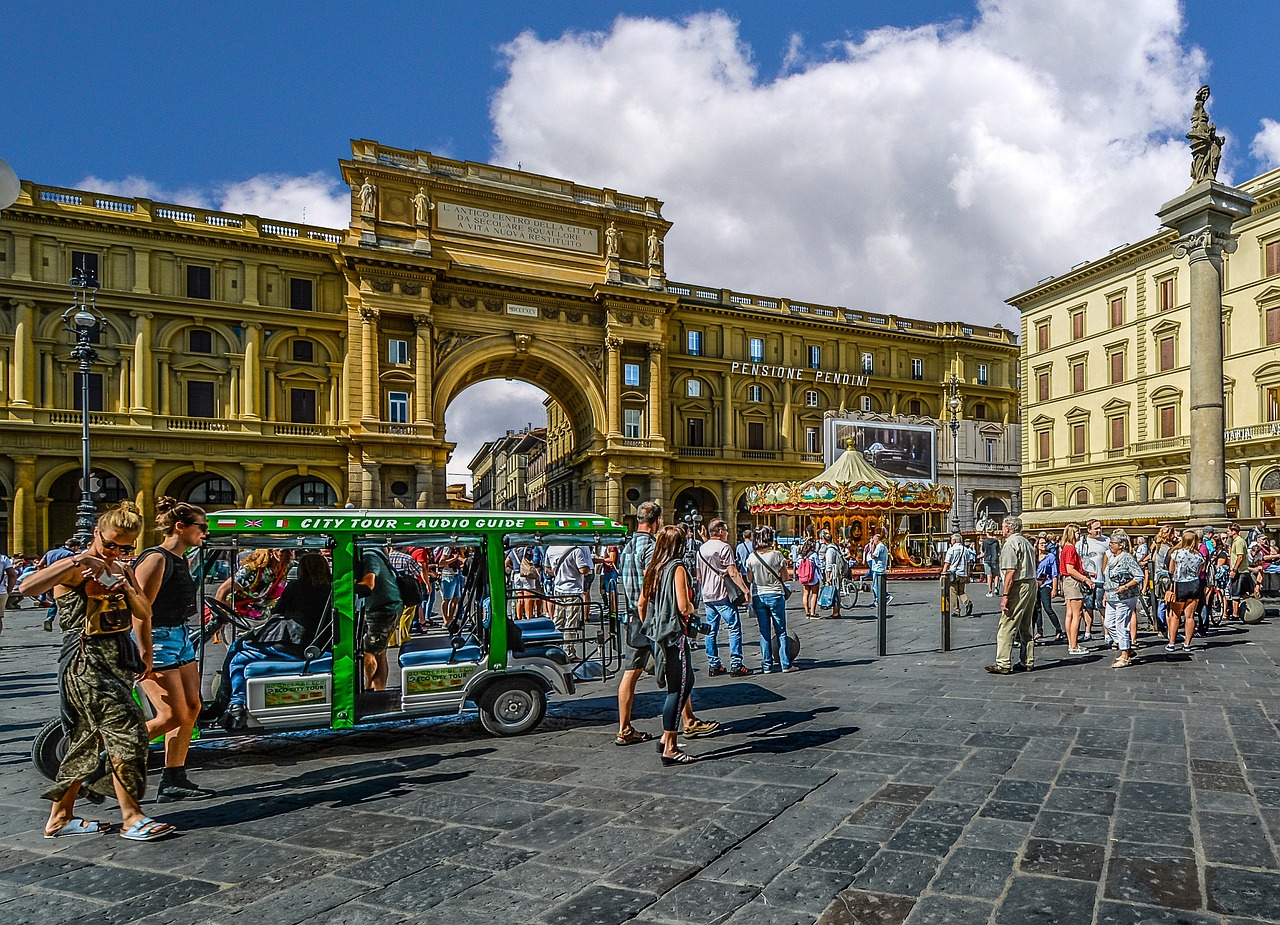
Bus and other routes get from Rome to Florence, your way with the Firenze skyline
If you’re researching a bus from Rome to Florence bus station, Tiburtina, FlixBus, Eurail pass, regional train, or flying from Rome to Florence airport, you’re likely balancing budget, timing, and comfort. Rome to Florence still works beautifully without high-speed rail, especially if you value late-night departures, scenic road time, or you’re stringing together multiple cities. The key is to choose the way to get from Rome that matches your energy, not just your spreadsheet.
Bus from Rome to Florence and why it can suit late-night plans
A bus from Rome to Florence can be surprisingly practical when you’re arriving late into the capital, or you’re keeping costs down. Services often depart from Tiburtina, which is a major hub and usually easier to navigate than you’d expect once you’ve found your bay. Comfort ranges from basic to quite decent, and for some travellers, the bus feels straightforward—one ticket, one vehicle, fewer moving parts.
FlixBus is a common choice. During booking, double-check luggage rules, whether seat selection is worth it for you, and how early you should arrive at the bus station. If you’re travelling with designer luggage or valuables, keep essentials with you rather than in the hold.
Regional train, and when a Eurail pass makes sense in Tuscany
The regional train is the slower sibling of the high-speed option, but it can be a thoughtful choice if you’re not in a rush and would like a more local rhythm. Sometimes there’s no seat reservation, so it rewards off-peak travel and a patient mindset. If you’re building a multi-country or multi-city journey, a Eurail pass may offer value—just compare the pass cost against point-to-point fares and check whether you still need reservations on faster services.
For travellers doing several trips from Rome to Florence and beyond—perhaps onward to Venice or Milan—an Eurail pass can simplify the admin. But if you’re only doing this one corridor, booking individual tickets is often clearer.
Flying from Rome to Florence and the airport reality check
On paper, flying from Rome to Florence looks quick. In real life, the airport steps add up: getting to Leonardo da Vinci-Fiumicino Airport, check-in time, security, then landing and transferring again. Unless you’re using points, catching a tight international connection, or you’re already at the airport, flying is often impractical compared to rail.
If you do consider it, factor in the full door-to-door time from Leonardo da Vinci to your final hotel. For most travellers, the train remains the more seamless, more central, and more human route.
- If you miss your departure, check your fare rules first; flexible tickets may allow changes, while low-cost fares can be strict.
- If you’re arriving by air into Rome, prioritise a calm transfer into the city centre, then travel on—rushing rarely feels luxurious.
- If you’re considering a car, car rental companies can help for countryside loops, but city-centre driving and parking in Firenze can be tricky.
However you travel, your arrival sets the tone—so let’s make that first hour in Firenze feel easy and safe.
Arriving in Firenze SMN, staying safe and moving well at Firenze SMN Santa Maria Novella station
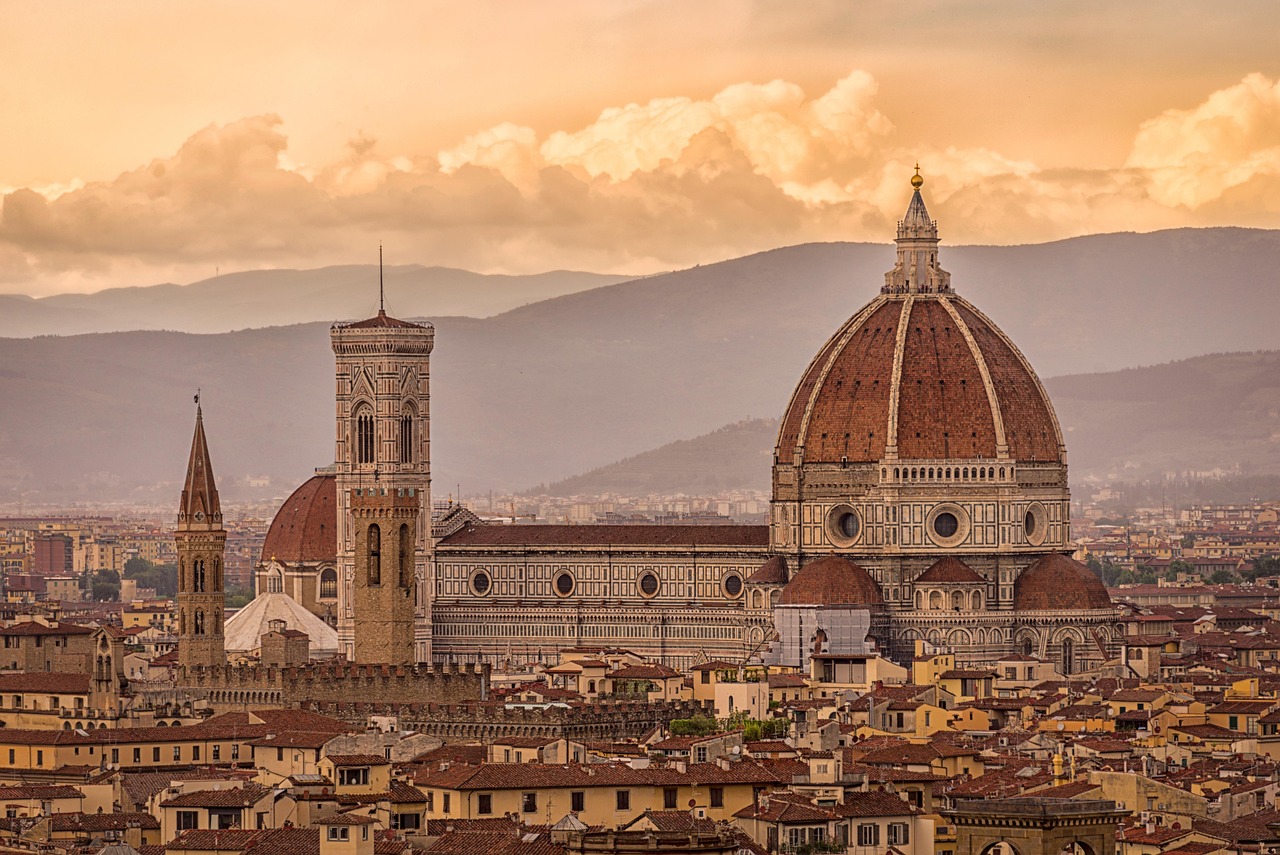
Arriving in Firenze SMN, staying safe and moving well near Santa Maria Novella
For travellers looking up Firenze SMN (Santa Maria Novella) station, public transportation in Florence, walkable bike routes, and Rome-to-Florence travel tips, the good news is that Florence is kind. The station is central, the historic core is walkable, and you can get your bearings quickly without feeling you need to “conquer” the city. Think of arriving at Florence as a gentle landing—then a confident step forward.
Santa Maria Novella station orientation and meeting points
At Santa Maria Novella station, pause before moving: check the platform number, step away from the busiest flow, and decide on a clear meeting point if you’re travelling together. It can be as simple as “outside the pharmacy” or “near the main departures board”. This small design choice keeps the group calm, especially after a busy morning.
Most platforms are clearly signed, and staff can help if you ask politely. If you’re uncertain, take a breath and confirm rather than rushing—confidence reads as calm.
Safety, pickpockets, and polite boundaries with care
Busy stations can attract pickpockets, particularly when you’re distracted by maps or tickets. Keep passports and spare cards tucked away, and keep your phone secure rather than loose in a pocket. If someone offers unsolicited help at a ticket machine, a warm but firm “No, grazie” is usually enough—trust your instincts and move towards staffed counters if needed.
This isn’t about fear; it’s about care. A few mindful habits make the whole journey feel more secure, and that sense of trust lets you relax into the city.
Getting around Firenze on foot, by bike, and by public transportation
Florence is famously compact, and exploring on foot is often the best way to experience its details: carved doorways, small galleries, and sudden piazza views. If you want a little more range, renting a bike can be lovely early in the day when streets are quieter. Public transportation is useful for viewpoints and for reaching a villa on the edges of the city, where gardens and calm air offer a different texture of Tuscany.
For religious sites, dress modestly—covered shoulders and respectful hemlines are the norm. A few Italian phrases create instant warmth: “Per favore” (please), “Grazie” (thank you), and “Mi scusi” (excuse me). These small efforts often bring back kindness in return.
Season matters too. Spring and early autumn deliver pleasant weather and fewer crowds; in summer, shift your pace—early starts, long lunches, and shaded afternoon pauses.
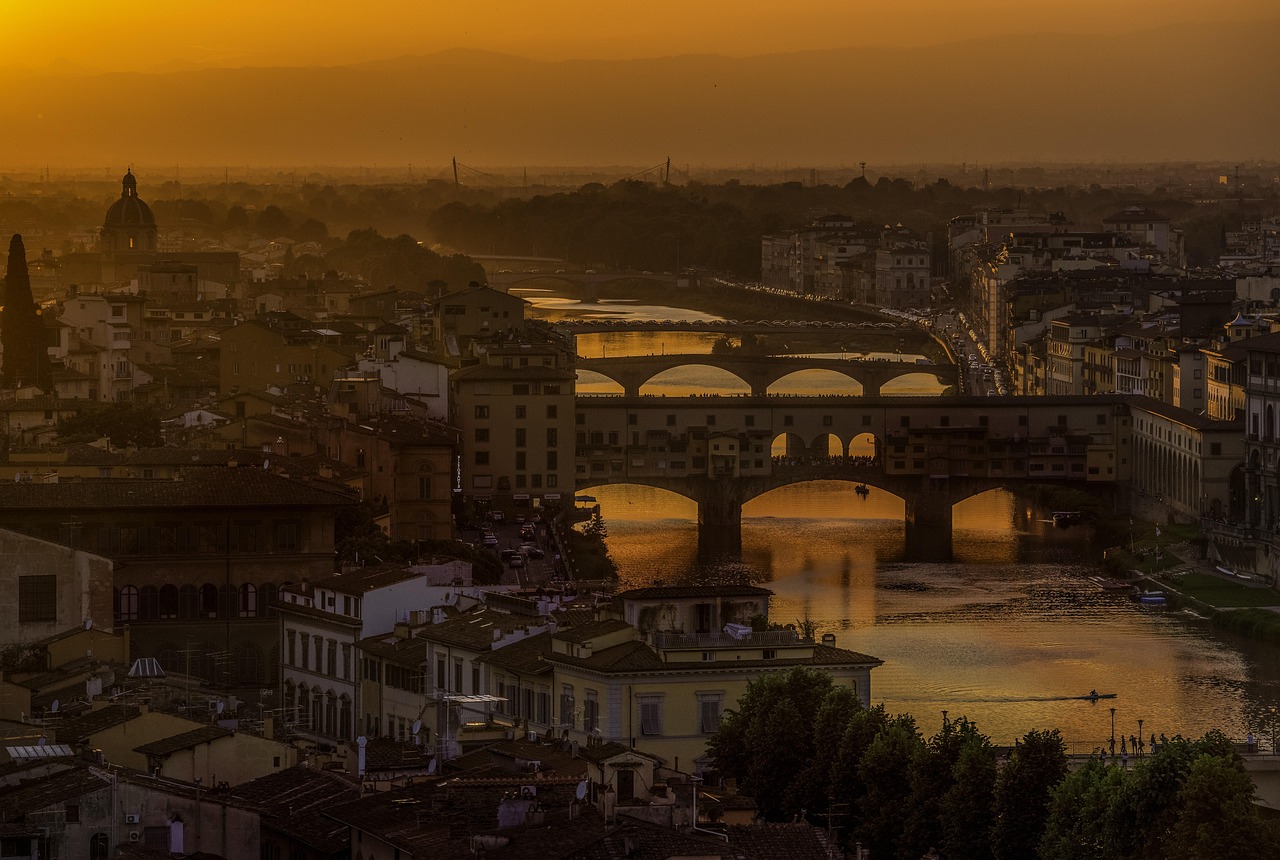
Explore Florence Renaissance buildings and hidden local craft in the heart of Tuscany
If you’re collecting places to visit in Florence, Italy, Duomo, Uffizi Gallery, Accademia, Michelangelo, David, Oltrarno food tour, Tuscany, begin with one intention: quality over quantity. Rome to Florence delivers you straight into the heart of Tuscany, where your days can be shaped around artistry, craft, and local flavour. The most rewarding adventure here is often slow—designed to let beauty land.
Duomo, piazza moments, and the Uffizi Gallery without overwhelm
Start with the Duomo (Florence Cathedral), then let the surrounding piazza guide you: pause, look up, and notice how the city’s geometry makes you feel. For the Uffizi Gallery, booking a timed entry is the difference between endurance and enjoyment. Choose one or two must-see works, and give yourself permission to linger—your insight deepens when you stop trying to “complete” the museum.
A simple pacing trick: split your visit into focused rooms and restorative pauses. Step to a window, drink water, and return when your attention feels clear again.
Accademia and the hush beneath Michelangelo’s David
One traveller told us they expected crowds, but not the silence. Standing beneath Michelangelo’s David in the Accademia Gallery, the room seemed to quiet itself—the kind of hush that makes you aware of your own footsteps and your own place in history. It’s a personal moment, oddly intimate, as if the sculpture has been waiting through centuries to be seen by you, right now.
That’s the secret power of Firenze: it doesn’t just show you art; it helps you uncover what you care about.
Oltrarno artisan workshops and how to spot crafted quality
Cross into Oltrarno to discover workshops where leather, paper, and small goods are still made with pride. Ask what’s handmade, how long it takes, and where the materials come from. Crafted quality often shows in the edges: clean stitching, thoughtful proportions, and a maker who can explain their process without rushing.
If you’re unsure, buy one meaningful piece rather than a bag of souvenirs. It’s an expert move that keeps your luggage light and your memories richer.
Eat like a local with markets, trattorias, and a family osteria
For food, let the city be generous. Graze at a local market, then settle into trattorias where the menu reads like a seasonal conversation. A couple once described their favourite evening: a small family-run osteria away from the tourist crowds, homemade pasta arriving with warm hospitality, and a sense that time had slowed just for them. It wasn’t flashy—just honest, delicious, and deeply human.
- Market tip: go earlier for calmer aisles and better chats with vendors.
- Trattoria tip: order one classic dish, then ask what they’d eat after service.
- Neighbourhood tip: a short walk away from the busiest streets often equals better value and more local charm.
Adventure extensions from Firenze with a stop along the way
If you want to add a little extra adventure, consider a stop along the way on future journeys—Arezzo for its antique character, or Orvieto for its hilltop drama and cathedral light. Even a half-day Tuscan countryside loop can be surprisingly restorative, with vineyards, views, and the occasional villa gate that hints at another world. In many itineraries, Florence is the perfect base for gentle exploration—close enough to return for dinner, far enough to feel you’ve escaped.
And when you’re ready, the journey from Rome to Florence becomes more than a transfer—it becomes a rhythm you can trust.
F.A.Qs: Rome to Florence, Italy travel
How much does it cost to train from Rome to Florence?
Typical ticket prices for high-speed services range from €20 to €50, depending on the booking time, day of travel, and the fare type you choose. Booking early online often gives the best value and seat options.
How long is the high-speed train from Rome to Florence?
The high-speed train takes about 1.5 hours from central Rome (often Roma Termini) to Firenze SMN. Add a little extra time to find your platform and settle in comfortably.
Is it worth going to Florence for a day from Rome?
Yes, a day trip can be worth it if you focus on a few highlights—such as the Duomo area, one major gallery, and an unhurried lunch. For a more luxurious pace and deeper local moments, an overnight stay usually feels far more rewarding.
Is it better to fly or train from Rome to Florence?
For most travellers, the train is better: it’s faster door-to-door, arrives centrally, and avoids extra airport transfers and security time. Flying can make sense in edge cases such as tight international connections or using points, but it’s rarely the simplest option.
What stayed with us after Rome to Florence, Rome to Florence reflection journey
In the end, the Rome-to-Florence reflection journey isn’t just about moving quickly between landmarks. It’s the way the countryside can soften you—how the pace of the rails, the changing light, and the steady forward motion seem to clear space in the mind, even if you’re usually someone who chases speed. The journey between Rome and Florence holds a quiet kind of medicine.
What stayed with us were the smaller human notes: a shared laugh over pronunciations that refused to behave, a stranger’s gentle gesture when a map folded the wrong way, the warmth of being supported by simple systems that let you feel capable. There’s a particular confidence that grows when plans are seamless but still leave room for choice—when you travel together with trust rather than tension.
And then there’s the image you carry home without trying. Perhaps it’s the hush in a gallery, or the market scent of ripe fruit and sharp cheese, or the way stone glows at dusk in a narrow street. For some, it’s the memory of standing beneath David and feeling history become personal; for others, it’s a bowl of pasta in a small room where the hospitality felt like care.
However you remember it, Firenze has a way of turning a simple transfer into something quietly transformative. Imagine returning to Italy one day with new eyes—curiosity as your lasting souvenir, and the sense that there’s always another beautiful chapter waiting, patiently, when you are.