Post Contents
- Luxury travel guide to Rome: best places and an Eternal City itinerary that feels effortless
- Ancient Rome things to do in Rome: Colosseum and Roman Forum private guided tour with Palatine Hill
- Vatican City after-hours: a serene Vatican Museum visit and Sistine Chapel tour
- Villa Borghese and the Galleria Borghese museum: tickets and a refined visit in Rome
- Best food, gelato, and iconic piazza moments: from the Pantheon to Trastevere
- Trips to Rome made easy: private transfers, tickets, and where to stay in Rome
- F.A.Qs: things to see in Rome, Italy—essential tips for first-timers
- Rome reflections: why the Eternal City stays with you
Luxury travel guide to Rome: best places and an Eternal City itinerary that feels effortless
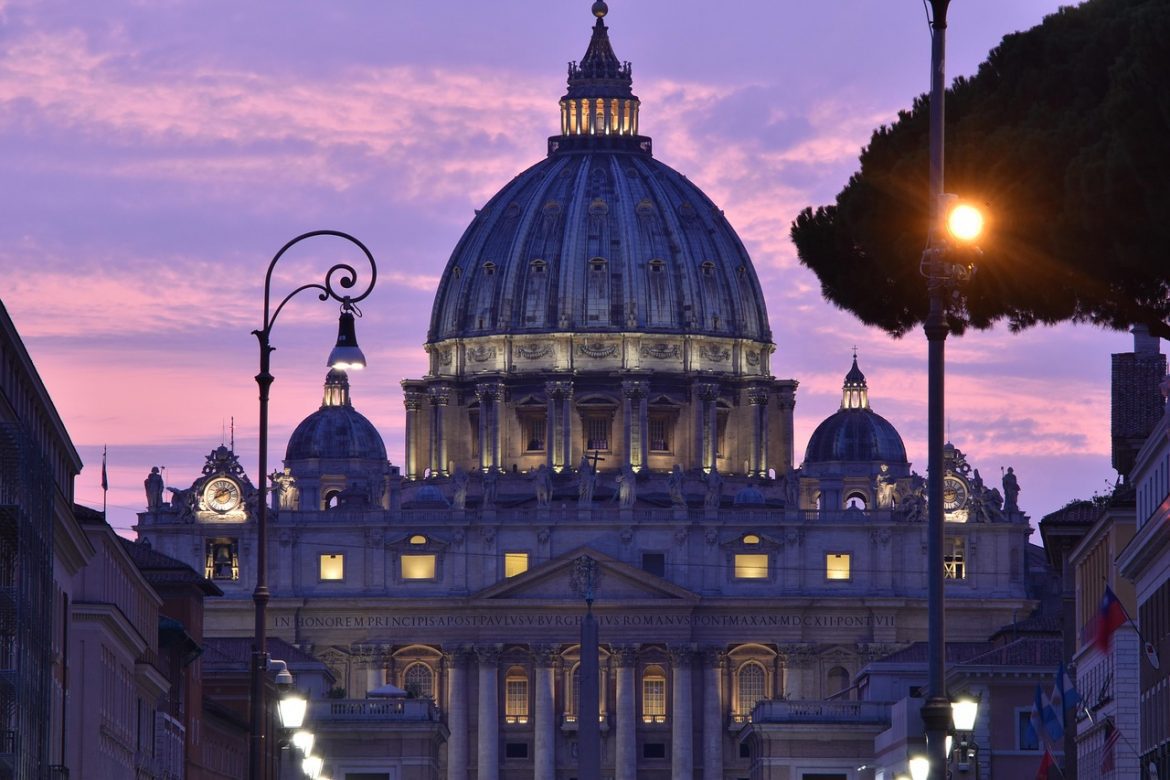
A design-led luxury itinerary for Rome’s historic centre
If you’re looking for things to see in Rome, Italy, with a refined, unhurried pace, think of this as a Rome travel guide and guide to the best moments—crafted for travellers who want the city to feel both iconic and personal. Rome is a city of contrasts—sun on travertine, candlelight in chapels, and quiet pockets just a street away from a headline attraction in Rome. With a designer mindset, the best things rarely come from doing everything; they come from creating space to notice what matters.
For first-timers, Rome can feel grand and fast. For those planning a return to Rome, it can feel like a new destination when you slow down and let it unfold—something we were reminded of on a recent trip to Rome. Either way, the most memorable way to experience Rome is rarely about ticking boxes; it’s about letting a few experiences land deeply, at the right time, with an expert who understands the city’s rhythm. If this is your first visit to Rome, a little structure goes a long way.
Designing a relaxed Rome itinerary: a day in Rome, or a 3–4 day stay
If you have a day in Rome, prioritise one anchor experience (Ancient Rome or Vatican City) and one unhurried neighbourhood loop—the best way to see the city without burning out. With 3–4 days, you can balance major sites in Rome with gentle interludes—gardens, galleries, and long lunches—so your time in Rome feels composed rather than crowded. This approach also makes it easier to add a museum stop without turning your schedule into a race.
A flexible rhythm many luxury travellers love looks like this: mornings for timed entries, afternoons for a museum visit or a restorative pause, evenings for piazza light and Italian food. Your favourite things tend to appear in the spaces between: the sound of fountains, a perfect espresso, and the hush inside a side chapel. If you visit Rome with intention, even the busiest areas feel surprisingly calm.
Best time to visit Rome and where to stay in Rome: effortless logistics for first visits
The best time to visit Rome is spring or early autumn, when the light is soft, the terraces are inviting, and the city of Rome feels more breathable. These seasons also make it easier to enjoy the best views without mid-summer haze or peak crowds, and to build in relaxed museum time between long outdoor walks.
Where you stay in Rome sets the tone. For access and atmosphere, many travellers choose addresses around Rome’s historic centre for walkability to the Pantheon and Piazza Navona. If early starts at the Vatican museum matter, staying near the Vatican can be wonderfully practical. For seamless arrivals, proximity to Rome Termini can work beautifully when paired with private transfers, so luggage handling and check-in feel calm.
Our promise is simple: a crafted, concierge-style approach—reservations, timed entries, and gentle support—so you can explore with trust and confidence. If you’d like to imagine what’s possible across an Italy itinerary, you can browse our Trip gallery for inspiration, or start planning your trips to Rome with a clear, personalised outline.




Ancient Rome things to do in Rome: Colosseum and Roman Forum private guided tour with Palatine Hill
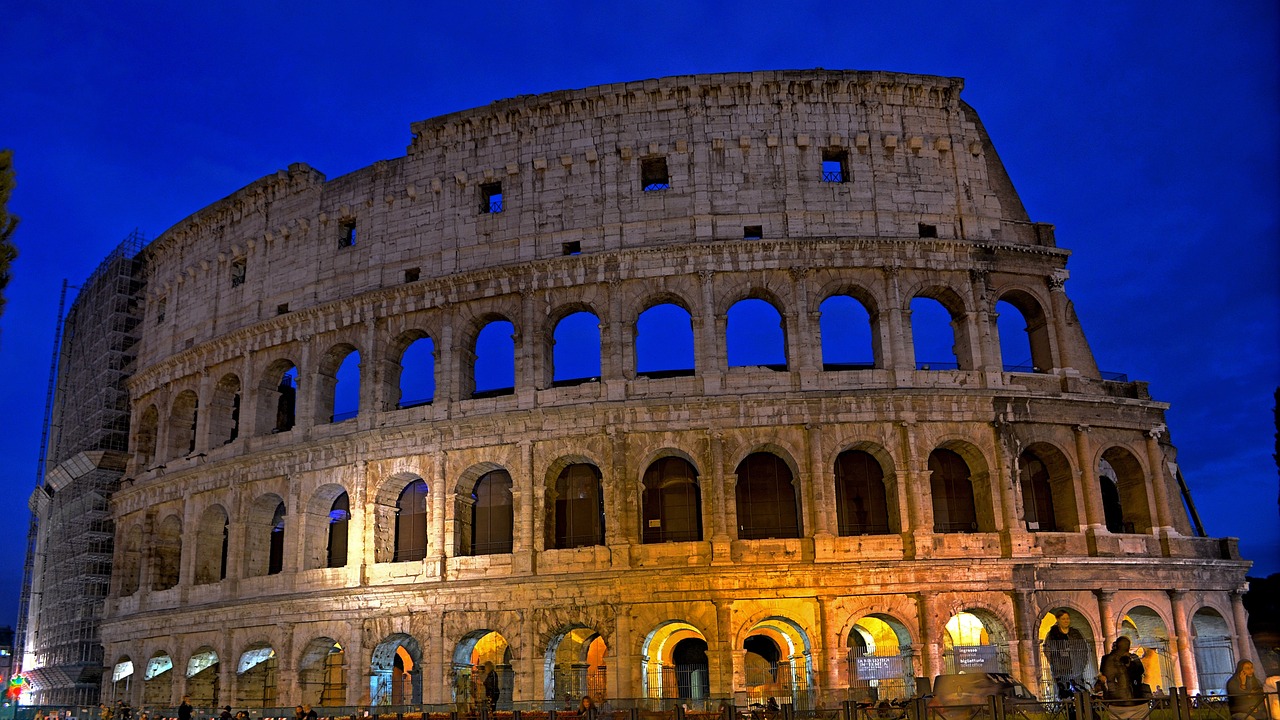
Ancient Rome with the Colosseum and Roman Forum in one seamless storyline
For travellers choosing a Colosseum and Roman Forum private guided tour with the Rome Palatine Hill, the reward is narrative, not just access. Ancient Rome becomes legible when an expert connects the stones to the people who moved through them and explains why each space mattered. This is one of the rare experiences where a guided tour doesn’t simply add facts—it changes what you notice and how you feel.
A private visit also lets you set your pace. You can linger where the light lands beautifully, step aside for discreet photography, and ask the questions you’d never ask in a large group. If this sits high on your Rome bucket list, it deserves your best energy—ideally in the morning or late afternoon, when the Colosseum feels less exposed, and the Roman Forum is easier to read. It’s also the easiest moment to take a tour without battling the largest crowds.
Inside the Colosseum: restricted areas and how to choose a tour of the Colosseum
Begin with the Colosseum itself, and choose a tour of the Colosseum that matches your curiosity. Many premium options include restricted areas—such as the arena floor or underground levels—where you can uncover the engineering and stagecraft that made the amphitheatre so powerful. With the right guide, you’ll explore the building as a living machine: entrances, crowd flow, acoustics, and the subtle details most visitors pass by at this famous attraction.
One traveller described the magic of seeing the Colosseum illuminated at night during a small-group VIP tour. In the quiet ambience, they said, the history felt “alive”—less like a monument, more like a pulse. That sense of intimacy is exactly what luxury planning protects: a moment, not a crowd.
Colosseum and Roman Forum story arc, then Palatine Hill for a panoramic view of Rome
Pairing the Colosseum and Roman Forum creates a natural storyline: spectacle to civic life. In the Roman Forum, columns and arches become meaningful when you understand who spoke there, what was decided, and how the city’s power was performed in public. From there, a gentle climb up Palatine Hill brings one of the most satisfying views—an elevated perspective on Rome where the ancient and modern city align.
Comfort notes that make it seamless:
- Wear supportive footwear; the Roman Forum’s stone underfoot is beautiful but uneven.
- Bring water in warm months—hydration keeps your pace relaxed and your attention sharp.
- Use private transfers before and after to avoid taxi uncertainty and protect your entry window.
For bookings, secure premium entry windows early and choose reputable operators; many travellers enjoy a tour with Walks of Italy for consistent guiding standards. The best slots go first, especially in peak season.
Vatican City after-hours: a serene Vatican Museum visit and Sistine Chapel tour
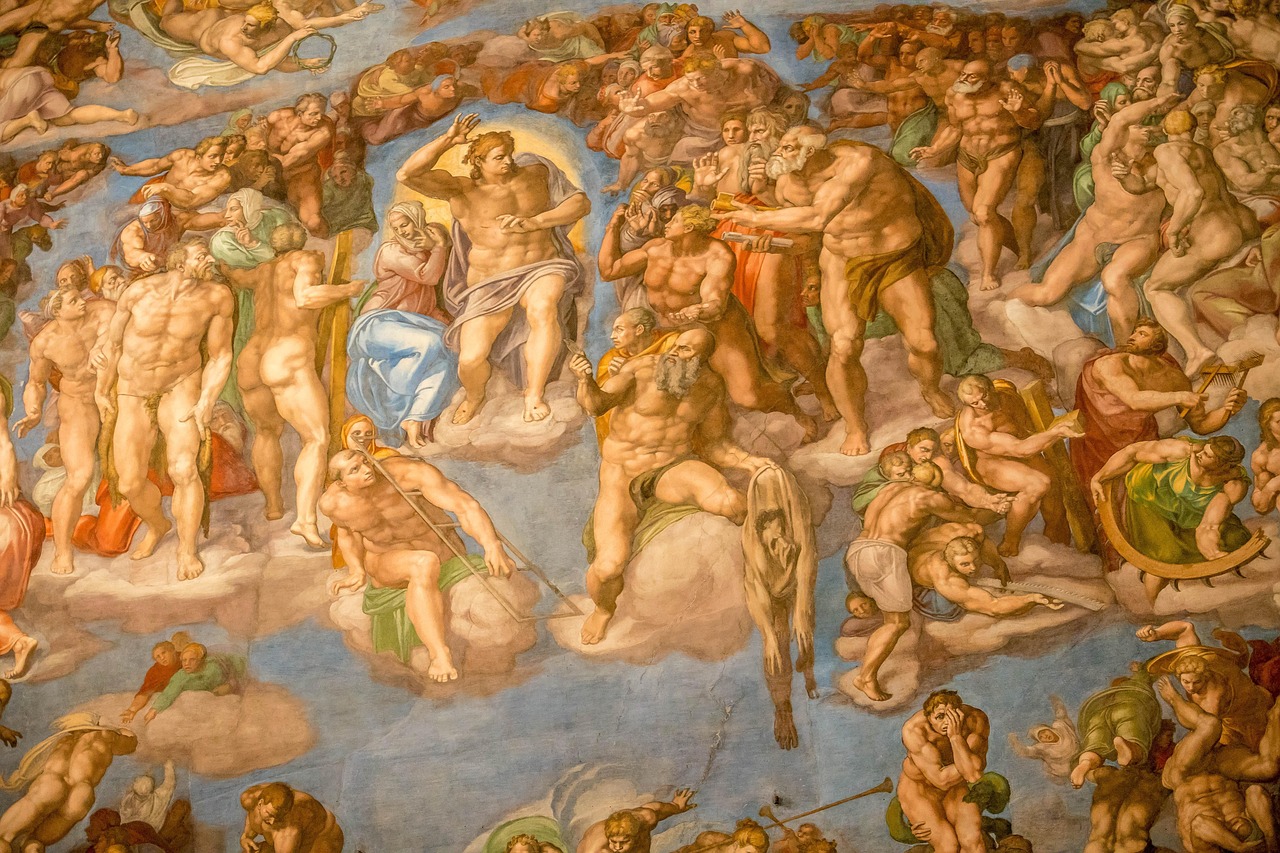
After-hours access at Vatican City for a calmer museum experience
A Vatican museum after-hours Sistine Chapel tour in Vatican City, Rome, changes the emotional texture of the visit. Instead of shoulder-to-shoulder galleries, you move through quieter rooms with space for insight and reflection. The privilege isn’t about spectacle; it’s about being able to look slowly, and letting the art meet you without interruption.
For high-end travellers, this is often the most satisfying approach to visiting the Vatican: fewer crowds, a calmer pace, and the feeling that the evening has been designed around you. It’s also one of the best ways to avoid museum fatigue, because you’re not constantly navigating noise, congestion, and stop-start movement.
Vatican Museums with an expert guide: pacing, highlights, and quiet galleries
The Vatican Museums are vast, so the goal is not to see everything, but to see the right things well. A thoughtful route might include the Gallery of Maps, selected Raphael Rooms, and a few quieter corners where your guide can point out the human details—gesture, symbolism, perspective—that most visitors miss. This is where a great museum guide makes the difference: they help you uncover meaning without overwhelming you with dates.
To keep your energy steady, build in pauses. Your guide can create small “breathing points” so the museum feels like a sequence of discoveries rather than a marathon, and so you leave with your curiosity intact for what comes next in Rome.
Sistine Chapel stillness, Peter’s Basilica add-on, and Vatican dress codes
One guest shared an unforgettable moment of silent reflection in the Sistine Chapel with only a handful of visitors. Without the usual hush enforced by crowds, the quiet felt genuine, and their appreciation for Michelangelo’s work deepened—less touristic, more personal. That stillness is what after-hours access protects inside the Vatican.
If timed well, you can add Peter’s Basilica as an optional extension. Dress codes matter across Vatican City: elegant yet modest attire (covered shoulders and knees) keeps entry seamless and feels appropriate. Plan security checks into your timing so you’re never rushed at the threshold, especially if you’re fitting this museum visit into a fuller Rome itinerary.
Planning essentials:
- Book at least 30 days in advance, and earlier during peak periods.
- Prioritise skip-the-line access and a small-group or private format.
- Schedule a light meal afterwards; the calm tends to make you linger.
Villa Borghese and the Galleria Borghese museum: tickets and a refined visit in Rome
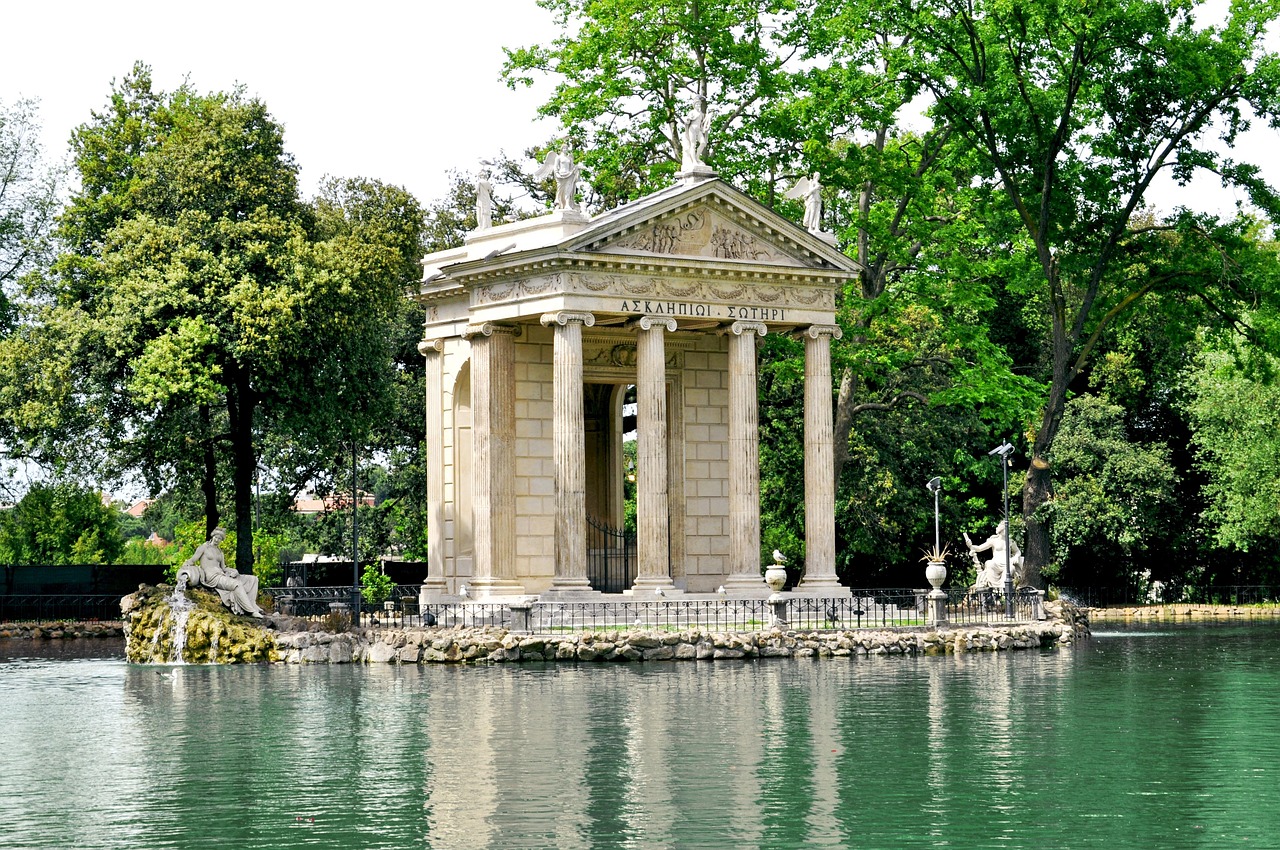
Villa Borghese and a museum morning that feels calm and curated
For a softer, more intimate chapter of the city, plan Villa Borghese and Galleria Borghese museum tickets as a morning-to-midday escape. Villa Borghese is where Rome feels airy and composed—tree-lined paths, gentle fountains, and the sense you’ve stepped into a calmer register. It’s a beautiful counterpoint to the grand theatres of the Colosseum and the Vatican.
Arrive early for soft light and fewer people. This is one of those spots in Rome where time seems to slow; you can imagine the city as painters and poets once did, through shade and texture, before returning to the historic centre for lunch.
Villa Borghese strolls, then timed-entry at the Galleria Borghese museum
Timed entry is essential at the Galleria Borghese, and it’s precisely what makes it special. The museum’s controlled numbers create an atmosphere where you can actually look at Bernini’s sculptural drama, the way marble becomes skin, and Caravaggio’s intensity as light cuts through shadow. You don’t need to rush; you need to be present.
Because the visit runs on fixed slots, we like to design the day around it: a private car drop-off, a quiet coffee beforehand, and a plan for what comes next so the museum experience stays seamless.
See Rome through craft: culture stops without museum overload
A design-forward way to explore Rome is to notice craft as you go: marble veining, fresco pigments, gilded edges, and how light falls across a ceiling. This gentle lens helps you discover the city beyond a checklist of places in Rome, and makes even short walks feel intentional.
If you’d like to add depth nearby, keep it light: a curated museum stop or a boutique gallery visit can extend the mood without turning the day into another endurance test. Consider a mid-afternoon reset back at your hotel—an hour to change, refresh, and re-emerge feeling restored.
Best food, gelato, and iconic piazza moments: from the Pantheon to Trastevere

Golden-hour walks for piazza atmosphere and Italian flavours
If you’re craving a Pantheon-to-Trastevere evening with a food tour feel, this is your golden-hour chapter. It’s a walk designed for atmosphere—stone warming in late light, fountains turning silver, and the sense that Rome is performing, gently, for those who linger. These are some of the best places to simply be in the Eternal City, especially if you want beauty without pressure.
Start earlier than you think and move slowly. The aim is not to conquer distance, but to let each piazza hold you for a moment—an aperitivo here, a quiet doorway there, a small boutique that wasn’t on the plan but becomes one of our favourite memories. It’s a relaxed approach to the most popular things without feeling swept along.
Begin at the Pantheon, ideally when the crowd is still thin, and you can stand under the dome without jostling. From the Pantheon, drift to Piazza Navona—one of the city’s most theatrical piazza settings—then continue to the Trevi Fountain when the light begins to soften. Finish at the Spanish Steps and Piazza di Spagna for people-watching and style; Spagna in the evening feels polished, but still human.
How to linger well (without losing the mood):
- For quieter photographs at the Trevi Fountain, go early in the morning or late in the evening.
- Step one street back from the main piazza to find calmer tables and better service.
- Remember: some corners are free to enter, and some highlights are free to visit when timed well.
Altare della Patria panoramas, Giardino degli Aranci, and a Trastevere food tour
For a sweeping panorama, head to the terraces of the monument dedicated to Victor Emmanuel II. Then, for something softer, finish at Giardino degli Aranci at dusk—one of the loveliest and best views when the city quietens, and the sky turns gentle. This pairing is a graceful way to balance the big sights with a sense of calm.
When night falls, Trastevere becomes your stage for Italian food that’s simply better in Italy: seasonal plates, Roman classics, and a glass of wine chosen with care. A Rome food tour in Trastevere (or a private food tour) can be tailored for quality over volume, and finished with gelato that tastes like pure pistachio or lemon. If you prefer something even more intimate, a tour in Trastevere that includes a chef-led stop or reserved tables keeps the evening effortlessly crafted.
Luxury travellers often mention a serene boat ride on the Tiber as the perfect interlude—sometimes compared to a “Grand Canal” kind of hush. The water smooths the city’s edges and offers a quiet contrast to the historic centre and its museum-filled days.
If you want optional add-ons, choose one: Campo de’ Fiori in the morning for market colour, or Piazza del Popolo for scale and symmetry. Keep it selective, and Rome will feel generous.
Trips to Rome made easy: private transfers, tickets, and where to stay in Rome
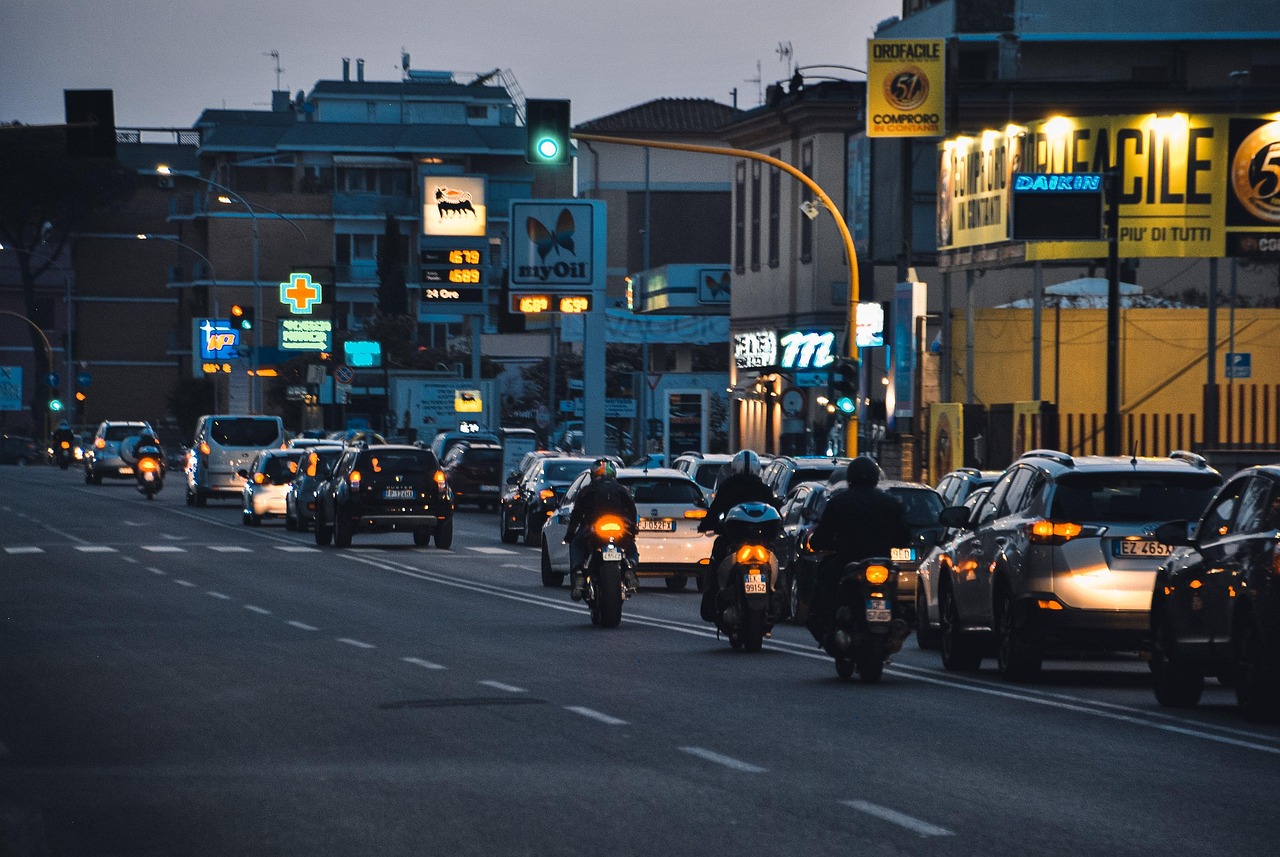
Seamless planning for Rome, with timing, tickets, and calm support
This trip-planning section for Rome is here to reassure you: the difference between a stressful trip and a beautiful one often comes down to logistics. Rome is timeless, but entry systems are modern—timed tickets, security queues, and strict capacity limits. With thoughtful design, it all becomes seamless, leaving you more energy for museums, piazzas, and long lunches.
In practice, that means reserving early, placing high-demand experiences at the right times, and building in free travel afternoons so nothing feels fragile. It’s how we protect the best experiences, and how we create a trip that still feels spontaneous once you’re on the ground—whether you’re here for a short city break or continuing around Rome and beyond.
Tickets, timed entries, and the best way to see more in less time in Rome
Book the Colosseum and Roman Forum as soon as your dates are firm, especially if you want restricted areas. For the Vatican museum, after-hours tours often have limited spaces and should be secured well ahead. Early mornings and late openings tend to feel better for Italy travel—cooler air, calmer galleries, and a more elegant pace that makes your time in Rome feel well spent.
A simple planning timeline:
- Colosseum: reserve weeks to months ahead for premium access and preferred entry windows.
- Vatican: secure after-hours as early as possible, especially in spring and autumn.
- Galleria Borghese: book timed entry immediately once dates are confirmed.
Getting around Rome: Rome Termini arrivals, dress codes near the Vatican, and comfort tips
For moving between locations in Rome, private transfers and luxury car services are the quintessential luxury that keeps your day intact. They reduce waiting, avoid busy public transport, and let you step out close to entrances—particularly helpful when you’re going from one museum to the next. If you arrive at Rome Termini, we recommend a pre-arranged meet-and-greet with luggage handled door-to-door, so you can start feeling looked after.
Pack for comfort with polish: breathable fabrics in warm months, a light layer for evenings, and shoes that can handle cobblestones. Near the Vatican, modest dress codes apply; with elegant basics, it’s easy to comply without losing your style. Learn a few Italian pleasantries—buongiorno, per favore, grazie—and you’ll often find service becomes warmer, especially with local concierges.
This is the Designer Journeys approach: we plan together, we hold reservations, we build in backup options, and we offer support that feels human. Whether you’re continuing an Italy itinerary elsewhere or adding a calm day outside of Rome, the goal is simple care—so you can explore, trust the rhythm, and feel the city meet you halfway when you visit Rome.
F.A.Qs: things to see in Rome, Italy—essential tips for first-timers
What shouldn’t you miss in Rome?
Don’t miss the Colosseum with a high-quality guided tour, the Roman Forum for context, and the Vatican Museums for art that truly shifts perspective. For balance, add the Pantheon and an evening piazza walk so Rome feels lived-in rather than rushed. If you can, include a calmer hour in Villa Borghese to reset between major sites.
What are the top five attractions in Rome?
Many travellers consider the Colosseum, the Roman Forum, the Vatican Museums (including the Sistine Chapel), the Pantheon, and the Trevi Fountain as the top five. The “best” order depends on your pace and timing—private access or after-hours entries can transform how each place feels.
What is a must-try food in Italy?
In Rome, try a beautifully made cacio e pepe—simple on paper, but exceptional when the pepper and pecorino are perfectly emulsified. Pair it with seasonal starters and finish with gelato from a trusted artisan. If you prefer structure, a curated food tour can help you discover standout places without guesswork.
Is there a 7th wonder in Rome?
The Colosseum is recognised as one of the New7Wonders of the World, and it’s a powerful visit when approached thoughtfully. Seeing it with an expert guide, and ideally with special access, helps you understand not just what it is, but why it still captivates people across cultures and centuries.
Rome reflections: why the Eternal City stays with you
Rome reflections are never really about the checklist. They arrive later—when you remember the warmth of stone at dusk, or the way a quiet street suddenly opened into a piazza filled with water and music. Rome holds time differently; it lets centuries sit side by side without asking you to choose what matters most, and that’s the real best of Rome.
Sometimes what stays with you is a single artwork—the tilt of a Bernini face, the weight of Caravaggio’s dark, the hush of the Sistine Chapel when a handful of visitors simply looked up and breathed. Sometimes it’s smaller: the delicate clink of a spoon in an espresso cup, the soft pause before you step back into the bright Roman afternoon.
There’s a particular kind of calm that comes after the crowds thin. The Colosseum looks less like an icon and more like a presence, and the city seems to exhale. You start to notice texture—ironwork, worn thresholds, the sheen of marble—and you realise how much Rome is made by hands, by patience, by the quiet confidence of craft.
And then there are the moments that feel almost private: a late-night walk where your footsteps are the only sound, or a glance across the river where the water carries a gentler version of the city back to you. You leave with light in your memory, and a sense that you don’t need to have seen everything for the journey to be complete—especially if you’ve balanced big attractions with a museum or garden pause.
Rome doesn’t ask for urgency. It asks you to return to your own pace, to carry its creativity home, and to know that when you’re ready to uncover another layer, the Eternal City will be there—quietly—exactly as it always was. However much time you have in Italy, that invitation remains the same.