Post Contents
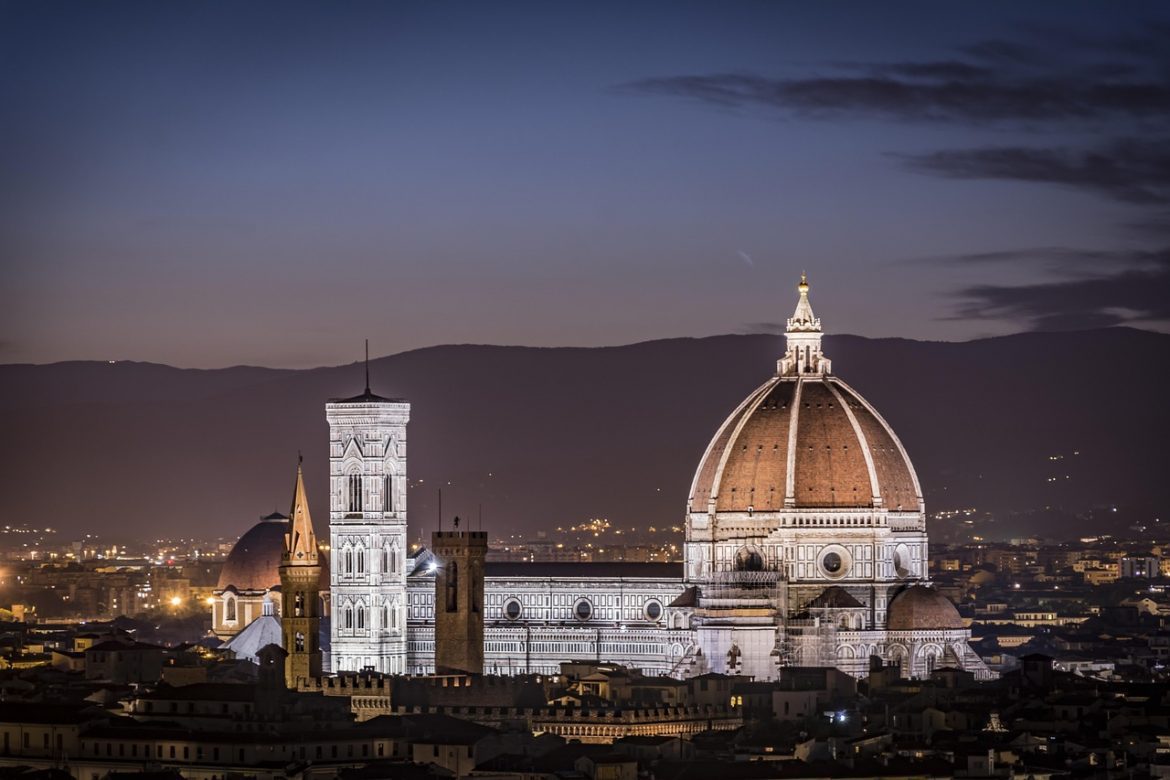
- Duomo Florence Cathedral first impressions in Piazza Duomo, Italy. Cathedral orientation.
- The architecture of the Duomo of Florence, Santa Maria del Fiore, combines Gothic and Renaissance styles.
- Brunelleschi’s dome climb of Santa Maria del Fiore in Florence involves a 463-step ascent of the cathedral’s cupola.
- Inside Florence Cathedral, Santa Maria del Fiore: frescoes, Vasari’s Last Judgment, and Quiet Grandeur.
- Baptistery of San Giovanni, Florence duomo Gates of Paradise by Lorenzo Ghiberti.
- Opera del Duomo Museum, Florence: Renaissance sculptures up close.
- Join the guided tour of Duomo Florence and Bell Tower Santa Reparata for a seamless visit.
- F.A.Qs: Cathedral in Florence, Italy
- After the Duomo, Florence leaves a lasting impression of the Santa Maria del Fiore cathedral experience.
Duomo Florence Cathedral first impressions in Piazza Duomo, Italy. Cathedral orientation.
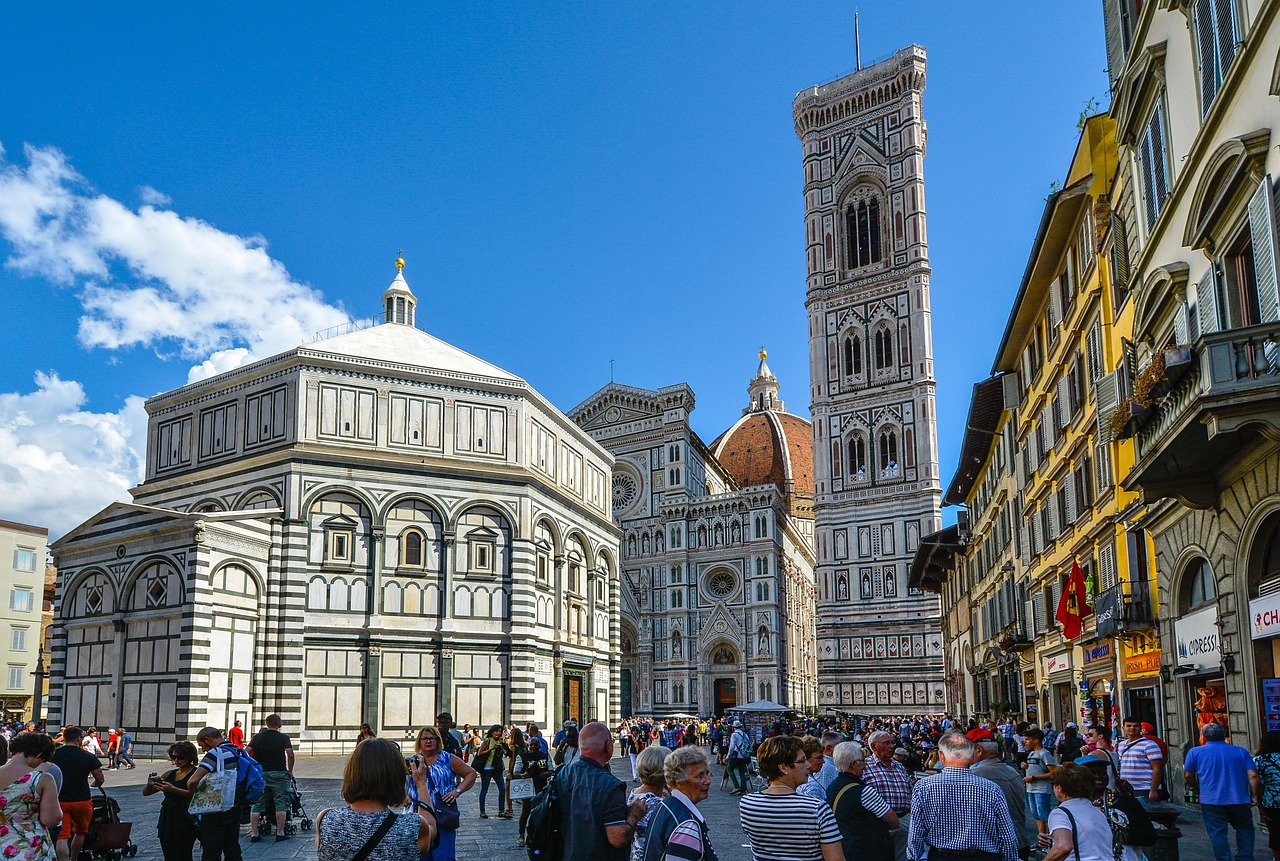
Duomo Florence Cathedral First Impressions in Piazza Duomo
For the Duomo in Florence, Italy, orientation begins the moment you enter the open bowl of Piazza Duomo. The Duomo rises as a symbol of Florence, and even seasoned travellers often pause—not from indecision, but from awe. Florence has a way of making scale feel intimate, as if the city of Florence is quietly introducing you to its greatest work.
Arrive early, and you’ll hear the bells before you fully register the façade, and you can watch the piazza change character as the day unfolds. One visitor once told me the most moving moment wasn’t the crowd-pleasing view at all, but a quiet morning when the bells rang across near-empty stone, turning the whole square into a private memory.
Piazza Duomo at a glance for a seamless exploration
To explore with ease, it helps to map the complex in your mind as a small neighbourhood rather than a single monument. Everything is close, but each space asks for a slightly different pace and mood.
- Cathedral: Santa Maria del Fiore itself, where the nave opens into quiet grandeur.
- Dome: the cupola climb for high, open-air Florence views.
- Baptistery: the Baptistery of San Giovanni and its storied doors.
- Bell tower: Giotto’s vertical masterpiece beside the cathedral.
- Opera del Duomo Museum: the “backstage” collection that changes how you read everything outside.
Security and respectful behaviour with warmth and trust
Expect security checks at entrances, with standard bag inspection, so travel light and keep essentials easy to reach. Inside the cathedral, dress modestly—cover shoulders and knees—and keep your voice low. Photography is usually fine, but without flash during services, follow local guidance with care, especially where areas are designated for worship.




The architecture of the Duomo of Florence, Santa Maria del Fiore, combines Gothic and Renaissance styles.
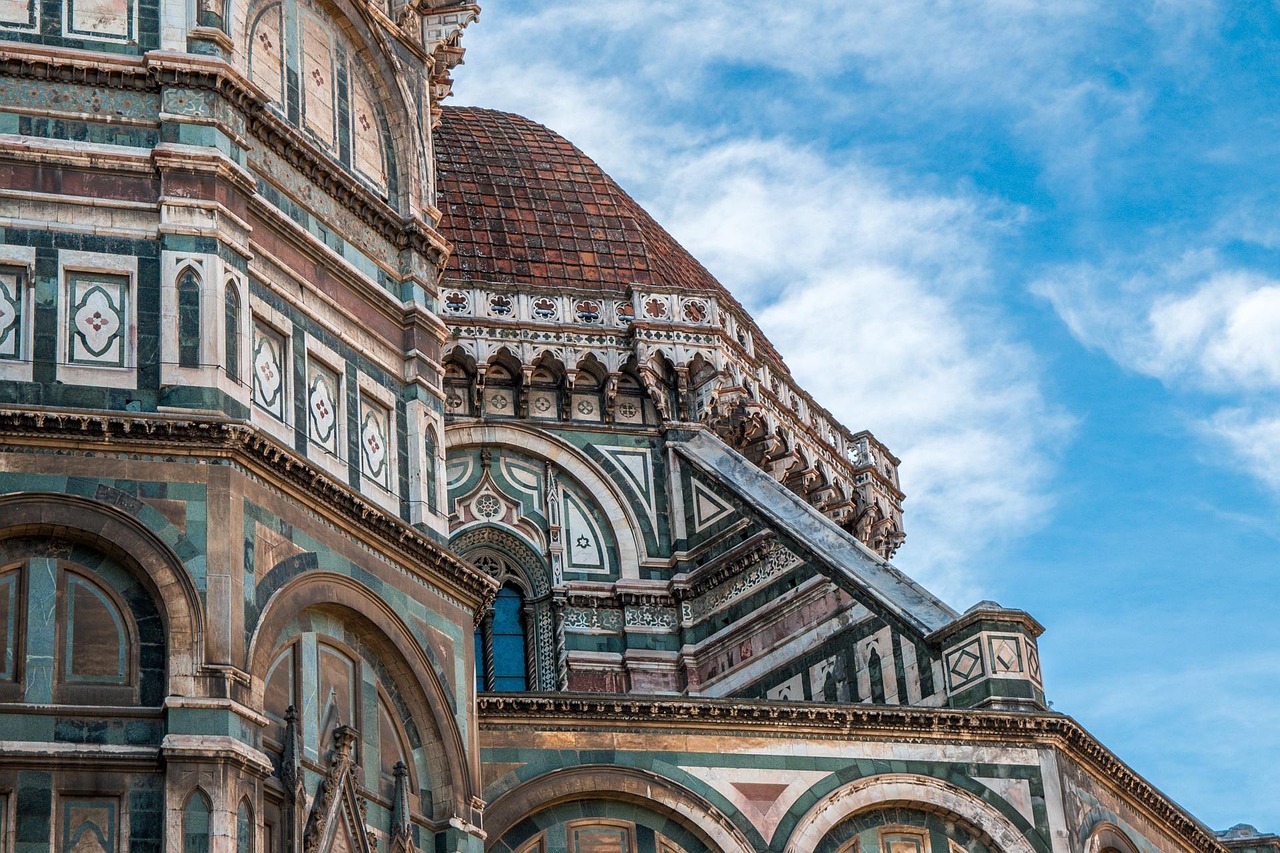
Architecture of the Duomo From Italian Gothic to Renaissance
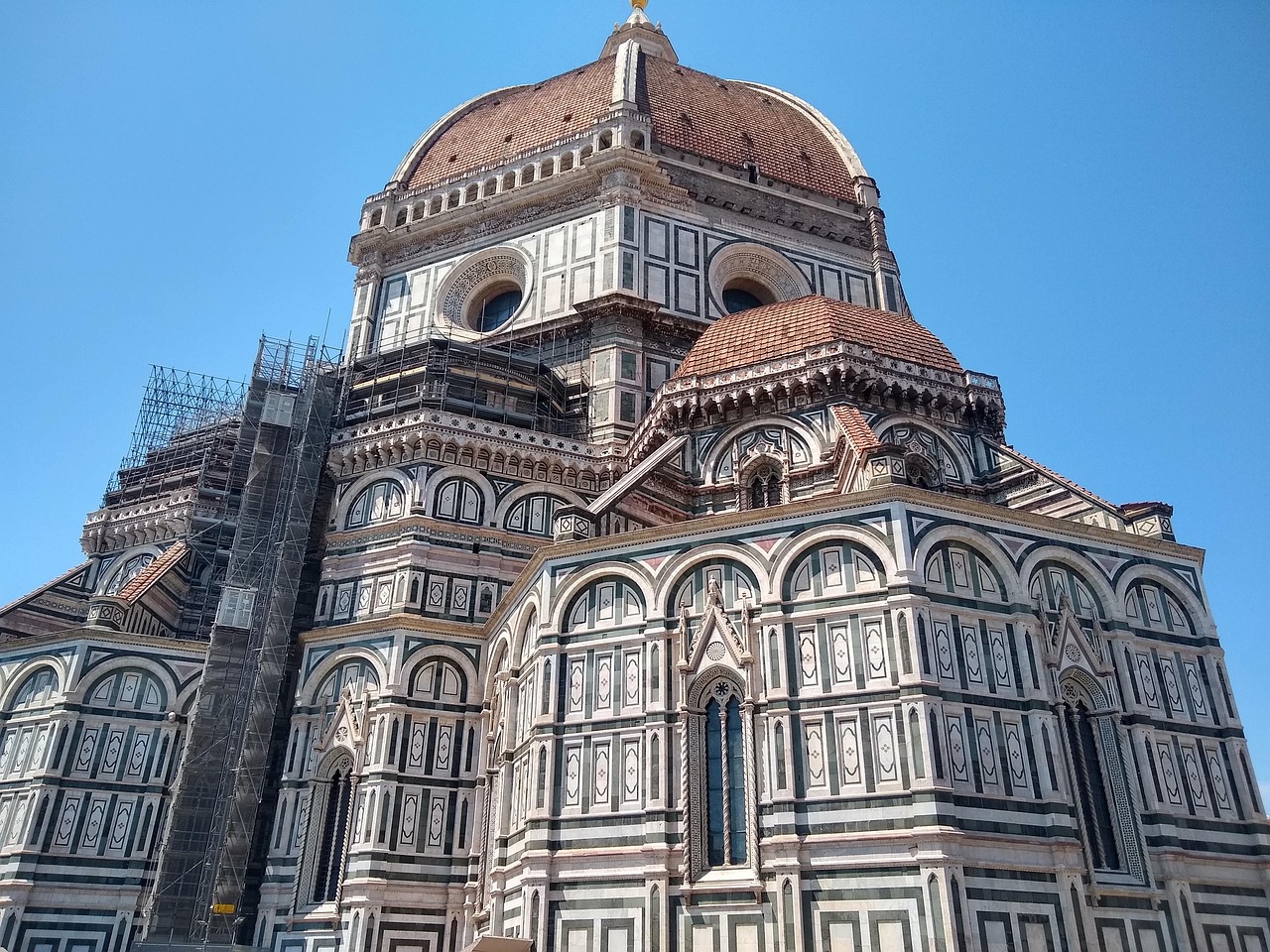
The architecture of the Duomo of Florence, Santa Maria del Fiore, marks the beginning of the Gothic Renaissance: construction began in 1296 for a new cathedral meant to be one of the largest churches in the world. The original architect is traditionally linked to Arnolfo di Cambio, and the decision to build so big at the end of the 13th century speaks to a city confident in craft, commerce, and belief.
What makes the architecture of the Duomo feel uniquely Florentine is its graceful tension between an example of Italian Gothic structure and the emerging clarity of Renaissance thinking. You can sense it in the way the building carries weight, yet still feels composed—almost designed for contemplation as much as ceremony.
Façade craft and marble colours
The façade you see today was completed later, with Emilio De Fabris shaping its 19th-century finish into a richly detailed skin of colour and pattern. Look for white and green marble, with green marble accents that shift tone across the day as the light moves. Up close, the detailing feels crafted, like couture for stone.
It’s also helpful to remember Santa Maria del Fiore is a basilica in the wider sense of scale and civic importance, often described alongside the basilica of Santa Maria del Fiore in the tradition of grand Italian churches. If you enjoy design, spend a few minutes simply tracing lines with your eyes—gothic verticals, then calm Renaissance geometry.
Expert viewpoints for slow looking in peak hours
For photographs, create space by stepping to the edges of the square rather than battling for the centre. Late afternoon can be luminous, but early morning offers the most breathing room. If you want a refined, unhurried moment, take a slow circuit around the cathedral instead of stopping once—each angle reveals a different proportion, and your own pace becomes part of the insight.
Brunelleschi’s dome climb of Santa Maria del Fiore in Florence involves a 463-step ascent of the cathedral’s cupola.
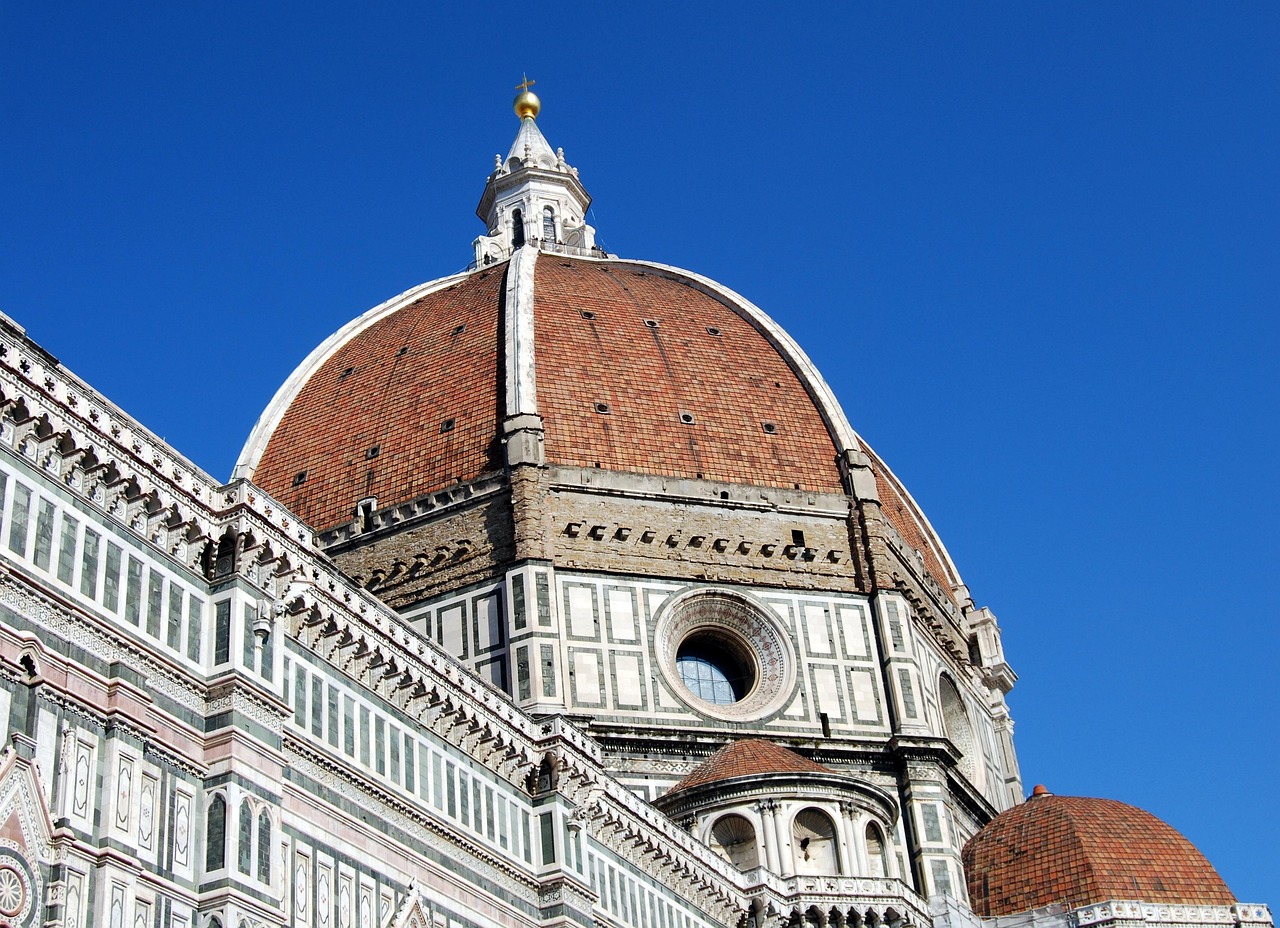
Brunelleschi’s Dome and the 463 Step Cupola Climb
If you’re searching for a Brunelleschi’s dome climb of the Santa Maria del Fiore (Cathedral of Florence) experience, this is it: a physical journey through an engineering miracle. The dome designed by Filippo Brunelleschi transformed what seemed impossible into an enduring landmark, and its completion in 1436 remains one of Florence’s defining milestones. Standing beneath it, many travellers feel a sudden, quiet respect for human ingenuity.
The climb is not for speed. It’s for presence. One couple told me they bonded most on the narrow turns—supporting each other, laughing softly, then stepping out into sunlight with the city spread below like a painted map.
Practical confidence for the 463 steps to the cupola
There is no lift, and the passages can be tight, so pacing is your luxury here. Wear comfortable shoes, keep your hands free, and take breaks when the flow allows. If you’re travelling together, decide in advance who prefers to lead and who prefers to follow—small choices build calm confidence.
- Choose an early or late time slot to avoid heat and heavy crowds.
- Bring only essentials; bulky bags slow you down and complicate security.
- Pause in wider points to let others pass and to steady your breathing.
- Hydrate beforehand, then sip discreetly afterwards rather than on the stairs.
Close-up frescoes, then panoramic Florence views
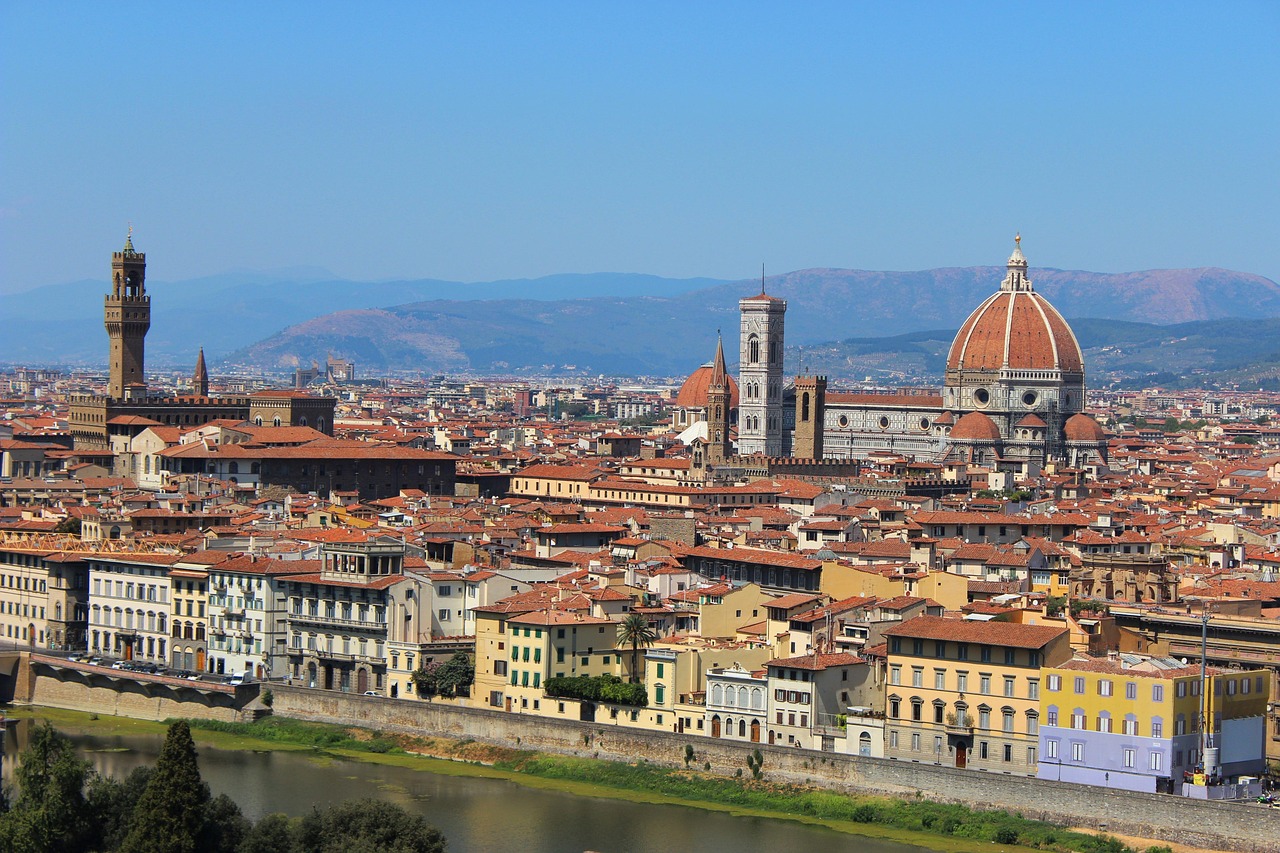
One of the “wow” moments arrives before the summit: you’ll pass close to the inner artwork, seeing scale and brushwork that’s impossible from below. Then, at the top, the dome of the Duomo in Florence becomes your balcony over terracotta roofs, the Arno, and distant hills—an outlook that feels both grand and surprisingly personal. This is where you understand why Brunelleschi’s is spoken of with such admiration, and why the dome of the duomo Florence still feels alive.
Inside Florence Cathedral, Santa Maria del Fiore: frescoes, Vasari’s Last Judgment, and Quiet Grandeur.
Inside Florence Cathedral Art, Marble, and Quiet Grandeur
For those focused on the inside of Florence Cathedral, Santa Maria del Fiore, and Vasari’s Last Judgment frescoes, the first impression is not colour but proportion. Step into the cathedral and let your eyes adjust; the nave feels vast, yet intentionally restrained, as if the architecture is making room for thought. Underfoot, marble patterns guide you forward with gentle rhythm rather than spectacle.
Look up, and you’ll see stained glass windows that filter Florence light into something softer. Even when the cathedral is busy, the space carries a hush that can feel reassuring—an invitation to slow down.
Vasari and Zuccari in the dome fresco cycle
As you learn to read the interior, the dome fresco cycle comes into focus: Vasari began the Last Judgment, which Federico Zuccari later completed. An audio guide can add insight without breaking the mood, especially if you prefer to explore at your own pace rather than join a larger group.
If you want deeper context, a private guided tour can be a beautifully crafted choice, helping you spot symbolism while still leaving space for silence. It’s a high-end approach that feels like care, not control.
Look closer details that reward patience
Don’t miss Paolo Uccello’s clock, a detail many travellers walk past while looking up. Nearby, you’ll also find the equestrian fresco attributed to Andrea del Castagno, an elegant flash of Renaissance confidence within a space rooted in older traditions. These moments are small, but they’re often what stays with you.
Etiquette is simple and kind: cover shoulders and knees, keep to quiet zones during services, and take photos without flash. When a mass is allowed inside, the atmosphere becomes even more intimate—less museum, more living Florence.
Baptistery of San Giovanni, Florence duomo Gates of Paradise by Lorenzo Ghiberti.
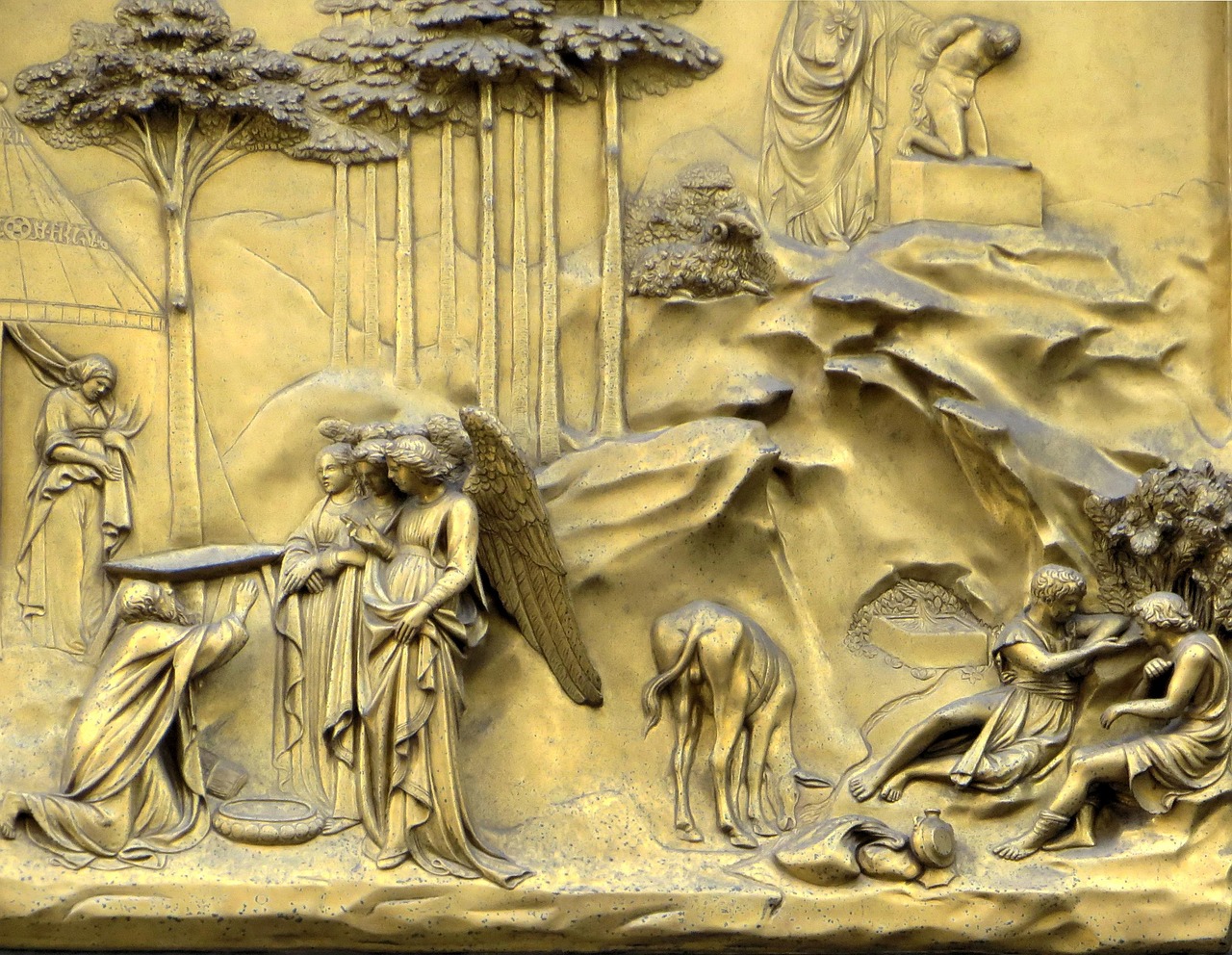
The Baptistery of San Giovanni and the Gates of Paradise
Pairing the Baptistery of San Giovanni, Florence Duomo, Gates of Paradise, Lorenzo Ghiberti, with the cathedral experience creates a fuller, more layered day. The baptistery sits as a proud companion to the Duomo complex, and it remains one of the great attractions in Florence for travellers who love artistry with meaning.
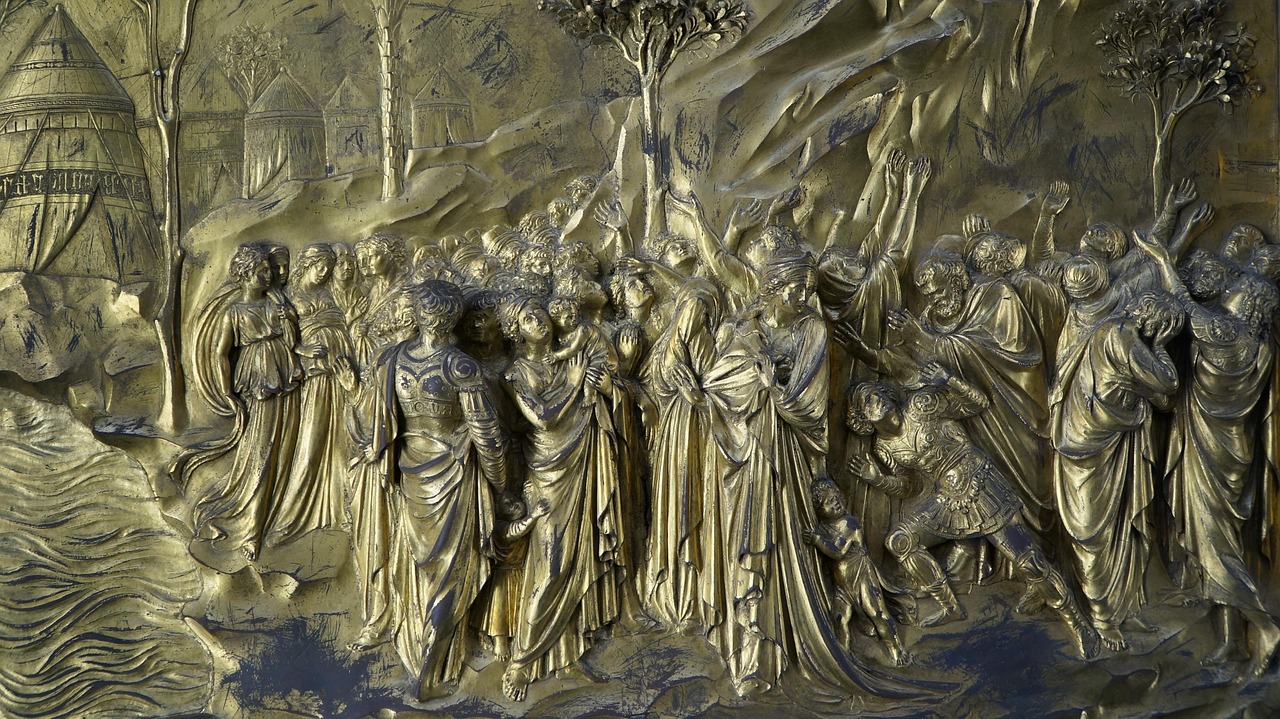
Its fame often centres on the doors: Lorenzo Ghiberti’s gilded panels, the famed “Gates of Paradise”. The storytelling is intricate, and the 15th-century craftsmanship feels astonishingly modern in its precision.
Ghiberti’s panels and where to stand for the best view
To appreciate the relief work, step back far enough to see the full scenes, then move closer to study individual figures. The bronze catches light differently as clouds pass, which is why a slower visit can feel more rewarding than a rushed snapshot.
A local-feeling vignette in Piazza Duomo
One morning, a solo traveller described watching the first sun touch the bronze while the bells carried across the piazza. It wasn’t dramatic—just local life beginning—yet it felt profoundly personal, like being briefly let into the city’s inner rhythm. If you can, aim for first-entry timing to keep the moment serene, and move through with respect for others lingering in quiet appreciation.
Opera del Duomo Museum, Florence: Renaissance sculptures up close.
Opera del Duomo Museum Renaissance Masterworks Up Close
If you’re looking for the Opera del Duomo Museum, Renaissance sculptures in Florence, or the Duomo, this is where the story becomes tangible. The Opera del Duomo is the institution that has long overseen the care and construction of the cathedral complex, and the Opera del Duomo Museum reveals what time and weather would otherwise erase. For high-end travellers, it’s also a welcome pause—air-conditioned calm, curated beauty, and room to breathe.
Seeing originals up close changes how you read the exterior afterwards. Details on the façade and sculptures stop being “decoration” and become signatures of real hands and minds across centuries.
A curated route for a limited time
If you have only an hour or two, design a simple route rather than trying to see everything. Focus on original sculpture groups, façade fragments, and rooms that connect directly to what you’ve just explored outside.
- Start with major originals and architectural elements that once lived outdoors.
- Prioritise key Renaissance artworks and the craftsmanship of marble carving.
- Look for names that anchor Florence art history, including della Robbia.
- Leave time to sit briefly; reflection is part of the museum’s gift.
From museum insight back to the Duomo
After the museum, the Duomo in Florence reads differently—less like a single object, more like a living project shaped by devotion and design. This is where “expert” travel becomes gentle: you’re not collecting facts, you’re uncovering relationships between places, materials, and people.
Join the guided tour of Duomo Florence and Bell Tower Santa Reparata for a seamless visit.
Design a Seamless Duomo Florence Visit Tickets, Bell Tower, and Santa Reparata
Planning tickets for the Duomo, Florence, the Bell Tower, and the Santa Reparata guided tour matters more than most travellers expect, simply because demand is high. The most reassuring approach is to purchase a combined pass online in advance, selecting a dome time slot that fits your energy and the weather. If you’d like inspiration for a longer Italian itinerary beyond Florence, explore our Trip gallery for beautifully paced ideas.
Allow generous buffers between timed entries; the goal is a seamless morning, not a sprint. Keep your plan crafted but flexible, with space for coffee, a slow walk, and the occasional detour that feels right.
Giotto’s bell tower versus the dome
The bell tower (Giotto’s) offers a different climb experience from the dome: more regular stairways, broader views of the cathedral’s structure, and a sense of rising alongside the duomo rather than through it. The bell tower is often a better fit if you prefer slightly less confinement, or if some in your party want an alternative while others tackle the cupola.
It’s also a chance to notice names behind Florence’s skyline: Giotto’s legacy, and later work associated with Talenti as the tower progressed through the 14th century. The view back to the cathedral’s dome is unforgettable.
Santa Reparata and layers beneath the cathedral
Below the cathedral lies Santa Reparata, the earlier church built on the site, linking the present-day duomo to Christianity in Florence across many centuries. Visiting the church of Santa Reparata reveals a quieter kind of grandeur: archaeological layers, foundations, and the sense that Florence has been rebuilding itself with trust and patience since the 13th century and beyond.
For accessibility, note that dome and bell tower climbs require stairs; if mobility is limited, prioritise inside the cathedral, the baptistery, and the museum for a fuller experience without physical strain.
- Best time: early morning or late afternoon for cooler air and softer light.
- What to carry: small bag, water for after climbs, and a light layer.
- Getting there: an easy walk from Santa Maria Novella; local buses help, while parking nearby is limited.
- At checkpoints, keep metal items accessible and move through security slowly.
F.A.Qs: Cathedral in Florence, Italy
What is the most famous Cathedral in Florence?
The most famous cathedral in Florence is Santa Maria del Fiore, widely known as the Duomo. Its iconic dome, designed by Filippo Brunelleschi, defines the skyline and remains one of the largest masonry domes ever built.
What is so special about the Duomo in Florence?
The Duomo is special for its blend of Italian Gothic roots and Renaissance ambition, crowned by Brunelleschi’s dome. You can explore the cathedral interior, climb to panoramic viewpoints, and experience masterpieces across the baptistery and museum in one concentrated, walkable setting.
Why is the Cathedral of Santa Maria del Fiore important?
The Cathedral of Santa Maria del Fiore is important because it represents Florence’s civic identity and artistic confidence, begun in 1296 and later completed with the dome in 1436. It was named in honour of Santa Maria del Fiore, and it remains a landmark of faith, design, and innovation.
Who is buried in Florence Cathedral?
Within the complex, the most famous tomb is that of Filippo Brunelleschi, honoured for designing the iconic dome. Visiting can feel quietly moving—an intimate reminder that Florence’s greatest achievements were made by real people, with real courage, across centuries.
After the Duomo, Florence leaves a lasting impression of the Santa Maria del Fiore cathedral experience.
For Florence Duomo reflections, the Santa Maria del Fiore cathedral experience, what lingers is often less about what you “saw” and more about how you felt. There’s a particular sensation when you stand beneath the dome—time stretching slightly, the air cooler than expected, voices turning into a soft echo that makes your own thoughts feel clearer.
Many people remember the climb not as effort, but as togetherness: a hand offered on a narrow stair, a shared pause, then the view that makes the city look tender rather than grand. Others hold on to the quieter details: the marble underfoot, the measured hush inside the cathedral of Florence, or the sound of bells catching you on a morning walk when Florence is still waking.
And sometimes it’s the most personal moments that stay closest. An anniversary couple once described an evening service as the most serene part of their trip—light pooling in corners, faces softened, and the sense that Santa Maria del Fiore is not only art, but a living place where people still come to hope and to give thanks.
When you step away, the city seems to soften around the Duomo of Florence—white stone, shadow, footsteps, and that unmistakable Florentine calm. It leaves you with a quiet trust in craft across centuries, and the feeling that great places don’t ask you to tick them off; they invite you to notice more, whenever you’re ready to return.