Post Contents
- First steps in Saint Mark’s square italy: Venice orientation in Piazza San Marco at sunrise
- Saint Mark Basilica in Venice: Byzantine mosaic art, opulent detail, and an unforgettable facade
- Campanile di San Marco bell tower: panoramic views, lagoon light, and the top of the tower
- Palazzo Ducale and Doge’s Palace: the Venetian Republic’s power, ducale style, and waterfront drama
- Museo Correr: neo-classical galleries, royal apartments, and a calmer side of the piazza
- Piazza San Marco travel guide: tickets, crowds, acqua alta planning, and smooth timing
- F.A.Qs: Saint Mark’s Square, Italy travel guide
- What stays with you after Piazza San Marco: reflections from Saint Mark’s Square
First steps in Saint Mark’s square italy: Venice orientation in Piazza San Marco at sunrise
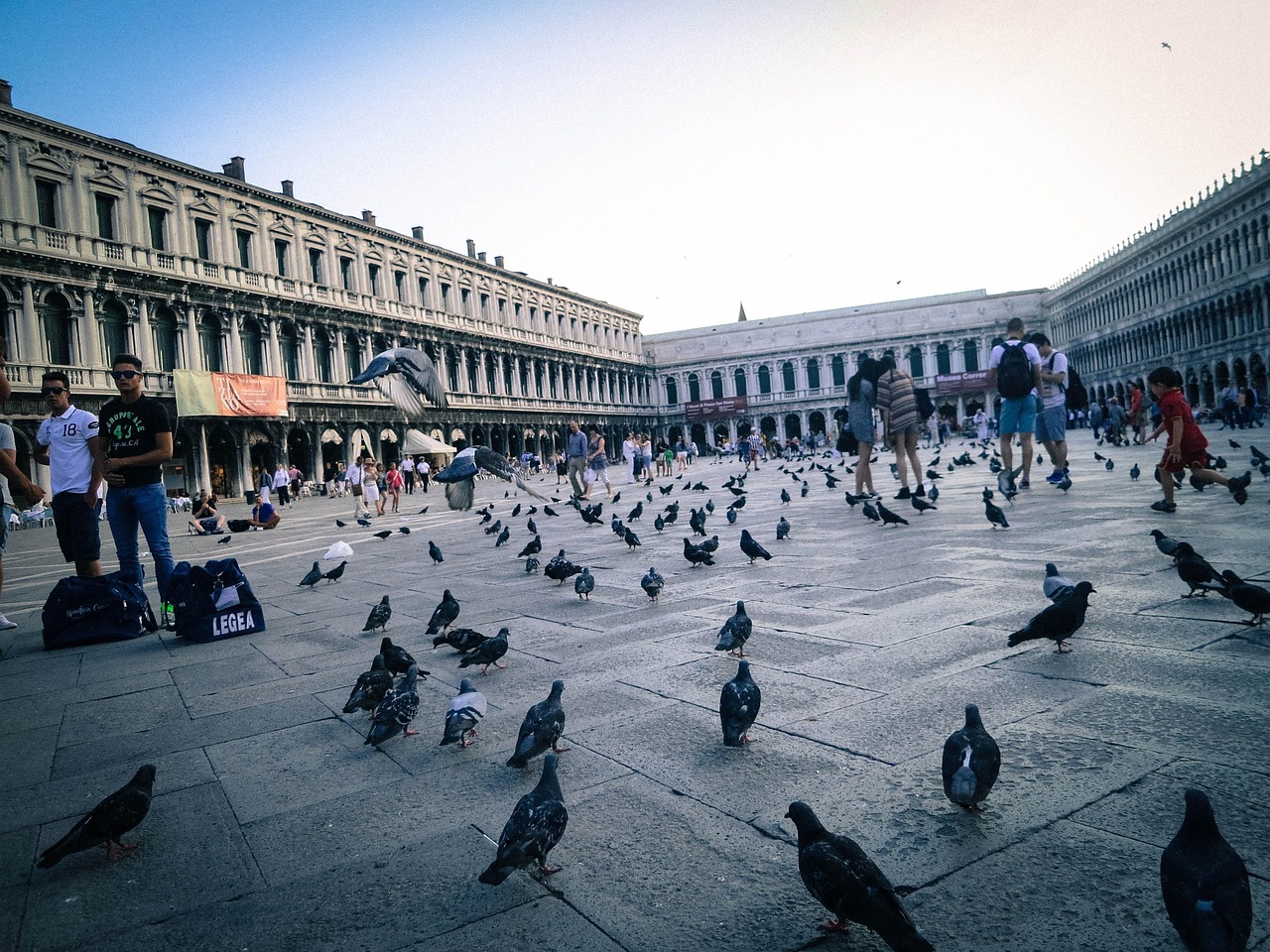
First steps into Saint Mark’s Square at sunrise, when the piazza feels serene
For your first glimpse of Saint Mark’s Square, Italy, choose sunrise—especially if it’s your first time in Saint Mark’s Square, Venice, that famous square in Venice where the light arrives softly. A traveller once described stepping into the space as pigeons fluttered like confetti, and the whole scene held an unexpected peace and tranquillity.
That quiet window is a gift in this city, because the piazza is not just a landmark—it’s the square of Venice, the stage where the place performs itself. The long arcades of procuratie vecchie and procuratie nuove hold you in a grand embrace, while the Clock Tower keeps watch over the flow of people, music, and daily ritual.
How the heart of Venice is laid out for first-time explorers
For confidence, picture the San Marco district as a simple circle of icons. Saint Mark Basilica anchors one side with its gilded presence, the palace complex spreads beside it, and the museum rooms sit in the surrounding wing. Follow the line toward Piazzetta San Marco, and you’ll reach the waterfront; a small turn also takes you to Piazzetta dei Leoncini, a quieter corner that feels more local.
You’ll quickly notice how this is one of the largest open spaces in the city: an open-air room where marching bands appear in the evenings, and public events pulse during festivals. The atmosphere changes hour by hour, so you can move with your energy rather than chasing a rigid checklist.
A simple map in your head before you explore
Stand facing the basilica facade and let your bearings settle—before you explore the iconic arcades, take a slow breath and look for patterns. The cafes line the sides, a palazzo and its state rooms sit close by, and vaporetto access is a short walk toward the water. It’s a gentle lesson the city teaches early: the moment you stop rushing, everything becomes legible.
- Best first-photography window: early morning, before day-trippers arrive.
- Easy navigation cue: spot the time tower, then orient yourself back to the basilica.
- Water bus stops: follow the flow toward the lagoon edge for the main vaporetto access.




Saint Mark Basilica in Venice: Byzantine mosaic art, opulent detail, and an unforgettable facade
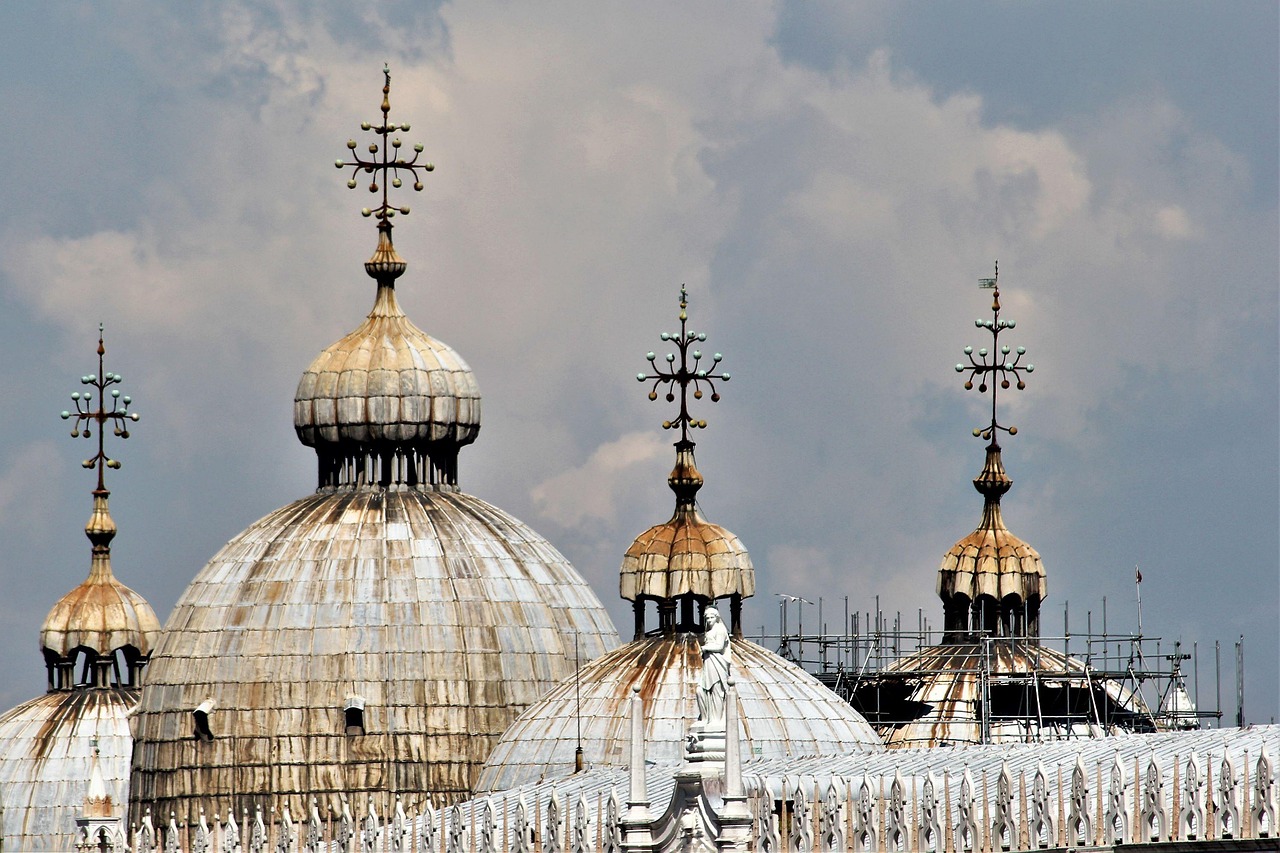
Saint Mark’s Basilica in Venice, a Byzantine masterpiece with a glowing front
For many travellers, Basilica di San Marco is the moment the city moves from beautiful to unforgettable. This byzantine masterpiece is famous for its shimmering mosaic surfaces and opulent detail—arches, columns, and glittering gold that signal ambition turned into stone. Up close, you understand why so many people call it Mark’s Basilica in the most personal way: a building that feels alive in changing light.
Pause before you go inside and look slowly at the front. Even if you’re not an architecture specialist, the intention is clear—this is not simply a church, but Mark’s Cathedral as the city wanted the world to see it, framed by a grand arch that pulls your eyes upward.
Back to the 12th century: Saint Mark and Venice’s rich history in one place
Step back to the 12th century, and you’ll sense why Saint Mark became central to local identity. Relic tradition, trade confidence, and civic storytelling all meet here, layered over centuries in a distinctly Venetian blend of faith and diplomacy. One well-placed detail can become a personal insight: the way light skims a curve, the hush that falls when a service begins, and the careful choreography of visitors moving through sacred space.
Inside, the gold seems to breathe. Look up and let your eyes follow the dome, then return to the human scale—hands touching cool stone, footsteps softening, whispers becoming instinctive. In a place this visited, quiet becomes its own form of luxury.
Seamless visiting with care, timing, and respect
The most supportive choice you can make is timing: pre-booking helps you avoid long waits and keeps the experience calm. During services, notice quiet zones and follow the guidance; it’s a small courtesy that changes the tone for everyone.
If terrace access is available during your visit, take it. That single outlook across Piazza San Marco can reset your whole day—rooftops below, the piazza filling like a tide, and you holding a private pause before you return to the bustle.
Campanile di San Marco bell tower: panoramic views, lagoon light, and the top of the tower
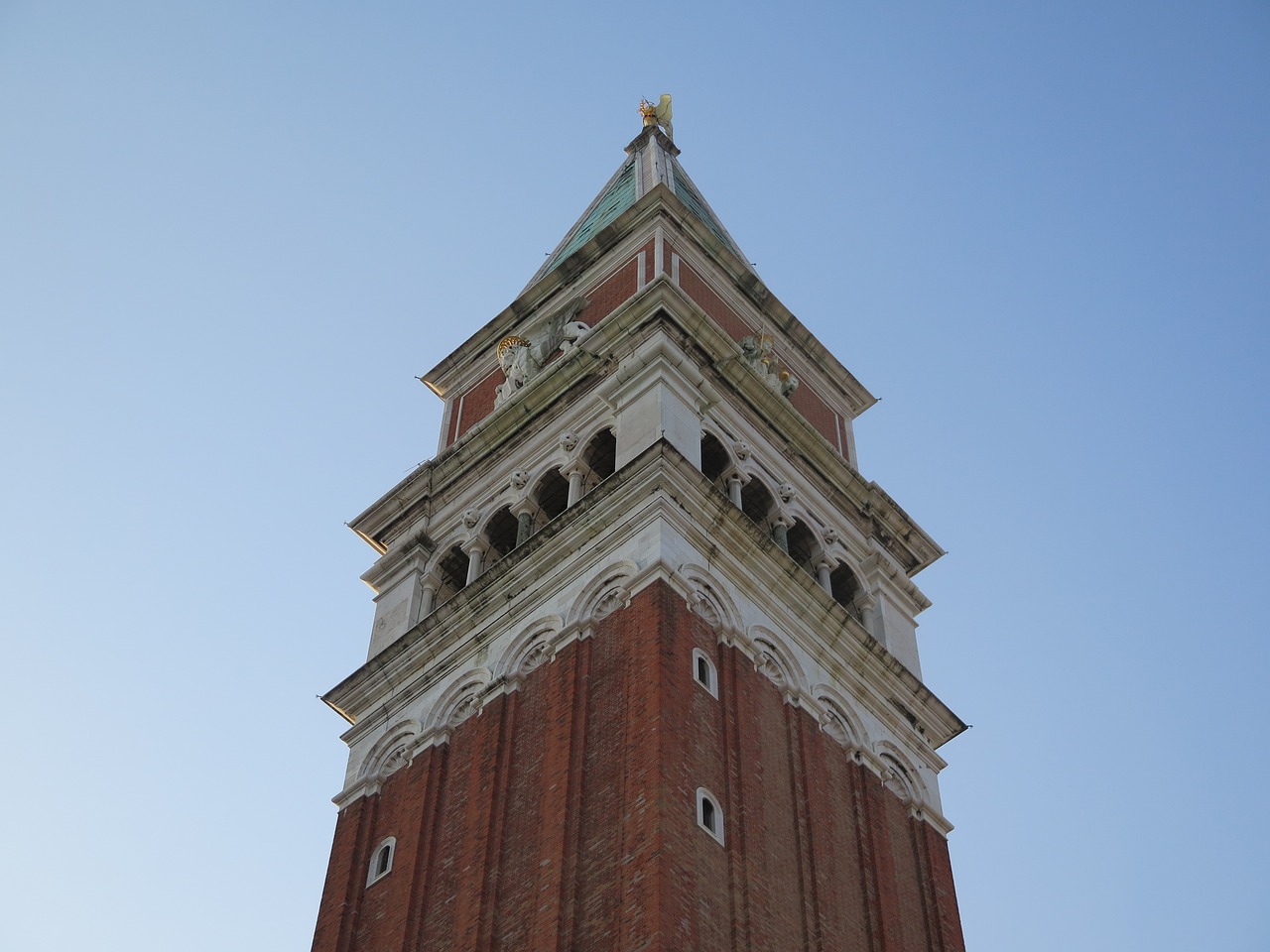
The Campanile bell tower with panoramic views over rooftops and water
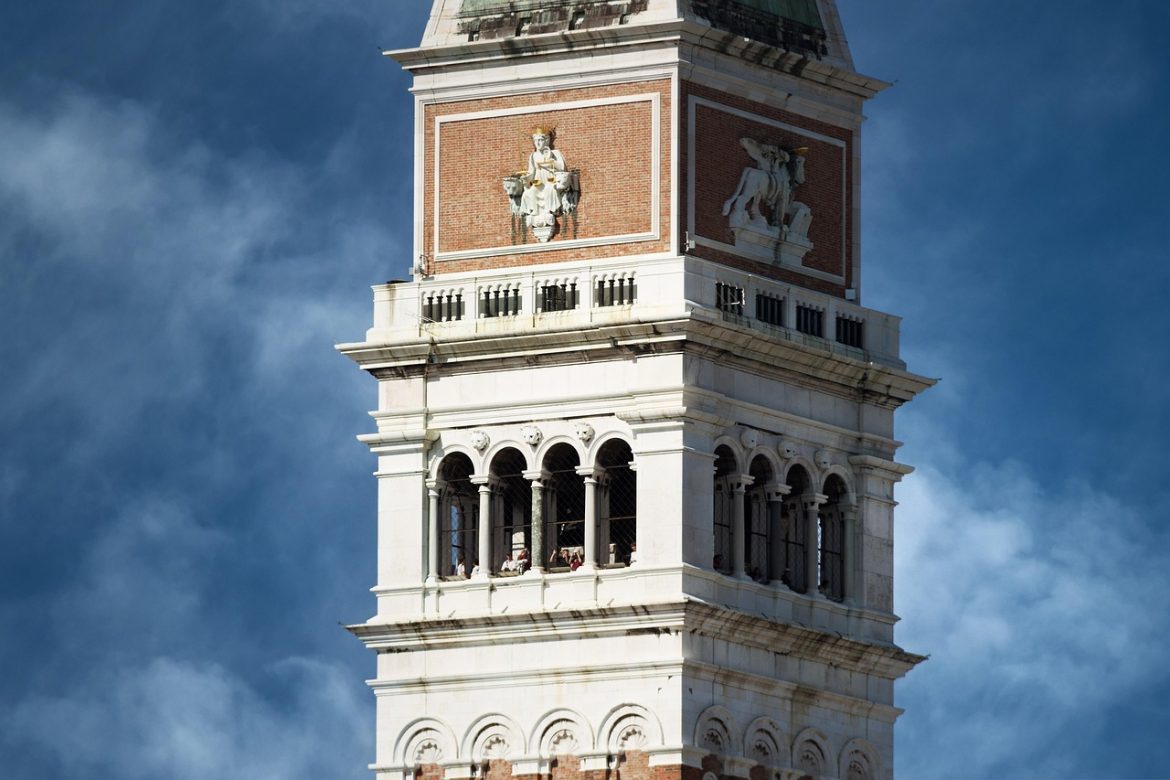
Even seasoned travellers feel a lift of anticipation at the prospect of the campanile. The ascent is quick, but the shift in sound is what you remember: the square’s chatter fades, and the rooftops turn into a textured hush at the top of the tower. Locals sometimes shorten the name to st mark’s, and the familiarity makes it feel even more woven into daily life.
Time it for golden hour, and the reward is immediate: the lagoon looks endless, and every canal line feels connected, like a map you can finally read with your body rather than your phone. From here, it’s easy to imagine a slow gondola route later, when you want quiet water instead of busy lanes.
The Campanile story and why this bell tower matters
There’s a bite-sized history note worth carrying as you look out: the tower collapsed in 1902. Today’s structure honours the original design while remaining open to the public, which feels true to the local character—protect the legend, but keep it welcoming to the curious.
You may see references to an older internal staircase in historic accounts, even though modern access is designed for safety and flow. Either way, the emotional rhythm is the same: rising above the noise, then returning refreshed.
Key sightlines to plan a Venice walking route after your visit
From the viewing level, pick three anchor points. Find the Grand Canal’s curve, then trace the smaller canal threads that disappear between buildings. Look for gondola turns where the water narrows and slows, then widen your gaze to the lagoon edge—the line where stone becomes light.
This viewpoint helps you design the rest of your day with confidence. Once you’ve seen the city’s shape, choosing a route back down feels instinctive rather than overwhelming.
Palazzo Ducale and Doge’s Palace: the Venetian Republic’s power, ducale style, and waterfront drama
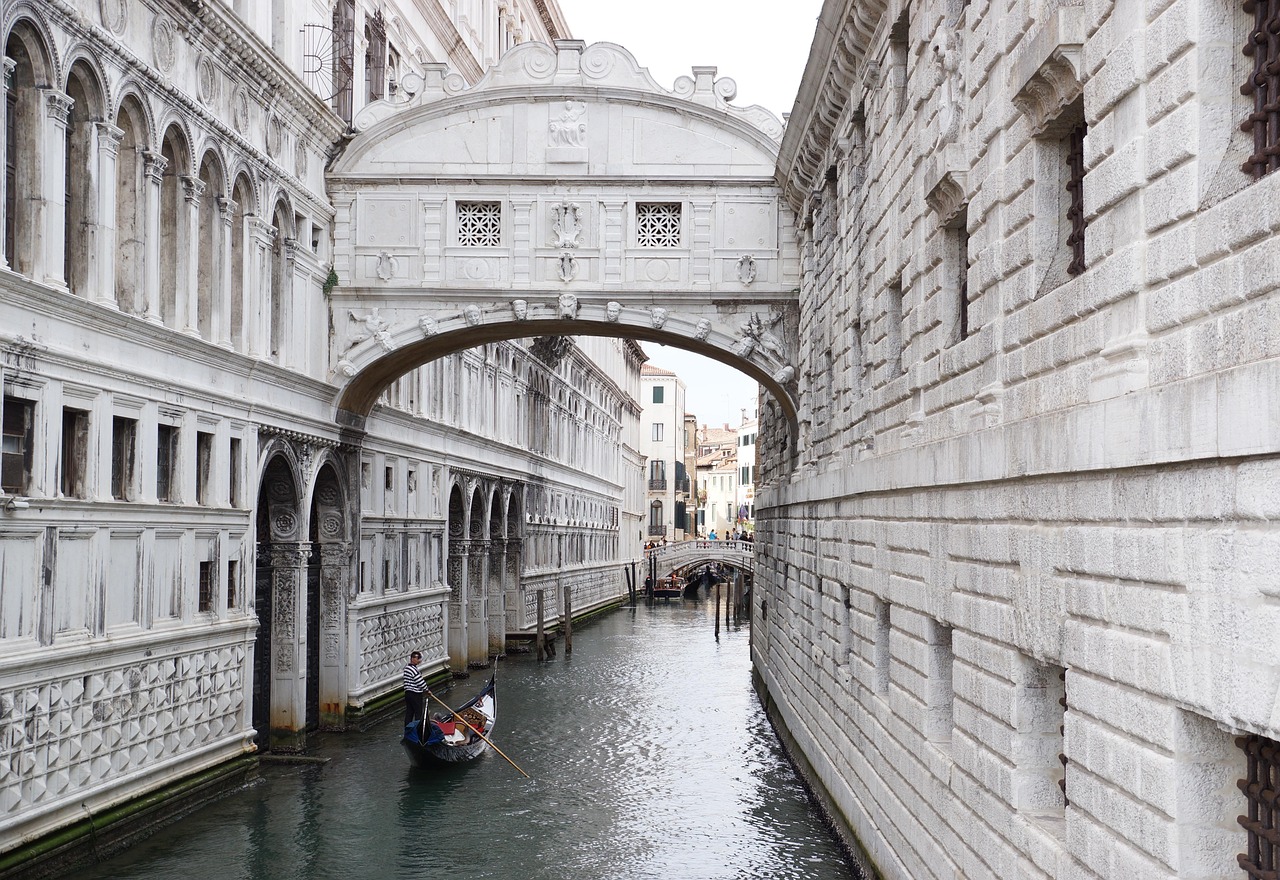
Palazzo Ducale, beside the waterfront, where government and ceremony once shaped the republic
When you step into this palace complex, you enter the political stage of the Venetian Republic. Doge’s Palace was where governance, diplomacy, trade, and ceremony braided together—power made visible, and decisions made that shaped a maritime empire.
It’s easy to rush, but slow looking is the reward. Notice the lace-like geometry, the dark-and-light contrasts, and the way the building sits at the edge of water; then take a short detour to see the bridge of sighs from a calmer angle, once the densest clusters move on.
Architecture, symbolism, and the winged lion of Saint Mark
Look for the loggia lines and sculpted scenes, then let your eye land on symbolic details. The winged lion appears as a signature of Saint Mark and of the state—an emblem repeated until it becomes part of your internal vocabulary of place. For an extra layer, notice how architect Jacopo Sansovino influenced the wider civic aesthetic around the square.
This is where politics, art, and public space were fused into a single message. Even without a guidebook in hand, you can feel the confidence of a city that once ruled through ships, contracts, and spectacle.
Planning palace rooms, viewpoints, and Venice tours without crowd stress
You’ll enjoy the rooms more if you anticipate bottlenecks. Step aside, let the tightest clusters pass, and then take your moment from a quieter spot; that small act of patience can make the visit feel high-end rather than hurried.
If you love context, consider curated Venice tours for the state rooms; if you prefer freedom, self-guided wandering can be just as powerful. Trust the balance that suits you—learning, awe, and breathing space can sit together in one crafted day.
Museo Correr: neo-classical galleries, royal apartments, and a calmer side of the piazza
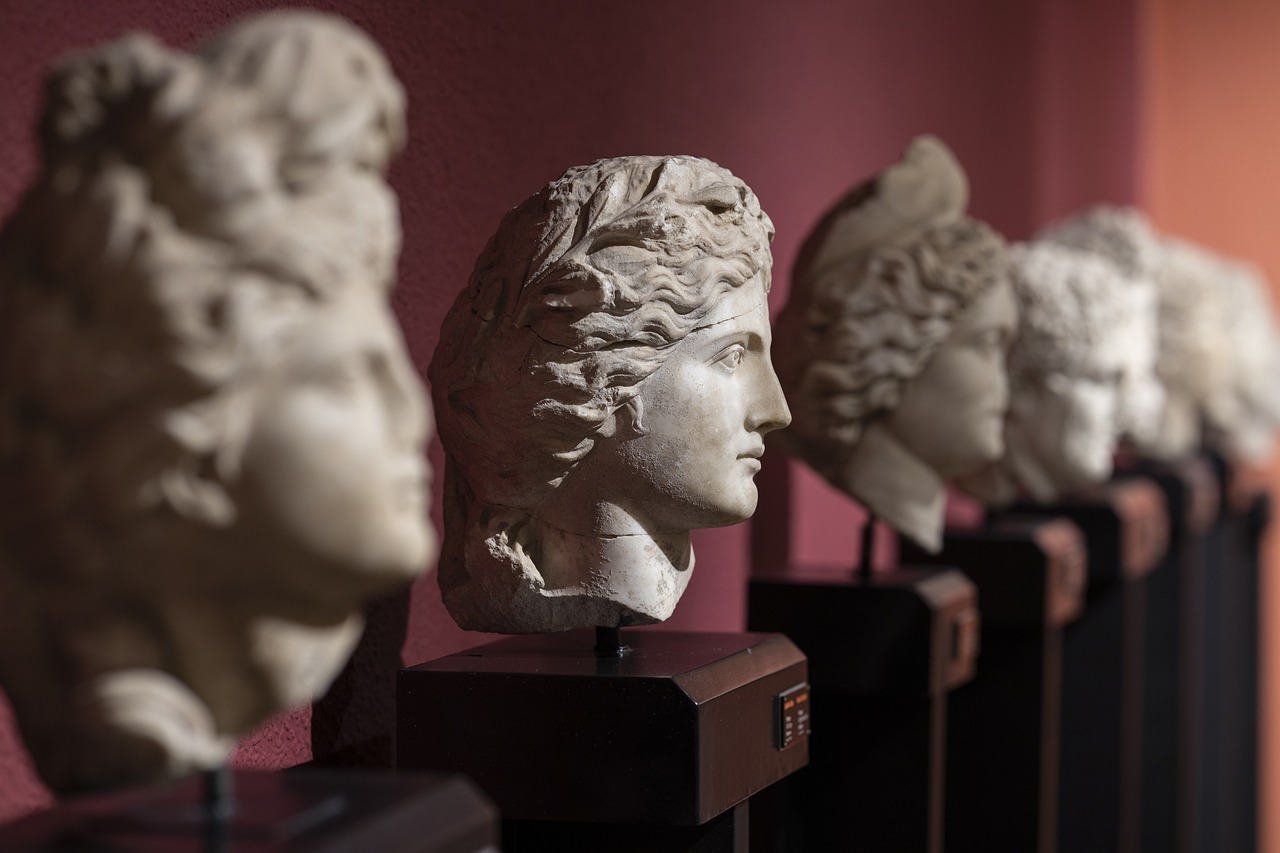
Quiet galleries and classical sculpture for a slower, more reflective museum hour
If you’re craving a calmer counterpart to the piazza’s spectacle, the Correr is a gentle doorway. Often overlooked by people chasing headline sights, it offers one of the most crafted ways to see the city beyond the postcard, with rooms that feel deliberately paced.
Here, history becomes intimate. Portraits hold eye contact, maps reveal how life negotiated water and stone, and civic objects make daily rituals feel close enough to touch. It’s also a welcome reset if the square feels busy—quiet galleries can be the most luxurious part of a day.
Which wings to explore in the Correr Museum complex
The Correr Museum’s neo-classical rooms offer a refined contrast to the basilica’s gold. From there, connections to the national archaeological museum add depth, while the Museo del Risorgimento widens the timeline and gives context to modern Italy.
Think of the complex as a set of rooms you can open or close depending on your energy. You don’t have to see everything for it to be meaningful; you just need one gallery that truly lands.
A quick decision guide for time-poor travellers
Tickets often cost €10–€15, and for many visitors it’s genuinely worth it for the breathing space alone. If you’re deciding on the day, use this simple guide:
- 60 minutes: choose the most evocative portrait and map rooms, then end on a balcony or window view if available.
- Half a day: add the archaeological collections and a deeper loop through the Risorgimento narratives.
- Best mindset: go in curious, come out calmer—let the objects do the talking.
Piazza San Marco travel guide: tickets, crowds, acqua alta planning, and smooth timing
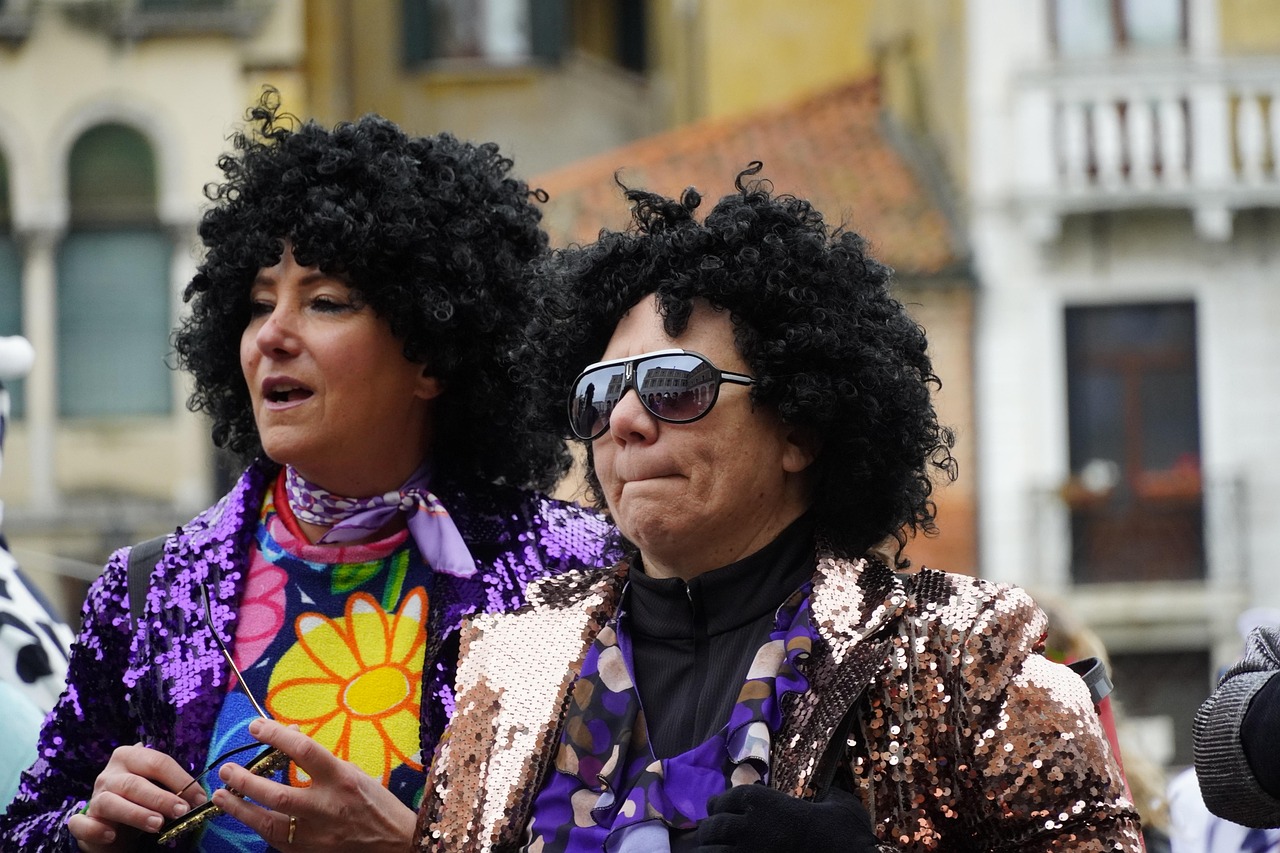
Design a seamless day around Piazza San Marco with festivals, music, and an evening atmosphere
When you’re planning your day, the goal is not to see more—it’s to move more smoothly. Mark’s Square in Venice rewards travellers who build a rhythm: early calm, one booked highlight, one viewpoint, then recovery in a beautiful place.
Start with photos in Mark’s Square, then keep your basilica slot tight and intentional. Pre-booking skip-the-line tickets for Saint Mark’s Basilica and the Campanile can protect your time and your mood—support that feels quietly premium.
An hour-by-hour flow that stays seamless and personal
Try this as a template, then adjust it to your energy. You’re creating a day that holds both discovery and ease in the city of Venice.
- 07:00–08:00: early wander and soft-light portraits of st mark’s Square.
- 08:30–10:00: basilica visit, then a slow lap outside to spot details you missed.
- 10:30–11:30: bell tower time for bright, clear views.
- 12:00 onwards: museum time, then cafe recovery and an unplanned stroll.
The Caffè Florian ritual and why it’s more than a cafe stop
One traveller recalled sipping coffee at Caffè Florian and feeling centuries fold into a single moment—locals drifting by, fellow explorers swapping impressions, live music warming the air. It’s not a cheap pause, but it can be a memorable one: you’re paying for ambience, history, and people-watching with a front-row seat.
If you want to dream further, keep inspiration close with our Trip gallery—then return to the piazza with fresh imagination, not pressure.
Practical care for cobblestones, etiquette, and acqua alta
Wear comfortable shoes for cobbled surfaces, and keep your bag close in dense crowds—pickpockets can appear during peak periods. Be respectful near the basilica during services, and avoid feeding pigeons; it’s discouraged and disrupts the atmosphere for everyone.
For acqua alta, check tide forecasts before you set out and carry waterproof footwear if the forecast looks uncertain. When the water rises, treat it as part of the adventure—flex your timing, swap an outdoor loop for a museum room, and keep the day feeling calm.
Getting around from the piazza without overplanning
Use the nearest vaporetto stops when your legs are tired, but choose walking when you want texture and surprise. A gondola ride makes the most sense when you want a quieter canal moment away from the main corridors; otherwise, Venice walking through side lanes can be just as thrilling, and more intimate.
If you’re tempted to do “top things” back-to-back, gently space them. This destination is at its best when you feel you have time to notice.
F.A.Qs: Saint Mark’s Square, Italy travel guide
Why is St. Mark’s Square so famous?
St. Mark’s Square is famous because it’s the city’s grand civic stage, framed by historic arcades, iconic monuments, and a constant sense of theatre. With Saint Mark’s Basilica, the Campanile, and the palace complex beside it, the Piazza concentrates art, faith, and power into one walkable space. Add orchestras, festivals, and that open view toward the lagoon, and it becomes both symbol and lived experience.
Where to avoid staying in Venice?
Avoid staying right on the busiest corridors around the San Marco area if you’re sensitive to crowds and late-night noise. The immediate streets near the main routes can feel congested, and prices often reflect convenience rather than comfort. Many high-end travellers prefer quieter pockets a short walk away, where evenings feel calmer yet you can still reach key sights easily by foot or vaporetto.
What is in St. Mark’s Square, Venice?
St. Mark’s Square contains the city’s most recognisable landmarks: mark’s Basilica, the Campanile, the palace complex, major museums, and historic cafés. Around the edges, you’ll find arcaded buildings, shops, and access points that lead toward the waterfront. It’s also a lively performance space, with live music, public events, and seasonal festival moments that make each visit feel slightly different.
Is St. Mark’s Square worth visiting?
Yes—St. Mark’s Square is worth visiting, especially if you time it well. Go early in the morning or late in the evening for a calmer atmosphere, better photographs, and a more personal connection to the architecture. Entry to the square is free, and you can choose paid highlights—like the basilica, the bell tower, or museums—based on your interests, time, and energy in Mark’s Square, Venice.
What stays with you after Piazza San Marco: reflections from Saint Mark’s Square
Long after you’ve left the stones of Piazza San Marco, it’s not the scale that returns first—it’s the small sensations. The sound of footsteps changing as the square empties, the shifting light across pale walls, the way the air tastes faintly of salt when you drift toward the water.
You might remember that first sunrise in st mark’s Square in Venice, when the pigeons rose and fell like a soft curtain, and everything felt possible. Or the moment at sunset from above, when canals became lines of gold and your own courage felt quietly affirmed. Or the warmth of a table at Caffè Florian—gentle theatre—where you felt part of something local and alive, even as a visitor in Mark’s Square.
These aren’t trophies; they’re anchors. They change how you carry the place, and how you carry yourself: with more patience, more attention, and a steadier trust in your own pace.
Exploration never needs to be perfect to be meaningful. This place will always leave something unseen—one side street, one reflection, one note of music drifting across stone—and that is part of its care for you. Imagine returning in another season, not to do more, but simply to notice differently; it’s a reminder that the experience is, in a way, Saint Mark’s.