Post Contents
- Rome Travel Lens: A Landmark Guide to the Must-See Attractions and Best Things to Do in Rome
- Ancient Rome Must-See Attractions: Colosseum, Roman Forum, Palatine Hill—Things to See in Rome on a Private Guided Tour
- Vatican City Art: Vatican Museum Highlights, Sistine Chapel, and St Peter’s Basilica in Quiet Hours
- Rome Fountains and Baroque Squares: Pantheon to Trevi Fountain, Piazza Navona, and Spanish Steps
- Trastevere Evenings: A Gourmet Food Tour, Local Wine, and Fun Things to Do in Rome
- Uncover Hidden Gems: Aventine Keyhole, Castel Sant’Angelo, Piazza Venezia, Altar of the Fatherland, and Day Trip Ideas
- F.A.Qs: Rome attractions and practical travel etiquette
- After Rome: What Stayed With Me in Italy—and Why I’ll Return
Rome Travel Lens: A Landmark Guide to the Must-See Attractions and Best Things to Do in Rome
Rome Travel Lens: A Landmark Guide to the Best Things to Do in Rome Attractions
If you’re searching for Italy attractions, Rome inspiration with a polished, high-end rhythm, consider this your curated framework for the Eternal City—made for travellers who want depth, not a dash between queues. Rome is generous with beauty, but it’s even more rewarding when you explore with confidence: fewer logistical frictions, more meaningful moments in the beautiful city and the city of Rome.
Imagine your days designed around softness—morning light on ancient stone, a long lunch when the streets are at their warmest, then a return to the centre of Rome when the evening glow turns everything cinematic. We’ll focus on iconic landmarks and must-see attractions, but we’ll also leave room for the personal: a hidden view, a favourite place feeling, a table you’ll remember.
How to design days by neighbourhood feel when visiting Rome
Rome isn’t one mood—it’s several, stitched together by cobbles and history. In practical terms, it helps to plan by neighbourhood rhythm, then layer your reservations on top of it rather than fighting the city’s flow.
- Historic core: walkable classics (Pantheon, piazzas, famous fountain moments) with elegant breaks in shaded lanes and a clear sense of the centre of Rome.
- Vatican side: museum mornings and basilica calm; book quiet-hour access to avoid the popular tourist shuffle and keep the experience dignified.
- Trastevere: evening energy, local wine bars, and a great way to escape the crowds after big-ticket sites.
When you design each day around light, crowds, and your appetite for walking, Rome feels less like a checklist and more like a city you can trust—especially on a first visit to Rome.
Seamless foundations and why a guided tour matters for top attractions
For many travellers, a guided tour is the difference between “I saw it” and “I understood it”. The best way to learn Rome’s layers—empire, faith, art, modern life—is with an expert who can translate the ruins and the masterpieces into a story you can actually hold onto. Quite simply, a tour is the best way to unlock context without overwhelm, especially at the top attractions and the most visited sites in Rome.
Start with seamless support: private transfers from Fiumicino Airport, a hotel concierge who coordinates timing, and pre-booked tickets for major sites so you’re not waiting in lines. If you’d like inspiration beyond this guide, you can browse our Trip gallery for crafted routes across Italy that keep everything feeling effortless and together.
Practical promise: throughout this guide, I’ll show you how to plan a trip to Rome that feels calm and elevated—where the logistics disappear, and the wonder remains in the city’s essential buildings.




Ancient Rome Must-See Attractions: Colosseum, Roman Forum, Palatine Hill—Things to See in Rome on a Private Guided Tour
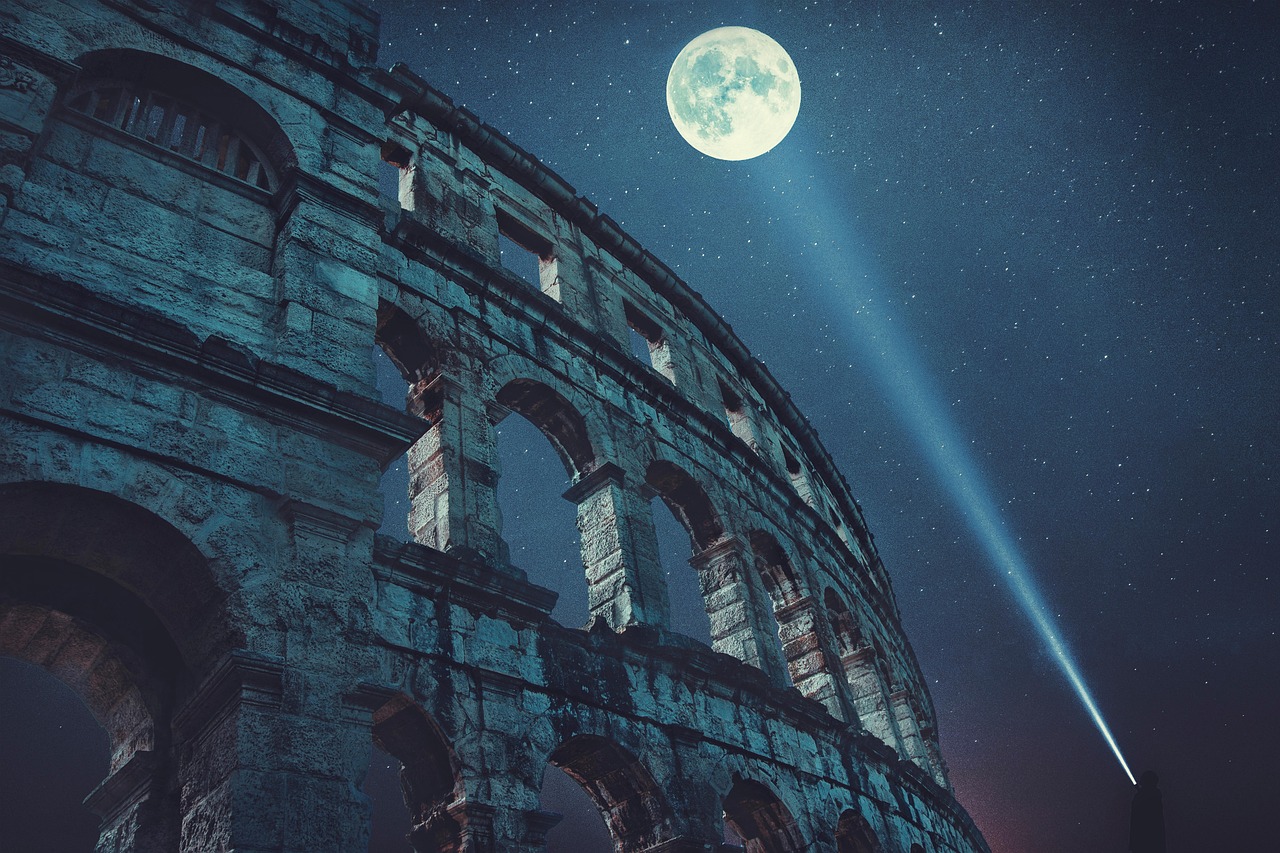
Ancient Rome Must-See Attractions Colosseum Roman Forum Palatine Hill Things to See in Rome Private Guided Tour
Your ideal morning in ancient rome starts with the classic sequence—Colosseum, then the Roman Forum, then Palatine Hill—paced to feel unhurried. Begin early to avoid peak heat, and you’ll notice how Rome shifts: quieter entrances, gentler light, and far more space to take in the scale of these Roman ruins.
A classic flow is to start at the Colosseum, then take the short walk to the Roman Forum, where emperors, senators, and citizens once moved through the same corridors of power. Finish on Palatine Hill, where the breeze and viewpoints help you make sense of the city’s layers—Roman ruins built on top of older foundations, then reimagined again and again.
Standard entry versus a private Colosseum experience
On paper, tickets look similar. In reality, the experience can be worlds apart. Standard entry often means fixed flows and limited storytelling; a private guided tour makes the Colosseum feel like theatre again—engineering, crowd choreography, and human drama brought to life by an expert voice. Some limited-access evening visits can be one of the most impressive ways to see the arena, because the atmosphere changes completely once the daytime crowds fade.
A couple once described their night visit to the Colosseum as unexpectedly intimate. With fewer people, they heard their footsteps echo, noticed details they’d have missed in the bustle, and felt the history land in a quieter, more personal way—less tourist attraction, more encounter with time.
Practical notes for Rome’s biggest tourist attraction
The Colosseum is among the world’s wonders and a world-class icon, so planning is essential. Tickets are timed; IDs are often checked against names; and comfort matters more than you expect on cobbles and uneven stone—especially if you want this attraction to feel effortless rather than exhausting.
- Book ahead: reserve online well in advance for your preferred time window.
- Ticket types: consider options that include the Roman Forum and Palatine Hill, and verify any special-access areas.
- Footwear: choose comfortable yet elegant shoes; Rome is beautiful, but the streets are demanding.
- Context: if you’re not with a guide, an audio guide can be surprisingly effective for pace and clarity.
Leave space afterwards: a shaded café, a slow espresso, and a moment to look back. The most memorable attractions in Rome are often the ones you allow yourself time to feel.
Vatican City Art: Vatican Museum Highlights, Sistine Chapel, and St Peter’s Basilica in Quiet Hours
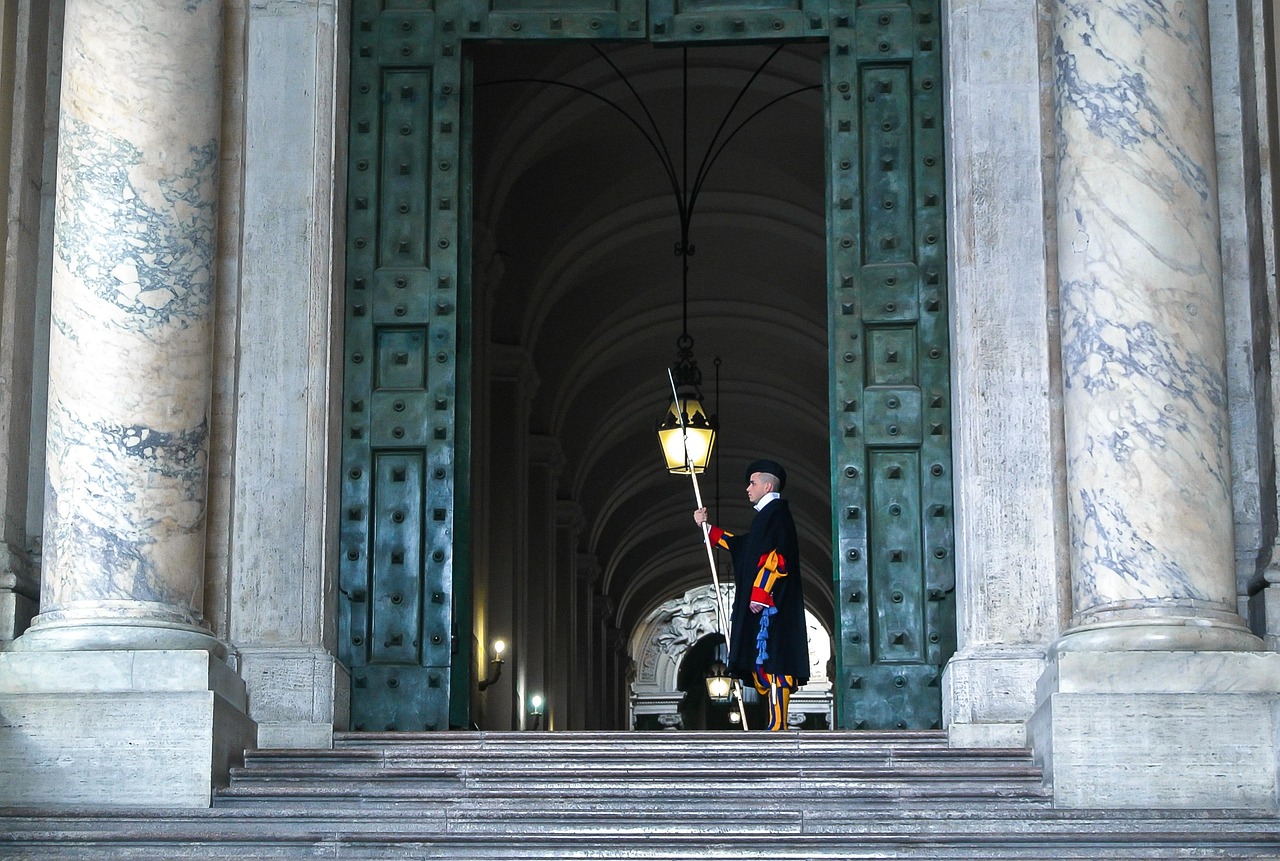
Vatican City Art and the Vatican Museum in Quiet Hours Early Morning Tour
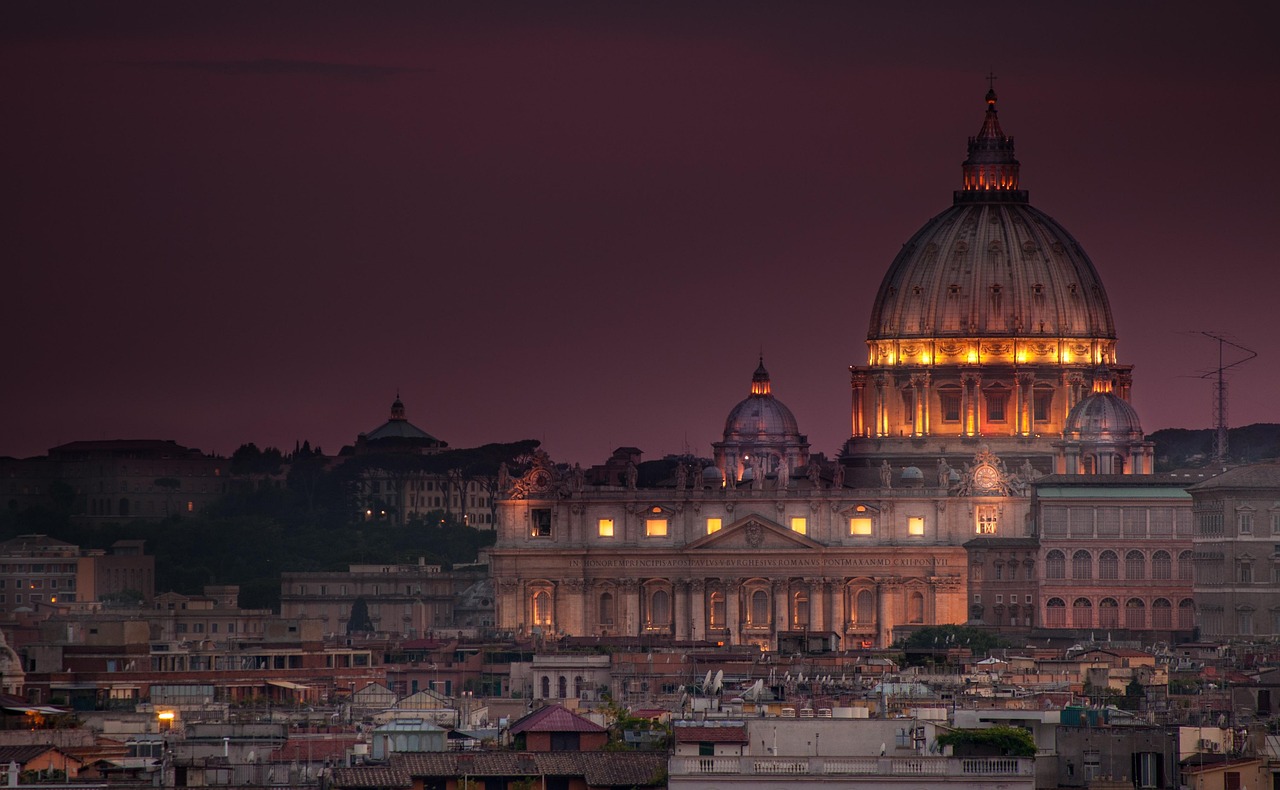
To see the Vatican City area at its best, plan a quiet-hours entry—an early morning or after-hours tour of the Vatican that prioritises space, silence, and attention. Vatican City is both a living faith and a world-class museum culture, and “quiet hours” are the way to see it without the press of crowds that can make the experience feel rushed.
When you enter early, the galleries feel less like a corridor and more like a conversation. Your guide can slow the pace, offer insight, and help you notice the craftsmanship—stone, tapestry, fresco—without turning the morning into an academic lecture. For many travellers, it’s worth a visit to combine a visit here with a calmer afternoon stroll back through the city.
Vatican Museum highlights and the Sistine Chapel masterpiece
The Vatican Museum is vast, but your experience doesn’t need to be. A thoughtful route focuses on signature rooms and lets you actually absorb them: the Raphael Rooms, selected sculpture galleries, and the crescendo—Michelangelo’s Sistine Chapel. It is a masterpiece that rewards stillness; even a few minutes of calm attention can feel like a once-in-a-lifetime encounter, truly worth a visit.
An art collector once told me about viewing the Sistine Chapel with a private Vatican curator. The curator didn’t just point out figures; they offered human context—choices, revisions, intention—and the collector found it deeply moving. It became less about “ticking off” a famous ceiling and more about meeting Michelangelo’s mind at work.
St Peter’s Basilica and San Pietro essentials
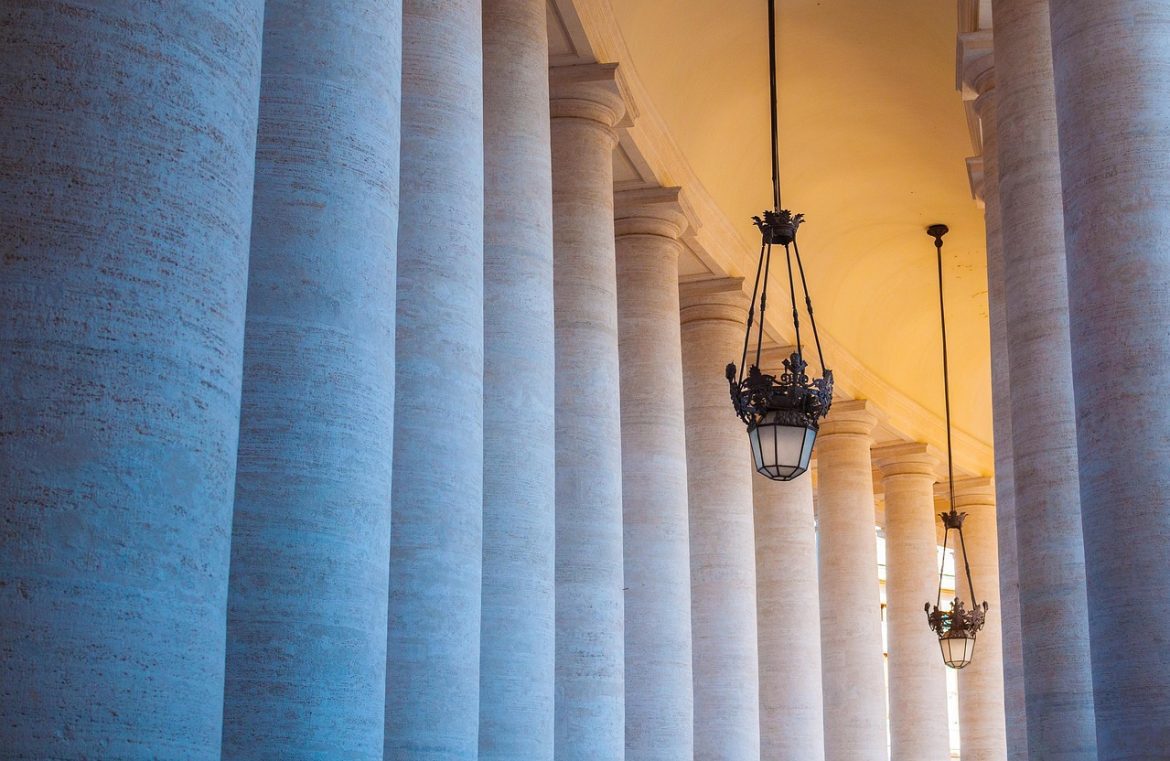
St Peter’s Basilica is a sacred space first, and the most seamless visits respect that. Dress modestly, keep your voice gentle, and let a good guide manage timing so you don’t feel swept along by a tourist current. Inside Peter’s Basilica, you’ll also hear the name San Pietro often—art, architecture, and faith woven together.
- Timing: early entry or late afternoon often feels calmer than mid-day, even in peak season.
- Respect: shoulders and knees covered; pauses for prayer are part of the atmosphere.
- View: if you want the classic view, the dome climb can be arranged; the reward is a breathtaking view of Rome.
Rome can be loud. Here, the hush is part of the beauty—and a reminder that the Vatican is more than a museum.
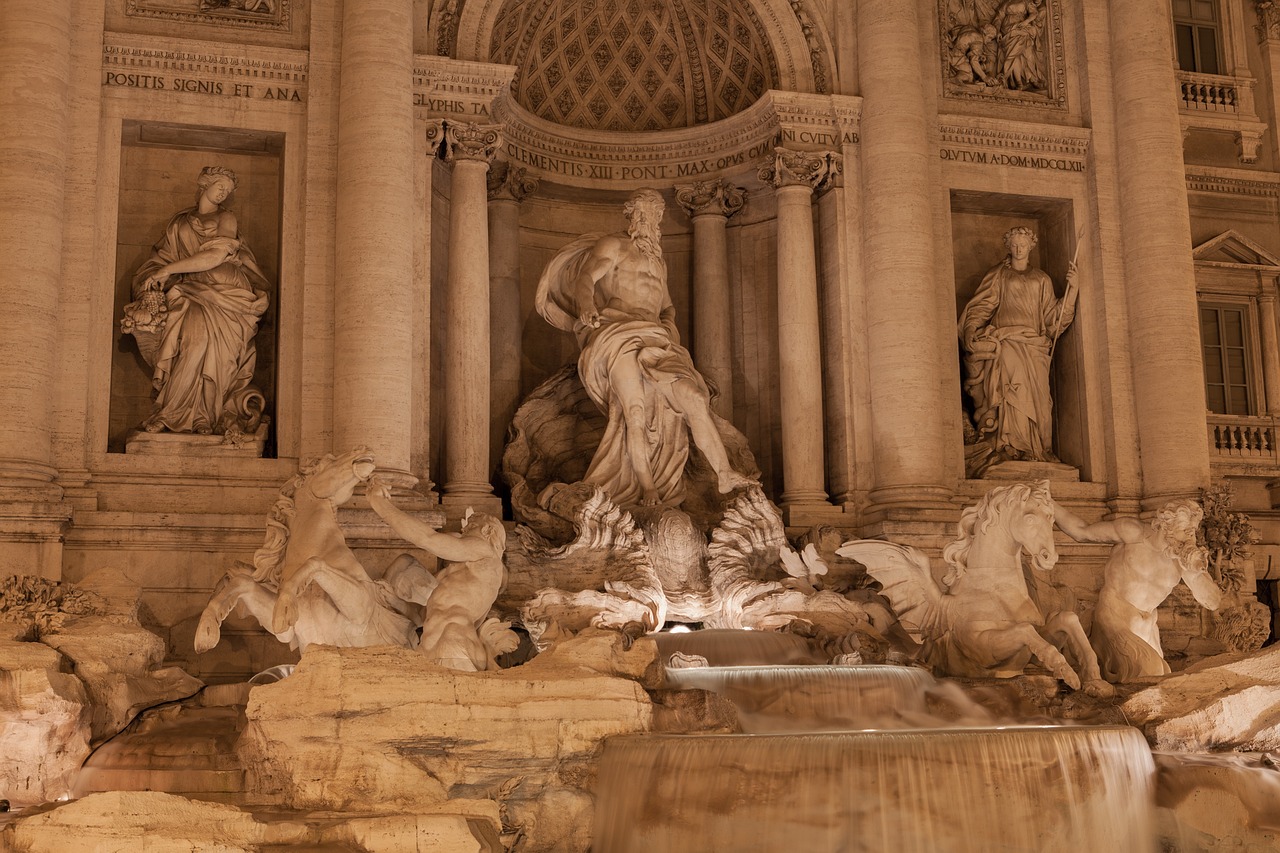
Rome Fountains and Baroque Squares, Pantheon to Trevi Fountain, Piazza Navona, Spanish Steps, Attractions
For an elegant afternoon, follow a classic walking route shaped by the Pantheon, Piazza Navona, and the Trevi Fountain, finishing at the Spanish Steps. It’s one of the best things you can do between museum mornings and dinner reservations—easy to personalise, rich in detail, and naturally paced with shade, gelato, and storytelling.
Start at the Pantheon, drift to Piazza Navona, and end at the Trevi Fountain as twilight approaches. This is Rome at street level: not just monuments, but scenes—doorways, courtyards, and the way sound moves around stone and water.
The Pantheon and the joy of detail
The Pantheon is one of those places in Rome that changes your sense of time. Among the most extraordinary buildings in Rome, it’s both monumental and intimate—especially when you step inside and look up at the oculus. Give yourself a moment to notice the light, the quiet murmur, and the sense that Rome is always layering itself, era by era.
Nearby, you’ll find little pauses that make the walk feel crafted: a refined espresso, a leather shop window, a courtyard that feels almost private. These are the fun things that turn your day from “things to see” into a lived experience.
Piazza Navona is one of the great Baroque stages in Europe. Come in late afternoon or early evening, when the light softens, and the square feels theatrical rather than hectic. Bernini’s presence is part of the choreography—fountains, façades, and the steady pulse of Rome’s public life.
Then continue to the Trevi Fountain, known formally as Fontana dei Trevi. It’s a famous fountain for a reason: the scale, the motion of water, and the sound of a fountain that seems to pull the whole street into its orbit. Expect people, but with smart timing—and valuables kept close—you can still enjoy the moment with confidence.
- Style pause: finish at the Spanish Steps and Piazza di Spagna for a fashion-forward stroll and beautiful shopfronts.
- Safety: In tourist-heavy areas, keep your bag close and avoid flashing your passport or large sums of cash.
Rome’s fountains don’t just decorate the city; they set its soundtrack—and they’re a wonderful thing to see in Rome at golden hour.
Trastevere Evenings: A Gourmet Food Tour, Local Wine, and Fun Things to Do in Rome
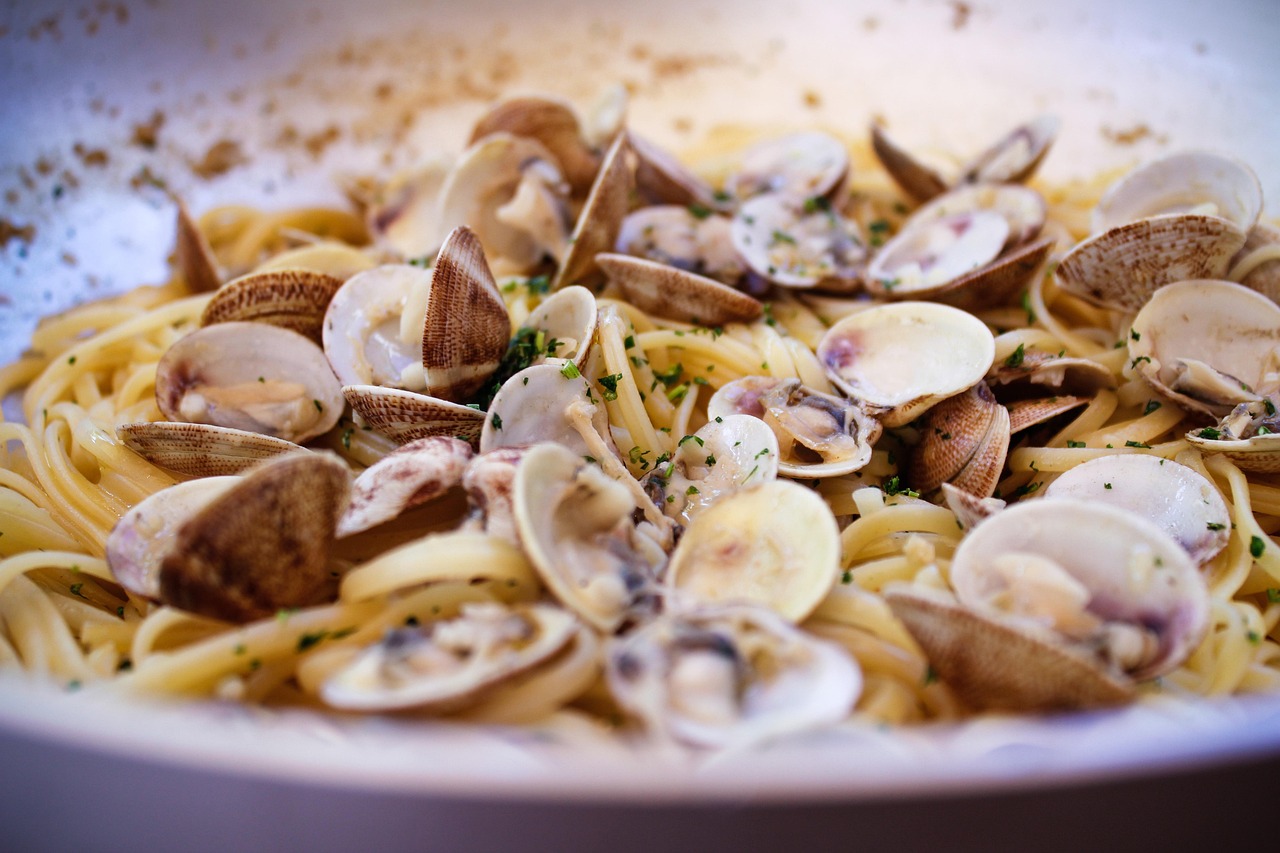
Trastevere A Food Tour Rome Gourmet Local Wine Things to Do in Rome
When the day’s big sights are done, Trastevere becomes your softer landing—and a delicious answer to the question of things to do in Rome after the museums close. This neighbourhood is a great way to escape the crowds: romantic lanes, a slower rhythm, and a feeling of local life that’s reassuring after the intensity of popular tourist hot spots.
Come here in the early evening, when Rome feels golden, and the pace becomes playful. The goal isn’t to rush through courses; it’s to explore flavour with care, guided by someone who knows where quality lives.
Design a gourmet food tour with crafted tastings
A well-designed food tour in Trastevere is equal parts appetite and insight. You’ll sample classic bites like supplì, then move towards seasonal pasta and secondi—balanced with fine Italian wines that fit the mood. The most valuable part is often your guide’s judgement: how to spot tourist menus, which kitchens still feel truly Roman, and how to order with ease.
If you prefer a more private feel, consider a tailored route with pre-arranged tastings and reserved tables. It’s not about being flashy; it’s about creating a seamless evening where each stop feels intentional—and where this part of the city becomes one of your favourite places.
Rooftop sunset and Santa Maria in Trastevere
A luxury traveller once told me the highlight of their Rome trip wasn’t a monument—it was a sunset aperitivo on a rooftop terrace in Trastevere. The skyline looked softly carved, the air felt warm, and the city’s sound was gentler from above. Sometimes, a single glass at the right height becomes the memory that stays brightest.
Before dinner, take a slow stroll to Santa Maria in Trastevere—the church and its golden, beautiful mosaics offer a calm counterpoint to the bustle. And yes, in many Roman churches, the church is free to enter; it’s one of the simplest ways to add meaning without putting pressure on people.
Reservations tip: aim for an earlier dinner seating if you want conversation and atmosphere, then wander after—Rome nightlife can be joyful when you pace it thoughtfully.
Uncover Hidden Gems: Aventine Keyhole, Castel Sant’Angelo, Piazza Venezia, Altar of the Fatherland, and Day Trip Ideas
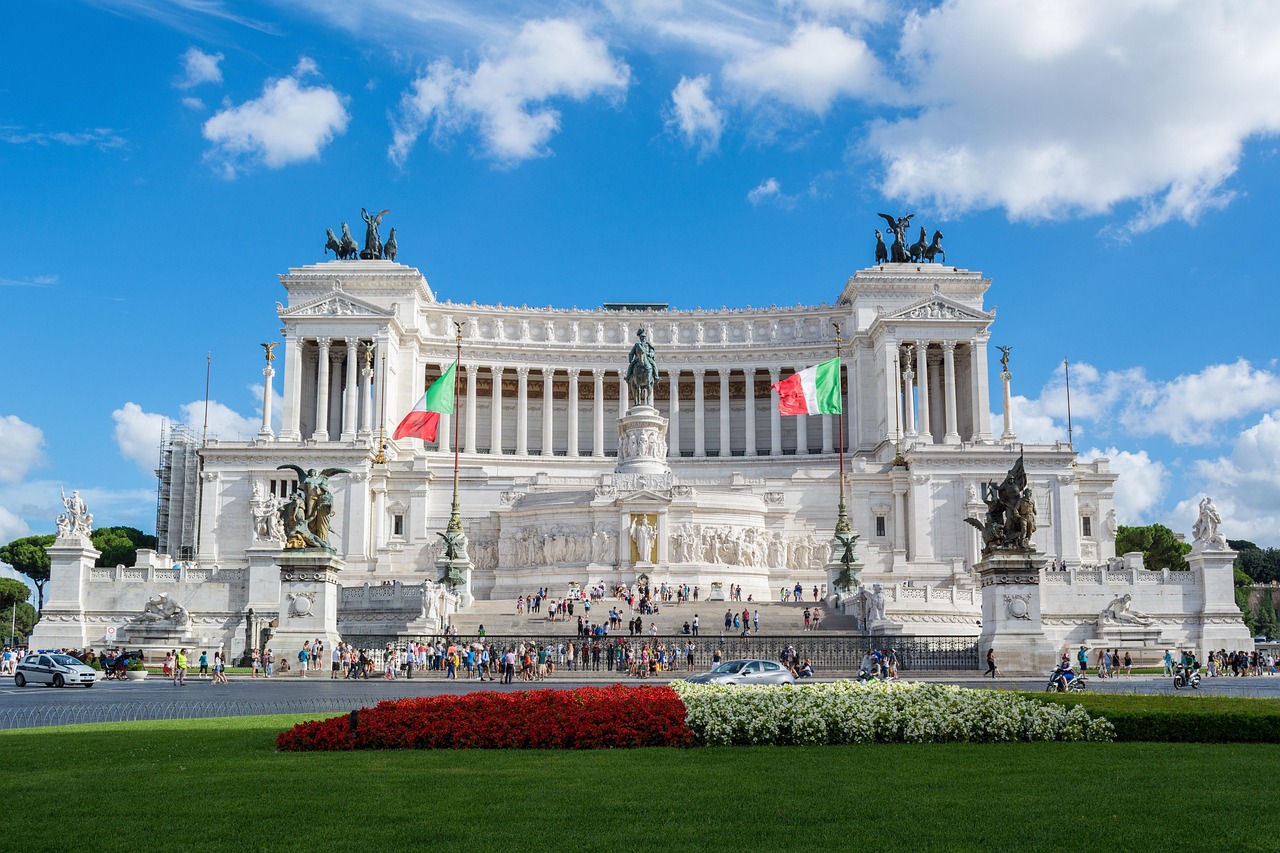
Uncover Hidden Gems and Day Trip Rome Aventine Keyhole Castel Sant’Angelo Altar of the Fatherland
If your heart loves discovery, build in time for the Aventine Keyhole, Castel Sant’Angelo, and the altar of the fatherland between the major sites in Rome. These are the corners that feel personal—quiet, surprising, and often far less crowded than the headline attractions in Rome—perfect for travellers who like to linger.
This is also where your trip to Italy becomes uniquely yours. With expert planning, you can move from a hidden viewpoint to a grand terrace, then slip into a chapel or courtyard that most visitors miss, adding variety to the places in Rome you experience.
Hidden Rome and the Aventine Keyhole at dawn
Start early at the Aventine Keyhole—ideally at dawn—when the air feels clean, and the city is still stretching awake. The view through the keyhole is a small, perfect theatre: a framed alignment that makes Rome feel as if it were designed just for you. Nearby, Largo di Torre Argentina offers layered history in the open air, where ancient stones sit naturally within modern streets—one of the most underrated sites in Rome.
If you’d like one more unusual stop, consider Santa Maria della Concezione (the Capuchin Crypt). It’s not for everyone, but it is unforgettable—an intense, reflective counterpoint to Rome’s grandeur.
Castel Sant’Angelo, Piazza Venezia, and the Altar of the Fatherland
Castel Sant’Angelo began as the mausoleum of Emperor Hadrian, later transformed over the centuries by conflict and reinvention. Time your visit for later in the afternoon, when the light softens; the terraces offer a memorable panorama and a surprisingly calm place to breathe, with a gentle reminder of the city’s long continuity.
In the heart of the city, Piazza Venezia and the altar of the fatherland deliver scale and ceremony. Don’t rush it. Let your guide explain the symbolism, then pause by the tomb of the unknown soldier—a solemn reminder that Rome is not only ancient; it is continuously becoming. From the upper levels, you may find one of the most beautiful perspectives over the centre’s streets and domes.
Optional day trip choices with high-end ease
A well-chosen day trip can refresh your relationship with Rome. If you want gardens and waterworks, Tivoli’s villas offer grandeur and calm. If you want an archaeological immersion without the central crowds, Ostia Antica offers expansive Roman ruins and clarity—both feel like a reset from the city’s busiest rhythms.
- Private car: absolute best for comfort, timing control, and a seamless return to your hotel.
- Guided small group: a good option if you enjoy shared curiosity, with lower planning effort and a clear sense of flow.
Either way, the key is support: pre-booked entrances, a trusted driver, and pacing that leaves you energised rather than depleted.
F.A.Qs: Rome attractions and practical travel etiquette
What are the top five attractions in Rome?
Many travellers start with the Colosseum, Roman Forum, Vatican Museums (including the Sistine Chapel), St Peter’s Basilica, and the Pantheon. For a high-end trip, booking timed tickets and adding a private guide can transform these from busy icons into calm, story-rich experiences—and for many, the Colosseum is a must-see.
What should you not miss in Rome?
Don’t miss quiet-hour access where possible: an early Vatican visit, or a limited-access Colosseum experience, plus at least one evening in Trastevere. Balance the big sights with one small “only in Rome” moment—like the Aventine Keyhole—so the trip feels personal, not just famous.
Is there a 7th wonder in Rome?
Rome is closely associated with world-wonder conversations because of the Colosseum, often referenced among the New7Wonders of the World. Whether or not you follow the official lists, it’s undeniably one of the planet’s most significant historical structures and a powerful visit when well timed.
What not to do in Italy as an American?
Avoid turning up to churches in beachwear; dress modestly for religious sites. Don’t assume walk-in entry at major attractions—book ahead. Keep your voice low in sacred spaces, and be mindful of pickpockets in crowded areas. Tipping is appreciated but not obligatory; a small round-up for good service is usually enough.
After Rome: What Stayed With Me in Italy—and Why I’ll Return
On my last evening, I took a quiet walk without an agenda—no map, no must-see list, just the simple pleasure of being in Rome. The stones held the day’s warmth. A fountain sounded like steady breathing. Somewhere near Piazza, a doorway opened and closed, and the city continued its private life as if it had never noticed the crowds at all.
What stayed with me wasn’t the feeling of completion, but of familiarity. Not the rush to collect places in Rome, but the calm that comes when you travel with trust—when an expert hand has designed the hard parts away, and you’re free to be present. In that space, even the busiest attractions in the city of Rome become human: a shared glance under a portico, the hush before a fresco, the kindness of a waiter who remembers your preference.
I thought of the couple in the Colosseum at night, hearing history echo. I thought of the art collector standing under Michelangelo’s ceiling, moved by a curator’s gentle insight. And I thought of the rooftop in Trastevere, where the skyline looked softened by time and a glass of wine. These are not souvenirs; they are atmosphere, carried home.
Italy has a way of changing your inner pace. And Rome—restless, layered, endlessly creative—doesn’t ask you to finish it. It simply waits, quietly confident, for the moment you’ll choose to return to Rome with fresh eyes. On my last visit, I realised the best trips are the ones that leave you wanting to come back.