Post Contents
- Things to do in Rome that feel effortless and personal – a luxury guide to visit Rome with epic things
- Colosseum and Roman Forum: the epic heart of Ancient Rome – tour of the Colosseum in Italy
- Vatican City masterpieces: Vatican Museum highlights and the Sistine Chapel after-hours in Italy
- Pantheon and Piazza Navona: Rome’s classical elegance, a monument walk, and an attraction in Rome
- Trevi Fountain and Spanish Steps at golden hour: cool places for an iconic Rome stroll
- Trastevere evenings and a food tour: Italian food and things to see in Rome after dark
- Uncover Rome’s hidden layers and top sites beyond the obvious: hidden gems from San Clemente to Castel Sant’Angelo
- F.A.Qs: Things to do in Rome and practical planning for top attractions
- Leaving Rome: what to see in Rome, Italy, and what stays with you afterwards
Things to do in Rome that feel effortless and personal – a luxury guide to visit Rome with epic things
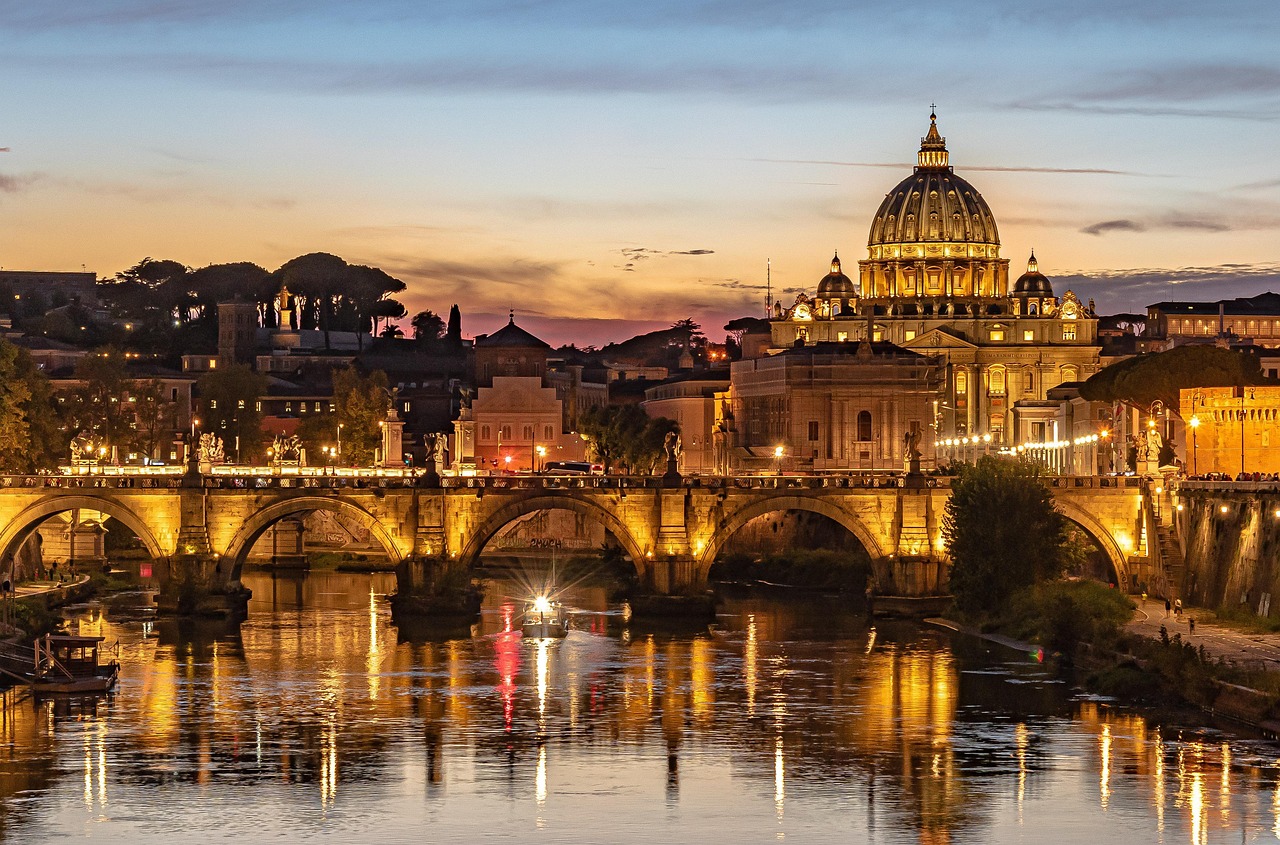
Things to do in Rome that feel effortless and personal along the Tiber
If you’ve searched for things to do in Rome luxury travel guide Italy, you’re likely after a city experience that feels designed around you—comfortable, insightful, and quietly confident. Rome is definitely at its best when your days are built with breathing space: a private car between headline sites, a slow espresso where locals linger, and enough time to wander so the city can surprise you. If you’re planning a trip to Italy or saving ideas for Italy travel, this approach makes even the busiest sites in Rome feel calm and doable.
Think of this as a Rome bucket list without the pressure. You’ll still cover the best things, but with a pace that keeps the Eternal City feeling personal rather than performative. Where you stay in Rome matters too—choose a central base with walkable evenings (often the best places to stay for a short day in Rome), and your itinerary becomes lighter by default.
Best time to visit Rome: shoulder-season light, easy walks, and effortless dinners
The time to visit Rome that tends to feel most seamless is April to June, or September to October. You’ll get warmer light for photographs, comfortable temperatures for walking, and better odds of securing the restaurant you actually want—especially if you’re hoping for an unhurried terrace lunch.
In mid-summer, the heat can make even fun things feel like hard work, and winter can be magical but shorter on daylight. If your time in Rome is limited, shoulder season helps you see more while doing less.
Comfort, cobblestones, and how to book your tickets
Rome rewards walking—but it does mean cobblestones, steps, and uneven lanes. The simplest approach is a blend: use taxis or a private car service for transitions, then explore on foot where it’s most charming. If you arrive via Termini Station, a pre-arranged driver is an easy first act of support, particularly after a long flight.
For major sites, book your tickets days in advance. The Colosseum and Vatican can attract long lines by mid-morning, and reserving ahead of time protects your energy. When deciding between tickets and a tour, choose tickets if you’re confident navigating, and choose an expert-led tour if you want a richer context and smoother entry. If you’re browsing inspiration for trips to Rome, you’ll find beautifully curated Trip gallery ideas that help you design the right balance of private guidance and free time across the most iconic places.
A gentle safety note: crowded areas invite opportunists. Carry with care—phone tucked away, bag worn cross-body, and only the cards you need. The goal is to keep the daylight, so you can focus on what you came to discover.
- Seamless pacing: plan one “anchor” site each morning, then keep afternoons more flexible.
- Comfort first: a private driver for transfers, and the rest on foot for the quiet streets.
- Confidence boost: pre-book key entries, then leave space for spontaneous cafés and galleries.
Next, let’s begin where Rome’s story becomes unmistakably real: the Colosseum and the Forum.




Colosseum and Roman Forum: the epic heart of Ancient Rome – tour of the Colosseum in Italy
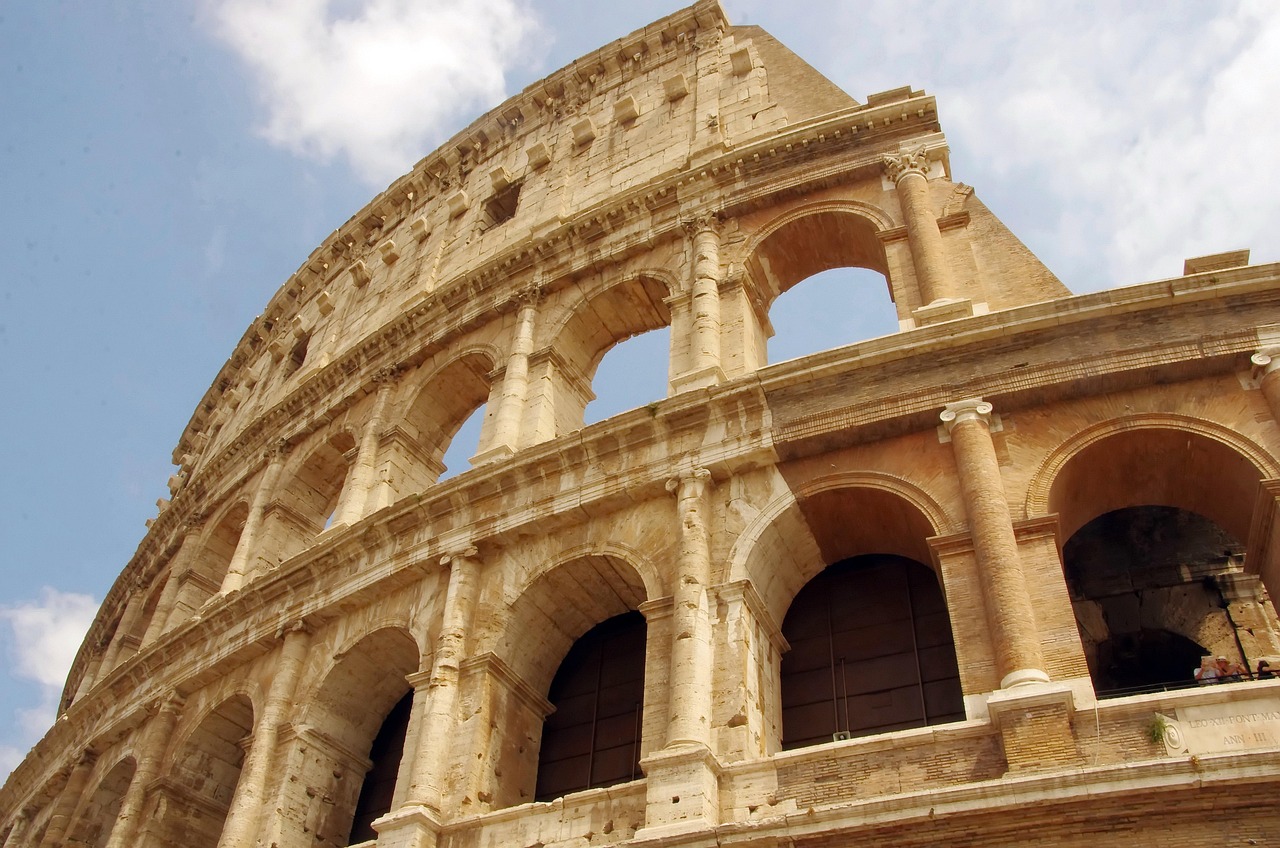
Colosseum and Roman Forum, the epic heart of Ancient Rome
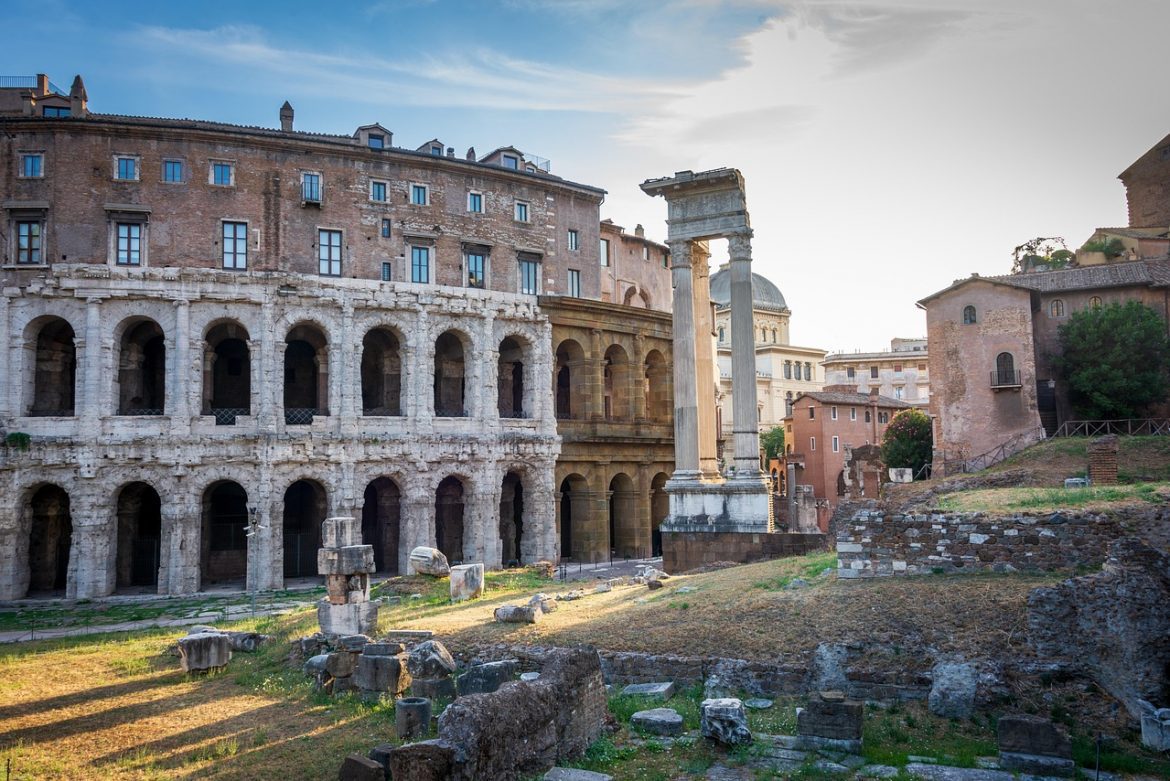
For travellers comparing a Colosseum and Roman Forum tour, the difference is rarely about “seeing it” and always about understanding it. The Colosseum is one of the best things you can do in the city—often cited among the 7 wonders of the world in modern travel lists—but an expert guide turns stone into story: power, spectacle, and the real lives that filled these arches.
Rome is home to many wonders, yet few experiences land quite like walking into the Colosseum with the day still quiet. It’s a popular thing for good reason, and it’s worth a visit even if you’ve seen it a hundred times in films. When you slow down, details emerge: the engineering, the acoustics, and the human scale behind the grandeur.
Colosseum and Roman Forum: one story, one walk, zero guesswork
Start with the Colosseum itself, then let the narrative unfold through the Roman Forum—together they read like a living timeline. A thoughtful guided tour helps you orient to the areas of the Colosseum: the arena-floor viewpoints, the tiers where crowds once roared, and the design choices that still feel astonishing.
One traveller described standing in the Colosseum at dawn, hearing the city wake beyond the walls and feeling the echo of ancient crowds. In that hush, the gladiator legacy becomes less theatrical and more human—what it cost, what it meant, and why it still moves us.
Roman Forum and Palatine Hill: ruins, viewpoints, and the layers beneath Rome
Pair the amphitheatre visit with the Forum as a single, unhurried morning. You’ll pass columned fragments and sunlit stones where a ruin can be more expressive than a restored façade. Add Palatine Hill for perspective—those layered viewpoints that make the city feel like it’s been built, softened, and rebuilt again.
If you have the energy, tackle the Roman Forum and Palatine Hill in one sweep. If not, it’s perfectly elegant to start at the arena, then pause for lunch and save the hill for another day.
Pacing that feels high-end: arrive early for the Colosseum, then move into the Forum while the light is still kind. Plan a shade stop, carry water, and let your guide support the route so photographs happen naturally, without stress.
As you leave, hold the wider context of ancient Rome for a moment—architecture as messaging, daily life as performance, and a city built to last. It sets the tone for everything you’ll explore next.
Vatican City masterpieces: Vatican Museum highlights and the Sistine Chapel after-hours in Italy
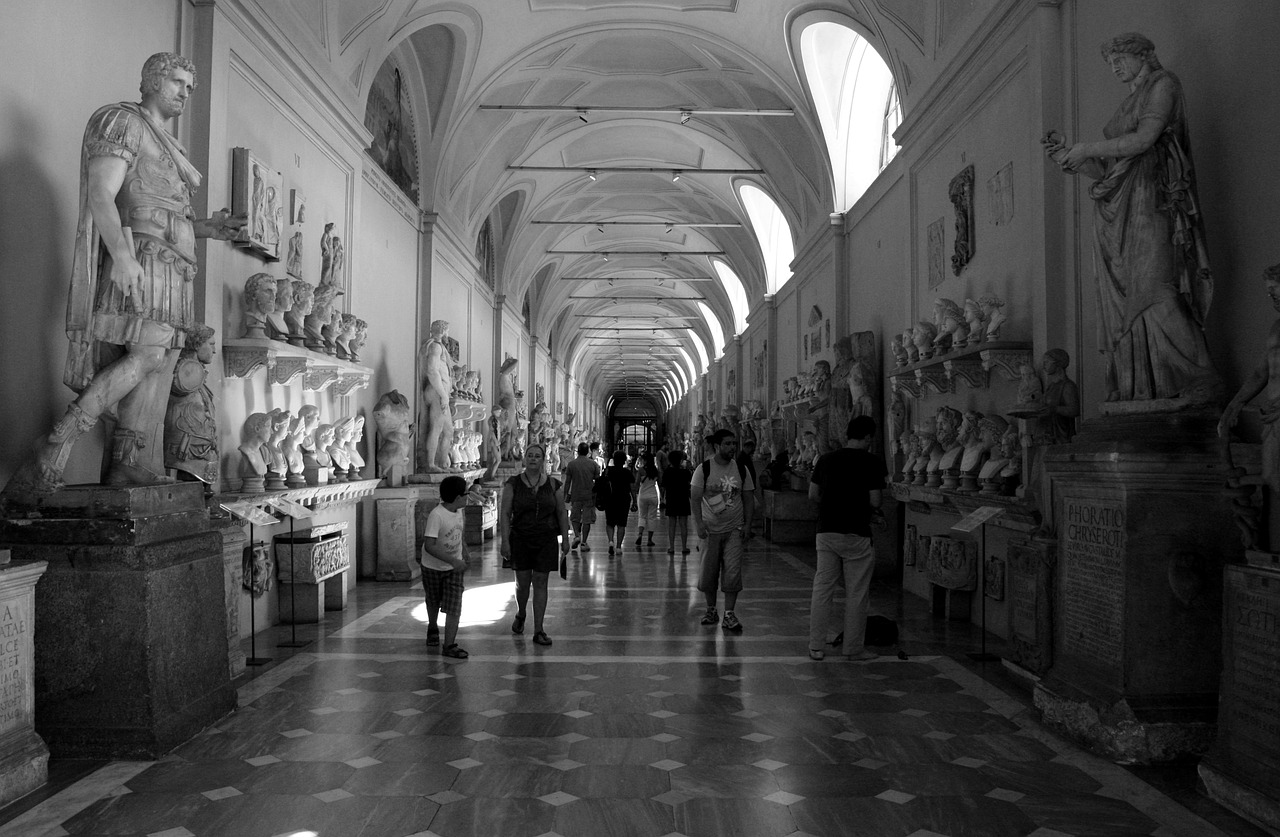
Vatican City masterpieces with the Vatican Museum and the Sistine Chapel
When people search for Vatican City, Vatican Museum, Sistine Chapel, and after-hours Italy, they’re usually hoping for two things at once: art that stops you in your tracks, and a way to experience it with calm. Vatican City is one of the top attractions in Rome, and the Vatican Museum can feel intense—unless you design the visit with gentle structure and expert insight.
One luxury traveller told us their most treasured memory wasn’t simply the masterpieces, but an exclusive after-hours entry. They stepped into the Vatican Museum when the corridors had emptied, then entered the chapel in near-silence. With no crowd movement, the ceiling felt less like a headline and more like a private conversation.
Visiting the Vatican Museums: timed entry, calm pacing, and a smarter route
Visiting the Vatican Museums during the day still works beautifully with the right approach. Choose an early entry, keep belongings minimal, and consider an expert guide to help you glide through the busiest galleries without feeling hurried. The best guides create clarity: what matters, where to pause, and how to see details you’d otherwise miss.
Dress respectfully—covered shoulders and longer hemlines are wise—and wear shoes that can handle polished floors. It’s a small act of care that keeps the experience seamless, especially if you’re moving from the Vatican Museum into churches.
San Pietro and Peter’s Basilica as an optional extension
After the museum, you can extend into Peter’s Basilica and the wider San Pietro area—an extraordinary architectural moment that often becomes the emotional centre of a trip. Time it carefully: late morning can be the busiest time, so either go early or save it for another day. If you do step into San Pietro, give yourself a quiet five minutes before photographing anything.
To keep your day crafted rather than overwhelming, plan a “quiet reset” afterwards: a nearby café, a short taxi ride, or a gentle stroll along the river. It’s a simple way to protect your energy so the art stays luminous, not exhausting.
- Best entry rhythm: early start, then a slower afternoon.
- Comfort tip: keep a light layer in your bag for cool galleries.
- Mindset: choose a few works to truly see, rather than trying to see everything.
From spiritual grandeur, Rome returns you to classical elegance—where stone, light, and water set the pace.
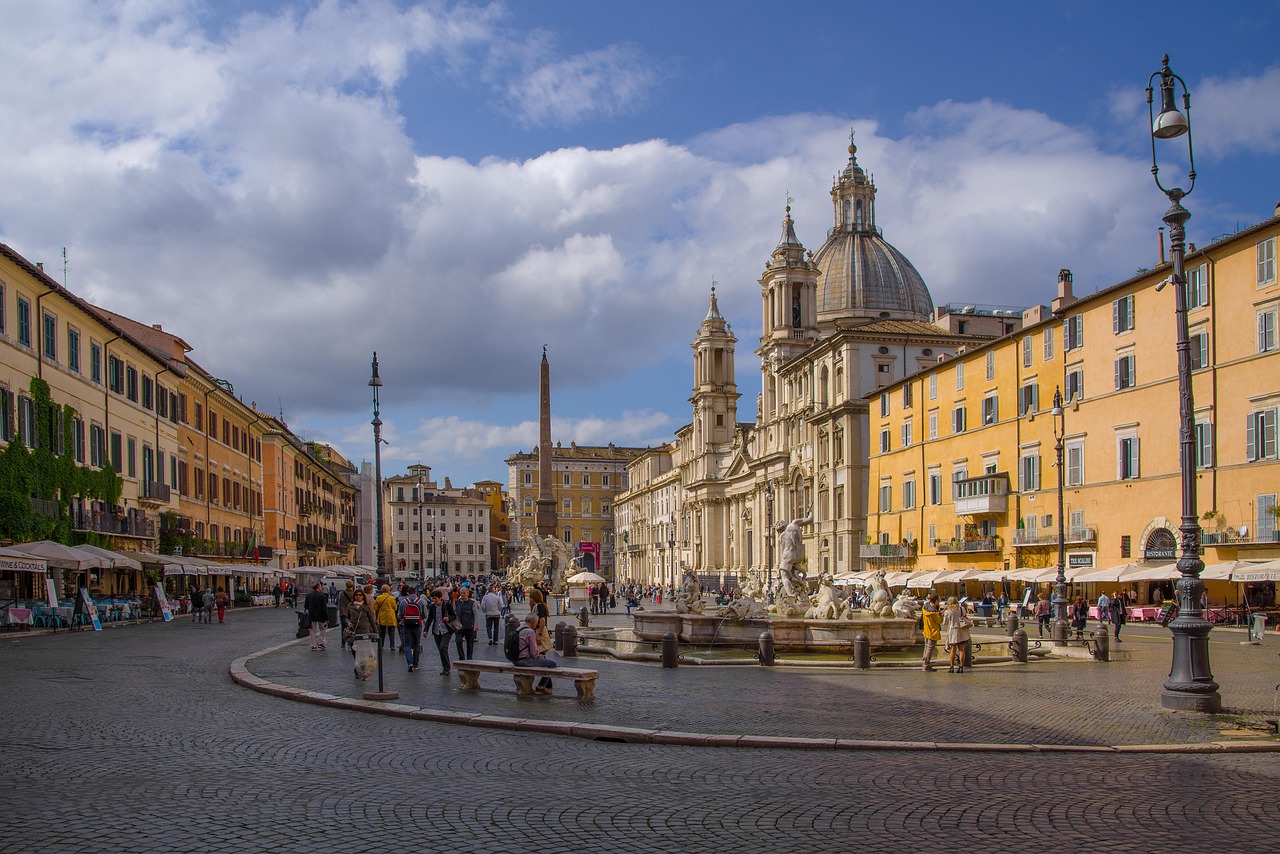
Pantheon and Piazza Navona, Rome’s classical elegance
If you’re mapping a Pantheon monument attraction in Rome, Italy, you’re in for one of the city’s most graceful pairings. The Pantheon is one of the most interesting buildings in Europe—perfect proportions, a breathtaking dome, and an atmosphere that feels both grand and intimate.
This is an attraction in Rome that rewards timing. Visit the Pantheon early for softer light and fewer crowds, or come later in the afternoon when the flow eases, and the space feels more contemplative.
Pantheon timing: soft light, fewer crowds, and a quieter experience
Allow yourself a slower entry. Stand back, take in the columns, then step inside and look up—really look. The Pantheon is at its most moving when you let your eyes adjust and notice the oculus, the shifting light, and the way sound changes beneath the dome.
Depending on the current system, the Pantheon may require a ticket or timed entry. Nearby churches and piazzas, however, are often free to visit, which helps you mix spontaneous moments with pre-booked highlights.
From the Pantheon, it’s an easy stroll to Piazza Navona. Piazza Navona is one of those places that gently insists you slow down: fountains, street artists, and the warm theatre of evening. For high-end travellers, it’s an ideal aperitivo stop—refined, atmospheric, and effortlessly Roman.
A short, writer-friendly route: the temple first, then small lanes with artisan windows, and finally the piazza for a glass of something crisp. If you’re travelling with a local expert, ask where guides linger nearby to watch Rome’s evolving art scene and community spirit; their insight often leads you to the most personal corners.
As dusk approaches, Rome’s fountains and steps become stages for golden light—especially in the city’s most iconic lanes.
Trevi Fountain and Spanish Steps at golden hour: cool places for an iconic Rome stroll
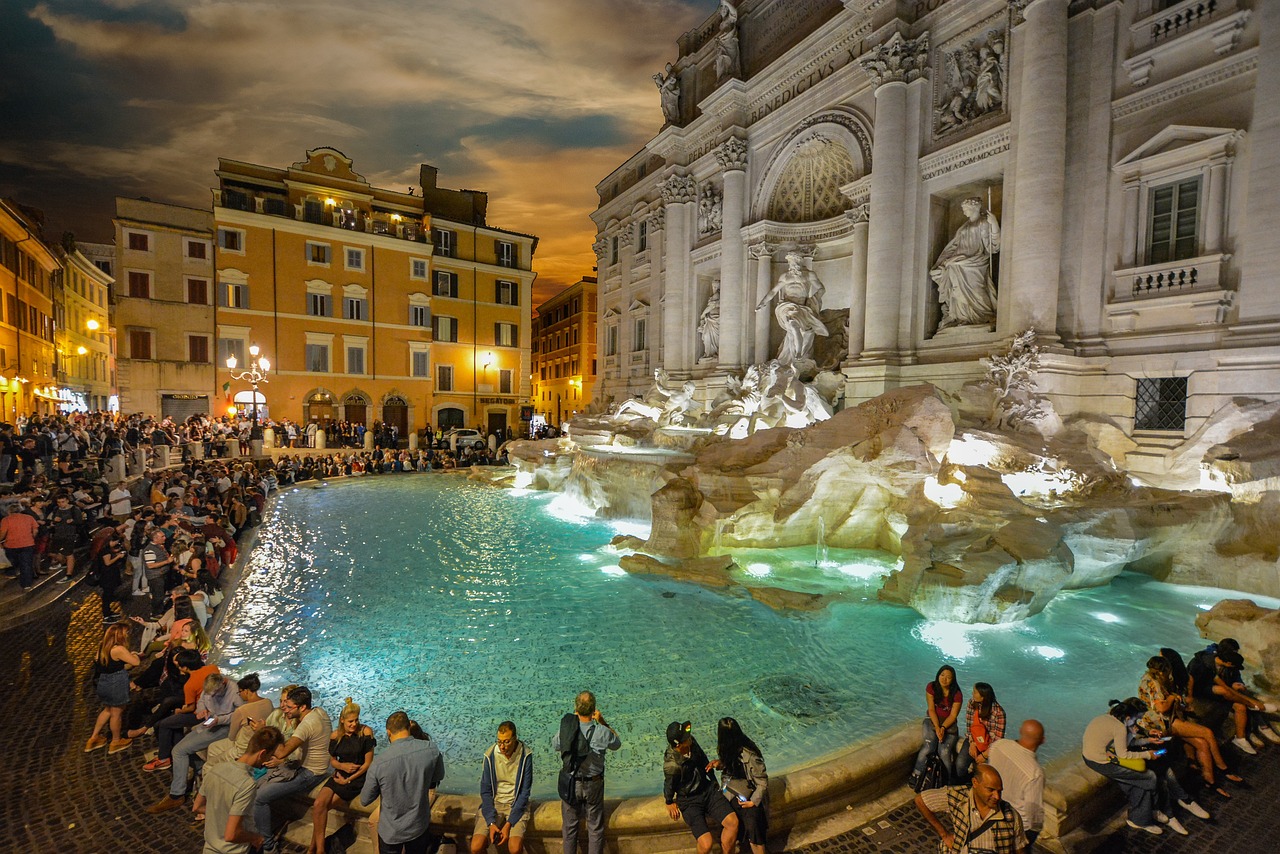
Trevi Fountain, Spanish Steps and the cool places for golden hour
For travellers planning Trevi Fountain, Spanish Steps, Piazza di Spagna, Villa Borghese, Italy, this is the classic Rome stroll—made better by smart timing and a little style. The Trevi Fountain is often called the world’s most famous fountain and is one of the most popular stops in the historic centre, so strategy matters.
Go early—before the busiest crowds gather in the surrounding streets—or later in the evening when the light softens, and the water sounds come forward. This is one of the best ways to get romance without the crush.
Trevi Fountain to the Spanish Steps with the view from the top of the steps
From the Trevi Fountain, stroll towards the Spanish Steps and Piazza di Spagna. The climb is gentle, and the reward is the top of the steps viewpoint—one of the best views for catching golden hour across rooftops and pale stone.
Keep it elegant: pause for gelato, or choose a quiet table for an espresso. If you find a cafe at the top with a terrace feel, it’s an ideal moment to reset before your evening plans.
Villa Borghese is a restorative green escape
To balance monuments with calm, ask your driver to drop you near Villa Borghese. It’s a green breath between busy lanes—easy to walk, easy to exit, and perfect if you want a private, unhurried conversation as you explore.
In these iconic corners, one of my favourite things is noticing how the city changes minute by minute: light on stone, the hush between footsteps, and the way water turns a crowded piazza into something intimate. Those small rituals make even the most photographed places feel personal.
- Timing tip: Trevi early or late for a calmer mood.
- Comfort tip: Schedule a driver pick-up after the Spanish Steps to spare your feet.
- Photography tip: golden hour is kindest from the top of the steps.
After daylight’s glamour, Rome’s most human evenings arrive across the river—where hospitality feels warm, local, and wonderfully alive.
Trastevere evenings and a food tour: Italian food and things to see in Rome after dark
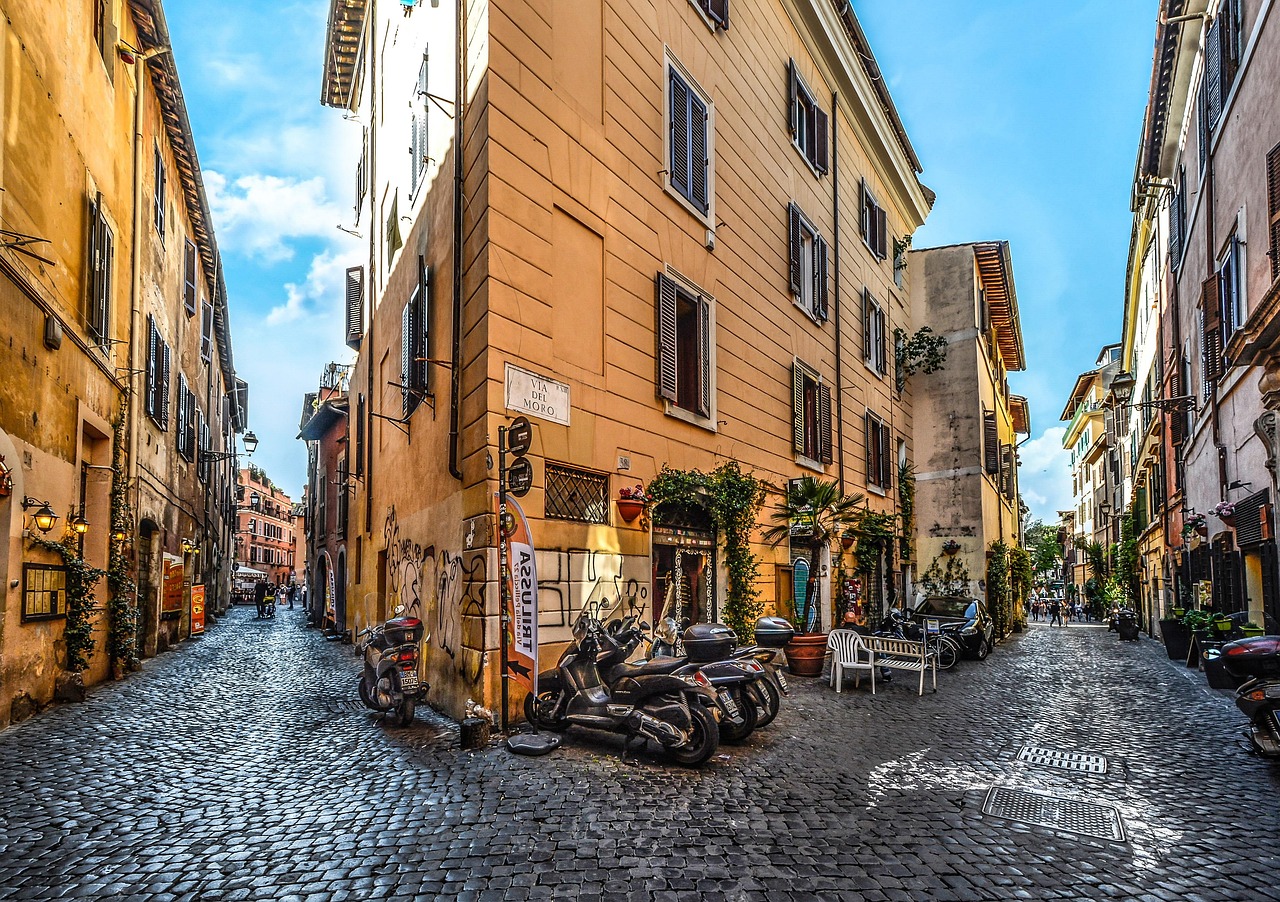
Trastevere evenings and a food tour into local Roman life
If your notes read “Trastevere food tour, Italian food, things to see in Rome, Italy,” you’re already leaning towards what the Rome locals recognise. Trastevere is a place to visit for relaxed elegance—ivy-draped facades, low-lit wine bars, and the gentle joy of being part of an evening rather than merely watching it.
It’s also where many travellers find they want to return to Rome. One visitor told us about a candlelit dinner in Trastevere that turned into a lesson in Italian family traditions—shared plates, stories across generations, and unexpected friendships that lasted well beyond the trip.
Food tour for Italian food classics and small producers
A food tour here is less about ticking dishes off a list and more about being introduced—thoughtfully—to the people behind the flavours. Choose one that focuses on seasonal plates, small producers, and the classics done properly. You’ll taste Italian food the way it’s meant to be eaten: slowly, together, and with conversation.
Weekdays tend to feel more local, with better availability for reservations. That small decision can transform the experience from busy to beautifully intimate.
Evening cobblestones, seamless pick-ups, and a little Italian
Trastevere is charming, but it’s also uneven underfoot at night. Comfortable shoes are non-negotiable, and a private car pick-up after dinner keeps the return effortless—especially if you’re staying across the river.
For dining with trust and care, book thoughtfully and communicate dietary needs in advance. Learning a few phrases helps too; even a simple greeting signals respect and deepens the connection. It’s a small act, but it often invites a warmer welcome.
When you’re ready, Rome has more to reveal—layers, viewpoints, and cool places beyond the obvious routes.
Uncover Rome’s hidden layers and top sites beyond the obvious
For travellers searching for hidden gems in Rome, the joy is in stepping slightly aside from the main flow. Rome has plenty of headline sights, but its most memorable moments often come when you uncover a quieter door and discover a deeper layer beneath your feet.
Start with the Basilica di San Clemente, a refined alternative when the centre feels crowded. It’s a story told in levels—church above, older spaces below—like time itself stacked gently into the ground.
Cool places shortlist for a richer Rome
Here are a few cool places that add texture to your itinerary without adding stress. They also make superb additions to a private guide day, because context matters:
- Largo di Torre Argentina for an open-air slice of history where the city keeps moving around you.
- San Pietro in Vincoli for a powerful, quieter church visit that feels intimate even in peak season.
- Del popolo for elegant symmetry and an easy sunset stroll that feels cinematic without being crowded.
- A small tomb or side chapel where you can sit for five minutes and simply absorb the quiet.
Victor Emmanuel II and the Altar of the Fatherland for a unified Italy scale
For a grand monument moment, include this sweeping white-marble memorial near Piazza Venezia. It’s the kind of scale that can surprise even seasoned travellers: vast stairways, enormous lines, and viewpoints that help you understand the idea of unified Italy in one glance. Time it early or late to avoid the harshest sun and the busiest crowd flow.
One couple shared their favourite afternoon: a Vespa ride through the historic centre, weaving narrow streets and finding hidden viewpoints that felt designed just for them. It’s one of our favourite ways to see the city from a fresh angle—playful, cinematic, and still personal when done with care.
If you’d like even more depth, ask local experts about less touristy neighbourhoods and contemporary galleries. Their insight often leads to the top sites you didn’t know you needed.
- Day trips note: if you have extra time, consider day trips beyond the centre for a slower pace, including one well-planned full-day trip with a late return.
- Logistics: the train from Rome makes some classic escapes easy, especially if you start near Termini.
- Style tip: build in a long lunch to keep the day feeling crafted rather than packed.
Now, let the city settle. Because the real luxury of a visit to Rome is often what remains after you’ve stopped moving.
F.A.Qs: Things to do in Rome and practical planning for top attractions
What shouldn’t you miss in Rome?
Don’t miss the Colosseum at a quiet hour, the Roman Forum for context, the Vatican Museum and Sistine Chapel for art and spirit, and an evening in Trastevere. Add the Pantheon for timeless architecture, then choose one hidden gem—such as Basilica di San Clemente—to uncover Rome’s layered history without the busiest crowds.
What are the top five attractions in Rome?
Many travellers rate the Colosseum, the Roman Forum, the Vatican Museum, the Pantheon, and the Trevi Fountain as the top five. For a high-end trip, pre-book entry times, consider an expert guide for the arena or Vatican, and plan early or late visits to enjoy these icons with more space and ease.
What not to do in Italy as an American?
Avoid assuming everywhere is casual: dress respectfully for churches, keep your voice softer in sacred sites, and don’t expect meals to be rushed. In Rome, be mindful of pickpockets in crowded areas, don’t block narrow pavements, and try a few basic Italian phrases—small courtesies build warmer local connections.
Is 3 days enough for Rome?
Three days is enough for a beautifully crafted first trip if you pace it well. Focus on one major site each morning—the arena and Forum, Vatican City, and the Pantheon area—then keep afternoons flexible for piazzas, fountains, and Trastevere evenings. Pre-book tickets to protect your time and energy.
Leaving Rome: what to see in Rome, Italy, and what stays with you afterwards
If you came searching for a meaningful travel reflection, you may find the answer isn’t only in marble and masterpieces. It’s in how the city teaches you to slow down—how it quietly supports you into noticing more, and needing less. Over time, that becomes your truest shortlist of things to do in Rome, because the mood matters as much as the monument.
You might remember the dawn air near the Colosseum, cool against your skin, as if the stones were exhaling history. Or candlelight in Trastevere, where conversation softened and a stranger’s kindness became the evening’s centre. Or the hush of the Sistine Chapel, where you looked up and felt something settle into place, wordlessly.
In a world that often asks you to hurry, Rome offers another rhythm. It helps you create days that are spacious, explore with confidence, and feel genuinely looked after. Togetherness, trust, and care become the real markers of luxury—less about how much you fit in, and more about how deeply you let the city meet you.
And when you leave, you may realise the most lasting souvenir is not a photograph but a perspective: beauty can be everyday, and wonder can be quiet. If a future trip back calls you—gently, without insistence—perhaps that’s simply the Eternal City doing what it does best.