Post Contents
- Badaling Great Wall basic facts – the best preserved section of the Great Wall of China
- From downtown Beijing to Badaling: how to get to Badaling by train, high-speed railway, and bus 919
- Best time to visit Badaling: best times to visit, crowd avoidance, and seasonal tips
- Hiking the Badaling Great Wall: routes on the north and south sections to the highest point.
- Cable car at Badaling Great Wall – scenic rides with aerial cable car and ground cable car choices
- Watchtowers, Ming-era engineering, and stories in stone at Badaling
- Great Wall Museum and local moments beyond the ramparts – a Beijing trip itinerary bonus
- Badaling vs Mutianyu and Jinshanling: choosing a Great Wall tour from Beijing
- F.A.Qs: Badaling Great Wall planning tips
Badaling Great Wall basic facts – the best preserved section of the Great Wall of China
Badaling Great Wall with first ridgeline views and classic stone curves
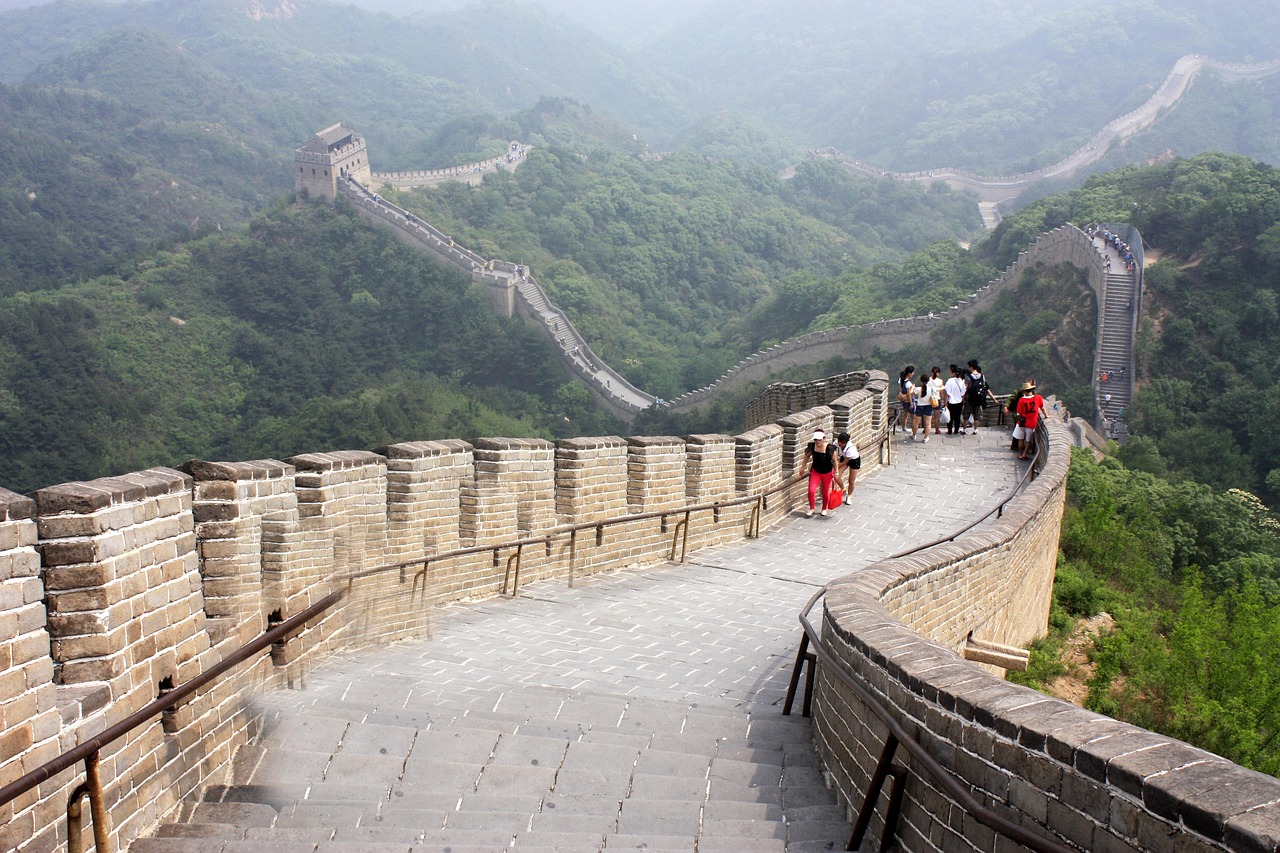
The Badaling Great Wall is widely known as the best-preserved and most visited section, with wide stone walkways, restored crenellations, and those unmistakable curves of masonry spilling over mountain spines. It’s a representative section of the Great Wall that helps first-time visitors understand the scale and practicality of frontier defence—no specialist knowledge required.
If you’re planning a visit to the Great Wall of China at Badaling, start with the location: The Badaling Great Wall is located in Yanqing District, set in Beijing’s rugged north-west mountain belt. In simple terms, the Great Wall is located beyond the city’s last suburbs, where hills turn to ridgelines, and the air begins to feel cooler and clearer as you travel out.
History anchors from the Yuan dynasty to the Ming Great Wall at Badaling
Much of what you see today belongs to the Ming Great Wall, rebuilt and reinforced when the Ming dynasty sharpened an emperor-led border strategy into layered fortifications, beacon systems, and controlled passes. Earlier eras, including the Yuan dynasty, also shaped the idea of consolidated northern defences, but Badaling’s clarity comes from later restoration and careful stewardship.
UNESCO world heritage protection and why relic rules matter on the wall of Badaling
As a UNESCO World Heritage site, Badaling is protected not just for its beauty, but as a relic of living history. Preservation rules—staying on marked paths, not scraping stones for “souvenirs”, and carrying out litter—are part of travelling with trust and care. Imagine your first lookout on the wall of Badaling: the ridge folds away in repeating waves, and for a moment, time feels spacious enough to breathe in.


From downtown Beijing to Badaling: how to get to Badaling by train, high-speed railway, and bus 919
From downtown Beijing to Badaling with confidence, using train and shuttle options
From Beijing, you have three reliable transfer options—each with a different feel for travellers balancing comfort, timing, and spontaneity. The simplest public option is the railway: services depart from Beijing North Railway Station, and some schedules run high-speed, making the outward journey feel surprisingly seamless.
From a hotel in central Beijing, design a morning that conserves your energy: ask your concierge to write the station name in Chinese in advance, and aim to arrive early enough to buy tickets calmly and find your platform without rushing. The Jingzhang railway has its own story too, connected to engineer Zhantianyou—an understated piece of modern heritage that quietly frames today’s day trip rhythm.
Train, bus 919, or private transfer for confidence as you reach the Great Wall
The 919 bus is a classic choice for budget-minded travellers; it can be excellent, but traffic and queue times rise quickly on a holiday. A private transfer is the most crafted option: flexible departures, less uncertainty, and easier pacing if you want to linger for photos, a quick café stop, or a museum visit.
- Train/railway: time-reliable, less road stress, great for first-timers who want a clear structure.
- Bus/shuttle: can be a good value, but build in buffer time for crowds and road conditions.
- Private transfer: highest comfort, best for families or travellers who want a calm, designer-style flow.
Whichever you choose, pack water and simple snacks, and keep small yuan notes for local needs around the Badaling entry plaza. If you pass the Guntiangou valley area on the way, notice how quickly the landscape turns from city edges to mountain quiet.
Best time to visit Badaling: best times to visit, crowd avoidance, and seasonal tips
Best time to visit Badaling with crisp air and quieter paths
The best time to visit Badaling is spring (April–May) and autumn (September–October), when visibility is crisp, temperatures are comfortable for climbing, and the experience feels genuinely scenic. These are also the best times to visit if you’re hoping to move with confidence rather than shuffle through bottlenecks.
Opening hours vary by season, so confirm them close to your travel dates and plan to arrive early. On peak weekends, visitors can surge daily by late morning, so an early start is the simplest way to protect your time on the stone.
Calm visit to Badaling, photos, Great Wall Museum, and night tour option.
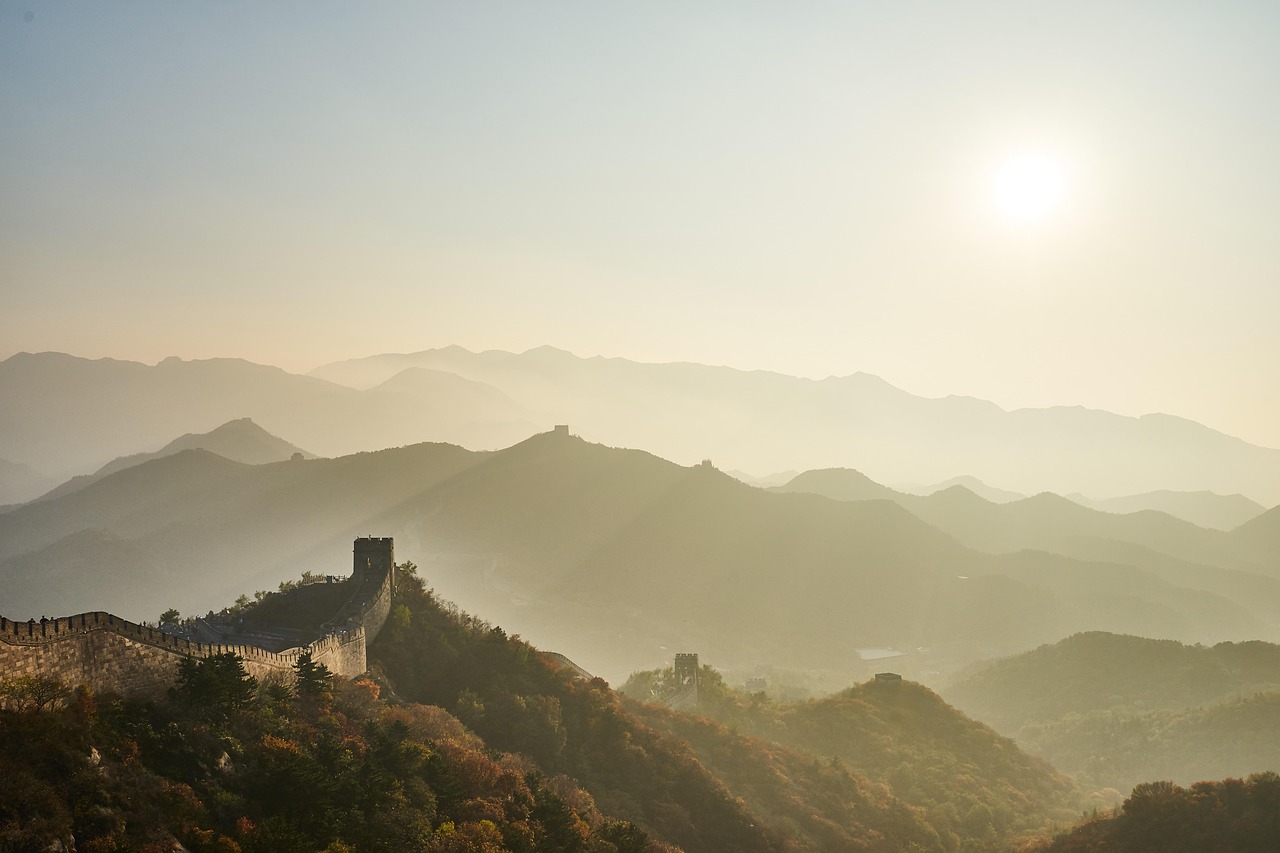
For many travellers, a sunrise-leaning morning is the sweet spot: softer light, fewer tour groups, and a quieter sense of achievement as you climb. Midday can then become your museum window at the Great Wall Museum, and if a seasonal night tour is running, it can be a beautiful alternative for those who prefer atmosphere over altitude.
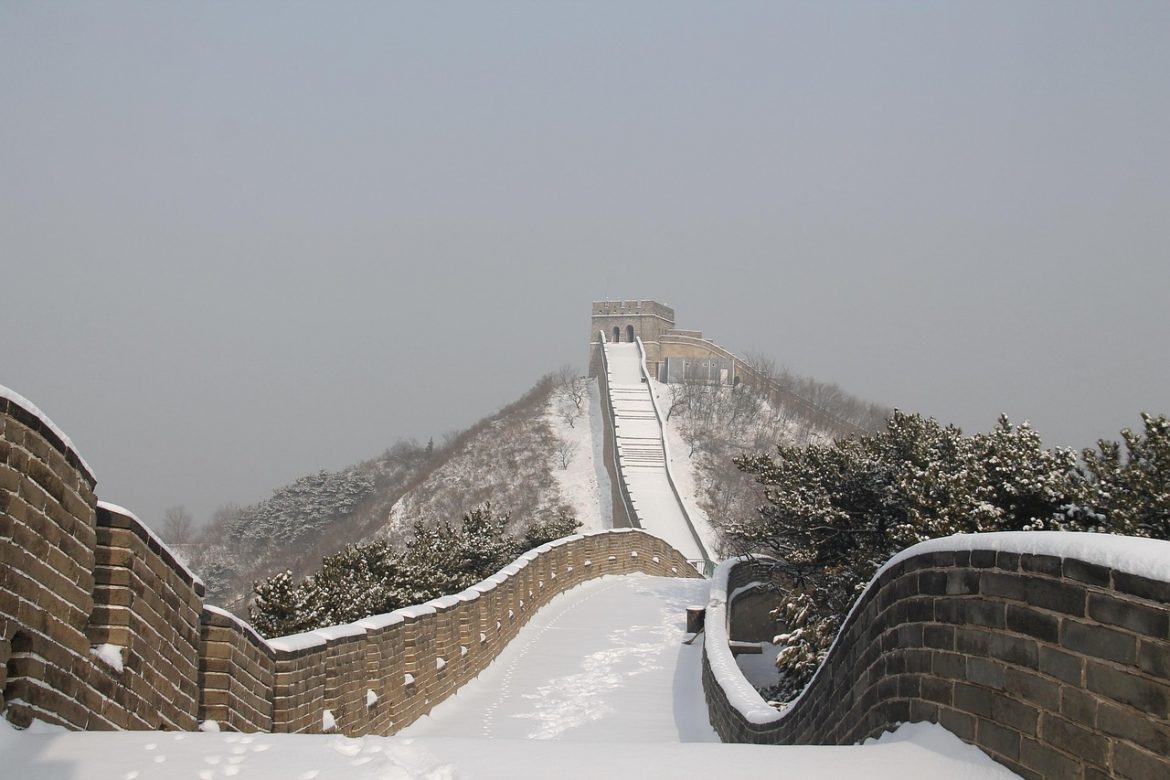
Autumn brings red leaves across the surrounding slopes, while summer can be punishingly hot on exposed stone. Winter wind is real here, so bring layers and footwear you trust—your day should feel supported, not endured.
Hiking the Badaling Great Wall: routes on the north and south sections to the highest point.
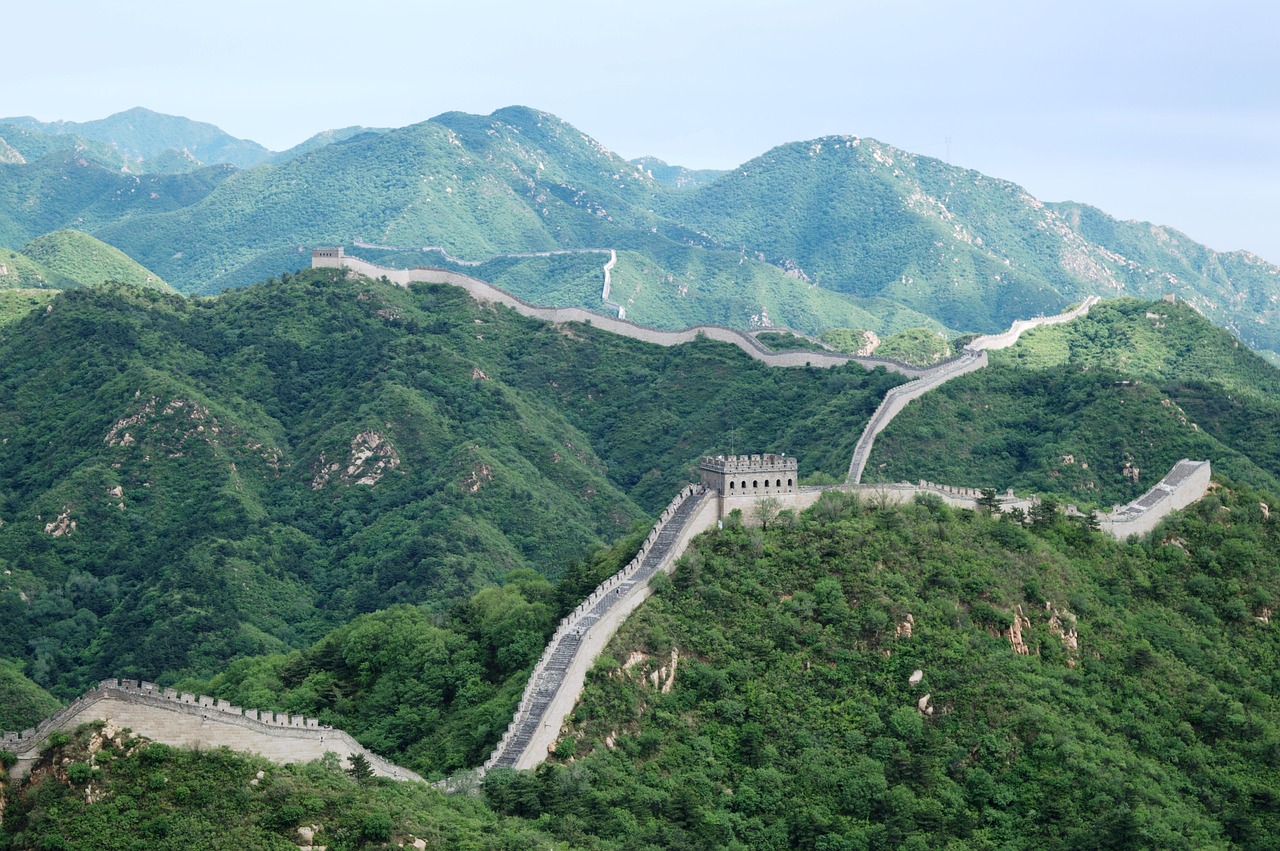
Hiking the Badaling Great Wall routes towards the highest point via watchtowers
Badaling Great Wall hiking routes are split broadly into the north side and the south section, and this choice shapes the whole feel of your day on this Badaling section. The north side is where many travellers aim for the more dramatic rise, while the south can feel gentler in parts—often better for the elderly and children or anyone who wants a steadier gradient.
How to ascend, pause, and descend with care
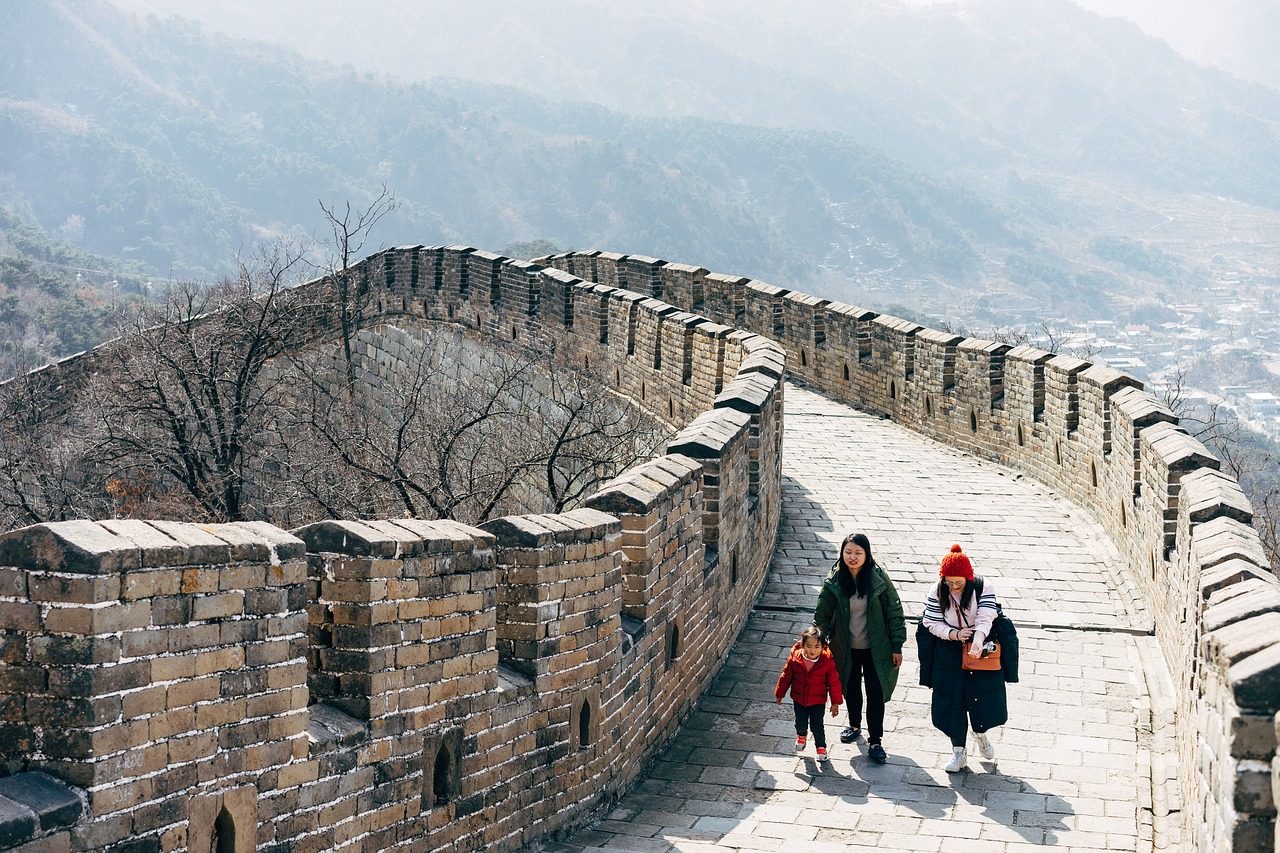
Start by choosing a direction you can commit to without pressure: climb at a pace where you can still speak comfortably, pause in shaded corners, and keep your knees protected on uneven steps. When it’s time to head down, turn slightly sideways on the steepest stair runs and use the wall edge as a visual guide rather than something to grip—stone can be slick, and you’ll feel safer keeping balance through your stance.
- Wear sturdy walking shoes with grip; the stone can be polished by centuries of footsteps.
- If you’re prone to sore knees, consider a light support sleeve and take shorter steps on steep stretches.
- Safe drinking water is limited on the Wall, so bring your own and sip little and often.
Watchtower wayfinding to the 4 and 8 north towers and the highest point of Badaling.
Watchtower markers make navigation reassuring: you’ll see signs and natural rest pockets around towers such as 4 north tower and 8 north tower. Many travellers set a personal milestone to reach the highest point, and the highest point of Badaling viewpoint is a quietly powerful reward—especially when the mountains open up into a long, layered scenery.
Cable car at Badaling Great Wall – scenic rides with aerial cable car and ground cable car choices
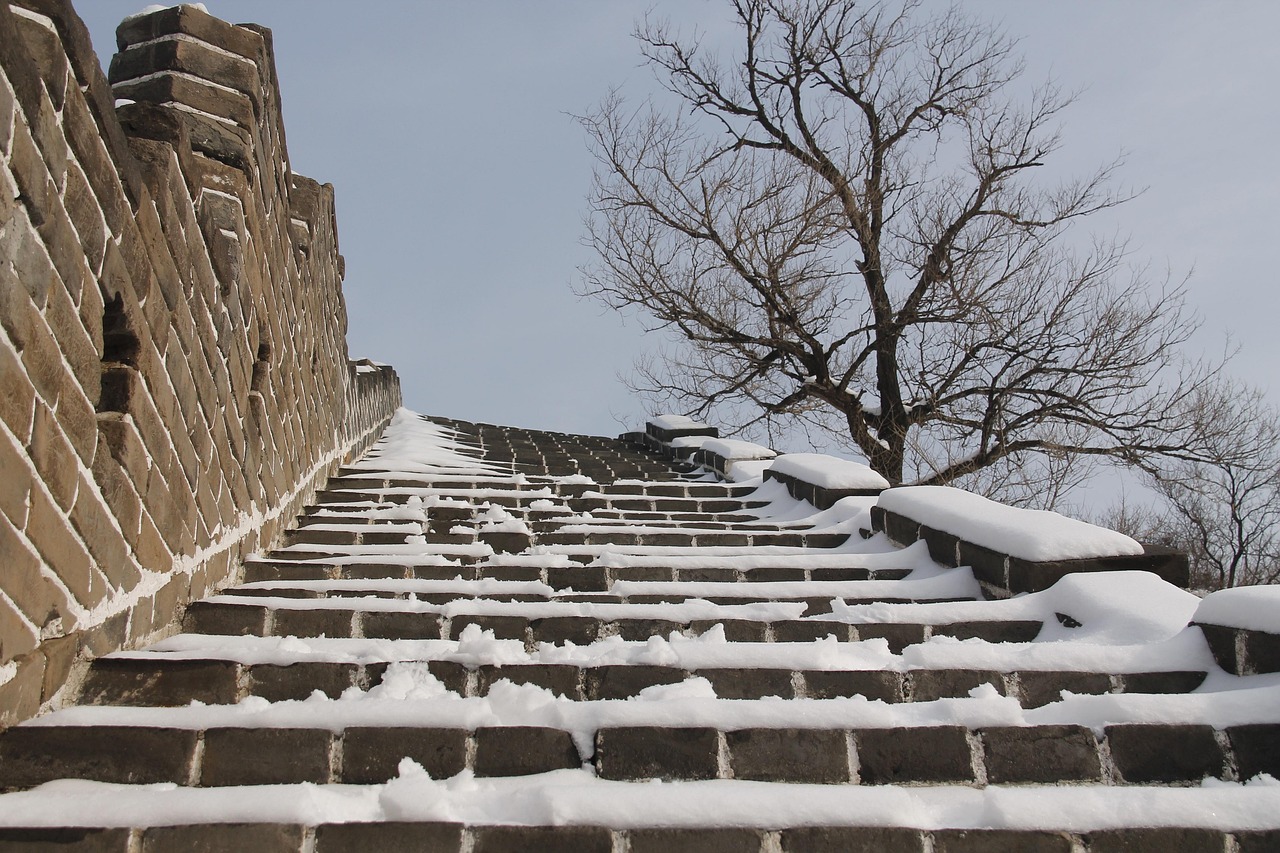
Cable car rides at Badaling with scenic aerial perspectives
If you want a different angle on the Badaling Great Wall, the cable car options turn the climb into a floating viewpoint. An aerial cable car feels like sailing above the ridge: you lift away from the trees, and suddenly the Wall’s lines become graphic and precise against the mountains.
How to take a cable car and choose the right ride
On site, you may also hear staff refer to a ground cable car, a surface-based alternative that reduces uphill walking while keeping you closer to the landscape. Choose based on your time and fitness: ride up to save energy for towers, or hike first and ride down for a softer finish.
Tickets, light timing, and a view of the Great Wall
Entry is around 40 RMB for adults, and combined bundles (entry plus ride) can be the most seamless way to keep your morning flowing. For the best view of the Great Wall after the ride, aim for clear mid-morning light or late-afternoon glow—both can feel more intimate once the midday peaks shift.
One traveller told us their favourite memory was a sunrise shot near the top: not just the image, but the quiet confidence that arrived with it. Keep valuables secure, watch wind conditions, and treat queue time like part of the rhythm—small breaths, small sips of water, and a calm focus on what you came to explore.
Watchtowers, Ming-era engineering, and stories in stone at Badaling
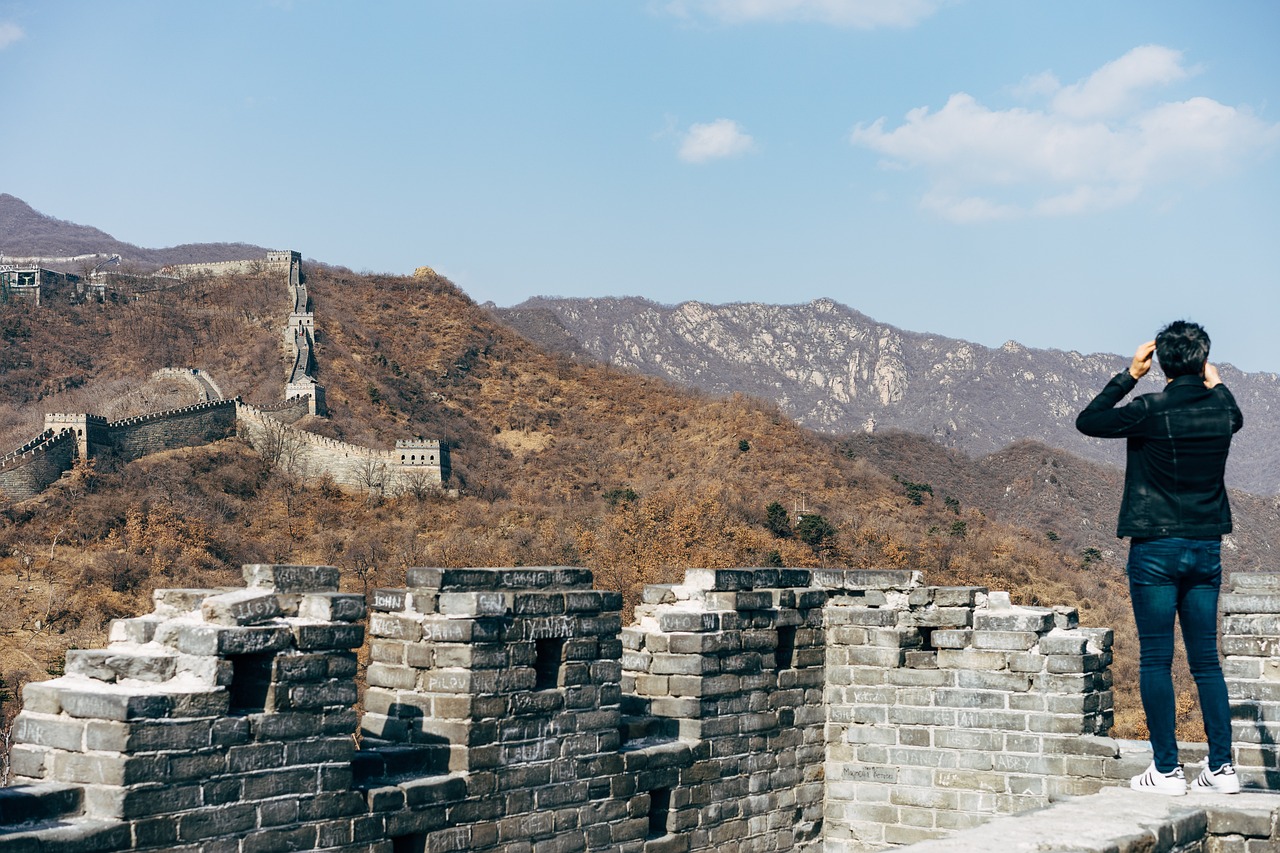
Watchtowers and engineering details seen at Badaling Great Wall
At Badaling, the drama isn’t only in the skyline—it’s in the later-imperial logic under your feet. Builders refined battlements for protection, drainage channels to divert rainwater, and stair grades to slow an approaching force while giving defenders a height advantage, creating a remarkably resilient section of the Great Wall.
What watchtowers were built to do
Each watchtower once held signalling and defensive purposes, with spacing designed for visibility and communication across peaks. Today, those same watchtowers shape a modern hike: they become natural rest stops, photo markers, and places to step aside so others can pass—small acts of care that keep the day feeling together, even among strangers.
State leaders, symbolism, and a turning point in access
Badaling’s global symbolism is part of why it’s a popular destination for dignitaries; state leaders have walked here, including President Nixon and Queen Elizabeth II. When it was opened to tourists, the site became a shared stage for cultural insight, and tourists in 1957 marked an early turning point in public access paired with rising preservation awareness.
Travel well here by treating stone edges and fragile features as heritage, not furniture: no climbing on vulnerable parts, no carving, and no litter. Your respect protects the Wall’s future.
Great Wall Museum and local moments beyond the ramparts – a Beijing trip itinerary bonus
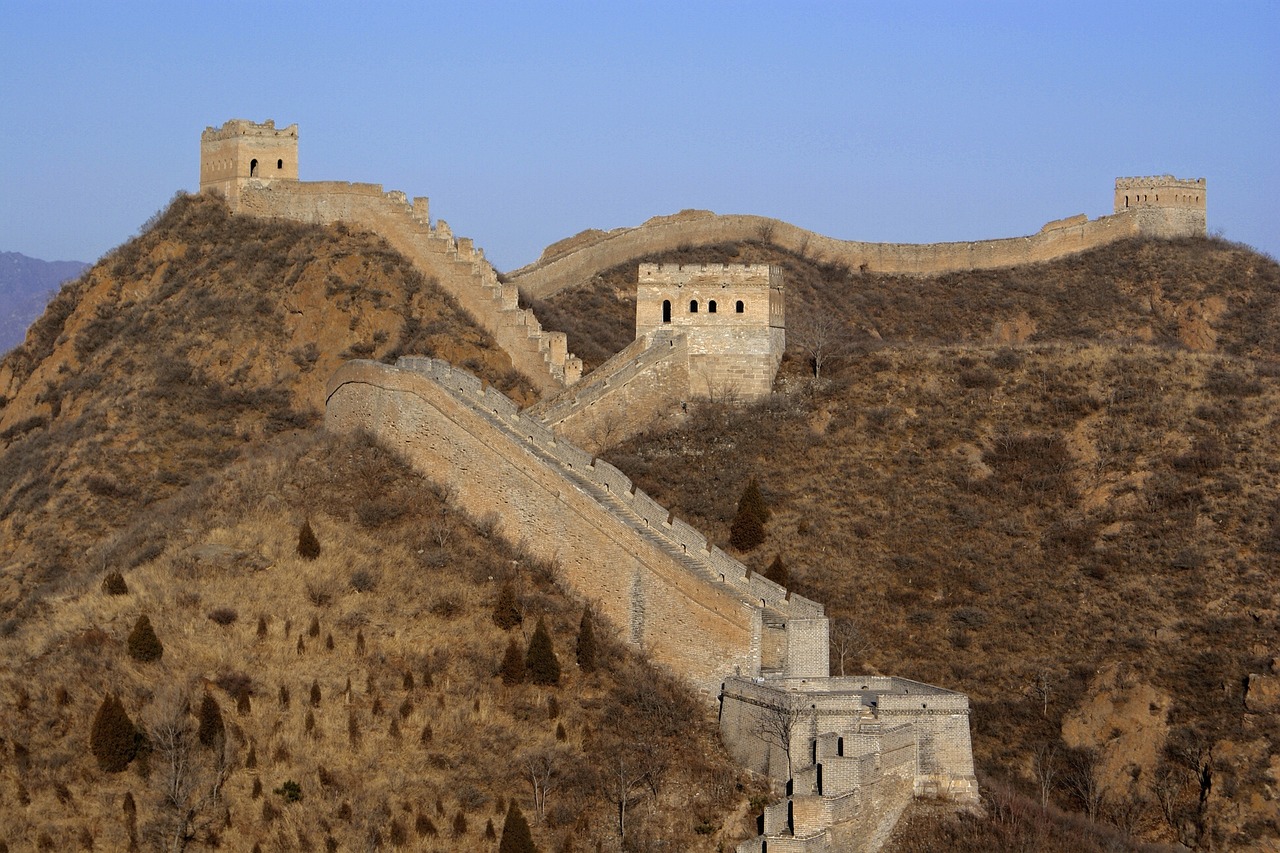
Great Wall Museum at Badaling and local moments beyond the ramparts
The Great Wall Museum at Badaling is the perfect counterbalance to the climb: quiet galleries where your body can rest while your curiosity stays wide awake. A museum visit deepens context through construction methods, maps of frontier lines, and glimpses of daily life for the people who maintained these fortifications across harsh seasons.
Local connections that make the day personal
One backpacker shared how meeting local vendors and trying traditional snacks transformed the day from “seeing a landmark” into a warm exchange—smiles, simple phrases, and a sense of being welcomed. These small moments are often where travel becomes real: not performed, just shared.
A crafted itinerary bridge from Badaling scenic area to Beijing.
For a high-end pace, design a gentle itinerary: Wall in the morning, museum in the midday lull, then return to Beijing for a relaxed late lunch and an easy evening walk. In the Badaling scenic area, green plants soften the stonework, and the surrounding natural scenery brings a calm contrast to the Wall’s military intent.
- Use toilets before you start longer stretches; facilities can be spaced out.
- Carry out all rubbish—simple support that protects the site.
- Keep a small snack for after steeper sections, when energy drops quickly.
Badaling vs Mutianyu and Jinshanling: choosing a Great Wall tour from Beijing
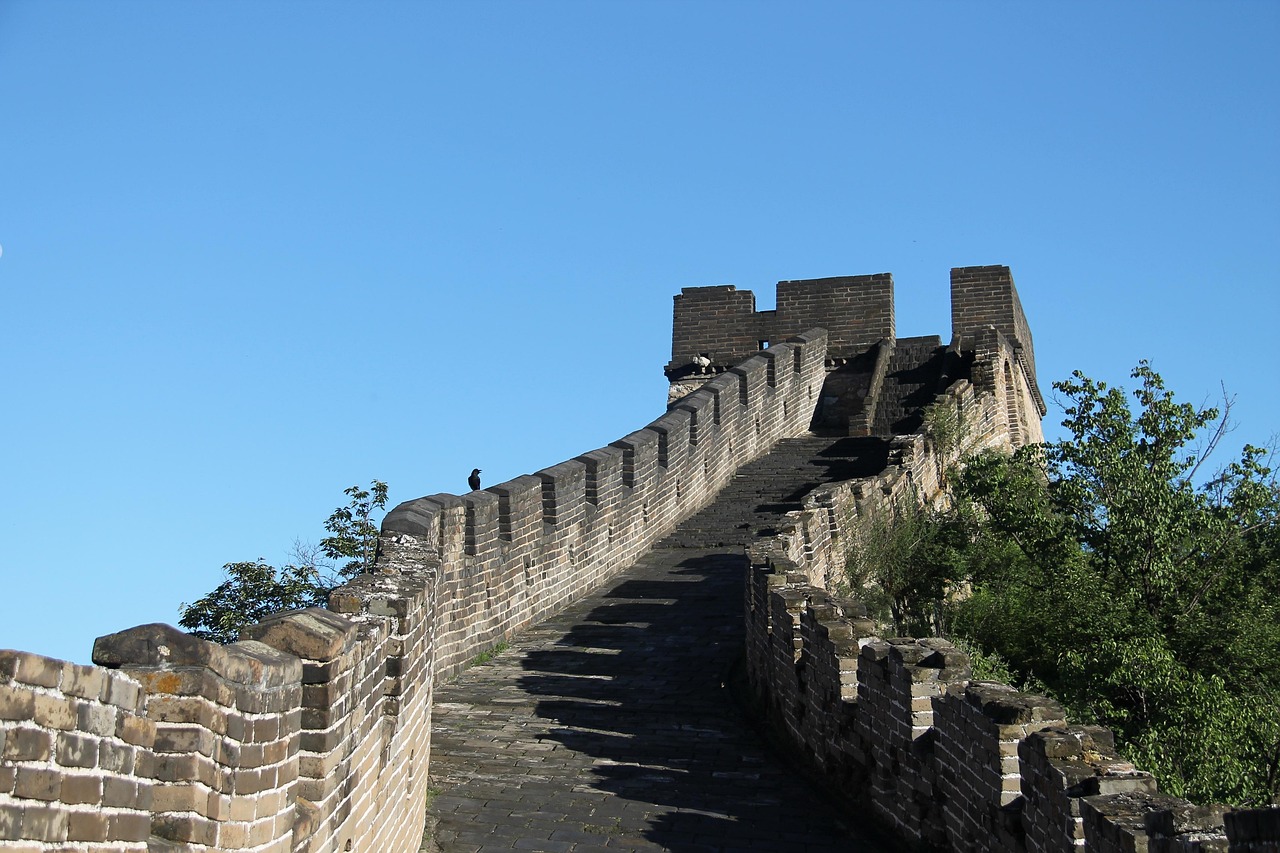
Badaling vs Mutianyu and Jinshanling: choosing your Wall day from Beijing
If you’re weighing a visit to Badaling Great Wall vs Mutianyu or Jinshanling, the decision is less about “best” and more about what you want to feel. The Badaling Great Wall is easily accessible, has clear signage, and pairs naturally with museum context—why it’s often the first section many travellers choose for a one-day great wall tour from Beijing.
When to choose Badaling, Mutianyu, or Jinshanling
Mutianyu feels calmer and greener, while Jinshanling offers a wilder hiking experience and a more rugged edge. As a simple distance frame, some travellers compare sections by the extra travel time per kilometre, while map-readers may note quick estimates in km—useful, but not the whole story.
A backup plan if crowds surge
If you plan to visit the Badaling Great Wall and it feels busy, create a backup plan that still feels premium: shift to earlier timing, shorten the wall walk and extend museum time, or pivot to Mutianyu if your driver or guide can adapt. Some signage and souvenirs may even shorten Badaling to “Bada”, a small reminder that the most iconic places still have local shorthand.
For travellers who want to browse China options in a more curated way, you can explore our Trip gallery and design a route that matches your pace and sense of adventure.
F.A.Qs: Badaling Great Wall planning tips
Is the Badaling Great Wall worth it?
Yes—especially if you want the best preserved, highly supported experience with strong views and clear access from Beijing. The Badaling Great Wall offers restored walkways, memorable tower climbs, and an easy way to add the Great Wall Museum for deeper cultural insight.
What is the history of the Badaling part of the Great Wall?
Badaling’s most visible structure reflects major rebuilding during the Ming era, when fortifications were strengthened to support border defence and communication. Over time, it became a symbolic place for modern visitors as well, balancing public access with preservation as a protected heritage site and a key part of the Great Wall.
How do I get from Beijing to the Badaling Great Wall?
Most travellers go by train from Beijing North Railway Station, by public bus (e.g., the 919), or by private transfer. The train is typically the most time-reliable, while a private car offers the most flexibility for a custom schedule and fewer logistical pressures, helping you visit Badaling at your own pace.
Which month is not the best time to visit China?
It depends on your priorities, but many travellers avoid the busiest national holiday periods because crowds surge and transport sells out quickly. If you prefer calmer sightseeing, avoid peak holiday weeks and choose spring or autumn dates for more comfortable conditions and clearer visibility.