Post Contents
- China tour itinerary, China vacation packages 15 days for a well-paced China holiday
- Beijing, China tour: Great Wall of China, Forbidden City for the best tours and China highlights
- Xi’an itinerary, Terracotta Army silk road China travel for a crafted tour of China
- Shanghai Suzhou Zhouzhuang China travel guide for crafted elegance and the best China tours
- Yangtze River cruises, luxury Yangtze cruise, Three Gorges for quiet grandeur
- Time to visit China
- F.A.Qs: China trips planning basics for high-end travellers
- After China, what stays with you as you visit China in memory
China tour itinerary, China vacation packages 15 days for a well-paced China holiday
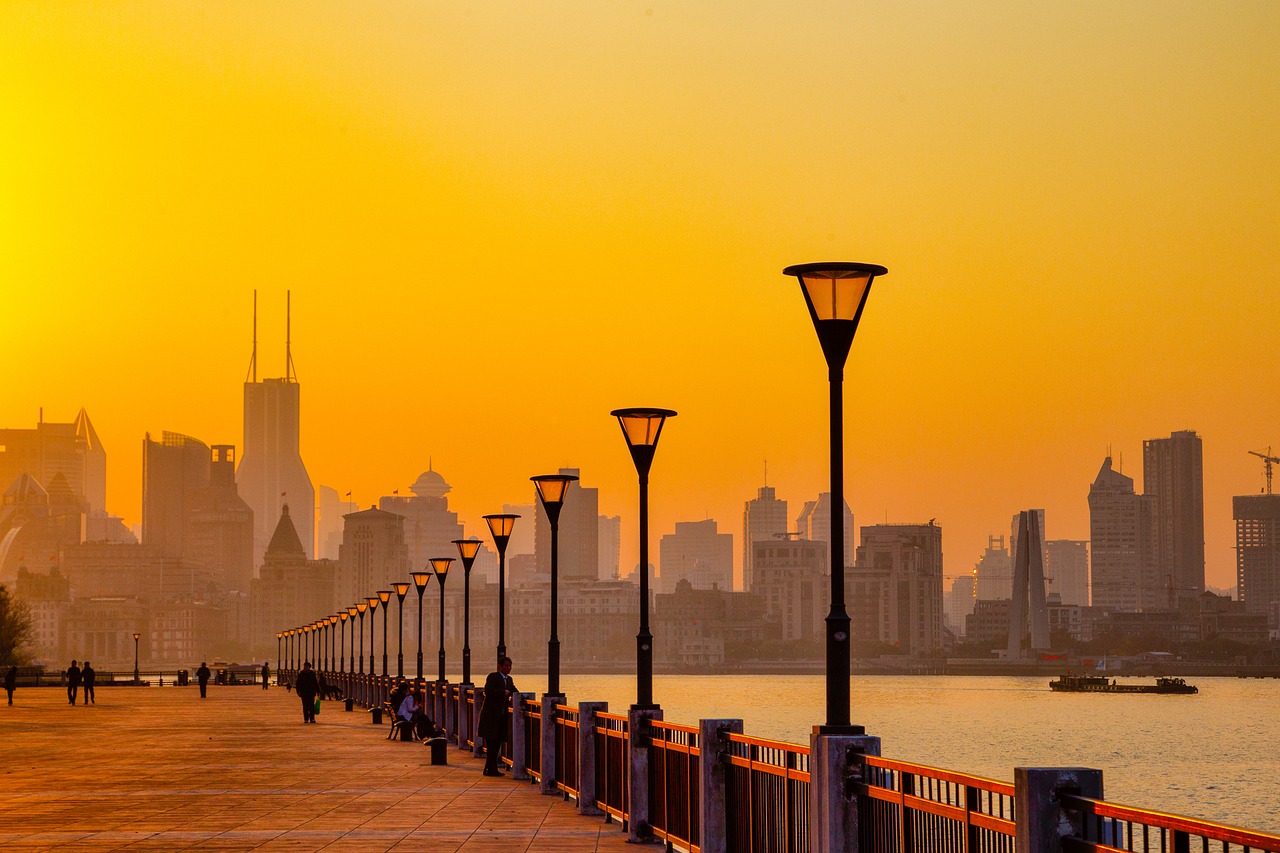
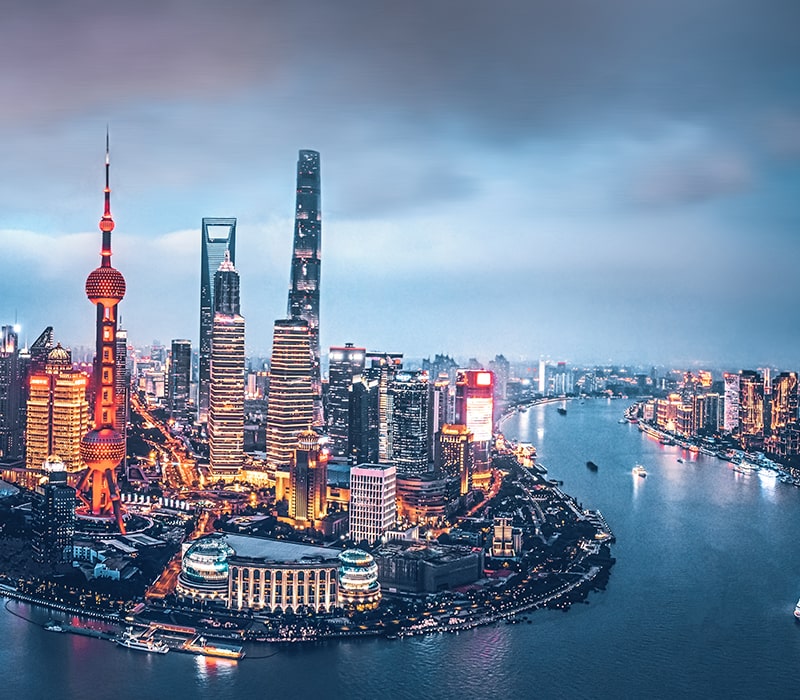
China tour itinerary for a well-paced 15 days, with the Shanghai skyline at dusk
When people search for a 15-day China tour itinerary and vacation packages, they’re often trying to solve the same problem: how to explore without rushing. Our approach to China tours and itineraries is to design rhythm first—early, private access where it matters, and open space where China’s scale deserves silence. The result is a tour of China that feels calm, personal, and genuinely luxurious.
For high-end travellers, “premium” isn’t just a five-star address; it’s trust in the small details. Think: pre-arranged tickets, lounge assistance, a driver who’s already waiting, and a guide who can translate not only language but meaning—so you can uncover the story behind each courtyard, dish, and skyline.
Sample routing across popular destinations in China
Here is a well-paced framework you can imagine and then tailor together with travel experts. It’s built around Beijing and Xi’an first for the ancient capitals, then on to Shanghai for a modern finish, with an optional Yangtze cruise for quiet grandeur.
- Days 1–5 Beijing: imperial palace history, hutong texture, and a private Great Wall strategy.
- Days 6–8 Xi’an: terracotta depth and Silk Road context, kept elegant rather than intense.
- Days 9–12 Shanghai and Jiangsu: the Bund, Suzhou gardens, and Zhouzhuang canals.
- Days 13–15: either linger in Shanghai for design, food and hospitality, or add a Yangtze cruise segment (timed so it doesn’t become a sprint).
This is a well-paced China holiday: you’ll cover the big names, but you’ll also create breathing room—late mornings after landmark days, and flexible time to simply explore a neighbourhood with confidence.
Start your China tour with seamless arrival and the right planning style
The easiest way to start your China tour is with a private arrival service: fast-track support (where available), baggage assistance, and a smooth transfer straight to your hotel. For many travellers, this first hour sets the emotional tone—calm rather than chaotic, cared for rather than “processed”.
Whether you choose a China tour package or fully bespoke planning depends on how specific your preferences are. A package tour can work if it’s genuinely curated and flexible; bespoke is ideal if you want early-entry touring, specialist guides, or dining reservations built around your tastes.
If you’d like to browse what a crafted journey can look like, explore China through the Trip gallery—it’s a helpful way to visualise pace, style, and the calibre of experiences.
Where to add the top China moments without losing the pace
Once your core route is set, we can weave in signature “top China” experiences as extensions—chosen for meaning, not box-ticking. For wildlife, Chengdu is a gentle favourite: seeing giant pandas at a well-run panda base can be surprisingly moving, especially with an expert who explains conservation work and behaviour. For scenery, Guilin tours and the Li River offer luminous karst landscapes; pairing Guilin with Yangshuo adds a soft, rural counterpoint.
For drama, Zhangjiajie in Hunan delivers cinematic peaks and glass-walk vistas, best done with crowd-aware timing. For a quiet spiritual edge, Lhasa can be profoundly grounding when carefully planned. If your curiosity leans west, a Silk Road arc towards Dunhuang and the Gobi can be added later—without turning your holiday to China into a logistical marathon. And for a hidden-luxury pause near Shanghai, Hangzhou is an elegant add-on for tea culture and lakeside calm.
Behind the scenes, your tour guides, concierge and driver support the journey together. That’s when China trips become effortless: you’re free to discover, imagine, and immerse—while someone else keeps the day seamless.


Beijing, China tour: Great Wall of China, Forbidden City for the best tours and China highlights
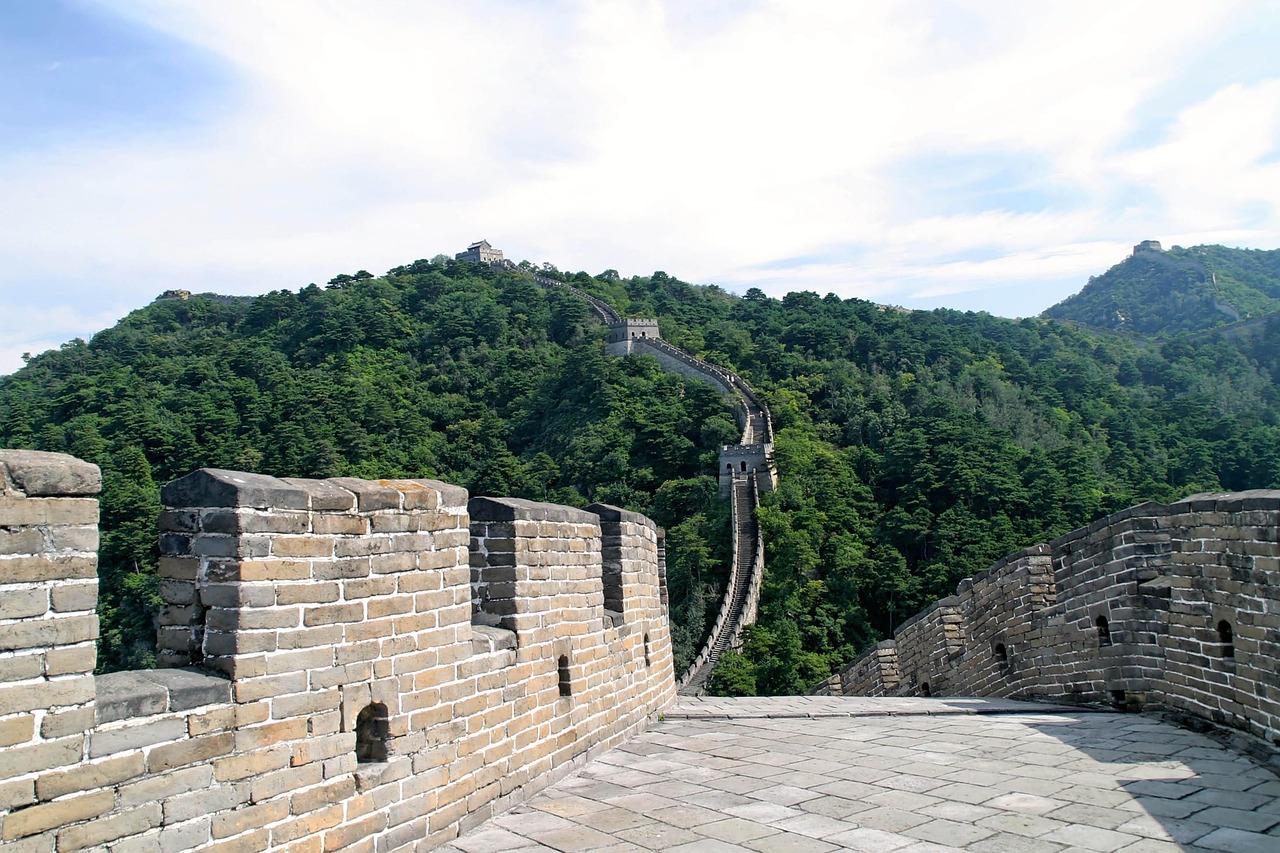
Beijing, China tour with the Great Wall and the Forbidden City inspiration
A Beijing China tour built around the Great Wall of China and the Forbidden City can feel either crowded and hurried—or quietly extraordinary. The difference is design: early starts where they matter, private guiding for insight, and a reassuring plan that protects your time and comfort.
In Beijing, we keep the pace human. You’ll explore with confidence, knowing tickets, transfers and timings are handled with care, and that you can pause when a moment asks you to.
Great Wall strategy for private guided sunrise walks
For the Great Wall, our best tours often begin at Jinshanling. One couple we worked with still describes their private climb at sunrise as “mystical”—a ribbon of stone emerging from mist, with only the sound of wind and footsteps. Away from peak crowds, the experience became intimate, almost meditative, as though the wall belonged to the morning.
Later-day options can work beautifully, too. Simatai is a strong alternative for travellers who prefer a gentler start; timed well, it avoids the busiest hours and offers dramatic watchtowers with a different mood. We choose the section based on mobility, light, and how you like to travel in China—active, contemplative, or a mix of both.
Forbidden City and imperial palace tour with an expert guiding
The Forbidden City is vast, and that scale can be overwhelming without context. With timed entry secured in advance and an expert guide beside you, the imperial palace becomes a story you can follow: the symbolism in its rooflines, the choreography of its courtyards, and what daily life might have felt like inside the ancient capitals.
For high-end travellers, exclusive access-style touring (where available) can shift everything—quieter galleries, better sightlines, and the space to uncover detail. It’s not about “more”, but about a more personal travel experience.
Beijing logistics with calm reassurance and a culinary high note
To visit China comfortably, especially at headline sites, we recommend booking key tickets and guides early. Carry your passport, a small bottle of water, and a power bank; security checks are routine and smooth when you arrive prepared. In Beijing, mornings are often your friend—both for light and for air clarity.
In the evening, we slow the tempo with a culinary highlight: Peking duck in a Michelin-starred dining room. A foodie traveller once told us their most memorable detail wasn’t only the crisp skin—it was speaking with the master chefs about centuries-old technique and how tradition evolves without losing its soul. It’s Beijing at its most refined: creative, confident, and deeply rooted.
If you’d like to create an even softer finish to the day, an optional private tea ceremony with a local connoisseur brings ancient traditions into focus—fragrance, warmth, and a quiet sense of trust in the ritual.
Xi’an itinerary, Terracotta Army silk road China travel for a crafted tour of China
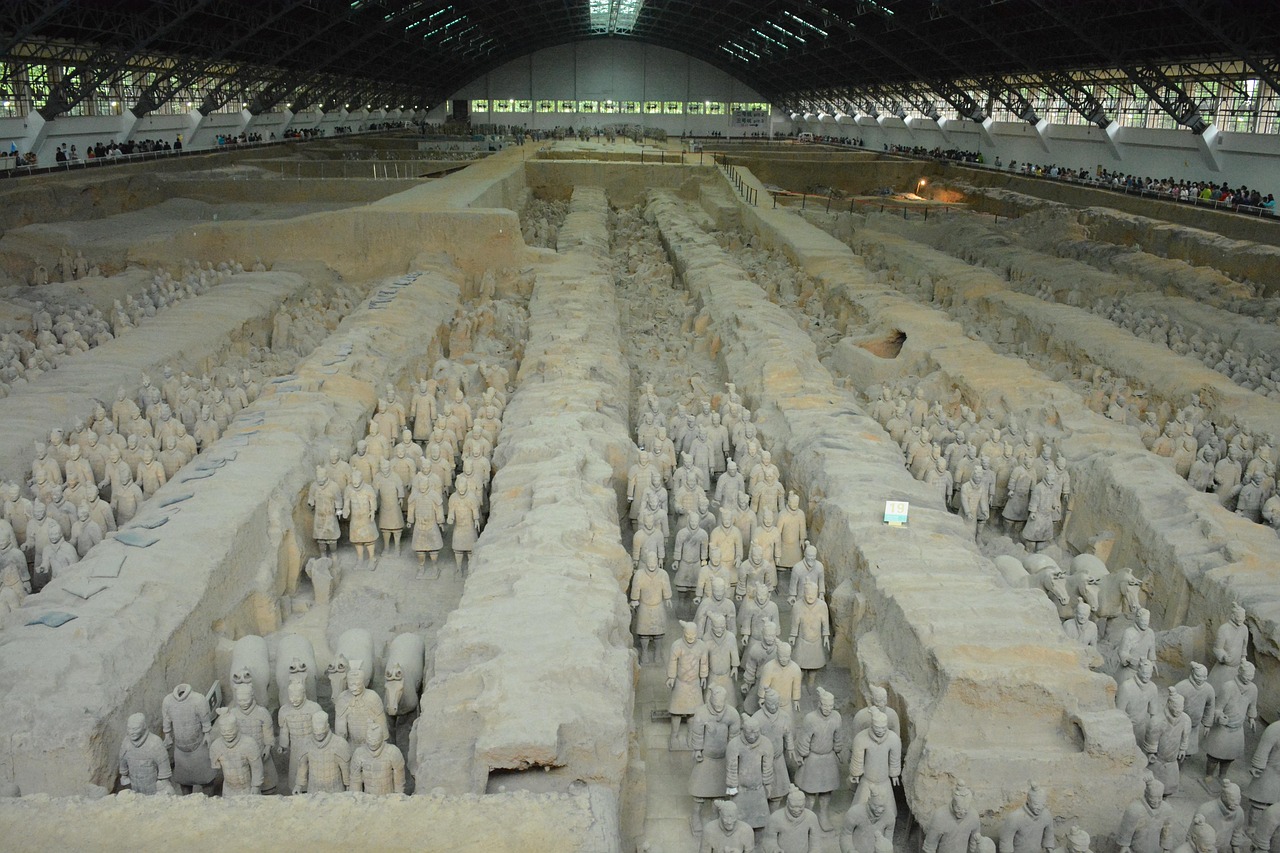
Xi’an itinerary with the Terracotta Army and the Silk Road in depth
A refined Xi’an itinerary with the Terracotta Army and Silk Road context is a cornerstone of China travel. Xi’an (often searched as xian) rewards curiosity: it’s a place where you can feel the weight of history, yet still enjoy a modern, comfortable base with seamless service.
We plan Xi’an as a core stop that adds depth without adding stress. Think early access, expert interpretation, and evenings designed for pleasure rather than performance.
Terracotta mornings with archaeologist-led insight
Start with morning access to Xi’an’s terracotta warriors, ideally with an archaeologist-led visit. The terracotta site is famous for scale, but the real wonder is in the nuance: individual facial expressions, armour details, and the ongoing nature of excavation.
With the right guide, terracotta becomes more than an icon. You’ll understand why each pit matters, what restoration involves, and how this discovery reshaped China’s historical narrative. It’s the difference between seeing and truly uncovering.
Silk Road context without turning the trip into a sprint
Xi’an is the launch point for the Silk Road story, and we weave that context into your days without overloading the schedule. If you’re tempted to extend, we’ll discuss how Dunhuang’s cave art and the edge of the Gobi might fit later—perhaps as a second journey—so your current itinerary remains well-paced and emotionally spacious.
This is where crafted travel shines: you can explore big ideas while still returning to a comfortable hotel, a calm dinner, and sleep that feels restorative.
Luxury logistics and a gentle approach to local etiquette
Connections between Beijing and Xi’an are straightforward with proper planning. Private transfers on both ends keep it seamless, and VIP lounge assistance can make airport time more comfortable. For many, the luxury train is highly recommended: spacious seating, reliable timings, and the pleasure of watching landscapes shift. Flights are quicker, and we choose based on your tolerance for early starts.
In the evening, dining can be as intimate as a home-cooked tasting menu or as polished as a refined banquet. We’ll brief you warmly on local etiquette—polite toasts, respectful conversation, and the small gestures that show care without feeling formal.
Shanghai Suzhou Zhouzhuang China travel guide for crafted elegance and the best China tours
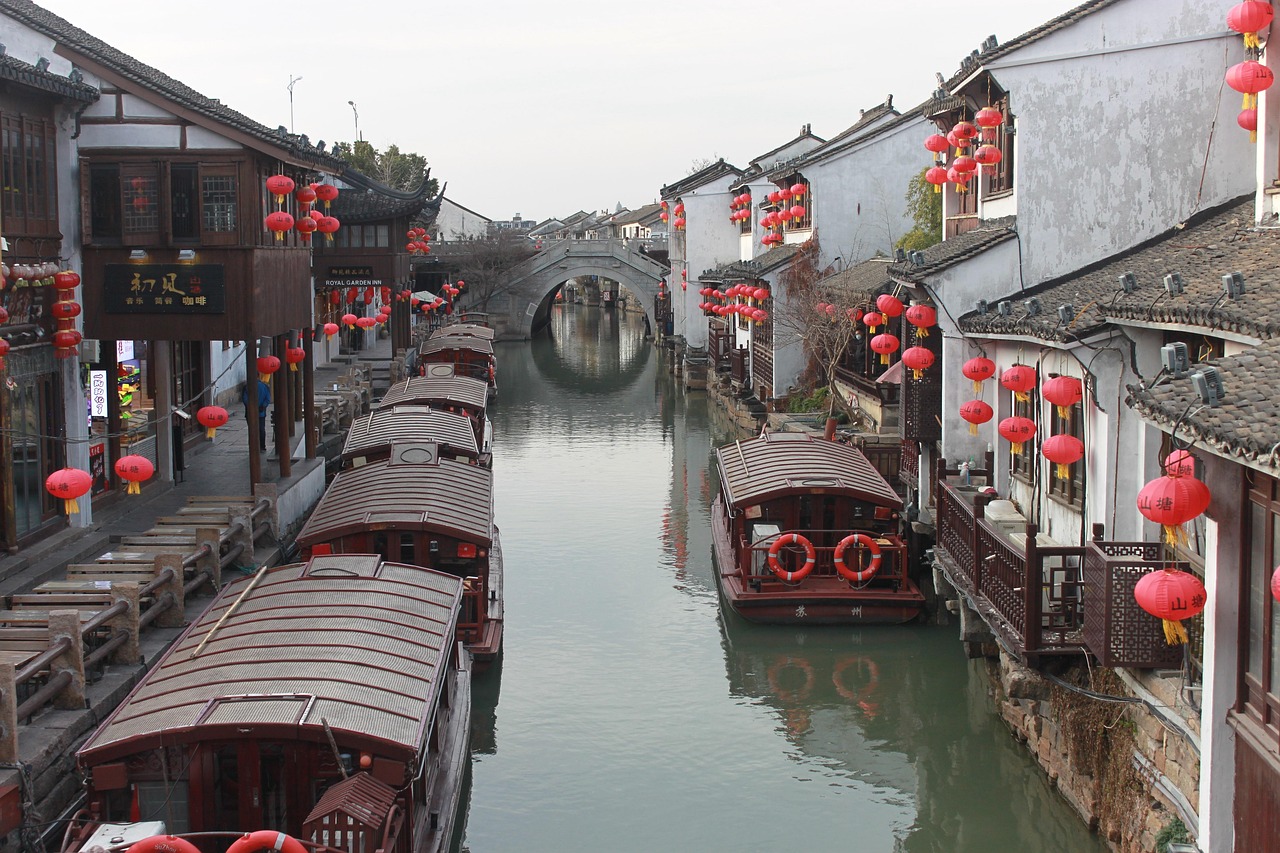
Shanghai and Jiangsu water towns for crafted elegance
This Shanghai, Suzhou, and Zhouzhuang, China travel guide chapter is where modern glamour meets classical grace. Shanghai belongs on the perfect China tour because it changes the rhythm: after ancient stone and imperial formality, you step into a city of design, fashion, and remarkable hospitality—still Chinese, but unmistakably global.
We keep the experience personal: private guiding when it adds insight, and free time when the city invites you to wander.
Shanghai as a modern counterpoint on the Bund
Begin with a design-led afternoon on the Bund (the classic riverside promenade). With a private guide, we can weave in gallery stops and architectural stories—why certain façades feel European, how contemporary Shanghai reimagines heritage, and where the city’s creative scene is quietly thriving.
Luxury here is effortless: discreet drivers, elegant hotels, and dining that can shift from playful street tastes to China’s finest tasting menus in a single day. Shanghai is also an ideal place to rest before your next chapter, especially if you’ve been moving quickly elsewhere.
Suzhou gardens and Jiangsu water towns with timing that protects serenity
Suzhou’s classical gardens are a study in proportion and poetry. One avid traveller described their time in a garden pavilion as “a profound moment of cultural connection”—the way a window frames bamboo, the sound of water, the deliberate emptiness that makes space for thought. With a specialist guide, the symbolism becomes legible, and you can slow down without losing the thread.
For a water-town day trip, Zhouzhuang is among the most atmospheric. We time your arrival to avoid peak tour groups, and we plan a route that feels like discovery: canals, stone bridges, traditional architecture, and quiet courtyards tucked behind main lanes. For shopping, we steer you toward designated stores that support local artisans and reduce the risk of counterfeit products—an easy way to buy with confidence.
Food-focused Shanghai with narrative and flavour
In Shanghai and nearby towns, food is part of the story. We design a progression that feels intentional: Xiao Long Bao in a trusted kitchen, regional tastings that highlight technique, and a Michelin-led evening that reads like a love letter to seasonality.
If you’d like an extension, Shanghai and Hong Kong pair smoothly as an endcap. Private transfers and baggage handling keep the experience seamless, and it’s a graceful way to close the Beijing-Shanghai route without adding friction.
Yangtze River cruises, luxury Yangtze cruise, Three Gorges for quiet grandeur
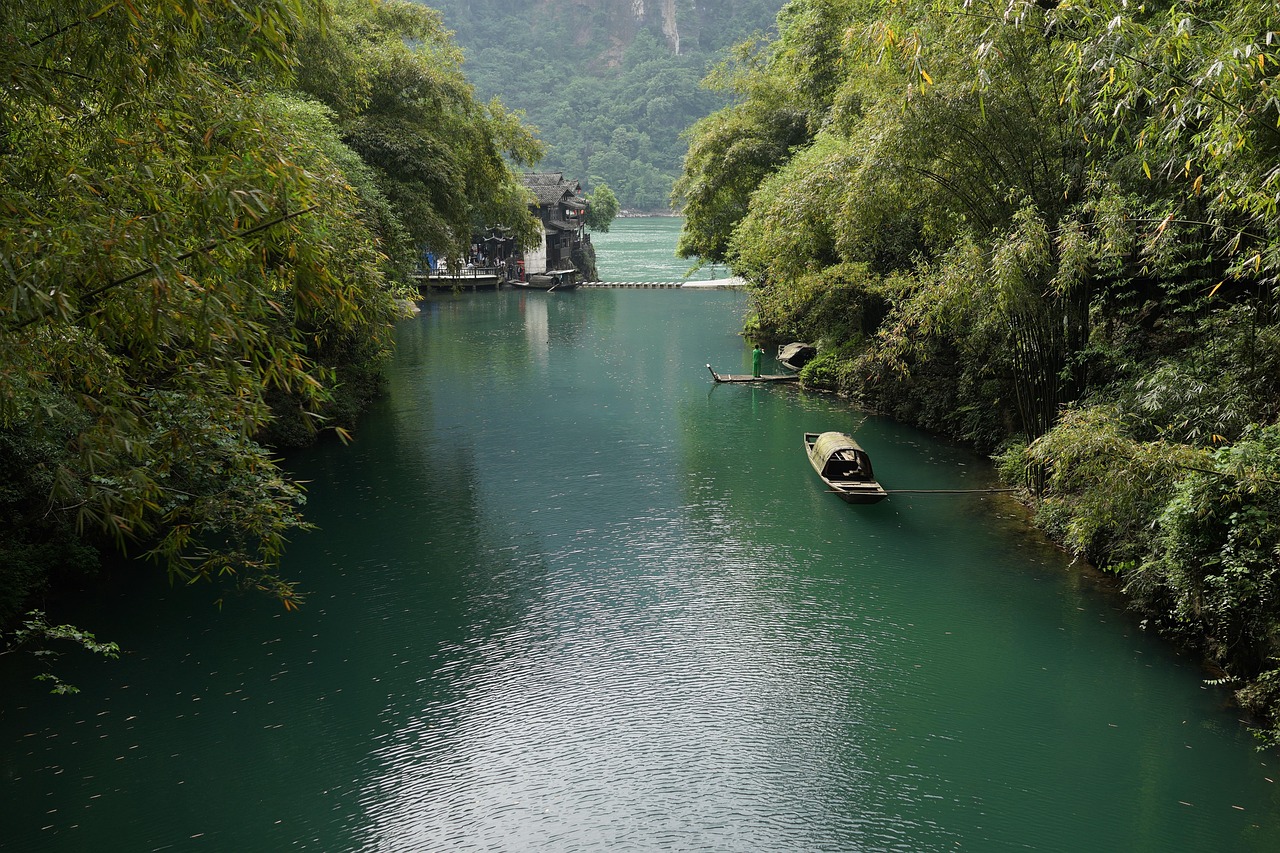
Yangtze River cruises are designed for quiet grandeur in the Three Gorges
Yangtze river cruises are one of the most restful ways to add grandeur to a luxury Yangtze cruise through the Three Gorges. Done well, this isn’t a crowded ship and a loud microphone; it’s calm pacing, polished service, and shore excursions that feel intimate.
If you’re considering a Yangtze cruise, we’ll align it with your broader China tour so it enhances the journey rather than interrupting it.
What does luxury mean on Yangtze River cruises
On the best vessels, “luxury” means personal butler-style support, excellent food, and smaller-group touring. You’re not constantly herded; you’re gently guided. There’s time to read on deck, time for spa rituals, and time to simply watch the river move.
Because the Yangtze River is long and the weather can shift, a well-designed cruise also includes flexibility—so you feel supported, not constrained.
Signature scenery and best deck times for light
The Three Gorges are at their most beautiful in soft light. We encourage early deck time: mornings often bring clearer air and quieter ambience, which matters if you’re mindful of pollution or haze elsewhere in China. Wrap a layer, take tea outside, and let the landscape arrive slowly.
This is travel in China at a different tempo—less about checking sights, more about letting scenery work on you.
A bespoke Yangtze story and curated excursions
One high-end traveller described their bespoke cruise as “once-in-a-lifetime” not because of extravagance, but because of the care: personalised service that anticipated preferences, and shore excursions that never felt rushed. They remembered a small artisan workshop most vividly—the quiet pride of local craft, and the feeling of being welcomed rather than sold to.
We curate excursions to match your interests: heritage sites, local markets, and workshops that reveal daily life beyond the postcard. And we always build in time to simply be on board—because quiet is part of the luxury.
How to align a Yangtze cruise with Beijing and Shanghai
To keep the broader itinerary smooth, we plan the Yangtze segment around reliable flight or rail schedules—often threading it between Xi’an and Shanghai, or as a bridge after Beijing. The goal is seamless connections, minimal waiting, and a journey that still feels like one coherent story.
Time to visit China
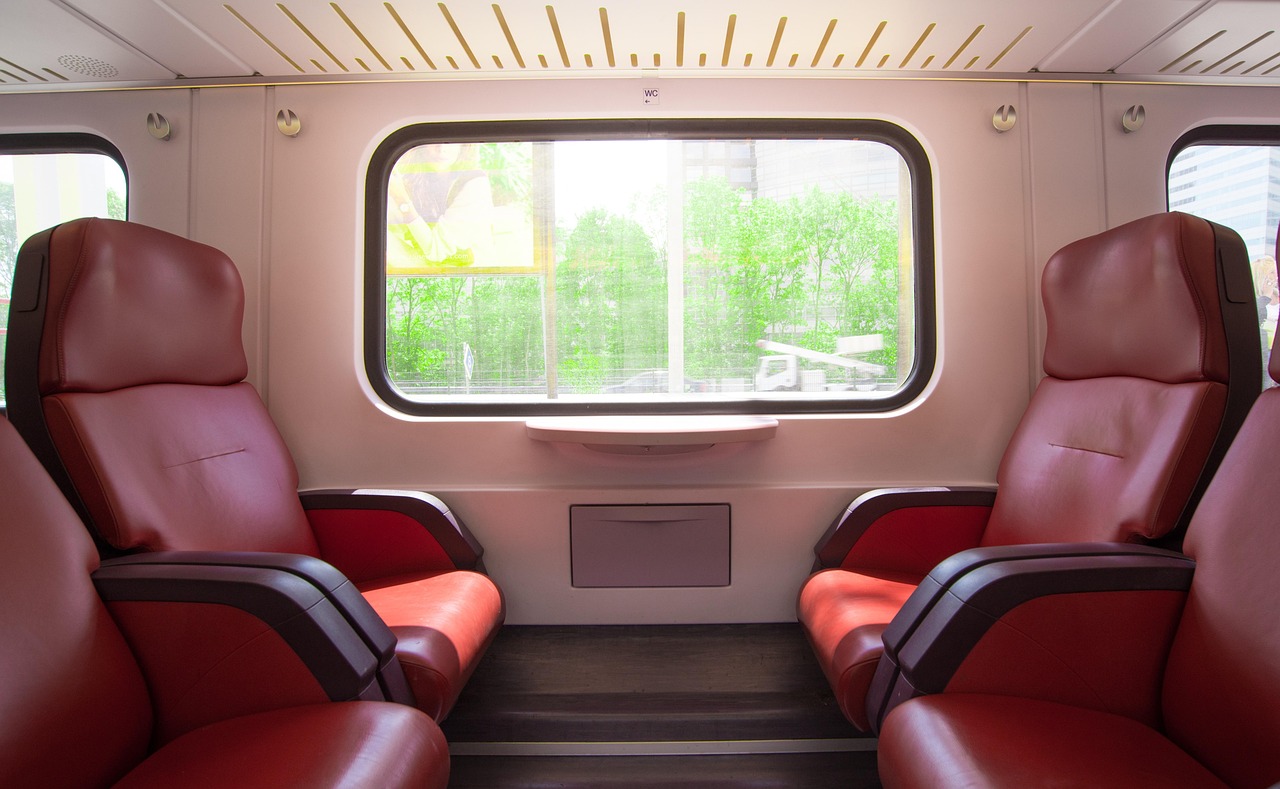
Time to visit China and the practical luxury toolkit with luxury trains
The best time to visit China for a premium experience is typically spring (April to May) and autumn (September to October). This practical chapter covers private transfers, luxury trains, and how to approach tours in China with calm confidence—so your China vacation feels effortless even when distances are large.
Consider this your quiet toolkit: less about rules, more about comfort, trust, and thoughtful preparation.
Choosing dates to reduce crowds at popular destinations
Beijing, Xi’an and Shanghai are busiest around public holidays and the peak summer. Spring and autumn often bring milder weather and better visibility, which is especially helpful for outdoor days on the Great Wall or riverside walks in Shanghai. If your dates are fixed, we’ll design around pressure points—earlier entry times, quieter days of the week, and a plan that doesn’t hinge on a single crowded moment.
Getting around with private transfers and luxury trains
China’s internal travel is efficient, but the premium difference is how it’s stitched together. Private transfers remove friction, and luxury trains between major cities can be a pleasure rather than a necessity—clean, punctual, and comfortable. When flights are better, we’ll soften the edges with lounge access and meet-and-assist services so you never feel rushed.
- Keep mornings flexible: schedule outdoor touring earlier when air quality is often better.
- Plan one lighter day per city: it protects energy and improves enjoyment.
- Confirm luggage handling: your driver and hotel team can work together to ensure a seamless transition.
Money, connectivity, and a quiet backup plan
Carry some local currency (RMB) even if you plan to use mobile payments, and set up payment apps before you travel. Connectivity matters for tickets and navigation; we’ll recommend an eSIM or local option based on your handset. The real luxury, though, is an “if needed” plan: if weather shifts or a museum time changes, your team can rework arrangements within 24 hours without drama.
Etiquette, health, and comfort with care
Small gestures go a long way: remove shoes where required in temples, use both hands when giving or receiving items, and bargain politely if it’s appropriate. This warm approach helps you feel genuinely local-minded without overthinking every interaction.
In larger cities, be mindful of air quality. Many high-end hotels now offer excellent filtration and wellness support; we can also design touring with flexibility, so you can swap an outdoor morning for a gallery afternoon if needed.
F.A.Qs: China trips planning basics for high-end travellers
How much will a trip to China cost?
Costs vary widely by comfort level and season. A high-end trip to China typically includes premium hotels, private transfers, expert guiding, and curated dining, so budgets are higher than those for standard group touring. As a rough guide, expect luxury pricing per person to rise with exclusive access, internal flights, and signature experiences such as a Yangtze cruise or private Great Wall touring.
Are Americans allowed to vacation in China?
Americans can visit China, but entry requirements depend on current visa rules and any policy updates. You’ll generally need a valid passport, the correct visa, and supporting documents such as hotel details and onward travel. Because requirements can change, confirm the latest guidance before booking, and allow time for visa processing as part of your planning.
Is 1000 dollars enough for a week in China?
It’s enough for a basic week if you travel simply, but it’s usually not sufficient for a luxury trip once you include premium hotels, private guides, and comfortable transport. In major cities like Beijing and Shanghai, costs add up quickly for top-tier dining and five-star stays. For high-end travellers, a higher budget ensures seamless service and better access.
What month is the cheapest to fly to China?
The cheapest months often fall during lower-demand periods, such as late winter, but prices fluctuate by route, airline sales, and school holidays. Shoulder seasons can balance value with comfort, while major holiday weeks tend to be more expensive. If you want both good fares and pleasant weather, consider planning your trip for spring or autumn and booking flights well in advance.
After China, what stays with you as you visit China in memory
After you leave the Middle Kingdom, it isn’t only the monuments that linger. It’s the hush of early morning in a courtyard, the scent of tea warming your hands, and the way a city’s sounds soften when you step into a garden and the air changes. Days later, you might catch yourself remembering a single phrase your guide translated with tenderness, or the quiet dignity of a craftsperson’s hands at work.
China has a rare power of contrast—ancient stone and bright skylines, ritual and innovation, gardens and gorges—and yet the most lasting impressions can be unexpectedly small. A lantern reflected in the canal water. A perfectly folded dumpling. The moment you realise you’ve found your pace in a place you once thought was “too vast” to hold gently.
And perhaps that is the gift of a thoughtfully designed journey: it doesn’t ask you to conquer distance. It invites you to trust the process, to travel with care, and to let the country meet you where you are—curious, open, and quietly changed. When you picture your next horizon, what part of China do you find yourself returning to first?