Post Contents
- Choosing the Great Wall of China tours from Beijing for China tours planning and a great wall tour
- Badaling Great Wall tour from Beijing to a popular, well-preserved section
- Jinshanling Great Wall hike private tour from Beijing for experienced hikers
- Simatai Great Wall of China night and private tours in Beijing
- Mutianyu Great Wall day trip from Beijing with Mutianyu Great Wall private car options
- Tour packages include private tours of the Great Wall of China, Beijing transportation, and entrance fees.
- F.A.Qs:
- After the Great Wall and reflections on seeing it after the Beijing trip.
Choosing the Great Wall of China tours from Beijing for China tours planning and a great wall tour
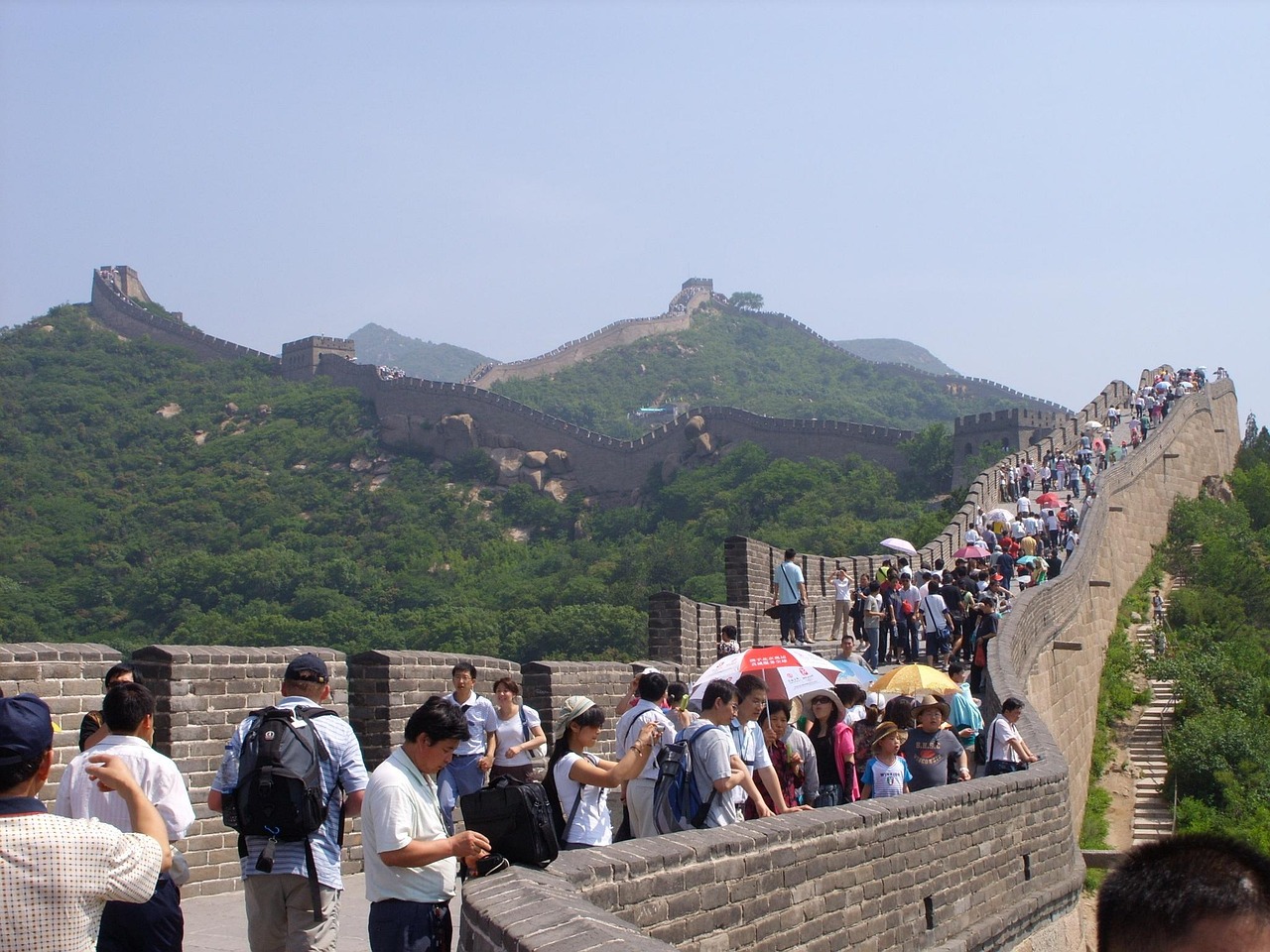
Choosing the Great Wall of China tours from Beijing for first-time planning
If you’re weighing up Great Wall of China tours from Beijing as part of wider China tours planning, it helps to set expectations gently. From Beijing, most wall sections are 1–3 hours away, depending on traffic and the exact gate, so your comfort comes from choosing the right pace rather than trying to “do it all”. The Great Wall of China can feel like an architectural wonder one moment, and a serious hike the next—especially once you step beyond the busiest approaches.
A key distinction you’ll hear is between restored and unrestored sections. A restored section (think smoother stonework, clearer steps, safer rails) is designed for easy access and steady visitor flow. Unrestored sections can be broken, uneven, and fragile—beautiful, yes, but they demand more care, better footwear, and often a guide to support safe route choices.
Design your tour of the Great Wall around energy, interests and comfort
To create a day that feels both personal and well-held, start with your “why”. Do you want history and cultural insights, a photogenic sunrise, or the satisfying burn of a long ridge walk? For many travellers, a private tour offers the best blend of freedom and trust—especially when you’re balancing adventure with a calm, high-end rhythm.
In practice, you have three ways to explore from Beijing: a guided group, a private driver with a guide, or going independently. Group tours can be a great value, but they sometimes compress the experience. Independent visits can be empowering, but you’ll want to be confident with transport and ticketing logistics.
- Guided group: social, efficient, but timing is shared.
- Private tour: flexible start times, quieter hours, and expert context when you want it.
- Independent: more freedom, but you manage the details (and you’ll feel it if anything shifts).
Time to visit and what “enough” looks like on the rampart
Your timing for visiting shapes the overall feel of the Great Wall of China. Early mornings bring clearer air and softer light; late afternoons can be calmer as day-trippers return to Beijing. If you use a cable car, you may cover more comfortably, but hiking gives you the rhythm of the rampart—wind, footsteps, and the sense of distance stretching across centuries.
For a first visit, plan 2–4 hours on the Wall itself, depending on gradients and how much you like to pause for photographs. If you’re hiking along more rugged terrain, build in extra time so you never need to rush your body or your curiosity.
In the cultural context, most of what you see near Beijing was strengthened during the Ming dynasty, when the Wall served military defence and border control rather than being a single continuous “line”. Today, those layers of strategy are visible in the placement of watchtowers and signal points.
When booking drivers and guides, choose licensed operators, confirm the return plan, and ask what happens if the weather changes. A little due diligence builds confidence—and helps your day feel designed together rather than improvised.
If you’re building a broader itinerary, many travellers pair Beijing with Shanghai, or continue to Xi’an to see the terracotta warriors. If you’d like to imagine a more complete route, you can browse our Trip gallery for inspiration that feels crafted and seamless.


Badaling Great Wall tour from Beijing to a popular, well-preserved section
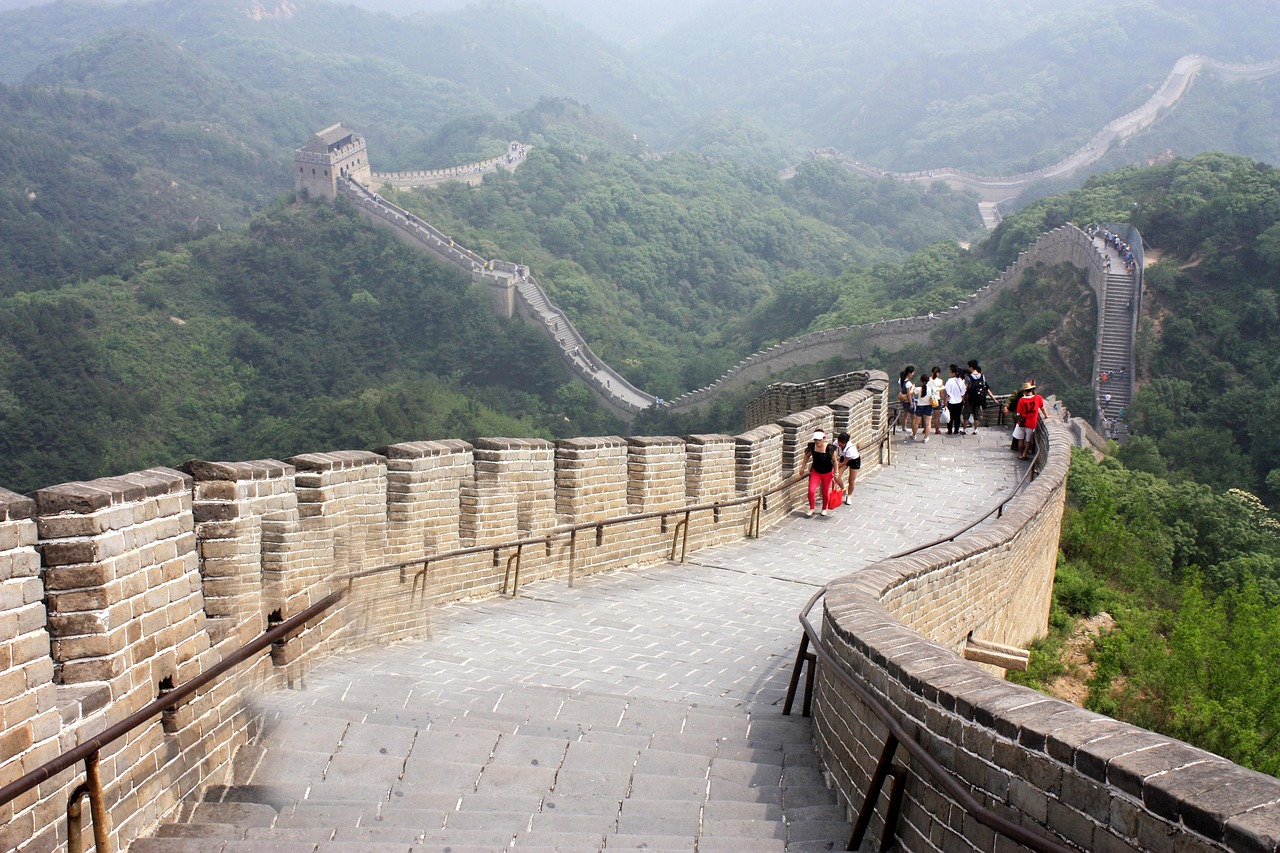
Badaling Great Wall tour from Beijing for iconic views
A Badaling Great Wall tour from Beijing is the classic choice if you want the most popular section, with extensive infrastructure, clear signage, and an easy-to-follow visitor experience. Badaling is near Beijing, and it’s often the first image people hold when they think of the Great Wall of China: broad stone paths, restored battlements, and that satisfying feeling of standing on a world-famous ridge.
Transport from downtown Beijing is straightforward. You can take public bus options, or the train to Badaling, depending on schedules; organised tours also remove the small frictions of ticketing and timing. On a typical day tour, expect set departure times, a few photo stops, and time on the Wall itself—though the busiest pinch points can shape your flow.
Visit the Great Wall early and move with the crowd, not against it
During peak season, the main queues form at the entry gates and cable car lines. If you’d like to avoid the crowds, arrive early or choose a later slot when the energy softens. Badaling is a well-preserved experience, and with a calm plan, it can still feel personal rather than overwhelming.
One visitor told us they expected Badaling to feel “too busy”, yet the lively atmosphere became their favourite memory: sharing snack recommendations with fellow travellers, and practising a few polite phrases with local vendors. That bustle can be a kind of cultural insight—Beijing families, school groups, and travellers from across China all meeting on the same stones.
Practicalities matter here. Entrance fees generally fall within the broader range you’ll see around Beijing, with additional fees if you take the cable car or other uplift options. If accessibility is important, Badaling’s restoration and rails make it one of the most comfortable choices for mixed-ability groups.
For a beautifully classic pairing, spend the morning on the Wall and return to Beijing for the Forbidden City in the afternoon—history on a grand scale, balanced by a day that still feels manageable.
Jinshanling Great Wall hike private tour from Beijing for experienced hikers
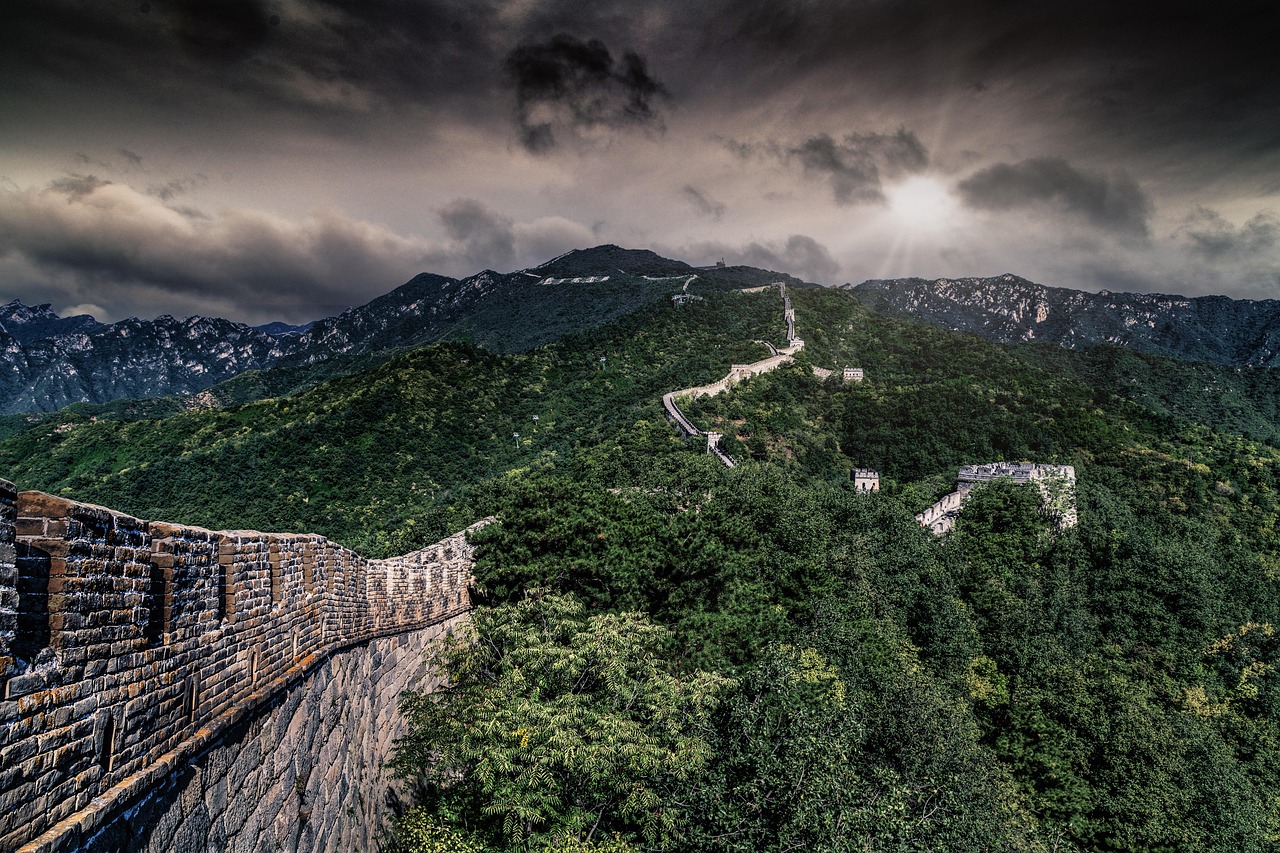
Jinshanling Great Wall hike at sunrise for solitude and history
If you’re looking at a Jinshanling Great Wall hike via a private tour from Beijing, you’re already thinking like an explorer. Jinshanling rewards experienced hikers with longer, quieter stretches along the wall, more uneven stonework, and a sense of being far beyond the city’s edges—while still achievable with thoughtful planning.
Travellers often share how hiking Jinshanling at sunrise gave them a profound connection to history and nature. Imagine the first light sliding over the ridge, the stone cooling under your palm, and long minutes where you hear only wind and your own breath. It’s one of the rare places where seeing the Great Wall of China can feel like a private conversation with the past.
Uncover unrestored sections, watchtowers and original character
Jinshanling offers a powerful mix of repaired parts of the Great Wall of China and unrestored sections where time is clearly visible. You’ll notice sharper gradients, uneven steps, and occasional broken edges—this is where you begin to uncover the Wall’s original intent. The watchtowers here feel purposeful, placed to read the landscape rather than simply frame a photograph.
For photography, the changing light is your ally. Bring a lens cloth (dust and wind happen), and allow pauses at the battlements where shadows carve depth into the stone. A sunrise start gives you softer contrast and a quieter mood, with a gentle confidence that you’re moving ahead in the day.
Logistics, pacing and care on a wilder section of the Great Wall
Because it’s farther from Beijing, organised tours or a private driver are usually the simplest way to reach Jinshanling without hassle. Confirm start times the night before, pack water and snacks, and build your pacing around the terrain rather than distance alone. If you’re linking two sections on foot, it’s worth discussing turnaround points with an expert guide so your return feels smooth.
- Footwear: sturdy shoes with grip—stone can be slick in morning dew.
- Sun protection: sunscreen and a hat; the ridge is exposed even in spring.
- Respect: Stay on marked paths to protect fragile stonework and vegetation.
This is where travel becomes care in action: for your body, for the site, and for the communities who live in the valleys below.
Simatai Great Wall of China night and private tours in Beijing
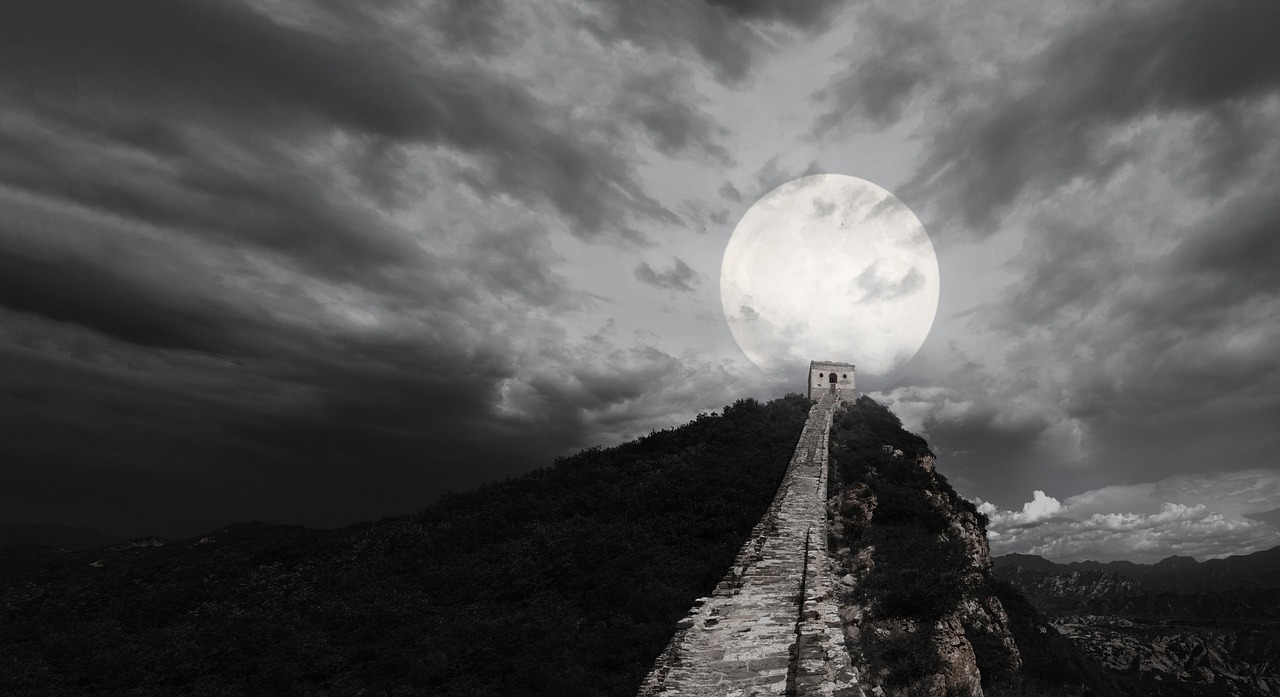
Simatai night tours for a thrilling Great Wall of China experience
Simatai Great Wall of China tours are the choice when you want steep climbs and a true night-tour edge, and a private night tour in Beijing makes the logistics feel effortless. Simatai is known for its dramatic gradients and exposed viewpoints that deliver a single-word experience—breathtaking—without overstatement.
One adventurer recounted the adrenaline rush of climbing Simatai, describing it as both challenging and rewarding. The reward is a high, clean panorama from upper towers, where the Wall rises and falls like a pulse line across the mountains. In the dark, with sections illuminated, it becomes a different story: quieter, more elemental, and strangely intimate.
How night access works and when an expert guide helps
Night access typically operates on timed entry, with boundaries indicating which sections of the Great Wall of China are open. Weather can change quickly outside Beijing, so it’s wise to confirm contingencies—especially if you’re travelling in the shoulder seasons when mist or rain can roll in fast. A guide adds context about the site’s strategy and engineering without slowing your momentum, and can help you choose safe angles for photos.
Costs are usually a blend of standard tickets and a night-tour surcharge; this is also when free cancellation matters most, because safety is always the priority. If you’re designing a high-end evening, look for a plan that includes relaxed dining nearby so everything feels crafted—no rushing, no abrupt transfers back to Beijing.
Mutianyu Great Wall day trip from Beijing with Mutianyu Great Wall private car options
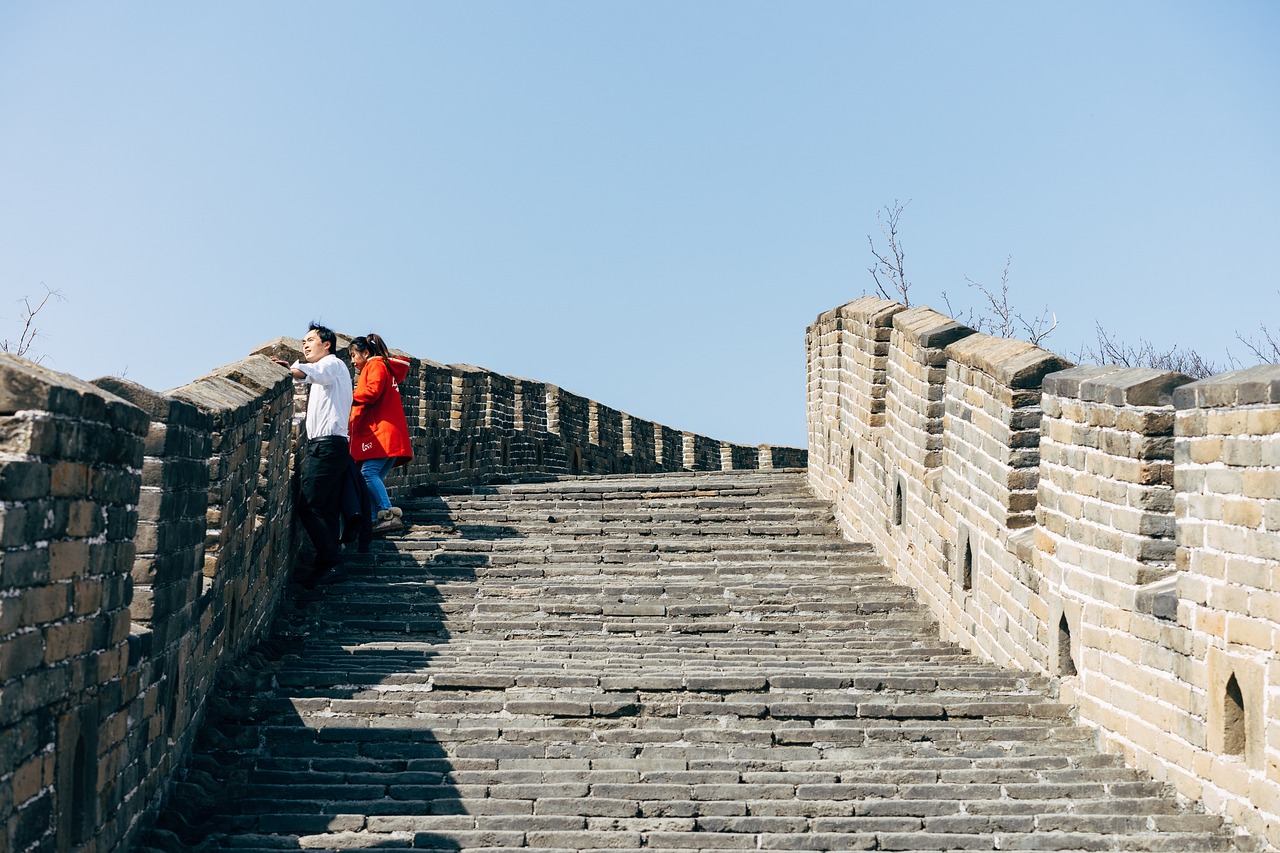
Mutianyu Great Wall day trip from Beijing with forested surroundings
A Mutianyu Great Wall day trip from Beijing is often the sweet spot for travellers who want a balanced adventure: strong restoration, a greener setting, and more room to spread out than the busiest gates. If you’re considering Mutianyu Great Wall private car transport, it can turn a busy day into a calm one—hotel pickup, fewer queues, and more control over your return to Beijing.
Mutianyu is surrounded by forested hills and, in season, you might even spot yellow wildflowers on the slopes. It’s a wonderful choice if you want the Great Wall of China to feel spacious, with a mix of family-friendly paths and optional steeper stretches.
Cable car or chairlift, and the toboggan ride down
Mutianyu is famous for uplift options: take a cable car or chairlift up, then choose your route along the top. For many adventure seekers, the playful finale is the toboggan—a toboggan ride that brings you down through the trees with just enough speed to make you laugh. If you’re travelling with a mixed group, this is one of the easiest sections to design so everyone feels supported.
When planning a visit to the Great Wall at Mutianyu, allow extra time for the lift lines and photo stops. If you’d rather hike, skip the uplift and settle into a slower rhythm—Mutianyu gives you that choice without pressure.
Wilder alternatives and famous sections to compare
For context, there are other famous sections near Beijing as well. Juyongguan is convenient and dramatic, and the Juyongguan Great Wall setting can be striking for quick visits; you’ll also hear about Juyongguan sections as an easy add-on. For a different landscape, Huanghuacheng offers rare water-and-wall scenes—huanghuacheng can feel serene, especially in softer light.
If you crave something more untamed, consider Jiankou or Gubeikou. These are less-visited and more demanding; on Gubeikou, the terrain can be complex, and a local guide is essential for safety and route-finding. Jiankou is famously steep and broken, and it’s best approached with genuine caution and strong support.
- Mutianyu: balanced, scenic, flexible, and ideal for a refined day.
- Juyongguan: convenient near Beijing for a shorter visit.
- Jiankou and Gubeikou: wilder, guide-reliant options for seasoned hikers.
A mini itinerary many high-end travellers love: Mutianyu in the morning, then a calm afternoon back in Beijing—perhaps a park wander and a courtyard café where the day can settle.
Tour packages include private tours of the Great Wall of China, Beijing transportation, and entrance fees.
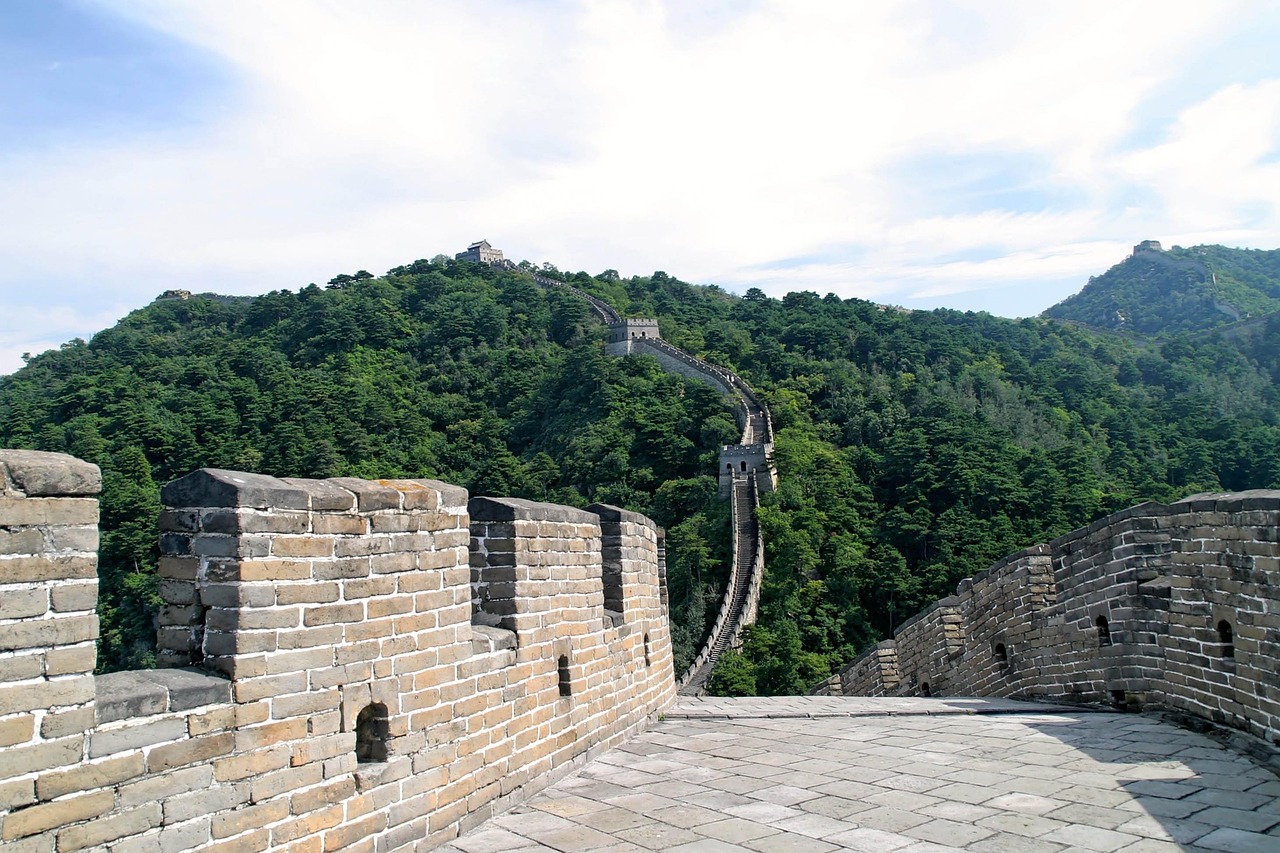
Tour packages and transport for Great Wall of China tours from Beijing
When comparing tour packages, a private tour, or mixed options for Great Wall of China tours, the goal is simple: get there from Beijing with ease, enjoy the Wall at your chosen pace, and return without stress. This is where clear expectations around Beijing transport and entrance fees matter more than shaving off a few pounds.
Most tours include hotel pickup in Beijing, transport, and sometimes tickets. Many do not include meals, uplift rides, or gratuities—so ask up front, kindly and directly. A thoughtfully arranged day feels seamless because there are no surprises.
Price and value, and how to spot a compressed day tour
As a rule, tickets are modest by global standards, generally $5–$15 USD, depending on the section of the wall, with extras for cable cars or night access. A private car can be worth it if you value flexibility, comfort, and a calmer return to Beijing—especially after a long hike. If a schedule squeezes multiple long drives plus two major attractions into a few hours, it’s usually a sign the experience will feel rushed rather than designed.
For more remote wall sections, you may choose a private driver and add a guide on-site. This combination often offers the best balance: you keep your autonomy while having expert context when the story matters.
Best time to visit and what to pack with confidence
The best time to visit is typically spring or autumn, when temperatures are mild, and visibility is better. In spring months, you’ll often get crisp mornings; in autumn, the light can be warm and forgiving. Summer can bring heat and heavy crowds, while winter can bring ice and wind chill—both are manageable, but they require more care.
- Pack: sturdy shoes, water, sunscreen, snacks, and a light windbreaker.
- Etiquette: don’t litter, stay on designated paths, and be polite with local vendors.
- Safety: pace yourself on steep steps, especially on Jinshanling and Simatai.
If you’re shaping a multi-day plan in Beijing, consider add-ons that complement the Wall rather than compete with it: the Ming Tombs, the Summer Palace, and a quieter “return day” to rest your legs. It’s often the most luxurious decision of all—to travel with trust in your own limits.
And if your curiosity stretches beyond Beijing, the Great Wall of China has far-reaching chapters: at Shanhaiguan, it meets the sea near the Bohai, while near Jiayuguan, it stands at the edge of the Gobi Desert. Those far-flung sites can become future hidden gems in a longer itinerary that unfolds over time.
F.A.Qs:
How much is a Great Wall of China tour?
Costs vary by wall section and service level. Entry tickets are often modest (typically $5–$15 USD), while extras like a cable car or a night tour surcharge can add more. A private tour from Beijing costs more, but it can feel worth it for comfort, flexibility, and a smoother pace—especially if you’re hiking.
Can you still tour the Great Wall of China?
Yes. Multiple sections near Beijing are open to visitors, including restored areas designed for easy access and more rugged routes suited to confident hikers. Some parts operate with timed entry, seasonal hours, or weather-related closures, so it’s wise to check conditions and book with operators who communicate clearly and prioritise safety.
How many days do you need for the Great Wall of China?
Most travellers visit as a single-day trip from Beijing, which is enough to experience one section well. If you want variety—such as a classic restored section plus a quieter hike—two days allows a more spacious rhythm. Extra time also helps if you prefer sunrise or night tours without feeling rushed.
Which month is not the best time to visit China?
There’s no single month you must avoid, but comfort can dip in peak summer due to heat, haze, and heavier crowds, while mid-winter can bring icy steps and biting winds. Many travellers prefer spring or autumn for mild weather and clearer views. If you travel during the shoulder seasons, keep your plans flexible for changing conditions.
After the Great Wall and reflections on seeing it after the Beijing trip.
After you leave the Great Wall of China, it doesn’t leave you in quite the same way. Days later in Beijing, you may still feel the rhythm of steps in your calves, or remember the wind pressing against your jacket at the highest turn. The Wall becomes less about a photograph and more about a sensation—stone underfoot, sky above, and the quiet shock of how far human intention can reach.
Different parts of the Great Wall of China settle into memory differently, and none needs to be “best”. Badaling can stay with you as shared energy—voices, laughter, the ease of belonging to a moment bigger than yourself. Jinshanling may return as solitude: a thin line of light at dawn, the hush between watchtowers, the private steadiness of your breath. Simatai lingers as nighttime courage, when you learn you can climb carefully, and still look out into the distance without flinching.
Perhaps that is the real gift: not proving anything, but learning to trust your pace. You begin to notice how travel can deepen care for culture, for landscape, for the people selling tea at the base gate, and for the fragile stones that hold the story. In that sense, a visit to the Great Wall is not a trophy moment, but a small personal shift you carry back into ordinary days.
And when Beijing lights up again in the evening, you might find yourself imagining the Wall out there in the dark—still, patient, and quietly waiting for the next curious set of footsteps.