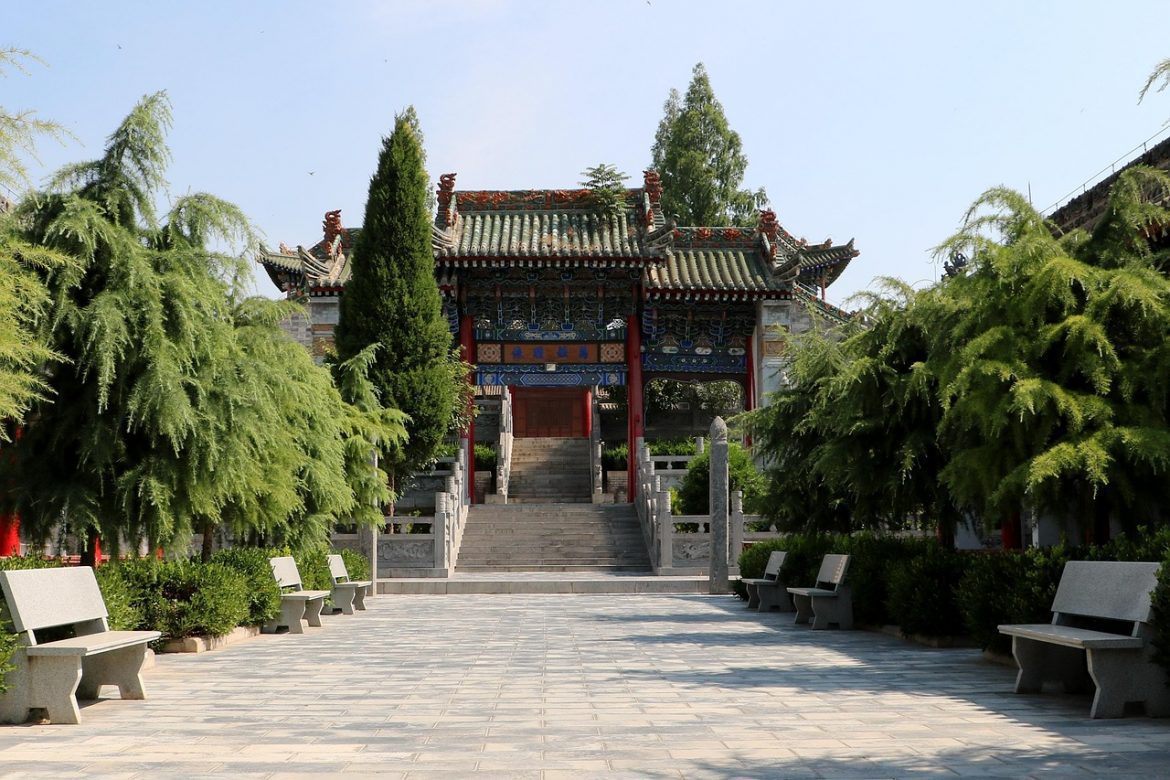
Post Contents
- Shaanxi History Museum in Xi’an, China: the city’s pearl and a clear museum overview
- Shaanxi History Museum reservation in Xian: tickets, entry times, and arrival tips
- Exhibition hall tour at Shaanxi History Museum: prehistoric origins to Han and Qin power
- Tang dynasty highlights in Xi’an: murals, tomb pottery, and court life
- Shaanxi History Museum: bronze wares, Zhou dynasty Silk Road energy, and the Xi’an city wall nearby
- F.A.Qs: Shaanxi History Museum tour planning and highlights
- What stayed with me after a Shaanxi History Museum tour in Xi’an
Shaanxi History Museum in Xi’an, China: the city’s pearl and a clear museum overview

Shaanxi History Museum in Xi’an, China: the city’s pearl and a quick overview
For many travellers planning a trip to Xi’an, the search phrase “shaanxi history museum xian china” is really a promise: one beautifully designed museum stop where layers of an imperial capital feel close enough to touch. As a modern national museum, the Shaanxi History Museum is often called the city’s pearl because it is welcoming, well-signed, and brilliantly curated for first-timers.
Xi’an has long been an imperial capital shaped by historical development, from early settlements and the Zhou to later dynasties that expanded an empire through roads, law, and belief. Inside the museum, those centuries become human-scale: one weathered relic, one expressive statue, one carefully lit artefact, and a national treasure display that stops you in your tracks. The best visits feel less like racing and more like letting the objects set the pace.
Shaanxi History Museum tour flow: a fast route or a slower, reflective walk
This museum is adventure-friendly in a quietly luxurious way. Wide corridors keep the tour comfortable, and each exhibition hall provides a clear context for a self-guided loop that rewards both quick curiosity and slow, thoughtful looking. If you’re travelling with children, the generous spacing makes it easy to pause without blocking anyone.
Museum of Shaanxi: pacing your visit in chronological order
Here’s the reassurance most first-time visitors need: you don’t have to see everything to feel you’ve discovered something real. Follow the galleries in chronological order, then give yourself permission to stop when a single relic asks for attention. Often it’s the everyday pieces—pins, pottery fragments, and simple objects from ancient times—that make the past feel personal.


Shaanxi History Museum reservation in Xian: tickets, entry times, and arrival tips

Shaanxi History Museum reservation and arrival in Xian: practical planning
Start your day with a simple plan: making reservations before you arrive. This is a high-reward museum, and in peak season, the demand is real—without a timed entry, the queue can be the most tiring part of an otherwise smooth tour. A quick reservation keeps your schedule calm and protects the rest of your Xi’an sightseeing.
Making a reservation with the official WeChat account
Tickets are often managed digitally, and the official WeChat account is typically the easiest way to reserve them. Tickets are released in batches (timing varies), so check the app the day before and again early in the morning if you want the best slots. If you miss your preferred time, try a later entry, choose a weekday, or ask your hotel concierge to help you navigate the interface.
If you’re travelling with a travel agency, they may fold the museum tour into a wider Xi’an itinerary and handle the reservation process for you. For couples, families, or small groups, travel experts can also align entry times with the city wall and other nearby highlights so the day feels designed, not squeezed.
Getting there and entering the museum with confidence
The Shaanxi History Museum is conveniently located, and most visitors arrive by metro, taxi, or a short ride-share. A common approach is to take Metro Line 2 to Beilin Museum Station, then a quick onward ride or walk depending on your route; station signage in Mandarin is manageable once you match the line number. Build in a buffer for security screening and ID checks, which is standard at major attractions.
- Opening-time strategy: arrive early for quieter galleries and easier photos (without flash).
- What to carry: keep a light bag for faster checks and comfortable movement through each hall.
- On arrival: follow staff guidance, speak softly, and don’t touch exhibits—this protects fragile cultural relics for everyone.
Entry costs are often low or free for standard halls, but a reservation is still worth it in busy months. Once you’re inside, the museum layout does the rest, gently guiding you forward through the story of Xi’an and beyond.
Exhibition hall tour at Shaanxi History Museum: prehistoric origins to Han and Qin power
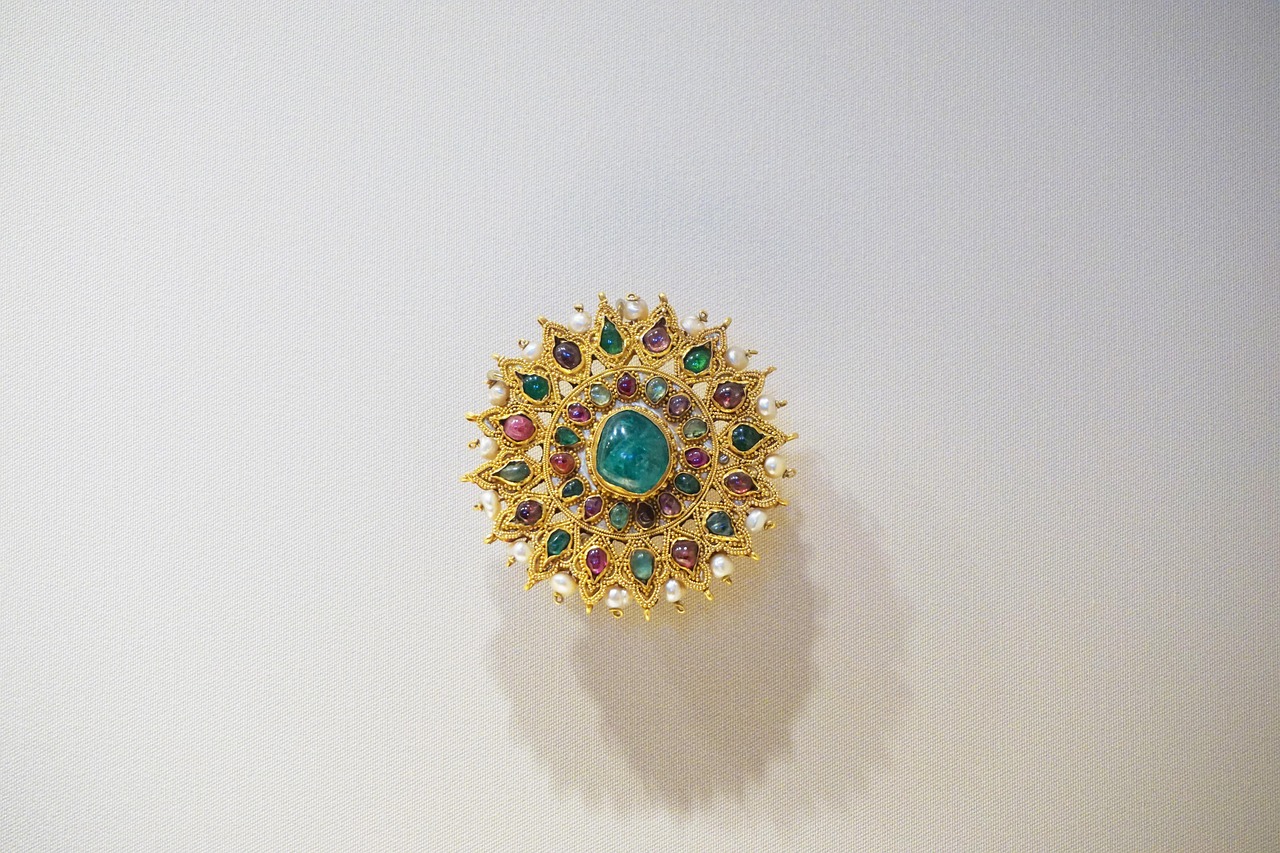
Exhibition hall tour at Shaanxi History Museum: from prehistoric life to Han and Qin
The core pleasure of a Shaanxi History Museum tour is that the route moves like a story you can walk. In one morning, you can feel a million years compress into a sequence of rooms—prehistoric beginnings, organised states, and the turning point that reshaped ancient China. The exhibition hall design is straightforward, so it’s easy to follow even if you’re visiting on a tight schedule.
History museum in Xi’an: prehistoric tools and early human life
Begin where the ground itself feels oldest: stone implements and tools used by early humans, displayed with simple explanations that help you imagine daily survival. With kids, turn it into a mini challenge—spot the sharpest edge, then guess what task it solved. It makes the museum feel hands-on without screens, and it sets up the long arc of the story with real clarity.
Han dynasty and Qin: 221 BC, the first unified empire, and the terracotta context
Moving into the Han dynasty, the mood shifts from survival to systems administration, trade, and the confidence of a growing empire. Look for items that hint at order and authority, including seals and inscriptions; one highlight is a jade seal that makes power feel strangely tangible. The Han period also helps explain how Xi’an functioned as a strategic centre long before the Tang dynasty.
Then comes Qin, and the timeline sharpens. Anchor your visit at 221 BC, when the state became first unified, and the Qin dynasty began rewriting the map with disciplined control. This is also where the terracotta story starts tugging at you: the museum displays selected terracotta pieces and related relics that add context without replacing a separate trip to the terracotta warriors site.
One of the most moving moments can be small rather than grand. Watching visitors linger over delicate pottery fragments, you can almost feel the craftsmanship behind them—hands, time, and patience preserved in a quiet corner of the gallery.
Tang dynasty highlights in Xi’an: murals, tomb pottery, and court life
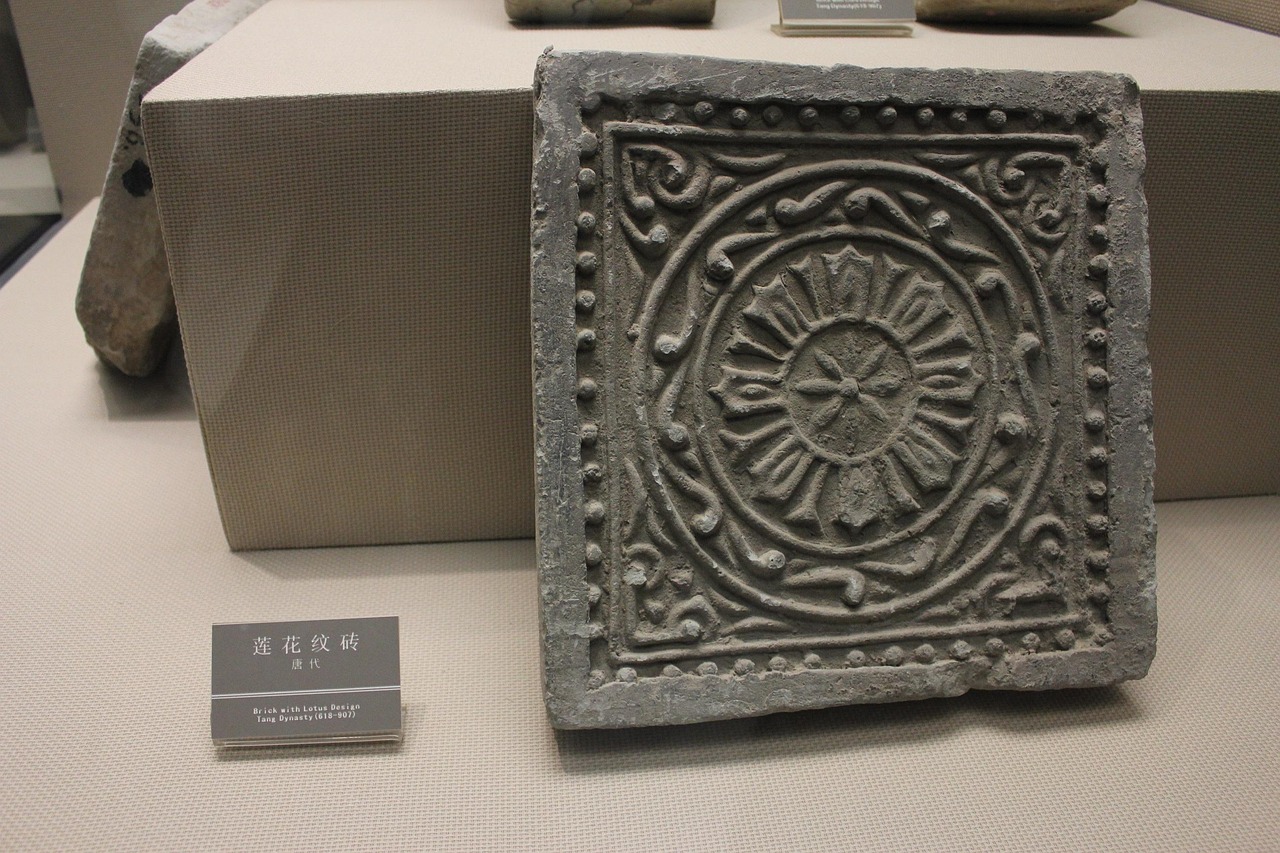
Tang dynasty highlights: murals and pottery from a Tang dynasty tomb
The Tang dynasty’s galleries are where history comes to life. Here, mural paintings, ceramics, and jewellery show a society in motion—travel, music, clothing, and belief—captured with an exquisite sense of colour and narrative. You can also see traces of the Sui that came before, and how the imperial capital grew into an international crossroads.
Reading a Tang mural slowly for meaning and detail
Stand before a mural and resist the urge to “collect” it with quick photos. Instead, read the scene like a landscape: start with the horizon line, then follow the procession, then notice what is absent. You’ll catch gestures of hospitality, hints of Buddhism, and the confidence of the prosperous Tang Dynasty expressed in fabric, posture, and movement.
A themed display based on elite burials often includes human figures with a tang-style silhouette—rounded, energetic, and unmistakably lived-in. These aren’t distant icons; they feel like people you could imagine meeting on a busy street, heading somewhere with purpose.
Gold and silver treasure from Hejia Village: agate, silver wares, and lotus petals
Then comes the “gold and silver” moment: the famous Hejia Village finds, where silver wares seem to breathe with detail. Look for lotus petals, mandarin ducks, and an agate accent that catches the light; some visitors also remember a playful golden monster motif that feels surprisingly modern. It’s a reminder that luxury objects can still teach everyday history.
Photography is generally allowed, but avoid flash and keep a respectful distance. A small ritual helps: take one photo, then spend one full minute simply looking—your memory becomes richer, and your museum tour feels calmer.
Shaanxi History Museum: bronze wares, Zhou dynasty Silk Road energy, and the Xi’an city wall nearby
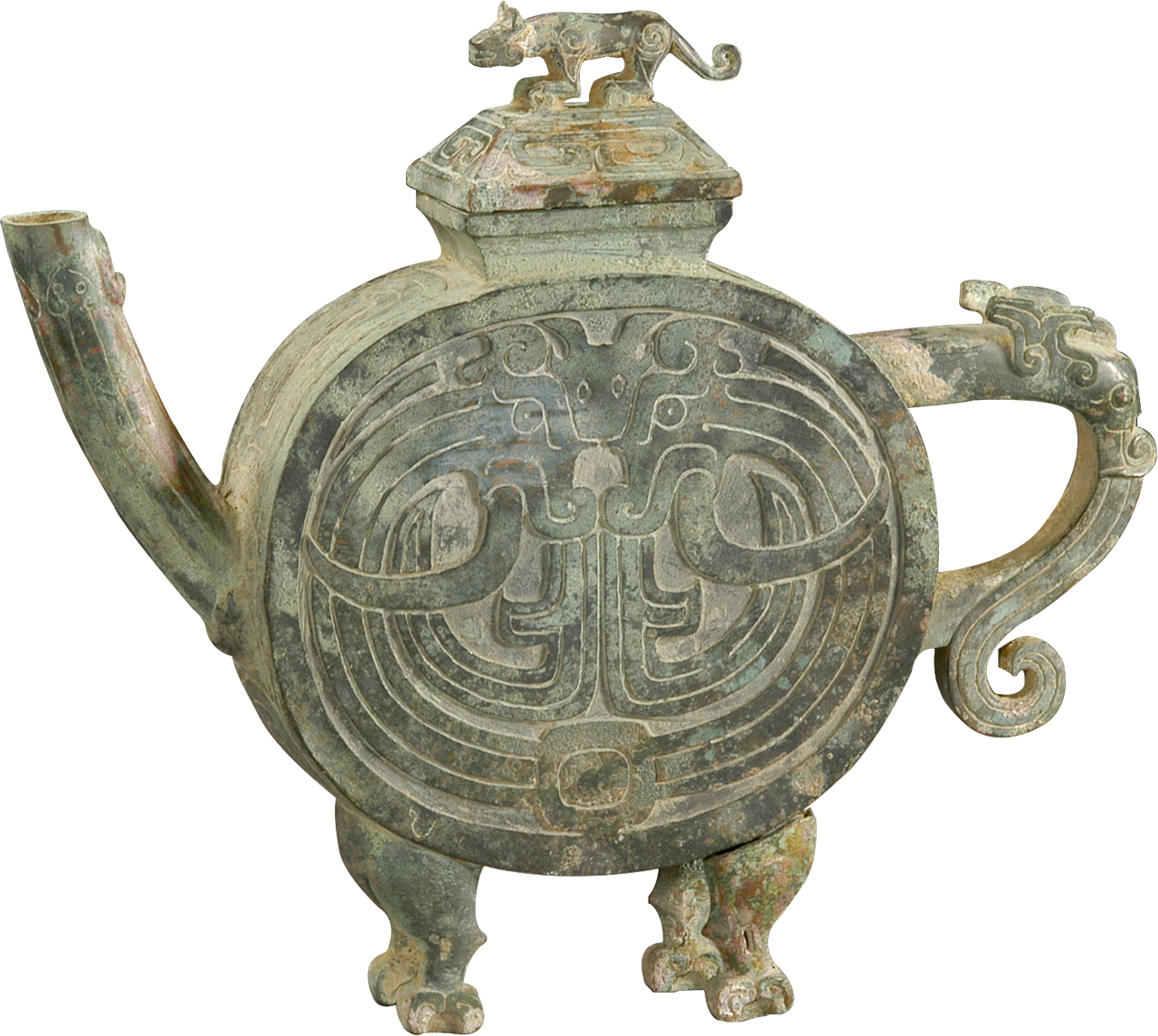
Shaanxi History Museum: Zhou culture, Silk Road stories, and the Xi’an city wall nearby
This section feels like five different ambitions—ritual bronzes, the Zhou dynasty, Silk Road trade, and city views—but in practice, it becomes one connected afternoon. In Shaanxi province, the Shaanxi History Museum makes movement and meaning feel like parts of the same story: how a capital region traded, worshipped, governed, and celebrated. If you like linking places, it’s an easy win to pair this visit with a walk on the city wall later.
Bronze exhibitions from the Zhou: a must-see ritual exhibit
The bronze exhibitions are striking because the design logic feels surprisingly modern once you spot it. In the Zhou gallery, ritual vessels show balance, pattern, and purpose—metalwork with intention rather than decoration. You’ll also see weapons and fittings that hint at statecraft, and the sense of power feels immediate without any dramatic staging.
Silk Road displays, camel trade routes, and terracotta connections
In the Silk Road rooms, look for the camel motif and the quiet evidence of exchange: pigments, shapes, and materials that travelled across deserts and languages. This is where the story widens beyond one city, showing how Chinese people absorbed ideas, reinterpreted them, and sent new ones outward. It’s also where the museum houses objects that gently echo bigger sites, without trying to compete with them.
Visitors often feel an emotional tug when they notice terracotta-related displays here, especially after time at the terracotta warriors complex. Seeing terracotta again in a calmer setting helps you understand the terracotta army as more than a headline attraction, and the context makes the famous terracotta warriors feel personal. The main site’s scale is UNESCO-level drama; this museum version is quieter, but no less memorable.
After intense galleries, the garden outside is a reset—shade, stillness, and a moment to let your thoughts settle. Staff are often friendly and knowledgeable, and choosing a tour guide can add helpful depth, especially if you want stories around ancient tombs, conservation, and how objects are authenticated.
- Pairing for a full day: end your route on the city wall for sunset views and night lights.
- Keep balance: add the Wild Goose Pagoda the next morning for a calmer spiritual counterpoint.
- More inspiration: browse our China routes in the Trip gallery.
If you’re building a first-time plan, the Shaanxi History Museum is both a must-visit and wonderfully manageable: enough depth to feel meaningful, but organised so you can leave with energy for the streets of Xi’an.
F.A.Qs: Shaanxi History Museum tour planning and highlights
Is the Shaanxi History Museum worth visiting?
Yes—especially if you want depth beyond headline sights. The Shaanxi History Museum turns Xi’an’s history into a clear, moving story, with Tang dynasty art, bronzes, and terracotta artefacts that feel genuinely personal. The building is spacious and comfortable even on busy days, and it pairs beautifully with the city wall for a balanced culture-and-walking day.
Does the Shaanxi History Museum offer English tours?
Many displays include English alongside Chinese, particularly in the main galleries and special exhibits. For a richer context, an audio guide can help you connect names and dates to what you’re seeing, and staff are often willing to offer simple directions. For the smoothest experience, arrive early and focus on a few key rooms rather than trying to read every label.
How long should you spend in the Shaanxi History Museum?
Plan 2–3 hours for a satisfying first visit, or 4+ if you enjoy reading and lingering. The museum is large, and the best experience comes from pacing yourself—stopping when a relic or mural holds your attention, then moving on before fatigue blunts your curiosity. A short garden break can make a longer visit feel easy.
What to see in the Shaanxi Museum?
Prioritise the chronological galleries from prehistoric finds through Han and Qin power, then give extra time to the Tang dynasty’s halls with murals and tomb objects. Don’t miss the Hejia Village goldwork, the Zhou bronzes, and the Silk Road rooms that show Xi’an as a trade hub. If you’re also visiting the terracotta warriors, this museum visit is the best place to connect the story across sites.
What stayed with me after a Shaanxi History Museum tour in Xi’an
When I think back on the Shaanxi History Museum, I don’t remember it as a checklist of rooms. I remember one small relic—slightly worn—resting under gentle light, and how it made time feel less like a straight line and more like a shared space we all move through. Later, walking back into Xi’an traffic, that quiet feeling stayed with me.
There was a mural where a figure’s posture felt unexpectedly familiar, and a bronze vessel whose weight I could almost sense through the glass. Somewhere between them, I found a steadier kind of confidence: not the loud certainty of “knowing history”, but the calm trust that curiosity is enough when you’re travelling through an old empire’s stories.
That is the gift this museum leaves behind. It reshapes what “adventure” can mean—less about speed, more about attention; less about conquering a place, more about meeting it with care. In Xi’an, you step back into modern streets, yet you carry a softer awareness of ancient China and the hands that shaped it.
And long after you’ve left, it’s comforting to realise the story is not finished—there will always be another crafted detail, another question, another doorway waiting to be noticed.