Post Contents
- Why the Shanghai World Financial Centre Belongs on Your China Itinerary for a Luxury Visit
- Inside SWFC Architecture at Shanghai World Financial Centre: The Trapezoid Portal, Cutout, and Structural Engineering
- Sky Walk Moments: Observation Deck Floors, Glass Views, and the Huangpu River Below
- Fine Dining Above Pudong: Park Hyatt Shanghai and Evening Views from the Tower
- Gallery, Exhibition, and Retail at Ground Level: The Shanghai Modern Story of Growth
- Tickets, Timing, and Getting There with Confidence in Shanghai
- F.A.Qs: Shanghai World Financial Centre
- What Stayed With Us After Visiting the Shanghai World Financial Centre
Why the Shanghai World Financial Centre Belongs on Your China Itinerary for a Luxury Visit
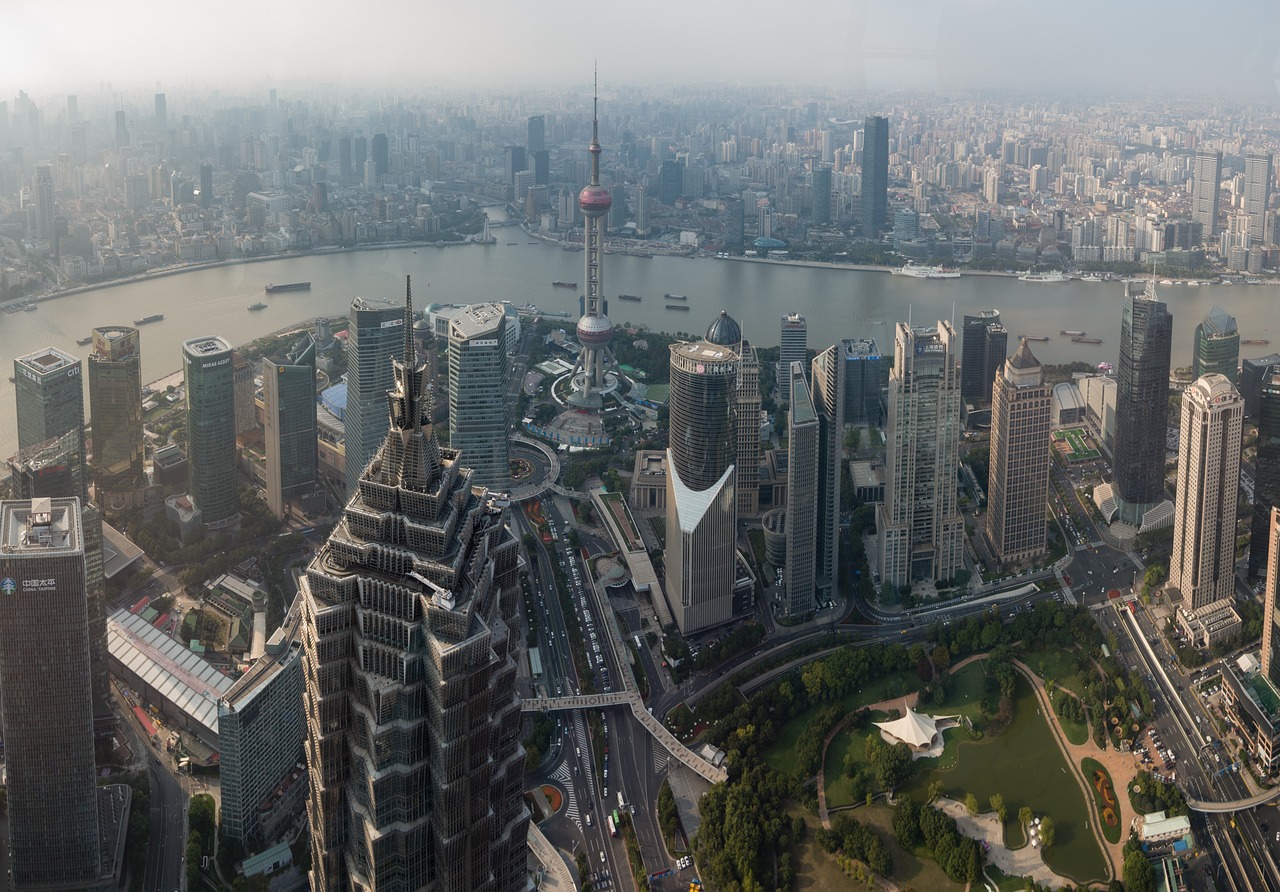
Why the Shanghai World Financial Centre Belongs on Your China Itinerary
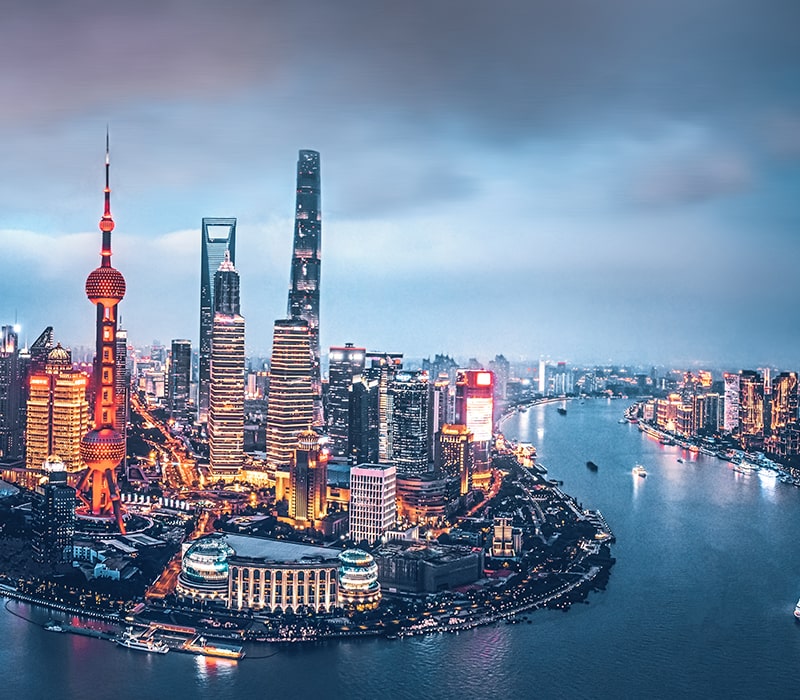
As a Shanghai World Financial Center China luxury-visit guide, think of this destination as a global magnet set in the pudong district of shanghai—part boardroom icon, part beautifully managed viewpoint. This skyscraper in Shanghai blends premium office life and financial services with an unexpectedly calm visitor flow, especially when you arrive with intention rather than simply following the crowd.
For high-end travellers, the secret is to shape a short visit that feels personal. Picture a 90-minute window: a smooth arrival, unhurried lift transitions from floor to floor, and time to simply look—without needing to “do” anything else. When you build in that breathing room, the experience becomes more than a view; it becomes a change of pace you can trust.
A quiet ritual above the city, with space to decompress
One business executive once described the upper viewing levels as their favourite place to decompress after intense meetings. They would come up alone, speak softly, and let the city rearrange itself into patterns—river, roads, light—until their breathing slowed. Up here, the noise of the street doesn’t vanish, but it becomes distant enough to feel manageable.
Setting expectations for skyline scale in Asia’s financial district
The Shanghai World Financial Centre remains among the tallest landmarks in Asia, even as taller structures nearby continue to sharpen Pudong’s futuristic cluster. That contrast is part of the charm: a skyline made of ambition, yet best experienced in a few quiet minutes. For a polished itinerary, this is where perspective becomes the luxury.


Inside SWFC Architecture at Shanghai World Financial Centre: The Trapezoid Portal, Cutout, and Structural Engineering
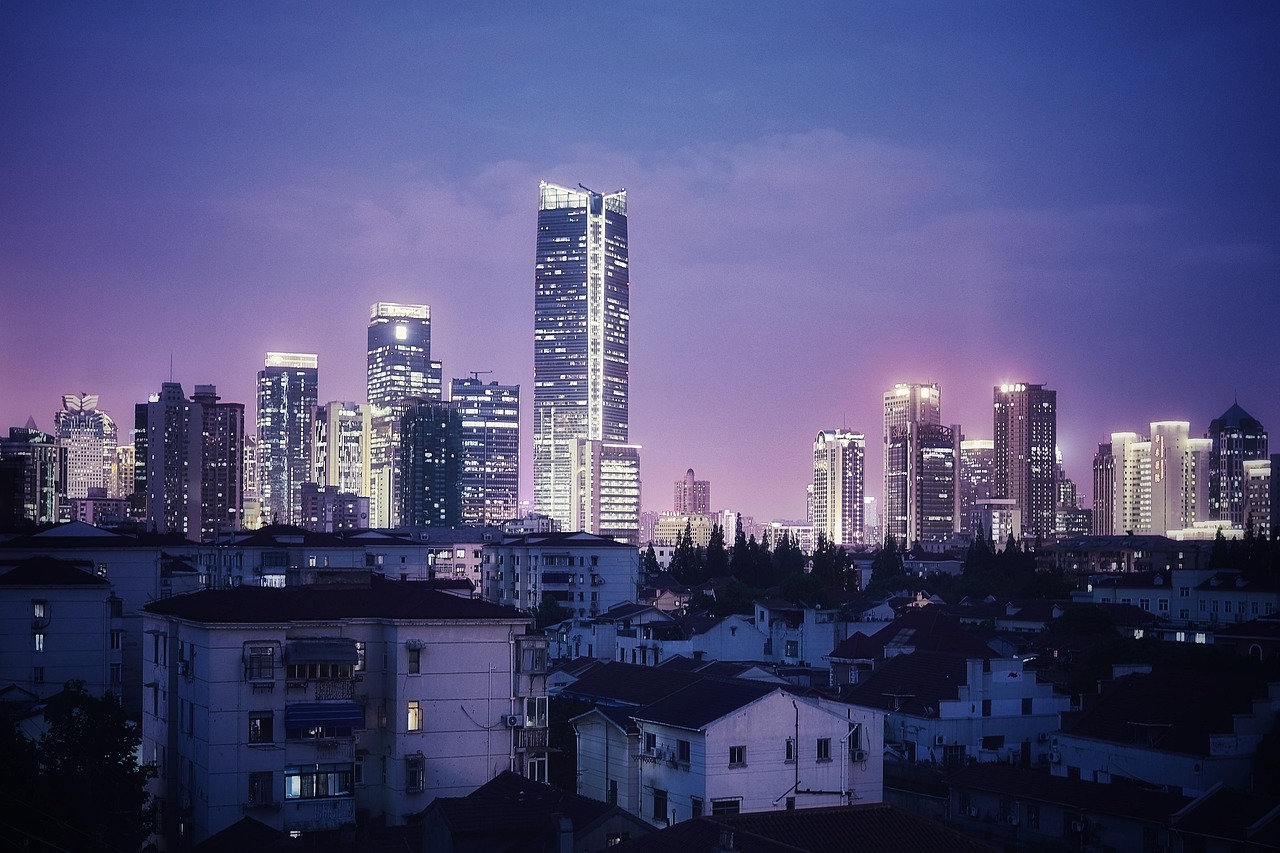
Inside SWFC Architecture: the trapezoid portal and engineering
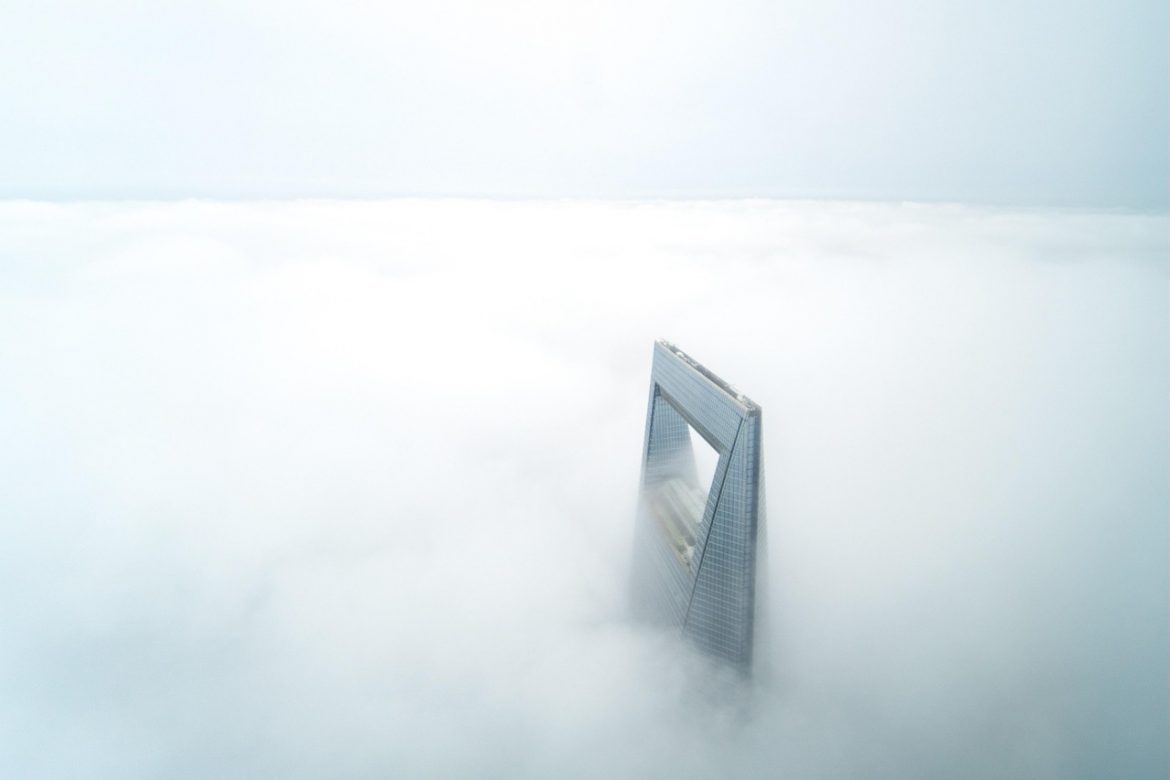
If you’re researching SWFC design details, start with the element you’ll recognise from across the city: the trapezoid cutout near the peak. That “portal” isn’t a gimmick—it’s the gesture that gives the building its unmistakable silhouette, framing the sky with a deliberate, camera-friendly simplicity.
In numbers, the Shanghai World Financial Centre rises to 492 meters, a crisp square prism that reads as elegant and unapologetically Shanghai modern. The project’s development story began in 1997, and the financial crisis that followed shaped both pacing and perception—one reason the structure still carries an air of resilience today.
The architectural concept: who designed it and why it looks the way it does
Kohn Pedersen Fox Associates led the design as architect, supported by on-the-ground delivery teams including an architect of record and specialist consultants. You’ll sometimes hear travel commentary linking the opening to ancient Chinese symbolism; enjoy the story, but treat it as colour unless you’ve verified a primary source. What is certain is that the form is purposeful, instantly recognisable, and cleanly architectural in its logic.
Engineering that keeps the experience steady in wind and earthquake conditions
Behind the glass is a steel-and-reinforced-concrete megastructure designed for Shanghai’s realities: wind pressure at height, lateral movement control, and earthquake resilience. The structural engineer coordinated outrigger trusses, a robust column layout, and deep pile foundations to anchor the system, while the building’s damper strategy (often cited as a 150-ton component) helps manage sway on blustery days. For visitors, that technical work translates into a surprisingly calm feeling—even when the weather turns.
Mori Building Co, as developer, positioned the property first as a working address: premium office space, a long-term tenant mix, and the daily tempo of a serious business environment. That identity is why arrival and circulation tend to feel organised and quietly efficient rather than overly theatrical.
Sky Walk Moments: Observation Deck Floors, Glass Views, and the Huangpu River Below
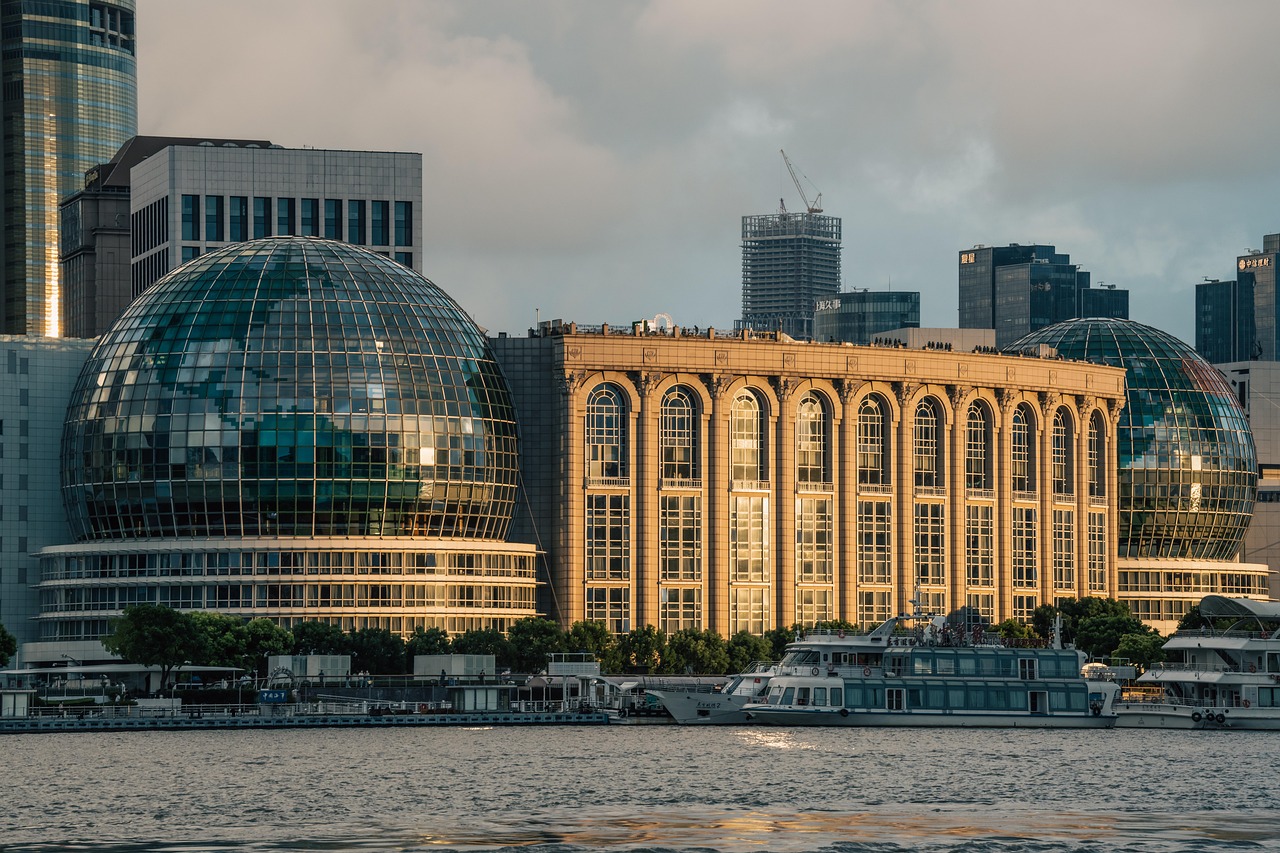
Sky Walk moments across multiple observation deck floors
The ascent unfolds in stages, with each observation deck floor subtly shifting your relationship with the city. On the first level, the panorama lands like a soft exhale; higher up, the city grid sharpens, and you start to read the Huangpu River as a guiding line rather than “just” scenery. This is where the tower becomes less a landmark and more a personal viewpoint—especially if you time it for late afternoon.
Then comes the Sky Walk: a long, elevated corridor of glass and light that feels both thrilling and strangely peaceful. If you prefer a refined experience, give yourself time to linger rather than rushing to the next photo spot, and let the changing light do the work.
The glass floor experience: when nerves turn into confidence
The glass-floor decks are built to strict safety standards, yet it’s completely normal to hesitate at the first step. One visitor told us they approached slowly, gripping the rail—then laughed out loud when they realised how stable it felt. Within minutes, nervousness became exhilaration, and they were leaning in to notice details far below: taxis like beads of light, pedestrians like brushstrokes.
Sunset over Shanghai: a seamless shift from day to night
A high-end traveller once recalled watching the sun set from the Sky Walk, staying still as city lights gradually illuminated the skyline. The transformation is the real spectacle: day’s clarity giving way to a softer, cinematic Shanghai. For photography, look outward to the surrounding cluster—among the most photographed buildings in the world—and let the reflections in the glass add depth rather than fighting them.
To keep the atmosphere refined, follow local etiquette: patient queuing, low voices, and gentle awareness of others sharing the space. The best ticket tier is the one that supports a calmer viewing window—often achieved by booking ahead and arriving just before golden hour, so your time transitions naturally from daylight to night without feeling rushed.
Fine Dining Above Pudong: Park Hyatt Shanghai and Evening Views from the Tower
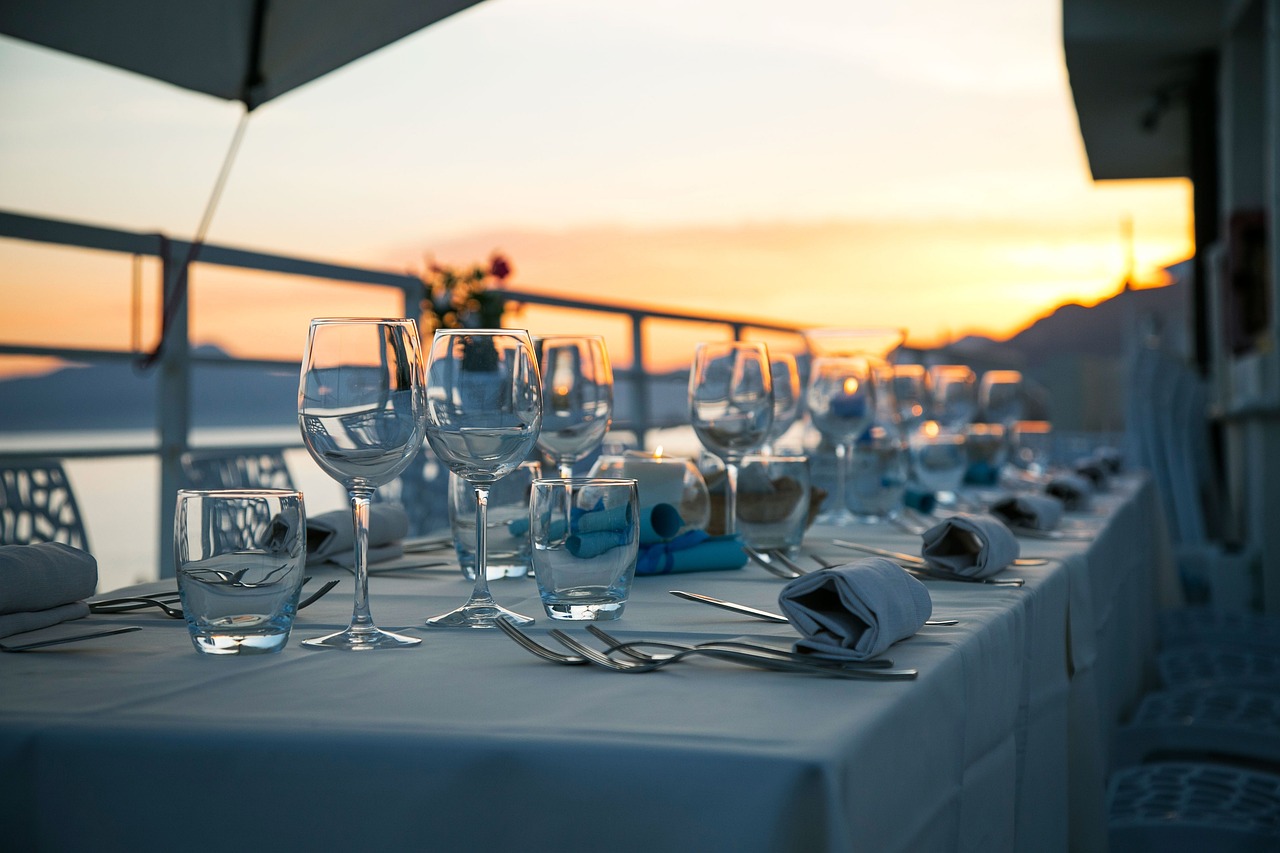
Fine dining above the skyline
For a luxury evening, the building isn’t only about the view—it’s also about how beautifully a night can be paced. Park Hyatt Shanghai dining venues (do confirm the current restaurant lineup before you travel) are known for quiet, detail-led service: calm lighting, measured timing, and tables that feel placed to honour the skyline rather than compete with it.
A luxury travel blogger once described an exclusive dinner here as “crafted without performance”: each course arrived at the perfect time, and the team offered support without fuss. The view did the talking, while the room stayed softly elegant—ideal for celebrating together, or simply taking a private moment above the city.
Dress codes, reservations, and small confidence-boosters
Refined venues here typically appreciate a polished look—think smart evening wear rather than anything overly casual. When you book, request a window table and mention any occasion; the best teams handle celebratory touches with quiet confidence. If you’re travelling with a schedule, aim for a reservation that begins shortly after sunset, when the city lights feel most cinematic.
A designer journey evening arc: sky first, dinner second
For a seamless plan, explore the Sky Walk first, then descend to dinner while the skyline is still sparkling. That sequence keeps lifts and transitions feeling intentional rather than logistical. Even on busy dates, you can keep it personal by arriving early, confirming your table preferences, and allowing a little buffer so nothing feels hurried.
Gallery, Exhibition, and Retail at Ground Level: The Shanghai Modern Story of Growth
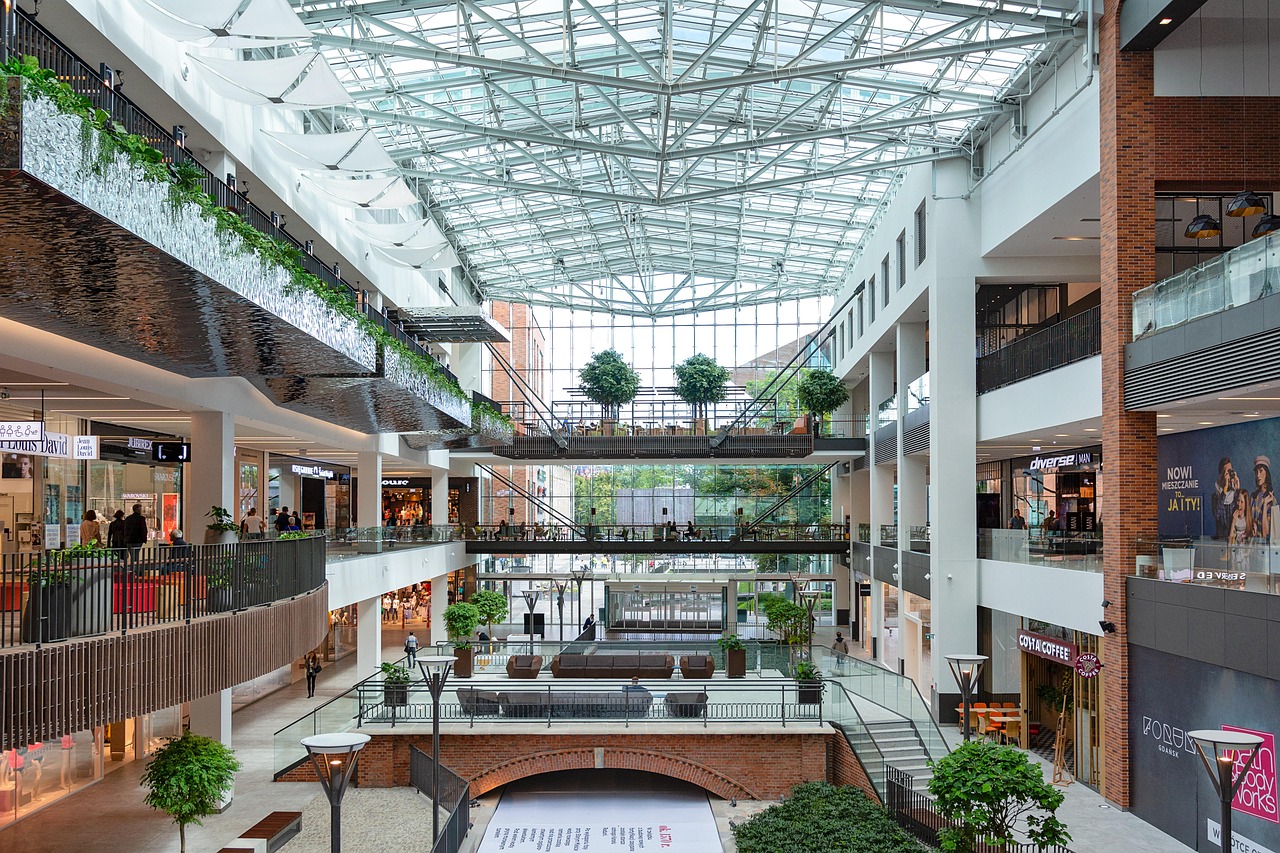
Gallery shops and the Shanghai modern story of growth
Give yourself time at ground level before you rise. The on-site exhibition spaces and media centre displays add real insight into the Shanghai modern transformation—how the city expanded, how the structure was assembled, and how an engineer thinks about vertical life in a dense district.
Seen through that lens, the visit becomes more than a photo stop; it’s a narrative about design, materials, and the human choices behind a skyline. You may spot references in travel commentary to designers such as Irie Miyake; treat those as details to verify rather than fixed facts, but do enjoy the broader point: the interiors aim to feel considered, not accidental.
Luxury shopping that still feels connected to the city
The premium shopping mall is ideal for curated gifts, with shops and restaurants that suit a refined pause. If you want something local rather than generic, look for small-batch tea sets, contemporary Shanghai stationery, or artisan confectionery packaged for travel. A good rule is to choose one meaningful object, not many—quality over quantity keeps the memory clear.
- Best quick buys: tea, silk accessories, modern craft pieces, and beautifully packaged snacks for your hotel lounge.
- Best reset moments: a discreet coffee stop, then a short wander to re-enter the skyline experience with fresh eyes.
- Best nearby pairing: a riverside stroll along the promenade to connect the building’s height with the city’s waterline.
Because the Shanghai World Financial Centre is also shaped by weekday office routines, the atmosphere often feels purposeful. You can sense daily tenant life in the lobbies: not showy, simply efficient, which helps your visit feel grounded and well-managed.
Tickets, Timing, and Getting There with Confidence in Shanghai
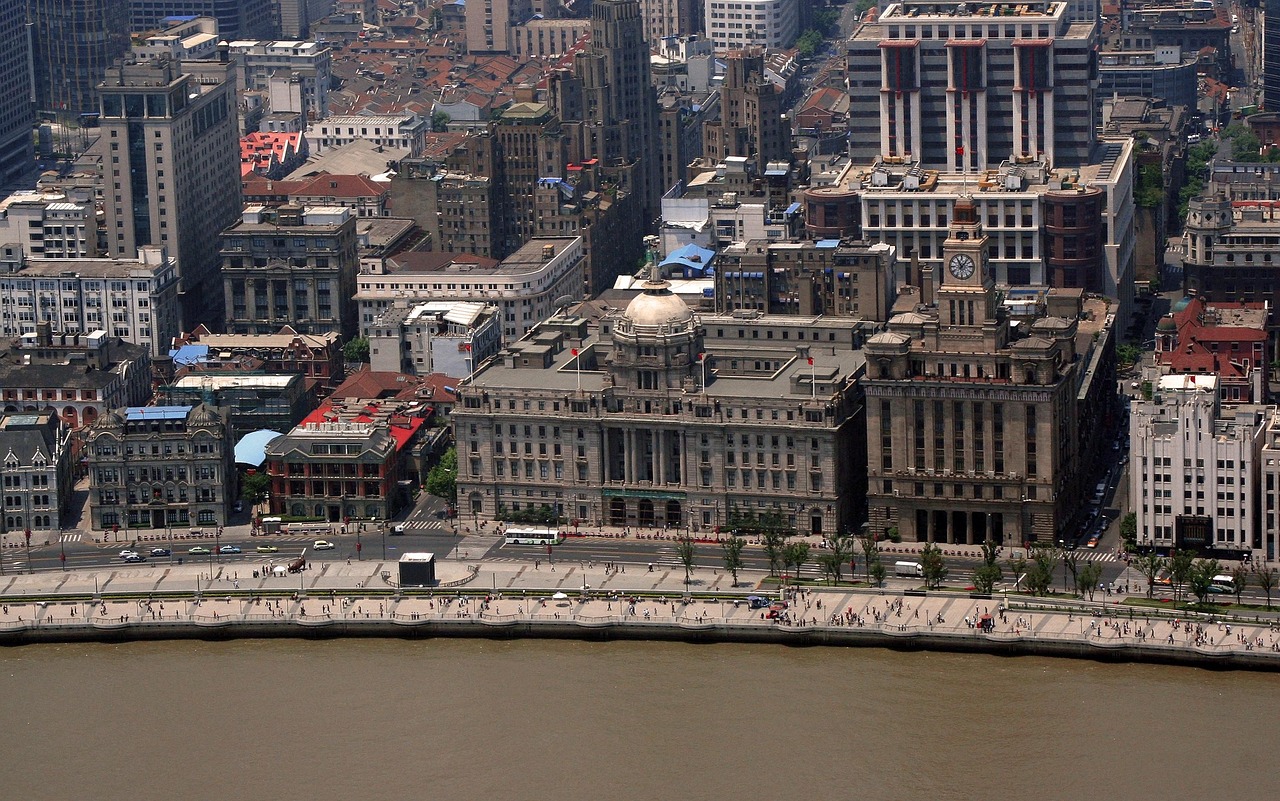
Tickets, timing, and getting there with confidence
If you’re planning your visit, your experience is won or lost by timing. Late afternoon into sunset gives you the dual texture of the city—clean daylight lines, then luminous night—without needing to return twice. Weekdays tend to feel calmer, and arriving just before golden hour often delivers the most elegant flow through each floor.
Tickets are commonly around 180 RMB, with premium packages sometimes offering quicker entry or a quieter viewing window. Whenever possible, book online in advance so you can explore with confidence rather than negotiating queues on the day. If you’d like a broader China itinerary, you can also browse our Trip gallery for crafted routes that pair Shanghai with other standout cities.
Getting there smoothly from metro to lobby
Access is straightforward via Shanghai Metro Line 2, followed by a short, well-signposted walk. If you’re using a private car, ask your driver for the most convenient drop-off near the main entrance, then allow a few extra minutes for navigating the lobby. The calmer you keep the arrival, the more the experience feels like an invitation rather than a task.
Value bundles, safety, and refined etiquette
Some visitors choose combined tickets with nearby landmarks such as the Oriental Pearl Tower (confirm current bundles and entry times). A useful comparison point many travellers recognise is Taipei 101—if you’ve done that view, you’ll appreciate how Shanghai’s experience feels more like a layered journey through the building.
- Best window: late afternoon to sunset, ideally midweek.
- On the glass decks: follow all safety guidance and move with care; the thrill is better when you feel steady.
- In viewing areas: queue patiently, speak quietly, and respect the shared calm.
- For dining, maintain a polished look and confirm any dress code expectations when you reserve.
These small choices help maintain a refined atmosphere for everyone—and they also help you feel supported, especially if Shanghai is new to you.
F.A.Qs: Shanghai World Financial Centre
What is this tower used for in Shanghai?
It’s primarily a mixed-use tower built around premium office space for major companies, alongside financial services, retail areas, and visitor attractions. It also includes hospitality and dining on the upper levels, as well as an observatory that welcomes travellers seeking panoramic city views.
Why does the building have a trapezoid “hole” at the top?
The distinctive trapezoid aperture near the top is a signature architectural feature that shapes the building’s recognisable silhouette. It’s often described as a “portal” and is also linked to engineering considerations, helping the structure manage wind loads at height while creating a memorable visual identity on the skyline.
Why is Shanghai called the Demon City?
“Demon city” is a historic nickname linked to old literature and popular culture, reflecting Shanghai’s once-mythic reputation for intensity, nightlife, and rapid change. Today, many travellers use the term playfully to describe the city’s high energy—though modern Shanghai also offers calm, elegant spaces above the bustle.
Where is the Shanghai World Financial Centre located?
The Shanghai World Financial Centre is in Lujiazui, Pudong district, Shanghai, China. It sits within the city’s iconic financial hub, close to other landmark towers and easily reached by Shanghai Metro Line 2 via the nearest station.
What Stayed With Us After Visiting the Shanghai World Financial Centre
Long after you’ve left the Shanghai World Financial Centre, it’s the quiet that returns first. Not silence exactly—more the memory of being held above the city’s rush, where traffic becomes a pattern, and lights feel almost tender. Height can do that: it turns urgency into geometry, and the day’s noise into something you can finally set down.
I still think about the moment the skyline changed its skin at dusk, when the last warmth of sunset faded and the first cool glitter of night appeared. It wasn’t dramatic in the way a show is dramatic; it was gentle, like watching a room slowly light up as someone arrives home. Up there, you don’t need to chase the city—Shanghai comes to you, in its own time.
And perhaps that’s the real gift: the reminder that confidence can be designed into travel through small, thoughtful decisions—when to arrive, where to stand, how to move with care, how to let an experience become personal. The city is vast, but you’re never required to meet it at full speed.
When you find yourself back on the street, looking up again, you may notice you’re standing a little differently—more grounded, more open, as if the view has quietly adjusted your perspective. Shanghai will still be there, waiting to be uncovered from a new angle, whenever you choose to return.