Post Contents
- Why the Stone Forest near Kunming is a UNESCO World Heritage site in Shilin
- How to get to Stone Forest from Kunming without stress
- Major Stone Forest Scenic Area highlights on foot in Shilin
- Naigu Stone Forest trek for a quieter adventure in Yunnan
- Zhiyun Cave and the geology behind the karst wonder
- Meeting the Sani people in Shilin Yi Autonomous County
- Practical planning for a seamless Stone Forest tour day
- F.A.Qs: Stone Forest Kunming, China
- What stayed with us after the Stone Forest in Kunming and Shilin
Why the Stone Forest near Kunming is a UNESCO World Heritage site in Shilin
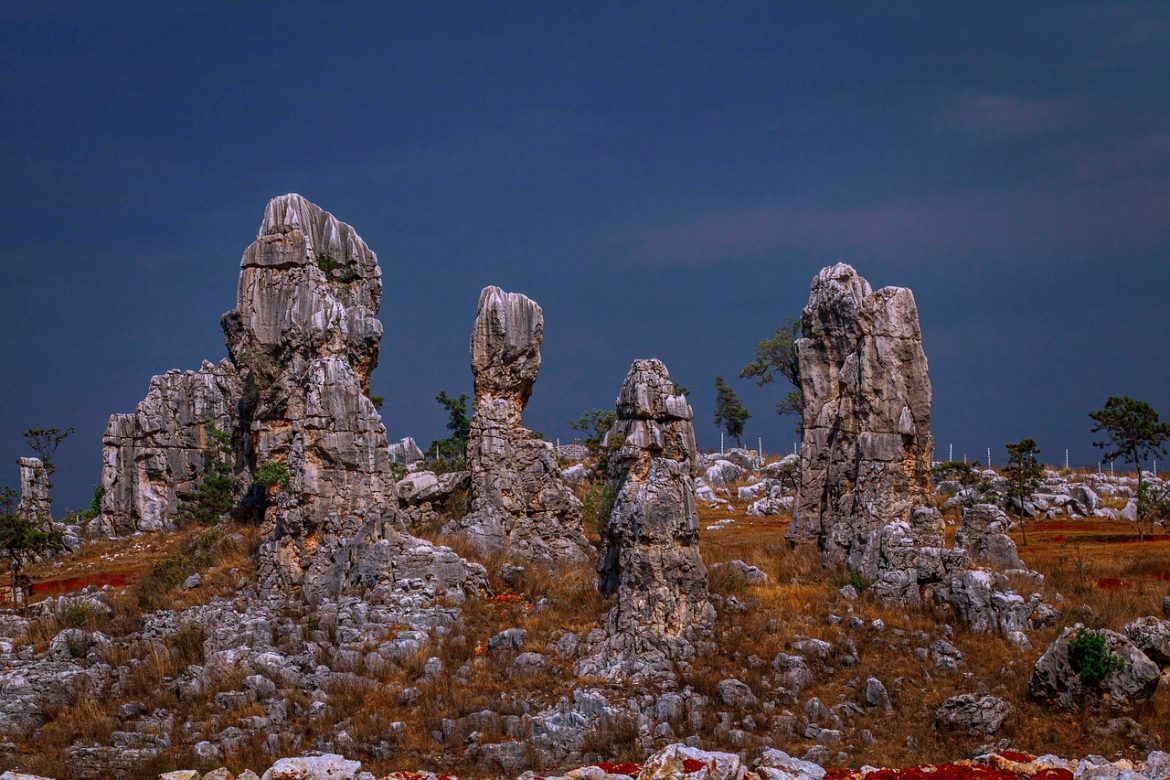
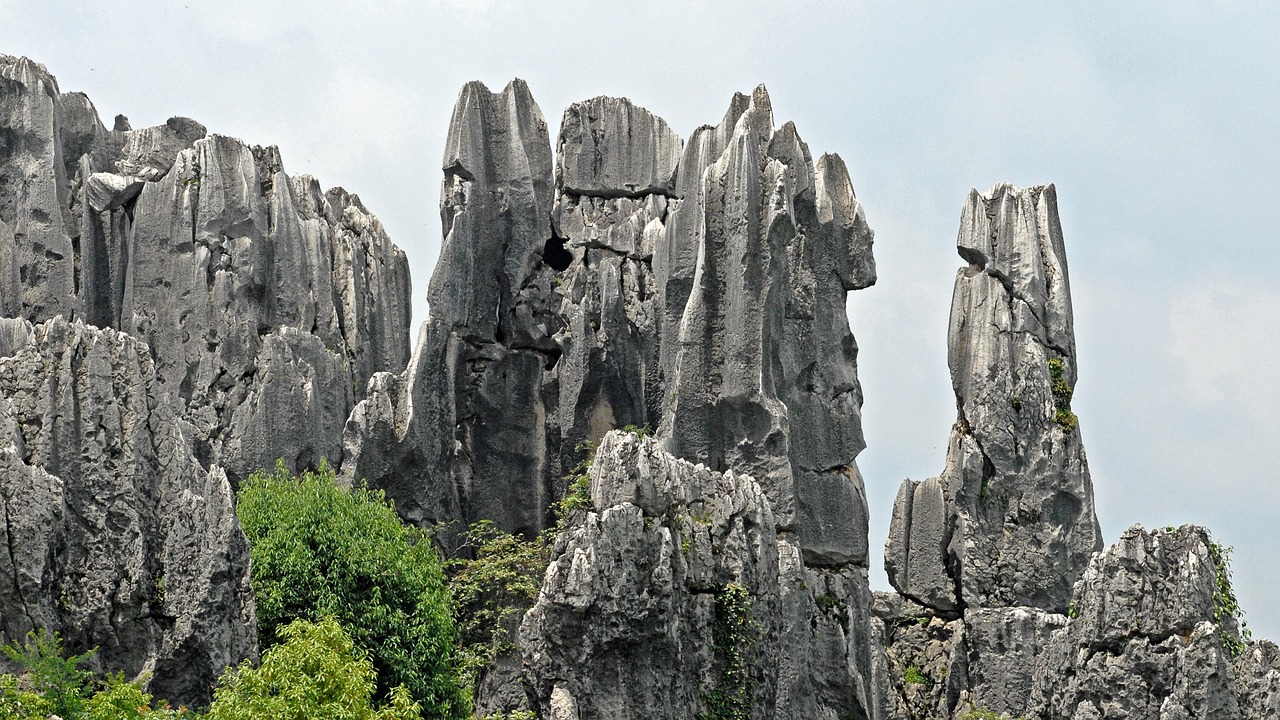
When travellers search for Stone Forest Kunming UNESCO Global Geopark Shilin heritage, they’re often hoping for more than a quick photo stop—they want a landscape that changes how time feels. Set in Yunnan’s Shilin County, the stone forest is widely recognised as a heritage site, celebrated for its scale and rarity. The first time you stand between those stone pillars, the proportions are almost unbelievable: the ground narrows, the sky becomes a ribbon, and the world feels suddenly ancient.
Why the Stone Forest near Kunming is a UNESCO heritage site in Shilin
UNESCO Global Geopark scale in Yunnan
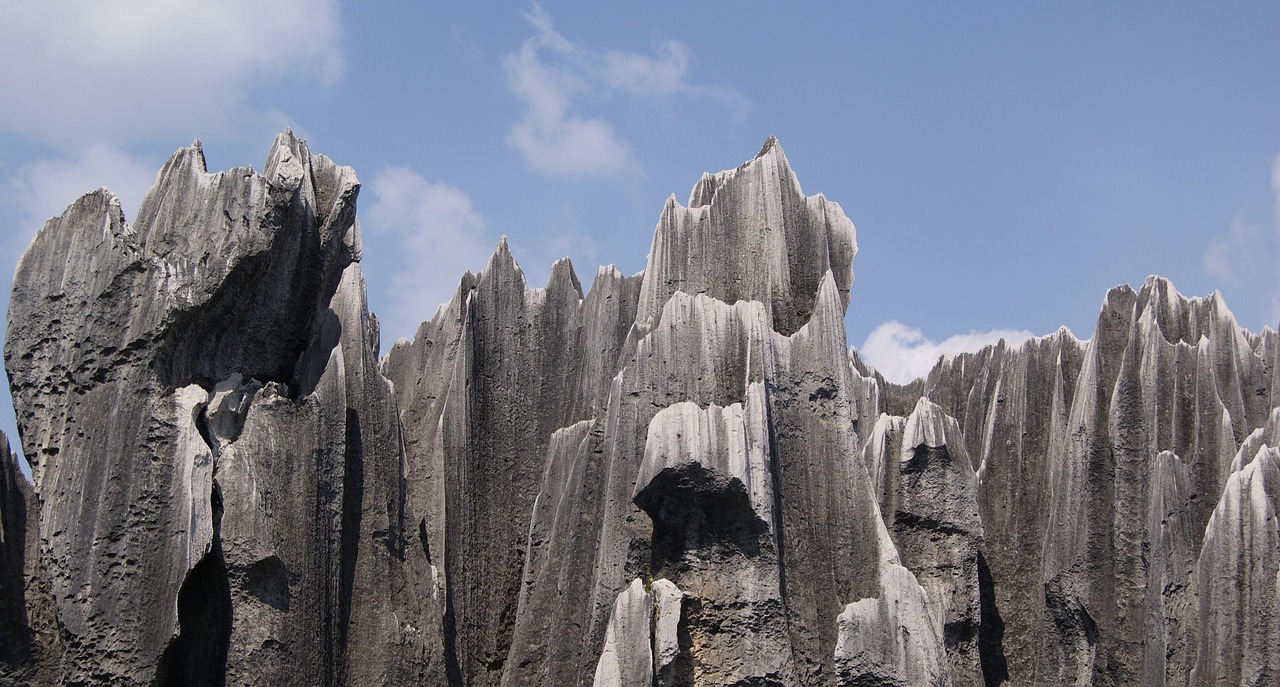
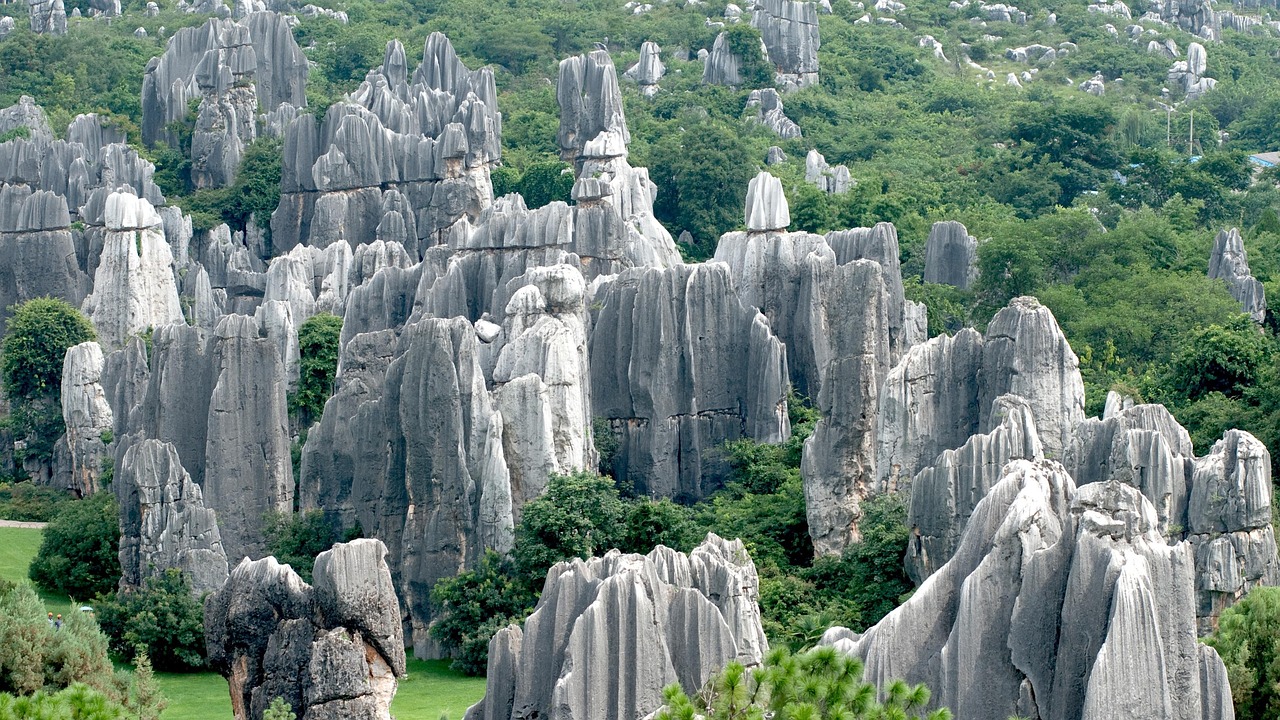
Shilin sits on a subtropical plateau that once lay beneath a marine environment, where layers of limestone accumulated and slowly hardened. Over 270 million years, uplift and relentless weathering shaped the karst into today’s dramatic corridors and spires. It’s this long geological story—written in every surface groove—that gives the stone forest its sense of grandeur, and why it’s often discussed alongside UNESCO World Heritage landscapes.
How the karst formation becomes personal
Imagine turning a corner, discovering your first truly monumental pillar, and feeling the scale click into place. Many adventure seekers describe an immediate hush: not silence exactly, but a calm awareness that you’re inside a natural cathedral. As we explore together, we’ll move through the major stone forest, step out to Naigu for quieter trails, and finish with a cave section for a different perspective on this landform.


How to get to Stone Forest from Kunming without stress
The simplest way to plan a stone forest tour from Kunming is to arrive in Kunming first, settle into your rhythm, and then travel east of Kunming to the Stone Forest Scenic Area. Most high-end travellers appreciate having choices: a scheduled coach, a private vehicle, or a door-to-door taxi, depending on timing and comfort. If you’re connecting from elsewhere in China, Kunming is also served by a bullet train network, which can make the wider itinerary feel beautifully crafted.
How to get to Stone Forest from Kunming without stress
Stone Forest from Kunming via coach, taxi, or private car
From Kunming’s main districts, it’s around 90 km one way (often written as 90 km) and typically takes 1.5–2 hours, depending on traffic. Coaches commonly depart from Kunming East Bus (also known as Kunming East Bus Station), a straightforward option if you prefer predictable schedules. A private car is ideal if you want an early start and an unhurried pace—especially helpful if you’re travelling together and need to coordinate different energy levels.
Visitor centre logistics and the shuttle bus between the two areas
On arrival, head to the visitor centre for tickets, maps, and current trail guidance. Inside the park, a shuttle bus connects two areas, reducing unnecessary walking and keeping the day seamless. If you’re a first-timer, a tour can remove the small friction points—language, timing, and route choices—while still giving you freedom to wander. This is where trusted travel experts can support you quietly in the background, so you feel confident on the ground.
Major Stone Forest Scenic Area highlights on foot in Shilin
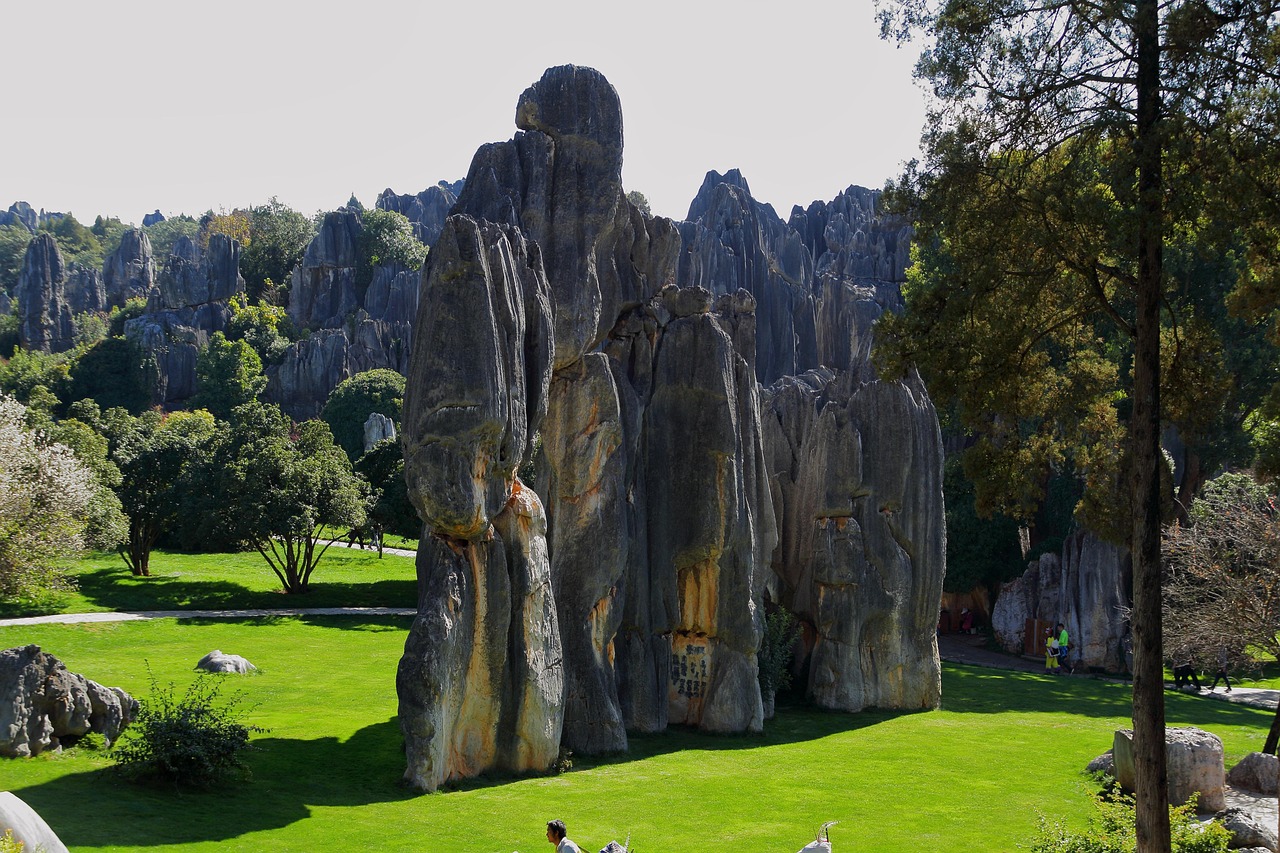
For those seeking major stone forest scenic area highlights, the joy lies in designing a walk that balances iconic viewpoints with calmer pockets. The major stone forest can feel dense in places, like a city of stone, but there are also sections where the forest is sparser, and the mood softens. With a little structure, you can explore without rushing and still feel you’ve truly seen the heart of Shilin.
Major Stone Forest Scenic Area highlights on foot
Iconic highlight loop with Ashima and Wangfeng Pavilion
Start with the better-known pathways, then let the route open out. Look for Ashima, tied to a local legend that gives the rock silhouettes a human echo—suddenly the stone forest feels like storytelling, not just geology. Continue to Wangfeng Pavilion for a wider view across the landscape, where the spires read like waves frozen mid-motion. Along the way, you’ll spot classic shapes visitors love: a mushroom-like stack here, a sword-like edge there—small sights that make the walk playful.
Adventure footing, scrambling, and photography timing
There are uneven stone steps and short scrambles where you’ll want sturdy walking shoes and mindful footing. It’s not technical, but it rewards attention—especially if you like to explore side paths. Early morning is the sweet spot: fewer tourist groups, softer light, and shadows that turn the passages into a single living maze. If you enjoy photography, pause when the light slices across the limestone; silhouettes become dramatic, and patterns appear freshly carved.
Naigu Stone Forest trek for a quieter adventure in Yunnan
If your search includes Naigu Stone Forest Yunnan quiet trails guided trek, you’re already leaning towards the wilder side of the destination. Naigu (often described as quieter and more open) feels less like a set-piece and more like an encounter—space to breathe, listen, and uncover small details. For adventure seekers who want serenity without sacrificing scale, Naigu Stone Forest is frequently the moment the day turns from impressive to unforgettable.

Naigu Stone Forest trek for a quieter adventure
Naigu stone forest guided trek and less crowded trails
A guided plan can be as simple as a 2km section that threads through tall pillars and gentle rises, keeping you oriented while still feeling exploratory. Having an escort (or a local guide) adds quite reassurance: better trail choices, context for what you’re seeing, and help pacing the walk if the day is warm. It’s a subtle kind of care—support that lets you focus on the moment rather than logistics.
Naigu’s scenery has a different character: a cluster of pillars that suddenly appears like a fortress, narrow lanes opening into serene viewpoints, and, after rain, a pond or small lake-like pools that mirror the rock edges. One Australian traveller told us he arrived at sunrise, and humid mist wove between the limestone as if the landscape was breathing—he felt like he’d stepped into a fantasy world. In those quieter minutes, the stone forest usually feels less like an attraction and more like a private discovery.
Zhiyun Cave and the geology behind the karst wonder
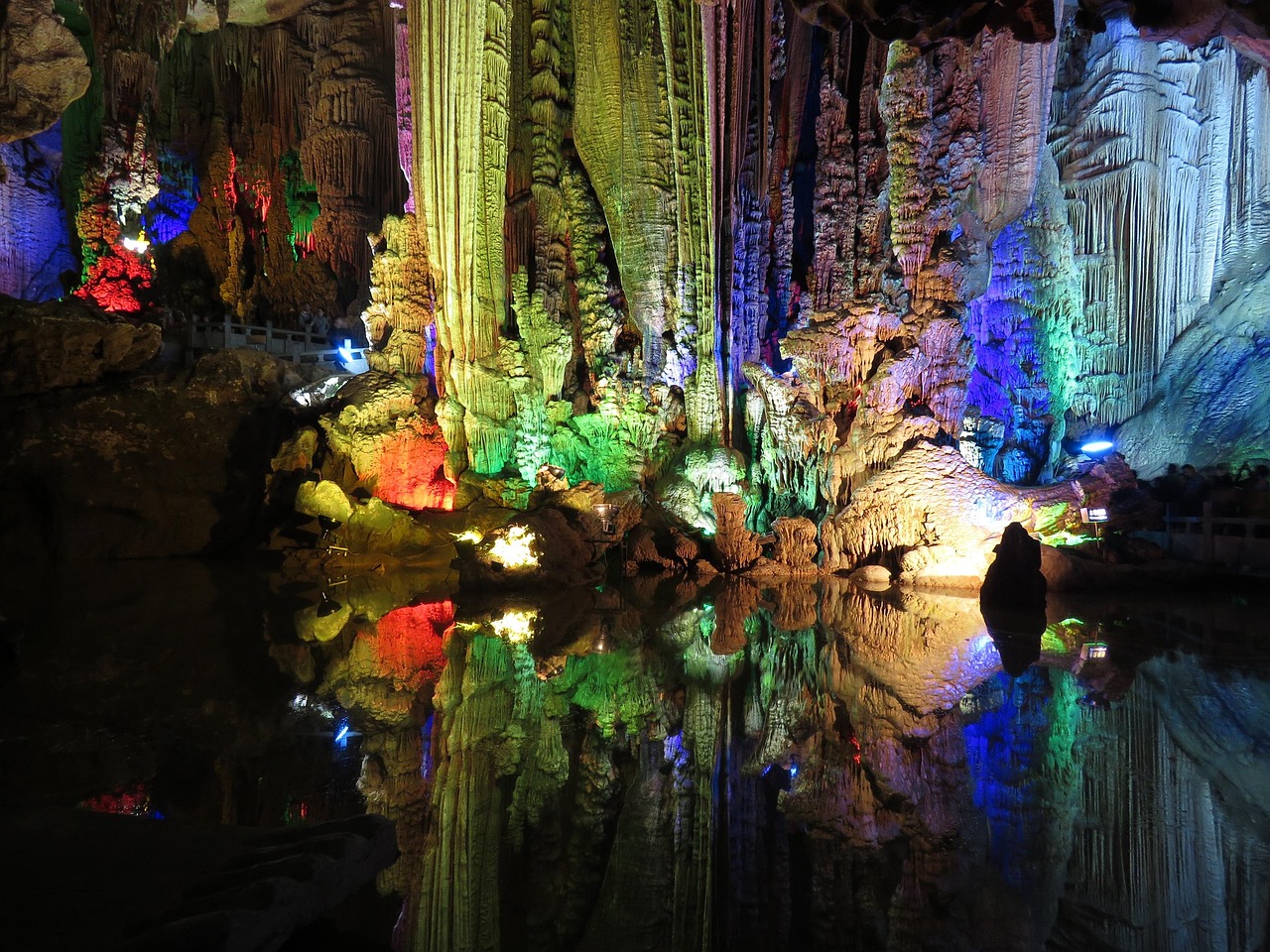
Travellers seeking Zhiyun Cave, karst caves, Stone Forest, and geological insight often crave a fresh angle—quite literally beneath the surface. A cave visit adds cooler air, textured chambers, and a different sense of scale: you begin to understand how water moves through the rock, not just around it. If the stone forest above feels like architecture, the cave feels like the workshop where it was made.
Zhiyun Cave and the geology behind the karst wonder
What Zhiyun Cave adds to the Stone Forest tour
Inside Zhiyun Cave, temperatures drop and sound changes; footsteps soften, and the air feels clean. You may notice stalagmite shapes and mineral textures that echo the patterns outside, but in a more intimate form. If there’s been seasonal drizzle, a small waterfall can appear nearby, or a wet sheen may gloss the limestone, making every ripple and groove look newly crafted by nature.
Plain-language geology and respectful cave travel
This is karst at work: water finds pathways through tiny cracks, slowly widening them, carrying minerals, and reshaping the landscape over vast time. That same process can create both towering corridors on the surface and underground chambers below—one story, two expressions. Keep to marked paths, don’t touch delicate surfaces, and respect any sacred areas associated with local beliefs; it’s a simple way to honour the place’s heritage.
Meeting the Sani people in Shilin Yi Autonomous County
Those searching for Sani culture, Shilin Yi Autonomous County, and the Yi ethnic heritage festival often hope to go beyond scenery into living culture. The Sani are a subgroup within the Yi ethnic community, and meeting them can deepen the stone forest experience in the warmest way—through shared time rather than performance alone. Done respectfully, these encounters feel like a conversation with the destination, not just a visit.

Meeting the Sani people in Shilin Yi Autonomous County
Local etiquette that builds trust and togetherness
Ask before photographing people, and approach crafts and conversations with patience and care. Learning a few Mandarin phrases (or using a translation app) helps you create small bridges quickly, even if you only manage greetings and thanks. A group of cultural enthusiasts once told us the highlight wasn’t a viewpoint—it was laughing together while learning a folk tune, guided gently by villagers who wanted them to get the rhythm right.
Textiles, songs, dance, and the Torch Festival
You might browse colourful textiles and handicrafts, watch a simple dance, or hear stories connected to the land. If your timing aligns with the traditional Torch Festival—set by the lunar calendar—the atmosphere can be electric, with more visitors, more music, and sometimes wrestling demonstrations as part of the celebration. Festival days bring energy (and crowds), so it’s worth designing the rest of the day to include quieter moments elsewhere in the stone forest.
Practical planning for a seamless Stone Forest tour day
For planners searching for Stone Forest tour tips, the entry fee is 175 RMB, and at the Kunming hotel, a few calm decisions can transform the whole experience. The entry fee is commonly around 175 RMB, and you’ll want to budget for transport and, if you choose, a local guide for deeper insight. If you can, visit Kunming first and use it as your gateway to Yunnan—easy hotel choice, good food, and flexibility if the weather shifts.
Practical planning for a seamless Stone Forest tour day
Comfort, safety, and pacing on uneven ground
Bring sun protection, steady hydration, and give yourself permission to take breaks; the terrain can be uneven, and the best moments often happen when you slow down. Toilets are easiest to find near the visitor centre and along the main routes, so plan quick comfort stops before you head deeper into quieter sections. Autumn is particularly kind for walking—warm enough to enjoy the outdoors, cool enough for steady energy.
- What to pack: sturdy shoes, water, a light layer, and sunscreen.
- When to go: April to October for mild weather; start early for calmer trails.
- How to elevate the day: hire a guide for cultural context, timing for photography, and a smoother flow.
Bases, crowds, and a Designer Journeys approach
Most travellers choose a hotel in central Kunming’s districts for convenience, while others stay closer to Shilin for an early start and softer light. If you’re sensitive to crowds, begin early and keep Naigu and the cave as your quieter anchors; it’s a simple crowd strategy that supports wellbeing. If you’d like your day designed end-to-end—timing, transport, and the right trail for your confidence level—browse our Trip gallery and imagine what a truly seamless experience could look like, crafted around you with expert support you can trust.
If you have extra time around Kunming, you can pair the stone forest with gentler scenery—perhaps a sea of flowers in season—, so the itinerary feels balanced, lush, and unrushed.
F.A.Qs: Stone Forest Kunming, China
Is Stone Forest in Kunming worth visiting?
Yes—Stone Forest is worth visiting if you enjoy dramatic natural landscapes and cultural depth. The limestone corridors feel otherworldly, and the Sani community adds a human layer that makes the day more meaningful. Start early for quieter trails and better light, and you’ll experience the park with far more ease and atmosphere.
How much does it cost to go to Stone Forest Kunming?
The entry fee is commonly around 175 RMB, with additional costs for transport from Kunming and any optional guide services. A private car or driver-guide costs more but can feel seamless, especially if you value comfort, timing, and insight. Budget a little extra for snacks, water, and small local purchases.
How long does it take to visit the Stone Forest, Kunming?
Most travellers spend half a day to a full day, depending on how much they want to explore. Travel time from Kunming is typically 1.5–2 hours each way, so a relaxed visit often becomes a full-day outing. If you add Naigu and a cave stop, allow extra time for a slower, more rewarding pace.
Why is Stone Forest famous?
Stone Forest is famous for its towering karst formations that resemble petrified trees and sculpted creatures, created over immense geological time. It’s also known for its cultural connection to Shilin and the Sani people, whose legends and traditions add meaning to the scenery. The result is a rare blend of natural wonder and living heritage.
What stayed with us after the Stone Forest in Kunming and Shilin
Long after the search terms fade—Stone Forest Kunming personal reflection Shilin journey—what remains is the feeling of scale and time, held quietly in the body. Late light doesn’t just brighten the rock; it settles into it, turning edges to gold and softening the spaces between. You remember the way the air cooled in the shade, and how your own footsteps sounded steadier as the day went on, as if the landscape had lent you its patience.
There was confidence, too: not bravado, but the calm certainty that you can explore new places thoughtfully, without forcing the pace. A solo backpacker once described finding a serene corner off the main path—no voices, no hurry—just stone and sky meeting in silence. In that stillness, it’s easy to feel how wild places can also be welcoming, especially when local kindness threads through the day in small gestures and open smiles.
On the journey back towards Kunming, the images return in fragments: a narrow corridor that widened suddenly, a ripple pattern on limestone like flowing cloth, the warmth of a shared song heard once and then carried privately. The stone forest doesn’t demand anything from you; it simply invites you to notice, to respect, and to keep curiosity alive—ready for whatever thoughtful corner of China you might choose to uncover next.