Post Contents
- Duomo Milan in a Nutshell: Italy overview at Piazza Duomo
- The history of the Duomo di Milano began in 1386 with its construction.
- Milan Duomo rooftop terrace with Madonnina and sunset city views
- Duomo Museum (Museo del Duomo) models, artwork, and craftsmanship
- Plan your visit: Duomo Milan tickets, entry options, and practical tips
- F.A.Qs: Duomo Milan, Italy, quick cathedral questions
- What stayed with me after the Duomo di Milano
Duomo Milan in a Nutshell: Italy overview at Piazza Duomo
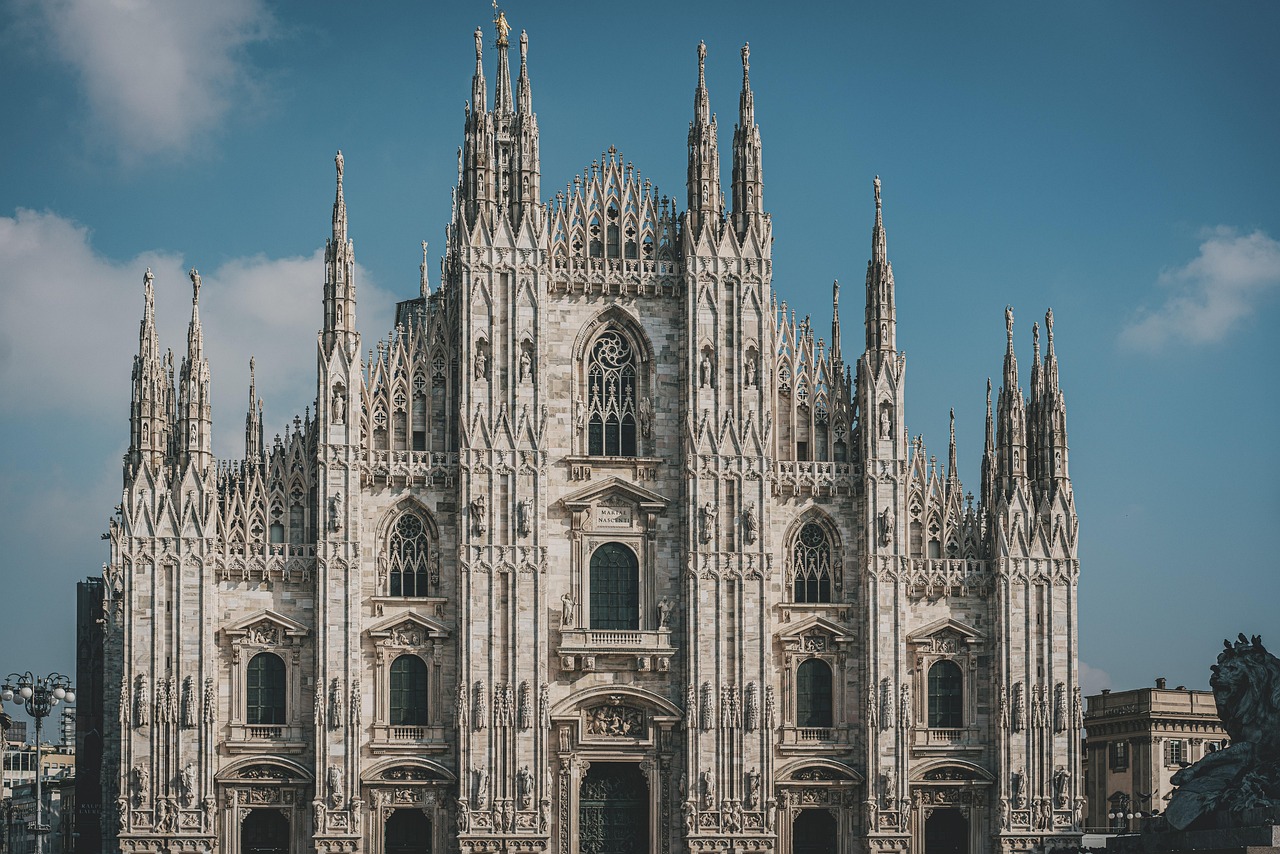
Duomo Milan Cathedral in a Nutshell at Piazza Duomo in Italy
For a Duomo Milan Cathedral overview, imagine stepping into Cathedral Square and feeling the city arrange itself around one masterpiece. The Duomo is the symbol of the city, the true centrepiece of Milan, and the moment your day in the Milan Cathedral precinct starts to feel real. Even if you only have a short visit to Milan, the first view of the Spire Forest is enough to spark curiosity and create that quiet “we’re here” togetherness.
Before you commit your time, it helps to understand the sites within the Duomo and how they fit your pace. The cathedral interior offers scale, shadow, and stillness across its 157 meters in length; the rooftop terrace gives height and air; the museum adds context and craftsmanship; and the duomo archaeological complex reveals older layers beneath the present splendour.
First-time essentials for visiting the Duomo: cathedral, terrace, museum
If your day is limited, design your visit around what you’ll remember most: light, detail, and atmosphere. Many travellers find it most seamless to begin inside the Duomo, then rise to the rooftop, and finish with the museum when the crowds feel louder outside. It’s an easy rhythm that lets the cathedral set the tone before you chase views.
- Cathedral: the vast basilica interior, an impressive choir and the apse, and a sense of the city’s heritage and culture held in stone.
- Rooftop terrace: close-up spires and carvings, plus the Madonnina above the skyline.
- Duomo Museum: models, artwork, and the story of how the building was crafted over generations.
- Archaeological area: a quieter, earlier Milan beneath the current cathedral.
Piazza del Duomo: best times, light, and a Gothic faade mood
Give yourself a personal prompt: discover Piazza del Duomo at two different hours. Come for an espresso and people-watching in the morning, then return later when the light softens, and the marble takes on a warmer tone. This is the centre of Milan at its most theatrical, yet it can still feel intimate if you trust your timing.
As you look up, notice the combination of Lombard Gothic that makes the faade feel almost like lace in stone. It’s not just big,it’s finely calibrated, as if each line and shadow were designed to be read from the piazza itself.




The history of the Duomo di Milano began in 1386 with its construction.
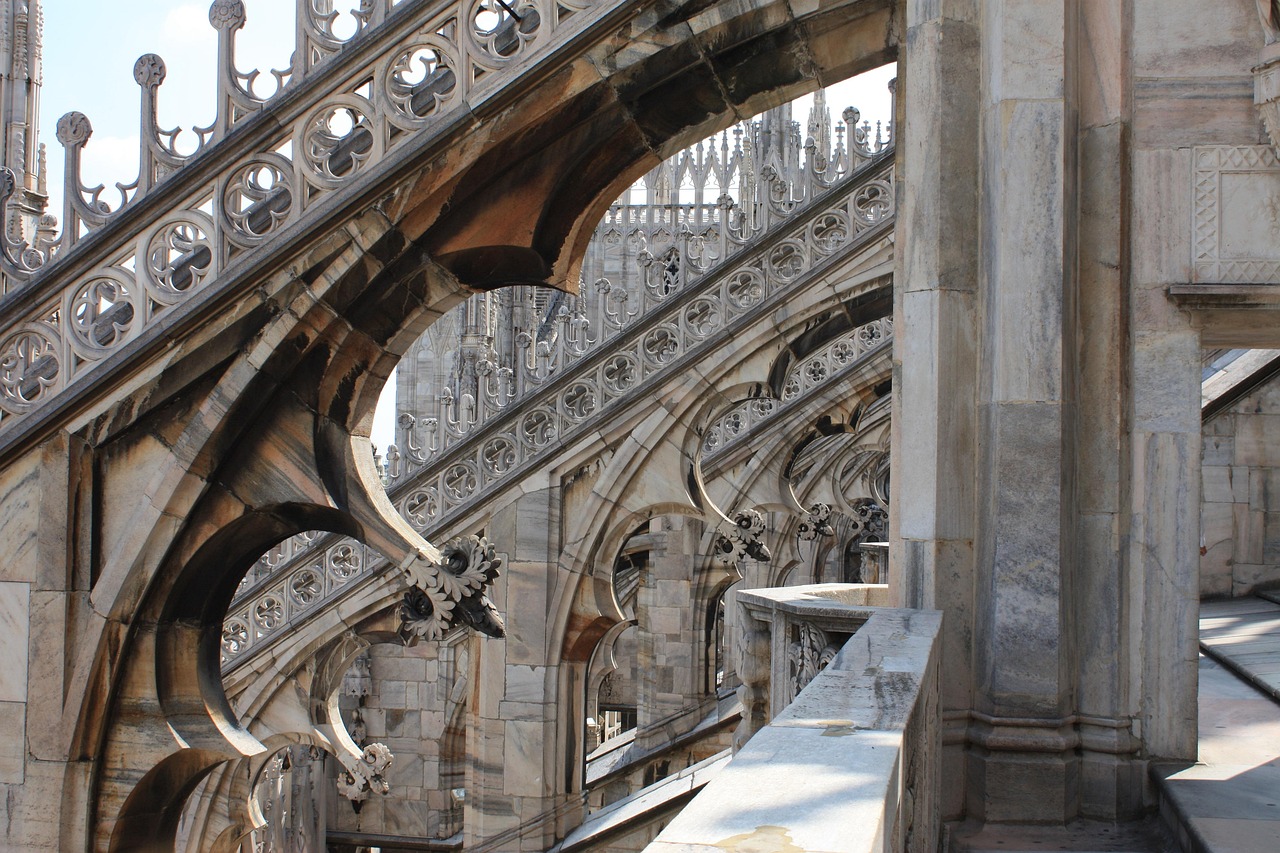
Duomo di Milano and the History of the Duomo in Milan
The phrase “history of the duomo began in 1386” is more than a date; it’s the beginning of a living project. Construction of the Duomo began under Gian Galeazzo Visconti, with key early direction often attributed to masters such as Simone da Orsenigo, and it evolved over centuries of redesign, political shifts, and restoration. In a city known for modern design, the Duomo reminds you that greatness can be built patiently, like any enduring church in Italy.
A clear timeline helps you see the cathedral as an ongoing conversation. The early ambitions of Galeazzo and the Visconti court met the realities of engineering, taste, and resources; by 1774, the skyline and key structural elements had matured into the silhouette we recognise today. Even now, conservation continues, which is part of why the Duomo still feels alive rather than “finished.”
Veneranda Fabbrica del Duomo: Fabbrica del Duomo di Milano as guardian
The Veneranda Fabbricaalso referenced historically as the veneranda fabbrica del duomo dicontinues to care for the building with a blend of tradition and modern expertise. You’ll also see the name Fabbrica del Duomo, and in full, Fabbrica del Duomo di Milano, reflecting the institution’s role as steward of skills, stone, and conservation. In everyday terms, the fabbrica coordinates everything from inspections to repairs, so the craft remains practised rather than merely displayed.
Gothic details inside the cathedral: spires, stained glass, and statues
From street level, the marble cladding reads as luminous and intricate rather than heavy. Above, each spire rises into a forest of pinnacleslook for a single pinnacle and trace how it directs your eye upward, a classic gothic gesture. Inside the basilica, watch how light shifts across the nave toward the choir; that long perspective is part of the building’s emotional power.
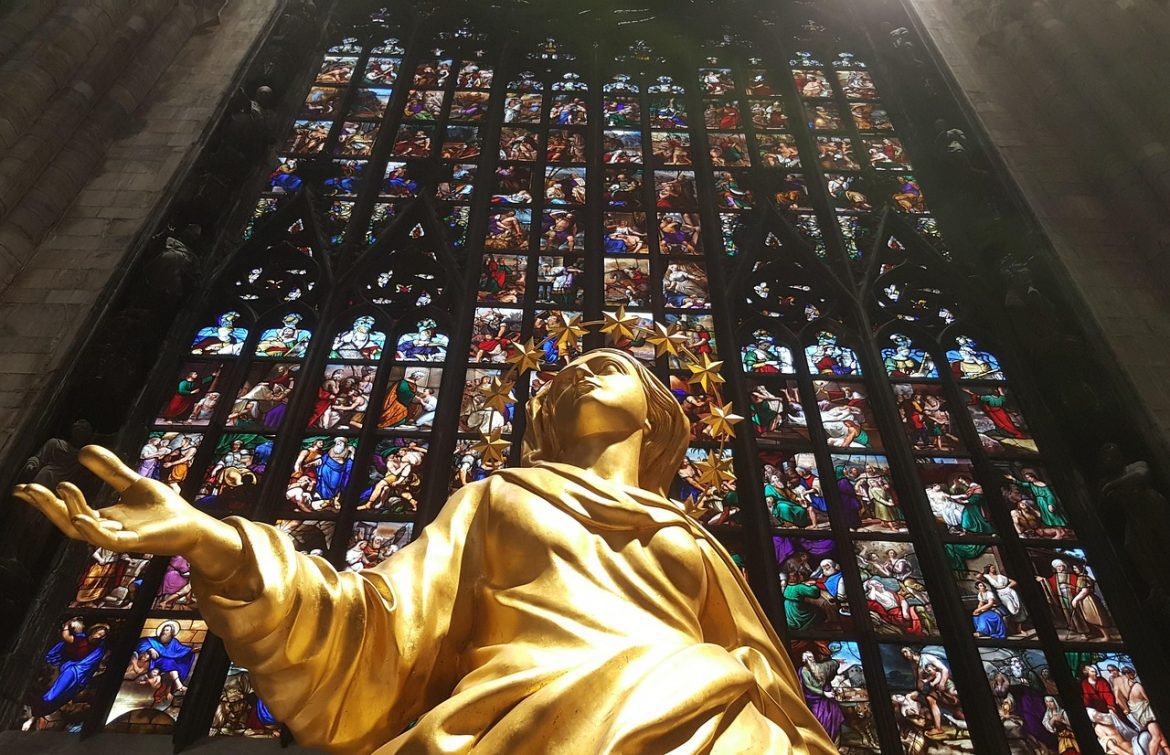
Art lovers often linger at the stained-glass windows, where the stained glass windows hold the life of mary in jewel tonesscenes such as the nativity of jesus, flagellation of christ, and marriage of the virgin. Nearby panels depict the Virgin and the Nativity, and the Nativity of the Virgin Mary; some traditions even link designs and workshops to names such as Puccio Capanna and Stefano. Don’t miss the famous Bartholomew figure: a single statue can stop you in your tracks and quietly sharpen your attention for everything else around it.
Look, too, for quieter references to the earliest church layers: names such as Tecla and the ancient basilica di Santa Maria Maggiore echo through Milan’s spiritual history, alongside dedications like Santa Maria Nascente. These details help you uncover the Duomo di Milano as a chapter of the city rather than a standalone monument.
Milan Duomo rooftop terrace with Madonnina and sunset city views
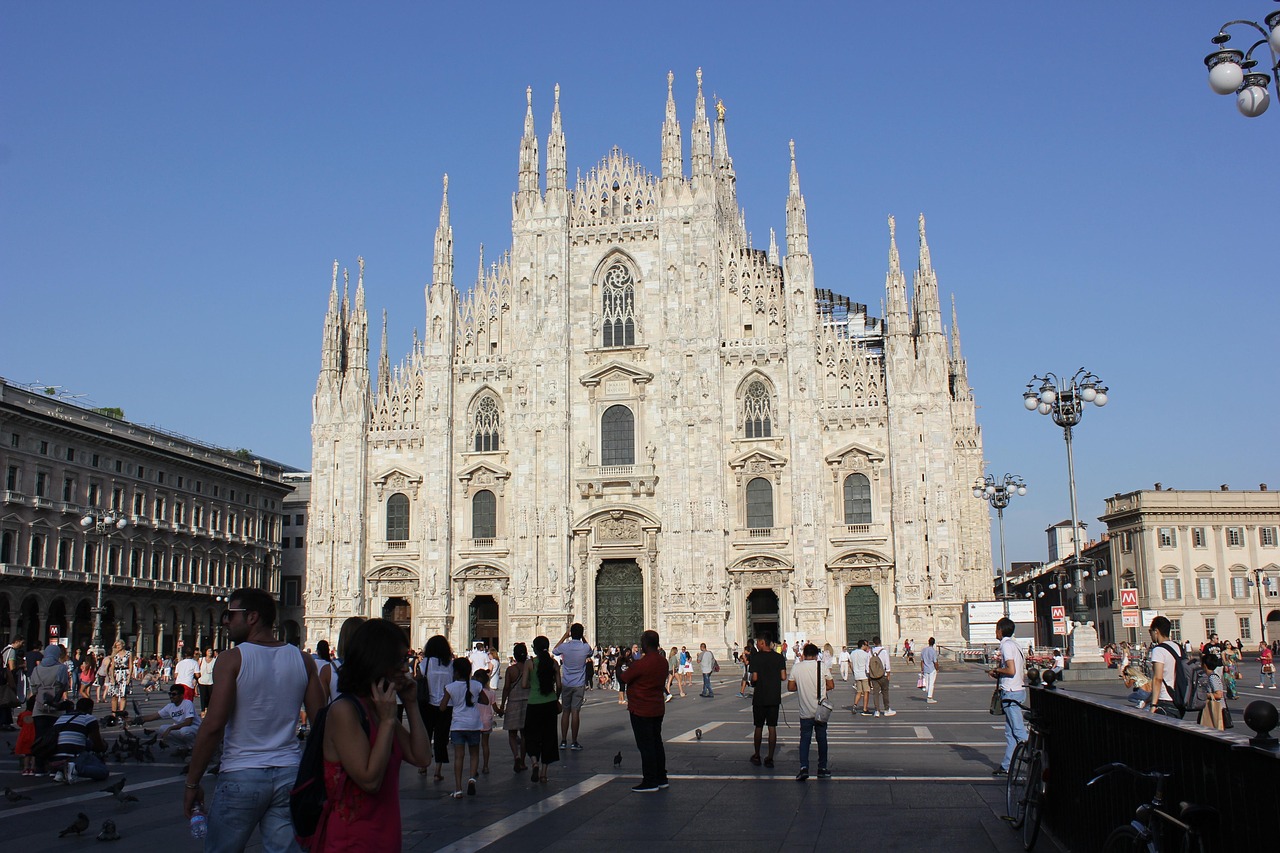
Rooftop Terrace Views and the Madonnina Moment at the Milan Duomo
For Milan Duomo rooftop moments, the terrace is where the Duomo becomes personal. High-end travellers often appreciate the choice between lift and stairs: the lift keeps the experience effortless and elegant, while the steps offer a gradual build of anticipation. Either way, give yourself time to wander. This is not a “quick look” rooftop; it’s a sculpted landscape in the sky.
Up close, the spires feel like architecture you can almost touch, with carved faces, folds, and flourishes set at arm’s length. The Madonninaa beloved emblem watching over the cityadds a quiet sense of protection and pride, a reminder that the Duomo is still woven into local life.
Terrace timing tips: best light, views of the city, and photo angles
For calmer photos and softer tones, arrive early morning or late afternoon; both make the gothic detail feel more delicate. On clear days, you’ll catch views of the city and, in the distance, the Alps, a perspective that makes Milan feel both metropolitan and alpine-adjacent. This is where you can discover compositions that feel designed rather than accidental: align a spire with the skyline, let shadow fall across stone, and wait for the rooftop to breathe.
Madonnina at sunset: spire silhouettes and a quiet Milan moment
One traveller shared how climbing up as the sun set created an unforgettable memory: the city lights began to glow while the carvings turned honeyed at the edges. The Duomo didn’t feel crowded in that moment; it felt shared. The quiet togethernessstrangers speaking softly, everyone looking outwardmade the skyline feel like a gift.
- Wear comfortable shoes that feel secure on stone and steps.
- Carry minimal bags for quicker security checks and a smoother flow.
- Pause near the higher points for elegant, uncluttered frames of spire silhouettes and rooftop detail.
As you descend, notice how the experience resets your sense of scale: the cathedral isn’t just something you visited,it’s something you briefly inhabited from above.
Duomo Museum (Museo del Duomo) models, artwork, and craftsmanship
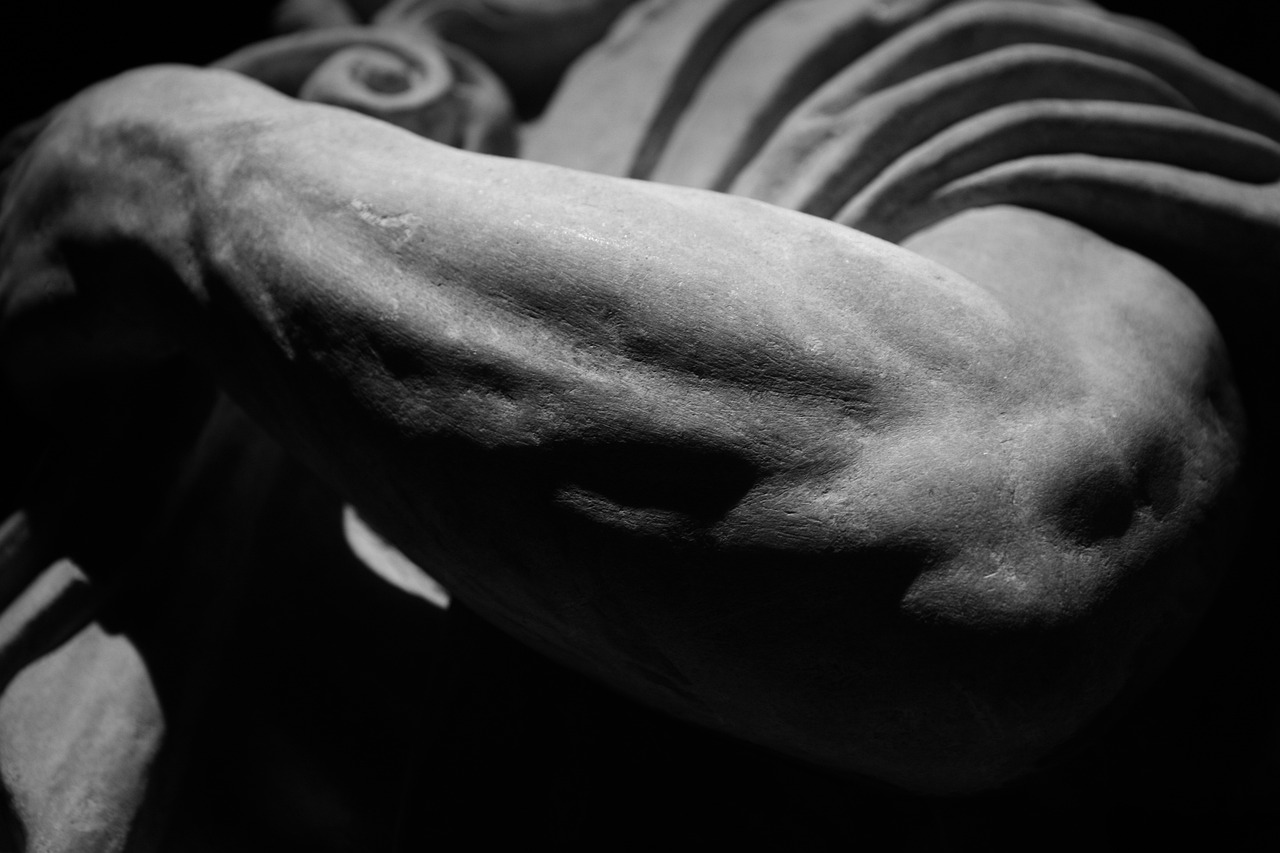
Duomo Museum and Museo del Duomo Treasures in Milan
If you want context that makes the Duomo feel legible, this is where its grandeur becomes easy to read. The Duomo Museum (also signposted as the Museo del Duomo) is the place to slow down, compare models, and uncover how the building was refined across generations. For travellers who enjoy art and architecture, it’s not an add-on,it’s the key that makes what you’ve seen outside feel even more extraordinary.
Look for large-scale models that reveal proportion and engineering, and for fragments that show how sculpture techniques evolved. A carved figure seen from the square feels impressive; a close view in the museum makes the human labour behind each statue unmistakable. You’ll also notice how finishes were achieved, from delicate surface tooling to touches of gild on sacred elements and the gilded copper plates associated with select rooftop symbols.
Inside the Museo del Duomo: structure, marble craft, and sacred stories
Give yourself a simple lens: structure, surface, story. Structure is the gothic logic of how weight is guided and lifted. Surface is the craftof how marble is finished so it catches light. Story is the devotional worldhow images such as the crucifixion of christ were shaped to communicate meaning at a distance, then reward attention up close.
Duomo archaeological complex: archaeological area and early churches below
After the museum, the Duomo archaeological complex adds another layer: the archaeological area beneath and near the cathedral reveals antique churches and sites that predate the current structure. Seek out references to Santo Stefano alle Fonti and the baptistery of Santo Stefano alle, where early Christian Milan feels close and quiet. It’s an experience that balances the rooftop’s openness with something more grounded and inward.
For a high-end rhythm, pair the museum with a guided tour for clarity and insight, then step out for a calm caf pause nearbytime to let the detail settle. If you enjoy a well-chosen souvenir, the Duomo shop can be surprisingly tasteful, with keepsakes that feel curated and crafted rather than touristy.
Plan your visit: Duomo Milan tickets, entry options, and practical tips
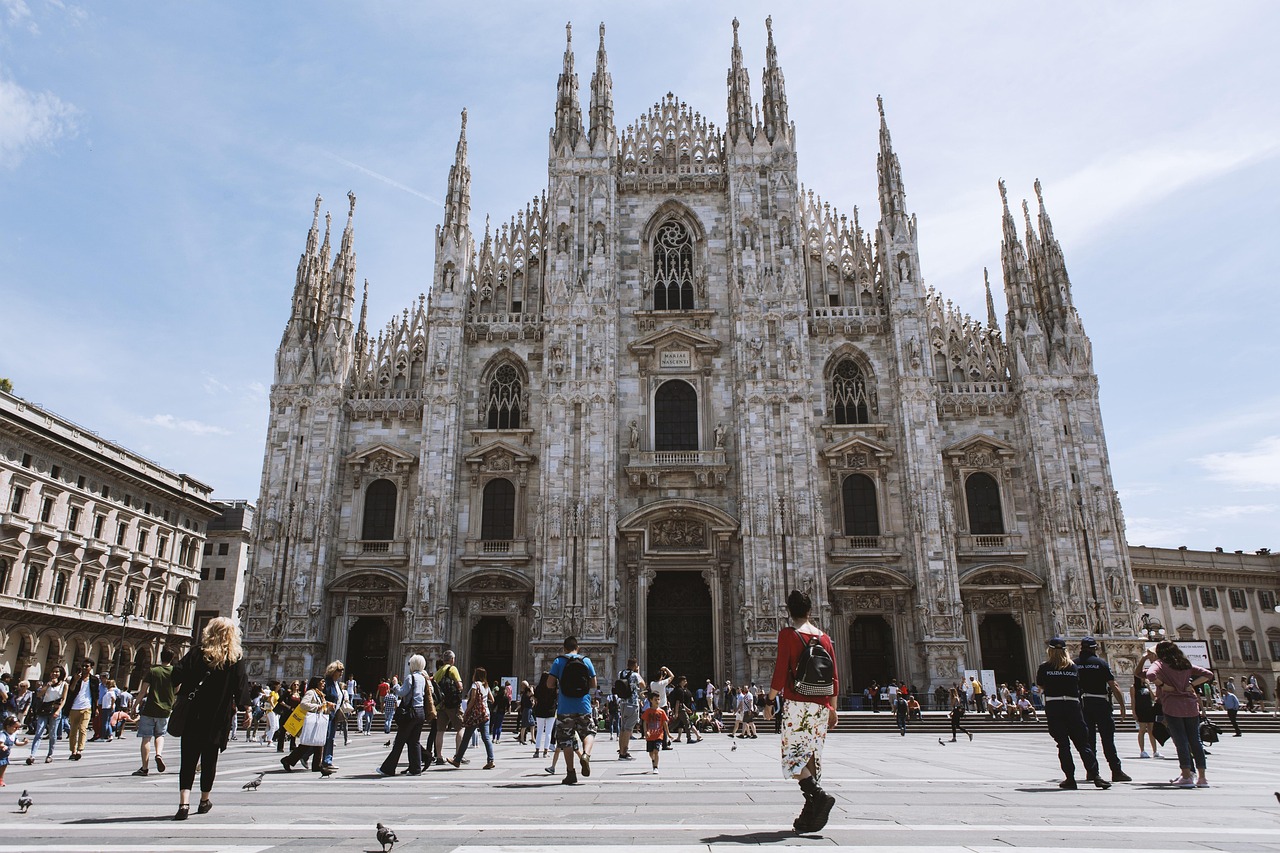
Plan Your Visit to the Duomo di Milano with Confidence in Milan
For practical planning, a little preparation turns visiting the Duomo into a smooth, unhurried experience. Book ahead where you can; tickets online are the simplest way to protect your time and keep the day feeling seamless. As a baseline, check the latest opening hours before you go, because seasonal schedules and service times can affect access.
To keep plans accurate, use the official website for current availability, rooftop access options, and limited experiences such as an exclusive after-hours guided tour, perfect for intimate exploration when the cathedral is quieter. If you’re comparing options, many passes bundle the rooftop, museum, and archaeology into one itinerary, which is often the most efficient way to see the Duomo.
Arriving calmly at Piazza Duomo and building an effortless day
The easiest arrival is via Milan Metro at Duomo station (M1 and M3), stepping out into Piazza del Duomo within moments. You can also walk in from central areas, keeping your route simple so the day starts with ease rather than decision fatigue; it’s one of the cleanest ways to approach the Duomo and the wider Milan Cathedral complex. If you’re curating a wider Italian journey, you can explore ideas in our Italy trip gallery for a pace that supports comfort and confidenceand consider pairing this stop with Santa Maria delle Grazie on another day.
Dress code, etiquette, and quiet moments inside the cathedral
Dress modestly if you plan to attend services, and keep a quiet tone inside the cathedral, which is both a landmark and a working place of worship. Photography rules vary by area, so follow signage and staff guidance with care. One visitor described an emotional moment during mass: sitting beneath the vaults, hearing the music rise, and feeling unexpectedly soothed, proof that the Duomo can offer spirituality as much as spectacle.
- Cost: expect roughly 1525 euros, depending on access areas, with tour or audio guide add-ons.
- Security: checks are in place; bring minimal bags for a smoother entry.
- Safety: Pickpocketing is rare, but stay gently vigilant in crowds, especially at pinch points.
When you arrive, you’ll often see queues forming early; planning ahead helps you bypass the busiest moments. And if you’re wondering about timing, remember: Milan Cathedral is open across broad daytime windows, but your best experience depends on choosing the quieter edges of the day.
F.A.Qs: Duomo Milan, Italy, quick cathedral questions
Why is the Duomo in Milan famous?
The Duomo is famous for its extraordinary Gothic architecture, vast scale, and intricate forest of spires and statues. It’s also known for the rooftop walkways, where you can stand among the carvings and see Milan from above, with distant Alpine views on clear days.
Who is buried in the Duomo Milan Cathedral?
The cathedral is primarily a place of worship and civic identity rather than a single “tomb site”. While there are burials and memorials connected to Milan’s religious history, most visitors come for the architecture, the artworks, and the sense of sacred atmosphere inside the church.
Can you just walk into the Duomo in Milan?
You can enter, but access is managed with tickets, security checks, and timed flows that change by season. To keep your visit smooth and avoid long queues, it’s best to buy your ticket in advance and arrive earlier in the day or later in the afternoon.
What is inside the Duomo in Milan?
Inside, you’ll find a vast interior with soaring columns, a richly detailed altar area, stained glass, sculptures, and a strong sense of sacred quiet. Many visitors also include the rooftop terraces and the museum to better understand the craftsmanship and history behind what they’re seeing.
What stayed with me after the Duomo di Milano
What lingers isn’t a checklist of rooms,it’s a feeling that time can stretch. The Duomo’s scale teaches patience, and its stillness offers something rare in the heart of a major city: a place where your thoughts soften. Long after you leave the square, you may find yourself recalling a single shadow on stone, or the way the air changed as you stepped from sun into the basilica.
I think about togetherness most: strangers sharing the rooftop terrace, gently moving around one another as if we’d all agreed to protect the calm. Inside the cathedral, the same unspoken trust returnspeople to lower their voices, slow their pace, and let the building lead. That kind of collective respect feels quietly local, and it stays with you.
And then there’s the idea of return. Not to chase more “must-sees”, but to meet the Duomo again in a different light, winter clarity, spring rain, or a late afternoon when the city feels newly washed. If you let it, Milan will keep offering another layer, waiting for the moment you’re ready to discover it.