Post Contents
- Amalfi Coast bucket list overview: places in Italy for high-end travellers and a true bucket list
- Amalfi town guide Amalfi Cathedral Duomo di Amalfi Museo della Carta and the town of Amalfi
- Amalfi Coast Drive offers scenic views of Atrani, Praiano, Maiori, Minori, Ravello, and the best coastal vistas.
- Positano and Amalfi Coast offer luxury beach clubs, shopping, viewpoints, and top attractions.
- Private boat tour of Amalfi Coast, day trip to Capri, Path of the Gods, Pompeii, and Amalfi days.
- F.A.Qs: Things to see in Amalfi, Italy
- Visiting Amalfi, reflections on the Amalfi Coast journey, and what stayed with you
Amalfi Coast bucket list overview: places in Italy for high-end travellers and a true bucket list
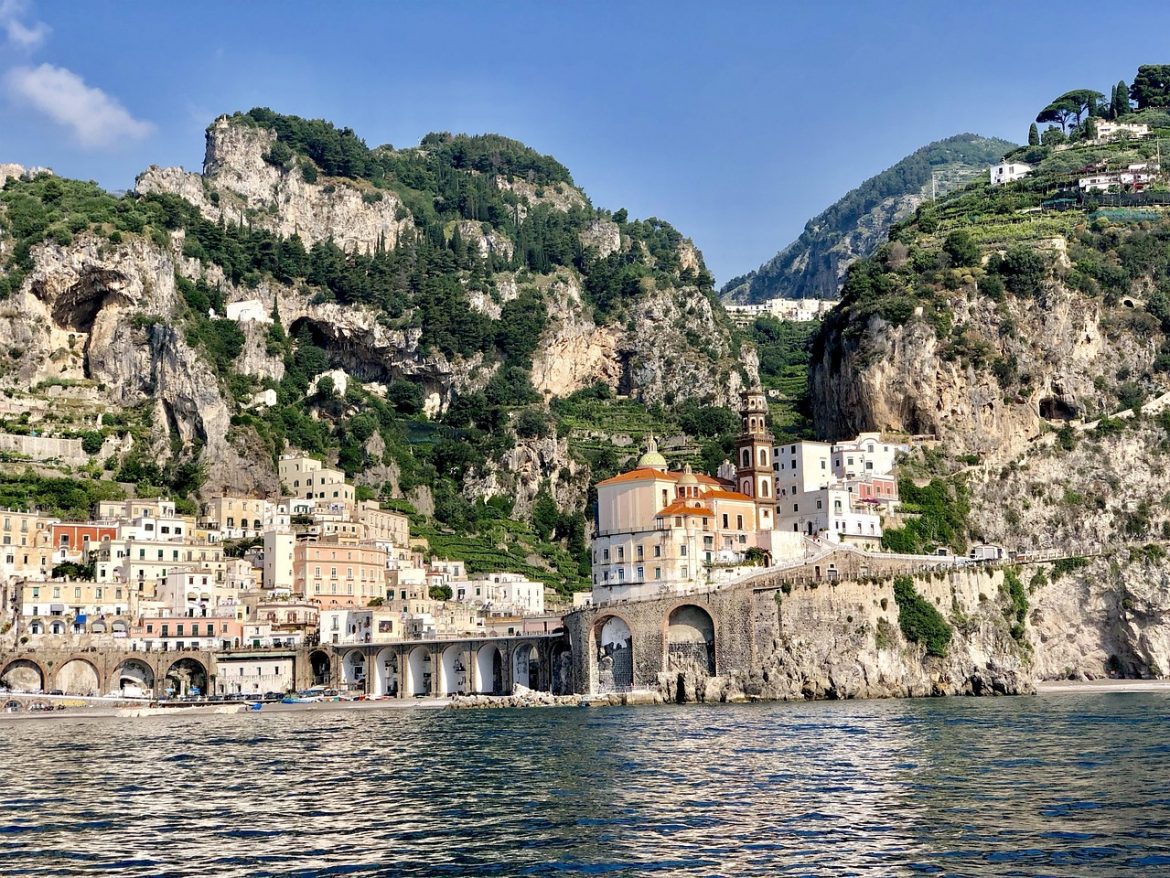
Amalfi Coast bucket list overview and where it fits in places in Italy
For high-end travellers, an Amalfi Coast bucket list overview of places in Italy isn’t about ticking off viewpoints—it’s about discovering a coastline that still feels alive with local rhythm and artistry. The Amalfi Coast is one of those travel destinations in southern Italy that rewards confidence and restraint: a few well-chosen experiences, thoughtfully timed, can feel more luxurious than a packed schedule. If you’ve ever wondered what makes it genuinely worth visiting, it’s the way light moves across the cliff and sea, and how quickly the coast invites you to slow down.
Plan for a gentle arc of days in Amalfi rather than a sprint. Some mornings are made for movement—boat departures, garden visits, or a day trip—while others are for a relaxing day with only an espresso, a swim, and a quiet terrace. The best trips here are designed with space for the unplanned: a small festival procession, a new favourite café, a hand-painted ceramic you didn’t expect to love.
Signature icons to explore on the Amalfi Coast itinerary
If you’re shaping an Amalfi Coast itinerary for your first visit, imagine it as a series of distinct moods. Positano is the style note, Ravello is the garden-and-music reverie, and Amalfi town holds ritual, history, and sea-breezed charm. Add a day trip to Capri for a change of scale and colour, and the Path of the Gods for a quiet, high-perspective encounter with the coast.
To keep it seamless, it helps to choose a home base and then let the coastline come to you. For inspiration and route ideas, you can browse our Trip gallery and imagine the kind of pace that suits you—private, social, or a little of both.
Way to get around along the Amalfi Coast with confidence
The way to get around changes everything. A private driver gives calm support on narrow bends and makes viewpoint pull-ins feel effortless; a ferry keeps you above the summer traffic and delivers classic views of the Amalfi Coast from the water. On foot, strategic walking routes—short stairways, terrace paths, and old lanes—often reveal the most personal angles.
- Time to visit: late spring (May–June) or early autumn (September) for mild weather and fewer crowds.
- Arrivals: fly into Naples or Rome, then arrange a private transfer for a more crafted start.
- Mindset: travel light on the steps, plan smart for boats, and leave room to discover local moments.
Consider this your gentle beginning: a trip to the Amalfi Coast feels best when you give it permission to unfold—beautiful, unforced, and quietly surprising.




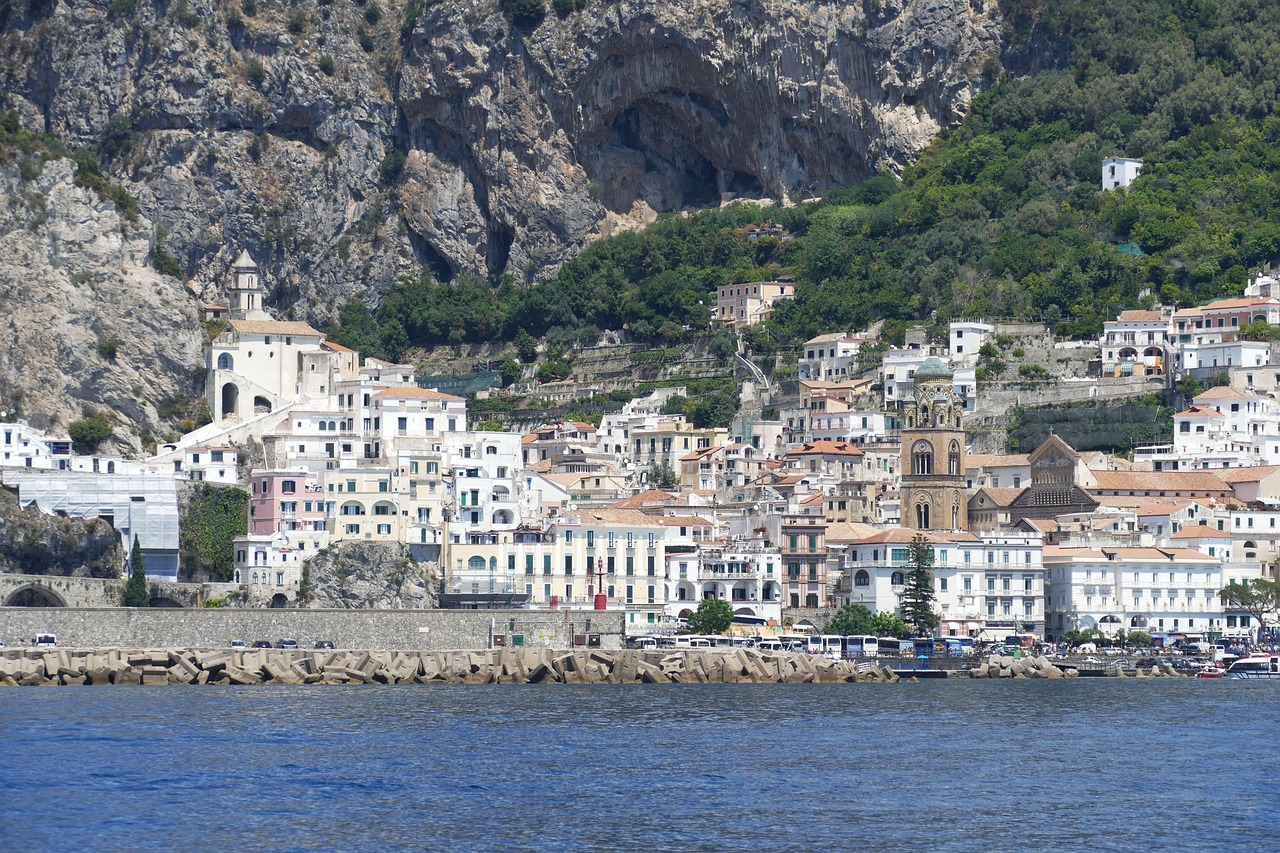
Amalfi town guide Amalfi Cathedral Duomo di Amalfi Museo della Carta and the town of Amalfi
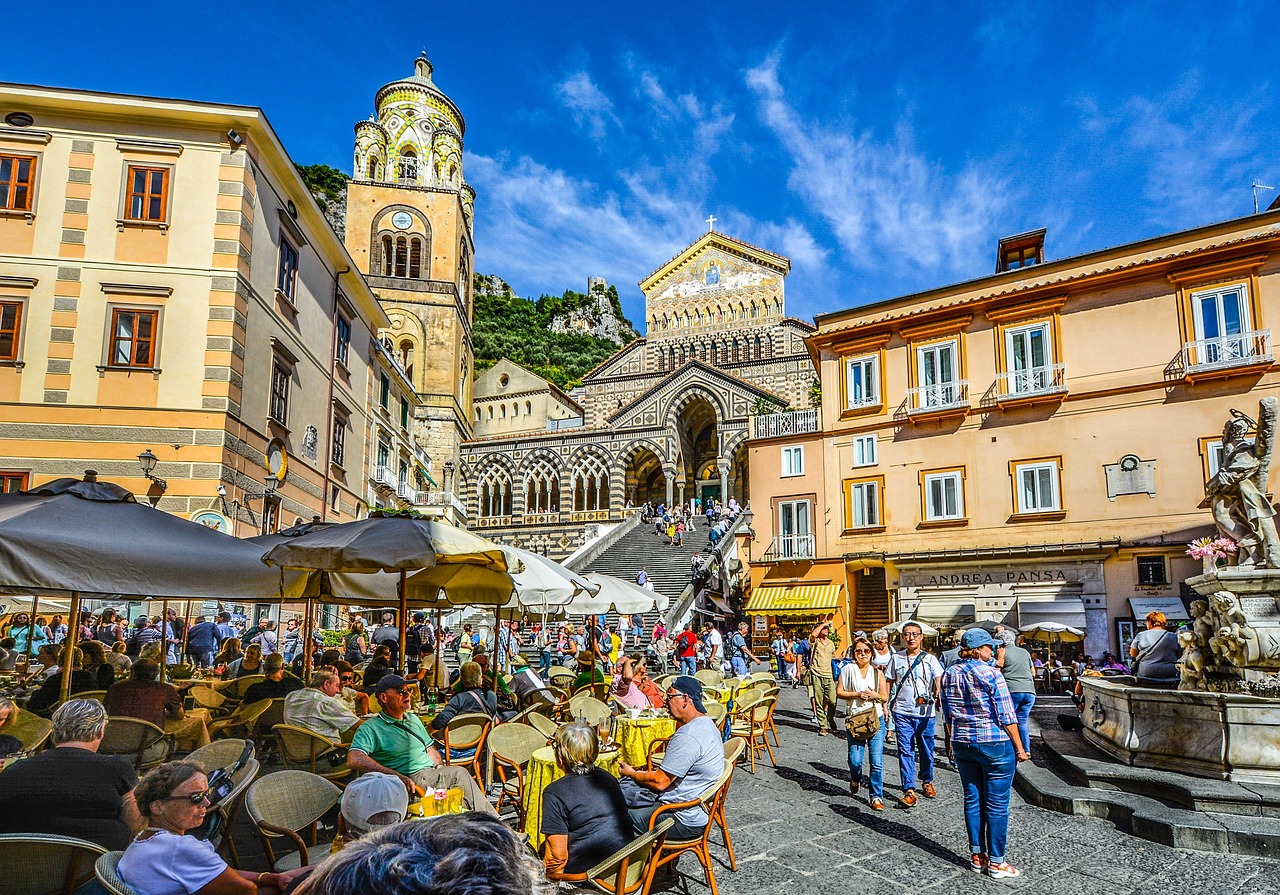
Amalfi town and the Amalfi Cathedral for art, ritual and quiet beauty
This Amalfi town guide to the Amalfi Cathedral (Duomo di Amalfi) and Museo della Carta begins the way the town wants to be experienced—on foot, slowly, with eyes up. Start in the main square, then drift into narrower lanes where laundry lines, lemon trees, and small shrines soften the edges of the busy day. Amalfi is a historic town, and it wears its past lightly; you sense it in the stone underfoot and in the salt-sweet air.
A simple walking flow feels most seamless: piazza first, then the cathedral, then a loop through artisan boutiques and quiet cafés. If you’re seeking things to do in Amalfi that feel both iconic and intimate, this is one of the top things: letting the town guide you rather than the map.
Duomo di Amalfi and Amalfi Cathedral details worth noticing
The duomo is more than a photo moment; it’s a living ritual space where art, faith, and the di Amalfi identity meet. Notice the layered styles—Moorish-influenced patterns alongside Romanesque strength—and how the steps create a natural pause before you enter. Inside, keep your pace gentle; soft voices and slower movements show care for worshippers and the sacred atmosphere.
For a high-end “how to visit”, aim for softer light in the morning or late afternoon when the façade feels luminous rather than harsh. Dress respectfully (shoulders covered is a safe default), and build trust by asking permission before photographing local people—especially during religious moments.
Museo della Carta and a crafted souvenir made by hand
To uncover a quieter side of famous Amalfi, step into the Museo della Carta. Amalfi’s paper legacy dates back to the 9th century, when water-powered mills helped turn the town into a medieval hub of knowledge and trade. The demonstrations are wonderfully tactile, and it’s the sort of experience that brings generations together.
One family told us their children were utterly absorbed by the paper-making technique—pressing fibres, lifting frames, watching sheets form—and the handmade page became a cherished souvenir that made the trip feel shared. Another traveller described a moment that stayed with them: a local shopkeeper, noticing their curiosity, invited them to taste homemade limoncello in the doorway—an unhurried, generous gesture that turned a purchase into a cultural connection. It’s a small act of support, but it changes how visiting Amalfi feels: less like tourism, more like being welcomed.The
Amalfi Coast Drive offers scenic views of Atrani, Praiano, Maiori, Minori, Ravello, and the best coastal vistas.
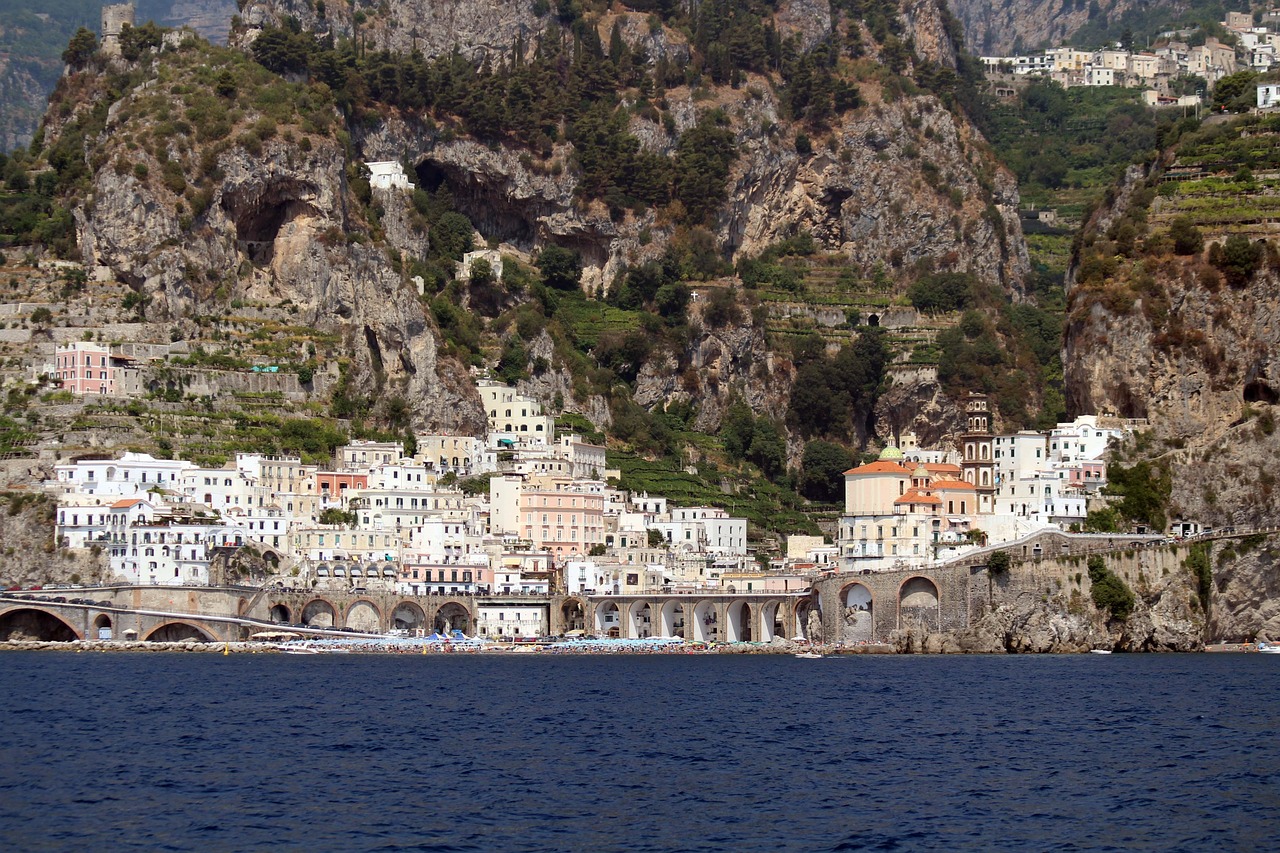
Along the Amalfi Coast Drive and the cliffside villages, you can still discover
A scenic drive along the Amalfi Coast, through Atrani, Praiano, Maiori, Minori, and Ravello, is the classic way to understand the coastline’s scale—how villages cling to the cliffs and how quickly the scenery shifts. Traffic is real in summer, which is why a luxury car service can feel like the ultimate reassurance: you can focus on views, not stress. With an expert driver, stops become intentional, and photo pull-ins feel safe and unhurried.
Design the day around a handful of planned pauses rather than constant hopping. The goal is to view at your best without feeling chased by the clock, and to have enough time to linger when a terrace or tiny church catches your attention.
Atrani, Maiori and Minori for a softer local pace
Begin with Atrani, a little town tucked beside Amalfi that many travellers overlook. The town of Atrani feels intimate and quietly cinematic, especially early, when you hear footsteps more than scooters. For a solo traveller, this kind of place can be grounding; one visitor told us locals gently guided them towards hidden corners away from the loudest crowds, offering direction with warmth and confidence.
Continue to Maiori and Minori for a calmer stretch of the Amalfi Coast. Here, the mood is more lived-in—promenades, family-run cafés, and a beach scene that feels less performative. If you enjoy walking, look for the path of the lemons between these towns: it’s an easy, fragrant stroll with glimpses along the coastline that feel earned rather than staged.
Praiano, Marina di Praia, and Ravello are known for their gardens.
Praiano is a beautiful place for late-day colour, with sunset angles that flatter the coast’s contours. Nearby, Marina di Praia is a tucked-away cove: a discreet spot for a swim and a low-key lunch, ideal when you want your day on the beach to feel local and unforced. If you’re travelling in peak season, this is also a smart way to step out of the busiest flow.
Then lift up to Ravello—Ravello is known for gardens and concerts, and the air feels cooler almost immediately. Villa Cimbrone is a must for viewpoints, with a balustrade that frames extraordinary views of the town below. It’s the kind of stop that reminds you: the Amalfi Coast is one of Italy’s rare landscapes where grandeur and gentleness can sit side by side.
- Tip for timing: start the drive early, then retreat to the sea or a terrace before the afternoon pinch points.
- Traffic reality: if you must take the bus, do so during the shoulder season and avoid commuter hours for a calmer ride.
- Footwear: cobblestones and inclines are constant—choose comfort without compromising style.
As you plan, you’ll also face a key choice: stay in Amalfi or base yourself in Positano. If you want easier ferry links and a slightly more central feel, stay in Amalfi; if you prioritise fashion-forward energy and dramatic vertical views, Positano may be your place to stay. Either way, clarity up front makes the whole itinerary feel more seamless.
Positano and Amalfi Coast offer luxury beach clubs, shopping, viewpoints, and top attractions.
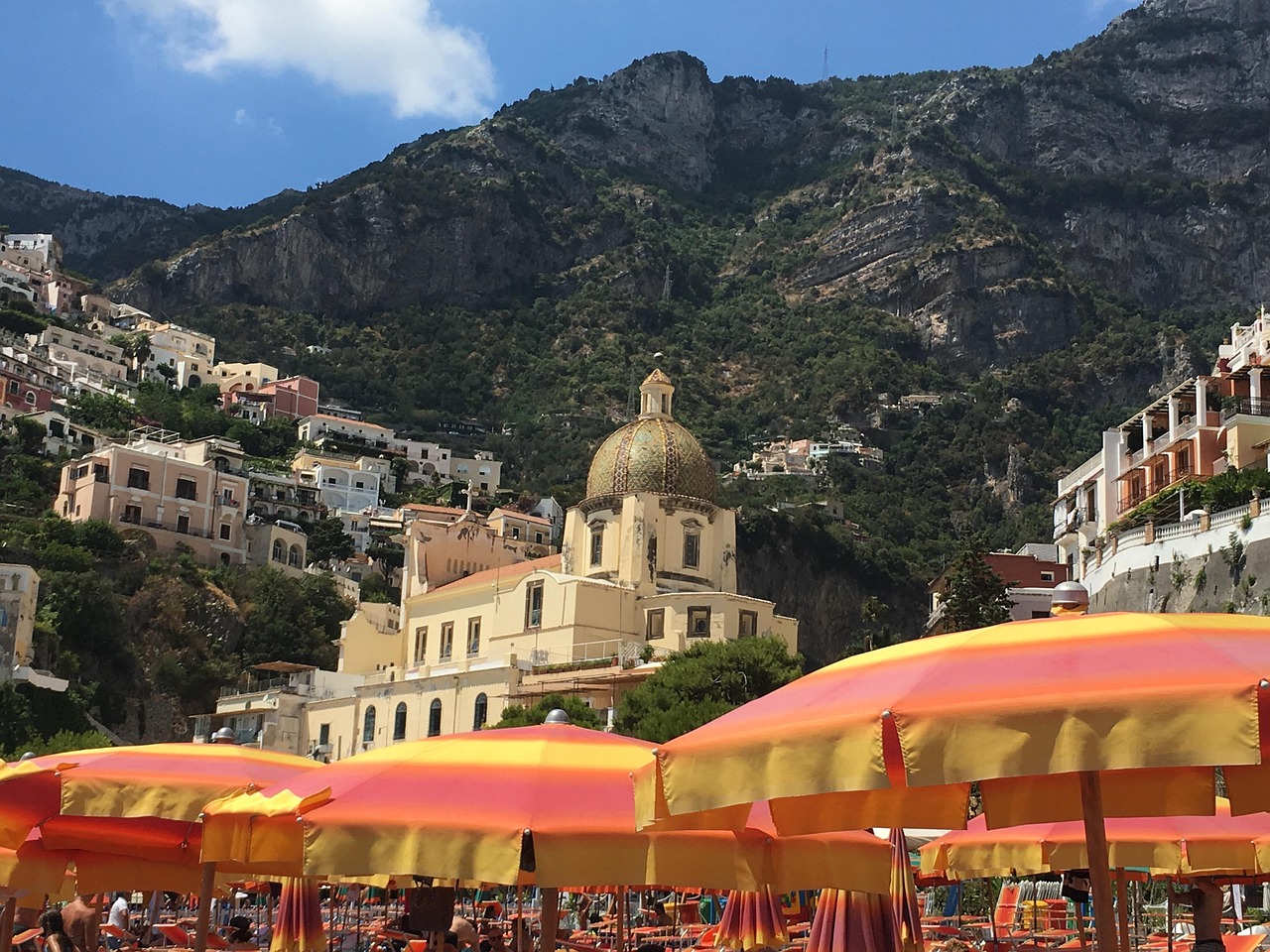
Positano style and seaside ease for beach days and boutique wandering
Positano on the Amalfi Coast is a study in design—sun-faded pastels, perfectly imperfect stairways, and boutique windows that feel like tiny galleries. For travellers who love craft, this is where you can discover sandal makers, linen boutiques, and ateliers that still measure, stitch, and adjust by hand. It’s shopping, yes, but also insight into how local style became a language of the coast.
To keep Positano feeling effortless, approach it in halves: one part beach, one part wandering. It’s a town on the Amalfi Coast where the “in-between” moments—steps, viewpoints, an unexpected ceramic studio—often become the memory.
Beach time in Positano with a seamless plan
For a beach afternoon, decide whether you want a beach club moment with reserved loungers and attentive service, or a quieter stretch where you can read and swim with more space. In high season, pre-booking matters for a crafted feel, and arrivals by tender transfer (or a short walk timed outside the peak crush) can preserve your sense of calm. If you’re staying nearby, a quick dip before lunch can be more satisfying than battling the busiest hours.
One of my favourite things in Positano is to go early—before day-trippers arrive—stand at a viewpoint while the town is still waking, then slip into a café for espresso and lemon sorbet. It’s simple, but it creates that rare holiday sensation: time expanding instead of tightening.
Terrace dining, seafood and Amalfi lemon pairings
For dinner, choose a terrace where you can watch the lights appear one by one on the cliff. Lean into seafood, and look for menus that weave in Amalfi lemon in subtle ways—zest in pasta, citrus in dressings, or a delicate finish to grilled fish. If you have dietary preferences or simply want something personal, ask if the chef can create a bespoke menu based on the daily catch; a foodie friend once described this as the most memorable meal of their trip, a quiet collaboration between guest and kitchen.
To balance the itinerary, pair Positano with time back in the town of Amalfi. The contrast is the luxury: Positano’s glamour, then Amalfi town’s grounded history—together, they feel designed rather than rushed.
Private boat tour of Amalfi Coast, day trip to Capri, Path of the Gods, Pompeii, and Amalfi days.
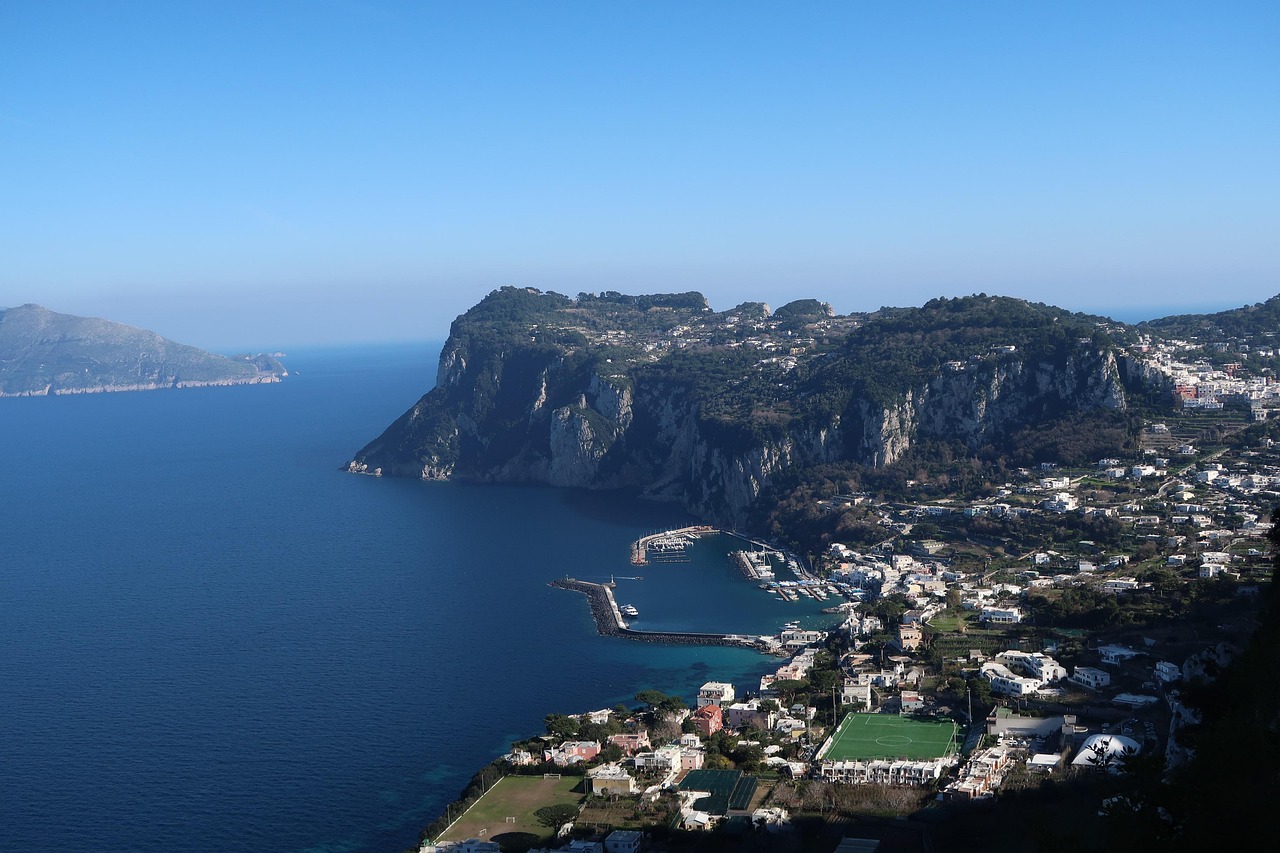
By sea to Capri, plus hikes and history beyond the town of Amalfi
A private boat tour, Amalfi Coast day trip to Capri, the Path of the Gods, and Pompeii can sound like a lot—yet with the right pacing, it becomes the most seamless way to understand the region. Think of this chapter as a menu: select one sea day, one early hike, and one history day, and let the rest of your days in Amalfi stay beautifully open. This is where luxury isn’t excess; it’s comfort, timing, and support that keep each experience feeling calm.
Private boat tour to coves and a day trip to Capri
Exploring by water is often the most serene way to visit the Amalfi Coast, especially when roads feel full. Book early for privacy and a crafted onboard experience—cold towels, a shaded deck, and a route that includes secluded coves and small grottos where the water turns turquoise. A couple once celebrated their 10th anniversary this way, chartering a private yacht; they later told us it was the most romantic trip of their lives, not because of extravagance, but because the day felt uninterrupted—just the two of them and the sea.
For a day trip to Capri, you can go by private boat or take a ferry. If you’re travelling without a car, the ferry is straightforward from Amalfi town or Positano, and it can be a pleasure in itself—wind, salt, and that first glimpse of Capri rising from the horizon. Keep connections smooth by travelling early, and consider a later return so you’re not forced into the busiest departure window.
Path of the Gods at dawn and Pompeii with an expert guided tour
The path of the gods is one of the most moving hikes in Italy, especially at dawn. Start early, bring water, sun protection, and a light layer, and hike the path with steady confidence—your reward is a sunrise that turns the villages pastel and makes the whole coastline feel hushed. One traveller described watching that first light spill across the sea as profoundly moving, as if the landscape was giving them permission to breathe again.
For a different kind of depth, add Pompeii. An expert guided tour helps you uncover the human details behind the ruins, and it frames the eruption of Mount Vesuvius not as an abstract event but as a day that reshaped lives and history. It’s a powerful counterpoint to the coast’s ease, beauty, and perspective.
- Transport anchors: Sorrento and Salerno are practical gateways around the Amalfi Coast for trains, private transfers, and smoother departures.
- Peak-hour strategy: travel early, then return to a quiet terrace or beach while roads tighten.
- Bookings: reserve private boats and top tables well ahead, especially in summer.
With these options, planning a trip becomes less about cramming in and more about choosing what helps you create the feeling you want—romance, adventure, or restorative calm.
F.A.Qs: Things to see in Amalfi, Italy
What not to miss on the Amalfi Coast?
Don’t miss the Amalfi Coast Drive for panoramic viewpoints, time in Amalfi town for the cathedral and lanes, Positano for design and beach ease, and a boat day to coves or Capri. Ravello’s gardens and a sunset aperitivo on a terrace are also unforgettable. If you enjoy walking, the Path of the Gods at dawn offers the most emotional perspective on the coastline.
What is Amalfi, Italy, famous for?
Amalfi is famous for its maritime history, the striking Duomo di Amalfi, and its legacy of handmade paper, still celebrated at the Museo della Carta. It’s also known for citrus—especially Amalfi lemon—and for a warm local culture that shows up in small gestures, artisan workshops, and festivals that bring the streets to life.
What to do in Amalfi for a day?
Start in the main square, visit the Amalfi Cathedral, then wander the back lanes for artisan shops and a slow coffee. Add the Paper Museum for a hands-on cultural stop, then enjoy a swim or a beach club afternoon. Finish with seafood on a terrace and a sunset drink; if you’re curious, book a limoncello tasting at a small producer for an intimate local insight.
Is $5000 enough for a trip to Italy?
$5000 can be enough for Italy, depending on the season, trip length, and how you travel. In high-demand areas like the Amalfi Coast, luxury hotels, private drivers, and boat charters can quickly raise costs. If you prioritise a boutique stay, a few crafted splurges (like one private boat day), and travel in May–June or September, you can design a high-quality trip that stays within that range.
Visiting Amalfi, reflections on the Amalfi Coast journey, and what stayed with you
After visiting Amalfi, what lingers isn’t a list of sights—it’s the atmosphere. The evening hushes on a terrace as the last light softens the cliff; the scent of Amalfi lemon on your hands after peeling a segment at breakfast; the gentle rhythm of waves that makes your thoughts feel less urgent. Even when the Amalfi Coast is busy, there are pockets of quiet that feel like a private room you can step into.
There are also the local moments that can’t be booked. A spontaneous festival song drifting down a lane, a nod from a café owner who remembers your order, a stranger offering directions with easy care—small gestures that build trust and make you feel supported. You might not even catch the exact instant it happens, only the sense that you’ve been held by the place rather than managed by it.
The coast invites you to create memories together in a way that feels unusually natural. For some, it’s anniversary romance on the water; for others, it’s children laughing over handmade paper, or a solo morning walk that quietly strengthens your own confidence. The Amalfi Coast has a way of meeting you where you are, then showing you a slightly softer version of yourself.
And when you leave—bags a little lighter, skin warmed by sun, mind gentler than when you arrived—you may remember simple images more than grand ones: church bells threading through the air, distant boats blinking on the horizon, and that last look back as the coastline recedes. When life feels loud again, it’s enough to close your eyes and imagine the sea line returning—patiently—exactly where it has always been.