Post Contents
- Basilica Rome Italy – Vatican City orientation, entry points, and first steps
- Inside St Peter’s: the central nave, mosaic light, and Michelangelo’s Pietà
- Papal basilica highlights – Bernini’s baldachin, the altar, and the tomb of Saint Peter
- Saint Peter dome climb – tickets, stairs vs lift, and views to the top of the cupola
- Visit tips for this basilica in Rome Italy – dress code, Metro Line A, Santa Maria Maggiore, Saint Paul
- What stayed with me after this basilica visit – reflections from Rome Italy
- F.A.Qs: Basilica Rome Italy and the Vatican
Basilica Rome Italy – Vatican City orientation, entry points, and first steps
Vatican City approach across Peter’s Square to the basilica façade
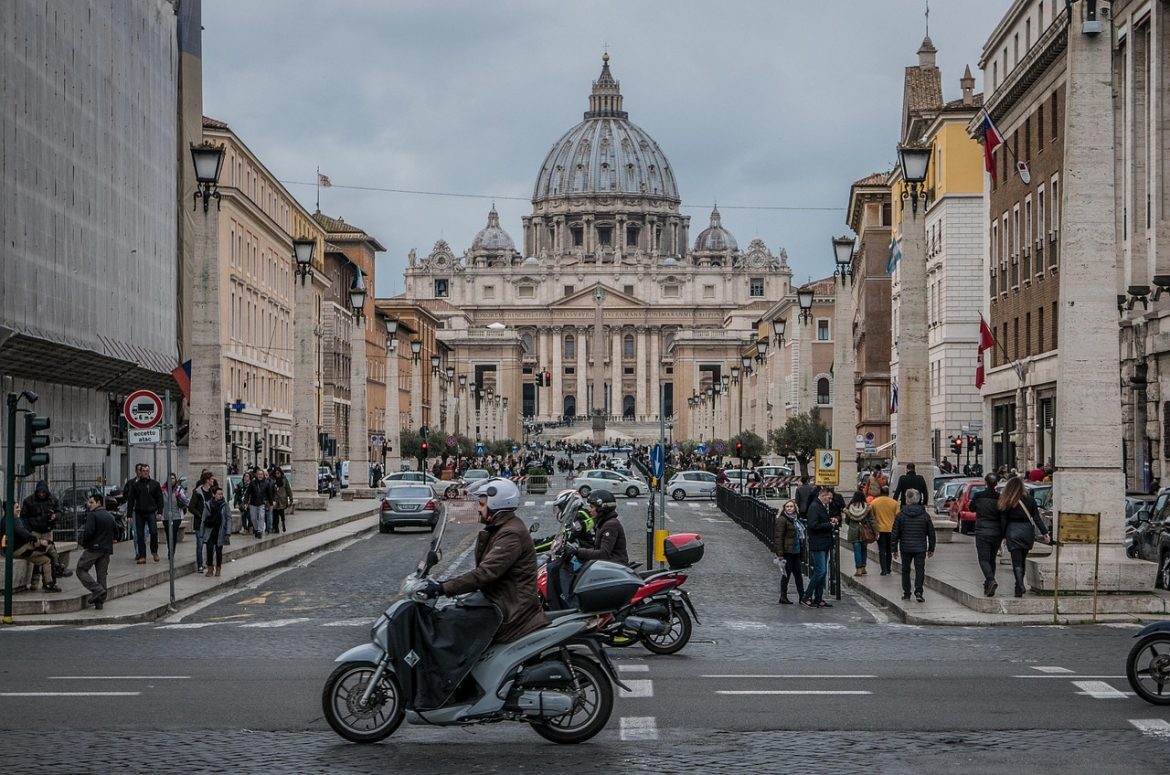
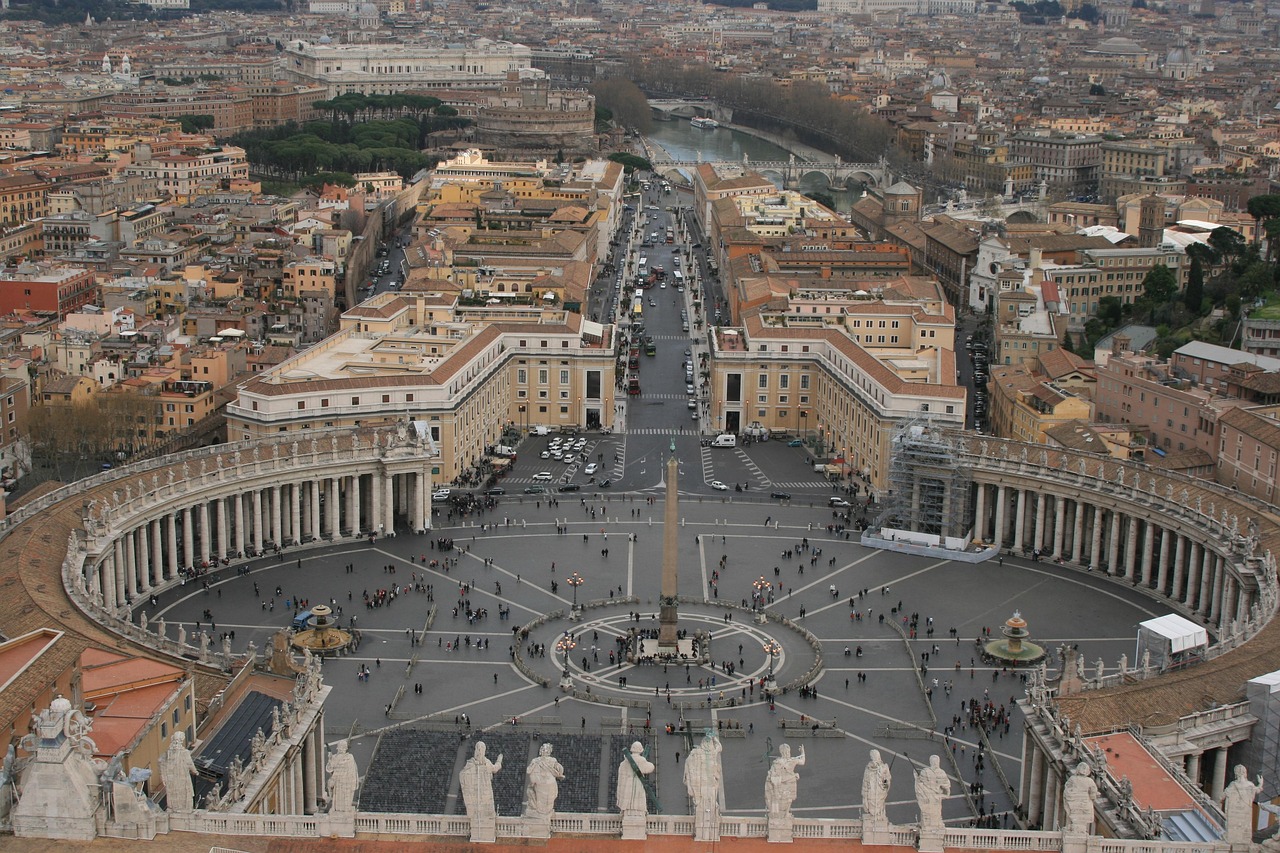
To start well, it helps to picture the basilica rome italy approach and layout before you arrive. Vatican City sits snugly against the western edge of the city, and the arrival feels theatrical in the best way: Bernini’s colonnades gather you in, then Peter’s Square opens like a grand forecourt leading straight to the basilica façade. You’ll pass security checks before you step into the sacred scale of Saint Peter’s.
From Rome to Vatican City: how the square naturally guides you
Create a quick mental map: Ottaviano and the Prati streets are your everyday neighbourhood, then suddenly you’re in a curated corridor of anticipation. The square is designed to funnel people forward, but you don’t have to move at the crowd’s speed—stand near the obelisk and notice the lines, the light, and the quiet choreography of the space. Imagine the centuries of travellers who arrived here as a pilgrim, curious and respectful, ready to enter a basilica of saint tradition that has shaped Western art and faith.
Security checks, calm mornings, and the easiest local approach route
A warm local insight: approach from the Prati side with a coffee already in hand and a small bottle of water tucked into an easy-to-check bag. Keep pockets ready for the scanners, and bring only what you truly need—here, “minimal” becomes a kind of care for yourself. Security is mandatory and efficient, but your calm sets the tone for the whole visit.
Across the week, the atmosphere shifts. Midweek mornings can feel surprisingly serene, while Saturday builds quickly. Sunday mornings are different again: papal events can draw larger crowds, and the square takes on the hush-and-hum of expectation around the pope’s schedule, so it’s wise to check the Vatican calendar in advance.
Once you’ve settled your bearings, you’re ready for the moment most visitors describe as unforgettable—crossing the threshold into the basilica itself.




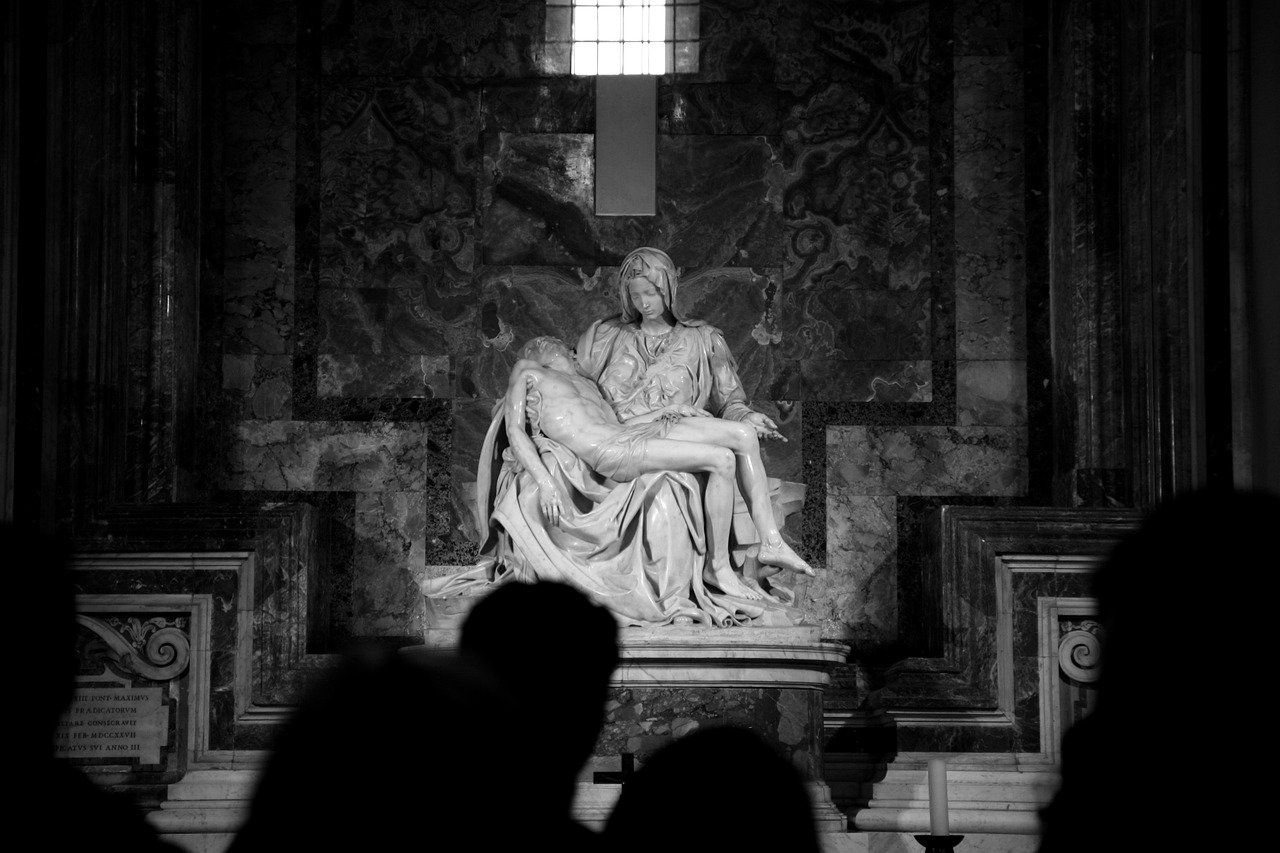
Inside St: first impressions of scale, light, and artwork
There’s a reason people repeat the same phrase after their first step inside: the air changes, sound softens, and the central nave feels almost unreal in its measured vastness—an invitation to slow down, look up, and let your sense of scale recalibrate. This is not just a church; it is the largest church in the world, and also the largest church many travellers will ever stand in, holding its grandeur with surprising gentleness. For first-timers, it’s the kind of church in the world that makes you whisper without meaning to.
What to notice first in Saint Peter’s and the shifting mosaic glow
Let your eyes travel with intention: the sightlines were crafted to draw you towards the altar and the soaring canopy beyond, while light slides across marble and gilding like a moving veil. Many “paintings” you’ll see are actually mosaic masterpieces, created to endure and shimmer in changing daylight. If you’re travelling together, pick one detail each—gold, lapis tones, a single face—and compare what you noticed; it’s a simple way to create a shared, personal memory.
Michelangelo’s Pietà and a patient way to view it
Michelangelo’s masterpiece, the pietà, is one of those artworks that rewards stillness, and Michelangelo’s sensitivity is as moving as the craftsmanship. Arrive early if you can, then stand slightly back so the sculpture can hold its own quiet space. Photograph respectfully—no flash, no pushing—then let your camera drop and give the marble a moment to “speak”.
A crafted pause point: find a bench and sit for two minutes without searching for the next highlight. Listen to the soft footfall, notice how time stretches, and let the basilica’s calm support your pace. For adventure seekers, this is a different kind of ascent—an inner one.
When you’re ready, follow the visual pull towards the heart of the papal basilica: the high altar and the great canopy that seems to hover like a storm of bronze.
Papal basilica highlights – Bernini’s baldachin, the altar, and the tomb of Saint Peter
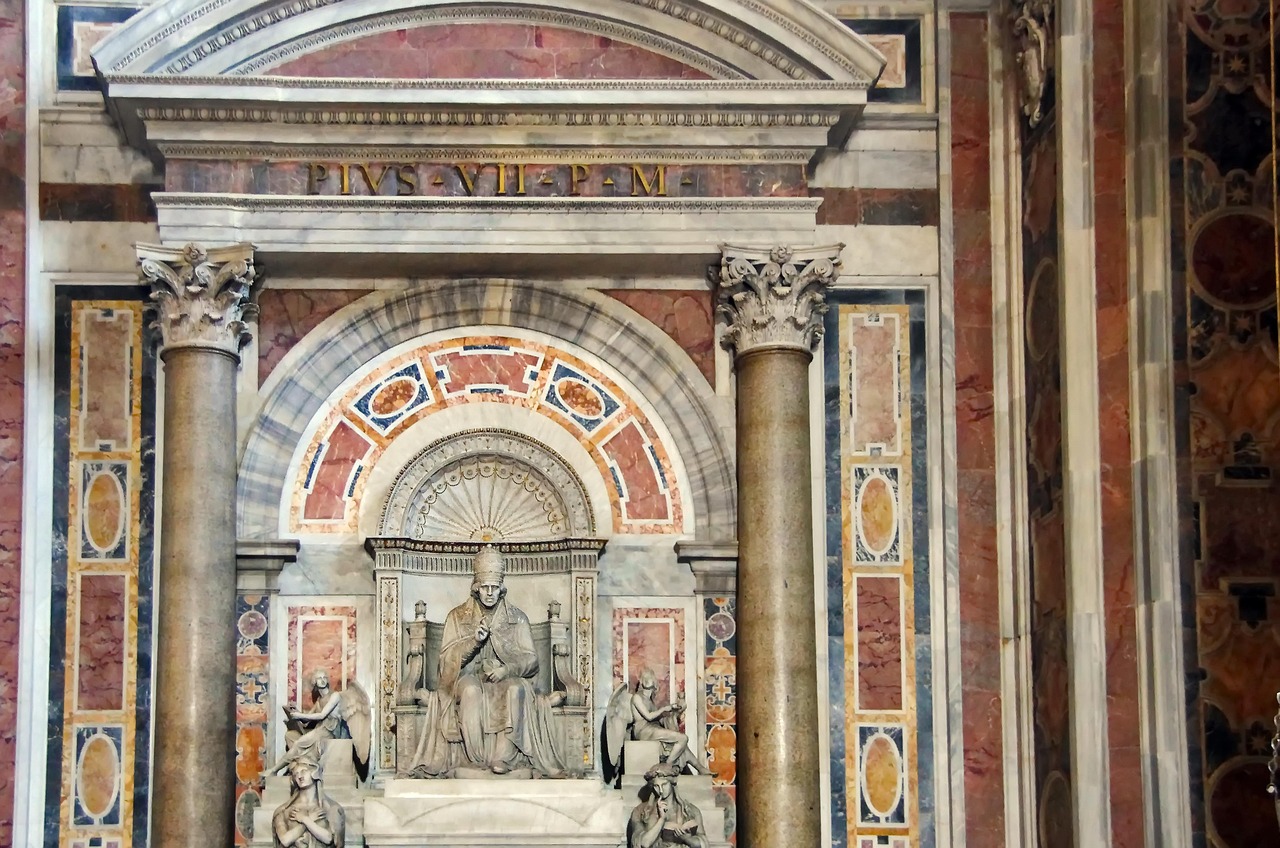
The papal basilica heart: altar focus, tomb tradition, and quiet power
This is where the experience becomes more than a checklist—it becomes a lived sense of place. As a papal basilica, Saint Peter’s holds a particular role in Catholic tradition, and the atmosphere near the main altar often feels like the heart of christianity for visitors who arrive with faith, curiosity, or simply awe. You don’t need to be religious to feel the weight of meaning here; you only need to be attentive.
Gian Lorenzo Bernini and baroque style: how to read the baldachin
Gian Lorenzo Bernini created the great baldachin as a theatrical frame for the altar, and the baroque style is all about movement—spiralling columns, rising lines, a sense of the divine made visible. Stand a little to one side, then look up slowly. Let your eyes trace the twisted bronze, the bees of pope urban VIII, and the way the canopy gathers the whole basilica into one focused moment.
Architecturally, you’re standing in a story that spans centuries. The original basilica, linked to emperor constantine the great in the 4th century after 313 ad, eventually fell into disrepair, and a grand rebuilding began in 1506 under pope julius ii. Masters including bramante, raphael, antonio da sangallo the younger, giuliano da sangallo, and carlo maderno shaped the plan; later, the great dome vision was advanced by Michelangelo’s circle and completed by giacomo della porta, and the basilica was built to its solemn completion and consecration in 1626. In older histories you may see references to the roman emperor constantine and simply constantine—all pointing back to the same turning point.
Behind the altar: the apostle Peter, Vatican Grottoes, and Vatican necropolis
People often ask what behind the altar means here. In visitor terms, it’s the symbolic centrepoint above the tradition of the tomb of saint peter—Peter’s basilica rising like a shrine over the memory of the apostle and his martyrdom. The story reaches back into ancient roman history, through tales of nero and the early community that gathered around peter and paul.
Then you can uncover a quieter layer: the vatican grottoes. The mood shifts as you descend—less spectacle, more intimacy—passing chapels and memorials of popes and saints, and pausing near more than one tomb with names that still carry meaning. It can feel unexpectedly personal, as though the grand basilica has led you to a whisper beneath its own voice.
If you want deeper historical context, the vatican necropolis is distinct from the Grottoes and strictly limited-access. It’s an expert-led experience that requires planning well ahead, but for some travellers it offers the most grounded sense of continuity between the city’s layers and the tradition of a tomb of saint beneath.
After the hush below, many adventure seekers feel the pull upwards—the next chapter is literal ascent, and it’s one of the most thrilling ways to meet the skyline.
Saint Peter dome climb – tickets, stairs vs lift, and views to the top of the cupola
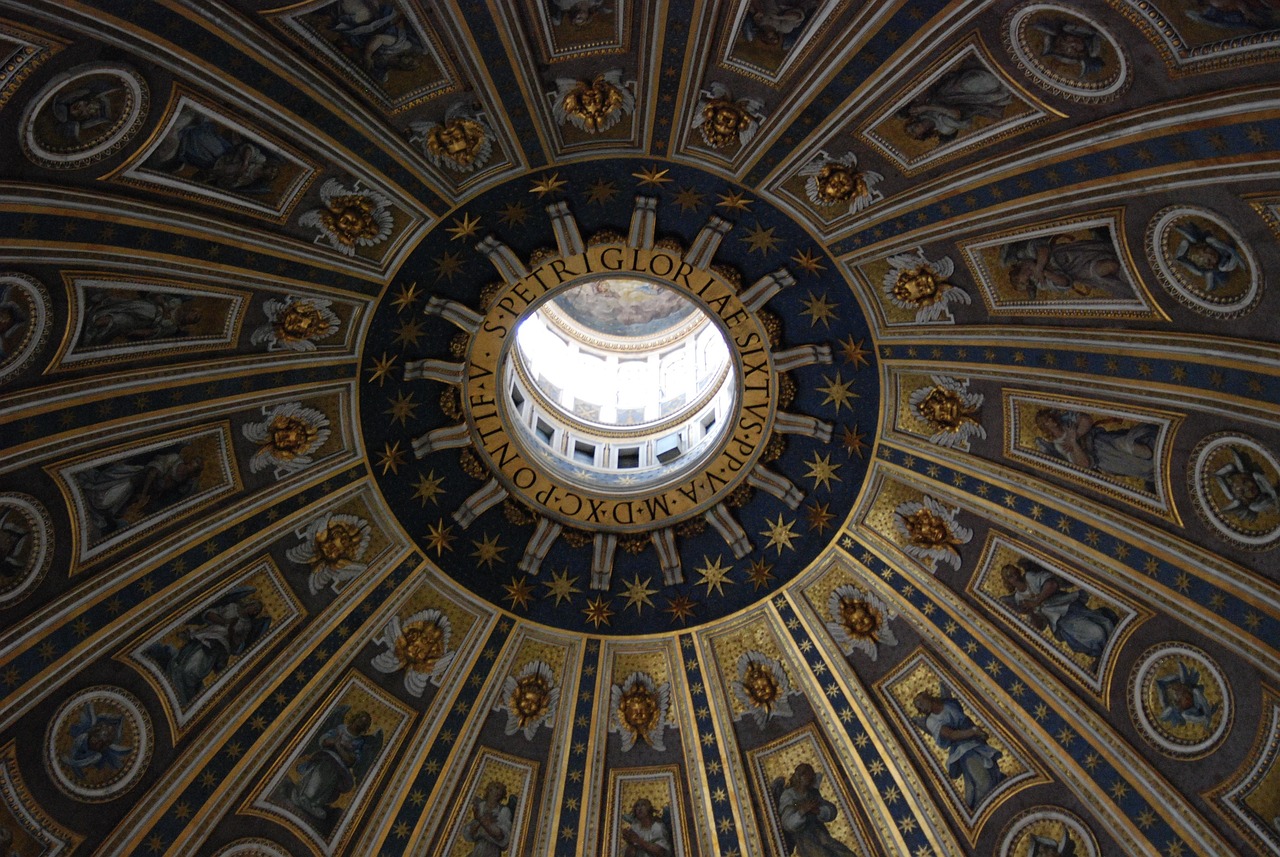
Dome climb: the top of the cupola and the view across the Eternal City
If you’re weighing the dome climb—tickets, stairs, lift, and that sunrise dream—know this: it’s one of the most rewarding “small challenges” in the eternal city. The dome is not just a viewpoint; it’s a journey through space and structure, where you feel the building’s engineering under your feet. For many, it’s the moment the basilica becomes not only grand, but alive.
Stairs vs lift: choosing the right dome route for your day
You typically have two options: stairs all the way, or lift plus a shorter stair section. Choose with care and confidence. If you’re fit and love a challenge, full stairs can feel like a private adventure; if you’re managing knees, heat, or time, the lift is a seamless support without taking away the sense of achievement.
- Full stairs: best for energetic travellers who enjoy steady climbing and want to feel they earned every view.
- Lift + stairs: ideal if you’re comfortable with some steps but prefer to save energy for the narrow upper sections.
- If you’re claustrophobic: the highest passages can tighten and curve; go slowly, keep breathing steady, and step aside when needed.
Sunrise, wind, and the view from Saint Peter’s dome
One adventure seeker shared climbing at dawn and watching sunrise spill across rooftops, describing it as “magical” in the simplest, truest sense. Up high, the wind changes the soundtrack—less chatter, more sky. When you reach the top of the cupola, Saint Peter’s Square becomes a geometric artwork beneath you, and the city stretches out in soft terracotta and distant silhouettes.
Architecturally, the dome is famously designed by michelangelo, later advanced by giacomo della porta. Feeling the curve close around you as you spiral upward is part of the wonder; you’re inside a masterpiece, not simply looking at one.
To keep the climb safe and joyful together: wear shoes with grip, carry a small water bottle, and pace your steps on the tight turns. Pause at landings, not in pinch points. And if your legs wobble slightly at the height, let that be part of the thrill—adventure doesn’t always roar; sometimes it simply breathes.
Once you’re back on level ground, the day opens up. A few practical choices will help you explore with ease—without rushing what you came to feel.
Visit tips for this basilica in Rome Italy – dress code, Metro Line A, Santa Maria Maggiore, Saint Paul
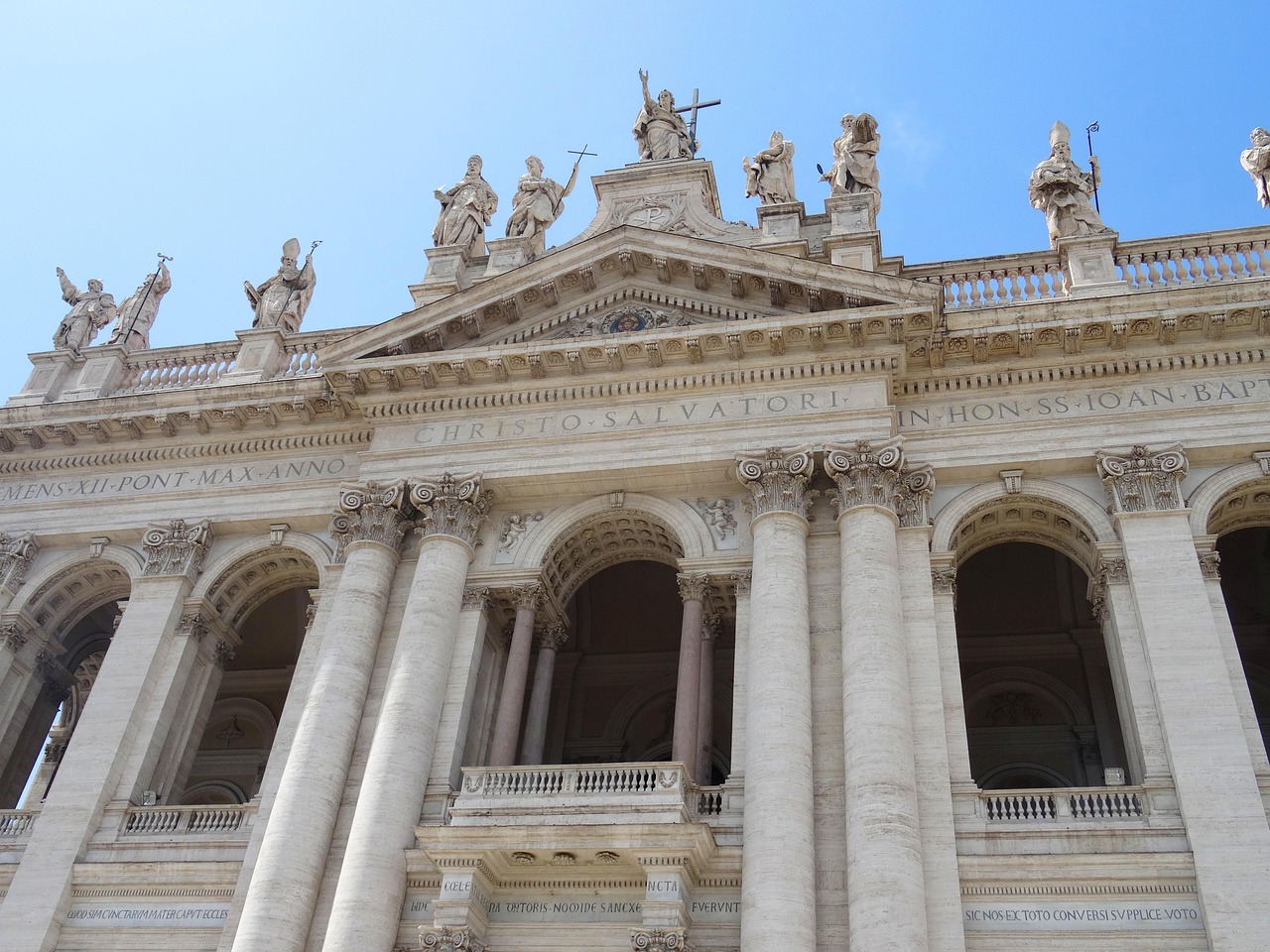
Planning essentials: dress code, Metro Line A, and other major basilicas
For a truly seamless day, treat this as your practical compass: timing, transport, respect, and the option to widen your basilica story beyond Vatican City. With a few grounded choices, you’ll explore more and queue less, while keeping the experience unhurried—especially if you’re visiting st peter’s basilica for the first time.
Queues, timing, and what not to bring to security
Plan early morning or late afternoon for the calmest flow. Queues typically gather before security, then again for the dome ticket point. Entry is free, but the dome climb has a fee, and timed arrival makes everything feel kinder.
Pack smart to build trust with the process: avoid large bags, sharp objects, and anything that will slow checks. Bring only essentials, and keep them easy to present. You’ll move faster, and your attention can stay on what you came to discover.
Dress code confidence and getting there on Metro Line A
Dress modestly—shoulders and knees covered—framed as confidence through consideration, not restriction. A light scarf can be an elegant fix if you’re visiting in warm weather. For transport, Metro Line A to Ottaviano–San Pietro is the simplest route, followed by a short walk through Prati. A local tip: pause for a calm espresso and a pastry on the side streets near Ottaviano, then arrive at the square already settled.
If you’re visiting during a Jubilee year, watch for the holy door tradition and related crowd patterns. Even without special events, this is a place where a little planning becomes a form of care.
To zoom out, remember there are four papal basilicas in rome. This one is one of the four, alongside the archbasilica of the most holy holy savior with saints john the baptist and the evangelist in the lateran (near the lateran palace), the basilica of saint mary major (also known as santa maria maggiore), and saint paul outside the walls (San Paolo, connected to paul’s story and mission). If your time allows, pairing this visit with the Basilica of Saint Mary Major creates a beautiful contrast of atmosphere and art.
Guided tours are worth it if you want confident, expert context—especially for first-timers. Choose a guide who limits group size, speaks clearly about what you’ll see, and leaves space for quiet moments. The best tours don’t hurry you; they support you in noticing more.
If you’d like to imagine your wider Italy journey, you can browse our Trip gallery and start designing a route that balances culture with a sense of adventure.
What stayed with me after this basilica visit – reflections from Rome Italy
Long after the visit, what returns is not a checklist but a feeling—warm light on stone and a sense of space that lingers. Standing beneath that vast canopy quietly changes your definition of “big”. Not big as in loud, but big as in spacious—room enough for awe, for questions, for beauty that doesn’t need to prove itself.
I remember watching faces tilt upward in the same instinctive motion, strangers momentarily united by wonder. And I remember how small human details held the day together: the Swiss Guards at the entrances, steady and kind, offering directions with an ease that felt like trust made visible. In places of grandeur, it’s often that gentle care that reassures you the most.
There’s also a particular stillness that can arrive unexpectedly. Some travellers find themselves in the square during the Sunday Angelus and realise they’re witnessing a papal moment without having planned it—no fanfare, just a shared hush settling over a crowd. It’s less about instruction and more about atmosphere, as if rome’s heartbeat pauses for a breath.
When I think of Saint Peter’s Basilica now, I don’t only think of marble or masterpieces. I think of how the light moved, how time slowed, and how a single basilica can widen your inner landscape. Somewhere ahead in Italy, another door will open—quietly—and you’ll know how to step through it with curiosity.
F.A.Qs: Basilica Rome Italy and the Vatican
FAQ: key questions about the basilica, Vatican City, and planning
What is the famous basilica in Rome?
The most famous basilica for many travellers is Peter’s basilica in Vatican City, world-renowned for its immense scale, Michelangelo’s sculpture, and the landmark dome above the square. It’s a papal site and a major destination for art, architecture, and spiritual heritage, built over the tradition of the tomb.
Is the basilica in Rome free?
Entry to the basilica is free, but you should expect airport-style security checks. There is a separate fee if you choose to climb the dome (stairs or lift plus stairs), and specialist experiences, like the Vatican necropolis, require paid, limited-access booking.
What are the 4 major basilicas in Rome?
The four major basilicas are Saint Peter’s Basilica, the Archbasilica of the Most Holy Saviour with Saints John the Baptist and the Evangelist in the Lateran, the basilica of saint mary major, and saint paul outside the walls. Each offers a different atmosphere, history, and artistic focus.
Is the basilica the same as the Vatican?
Not exactly. Vatican City is the independent city-state, while the basilica is one of its most important sites. The Vatican also includes places such as the Vatican Museums and administrative areas, so the basilica is part of the Vatican, but not “the whole” Vatican.