Post Contents
- Attractions in Rome Italy: Best Things & Favorite Things to Do in Rome – Luxury Travel Guide
- Colosseum Nights: Visiting the Colosseum After Hours – Guided Tour in the Heart of Ancient Rome
- Visit the Vatican with Quiet Confidence: Vatican Museum Highlights, Vatican Museums & Sistine Chapel
- Grand Piazzas and Iconic Fountains: Pantheon, Trevi Fountain, Spanish Steps & Piazza Navona
- Museums and Gardens at Villa Borghese: Borghese Gallery Elegance and Best Places to Visit
- Borghese Gallery timed entry: tickets well in advance and ideal time slots
- Art across Rome: one of our favorite Caravaggio moments beyond the museum walls
- Villa Borghese strolls to Piazza del Popolo: park calm and perfect symmetry
- Optional add-on museum stop: Castel Sant’Angelo for history and river views
- Trastevere by Night: Local Flavour, Italian Food, and a Curated Food Tour
- How to Design a Seamless High-End Stay in Rome: Transport, Tickets in Advance, and Travel Guide Tips
- Where to stay in Rome: choosing the right neighbourhood for pace and sleep
- Luxury car hires and chauffeurs: smooth transitions between museums, lunch, and evenings
- Ticketing strategy: book tickets in advance, avoid queues, and protect your mornings
- Style and safety: reassurance without anxiety in busy areas
- What Stayed With Us After Rome: the feeling of the Eternal City
- F.A.Qs: attractions in rome italy
Attractions in Rome Italy: Best Things & Favorite Things to Do in Rome – Luxury Travel Guide
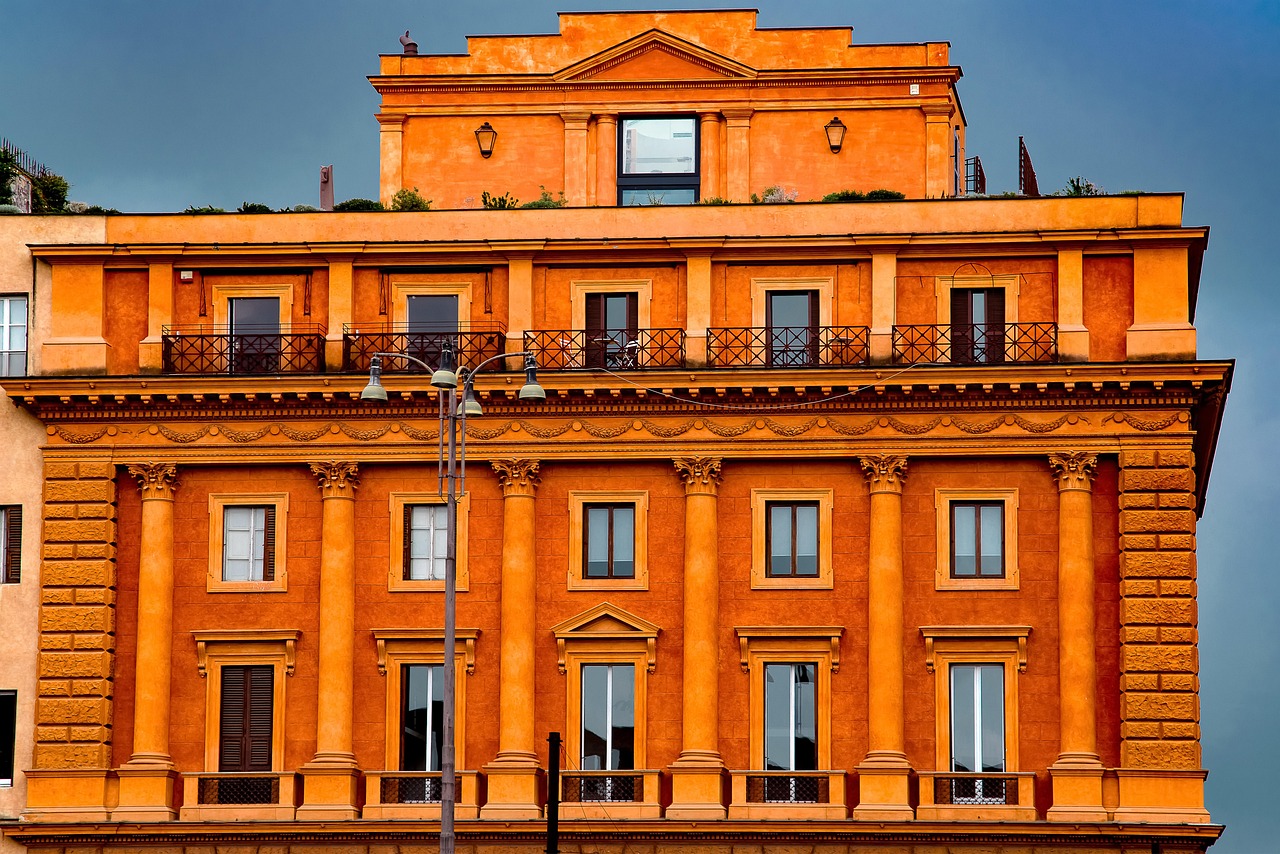
Attractions in Rome Italy: best things to do in Rome with a luxury travel guide
The city of Rome is a study in contrasts—ancient Rome stonework beside modern design, grand basilicas a few steps from intimate cafés—and that’s exactly why the most rewarding things to do in Rome begin with your own interests. If you’re drawn to art, we’ll point you towards museum hours that feel civilised and galleries that reward slow looking. If faith and history matter most, we’ll help you navigate the Vatican with confidence. And if it’s food and atmosphere you’re after, you’ll find a local rhythm that feels effortless rather than rushed.
For high-end travellers, the goal isn’t to chase every landmark. It’s to choose each attraction in Rome for impact, then build breathing space around it—so this destination reveals itself in layers rather than in lists, and you experience the Eternal City with ease.
Best time to visit Rome: when it’s possible to visit top sights with comfort
The best time to visit is typically April to June or September to October, when the light is soft, evenings are long, and walking between sights feels comfortable. These shoulder seasons make it far more possible to visit headline places early, pause for a proper lunch, then drift into an evening aperitivo without feeling depleted. If you visit Rome in peak summer, you can still travel well—you simply need earlier starts, longer mid-day breaks, and stronger planning support.
Rome is the capital of Italy, and it behaves like one: always alive, always in motion. A calm plan is not about doing less; it’s about choosing the way to experience Rome that suits you, and letting the city meet you there.
A high-end Rome itinerary for 2–5 days: centre-of-city pacing and best places
Think of your Rome itinerary as a series of beautifully timed windows. For a 2-day visit, prioritise the Colosseum and Roman Forum, plus a Vatican morning. With 3–5 days, add a museum day at Villa Borghese, a piazza-and-fountain loop, and a Trastevere evening you don’t rush. The center of rome is wonderfully walkable, and the most memorable moments often happen between landmarks—down a quiet lane, inside a courtyard, or at a corner table. If you’re looking for a single place to visit that gives you “Rome in one glance,” choose a viewpoint and let the skyline do the talking.
- Free to enter: many churches, including art-rich interiors, are free when you step in respectfully.
- Free to visit: piazzas, fountains, viewpoints, and river walks that deliver atmosphere without queues.
- See and what to skip: if crowds spike, keep one flexible slot each day so you can swap plans without stress.
If you’re mapping a broader Italy itinerary, Rome is a superb anchor: arrive well, settle in, then connect onwards with ease. For inspiration across places to visit in italy, you can browse our Italy travel trip gallery and start imagining how Rome fits into your time in Italy.
Book your tickets early: tickets in advance, backup plans, and calm concierge support
For headline museum entries and time-sensitive experiences, book your tickets as early as you can—ideally securing tickets in advance for mornings when you want the calmest flow. When tickets are sold out for popular time slots, a trusted concierge can often support with vetted partners, alternate entry windows, or a different sequence that still feels seamless. This matters most for the Vatican and the Borghese Gallery, where strict timed entry is part of the system.
The most reassuring approach is to commit to two “fixed” mornings and leave the afternoons softer—so your high points don’t become a race. Rome is generous when you give it time.




Colosseum Nights: Visiting the Colosseum After Hours – Guided Tour in the Heart of Ancient Rome
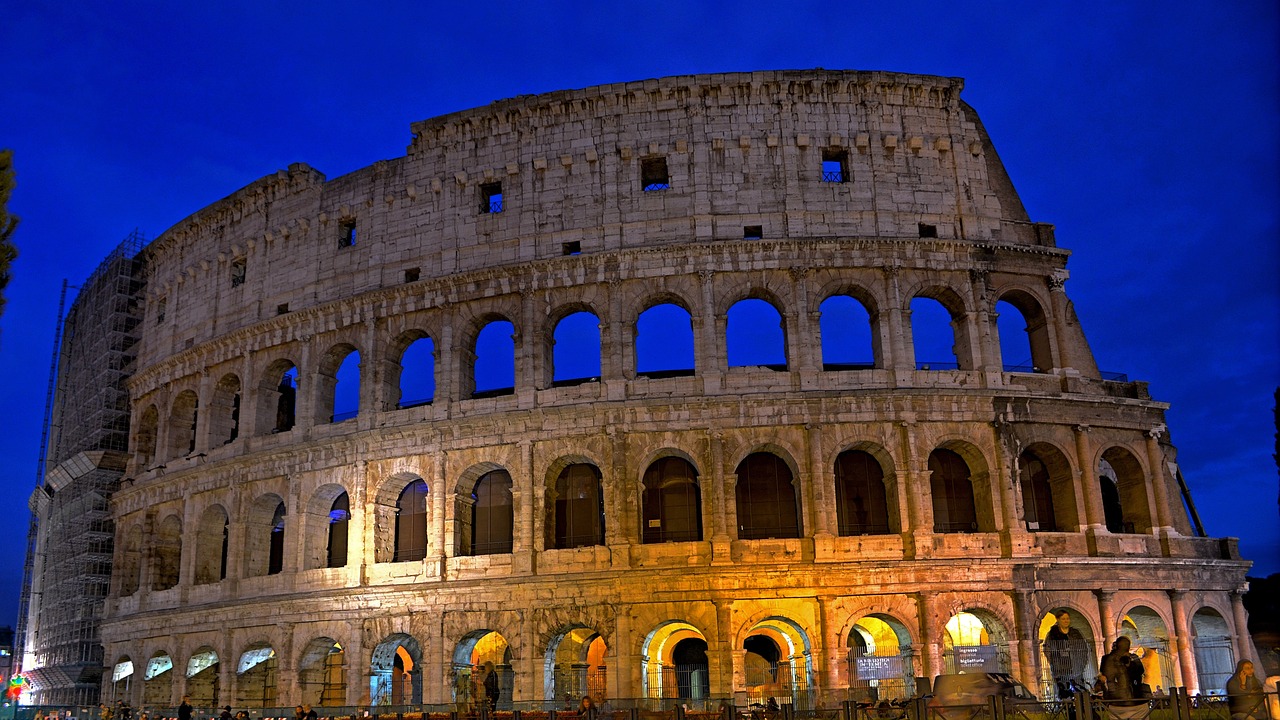
Colosseum Nights and the heart of ancient Rome with a private after-hours guided tour
For many travellers, the most powerful visiting the colosseum private after-hours tour Rome Italy moment is not the first glance in daylight—it’s stepping inside when the crowds fall away. A private, after-hours guided tour transforms the colosseum from a popular tourist backdrop into something intimate and almost theatrical. With fewer voices echoing through the arches, you can hear your guide’s insight, feel the scale, and take photographs without the usual pressure.
This is one of the best things that is genuinely well worth the time for high-end travellers. You’re not paying for speed; you’re paying for space, trust, and context—so the amphitheatre becomes a story rather than a queue.
Colosseum and Roman Forum circuit: Palatine Hill viewpoints and the story of the empire
Pair the colosseum with the colosseum and roman forum circuit for a full sense of the heart of ancient rome. In the roman forum, your guide helps you read each ruin—what was once a basilica, what was a triumphal route, what was daily life in the roman empire. From palatine hill, the city’s layers make visual sense: imperial ambition below, modern Rome all around.
When you walk this area slowly, you understand why the Roman Forum is not just something to see in rome, but a place to feel your own scale against history. Allow time to pause at viewpoints and let the narrative land.
Colosseum tickets, timed entries, and how to book with confidence
For premium slots, you’ll often need colosseum tickets and a timed entry arranged at least 30 days in advance, especially in peak months. You can check tickets online, but for private access, most travellers prefer an expert to manage the details. In practice, you may still be asked to buy tickets under your name and match ID on arrival, which is normal and easy when prepared.
If you’re travelling during school holidays or major events, need to book tickets earlier than you think and keep a backup plan ready—Rome always gives you options, and a good concierge will hold them together with calm support.
A personal sunrise Vespa memory: Circus Maximus, Giardino degli Aranci, and best views
A luxury traveller once told us their most vivid memory was not a gala dinner, but a private Vespa tour at sunrise—Rome newly awake, streets quiet, light touching the stone. They circled near circus maximus, then paused for a breathtaking stop at giardino degli aranci, where the horizon softens and you get a wide view of rome without distraction. In moments like that, the Colosseum feels less like a monument and more like a companion—always present, always quietly astonishing.
It’s a gentle reminder that Rome’s best views don’t always demand a ticket—just timing, taste, and a little expert planning.
Visit the Vatican with Quiet Confidence: Vatican Museum Highlights, Vatican Museums & Sistine Chapel
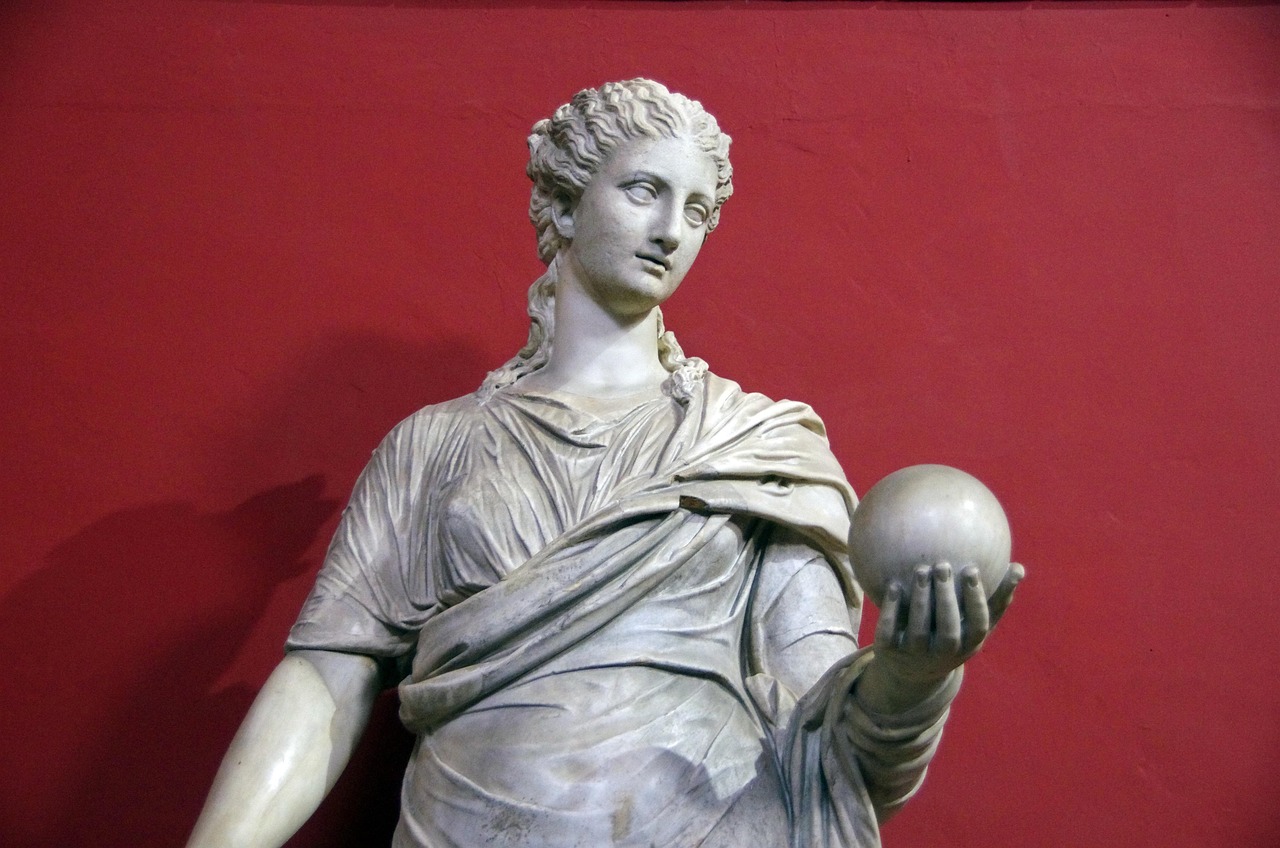
Visit the Vatican with Quiet Confidence with skip-the-line Vatican Museums and Sistine Chapel
A well-planned visit the vatican skip-the-line Vatican Museums Sistine Chapel Rome Italy morning is one of the most meaningful ways to explore the city of rome—especially when you protect your energy. The vatican can be intense: long corridors, heavy symbolism, and crowds that arrive in waves. With skip-the-line access and an expert guide, you’ll move with calm confidence and avoid the feeling of being swept along.
Our preferred rhythm is simple: start early, follow a curated vatican museum route, and keep your focus on a handful of masterpieces rather than everything at once. The result is more personal, more spacious, and far easier to enjoy.
Vatican Museums: museum pacing, guided routes, and energy-smart planning
The vatican Museums are effectively a city of art within the city, so treat it like a marathon you’re allowed to walk. An expert-led plan reduces backtracking and keeps you away from bottlenecks where possible. If mobility is a concern, ask in advance about lifts and step-free options; the Vatican is used to supporting visitors, but you’ll feel more reassured when it’s arranged ahead.
For a high-end experience, the luxury is not only skipping queues—it’s having your guide translate what you’re seeing. Suddenly a tapestry is political, a ceiling is an argument, and a corridor is a timeline inside a world-class museum.
Sistine Chapel and Raphael Rooms: how to pause and actually absorb the art
The sistine chapel can feel overwhelming if you arrive already tired, which is why pacing matters. Let your guide set a short moment of stillness so you can simply look up and discover the detail without distraction. From there, the flow into the Raphael Rooms becomes more coherent: you’ll recognise raphael not as a name to tick off, but as a mind in conversation with his time.
These are museum moments that reward patience. When the crowd shifts, even slightly, it can feel like a curtain lifting—briefly, beautifully—before the next wave passes through.
St Peter’s Basilica: the dome climb, dress code, and accessible options
From the Museums, continue to peter’s basilica, where the space opens and the sound changes. If you want to climb, the dome is extraordinary—yet it isn’t essential for everyone. For some, the better choice is to remain on the floor level, take in the art and light, and let your guide point out details you would otherwise miss in this iconic museum-level setting.
Dress codes are enforced: cover shoulders and knees, and bring a light layer in warmer months. If you need accessibility support, arrange it ahead and you’ll find the Vatican staff generally helpful and professional when approached with respect.
A solo traveller at a papal audience in San Pietro: a quietly moving morning
A solo traveller once described attending a papal audience in St Peter’s Square as unexpectedly moving. They spoke about arriving early, taking their seat with water and a scarf, and feeling a deep connection to history as the vatican rituals unfolded around them. In san pietro, the experience can be quietly profound—less about spectacle, more about shared human emotion.
Respectful preparation builds trust: know the security rules, dress appropriately, and allow time for the atmosphere to settle. In Rome, care is often the difference between seeing something and feeling it.
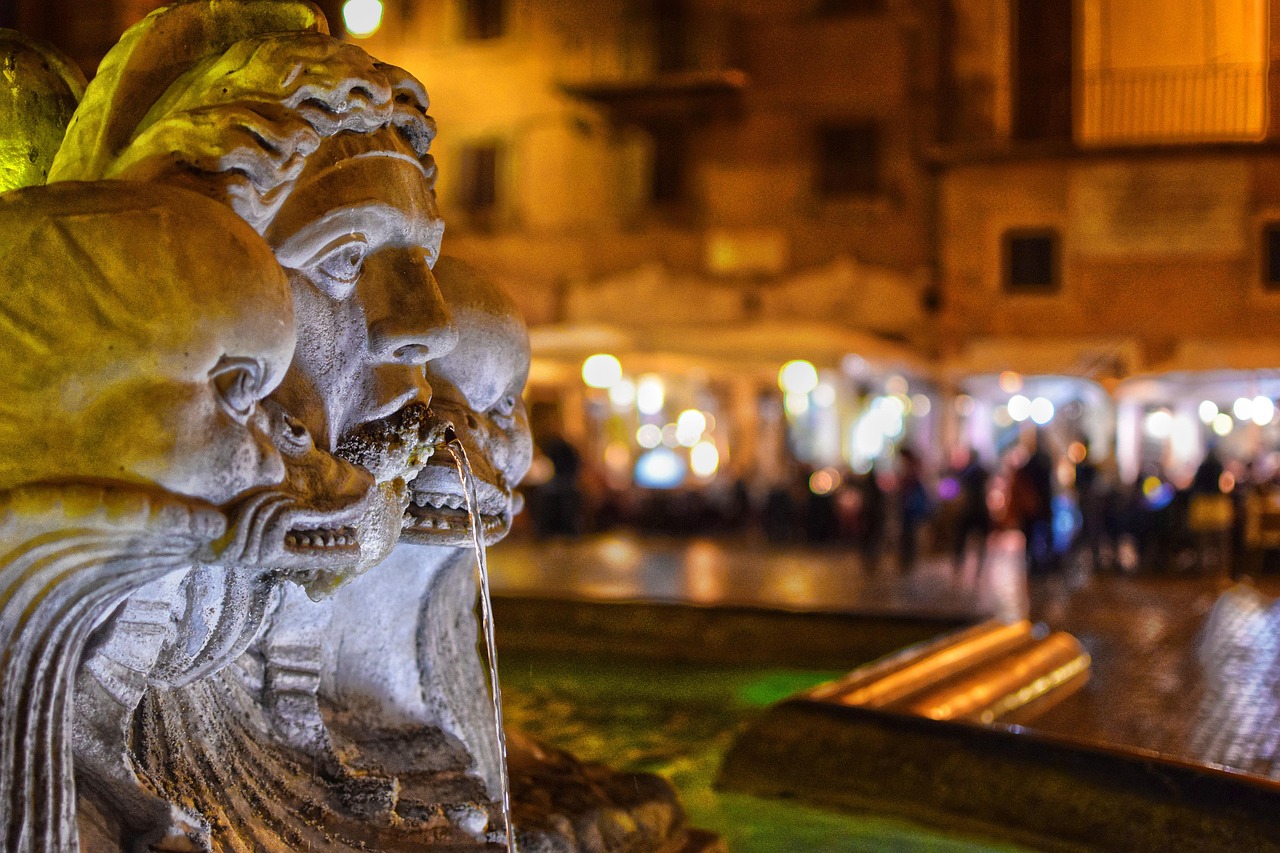
Rome’s grand piazzas and iconic fountains from the Pantheon to Piazza Navona
If your ideal day is a beautiful walk with café pauses, boutique browsing, and a little theatre, this is where pantheon trevi fountain spanish steps piazza navona attractions Rome Italy comes alive. These are classic tourist attractions, yes—but with the right timing they feel elegant rather than chaotic. The trick is to treat the historic centre as a loop, not a sprint, and to build in small comforts: a reservation for lunch, a gelato stop, and time to simply watch the city moving around you.
It’s also where Rome is a city full of cinematic light, especially when you wander with a plan in your pocket and freedom in your pace. It’s a surprisingly luxurious way to see the city without over-scheduling.
Begin at the pantheon, where the scale is startling and the engineering still feels modern. From there, drift towards piazza navona via side streets that hold small ateliers and quiet churches. This is a gentle place to discover details: carved doorways, artisan leather, the scent of coffee, and the hush you can still find if you step one street away from the main flow.
If you want a quick history thread, note how these piazzas sit on older bones—Rome often builds beauty on top of beauty. It’s an easy way to spot ancient Rome in plain sight without needing a formal museum visit.
Trevi Fountain: arrive early, throw a coin, and leave with grace
The trevi fountain is unforgettable, but timing is everything. Arrive early in the morning, enjoy the sound of water before the crowds swell, then do the small ritual: throw a coin, smile, and step away into quieter lanes. This turns a popular tourist moment into something personal, a soft promise rather than a noisy photo stop.
For high-end travellers, grace is a form of luxury—knowing when to be present, and when to move on.
Spanish Steps and Piazza di Spagna: style, comfort, and the best angle
At the spanish steps, the joy is in choosing your angle. Head towards the top of the steps for a classic perspective and a calmer pause, then drift down to piazza di spagna for people-watching. Wear comfortable, polished shoes suited to cobblestone streets; it’s a small decision that keeps the day feeling effortless.
Nearby, consider a quick stop at Piazza Venezia to see the Vittoriano. The Monument to vittorio emanuele ii—often just called vittorio—is tied to unified italy and the story of the first king of italy. Even if you don’t go in, it adds a fascinating layer to your sense of place.
A rooftop dinner story: Roman Forum ruins at blue hour
A couple once recounted a candlelit dinner overlooking the roman forum from a rooftop terrace—an evening of slow courses, soft conversation, and that particular Roman blue hour when stone seems to glow. It wasn’t about doing more; it was about being exactly where they were, together, with the city opening out beneath them.
In Rome, romance often arrives as light, not as spectacle.
Museums and Gardens at Villa Borghese: Borghese Gallery Elegance and Best Places to Visit
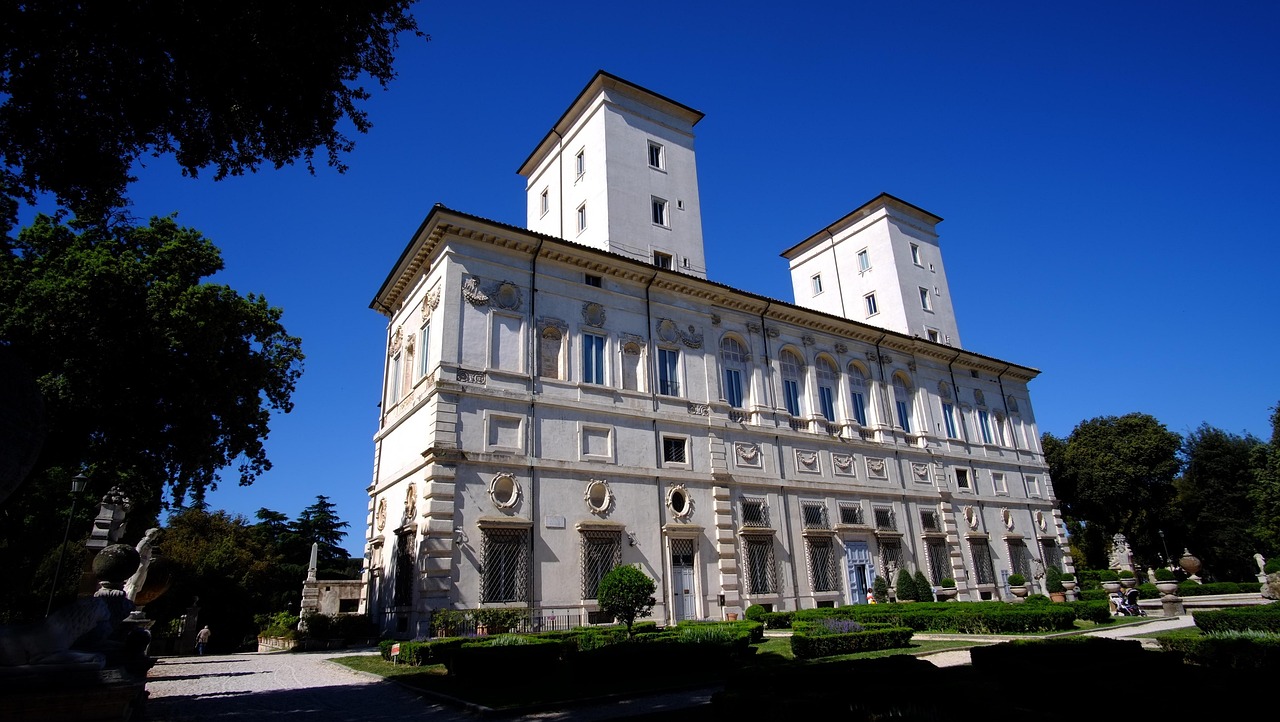
Museums and gardens at Villa Borghese with Borghese Gallery elegance
For travellers who love art with breathing room, borghese gallery museum villa borghese best places to visit Rome Italy is a perfect chapter of the city. The borghese gallery is a jewel-box museum where timed entry shapes the experience: fewer people at once, more time to look, and a natural sense of occasion. It’s one of the best places to visit when you want to feel close to masterpieces rather than simply pass them, and it belongs on any list of best places for art lovers.
Because tickets are limited, this is where planning becomes an act of care. When arranged well, the day feels quiet, elegant, and deeply rewarding.
Borghese Gallery timed entry: tickets well in advance and ideal time slots
Expect strict time slots and an enforced exit time, which is exactly why the Borghese works so beautifully. To secure the best entry window, you’ll want tickets well in advance, especially in spring and autumn. Many high-end travellers choose the first entry of the day, then follow with a long lunch and a slow garden walk—saving the best energy for the art itself.
If your preferred time is gone, don’t panic. A concierge can often suggest a nearby museum or gallery stop to keep the day balanced and still feel curated.
Art across Rome: one of our favorite Caravaggio moments beyond the museum walls
Rome’s art isn’t contained only in formal museum buildings. One of our favorite approaches is to weave in a single church visit for a caravaggio moment—quiet, dramatic, and surprisingly intimate. With an expert route, you can discover works you’ve seen in books, but in a setting that still holds real devotion and everyday life.
It’s also an antidote to crowds: a small pause that restores your senses before you continue exploring.
Villa Borghese strolls to Piazza del Popolo: park calm and perfect symmetry
After the Gallery, villa borghese is your exhale. The park gives you shade, space, and a slower tempo—ideal if your trips to rome are designed around wellbeing as much as culture. Continue down towards piazza del popolo for symmetry and a polished kind of people-watching; it’s a lovely place to sit with something sparkling and let the afternoon drift.
If you want a gentle add-on later, return to giardino degli aranci at sunset for a softer, more local mood.
Optional add-on museum stop: Castel Sant’Angelo for history and river views
For riverfront perspective, castel sant’angelo offers a satisfying sense of continuity: ancient fortification, Renaissance echoes, and views that fold the city together. It’s not essential on every visit rome plan, but it’s a strong choice when you want to stay outdoors and still enjoy a compact museum experience.
Trastevere by Night: Local Flavour, Italian Food, and a Curated Food Tour
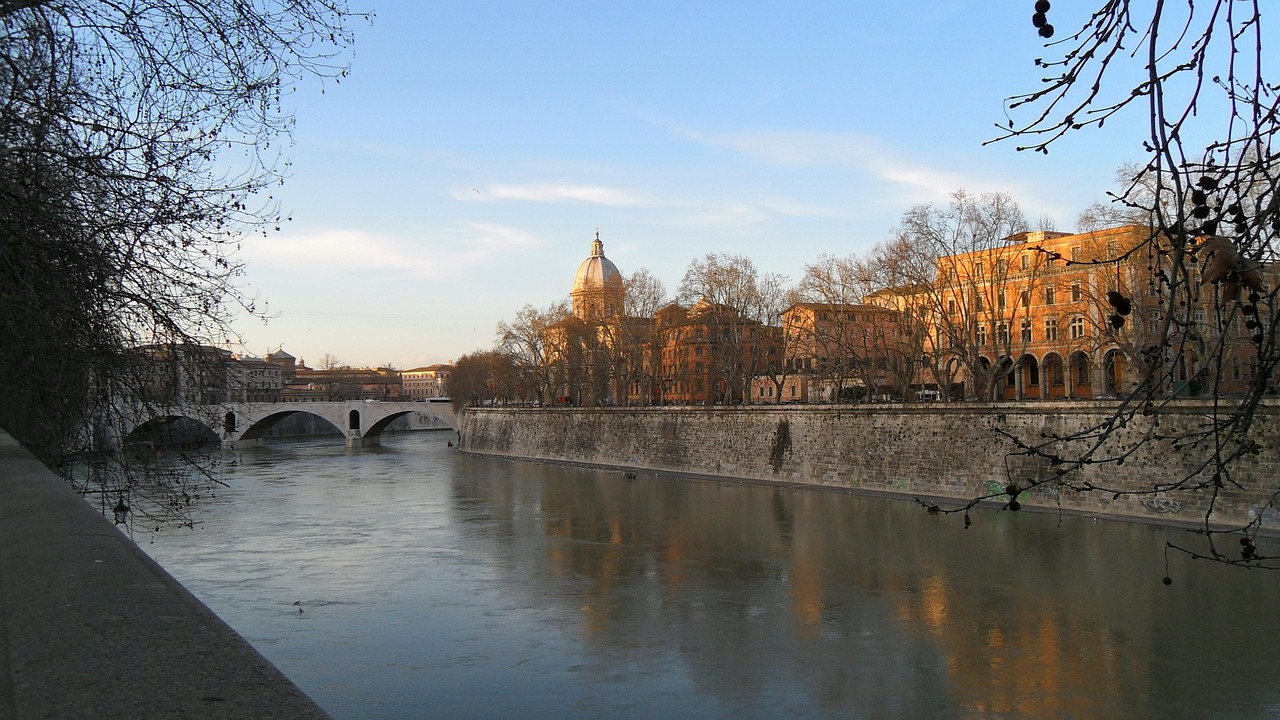
Trastevere by night: local flavour and a curated food tour through lantern-lit streets
For many travellers, the most memorable evening comes from leaning into atmosphere, and trastevere rome food tour in trastevere italian food tour in trastevere Italy delivers it with warmth. Trastevere has a lived-in charm—small piazzas, artisan corners, and that golden glow after dark that makes the neighbourhood feel like a set designed for real life. It’s a place to slow down, explore side streets, and let dinner become the main event built around excellent italian food.
The secret is to keep it local and intentional. Avoid the obvious menus on the busiest lanes and you’ll uncover a Rome that feels like it’s welcoming you in.
A Rome food tour in Trastevere: private tastings and Italian food craftsmanship
A rome food tour in trastevere works beautifully on your first night, when you want orientation without pressure. Choose a private food tour that focuses on craft—seasonal tasting menus, thoughtful wine pairings, and kitchens that cook with quiet pride. The best guides create space for conversation and adapt to you, whether you want fine dining polish or a more relaxed crawl of small plates.
It’s also a wonderfully reassuring way to discover places you might not have booked confidently on your own.
One practical rule: avoid dining right beside major landmarks, where menus can drift towards the generic. Instead, book reservations at locally recommended restaurants and let your concierge design a seamless plan—pre-dinner cocktails, a timed table, and a short walk for gelato afterwards. When done well, it feels effortless, and you move through the city with support rather than stress.
- Ask for two options: one classic Roman menu and one more modern chef-led table.
- Request a quiet corner table if you’re celebrating something personal.
- Build in a short scenic walk so the evening doesn’t feel confined to one room.
Tour in Trastevere nightlife: cocktail stops, live music, and discreet comfort
For a gentle nightlife plan, consider a curated tour in trastevere that threads together cocktail bars, live music pockets, and one late-night bite. Keep your belongings secure and stay aware as you would in any busy quarter; the goal is vigilance without anxiety. If you’re crossing back towards the centre, passing campo de’ Fiori can be a lively final note—then it’s back to your hotel with the quiet satisfaction of having done the evening well.
Rome rewards those who move with confidence, together or solo, and who prioritise care as much as style.
How to Design a Seamless High-End Stay in Rome: Transport, Tickets in Advance, and Travel Guide Tips
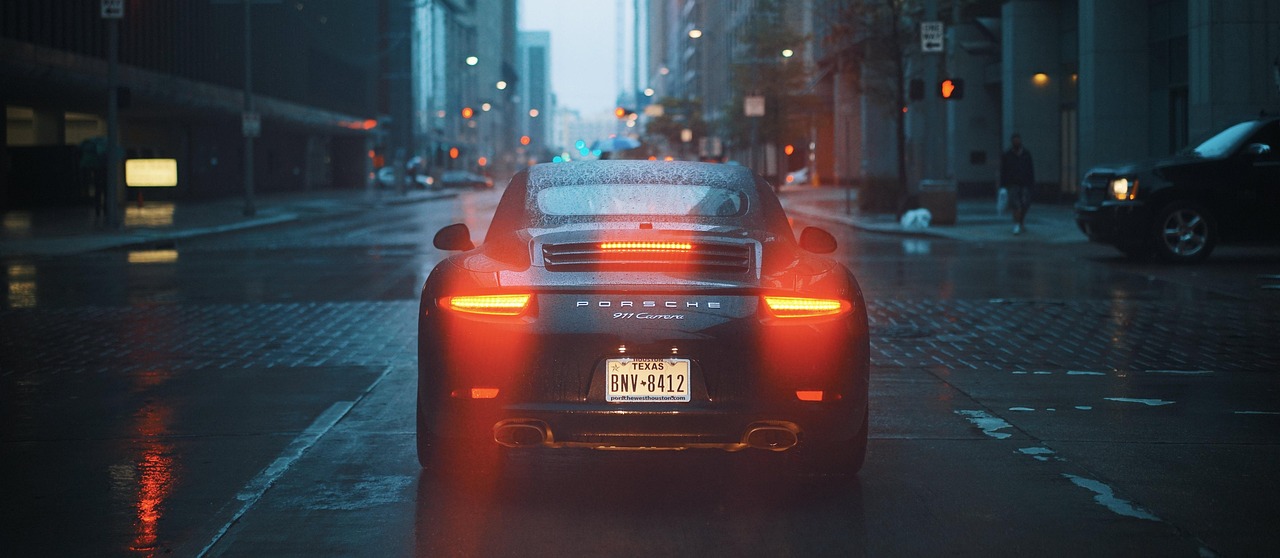
How to design a seamless high-end stay in Rome with luxury transport and ticket planning
The difference between a good trip and a truly restorative one often comes down to logistics, and stay in rome luxury transportation tickets in advance Rome Italy travel guide planning is where you can create real ease. A high-end stay should feel crafted but not controlled—museum mornings that start smoothly, transfers that arrive on time, and dinners that never require you to negotiate or rush. This is how you protect your energy and keep the city feeling generous.
Think of it as designing a quiet structure that supports spontaneity, rather than replacing it.
Where to stay in Rome: choosing the right neighbourhood for pace and sleep
Choosing where to stay in rome is about more than postcode. Some travellers want “centre-of-everything” convenience, stepping out into the morning straight into the piazzas. Others prefer a quieter street where sleep quality is protected, and they can return each night to calm. Both can be luxurious—what matters is matching your hotel to your pace, and to the spots in rome you plan to revisit.
If you’re sensitive to noise, request an inner courtyard room. If you’re celebrating, a terrace can transform the entire feeling of your stay.
Luxury car hires and chauffeurs: smooth transitions between museums, lunch, and evenings
For transportation, luxury car hires and chauffeured services can beat taxis when your schedule is layered: a museum at 09:00, lunch across town, then a dress-up dinner. The best drivers help the day run quietly in the background, and you arrive unflustered. It’s also helpful when you’re balancing the Vatican, the Borghese, and evening plans—especially if you’re travelling with family or carrying shopping.
Ask your hotel to coordinate pick-up points clearly; Rome’s one-way streets can be confusing even for confident travellers.
Ticketing strategy: book tickets in advance, avoid queues, and protect your mornings
To keep your days calm, book tickets in advance for headline entries. This is especially true for the vatican: confirm your tickets for the vatican and choose early slots, then keep afternoons flexible. For the Colosseum, plan the after-hours tour and leave the next morning free for a slower walk and lunch.
As a rule, confirm key entries at least a few days in advance even once you’re in town, and keep digital copies to hand—many travellers find it reassuring to have all their tickets in advance on one itinerary page. If you prefer a fully managed approach, a tour with walks of italy or a comparable private operator can be an excellent fit—just ensure the pacing matches your style.
Style and safety: reassurance without anxiety in busy areas
Practical care is part of luxury. Carry only what you need, use a crossbody bag that closes securely, and remain vigilant in crowded areas without letting it colour the mood. In busy metro stations and around major sights, pickpocketing can happen quickly; trust your instincts and keep your valuables close.
- Pack a light layer for the Vatican and other religious sites, where modesty is expected.
- Keep a small water bottle for long museum corridors and sunlit walks.
- If you’re ever unsure, ask your hotel team—local support is one of the most underrated luxuries in Rome.
What Stayed With Us After Rome: the feeling of the Eternal City
What lingers after Rome is rarely the checklist. It’s the texture of worn stone beneath your feet, the way light lands on an old wall as you turn a corner, the quiet reverence inside basilicas where the city’s noise softens. It’s standing beneath a vast dome and feeling your own thoughts grow still for a moment, then stepping back outside and hearing scooters and laughter return as if nothing has changed—except you.
We think of the hush that follows the sistine chapel, when you leave the intensity of colour and story and find yourself oddly calm. We remember a late evening glance towards the roman forum, the ruins lit like a stage set, and how Rome seems to hold time without needing to explain it. We remember a simple kindness from a hotel concierge, a driver arriving exactly when promised, and the comfort of being looked after with quiet competence—trust made tangible.
There are three things we hear most from travellers afterwards. First, that the city doesn’t demand you do everything; it invites you to uncover what matters to you. Second, that the most moving moments are often small—an empty street at dawn, a candlelit table, a pause in a chapel where someone is praying. And third, that rome is home to something deeper than beauty: a feeling of continuity, as if the city is teaching you how to carry history lightly.
In the end, a well-designed visit to rome feels crafted yet free. You leave without urgency, already sensing that to return to rome one day would not be a repeat, but a new chapter—another chance to discover what the Eternal City quietly reveals when you’re ready to listen.
F.A.Qs: attractions in rome italy
What are the key attractions in Rome, Italy?
The key attractions in Rome include the Colosseum, the Roman Forum and Palatine Hill, the Vatican Museums and Sistine Chapel, St Peter’s Basilica, the Pantheon, Piazza Navona, the Trevi Fountain, and the Spanish Steps. Many travellers also love Villa Borghese and Trastevere for a more local feel, especially in the evening.
What is the number one attraction in Rome?
For many visitors, the Colosseum is the number one attraction because it captures the scale and drama of ancient Rome. That said, the Vatican Museums and Sistine Chapel often rival it for sheer artistic impact. The “best” depends on whether your priority is history, art, or spiritual heritage.
What should you not miss in Rome, Italy?
Don’t miss a well-timed Vatican morning with skip-the-line access, and a guided visit that helps you understand what you’re seeing. Also prioritise the Colosseum and a walk through the Roman Forum for context. Finally, leave space for a slow evening in Trastevere or a rooftop view at blue hour—Rome’s atmosphere is part of the experience.
What are the top 10 places to visit in Rome?
A strong top 10 list is the Colosseum, Roman Forum, Palatine Hill, Vatican Museums, Sistine Chapel, St Peter’s Basilica, Pantheon, Trevi Fountain, Piazza Navona, and the Spanish Steps. If you have extra time, swap in the Borghese Gallery or Villa Borghese gardens for a calmer museum-and-park day.