Post Contents
- Luxury Things to Do in Rome – A High-End Guide to Famous Places and Cool Places
- Colosseum and Roman Forum – An Iconic Attraction with VIP Private Touring in Ancient Rome
- Vatican City Wonders – Vatican Museum Highlights and a Guided Chapel Experience
- Piazza Walks and Fountain Moments – A Slow Afternoon of Places to Visit in Rome
- Trastevere Food Tour and Local Artisan Finds – An Evening Tour in Trastevere
- After Rome: Famous Places in Rome Italy and the Reflections That Stay With Luxury Travellers
- F.A.Qs: Famous places in Rome Italy
Luxury Things to Do in Rome – A High-End Guide to Famous Places and Cool Places
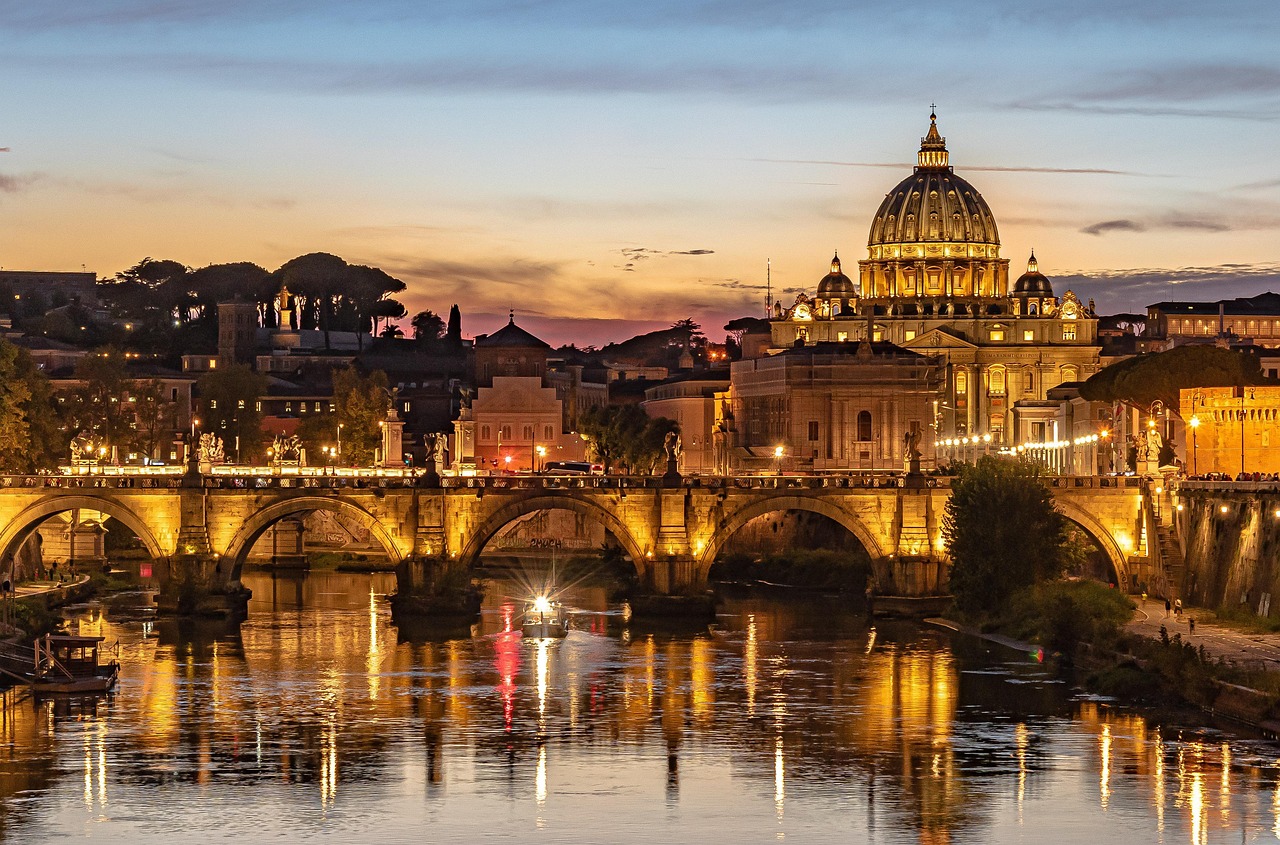
A luxury promenade along the Tiber River, designed for high-end travellers
If you’re searching for famous places in Rome Italy with a luxury lens, it helps to think beyond a list of places and instead create a mood-led journey through the city of Rome. The best places in Rome reveal themselves at certain hours: early light skimming marble, late afternoon turning the river bronze, and evenings when the streets soften and conversation becomes the soundtrack. For high-end travellers, the true upgrade is a seamless rhythm—expert support where it matters, and space to wander where it doesn’t—so even headline attractions in Rome feel personal.
Rather than racing between tourist attractions, design days by neighbourhood and energy. Mornings belong to the great ancient stones; afternoons to museums and shade; evenings to long dinners in lived-in streets. That approach keeps the Eternal City feeling expansive, not crowded, even when you’re near popular tourist hotspots and other classic tourist routes.
Best time to visit Rome: weather, crowds, and what each season feels like
The best time to visit Rome is spring (April to June) or early autumn (September to October), when the weather is pleasant and the city’s pinch-points ease. In late spring, terraces wake up and the center of rome has a bright, celebratory hum. Early autumn brings a honeyed light that flatters ruins, fountain spray, and portraits in museums alike—and it’s often kinder for long walks across cobblestones.
Summer can still be rewarding if you plan around heat and tourist density: early starts, a long lunch, then slow evenings. Winter is quieter and can feel more reflective; it’s also a thoughtful time to uncover churches and art, including a single Caravaggio canvas that seems to glow from within.
Seamless set-up: where to stay in Rome and how to get around in comfort
For a stay in Rome that feels both central and calm, base yourself somewhere that matches your travel personality. Monti offers character—artisan boutiques and an easy walk to ancient sites—while the area near Navona delivers classic elegance and a romantic, late-night glow. If you enjoy greenery and galleries, a hotel near Villa Borghese can make mornings feel restorative before you rejoin the city’s theatre.
Getting around is part of the design. Much of Rome is best on foot, but for safety and comfort—especially late—taxis and private transfers are the refined choice. They help you return from dinner without negotiating dark lanes or feeling like you’re performing as a tourist. If you’re staying longer, a day trip to Tivoli’s villa gardens can be a serene counterpoint to the city pace.
- Tickets well in advance: reserve major entries online before you arrive, then build your days around timed access.
- What “skip-the-line” means: it usually bypasses the ticket queue, not security, so leave a little grace in your schedule.
- What to pack: comfortable walking shoes for cobblestones, a light layer for churches, and water for warm afternoons.
- Local connection: a simple “Buongiorno” opens doors; it’s a small gesture of care that often returns warmth.
One last cultural note, offered with reassurance: dress modestly when entering religious sites in Vatican City, and carry a scarf or light jacket if you’re visiting in warmer months. That small preparation protects your comfort and avoids awkward moments at entrances.
If you’d like inspiration for crafted itineraries across Italy, browse our Trip gallery for design-led journeys that balance icons with quieter discoveries.




Colosseum and Roman Forum – An Iconic Attraction with VIP Private Touring in Ancient Rome
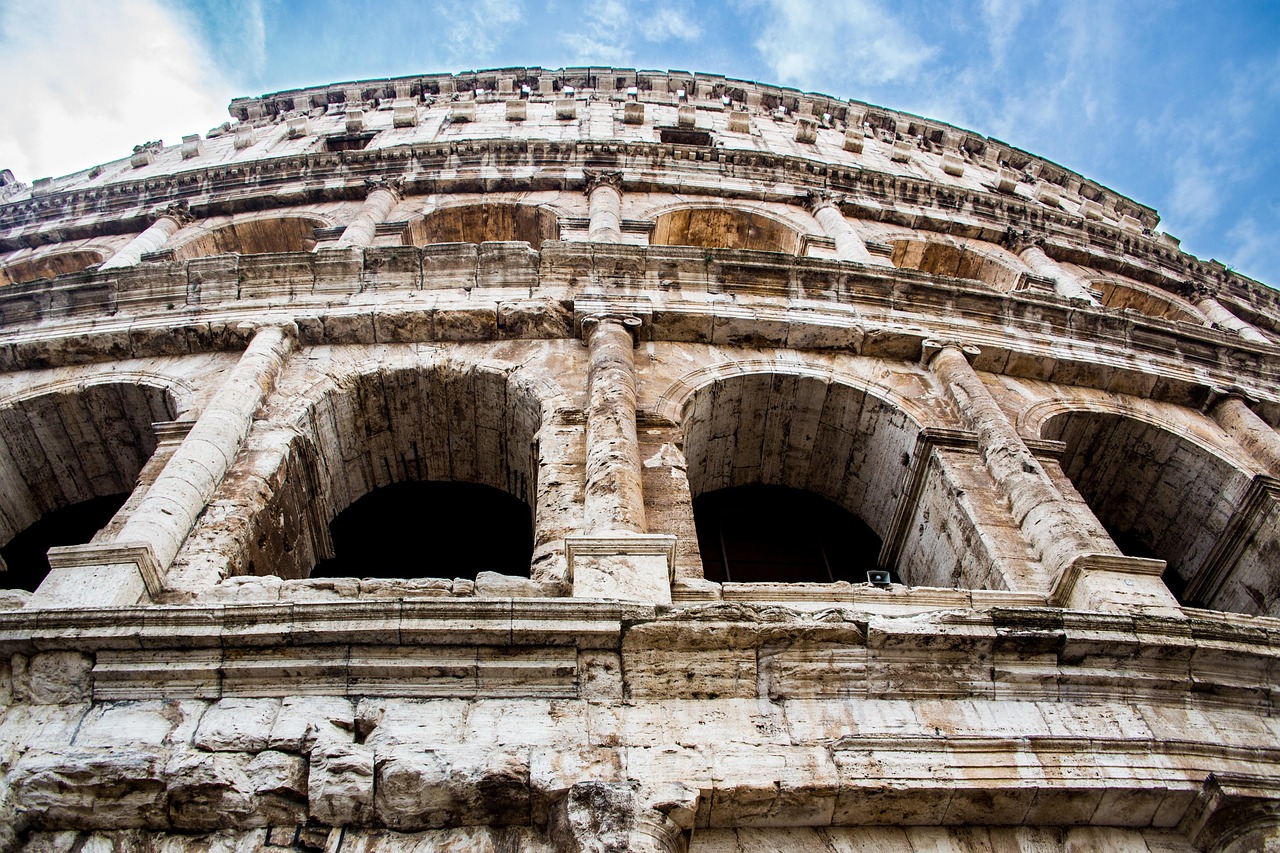
The Colosseum and Roman Forum: Rome’s headline sites, best enjoyed with expert pacing
For many travellers, the phrase Colosseum and Roman Forum private tour VIP Italy is the key to enjoying Rome’s most famous landmark with confidence. Visiting the Colosseum is a rite of passage—an iconic symbol of ancient Rome and, for many, one of the wonders of the world. Yet the experience changes completely when it’s paced, guided, and thoughtfully timed, rather than squeezed into the busiest hours with every other tourist group.
Even if you’ve been before, the Colosseum can still surprise you. Its scale is cinematic, but it’s the details—worn staircases, the geometry of arches, the way light falls through openings—that make it feel human and immediate. A great guide turns those details into context, so the arena reads like a story instead of a backdrop.
VIP Colosseum access: underground chambers, timed entry, and calmer moments
A private guide helps you explore the Colosseum as living history rather than scenery. Exclusive access can include the underground chambers, where the mechanics of spectacle once operated, and quieter entry windows that avoid the tightest crowds. This is where luxury travel becomes less about extras and more about ease: you’re not just “seeing” an attraction, you’re understanding it with clarity.
One traveller described an unforgettable moment during a private tour: sunset from a rooftop viewpoint near the Colosseum, when the stone turned amber and the city’s noise softened. Away from the heaviest tourist flow, it felt strangely intimate—like Rome was offering a personal story rather than a public show.
Colosseum and Roman Forum plus Palatine Hill: one essential place to visit
The Colosseum and Roman Forum belong together; the arena makes sense once you walk the civic heart that supported it. Plan a gentle pace: step into the Roman Forum with a guide who can translate fragments into meaning—public halls without roofs, triumphal arches, and paths that once carried senators, merchants, and soldiers. The best guides don’t rush; they create a narrative that helps you see layers of time.
Include Palatine Hill for a calmer view of Rome and a little shade, especially from late spring onwards. The Roman Forum and Palatine Hill circuit can feel warm at midday, so take water breaks and allow a pause for gelato—small comforts that keep the experience pleasurable. If you have energy, glance down towards Circus Maximus; it’s a grounding reminder of just how vast ancient life once was.
Booking and comfort notes: book your tickets online, bring ID for ticket checks, and arrive early to reduce friction at entry. After the walk, plan a gentle recovery stop—an espresso on a terrace, or a short return to your hotel—before you move on to your next place to visit.
Vatican City Wonders – Vatican Museum Highlights and a Guided Chapel Experience
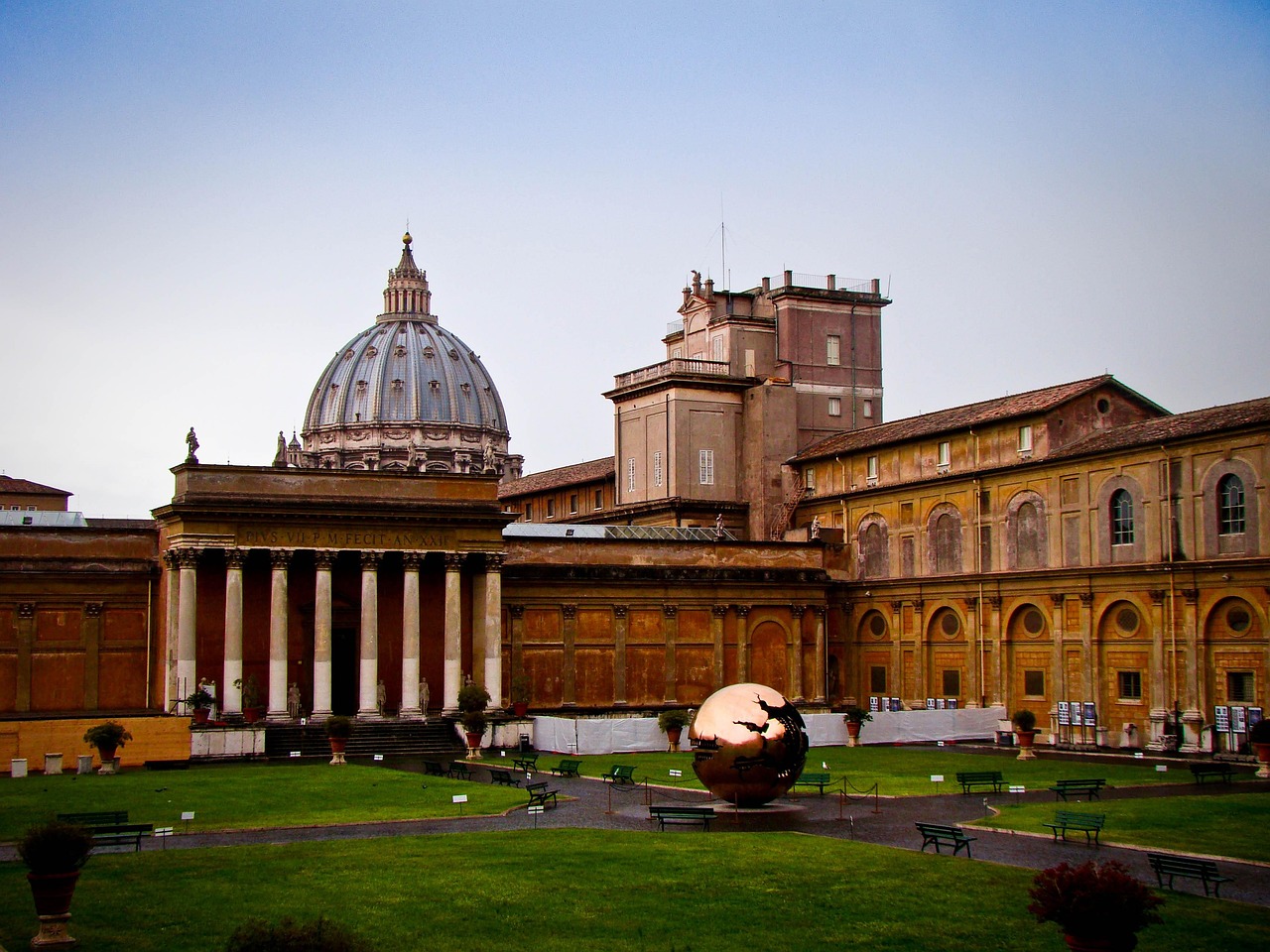
Vatican City wonders for art-focused travellers, with an expert-led route
When planning a Vatican Museum guided experience, it helps to set expectations with care. The Vatican is both faith and artistry—an emotional space as much as a cultural one. With the right pacing and an expert guide, you can uncover masterworks without overwhelm, and still leave with that unmistakable sense of grandeur that makes Vatican City so extraordinary for first-time visitors and seasoned travellers alike.
For high-end travellers, the most meaningful upgrade is often an art-focused experience: a smaller group, a guide who can read a ceiling like a story, and timed entry that protects your calm. You’re not trying to “do it all”; you’re choosing what’s worth visiting for you, with space to absorb rather than simply collect.
Vatican Museum highlights and the Sistine Chapel experience without rushing
The Vatican Museum is a world unto itself, and a guide helps you understand what you’re seeing—why a corridor matters, how a mosaic is built, where symbolism hides in plain sight. Look for Raphael’s clarity and grace, then feel the shift as Michelangelo takes over the emotional register of the collection. In the chapel itself, the atmosphere is different: even the busiest day can contain a quiet, internal pause when you finally look up.
It’s also helpful to know the practical reality: “skip-the-line” helps with ticket queues, but security remains. An early timed entry is the closest thing to a softer experience, particularly in peak months.
- Wear modest clothing (covered shoulders and knees) to avoid issues entering sacred spaces.
- Choose an art-led route if you want depth rather than a whirlwind of rooms.
- Bring a small bottle of water and take micro-pauses—your attention is part of the luxury.
St Peter’s (San Pietro): the dome climb, art, and quiet confidence
St Peter’s is almost impossible to capture in photographs—the scale is part of the message. If you’re considering the dome climb, decide based on your comfort: it’s rewarding, but it’s also physically demanding and can feel narrow. The dome was designed by Michelangelo, and understanding that lineage adds another layer to the experience.
One traveller recalled attending a papal mass here and feeling unexpectedly moved: a sense of reverence, the hush between hymns, the grandeur of Peter’s Basilica holding thousands while still feeling intimate. Whether or not you’re religious, the moment can land as something quietly profound—proof that travel can shift perspective, not just provide images.
For a seamless visit, keep your schedule light around the Vatican, allowing time for security and for stillness inside. If you can, add a gentle tour of the Vatican that includes the piazza outside; Bernini’s design changes the emotional read of the space, like an embrace in stone.
Piazza Walks and Fountain Moments – A Slow Afternoon of Places to Visit in Rome
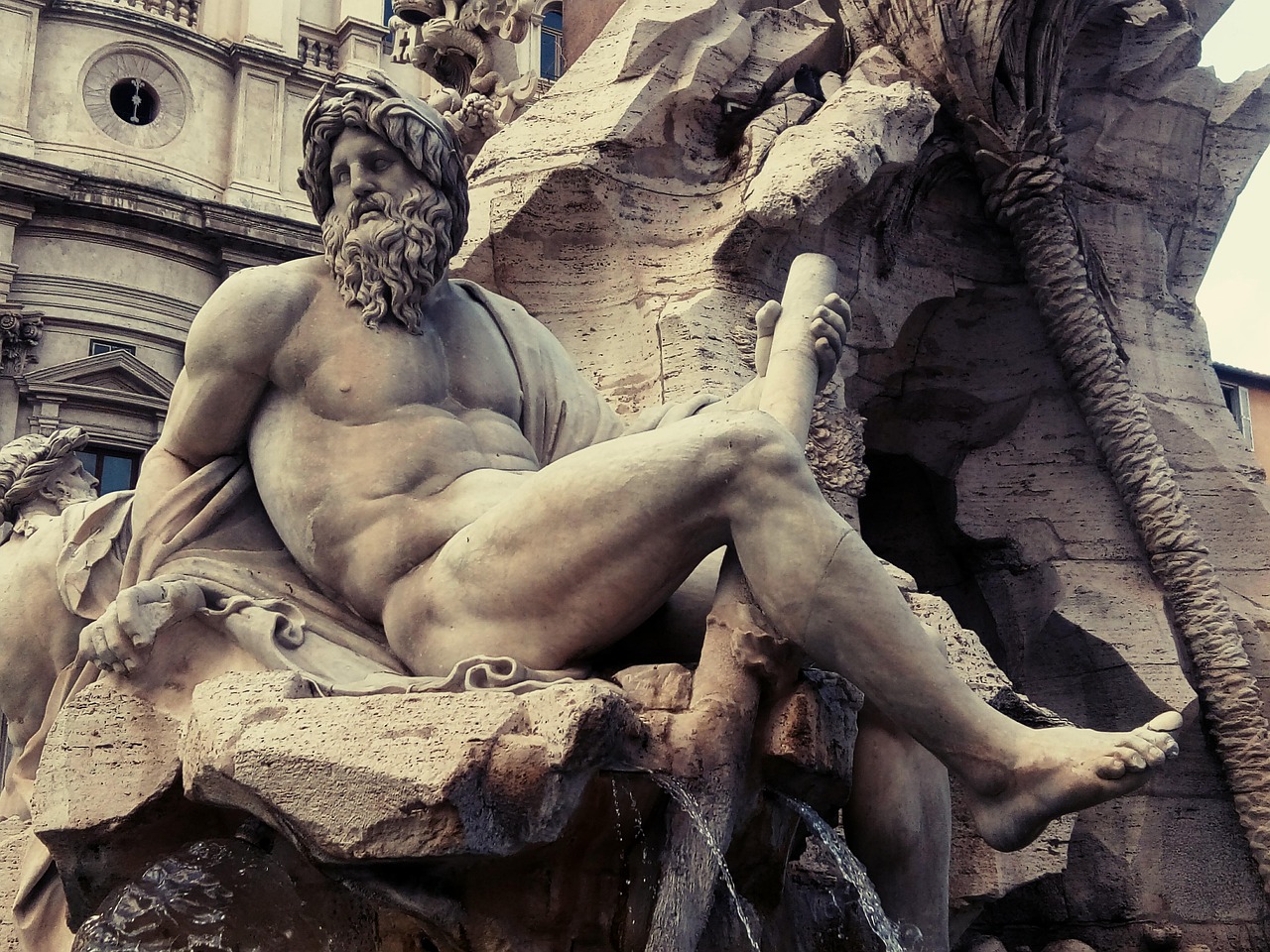
A slow piazza-to-piazza walk through the historic center, starting near Navona
If you’re mapping a piazza Navona Trevi Fountain Spanish Steps places to visit in Rome afternoon, think of it as a late-day promenade rather than a mission. The historic streets reward slow movement: the way sunlight slips between buildings, the sudden reveal of a fountain, the ease of stepping into a church for five quiet minutes. This is one of the best things to do in Rome when you want beauty without intensity.
Start at Piazza Navona when the light begins to warm, then wander onwards with intention. You’ll touch several famous places, but the feeling stays unhurried—crafted, not crammed—so you experience the destination rather than simply navigating it like a tourist checklist.
Begin with a gentle circuit around Piazza Navona, then meander towards the Trevi Fountain for the famous fountain moment. Arrive before dinner, when the streets feel lively yet still comfortable. Continue to the Spanish Steps (Piazza di Spagna) and up towards Trinità dei Monti, where the steps and the view create a natural pause.
At the Trevi Fountain, you’ll likely encounter crowds—Rome is a beautiful city, and this is a popular tourist magnet. Still, you can keep the experience romantic rather than performative. If you’d like to take part, throw a coin with a quiet wish; the coin in the Trevi Fountain tradition can be a simple ritual of hope, not a cliché. Step back, breathe, and let the sound of water do what it does best: soften the edges of the day.
Piazza del Popolo, Pincio, and Victor Emmanuel II: sunset viewpoints and monuments
For sunset, angle towards Piazza del Popolo, then climb to Pincio for a classic view of Rome that feels surprisingly open. It’s one of the best places to visit for photographers who want skyline layers rather than close-ups. If you have time, weave in the Victor Emmanuel II monument and the Altar of the Fatherland (Altare della Patria). The scale is dramatic; the Tomb of the Unknown Soldier adds a solemn note that shifts the mood from glossy to grounded.
These stops are largely free to visit from the outside, which is its own form of luxury—no ticketing pressure, just presence. For an extra green pause that’s worth a visit, consider Giardino degli Aranci for a calmer, tree-framed outlook. If you prefer more manicured greenery, a gentle wander through Villa Borghese nearby can be restorative, especially in warmer months when shade matters.
Safety and comfort: stay aware of pickpockets around crowded piazza areas, particularly near the Trevi and the main stairway above Piazza di Spagna. For a refined gelato break, choose a shop with covered tubs and clear ingredient labels rather than towering, neon-coloured displays. If you’d like an extra local moment, pass by Campo de’ Fiori earlier in the day when it feels more like a neighbourhood heartbeat than a stage set.
Trastevere Food Tour and Local Artisan Finds – An Evening Tour in Trastevere
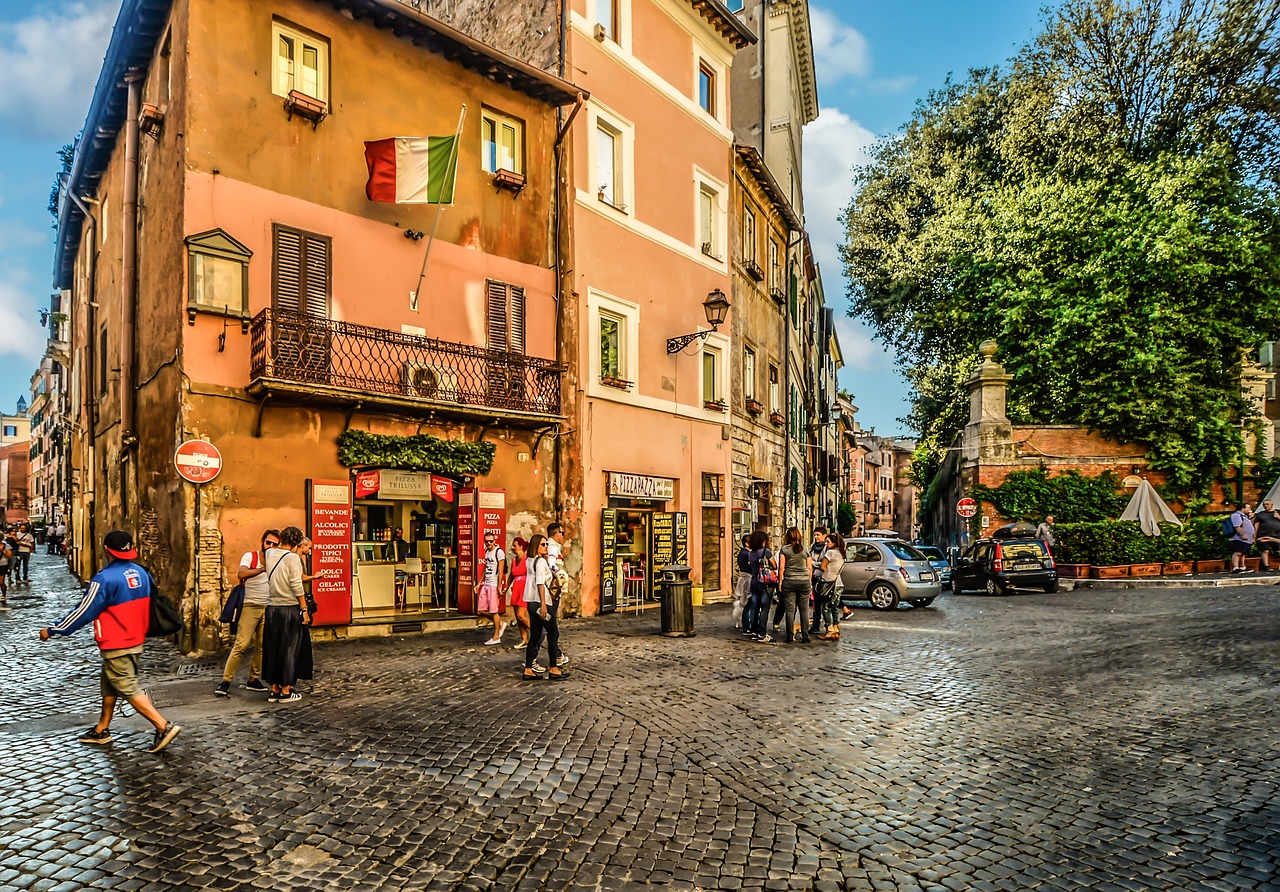
Trastevere evenings: cobbled lanes, artisan workshops, and an unforced rhythm
For travellers drawn to Trastevere and a local-led evening, this neighbourhood offers something many famous landmarks can’t: a sense of soul. Trastevere is all cobbled lanes and low, warm light, with a lived-in feel that makes nights more personal than the main tourist corridors. It’s one of those places in Rome where you can slow down, listen, and feel part of the city rather than just passing through it.
This is where you come to explore through appetite and conversation, letting a local guide introduce you to addresses that still feel family-run and genuine.
A curated food tour with family-run trattorias and amazing Italian food
A curated culinary walking food tour in Trastevere is less about ticking dishes off and more about building a story—one course at a time. A foodie enthusiast once told us their guide brought them into small trattorias where recipes were passed through generations. Over a simple plate of pasta and a glass of wine, they formed a bond that felt unexpectedly personal; the guide wasn’t just sharing addresses, but offering trust and pride in their community.
Expect Roman classics and seasonal variations: carbonara made with conviction, crisp fried starters, and sweets that taste like someone’s grandmother still signs off on the final sprinkle of sugar. Leave room for gelato at the end—the simplest luxury when you’re walking it off between tastings.
- How to order with confidence: greet with “Buongiorno” (or “Buonasera” in the evening) and ask what’s best today rather than what’s most famous.
- Dining etiquette: linger; don’t rush the bill; and remember tipping is appreciated but not mandatory.
- Comfort planning: bring a light layer for evening breezes and choose shoes that handle uneven stone.
Hidden artisan shops and how to avoid tourist traps
Between tastings, look for hidden artisan shops: leather goods, paper crafts, and ceramics that feel made by hand rather than churned out. If you want to support local makers with care, choose places where the maker is present or the story is specific—materials, process, and provenance. It’s a small act, but it keeps the experience rooted in something real.
To avoid tourist traps, be cautious of menus with aggressive photos, too many languages, or prices that feel oddly inflated for the street. A guide can help you read the signs with insight, but you can also trust your instincts: if a doorway feels like a stage set, keep walking.
Finally, plan a seamless return to your hotel. Trastevere is lively late, and that energy is part of its charm—but taxis or private transfers are recommended for safety and ease, especially if you’re travelling with valuables or simply want the night to end gently.
After Rome: Famous Places in Rome Italy and the Reflections That Stay With Luxury Travellers
If you came to Italy for famous places in Rome Italy, you may be surprised by what you remember most. Not the sharpest photograph, or the most efficient route, but the hush of stone when the heat drops; the glow of a piazza when tables are set for evening; the way an old street seems to hold its own memories. Rome is a city that lingers, because it doesn’t present itself as finished.
Perhaps what stays with you is the soft shock of standing in the Colosseum and realising you’re inside a structure that outlived empires. Or the private stillness you found in the Vatican, where art and faith sit side by side without needing to explain themselves. You might even find yourself thinking about the colosseum and vatican together—two worlds of power, devotion, and human ambition—held within the same day, the same walk, the same breath.
And then there are the smaller, quieter moments: a shared laugh with a guide who knew exactly when to speak and when to step back; the simple pleasure of gelato after a long morning; the comfort of returning to your hotel knowing every detail was handled with care. Even the practicalities become part of the memory when they’re done well—support that’s present but never loud, like a steady hand at the small of your back as you move through crowds.
In time, you may realise the best places were not only the famous ones. They were the pauses: a doorway where candlelight flickered, a side street that smelled of rain, a glimpse of a villa garden when you needed shade. Perhaps you passed Santa Maria della Concezione and felt the city’s strange, honest relationship with time—beauty and mortality side by side, without drama.
On a first visit to Rome, it’s tempting to chase only the icons, but luxury is often the permission to slow down. When you return to Rome—because many travellers do—you won’t need to repeat the same route. You’ll arrive with deeper insight and quiet confidence, ready to uncover what you missed, and to see familiar stones with new eyes.
F.A.Qs: Famous places in Rome Italy
What is the most famous spot in Rome?
The Colosseum is widely considered the most famous spot in Rome, both as a symbol of ancient Rome and as a landmark recognised around the world. For a more comfortable experience, consider a private visit with timed entry so you can absorb the scale and details without feeling swept along by the busiest crowds.
What are the big 3 in Italy?
Travellers often refer to Rome, Florence, and Venice as the “big three” cities in Italy, each offering a different kind of beauty. Rome brings ancient layers and Vatican City; Florence focuses on Renaissance art; Venice offers atmosphere and waterways. Many high-end itineraries combine all three with private transfers for a seamless feel.
What are the 6 top sightseeings to do in Rome?
Many visitors prioritise the Colosseum, the Roman Forum and Palatine Hill, the Vatican Museums, the Sistine Chapel, St Peter’s Basilica, and the Trevi Fountain. To enjoy these places with more ease, book timed tickets in advance and plan your days around early starts or late afternoon light.
Is there a 7 wonder in Rome?
The Colosseum is often associated with the “New7Wonders of the World” list, and it’s frequently described as one of the great wonders to see in person. A guided tour can add meaning by explaining how the arena worked, what remains beneath the floor, and how the surrounding city evolved around it.