Post Contents
- Why the Basilica of San Clemente Feels Like Three Romes and a layered history overview
- The 12th Century Basilica Above Ground Mosaics and Fresco Detail and basilica di san clemente 12th century mosaic apse Italy
- Descending to the 4th-century Church of San Clemente, Italy, early Christianity’s stone basilica and lower church.
- Even Deeper Mithras and 1st Century Roman Buildings and mithraic temple basilica of san clemente 1st century Roman buildings Italy
- Visiting visit the Basilica near the Colosseum, including San Clemente, Italy tickets, and metro access.
- F.A.Qs: Basilica of San Clemente, Rome, Italy
- What stayed with me after visiting San Clemente and Basilica di San Clemente in Italy: reflections on layers of history.
Why the Basilica of San Clemente Feels Like Three Romes and a layered history overview
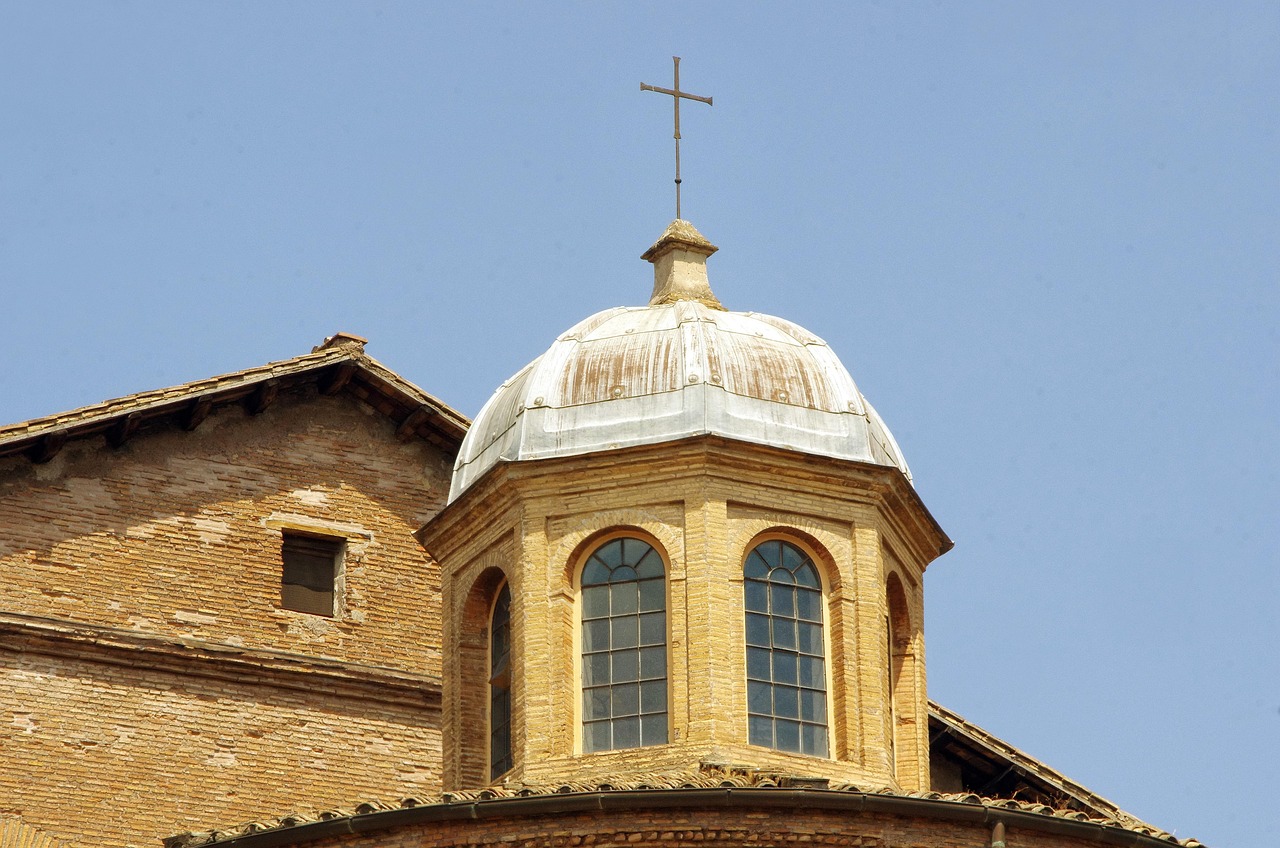
Why the Basilica of San Clemente Feels Like Three Romes on the Caelian Hill in Rome, Italy
For the basilica of San Clemente in Rome, Italy, a layered history begins on the Celio, or Caelian Hill, where Rome’s history seems to stack neatly beneath your feet. From the street, it looks like a serene parish stop; step inside, and you realise this archaeological complex is an invitation to explore the layers of a city that never truly stops rebuilding itself. It’s an adventure in time—quiet, steady, and deeply personal.
You’ll see a few name variations on signs and maps, and they’re all pointing you to the same place. The basilica may be known as the Basilica of San Clemente, the Basilica di San Clemente, or the Basilica di San Clemente al Laterano. Sometimes it’s written as di San Clemente al Laterano, a nod to its historic connection to the Lateran area rather than a different site—useful reassurance when you’re designing a seamless day in Rome’s centre.
San Clemente basilica and the history of the basilica in three levels
The history of the basilica reads like a beautifully crafted cutaway drawing. The 12th-century basilica above is what most visitors first see. Beneath it lies an older church—an earlier church linked to the fourth-century period—preserved like a memory under stone. And below that are first-century and 1st-century Roman spaces: Roman buildings that once formed part of a Roman neighbourhood, later sealed and then uncovered by modern excavation.
If you’re the kind of traveller who prefers meaning over mileage, this is your place. Imagine moving through different layers at your own pace—pausing, asking questions, and letting the silence support your attention. This is not adrenaline; it’s a slow adventure, designed for people who want expert context without losing the feeling of discovery.




The 12th Century Basilica Above Ground Mosaics and Fresco Detail and basilica di san clemente 12th century mosaic apse Italy
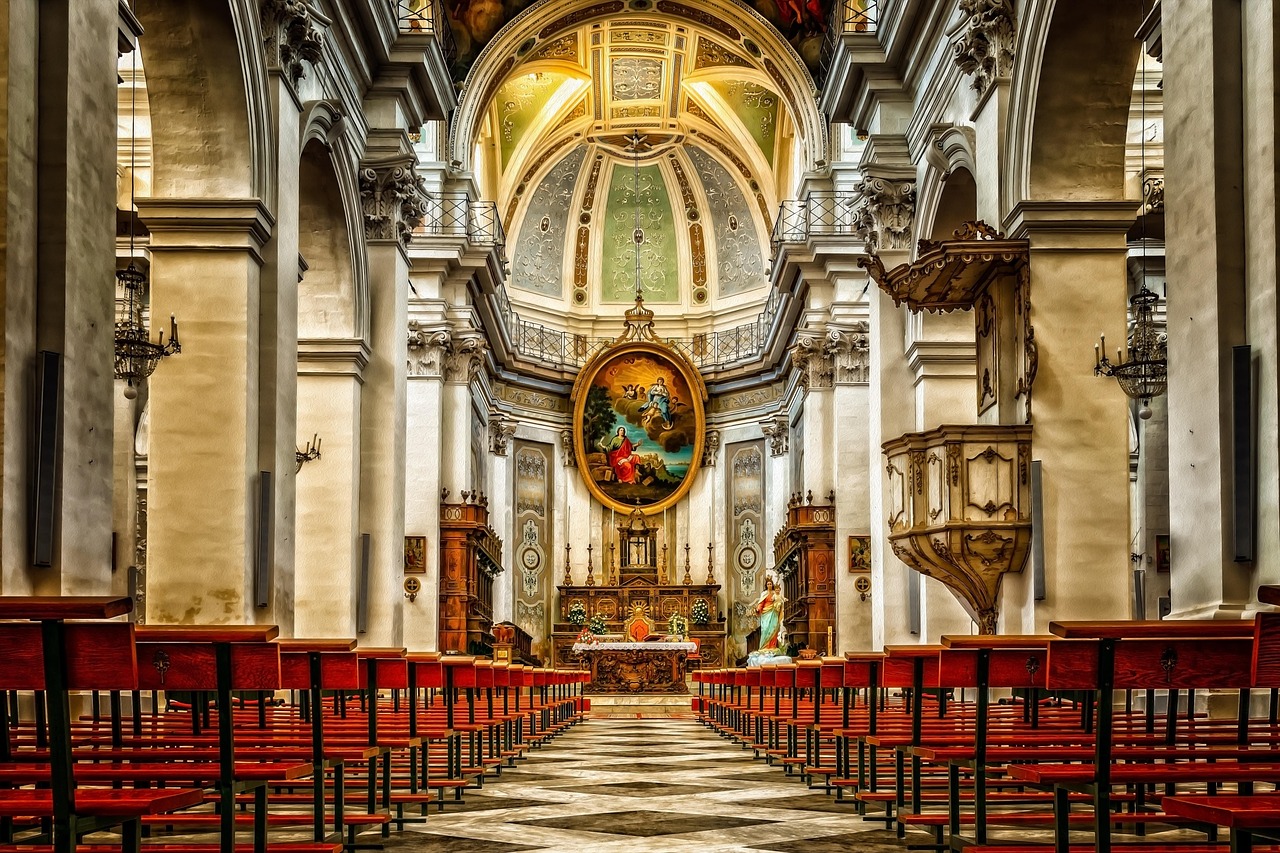
The 12th Century Basilica Above Ground Mosaics and Fresco Detail inside Basilica di San Clemente
To understand the Basilica di San Clemente, 12th-century mosaic apse in Italy, give yourself permission to slow down the moment you enter. The first impression is the marble floor, patterned in cosmatesque geometry, leading your eyes towards the glowing apse. You’re standing in a 12th-century basilica that doesn’t shout; it gathers you in with a warm, steady sense of order.
12th-century mosaic reading as a tapestry of meaning
The apse mosaic is often described as a tapestry because it tells its story through rhythm and symbol rather than a single “big moment”. Look for how figures and vines are arranged to guide your gaze—medieval artistry that assumes you’ll spend time with it. Nearby, fresco remnants add a second voice: softer, more intimate, and closer to the human scale of devotion.
Roman art can feel like a lot, especially if you’ve spent the morning at the Colosseum or nearby forums. Here’s a simple framework that offers support without flattening the magic—three things to notice as you explore this basilica:
- Material: Roman marble details, reused pieces, and how the floor “maps” the space.
- Light: how the apse seems to hold a gentle glow, even on grey days.
- Story: where a scene feels narrative, and where it becomes symbolic.
This is a functioning church in Rome, so a little care keeps the atmosphere peaceful. Keep voices low, follow signs around restricted areas, and treat photo rules as part of the space’s trust with its visitors. That quiet is a gift—locals often come here because it feels more contemplative than headline sights.
Descending to the 4th-century Church of San Clemente, Italy, early Christianity’s stone basilica and lower church.
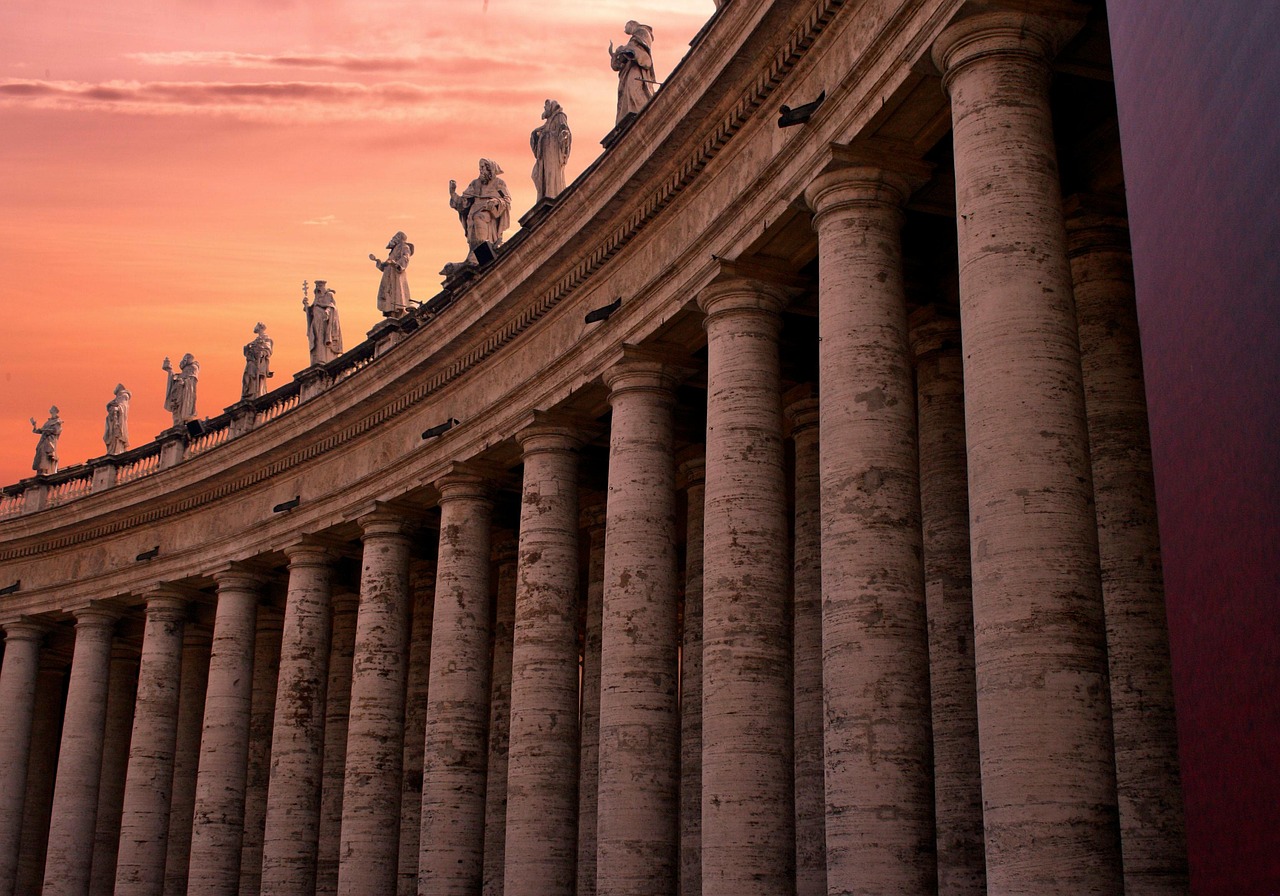
Descending to the 4th-century lower church at the Basilica of San Clemente in Rome
For the Basilica of San Clemente, Lower Church, 4th century Italy, early Christianity, the turning point is the moment you descend. Travellers often share a quiet awe here: each stair seems to thicken the air, as if Rome’s past becomes tangible—cooler, calmer, closer. You’re still in the same basilica, yet the mood changes, and confidence comes from taking it step by step.
Early Christianity and Christian worship beneath a new church
This lower level is tied to early Christianity and the realities of Christian worship in a changing city. After upheavals such as 1084, when parts of Rome suffered damage, the decision to build a new church above helped preserve an old church below. The result is a layered pilgrimage through time: stone, plaster, and preservation working together.
Look for medieval frescoes that survive in fragments—faces, gestures, and colours that still carry emotion. Chapels and partitions suggest how communities gathered, and how belief shaped architecture long before grand baroque theatrics. It’s an underground archaeological complex, but it still feels like a place where people once stood close together, listening.
There’s also a human thread that anchors the story. Saint Clement is honoured here; tradition presents him as the third pope, the third successor of Saint Peter the apostle, and this basilica of Saint devotion holds a powerful sense of continuity. Nearby, the chapel associated with Saint Cyril and Methodius adds another layer—Slavic peoples remember them for mission and language, and the Cyrillic alphabet carries that legacy far beyond Rome.
Even Deeper Mithras and 1st Century Roman Buildings and mithraic temple basilica of san clemente 1st century Roman buildings Italy
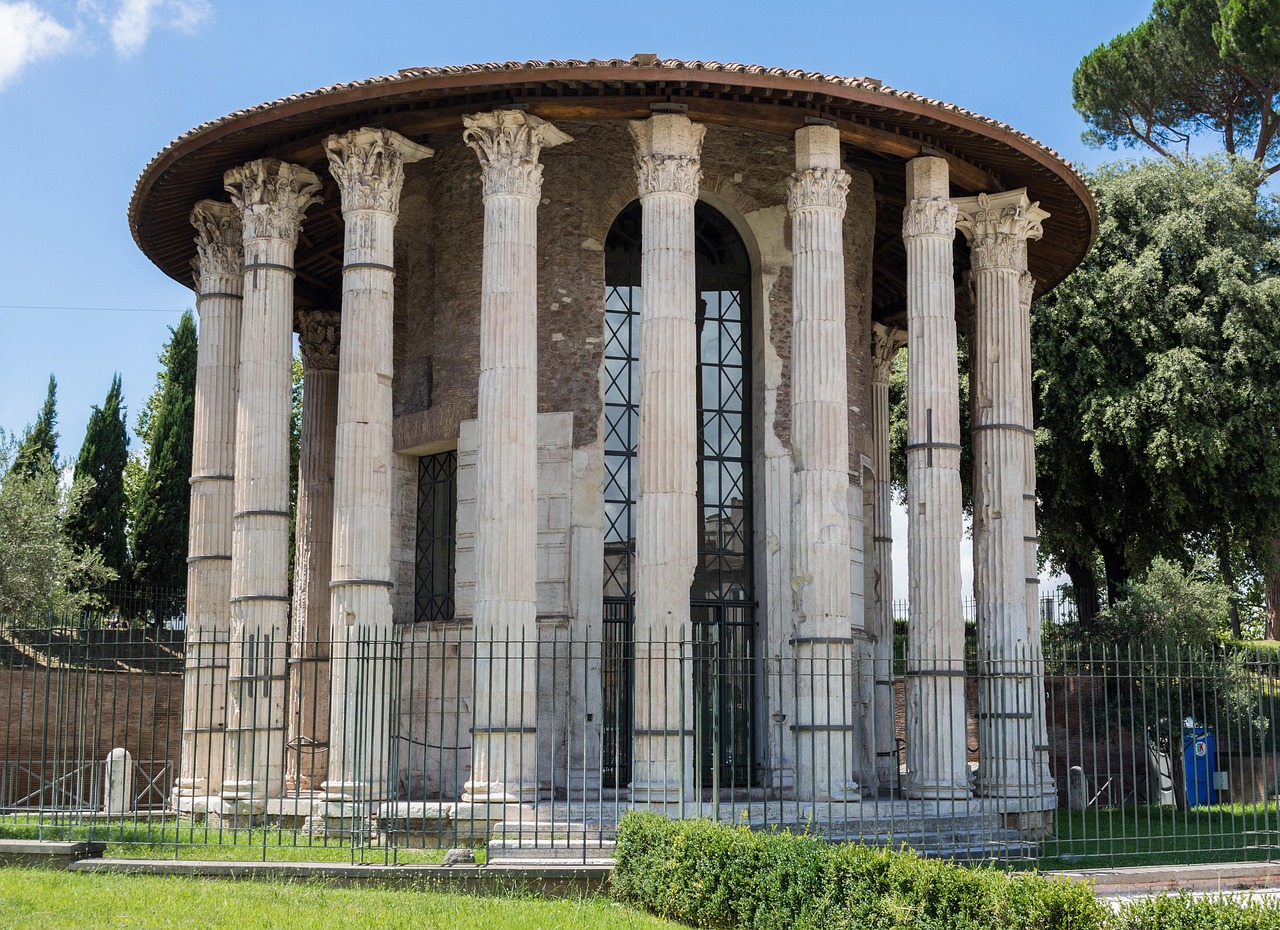
Even Deeper Mithras and 1st Century Roman buildings under the Basilica of San Clemente
If you’ve come for the Mithraic Temple Basilica of San Clemente, 1st-century Roman buildings in Italy, the next descent feels almost surreal. One visitor described stepping into the subterranean Mithras space as a hidden time capsule beneath the bustle of modern streets. You sense, immediately, that Rome’s religions didn’t simply replace one another—they overlapped, competed, and left traces side by side.
Mithras, excavation, and what historians suggest about first-century spaces
The mithraic temple (Mithras) hints at ancient rites in a compact, shadowed room. Beyond it, archaeologists interpret remains from the 1st century and Roman activity: a Roman house, walls from 1st-century Roman buildings, and evidence of a large public building. Much of what you see exists because researchers worked carefully to excavate and conserve; at times, the most honest label is “uncertain”, and that openness is part of the insight.
Practical reassurance matters here. The passageway can be dim, surfaces uneven, and the air cooler—adventurous, yes, but manageable with calm pacing and supportive footwear. If you feel your steps quicken, pause and listen: even deeper down, the city’s noise fades, and you can uncover a rare stillness.
For the curious, there are intriguing threads that some historians suggest rather than confirm: theories around nearby imperial activity, even an imperial mint, and stories that echo Nero-era building programmes. Treat these as possibilities, not promises—what matters is the sensation of ancient Roman life pressing close, just beneath your own.
Visiting visit the Basilica near the Colosseum, including San Clemente, Italy tickets, and metro access.
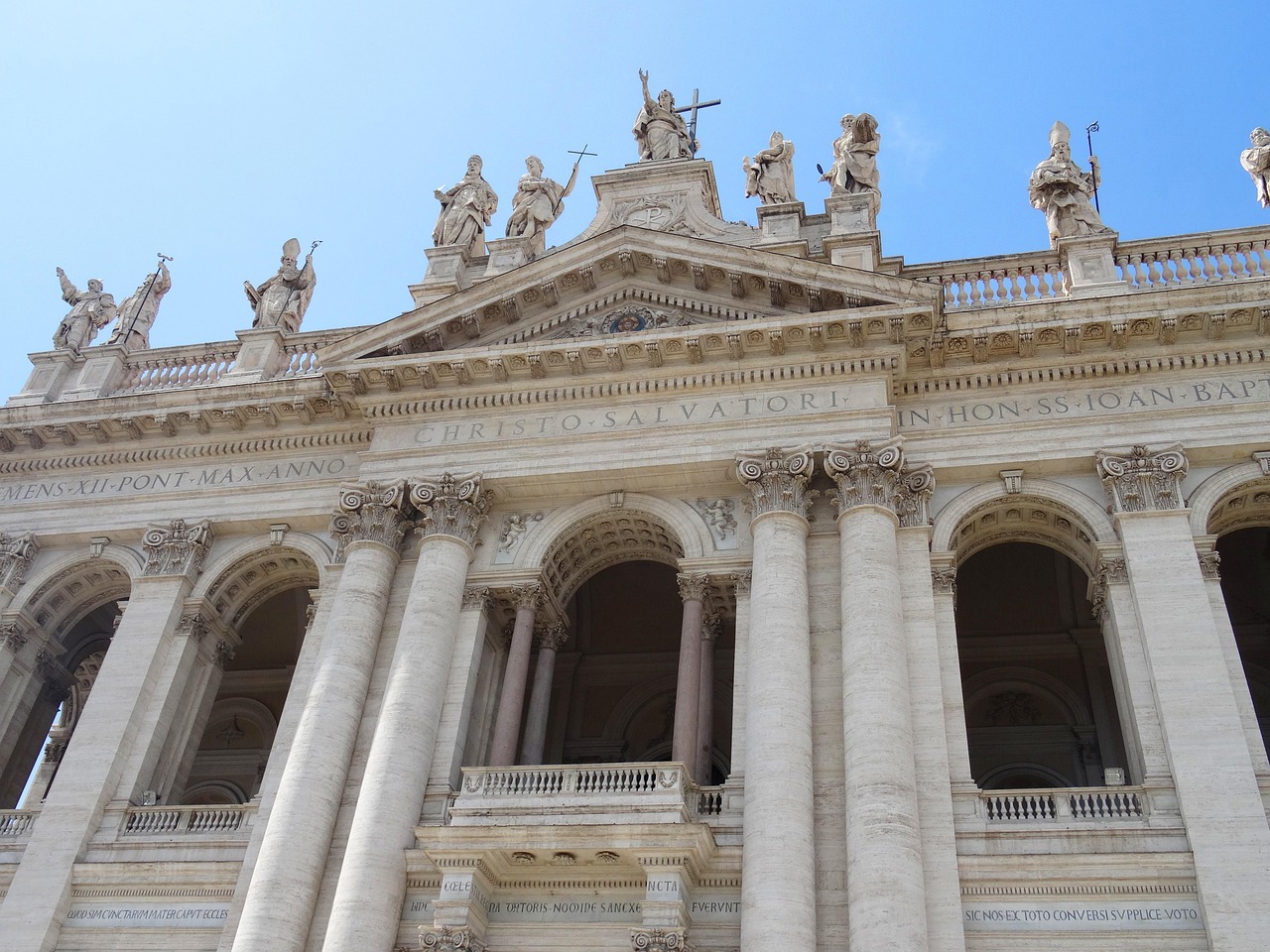
Visiting the Basilica of San Clemente near the Colosseum with tickets and Metro Colosseo tips
For visiting the basilica of San Clemente in Italy, the logistics for the metro to the Colosseum are pleasantly straightforward, which helps keep the day feel seamless. The entrance to the basilica is on or near Piazza San Clemente, typically a 5-minute walk from the Colosseum. Take metro line B to Colosseo station, then walk roughly 300 meters depending on your route; it’s an easy link even if you’re coming from the Oppian side of the neighbourhood.
Tickets, guided tours, and free entry clarity
Expect free entry to the upper basilica; tickets are usually around 10 euros for full access, including the underground levels. Guided tours can be an excellent value for insight—an expert narrative helps you uncover details you might otherwise miss, and the flow feels more crafted, especially at busier times. If you enjoy designing days around depth, you’ll find more Italy inspiration in our Trip gallery.
Comfort, etiquette, and a culture adventurer pairing
To keep your visit comfortable and respectful, a small checklist goes a long way:
- Shoes: wear comfortable shoes for stairs and uneven stone in the excavation areas.
- Timing: Visit early morning or late afternoon for a calmer, more local feel.
- Behaviour: speak softly; observe photography rules in restricted areas with care.
- Mindset: take your time—this is where trust in your pace becomes part of the experience.
For an “in-a-day” cultural adventure, pair San Clemente with San Giovanni in Laterano (the Lateran, close in spirit if not right next door), and if your energy holds, Basilica di Santa Maria Maggiore for a different scale of splendour. For a contrasting underground stop, the Capuchin crypt is unforgettable—Capuchin history told through a sobering, entirely different kind of design.
A final historical note for context lovers: the 12th-century rebuilding is often linked to Pope Paschal II, with work traditionally dated around 1108. It’s a reminder that what feels timeless was also once a bold, modern choice—a church built over memory, and memory preserved under a living city.
F.A.Qs: Basilica of San Clemente, Rome, Italy
Why is the Basilica of San Clemente important?
The basilica of San Clemente is important because it lets you explore three distinct historical levels in one place: a 12th-century basilica above, a 4th-century lower church, and first-century Roman spaces below. It’s also a vivid lesson in Rome’s religious transitions, from early Christian worship to the presence of a Mithras cult site, all revealed through careful excavation and conservation.
Who is buried at San Clemente?
San Clemente is closely associated with Saint Clement, honoured here through long-standing tradition and devotion. The site also connects to Saint Cyril, whose memory is preserved in a chapel linked to his mission alongside Methodius. While relic traditions can be complex across Rome, the basilica’s significance lies in how it preserves these layers of veneration and cultural memory in a single, visitable space.
Is the basilica of San Clemente worth visiting?
Yes—especially if you value insight and atmosphere over queues. Many visitors find it worth visiting because the descent through different layers feels like stepping through time, and it’s often quieter than major Rome attractions near the Colosseum. The 12th-century mosaic and the underground Mithras area create a rare, personal experience that feels both adventurous and reassuringly well-managed.
How much does it cost to go to the Basilica di San Clemente?
Entry to the upper basilica is typically free, while access to the underground levels usually costs around 10 euros. That ticket generally includes the lower church and the deeper archaeological areas. If you want a smoother, more seamless visit with deeper context, guided tours are sometimes available and can be a worthwhile upgrade for travellers who enjoy expert interpretation.
What stayed with me after visiting San Clemente and Basilica di San Clemente in Italy: reflections on layers of history.
For Basilica di San Clemente, Italy, reflections layers of history, what remains with me isn’t a checklist of rooms, but a shift in how I listen. Above ground, Rome can feel like a beautiful argument—traffic, footsteps, the steady performance of a world city. Inside the basilica, that noise softens into something you can hold, and the contrast feels oddly tender.
I think of the moment I chose to descend again, not because I “had to”, but because I wanted to. There was a calm confidence in taking each stair slowly, letting the stones and the cool air set the pace, and trusting that wonder doesn’t need to be rushed. Standing between historical layers, I felt both ancient Rome and Christian devotion present together—different stories, held with care in the same ground.
Long after leaving the Caelian slope, I still remember the feeling of being sheltered beneath the city, as if Rome’s history had briefly stepped closer to the surface. It makes you imagine what else might be resting under ordinary streets, waiting quietly for a curious traveller to notice.