Post Contents
- Rome (Roma) first look in Italy: orientation tips, the right mindset, and a walkable city overview
- Best time to travel to Rome: climate, crowds, and what to expect by season
- Arriving in Rome: Fiumicino airport transport, safety, and getting around the city
- Ancient Rome and the Colosseum: living history of the Roman Empire
- Vatican City in Rome: art, churches, and a transformative cultural pause
- Trastevere, the Tiber at dusk, and the Appian Way: local Rome adventures after dark
- What stays with you after Rome: reflections, history, and personal travel insight in Italy
- F.A.Qs: Rome (Roma) and Italy travel essentials for first-time visitors
Rome (Roma) first look in Italy: orientation tips, the right mindset, and a walkable city overview
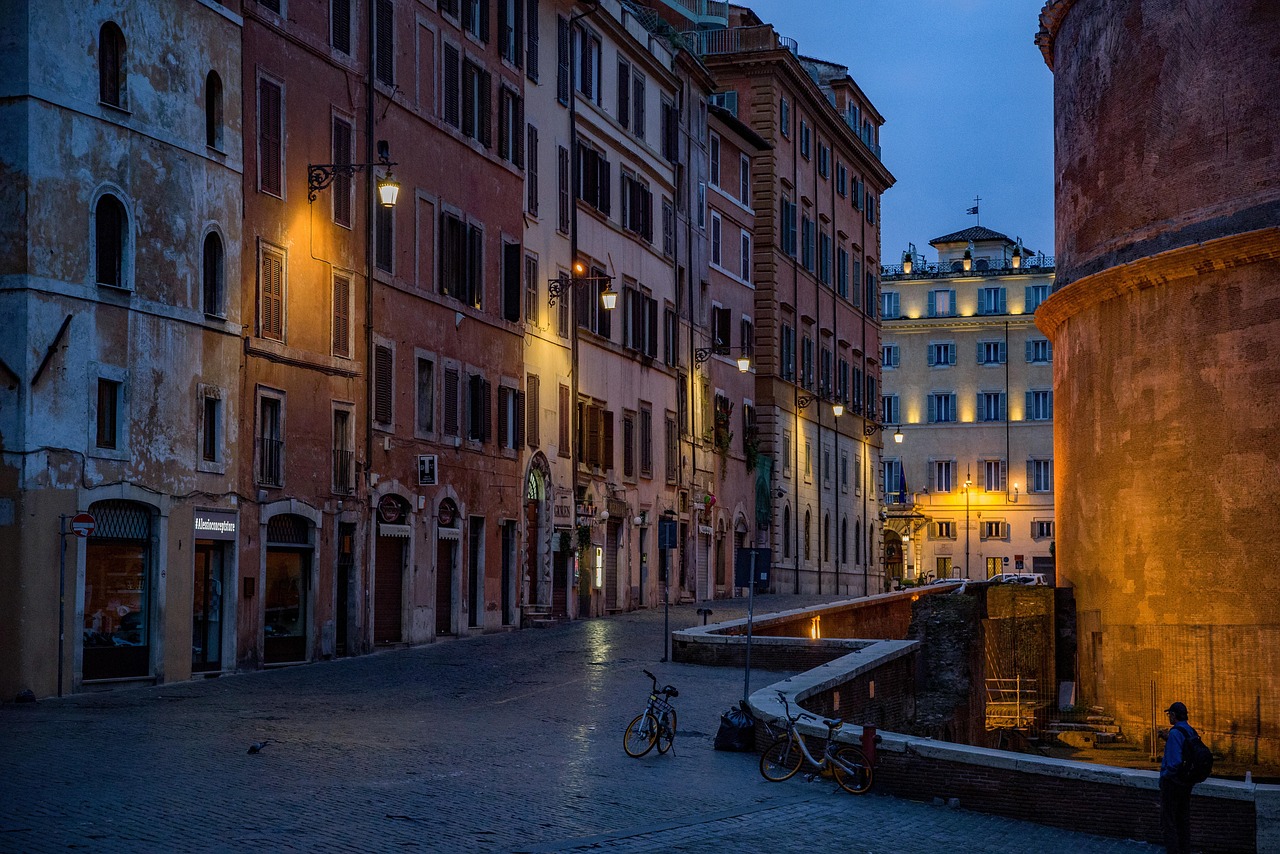
Rome first look orientation and mindset: a grounded arrival in Roma
Think of your first hours in roma rome italy as a calm, walkable introduction: wide boulevards opening into tight lanes, ruins appearing beside espresso bars, and that unmistakable sense you’ve arrived somewhere layered. Rome is the capital of Italy, and its population and pace can feel big at first—yet it becomes intimate quickly once you start moving on foot. The core is compact enough for long, satisfying walks, while the metropolitan area fans outward in every direction, inviting you to explore in chapters rather than all at once.
The reassuring trick is to set your own rhythm. Choose one “home base” in the centre—somewhere you can return to between explorations—and treat the day like a series of connected neighbourhood loops rather than one enormous to-do list. With that mindset, Rome becomes a city you can design, not a place that happens to you.
Day-one mindset in Rome: how to read a walkable city with confidence
For high-end travellers who still want an edge of adventure, confidence often comes from simplicity. Keep your days spacious enough to discover the unexpected: a musician echoing down a lane, a glimpse of fresco through an open doorway, a fountain you didn’t plan for. In Roma, the “between” moments are often the ones that make you feel most present—and they’re where the city’s everyday history quietly shows itself.
A helpful way to keep the journey personal is to pair one major sight with a pocket of unplanned wandering. Give yourself permission to pause in a square, watch the gestures and hear the voices, and let the place become human again. The goal isn’t to be rushed; it’s to feel held by the experience—especially in a city as visually dense as Rome.
- Pick a home base: stay where you can walk to dinner and back without effort, even after a long day in Rome.
- One headline, then wander: choose a single “must” and leave space for local streets that aren’t on your map.
- Keep a gentle buffer: add 30 minutes between plans for detours, photos, and a well-earned gelato.
- Trust small moments: a quiet church doorway or a sunlit lane can be the day’s best insight.
With that calm structure, you can explore with curiosity, not urgency—letting Rome meet you halfway, with warmth and a little magic.




Best time to travel to Rome: climate, crowds, and what to expect by season
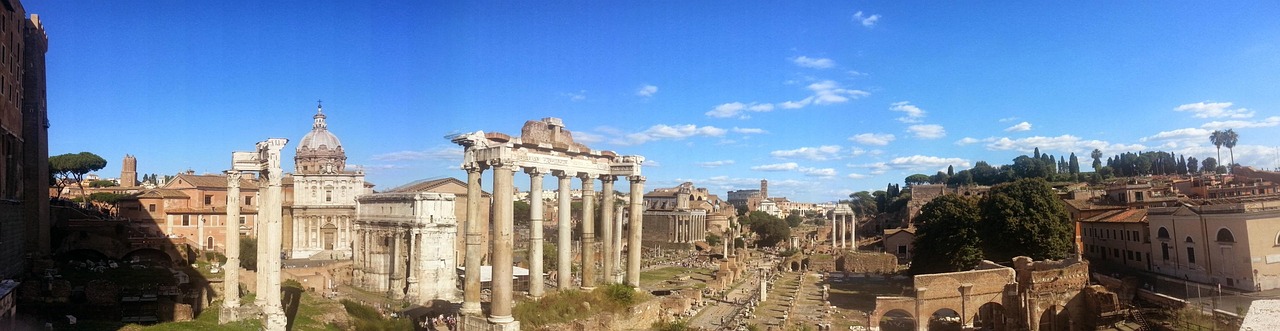
Best time to travel to Rome with realistic notes on weather and crowds
If you’re weighing the best time to visit Rome Italy climate crowds, the sweet spots are typically April to June, and September to October. In these windows, the climate supports long walking days, terraces feel lively rather than overheated, and the energy is vibrant without quite the same pressure of peak summer. You can still chase the big sights, but with more breathing space—especially if you plan your days with care.
Summer in Rome can be glorious but demanding: heat radiates from stone, queues swell, and energy dips in the afternoon. Winter has its own charm—museums are calmer and evenings feel cosy—but shorter days ask for a slightly tighter plan and earlier dinners. For adventure seekers, the shoulder seasons offer the best balance of comfort, light, and momentum.
Design Rome travel days around heat, queues, and your natural energy
The most seamless way to enjoy Rome is to work with its natural tempo. Start early, take a long lunch like a local, and build in rest before a late stroll through the centre. It’s not indulgence; it’s expert pacing that keeps you present and protects your sense of wonder.
When you design your schedule this way, you don’t just “see” Rome—you inhabit it. You’ll find your confidence grows as your days become more spacious and intentional.
How many days you need to explore Rome well (3, 5, or 7+)
As a reality check, three days can cover the major highlights, but five days lets you uncover depth without feeling done in. If you’re adding night walks, neighbourhood dinners, and a few slower mornings, Rome starts to feel less like a checklist and more like a crafted stay you actually remember.
- 3 days: headline sights with focused planning and early starts.
- 4–5 days: a calmer rhythm plus local wandering, markets, and galleries.
- 6+ days: room for day trips, long lunches, and a more residential feel.
Rome also works beautifully as a springboard away from the capital: fast trains make Florence feel surprisingly close, and you can reach the sea with an easy day out to Ostia when you want salt air between museum halls. If you’d like inspiration for the wider journey, browse our Trip gallery and imagine your route flowing onward.
Arriving in Rome: Fiumicino airport transport, safety, and getting around the city
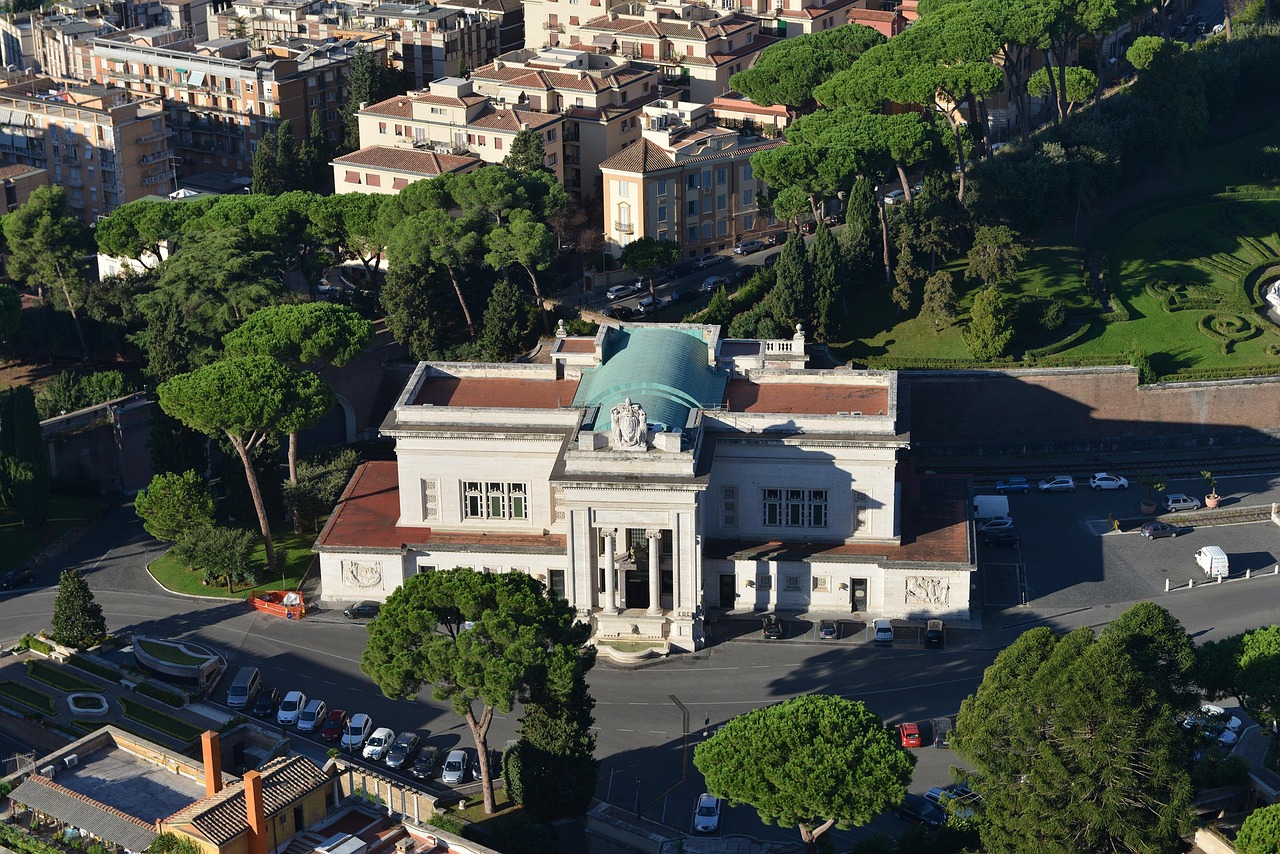
Arriving in Rome and getting around with seamless confidence
Strong Rome travel logistics Fiumicino airport transport safety planning turns arrival day into a soft landing. Most international flights come into Leonardo da Vinci International Airport (Fiumicino), and from there you can choose a direct train, coach, official taxi, or a private transfer. If you value a calm start, a pre-arranged car is often the most seamless option—especially when you’re arriving late, travelling with family, or carrying valuables.
Once you’re in Rome, treat walking as your default. The streets reward those who move slowly enough to notice details—carved stone, tucked-away courtyards, and the way light changes across old walls—so you feel oriented faster.
Seamless options from Fiumicino to central Rome (train, taxi, private transfer)
For most travellers, the direct airport train is efficient and reassuring, especially at busy times. Taxis are convenient too, but stick to official ranks and confirm the fixed fare zone before you set off. A private transfer offers the most support: door-to-door ease, minimal language stress, and a smoother first impression of the city.
Getting around Rome: on foot, by metro, by Vespa, and on night walks
A walking-first plan makes Rome feel legible quickly. Use the metro to hop across longer distances, and buses for specific routes, but keep your day anchored by foot so you can discover what sits beyond the guidebook frame. If you want an adventurous lift, a Vespa ride with a guide can be exhilarating—especially at dusk when traffic calms and the air cools.
- Book ahead: major museums and timed entries where possible, especially in peak season.
- Build structure: “one big sight per day” plus local wandering in Rome’s neighbourhoods.
- Pack smart: comfortable shoes for cobblestones and a light layer for evenings.
- Refill often: carry a reusable bottle for the city’s nasoni fountains.
- Stay aware: keep valuables secure in crowded places; pickpockets target busy lines and transit.
This is the kind of practical support that frees you to enjoy Rome with trust and ease—so your attention can stay on beauty rather than logistics.
Ancient Rome and the Colosseum: living history of the Roman Empire
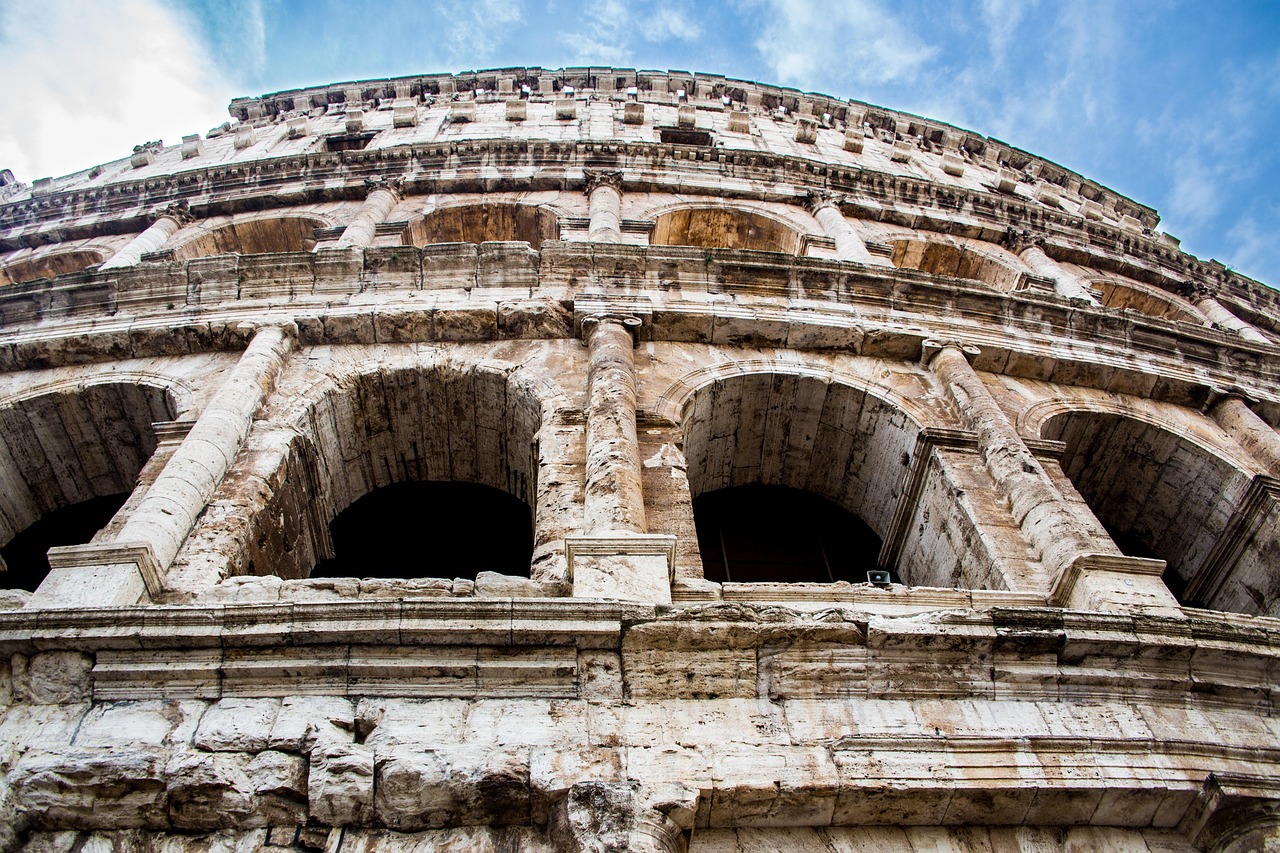
Ancient Rome and the Colosseum: where history feels alive
The most powerful Colosseum Rome ancient Roman empire experience often begins with a pause. One traveller told me the thrill of standing inside the arena was almost physical: they could imagine the roar, the dust, the collective breath of the crowd, and suddenly history was not a chapter in a book but a living presence. In moments like that, Rome feels close enough to touch.
On the ground, ancient Rome isn’t a single site—it’s a set of layers. Roads, foundations, arches, and fragments appear as you move, reminding you that an empire once engineered daily life here. The modern map still follows that old logic in places, especially around the Colosseum and the Roman Forum.
Explore the Colosseum, Roman Forum, and Palatine Hill with calm confidence
A combined ticket for the Colosseum, Roman Forum, and Palatine Hill is one of the easiest money-saving decisions you can make. Time-saving matters too: book your entry slot in advance and aim for early morning or later afternoon when the stone feels less fierce and the crowds thin slightly. If you’re sensitive to heat, shade breaks and water stops make the experience feel far more generous.
If you want the experience to feel crafted rather than crowded, prioritise depth over distance. Give yourself time to stand still, read the space, and let your curiosity lead rather than rushing from viewpoint to viewpoint.
Photography, light, and pacing in Rome’s ancient ruins
For photos, golden light tends to be kindest in the first and last hours of the day, when the arches gain warmth and texture. Look for shaded edges and higher viewpoints that create a sense of scale without jostling. And remember: the most memorable “image” might be the one you carry away in your body—the hush after the noise, the strange intimacy of old stone.
- Best entry feel: early or late to avoid the busiest peak.
- Best focus: choose a few sections to really absorb.
- Best calm: step to the side, breathe, and let the place speak.
When you move through these ruins with care, your confidence grows—not from conquering the day, but from staying present within it.
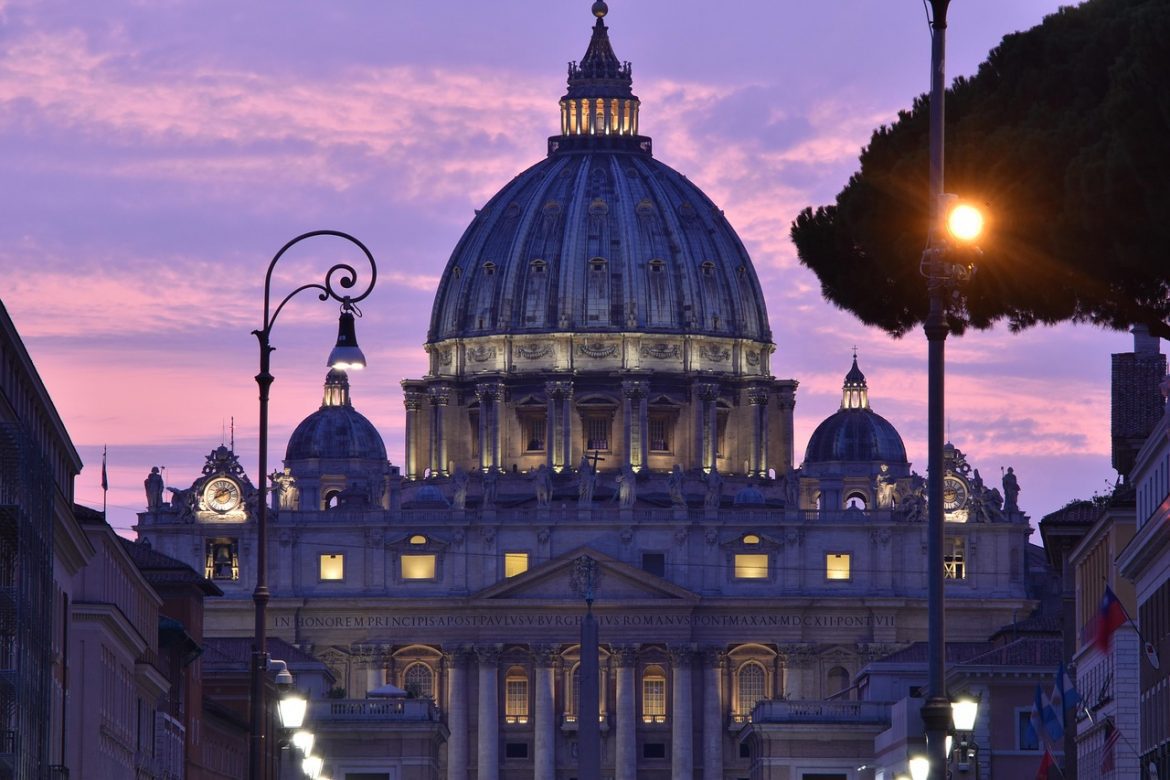
Vatican City in Rome: art, churches, and a transformative cultural pause
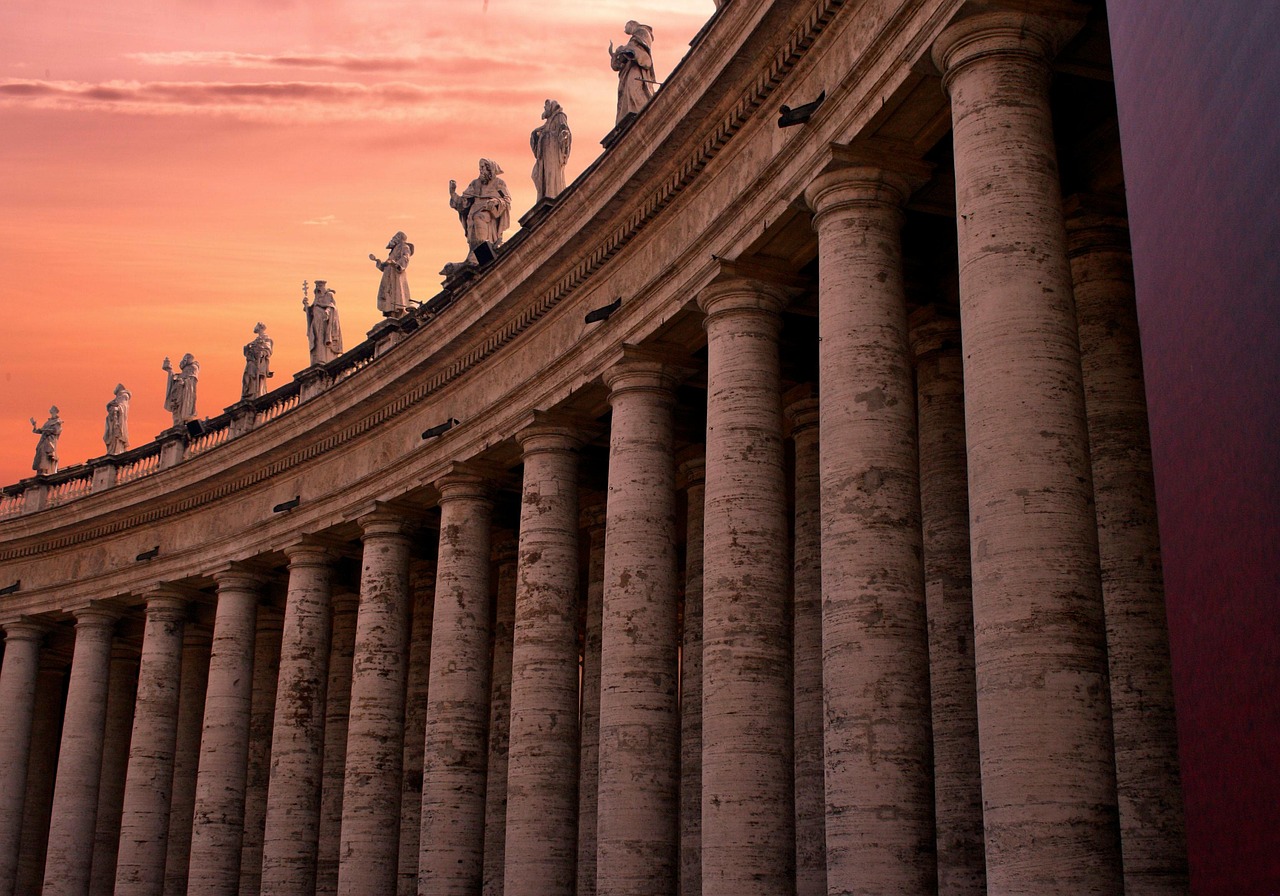
Vatican art and churches: a transformative cultural pause
For a smooth Vatican Museums Sistine Chapel Rome visit, strategy is kindness—to yourself and to the experience. Go early morning or late afternoon, allow several hours, and expect moments of slow movement through popular corridors. Done well, this isn’t a “tick-box” day; it’s a cultural pause that can feel quietly transformative.
The collections are vast, so choose a few themes you genuinely care about—maps, sculpture, Renaissance painting—and let that be your compass. A guided visit can be a wonderful form of support: you gain insight without having to carry the cognitive load of navigating everything alone.
Sistine Chapel in Rome: how to experience it as a personal turning point
One visitor described looking up at Michelangelo’s ceiling and feeling, for a moment, as if time softened. The advice here is simple: when you enter, let the room hold you. Keep your phone down, allow stillness, and accept that awe doesn’t need an audience. This is one of those travel memories that lodges in the heart more than the camera roll.
Church culture in Rome: the pope, catholic heritage, and sacred etiquette
Vatican City matters because it is the heart of the catholic world and the home of the pope, whose role has shaped art, politics, and daily devotion for centuries. You’ll feel that influence beyond the museums too, because Rome is threaded with church life—grand basilicas, small chapels, candlelit corners—and each church has its own quiet rules that help the space feel protected. If you’re visiting during a service, step softly, stand back, and treat the moment as living culture, not just a backdrop.
- Dress code: cover shoulders and knees; carry a light scarf if needed.
- Behaviour: keep voices low and follow no-photo rules where posted.
- Comfort: bring water, take breaks, and step aside if crowds feel intense.
This is what care looks like in sacred spaces: respectful presence, gentle movement, and a shared trust that the art and ritual belong to more than any one visitor.
Trastevere, the Tiber at dusk, and the Appian Way: local Rome adventures after dark
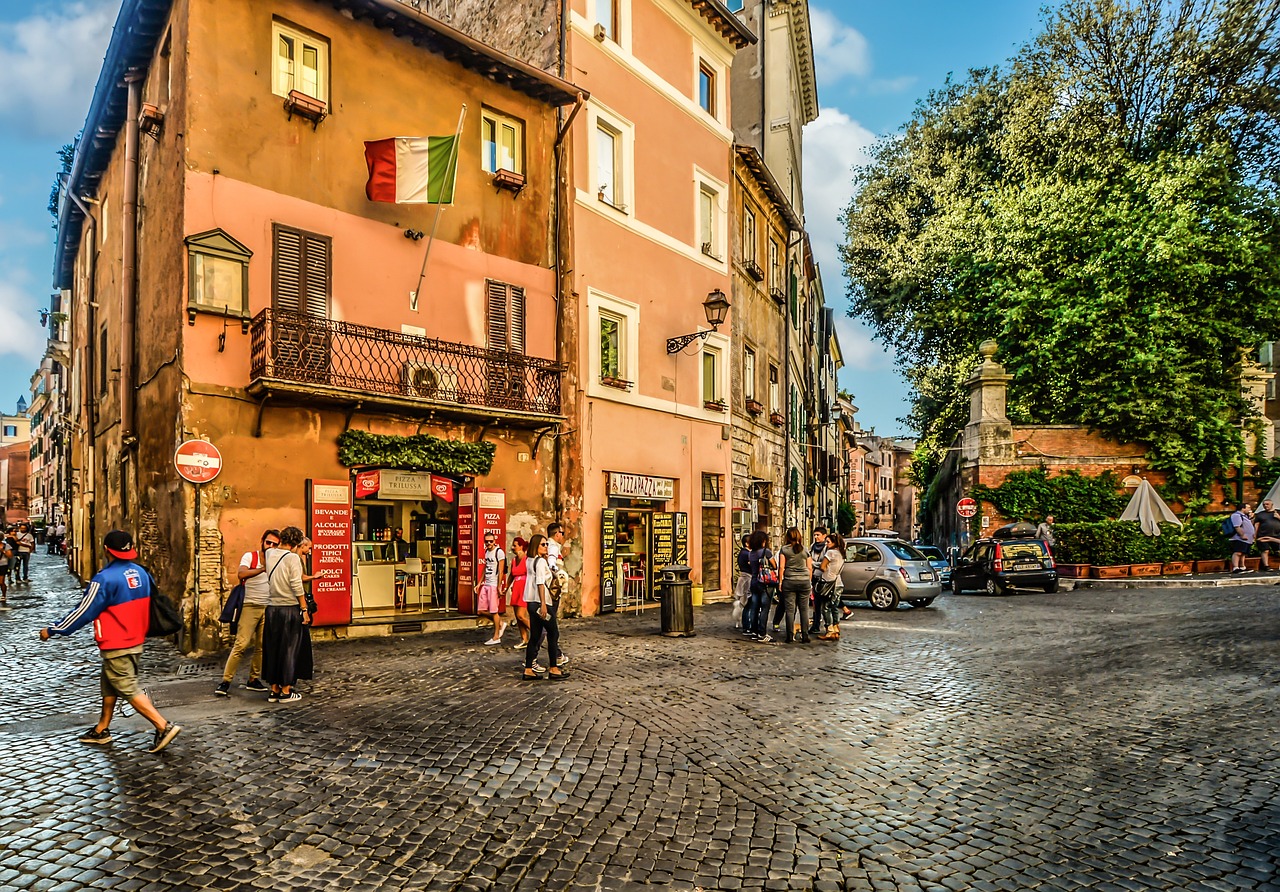
Trastevere to the Tiber and Appian Way: local adventures after dark
For a Trastevere Rome local street life Tiber walk Appian Way bike kind of evening, head to Trastevere when the light turns honeyed and the streets begin to sing. The neighbourhood is a masterclass in atmosphere: trattorias breathing out garlic and laughter, intimate piazzas, and music rising from corners you didn’t plan to find. One personal story stays with me—a meal shared with locals at a small table, the conversation half in Italian and half in gestures, and the feeling of being welcomed rather than merely served.
After dinner, it’s worth letting the night keep unfolding. Rome can feel wonderfully cinematic after dark, and with a little awareness, it can also feel safe and reassuring—especially on well-lit routes and busy neighbourhood streets.
Twilight confidence on a Rome walk along the Tiber River
For a simple route, take a slow twilight stroll beside the tiber river, where bridges frame the city and reflections soften the edges of stone. Choose well-lit stretches, keep your belongings close, and walk with purpose but not tension. The best photo spots are often the obvious ones: pause at a bridge, wait for the moment a scooter hums past, and let the dusk palette do the work.
Uncover the Appian Way by bike beyond central neighbourhoods
For a wilder side of Rome, the Appian Way offers an almost shocking shift in mood: ancient stones under wheels, ruins leaning into nature, and long green corridors that feel far from the crowds. One adventurer told me a spontaneous bike ride here led to unexpected encounters with local farmers—small conversations that delivered real insight into countryside rhythms and made the day feel genuinely personal.
- Choose your night: gelato and a quiet square, or live music and late plates.
- Add an adventure: a guided night walk for story-rich streets and extra confidence.
- Keep it human: finish somewhere calm, then return “home” without rushing.
These are crafted choices, not grand gestures—and that’s exactly why they work. They keep Rome local, lived-in, and beautifully real.
What stays with you after Rome: reflections, history, and personal travel insight in Italy
Rome reflections personal travel insight Italy rarely arrives as a single revelation. It’s more like a slow settling: the warmth of stone under an evening hand, voices threading through lanes, the soft sound of cutlery in a small trattoria just off the main flow. In this historic city, you might notice how the past doesn’t feel sealed away; it feels like it’s still breathing, quietly, in ordinary places.
You also carry home a kind of confidence that doesn’t shout. It’s the confidence of knowing you can arrive, find your centre, and move through Rome with trust in yourself—asking for help when you need it, offering care in return, and letting the journey support you rather than test you. Often, it’s the kindness you receive—directions offered, a smile from a waiter, a patient pause from a stranger—that stays brightest.
And perhaps that’s why Rome is called the eternal city: not because you can see it all, but because you don’t need to. You leave with the sense that there will always be another street to turn down, another doorway of art, another quiet bench where the day can simply be enough.
Some places you visit. Rome, in time, you come to know—together with whoever you shared it with, and with the version of yourself you met there. And long after the suitcase is unpacked, curiosity has a gentle way of wandering back.
F.A.Qs: Rome (Roma) and Italy travel essentials for first-time visitors
Why is Rome called Roma in Italy?
“Roma” is simply the Italian name for Rome, used locally and historically across the city. You’ll see it on street signs, tickets, and monuments, and it can make the place feel more intimate—like you’re stepping into Rome on its own terms. Using “Roma” is also a small cultural gesture that helps you feel connected, especially when greeting locals or navigating transport and neighbourhoods.
What not to do in Italy as an American traveler?
Avoid assuming service norms are identical to the US: meals are slower, and staff may not rush you. Dress respectfully in a church, keep your voice low in sacred spaces, and don’t skip basic pickpocket awareness in crowded places in Rome. It’s also best not to demand off-menu changes in traditional trattorias. A little patience, courtesy, and curiosity goes a long way, and you’ll be met with warmth.
What time do most people wake up in Italy, especially in Rome?
Many Italians wake around 7:00–8:00 on workdays, with city life building steadily through the morning. In Rome, cafés begin early, but museums and many shops start later than you might expect. For visitors, an early start is still a smart advantage for major sights, then you can follow the local rhythm with a longer lunch and a later evening stroll.
What town in the US feels most like Italy for travel vibes?
No US town replicates Italy perfectly, but places with walkable older neighbourhoods, strong food culture, and café life can feel somewhat familiar. Some travellers compare parts of Boston’s older streets or San Francisco’s lively neighbourhood energy to a European mood, though the scale and pace differ. The closest “Italy feeling” often comes from how you move—slower meals, more walking, and time for art and everyday moments.