Post Contents
- Rome travel guide for a high-end first visit in Italy – comfort-first planning for Rome’s top sites
- Design a Rome itinerary: the best things to do in Rome for 2–4 days
- Colosseum and Roman Forum – a private guided tour in Rome’s ancient heart
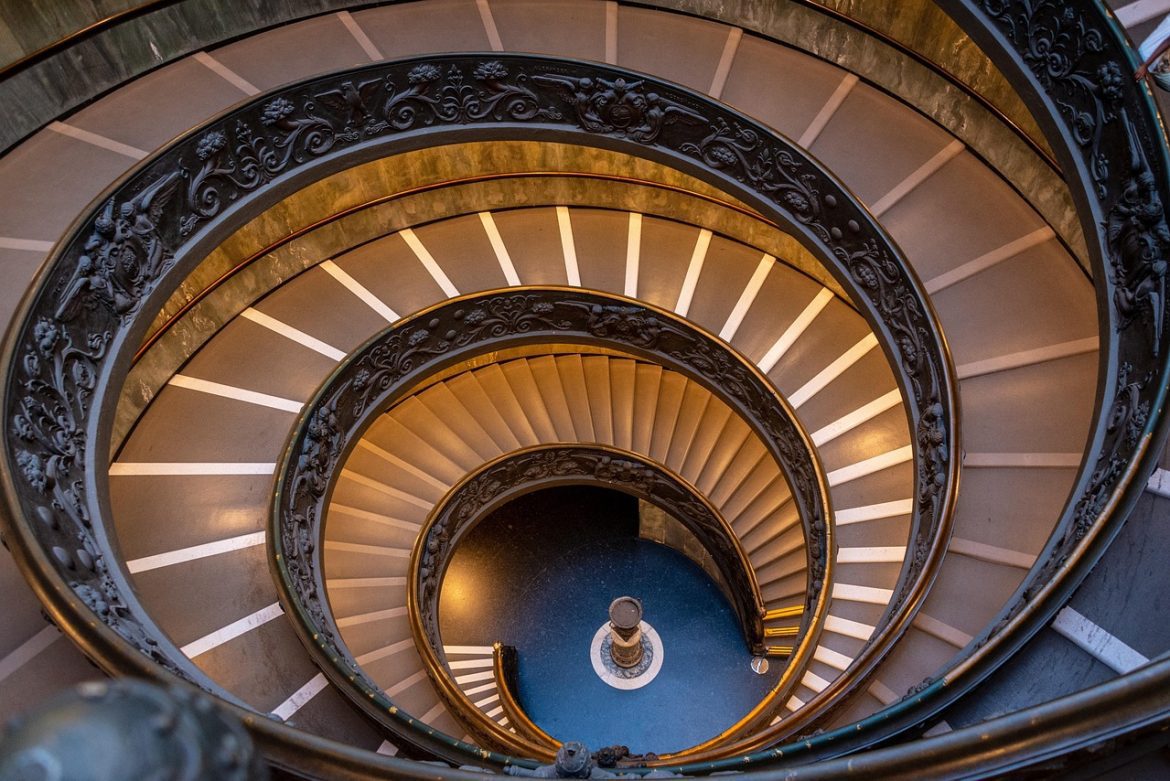
- Vatican City early access and the Vatican Museum in Rome – art, history, and the Sistine Chapel
- Villa Borghese in Rome – gardens, a luxury picnic, and museum calm
- Pantheon, Piazza Navona, and Trevi Fountain rituals in Rome – a classic walking loop
- Trastevere food tour and hidden gems in Rome – trattorias, wine bars, and atmosphere
- Rome travel tips: best hotels in Rome, transfers, and a high-end checklist
- What stays with you after Rome – the feeling of the Eternal City
- F.A.Qs: Best places to visit in Rome Italy (quick answers)
Rome travel guide for a high-end first visit in Italy – comfort-first planning for Rome’s top sites
Rome travel guide for a high-end first visit in Italy
This chapter is your calm framework for the best places to visit in Rome Italy—a thoughtful first visit to Rome that prioritises comfort, timing, and meaning over rushing. Rome is an emotional city as much as a capital city, so the goal is to create breathing space between major attractions and lingering moments at the top sites.
High-end planning in Rome isn’t about doing more; it’s about doing what matters, with confidence and ease. Cobblestones are part of the charm, but they can be hard on feet and luggage wheels, and peak-hour crowds around famous tourist attractions are very real. With smart timing, reserved entries, and seamless transfers, you’ll move through this destination far more smoothly than in another European city that rewards a faster pace.
Choose a neighbourhood base that matches your rhythm in Rome
Where you stay shapes how Rome feels from the moment you step outside. If you like quiet mornings and a gentle start, consider staying near the Vatican, where early walks can feel surprisingly local before the day-trippers arrive.
If you prefer to step straight into evening atmosphere, the Centro Storico keeps you close to the Pantheon, elegant lanes, and the classic piazza life. For a more characterful boutique feel, Monti offers design-led dining and small galleries with a slightly more lived-in pace—still close enough to see everything on foot when the mood strikes.
Concierge-style support that feels personal (and makes Rome effortless)
Rome rewards travellers who have someone quietly “behind the scenes”. An expert local fixer or hotel concierge can secure timed entrances, recommend a trusted guided tour, and arrange private transfers so you never feel you’re negotiating the city alone. That support is most valuable for the Colosseum, the Vatican, and special dinner reservations—especially if you’re travelling together and want each day to feel crafted, not crammed.
If you’d like to browse inspiration before you book, start with our Trip gallery and then refine your choices around pace, priorities, and the neighbourhoods that fit you best.
- Comfort over cost: plan for shade, pauses, and short transfers—Rome is best enjoyed unhurried.
- Expect the texture: cobbles, steps, and sudden crowds are part of the city’s rhythm.
- Trust your timing: early mornings and later afternoons often feel like a different Rome.
When you visit Rome with this mindset, the city meets you with care—iconic sights, yes, but also the quiet spaces between them that make you choose Rome again and again.




Design a Rome itinerary: the best things to do in Rome for 2–4 days
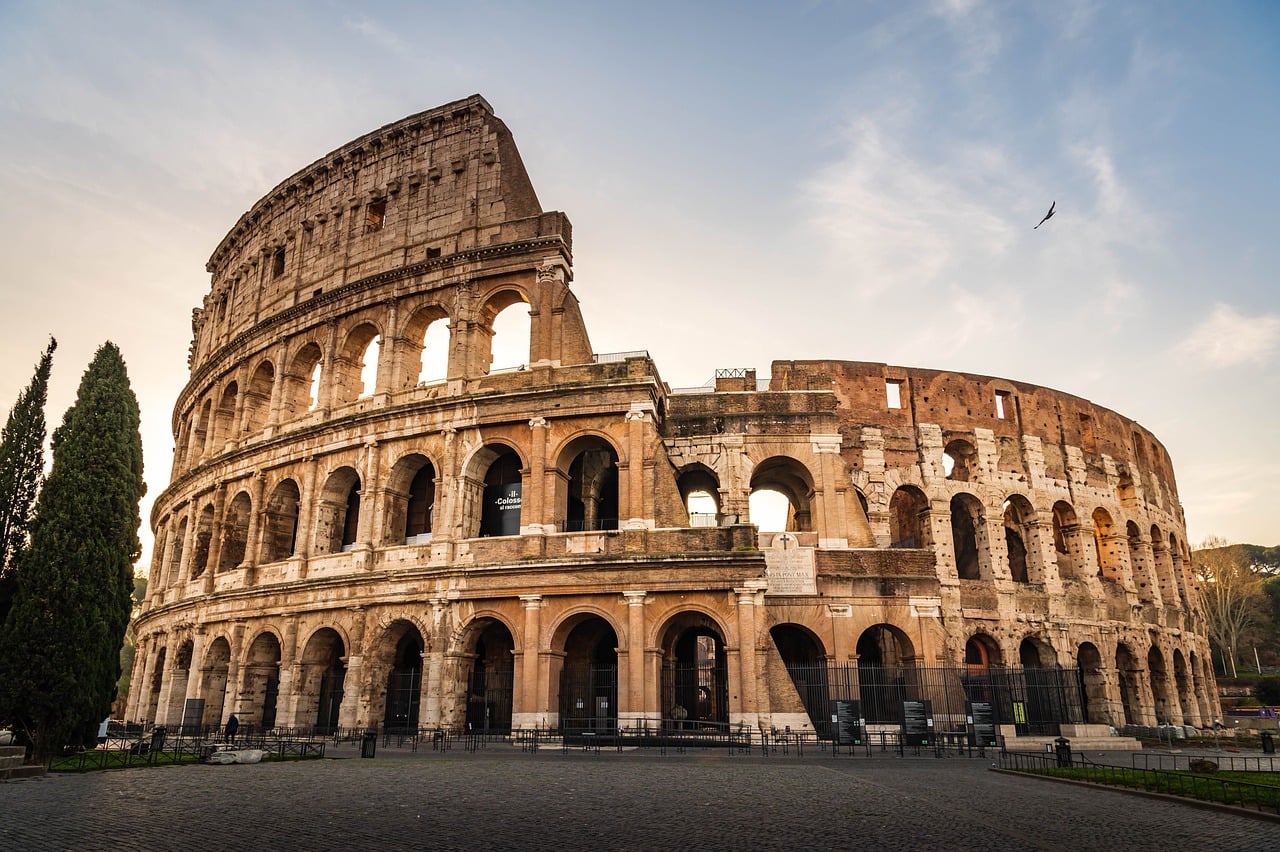
Design a Rome itinerary with the best things to do in Rome
A refined plan starts with a clear itinerary—not as a checklist, but as a design exercise built around energy, appetite, and light. This is your Rome itinerary for protecting your best hours for the places to visit and the places in Rome you care about most, while still leaving room for spontaneity and the best things that happen between landmarks.
For high-end travellers, the secret is to anchor one standout attraction per morning, then keep afternoons open for piazza time, shopping, and long lunches. This is how you keep enthusiasm steady, whether you’re travelling as a couple, with family, or solo and craving both freedom and connection.
Itinerary shapes for 2 to 4 days in Rome (culture, food, or romance)
Culture-led (2–3 days): Start with the Colosseum and Roman Forum early, then follow with Vatican City highlights and an art-focused afternoon at a museum such as Borghese (tickets should be secured well in advance). Add an evening stroll that ends with gelato and a rooftop view.
Food-led (3–4 days): Mix the big sights with a bespoke culinary experience—one of our favorite splurges is a Roman cuisine masterclass with a Michelin-starred chef. Pair it with an intimate wine tasting and an elegant walk past local markets (Campo de’ Fiori often appears simply as “fiori” on maps and signage) to uncover ingredients, neighbourhood stories, and the flavours Romans actually crave.
Relaxed romance (2–4 days): Keep mornings purposeful and afternoons slow: a restorative bath session, a light lunch, then golden-hour time in a beautiful piazza. Rome can be intensely romantic when you let it arrive gently rather than chase it.
Smart pacing between highlights and slow-luxury rituals in Rome
Map your mornings for major sights, then leave late afternoons for wandering. Cutting through Via del Corso and drifting into the historic lanes is often the best way to see the city’s small details—fountains, carved doorways, hidden courtyards—without overplanning. It’s also worth booking a car when you want to cross Rome quickly in summer heat or you’re dressing for a special evening.
Build in rituals that make the Eternal City feel personal: a gelato stop after a museum, an unhurried espresso at a corner from the Pantheon, and a rooftop moment when the city turns honey-coloured. If you have an extra half-day around Rome, Tivoli is worth a visit for gardens and water features—an easy reset before another evening in the city.
- Best rhythm: one headline site in the morning, one neighbourhood in the afternoon, one beautiful dinner.
- Keep energy steady: schedule shade, water, and a short bathhouse-style pause on warmer days.
- Reserve what matters: museum entries and chef-led experiences should be booked early.
Now, let’s begin with the ancient heart—where Rome’s stones still feel warm with memory and the story of ancient Rome is written under your feet.
Colosseum and Roman Forum – a private guided tour in Rome’s ancient heart
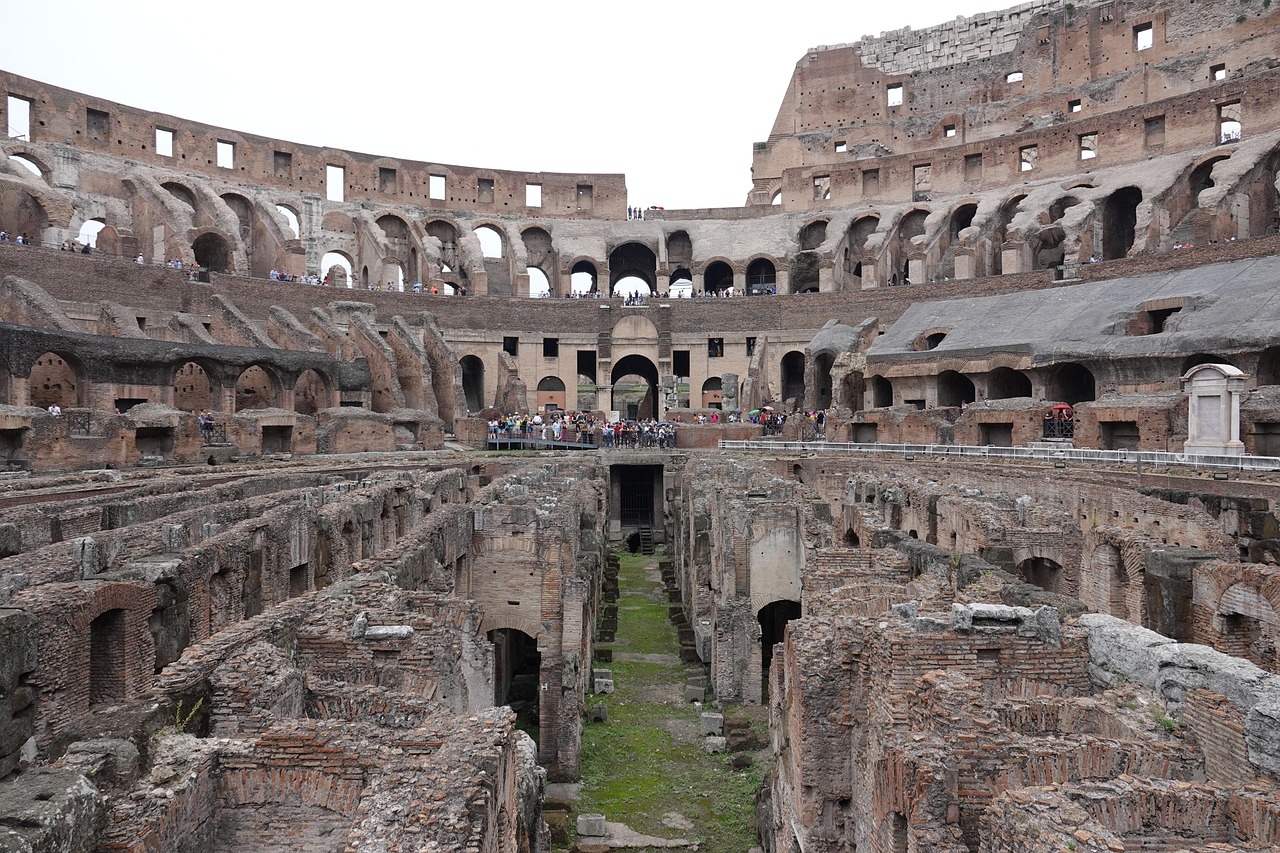
Colosseum and Roman Forum private guided tour in Rome
For many first-timers, the pinnacle experience is a colosseum and roman forum private approach—less about fame, more about feeling the scale and meaning without the noise. The Colosseum is vast, yet the right guide helps you hear the stories: how the building worked, where spectators gathered, and what the gladiatorial world meant to Romans living in ancient Rome.
A skilled guide will uncover details most visitors miss: the logic of the architecture, the surprisingly modern crowd control, and the symbolism of power in stone. It’s one of the most interesting ways to experience Rome because it connects emotion to evidence—history you can literally feel underfoot.
Colosseum, Roman Forum, and Palatine Hill: one continuous story
Pair the Colosseum with the Roman Forum and Palatine Hill so the day feels cohesive rather than fragmented. The route from arena to civic heart to imperial hilltop turns “ruins” into a lived city—politics, religion, family life, and ambition layered across centuries. It’s also the clearest way to understand the Roman Forum and Palatine Hill as the setting for Rome’s origin myths, including Romulus, the city’s first king.
One traveller shared a magical moment that still feels like a whispered secret: watching sunrise over the Roman Forum from a rooftop terrace, coffee warming their hands as the columns caught the first light. If you can, plan one early morning like this—the eternal city is softer, quieter, and oddly tender before the day begins.
Timing, tickets, and alternatives away from the Colosseum
Book online well in advance and choose an early slot for calmer movement through these monument zones. Early light also flatters photography, and it keeps the day cooler. If you’re returning to Rome—or you simply want something like the Colosseum but away from the Colosseum crowds—consider Ostia Antica for a true back to the 1st century atmosphere with space to wander and imagine.
For an even deeper perspective, some travellers pair ancient sites with the Appian Way, where the city’s edges feel unexpectedly peaceful. It’s a reminder that Rome isn’t only its centre; it’s also its quiet margins.
From emperors to popes, the next chapter shifts from imperial spectacle to spiritual art—crafted, when you time it right, to feel almost private.
Vatican City early access and the Vatican Museum in Rome – art, history, and the Sistine Chapel
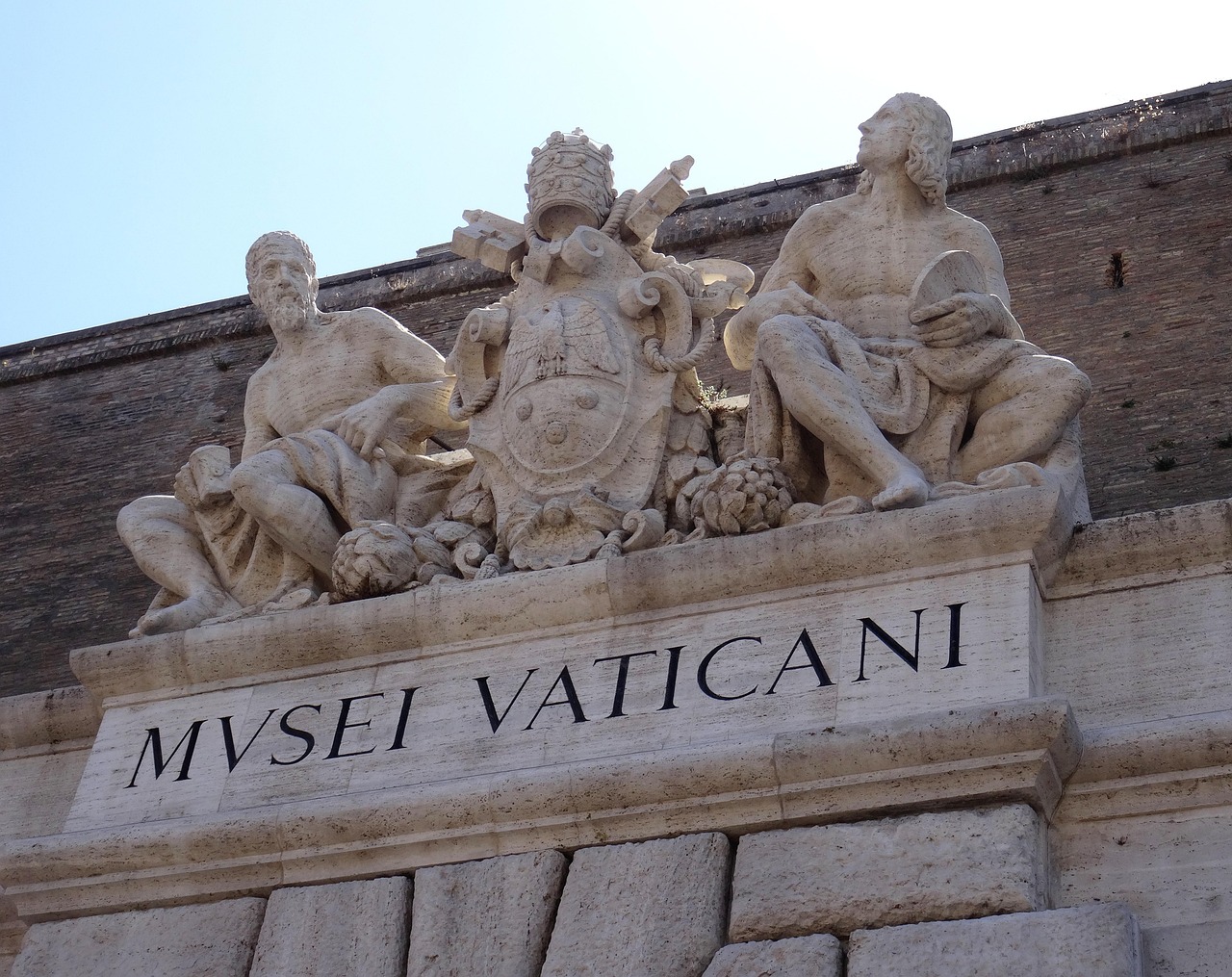
Vatican City early access and the Vatican Museum in Rome
To experience the masterpieces with comfort, prioritise early access to the Vatican—it transforms the visit from crowded to curated. Entering Vatican City in the early morning feels like the complex is still waking up: quieter galleries, less jostling, and time to notice the human touch in brushwork and marble as you move through the Vatican Museum route.
When you arrive before the main rush, your Vatican Museum experience can be shaped around your interests rather than bottlenecks. For high-end travellers, this is where seamless planning genuinely changes the emotional quality of Rome and turns a must-see into a lasting memory.
Guide-led insight through Papal history, galleries, and museum highlights
The difference between “seeing” and understanding is usually the guide. A great expert adds context—Papal politics, artists’ rivalries, and the quiet decisions behind grand commissions—so each gallery feels connected to the city outside the walls. With the right pacing, a museum morning feels immersive rather than exhausting.
And then the Sistine Chapel: when it’s not shoulder-to-shoulder, you can actually stand, breathe, and let your eyes travel. It becomes less of an attraction and more of a moment of stillness inside the Eternal City.
Peter’s Basilica etiquette, security flow, and respectful pacing
Plan time for Peter’s Basilica (often heard locally as San Pietro) and take the dress code seriously: cover shoulders and knees, and keep behaviour calm and respectful. This basilica is not only magnificent; it’s also a place of living faith, and moving with care elevates the experience for everyone.
To keep the visit seamless from security to exit, use timed entrances where available, travel light, and let your guide steer you away from choke points. A calm route reduces standing time and preserves energy for the rest of Rome—especially on warmer days when queues feel longer than they are.
- Dress with confidence: a light wrap or scarf makes basilica etiquette effortless.
- Start early: early access is often worth a visit for comfort alone.
- Pause on purpose: choose one gallery to linger in, rather than trying to conquer them all.
After the Vatican’s intensity, Rome offers an elegant exhale—green space, long paths, and a slower kind of beauty.
Villa Borghese in Rome – gardens, a luxury picnic, and museum calm
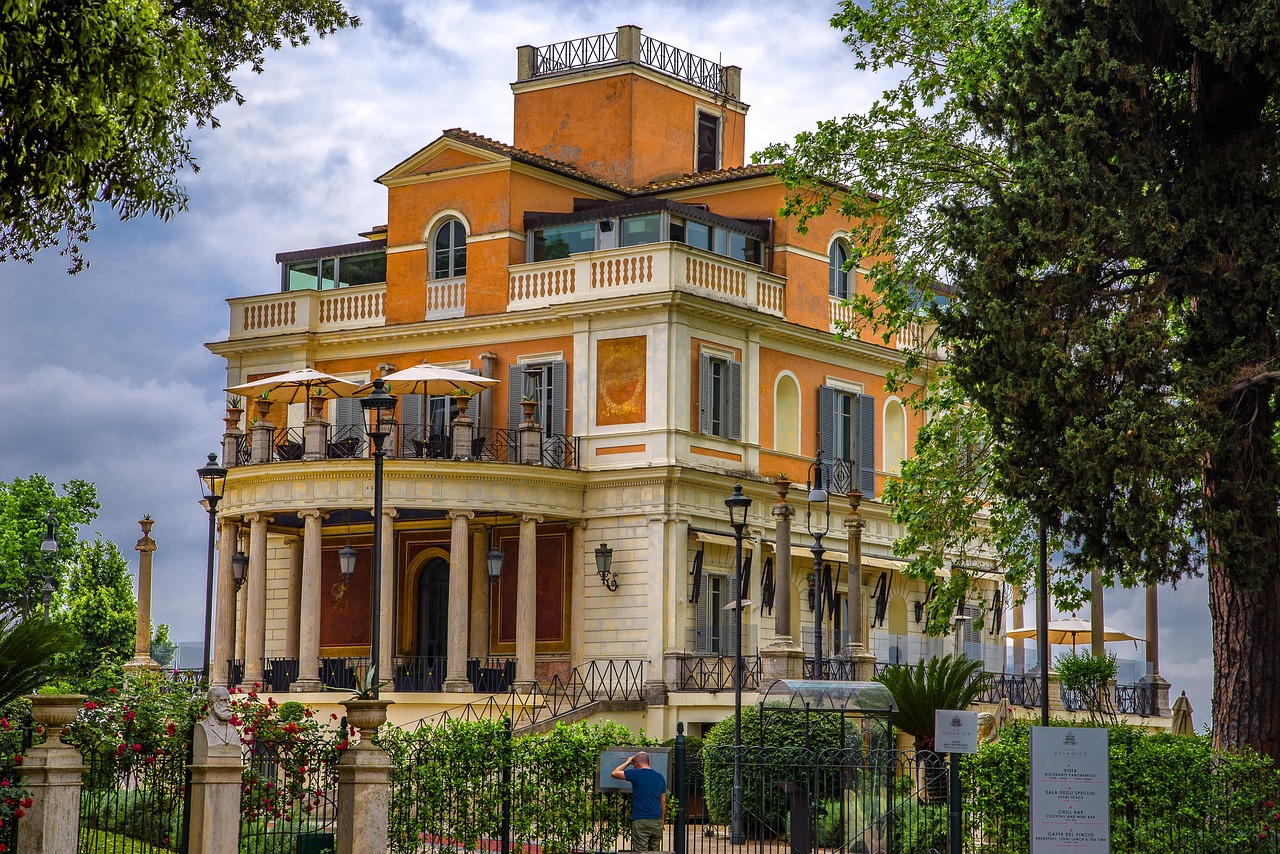
Villa Borghese Rome luxury picnic gardens and museum calm
For a softer side of the beautiful city of Rome, make time for Villa Borghese and its gardens. The park feels like Rome taking a long breath—tree-lined paths, gentle viewpoints, and space to slow down after big museum mornings. A picnic here is less about extravagance and more about ease: good produce, a quiet bench, and the kind of panorama that reminds you why you came.
If you’re travelling with family, Villa Borghese is also a kind way to balance everyone’s needs. You can explore for an hour or a whole afternoon, with no pressure to “finish” anything—and that flexibility can be the most luxurious detail of all.
Piazza del Popolo: a graceful gateway into Villa Borghese
Begin at Piazza del Popolo and stroll into the park from the city side. That transition is part of the pleasure: the piazza’s grand symmetry gives way to greenery and birdsong, and within minutes you feel the tempo shift. It’s one of the best ways to see in Rome how quickly the city can change mood.
If you’d like panoramic photographs, aim for late afternoon when the light warms the rooftops. In spring and autumn, this is when Rome looks most flattering—soft edges, gentle colour, and fewer harsh shadows.
Pair the gardens with the Borghese Gallery museum (tickets are limited)
For art lovers, the nearby Borghese Gallery is a museum experience that rewards planning. Tickets are limited, so reserve early and build the day around your entry time rather than squeezing it in. Done well, you can enjoy the gallery, then step back into the gardens for a slow wander—unhurried, balanced, and quietly luxurious.
From here, the city’s lanes pull you back towards stone and water—the piazza rituals that make Rome feel playful and timeless.
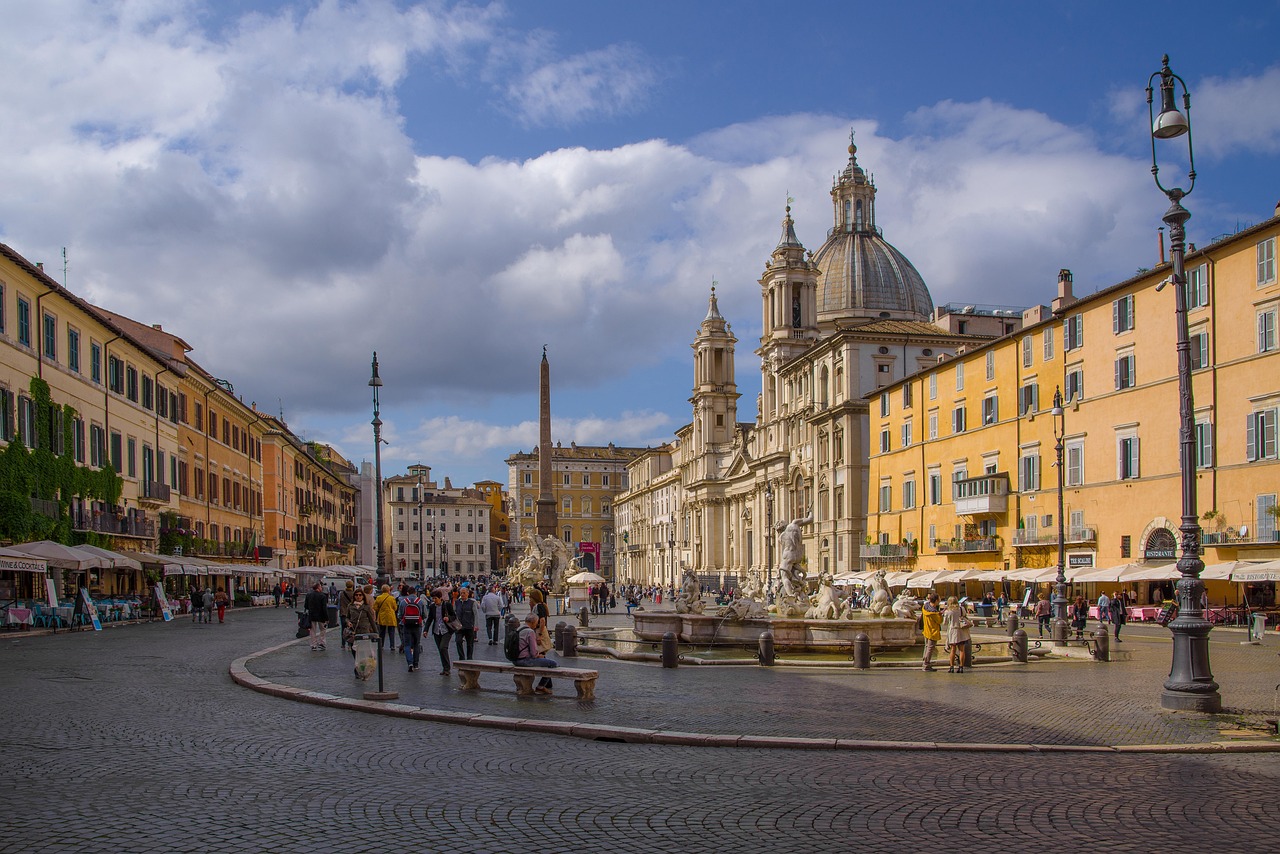
Pantheon, Piazza Navona, and Trevi Fountain rituals in Rome
This is where Rome feels like a film set you can walk through. The loop from the Pantheon to Piazza Navona, then onwards to the Trevi Fountain and the Spanish Steps, becomes a graceful sequence rather than separate pins on a map. Start with the Pantheon, then drift through lanes that are made for surprise—fountains, doorways, and cafés that feel more local if you arrive early.
Approach these classics with lightness. They’re famous, yes, but they can still feel personal when you choose your timing, take a seat for ten minutes, and let the atmosphere arrive.
Begin with an espresso at a spot just a corner from the Pantheon, then step inside to appreciate the scale and the oculus light. From there, wander to Piazza Navona and take a seat slightly back from the centre so you can watch the flow without being in it. One couple told us their most intimate evening in Rome wasn’t a big show at all—it was simply returning to the piazza late, when it had room to breathe, and letting the city speak in its own time.
If you’re shopping today, keep it gentle: a small artisan purchase feels more meaningful than a hurried bag of souvenirs. Rome is best when you leave space for discovery.
Trevi Fountain and Spanish Steps: timing, style notes, and photo angles
Visit the Trevi Fountain at dawn or late evening. Stand slightly to one side, let others pass, and then take your moment. To throw a coin, use your right hand over your left shoulder—an old gesture of return. The coin in the Trevi Fountain ritual is less about superstition and more about intention: a small promise to yourself that you’ll come back when the time is right.
For the Spanish Steps, arrive early if you want a classic view from the top of the steps. Around Piazza di Spagna (often shortened to Spagna), cobblestones and inclines can be challenging, so choose comfortable, polished shoes you can actually walk in. Rome asks you to move, but it doesn’t ask you to suffer.
As evening arrives, pass by Piazza Venezia and the Victor Emmanuel monument. The Victor Emmanuel II / Vittorio Emanuele II complex and the Tomb of the Unknown Soldier can feel especially moving when it’s lit up at night—a reminder that Rome holds modern history alongside the ancient.
Next, we cross the river into a neighbourhood where Rome feels warmer, more conversational, and deliciously alive.
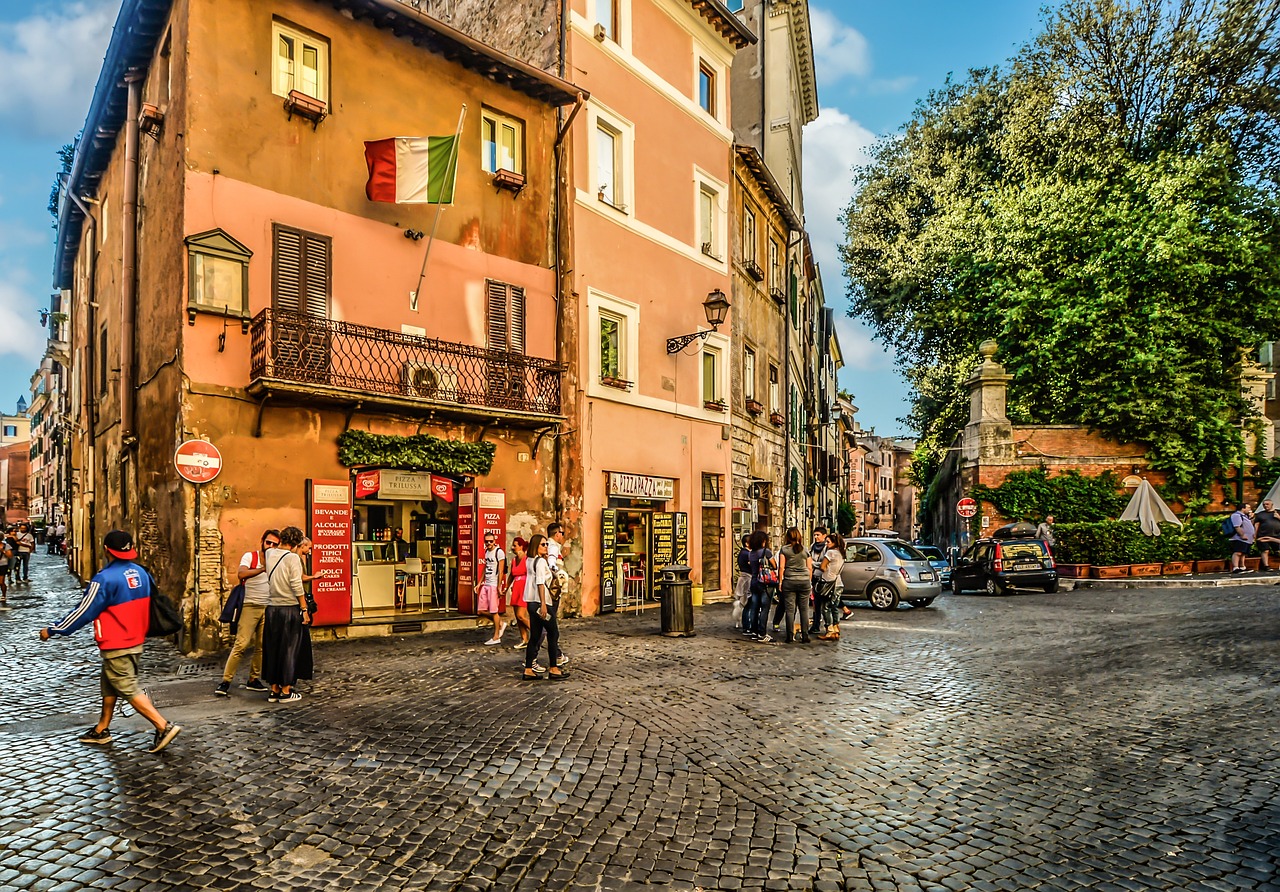
Trastevere food tour and hidden gems in Rome
Evenings in Trastevere are made for connection, and a food tour here is one of the most enjoyable ways to uncover the neighbourhood’s personality. It has a lived-in beauty—ivy, warm light, and laughter drifting from doorways—yet it still benefits from smart pacing so you don’t feel swept along by the crowds.
A private or small-group food tour is ideal: you can taste, learn, and still hear each other. It’s also a reassuring way to explore if you’re new to Rome and want a local expert to guide you with care on your first nights out.
Trattorias, wine bars, and amazing Italian food without the rush
Choose a route that blends classic trattorias with a couple of modern wine bars, and save space for gelato at the end. A good guide will steer you away from tourist menus and towards places that do a few dishes brilliantly—this is where you’ll taste amazing Italian food that feels rooted in the city.
If you’re looking for the best restaurants experience in this part of Rome, ask your concierge for a table that matches your mood: candlelit and intimate, or lively and social. The right reservation turns dinner into a memory, not a mission.
Hidden Rome gems from Santa Maria to the Basilica of San Clemente
Start with Santa Maria in Trastevere for a beautiful square and an easy evening atmosphere before you head deeper into side streets. For a secretive view, go to the Aventine Keyhole and look through to see St. Peter’s framed like a painting—Rome in miniature. Another layered favourite is the basilica of san clemente, where San Clemente reveals centuries beneath your feet like the city is showing you its private archive.
If you’re travelling solo, a small-group Vespa tour is a beautiful way to explore beaten path neighbourhoods with warmth and ease. One solo traveller told us they felt genuine connection—riding with others, stopping for photos, and ending at a sunset lookout where Rome looked almost unreal, like a painted backdrop.
For shopping, seek out local artisans who welcome visitors into workshops. Watch hands at work, ask about materials, and trust your instincts: quality feels different. These are the souvenirs that carry real craft, not mass production.
- Value moments, still luxury: it’s free to enter many basilica spaces (donations welcomed), and on the first Sunday some state sites can be free to visit—verify current rules before you go.
- Local confidence: explore with a guide at night if you prefer reassurance and seamless pacing.
- Keep it human: choose one artisan piece you’ll actually use, rather than many you’ll forget.
As your days deepen, the practical details matter more—because comfort is what allows Rome to feel effortless.
Rome travel tips: best hotels in Rome, transfers, and a high-end checklist

Rome travel travel tips and best hotels in Rome Italy
This chapter covers the details that keep everything seamless—arrivals, reservations, and the habits that protect your energy. Rome is welcoming, but it’s busiest exactly where you expect it, so a little preparation helps you enjoy the city with quiet confidence rather than constant decision-making.
If you plan well, you’ll spend more time enjoying views of the city and less time in lines. That is the real luxury: time, calm, and the freedom to change your mind mid-day.
Months to visit, arrivals, and private transfers in Rome
For months to visit, spring and autumn are the sweet spot—comfortable temperatures, softer light, and fewer crowds. Summer can still be wonderful, but expect heat and peak queues at major attractions; early starts and longer lunches become your best strategy. If you’re deciding when to go to Rome, match your travel style to the season, not the other way around.
Arrive via Fiumicino Airport and pre-book a private transfer so you’re not negotiating taxis after a flight. If you’re coming by rail, Rome Termini is the city’s main hub; the area can feel more functional than romantic, but it’s fast and efficient. In the language of travel, it’s the city’s terminus—useful for speed, less so for atmosphere.
Safety, best hotels, and a luxury planning checklist
In busy areas, be cautious during peak hours to avoid pickpockets. Use hotel safes for valuables, keep jewellery discreet, and carry passports only when necessary. The aim is not anxiety—just sensible habits that let you relax.
When considering best hotels, choose by mood and practicality. Classic grand properties suit travellers who want formal service and tradition; design-forward hotels offer a contemporary Rome; quiet courtyard hotels are perfect if you want a retreat after busy days. Prioritise walkability, strong concierge support, and easy access to neighbourhood dinners—even if you’re also planning a quick visit to a landmark like the Basilica of St. John Lateran.
- Book ahead: Colosseum and Vatican entries, plus any museum tickets you truly want.
- Pack with care: refined layers for basilica dress codes and shoes for cobblestones.
- Reserve expertise: an expert guide for the days you want deeper insight and a crafted route.
Once the logistics are handled, Rome becomes lighter—more intuitive, more present. And then, almost without warning, the trip starts to linger in you.
What stays with you after Rome – the feeling of the Eternal City
This is the part that’s hardest to describe, because the eternal city doesn’t only live in photographs. It lives in small sensations: stone warmed by sunlight, the hush of early Vatican galleries, the way a museum corridor can feel like a private passage when the crowds are still outside. Rome has a way of holding you in its history while still letting you feel entirely yourself.
Some memories return at unexpected moments. A couple once told us their favourite night was an intimate dinner inside a restored 16th-century palazzo overlooking Piazza Navona—no grand performance, just candles, quiet conversation, and the city’s sound drifting up from the piazza below.
What remains, too, is the feeling of trust: that you can choose your pace, say no to what doesn’t fit, and let the city meet you where you are. When you return to Rome in your mind, it’s often not the headline sights you revisit first—it’s the pauses between them, where the city feels most personal.
And perhaps that is Rome’s gentlest gift: the sense that you could return to Rome one day, not to tick off what you missed, but to notice what you’re ready to see next time.
F.A.Qs: Best places to visit in Rome Italy (quick answers)
What are the top 5 places in Rome?
The top five classics are the Colosseum, the Roman Forum (ideally with Palatine Hill), the Vatican Museums, St Peter’s basilica, and the Pantheon. For a high-end visit, book timed entries and consider a private guided tour so each place feels calm, contextual, and genuinely memorable.
What’s not to miss in Rome?
Don’t miss an early start at either the Colosseum or the Vatican, plus at least one slow evening walking between a beautiful piazza and a fountain. Rome is also about atmosphere—so build time for a rooftop view, a long lunch, and one meaningful artisan purchase that connects you to the city.
What are the 6 top sightseeings to do in Rome?
Six essential sightseeings are the Colosseum, Roman Forum and Palatine Hill, the Vatican Museums and Sistine Chapel, St Peter’s basilica, the Trevi Fountain, and Piazza Navona. Visiting at dawn or late afternoon helps you enjoy these highlights with more comfort and space.
What is the most beautiful part of Rome?
Many travellers find the Centro Storico the most beautiful: a walkable web of lanes linking the Pantheon, Piazza Navona, and small cafés. Others fall for Villa Borghese at golden hour or Trastevere after dark. The most beautiful part is often the one that matches your pace and mood in that moment.