Post Contents
- Visit Milan with confidence a designer travel guide for luxury city centre planning
- Duomo moments in Milan from Piazza del Duomo to the rooftop with Duomo di Milano rooftop terrace tickets in advance
- See La Scala and design an unforgettable opera night with Teatro alla Scala guided tour and La Scala tickets for a luxury evening
- Leonardo da Vinci’s Last Supper and Sforzesco Castle with Last Supper Milan Santa Maria delle Grazie guided tour Sforzesco
- Brera to Navigli the Milan you might have missed in Milan with Brera district Milan Navigli Quadrilatero d’Oro Fondazione Prada
- What stayed with me after Milan with missed in Milan reflections and love with Milan designer journeys
- F.A.Qs: best things to do in Milan Italy travel guide
Visit Milan with confidence a designer travel guide for luxury city centre planning
Visit Milan with confidence a designer travel guide for luxury city centre planning
This visit Milan luxury travel guide is centred on city centre planning that feels calm, intentional, and quietly elevated. Milan can be thrilling, but the most rewarding way to experience it is to design your days with space—unhurried mornings, well-timed reservations, and a little breathing room between attractions in Milan. Think of the city as a crafted base for Lombardy, where culture, style, and food are close enough to enjoy together without rushing.
Start by imagining what you want your Milan rhythm to feel like: gallery light and espresso, or theatre nights and late suppers. With a little support up front, you’ll explore Milan with confidence rather than constantly checking maps and queues. If you’d like to browse inspiration before you plan to go, our Trip gallery can help you picture the tone of your trip to Milan.
When to go to Milan for softer crowds and better light
For high-end travellers, the best time to go to Milan is late spring (April to June) and early autumn (September and October). You’ll uncover gentle warmth, longer golden hours, and fewer peak-season crowds around major sites—ideal for photography and leisurely café pauses. This shoulder-season mindset also makes it easier to secure top tables and private experiences without compromising on choice.
Summer can be hot and busy, while winter has its own elegance—think opera season and a polished city life—but shorter days. If you want that “quiet luxury” feel, aim for a weekday arrival and keep weekends for slower neighbourhood wandering.
Arrivals and getting around Milan in seamless style
Arriving well changes everything. Milan Malpensa Airport and Linate both offer simple access to the centre, and Malpensa Airport is especially convenient for international routes. A private transfer is the most seamless option, particularly after a long flight, and a trusted tour operator can create door-to-door ease that lets you land, exhale, and start enjoying Milan immediately.
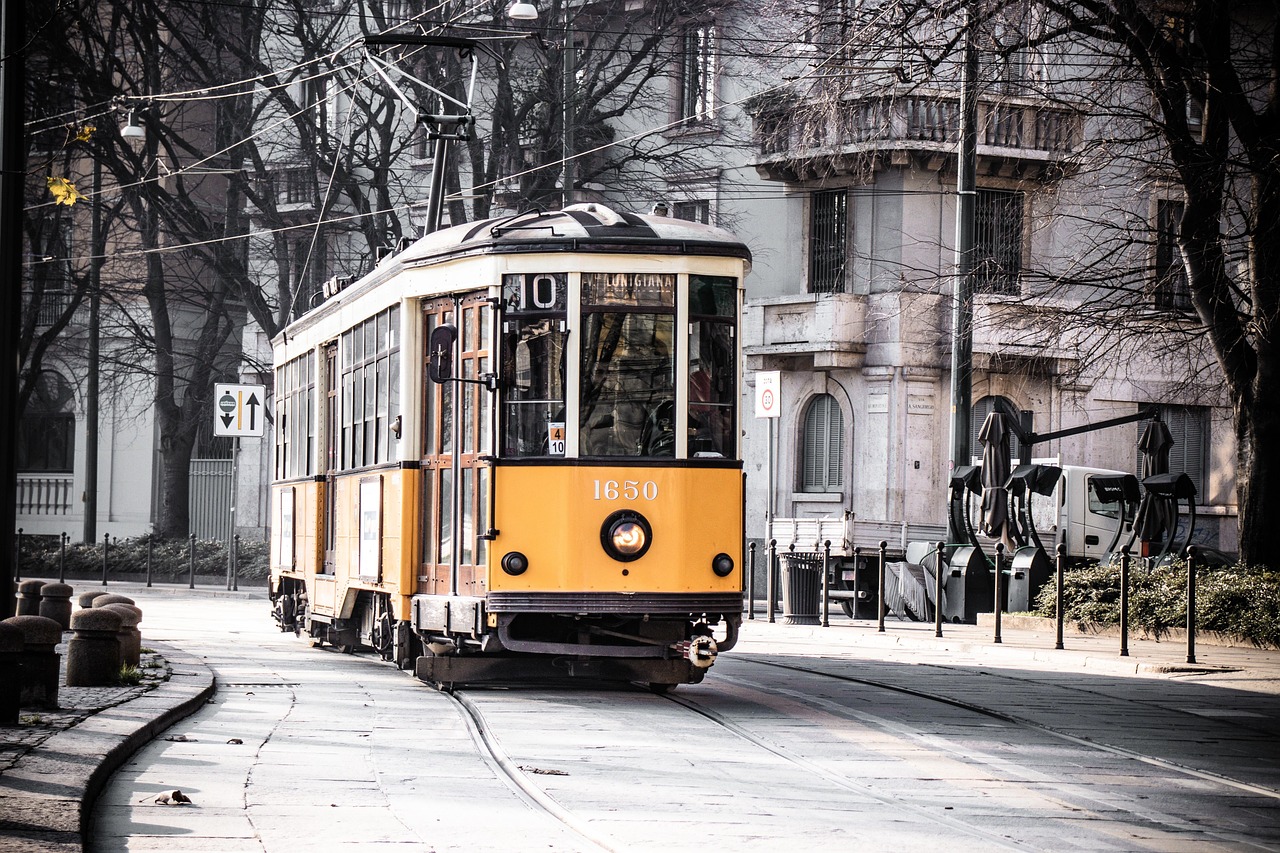
Once you’re in town, the metro and tram network are smart for quick hops, while a private chauffeur is ideal for polished evenings, late reservations, and returning comfortably after a theatre night. If you’re unsure what’s appropriate, Milan is forgiving—but it appreciates care: greet with a handshake, keep church interiors quiet, and tip around 10% in restaurants when service hasn’t been included.
- Dress codes: elegant attire is recommended for upscale dining and theatre nights.
- Church etiquette: shoulders covered and voices low; you’ll feel more at ease.
- Getting it right: privately guided tours can offer discreet support, priority access, and a more personal pace.
With the foundations designed, the best things begin to unfold naturally—starting in the Piazza del Duomo.




Duomo moments in Milan from Piazza del Duomo to the rooftop with Duomo di Milano rooftop terrace tickets in advance
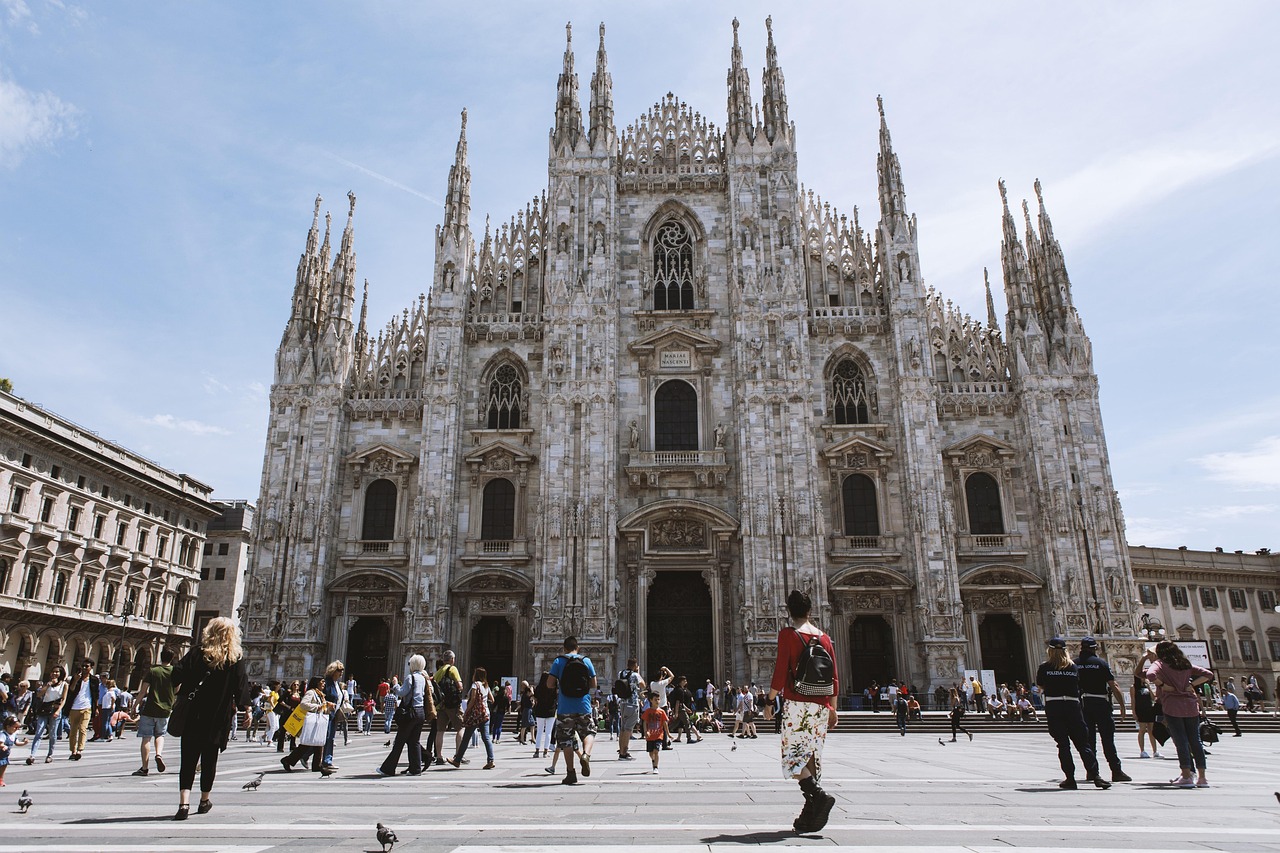
Duomo moments in Milan from Piazza del Duomo to the rooftop
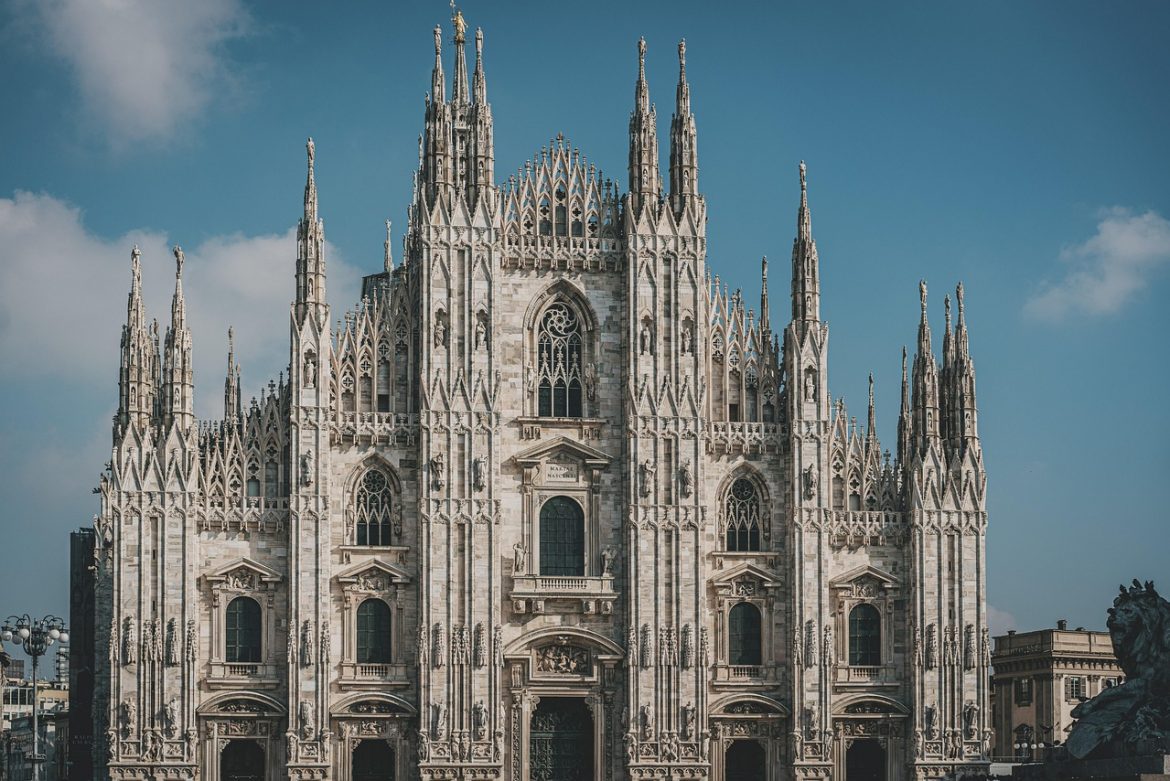
For Duomo di Milano rooftop terrace tickets in advance, a little planning creates a surprisingly intimate experience at Milan’s most iconic landmark. Begin in Piazza del Duomo early, when the square feels more spacious and the first light softens the marble. This is one of the main attractions in Milan, yet it can still feel personal when you arrive before the day-trippers and let the city wake up around you.
Slow down at the Duomo and notice the detail
The Duomo of Milan is one of the most beautiful expressions of Italian art and architecture, and it rewards anyone who slows down. Look closely at the Gothic façade: the forest of spires, the sculpted saints, and the delicate stonework that seems almost like lace. Inside, allow your eyes to adjust and then seek out the stained glass—its colour is richer than you expect, even on an overcast day.
To make it feel less like a checklist, choose a few details to hold onto: a single carved figure, the pattern of columns, the way sound behaves in the nave. This is a place to see with patience, not speed.
Rooftop confidence and booking in advance
The rooftop is where the Duomo becomes pure Milan: open sky, marble underfoot, and a panoramic view that makes the city’s geometry suddenly make sense. In peak periods, book in advance and aim for a timed entry that suits your energy—late afternoon if you want softer light, earlier if you want quieter pathways. You’ll usually choose between lift access or stairs; lifts are the best option for accessibility and for staying fresh for the rest of your day in Milan.
When you arrive, follow the signage and allow time for security. If you need reassurance, staff are helpful, and a guided tour can smooth the process further. If you prefer to purchase a ticket in person, do it as early as possible, but the calmest way to see the rooftop is still to secure it online and simply show up.
One traveller once described their golden-hour rooftop sunset as a “hush above the city”, as the skyline turned honeyed and the marble glowed warm beneath their hands. It’s the sort of moment that creates trust in travel again—proof that a great place, approached gently, gives back more than you expect.
Afterwards, step next to the Duomo into the Galleria Vittorio Emanuele II, a historic shopping arcade that feels like an indoor piazza. Take a slow coffee ritual at a café beneath the glass dome, watch the city dress itself for the day, and let the morning feel beautifully unhurried.
See La Scala and design an unforgettable opera night with Teatro alla Scala guided tour and La Scala tickets for a luxury evening
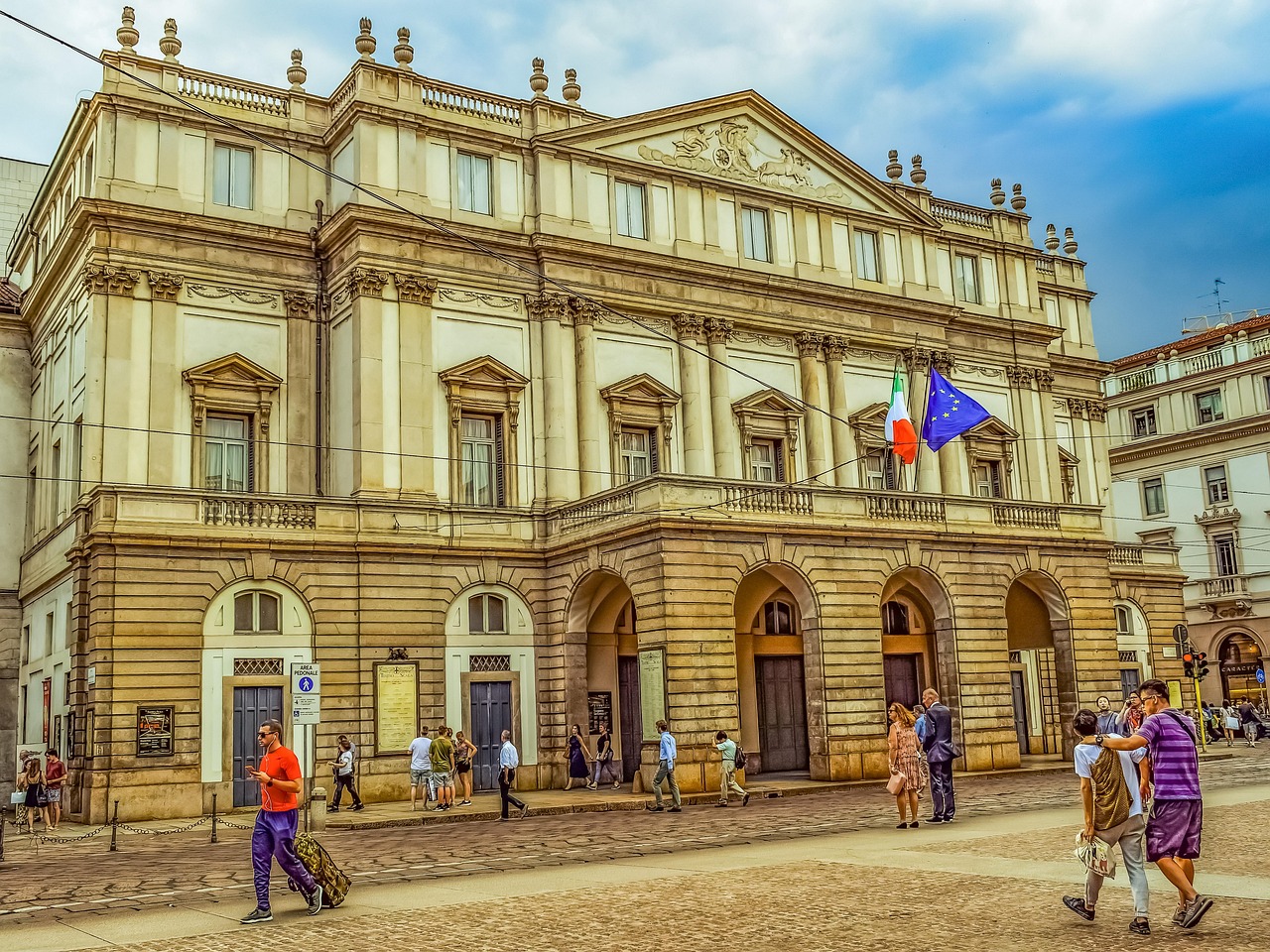
See La Scala and design an unforgettable opera night in Milan
Teatro alla Scala guided tour and La Scala tickets for a luxury evening are the two most reliable ways to experience Milan’s most storied stage. Even if performance availability is limited, you can still see La Scala through an exclusive visit that reveals its history, backstage culture, and the artistry that makes this theatre an enduring symbol of the city. It’s not just an attraction; it’s living tradition.
La Scala strategy for high-end travellers
If attending a performance matters to you, plan months ahead and choose dates early in your trip, so there’s flexibility if you need to adjust. Your hotel concierge or a specialist can help coordinate seats, timings, and the little details that make the evening seamless. Dress codes are part of the pleasure here—think elegant, polished, and comfortable enough to enjoy the night without fuss.
If you miss out on tickets, a guided tour is a worthy alternative and, in some ways, more informative. You’ll gain expert insight into the theatre’s craft, and you can still build an evening around it.
The feeling of an opera night in Milan city
A visitor once told us the emotion of a live opera at La Scala felt almost surreal: the room held its breath, the acoustics were impeccable, and the applause seemed to lift the ceiling. It’s the kind of Milan memory that stays vivid long after you’ve returned home, as if the music stitched itself into your sense of place.
For a smooth rhythm, begin with an aperitivo near the shopping arcade, then take a short walk to the theatre so you arrive calm and composed. After the final curtain, linger with a digestivo or a late dessert at a classic café—just enough time to let the night settle before your driver returns you to your hotel.
- Best approach: align dinner reservations with the performance time, not the other way around.
- Comfort detail: keep a light layer for evenings; Milan’s temperatures can shift.
- Deeper context: a short walking tour linking Scala, Piazza del Duomo, and the historic streets can add meaning without adding stress.
From music to masterpieces, the next day invites you to uncover another side of Milan’s genius—quiet, controlled, and astonishingly human.
Leonardo da Vinci’s Last Supper and Sforzesco Castle with Last Supper Milan Santa Maria delle Grazie guided tour Sforzesco
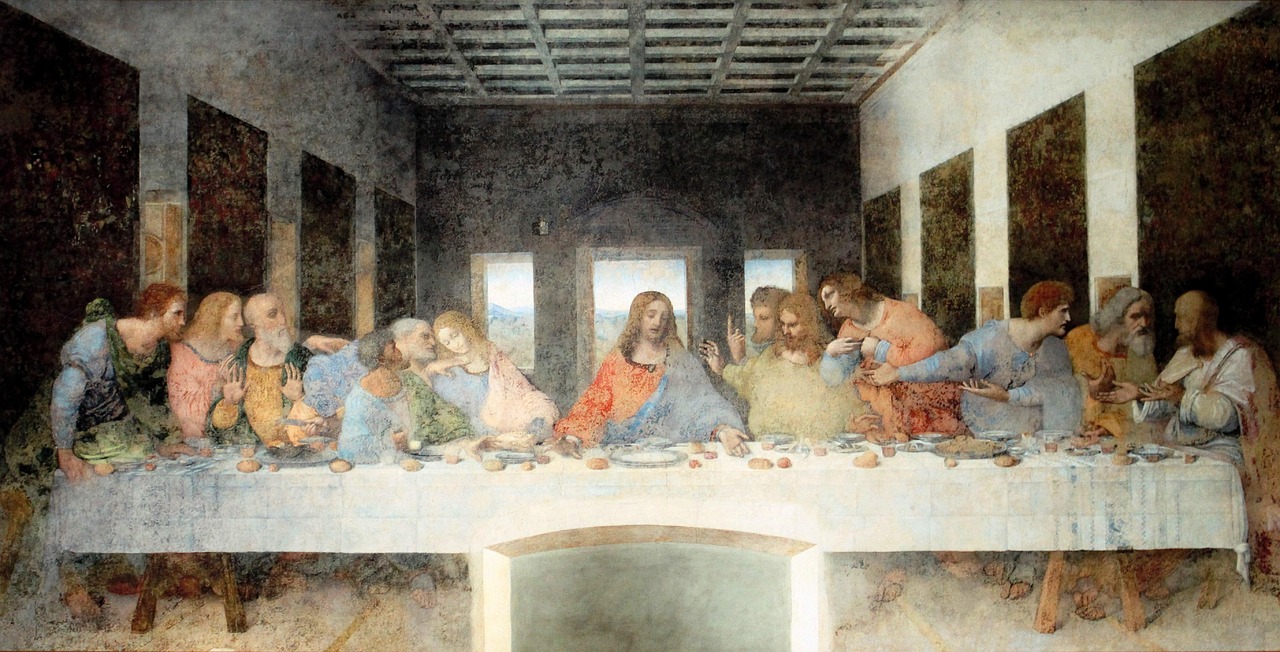
Leonardo da Vinci’s Last Supper and Sforzesco Castle in Milan
Last Supper Milan Santa Maria delle Grazie guided tour Sforzesco is a practical pairing that turns a potentially stressful day into a beautifully paced one. The Last Supper is governed by timed entries and strict rules, and that’s exactly why tickets in advance matter. Secure your slot early, arrive a little ahead of time, and you’ll enter calmly rather than rushing through the city.
Last Supper calm planning at Santa Maria delle Grazie
Seeing Leonardo da Vinci’s work in person is quietly powerful, especially when you have the space to look. At Santa Maria delle Grazie, you’ll be guided through controlled entry and a short viewing window; it can feel brief, but it’s also concentrated and intense. A guided tour helps you uncover the choices in Leonardo da Vinci’s composition—how the gestures ripple across the table, how the perspective pulls you in, and how the scene still feels startlingly modern.
There’s also a softness to this experience when it’s well handled. You’re not fighting crowds; you’re simply present, letting the painting do what it does best: invite reflection.
Sforzesco Castle and Parco Sempione for an easy stroll
Afterwards, change the tempo with Castello Sforzesco, a grand, earthy contrast to the precision of the fresco. Within Sforzesco, courtyards and collections offer an easy, choose-your-own-depth visit—enough to feel you’ve understood this layer of Milan without draining your energy. Step out into Parco Sempione and stroll towards Arco della Pace, where the city feels open and the light often turns flattering in the afternoon.
If weather turns, consider the Leonardo da Vinci National Museum of Science and Technology as a polished alternative, especially if you enjoy design and innovation. It’s one of those places in Milan that feels both educational and unexpectedly elegant.
To keep the day spacious, use short tram rides or a car service between stops, and build in a café pause after the Last Supper. A simple espresso can act like a reset button, helping you explore the city with fresh attention.
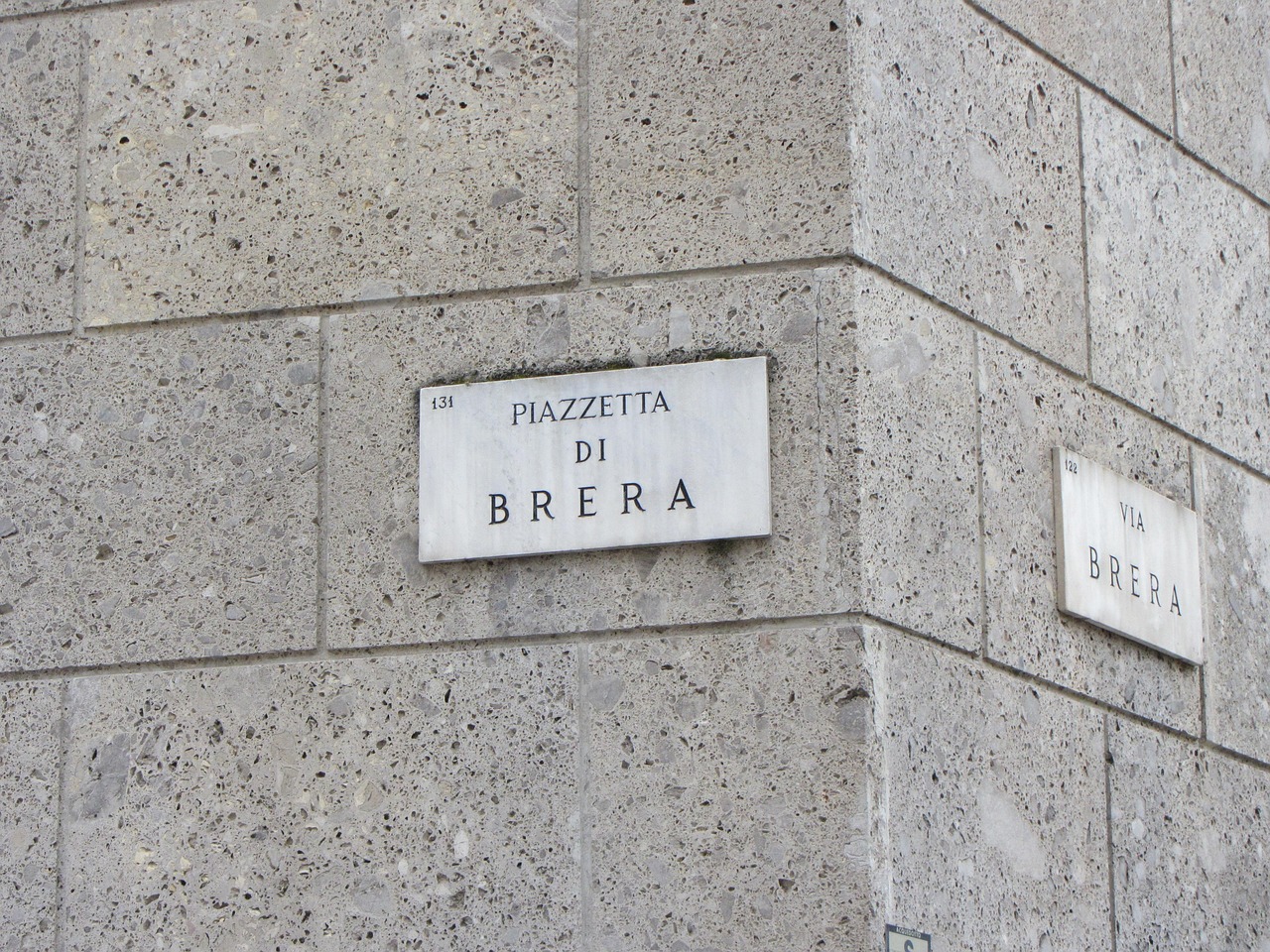
Brera to Navigli the Milan you might have missed in Milan
Brera district Milan Navigli Quadrilatero d’Oro Fondazione Prada is the combination that reveals the “between moments” of Milan—where style becomes personal and local life feels close. This is the layer many visitors want to miss by accident, but it’s often where you fall hardest: small streets, quiet galleries, and evenings that drift into laughter beside the canal.
Brera, Pinacoteca, and the Braidense National Library
Begin in Brera with cobbled lanes and understated elegance. The Pinacoteca di Brera (pinacoteca di brera) is essential if you love painting, and the surrounding streets invite slow wandering between boutiques and artisanal cafés. Make sure to check the Braidense National Library (braidense national library) nearby too—its calm atmosphere is a gentle counterpoint to the city’s sharper fashion energy.
One traveller told us their favourite Milan memory wasn’t a headline sight at all: they stumbled into a small local art workshop in Brera, joined in, and left with new friendships and a hobby that followed them home. It’s a reminder that the best design in travel sometimes comes from leaving a little room for spontaneity.
Quadrilatero d’Oro, Fondazione Prada, and modern icons
For fashion with intention, head to the Quadrilatero d’Oro—the city of fashion at its most refined. A personal stylist experience here can feel discreet and confidence-building, especially if you appreciate guidance that blends classic silhouettes with more avant-garde choices. One guest described how their stylist in the Quadrilatero d’Oro created a custom wardrobe that made them feel instantly “more themselves”, from Prada to Gucci and Armani.
For contemporary culture, Fondazione Prada is a standout: a striking space in a renovated distillery that balances raw industrial edges with curated polish. If architecture is your lens, make time for Bosco Verticale too—an urban statement that adds a modern note to your understanding of Milan’s design language.
As evening arrives, Navigli shifts the mood. The canal glow is romantic without being overly staged, and it’s a lovely way to end a day of galleries and shopping with an aperitivo beside the water. If you want something more intimate, consider a private cooking class: a guest once described the warmth of Milanese hospitality while learning risotto alla Milanese with a master chef, and how that shared table became the most comforting moment of the trip.
From here, it’s a natural segue into travelling outside the city. A Lake Como day trip is the classic escape away from Milan—villa gardens, lakeside boats, and that deep exhale you feel when nature takes over. If you’re tempted by panoramic views, take the cable car up to Brunate and look back across the water: it’s an experience in nature that feels both cinematic and serene.
What stayed with me after Milan with missed in Milan reflections and love with Milan designer journeys
What I carried home wasn’t a checklist, but a feeling—missed in Milan reflections that arrived quietly once the crowds thinned and the evenings softened. Milan’s city life can be electric, yet there’s tenderness in how it reveals itself when you stop trying to “do it all” and instead let a day unfold with care. It’s the light on stone at dusk, the brief kindness of a host who notices you’re tired, the sense of trust that comes from letting an expert hand guide the pacing.
I remember small, human details more than the grand statements: a shared table where conversation slipped easily between languages, a café waiter who offered reassurance with a simple smile, the gentle stillness inside a church where you instinctively lowered your voice. In those moments, Milano felt less like a destination and more like a companion—confident, creative, and quietly attentive.
And then there are the sounds: music lingering after an opera night, footsteps on cobbles in Brera, the soft hush above the Duomo when the skyline turns gold. It’s a kind of luxury that doesn’t announce itself. It simply stays with you, and it makes you curious about what you didn’t see—yet.
F.A.Qs: best things to do in Milan Italy travel guide
F.A.Qs on the best things to do in Milan Italy for a luxury trip
What not to miss in Milan, Italy?
Sure not to miss are the Duomo rooftop, the Galleria Vittorio Emanuele II, and a performance or guided visit at Teatro alla Scala. If you can, add Leonardo da Vinci’s Last Supper at Santa Maria delle Grazie and a relaxed stroll through Brera. For a softer finish, Navigli at sunset and a day trip to Lake Como are definitely worth a visit when you want elegance beyond the centre.
What is Milan Italy best known for?
Milan is best known as Italy’s city of fashion and design, with world-class shopping in the Quadrilatero d’Oro and landmarks like the Duomo. It’s also celebrated for culture—La Scala, major museums, and Leonardo da Vinci’s Last Supper. Beyond the famous sights, Milan’s reputation rests on polished service, beautiful interiors, and a confident creativity that shapes everything from cafés to contemporary art spaces.
What are the top five things to see in Milan?
A classic top five includes the Duomo di Milano, the Galleria Vittorio Emanuele shopping arcade, Leonardo da Vinci’s Last Supper, Teatro alla Scala, and Castello Sforzesco (Sforzesco Castle). These places offer the best mix of architecture, art, and atmosphere for your first time. If you have extra time, Brera and Navigli add a more local, lived-in perspective.
Are 2 days enough for Milan?
Yes—2 days can be enough for a well-designed first visit, especially if you book in advance for the Duomo rooftop and the Last Supper. Keep distances short, use the metro or a car service, and build in café breaks so it still feels luxurious. In two days you can cover the key highlights and still leave room for an aperitivo in Navigli, without rushing the moments that make Milan memorable.