Post Contents
- Ultimate Rome and Italy tour guide itinerary destination for adventure seekers
- Ancient Rome Colosseum Roman Forum tour ticket skip lines guide
- Vatican Museums Sistine Chapel Rome private guide museum tour
- Trastevere Rome street art local artisan workshop tour guide
- Testaccio market Rome food tour street food restaurant Italian cuisine
- Appian Way Rome tour Ostia Antica shore day trip Florence Tuscany wine tasting Amalfi Coast
- Rome transfer airport Fiumicino transportation metro buses accomodations hotel safety customize private tours guide
- After Rome what stays with you in Italy
- F.A.Qs: Rome and Italy travel basics
Ultimate Rome and Italy tour guide itinerary destination for adventure seekers
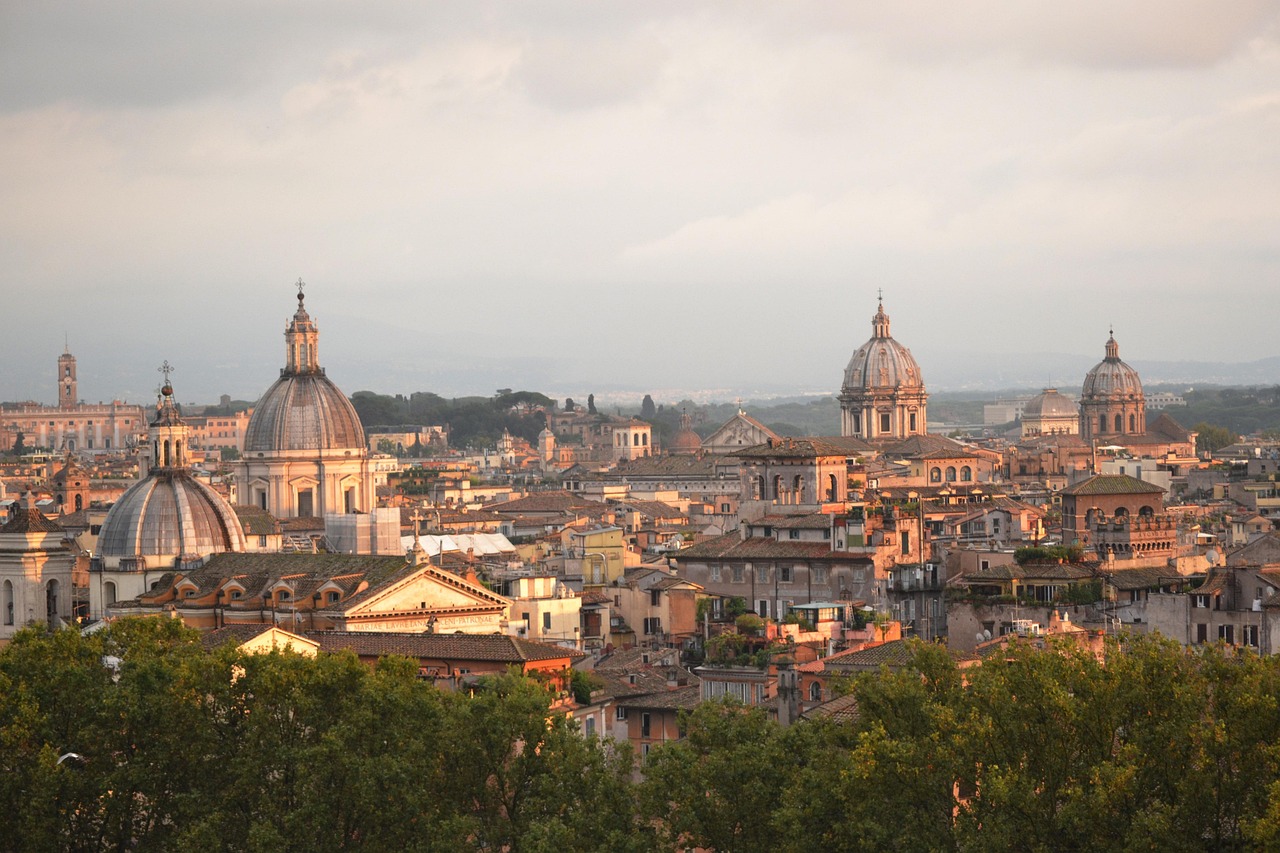
Ultimate Rome and Italy tour guide itinerary destination for adventure seekers across Rome
Think of this ultimate Rome and Italy tour guide itinerary destination as a designed journey rather than a checklist. Rome gives you the ancient heartbeat, but it also sets the tone for the wider destination—how you move, how you rest, and how you uncover the Italy you’ve been imagining. The best way to begin is to map your days by neighbourhood and by energy, so the city feels intuitive instead of relentless.
Start by clustering your time: the ancient centre for the Colosseum and Forum; the Vatican for museum mastery; Trastevere for artistic lanes and evening charm; and Testaccio for street food and daily Roman life. When you design like this, you’ll spend less time crossing town and more time with your senses switched on—ready to discover a hidden courtyard, create space for a long lunch, and explore at your own pace.
How to design a Rome and Italy itinerary by neighbourhood and energy
Rome rewards rhythm. Plan one “high-focus” anchor each day, then leave room for small, personal detours—an extra viewpoint, a quiet church, or a local wine bar you stumble upon together.
- Morning power: major attraction first (cooler air, softer light, calmer mood).
- Midday reset: long lunch, gallery, or shaded stroll—especially in high season.
- Late afternoon drift: neighbourhood wandering when the streets soften and shop doors open.
- Evening ease: a romantic passeggiata style walk and a simple plan for dinner.
Private tours versus self-guided exploring with confidence
Self-guided days suit travellers who love spontaneous turns, while private tours bring expert clarity when a site is complex or crowded. Consider private tours for places where a narrative transforms what you’re seeing—especially museums and layered ruins—then keep other hours free to wander. If you want inspiration without pressure, browse our Trip gallery and imagine which moments you’d like to craft into your own story.
Hold a simple mindset as you go: discover what calls you, explore what surprises you, uncover what’s quieter, and create the holiday that feels like you—beautifully designed, never rushed.




Ancient Rome Colosseum Roman Forum tour ticket skip lines guide
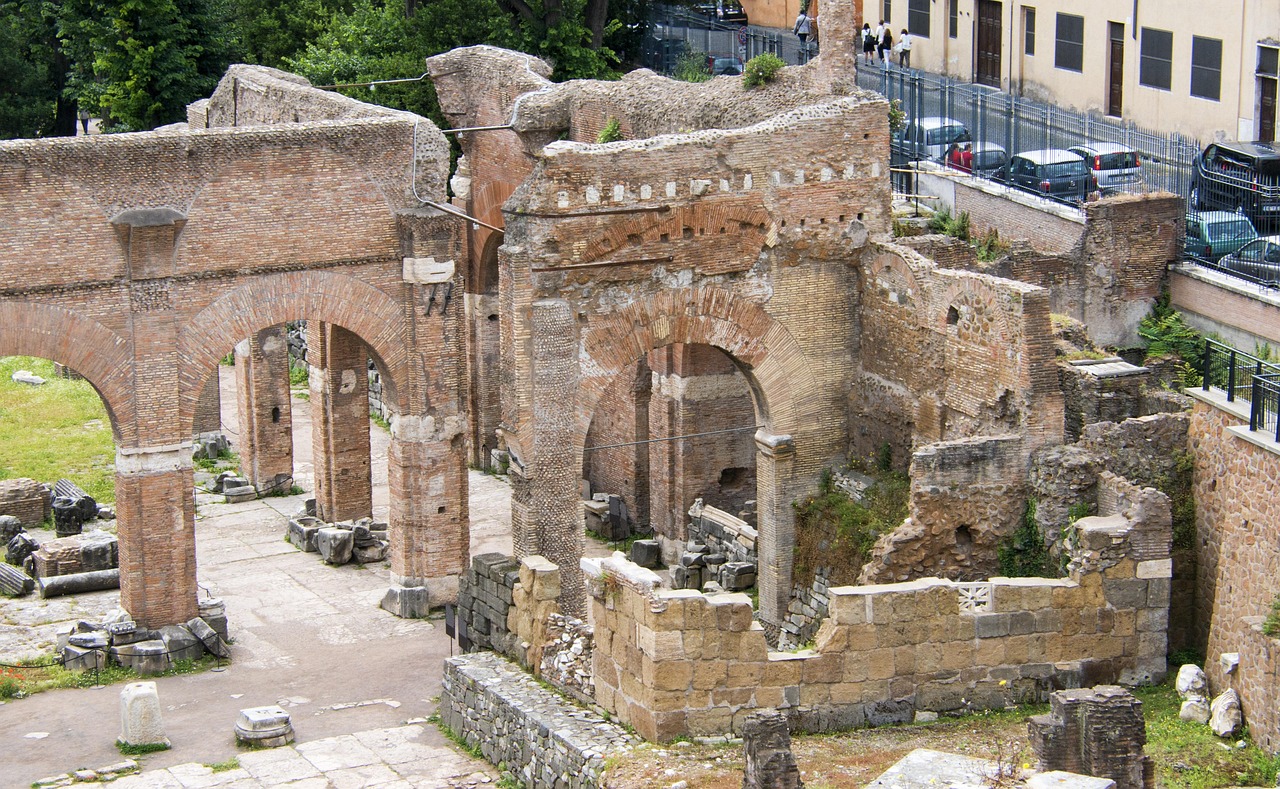
Ancient Rome tour at the Colosseum and Roman Forum in Rome with early light
Your early-start plan for the Rome Colosseum Roman Forum ancient tour ticket skip lines experience is the single biggest upgrade you can give yourself. Book online with timed entry, arrive a little early for security checks, and keep your essentials minimal so you flow through calmly. In Rome, queues form quickly; the “skip” feeling often comes down to smart timing and a clean, confident approach.
One traveller described stepping inside the Colosseum at sunrise and feeling the hush before the city woke—then, as the light climbed, sensing the echoes of the empire and the weight of antiquity in the stone. It wasn’t loud or theatrical; it was intimate, like Rome was letting them in on a secret. That’s the kind of moment a well-designed morning makes possible.
Route through key Roman monuments and a temple viewpoint
After the Colosseum, move into the Roman Forum with a focused route: pick a few monuments, not every plaque. Pause at a temple viewpoint to read the landscape—how the valley holds history, how the stones organise power, and how Rome’s layers sit side by side without apology.
Keep your pace kind to your body. Cobblestones and uneven ground can be demanding, so comfortable shoes aren’t optional—they’re a form of care. Bring water, allow micro-pauses, and remember you’re not here to race; you’re here to see.
Micro-adventures in Rome for adventure seekers
If you’re an adventure seeker at heart, build in tiny challenges: climb a viewpoint, seek quieter corners behind the main route, and notice how the air changes when you step away from the crowd. This is a UNESCO World Heritage Site, but it can still feel personal when you give yourself permission to slow down.
Vatican Museums Sistine Chapel Rome private guide museum tour
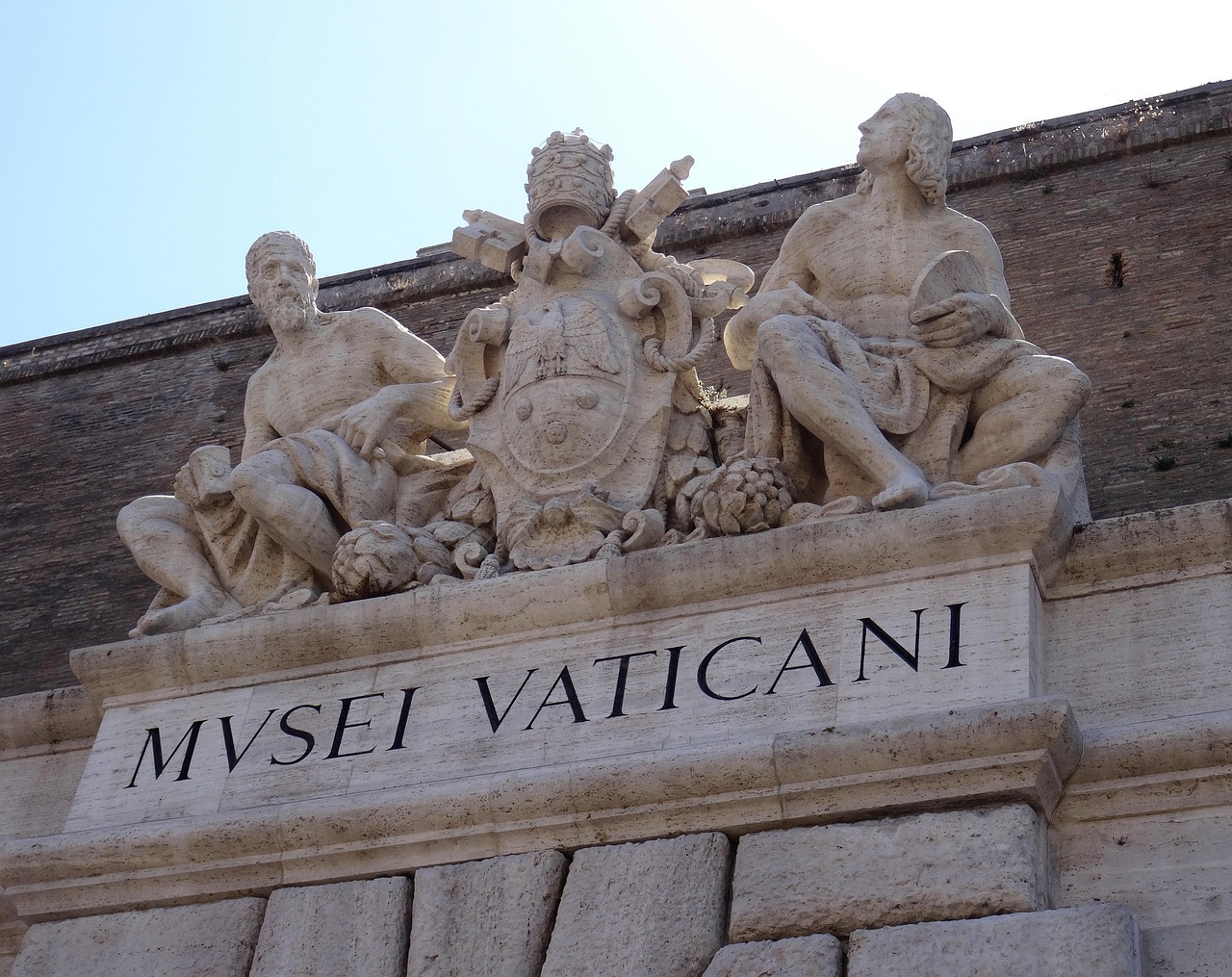
Vatican Museums and Sistine Chapel with a private guide option in Rome
For the Vatican Museums Sistine Chapel Rome private guide museum tour, a game plan protects your time and your mood. Choose timed tickets (early or late slots help), keep expectations realistic, and treat the day like a curated gallery walk—not a sprint through every room. Rome can feel intense here, but with the right structure you’ll experience the art with clarity rather than fatigue.
If you like your culture delivered with calm confidence, a private guide can be the most crafted choice. Michelangelo’s work lands differently when someone translates technique into human story, and when the museum flow is managed so you’re not constantly second-guessing where to go next.
Highlights to prioritise in the Vatican museum experience
Pick a shortlist before you enter, then let yourself linger. A good approach is to prioritise a few galleries and preserve your energy for the Sistine Chapel, where silence and awe often arrive together.
- Timing: early slots for cooler air; late slots for softer light and a gentler pace.
- Comfort: carry water; take micro-breaks so the museum stays joyful.
- Expectations: photography rules vary—follow signs and staff guidance with respect.
Sunday mass in St Peter’s and respectful Italian etiquette
A visitor once told us that attending Sunday mass inside St Peter’s Basilica left them unexpectedly moved—less by spectacle, more by the spiritual atmosphere and the architectural grandeur holding everyone in a shared stillness. Dress modestly, keep your shoulders and knees covered, and bring a quiet attentiveness; in Rome, reverence is part of the experience.
One reassuring note: you don’t need to be an expert to belong here. Simple, respectful behaviour goes a long way, and your trust in the process will be met with the city’s quiet generosity. If you’re also visiting the Lateran cathedral on another day, the same modest approach applies.
Trastevere Rome street art local artisan workshop tour guide

Trastevere street art and artisan workshops for local insight in Rome
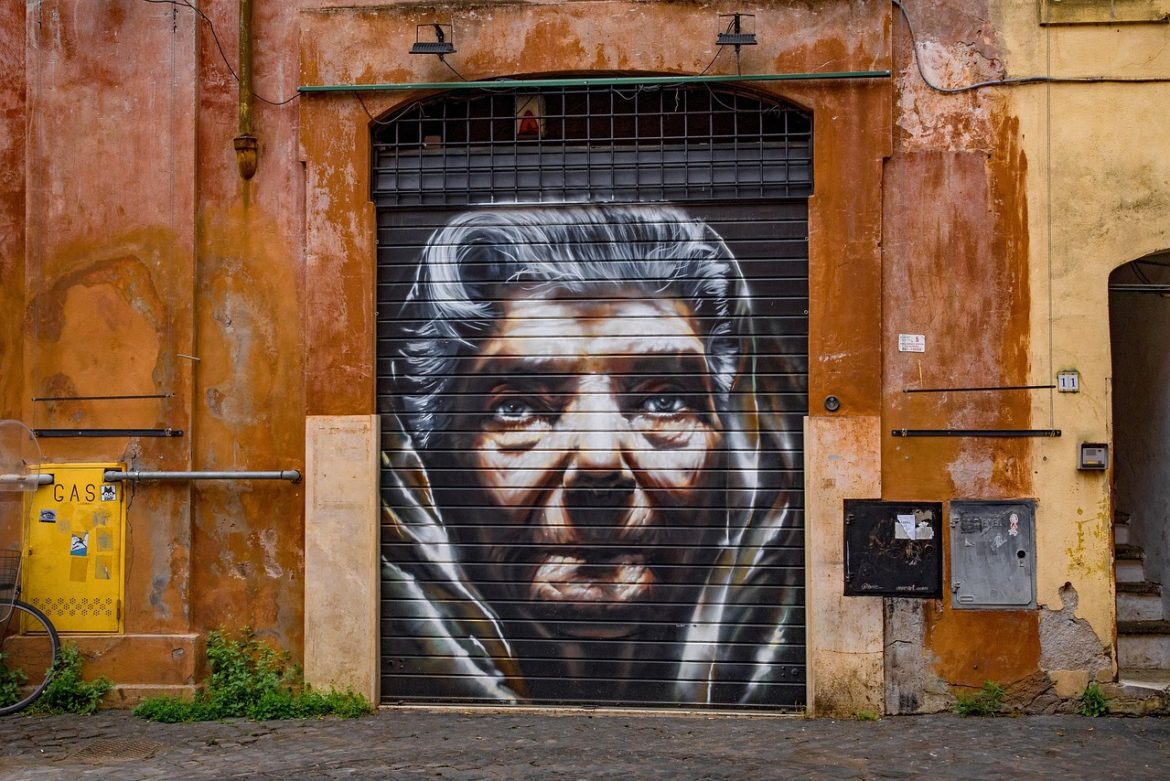
For a Trastevere Rome street art local artisan workshop tour, keep it exploratory rather than over-planned. This is where Rome loosens its tie: ivy-draped walls, a sudden splash of colour down an alley, and workshops tucked behind unmarked doors. You’re not trying to “see it all”; you’re practising the art of noticing.
One of our favourite personal stories comes from a chance encounter: a local artisan spotted a curious visitor lingering near a doorway and invited them into a studio for a hands-on mosaic workshop. The traveller said yes—with confidence and care—and left not only with a small piece of art, but with a rare kind of insight into how Rome’s creativity is kept alive.
How to say yes to a workshop with trust and comfort
If you’re invited into a studio, it’s fine to ask gentle questions: price, duration, what you’ll make, and whether photos are welcome. A warm smile and a simple “Posso?” (may I?) helps you create connection without pressure.
For thoughtful shopping, look for signs of real making: tools on the table, materials in progress, and an artisan who can explain their process. When you shop with intention—mosaics, paper goods, ceramics—you bring home a treasure, not a tourist trinket.
Best timing for Trastevere street scenes into evening
Visit in late afternoon, then let the neighbourhood carry you into evening. The light turns honeyed, the street hum warms, and the pace becomes gently romantic—perfect for couples and equally comforting for solo travellers who want to feel held by the city rather than hurried by it.
Testaccio market Rome food tour street food restaurant Italian cuisine
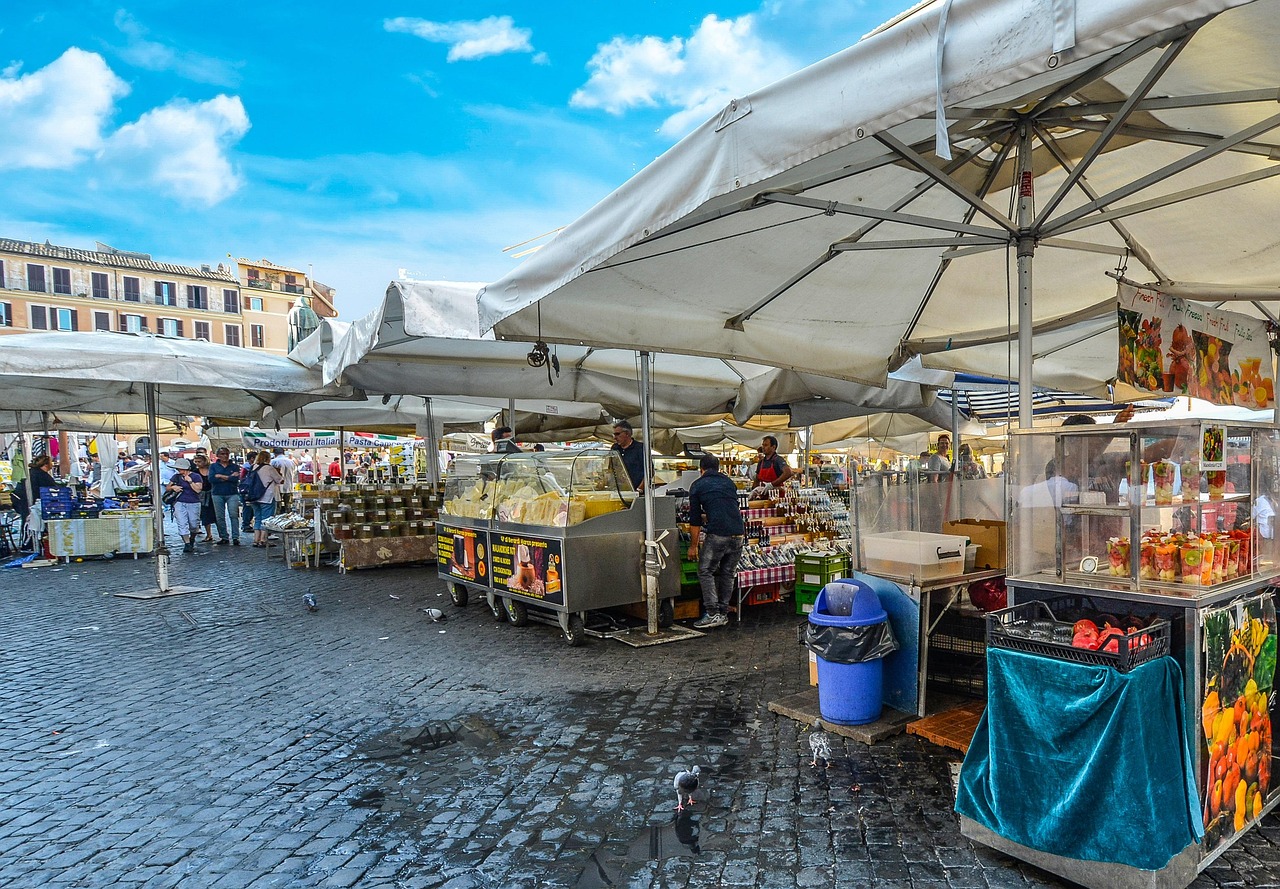
Testaccio market food tour and Roman street food classics in Rome
If you want Rome to feel deliciously local, build time for the Testaccio market Rome food tour street food restaurant Italian cuisine scene. Testaccio is flavour-first, lively without being performative, and grounded in daily routines rather than grand monuments. It’s the sort of place where you can discover how Italian food stays timeless—because it’s made with pride, not pretence.
A food lover once described tasting fresh supplì first—hot, crisp, generous—then watching carbonara come together with that quiet confidence only a Roman kitchen seems to possess. They spoke about the passion behind the recipes, and how a technique can travel century after century without losing its soul. Add a bite of mozzarella, and you’ll understand why this neighbourhood is a love letter to appetite.
Guided tasting versus DIY grazing in Rome
A guided food tour is ideal if you want stories, context, and confident choices. DIY grazing suits travellers who prefer to wander stall to stall and sightsee between bites.
- Guided: higher spend, but you’ll learn the “why” behind each dish and meet people.
- DIY: flexible budget; look for queues of locals and simple, focused menus.
- Practical: carry cash, arrive hungry, and keep your pace gentle.
A reassuring restaurant suggestion near Testaccio
For dinner, choose a nearby restaurant that feels busy with local voices, not just visitors. A simple suggestion: order cacio e pepe or amatriciana if you want classic comfort, and ask what’s best today if you want something seasonal. This is an easy win for a couple seeking a romantic table, and it’s equally welcoming if you’re dining solo and want to feel part of Rome’s evening rhythm.
Appian Way Rome tour Ostia Antica shore day trip Florence Tuscany wine tasting Amalfi Coast
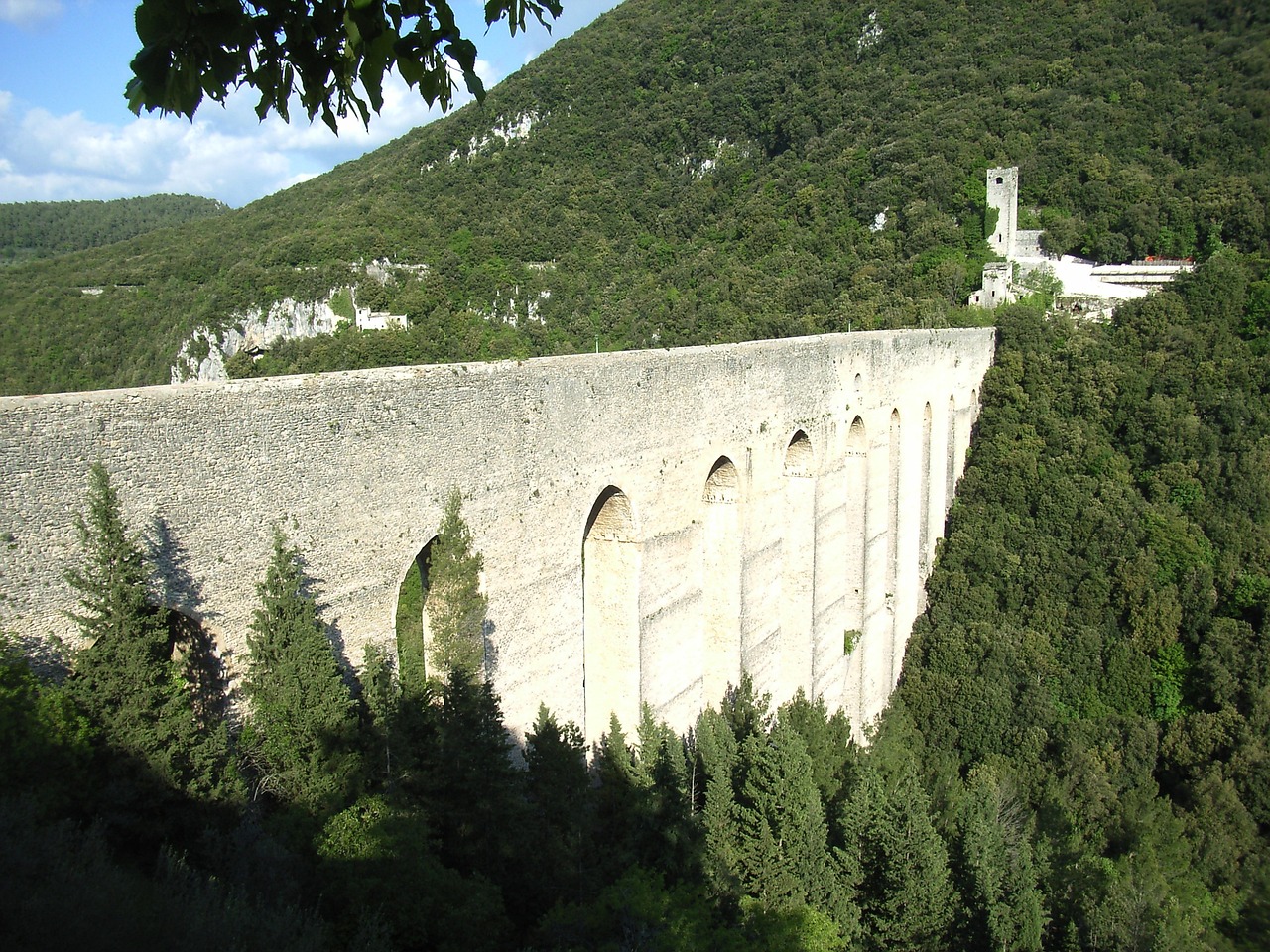
Appian Way adventure and Rome day trips to Tuscany wine and shore from Rome
For an Appian Way Rome tour with room for Ostia Antica, a shore day trip, and even Florence, Tuscany, and the Amalfi Coast on your horizon, think in layers. Start with the outdoors: the Appian Way is one of the oldest Roman roads, where cycling past aqueducts and ruins feels like moving through an open-air time capsule. It’s adventure without noise—just wind, stone, and space.
An explorer once told us about cycling beyond downtown, then following a small sign that led to ancient catacombs. They stepped underground and found a serene silence that made the city’s buzz feel very far away. Rome rewards curiosity when you slow down; the real thrill is often in what you uncover off the main route.
Design an Appian Way cycling day with a quiet detour
Go in the morning for cooler air, then pause for a shaded break. If you’re visiting catacombs, allow time for entry schedules and bring a light layer—the temperature drops below ground. It’s a calm, personal kind of adrenaline.
Selective day trips across Italy from Rome
Once Rome has settled into your bones, expand outward with a selective menu rather than a frantic dash through Italian cities. Florence offers art and elegance in one concentrated centre; Tuscany invites a vineyard lunch and a wine tasting that feels unhurried; and the Amalfi Coast is the shore dream you might save for a future chapter.
Logistics can be simple: most day trips begin from a major train station, while organised tours offer hotel-area pick-ups. Choose one bigger excursion every few days, so your trip to Italy still feels spacious—and so the Rome days remain the heart of the journey, not a blur between departures.
Rome transfer airport Fiumicino transportation metro buses accomodations hotel safety customize private tours guide
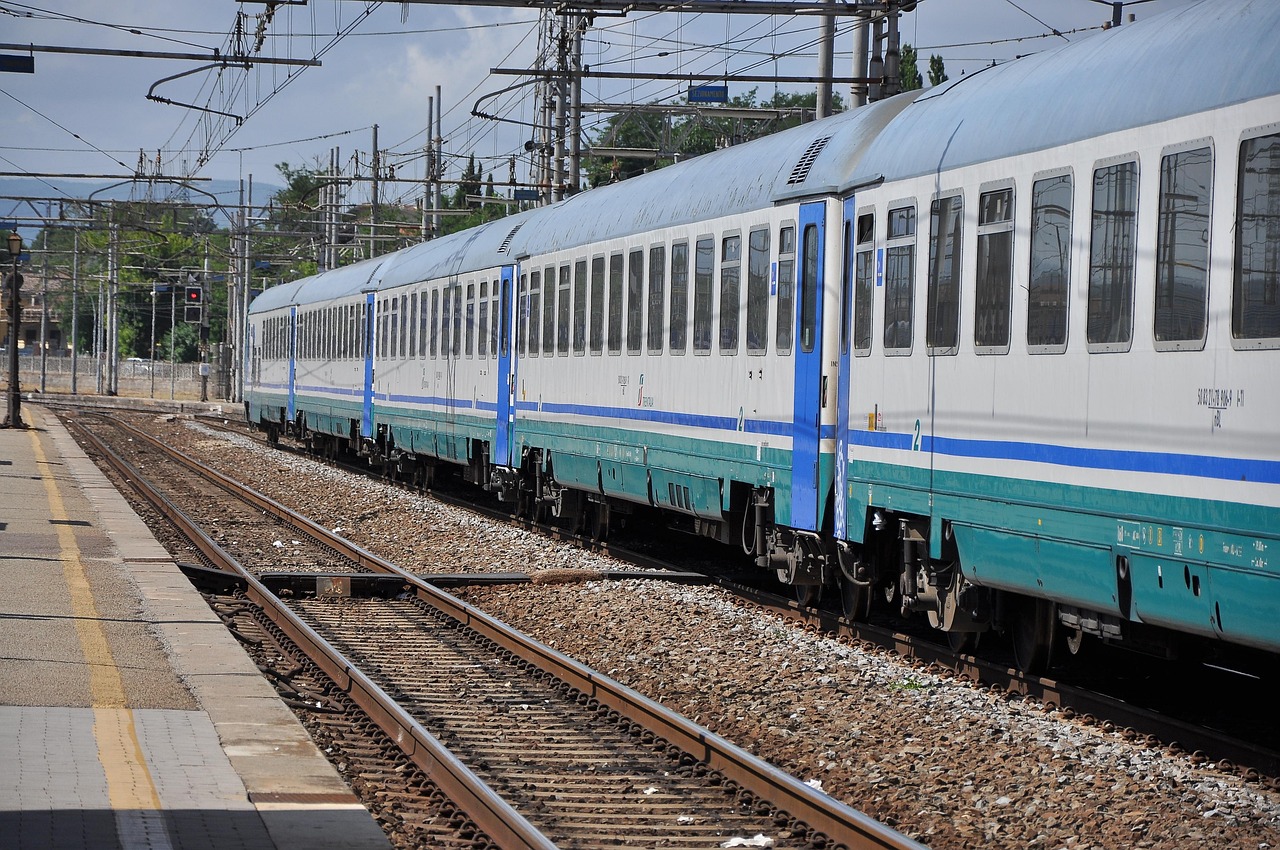
Transfers accommodation and transportation in Rome for a seamless holiday in Italy
For a smooth arrival, treat your Rome transfer airport Fiumicino transportation metro buses accomodations hotel safety customize private tours plan as part of the pleasure. Landing at the airport can feel like a rush, but Rome is kinder when your first steps are simple. Trains and coaches are efficient, yet a driver is sometimes the most seamless choice—especially after a long flight, or if you’re arriving with luggage and want immediate ease.
From Fiumicino, you can take the Leonardo Express to Termini, use a coach, or book a private driver. If you’re arriving via the Civitavecchia port, a pre-arranged car can protect your time and help you settle into the city with confidence. The key is to design your first hour so you feel supported, not tested.
Where to stay in Rome and accommodation choices
Choose your accommodation by vibe. The historic centre keeps you close to icons; Trastevere leans artistic and atmospheric; Testaccio feels local and grounded. For high-end comfort, pick a hotel within walking distance of evening sights so you can step out for a stroll without overthinking transport.
- Historic centre: best for first-timers who want Rome’s classics nearby.
- Trastevere: for charm, street life, and late-night warmth.
- Testaccio: for food focus and a calmer, everyday feel.
Transportation, booking ahead, and calm safety support
Rome’s transportation is straightforward once you trust it: metro for speed, buses for reach, and walking for the details you’d otherwise miss. Customise your days around heat and energy, clustering each attraction by area. Book ahead for major sites in Italy’s capital—Colosseum tickets are around €16, Vatican Museums around €17—and remember some churches and markets are free.
Stay vigilant in tourist hotspots for pickpockets, but don’t let that steal your joy; keep valuables zipped and your attention present. Learn a few phrases—“Buongiorno”, “Per favore”, “Grazie”—and you’ll feel Rome open a little wider. This is the gentle work of trust: small courtesies, modest dress at religious sites, and a patient attitude at security checks. If you need to plan your trip in detail, start with what matters most to you, then build the rest around it.
After Rome what stays with you in Italy
After Rome, what stays with you isn’t only the grandeur—it’s the quieter things you didn’t expect to carry. Light on stone at the end of an afternoon. Voices slipping through narrow streets. The way a museum hush can make you aware of your own breathing, as if the city has gently widened your sense of time. In the Eternal City, the eternal feeling is less about monuments and more about presence.
You might remember the colour of street art in a shaded lane, or the calm thrill of sitting still while the city moved around you. Perhaps it’s the care of a stranger who helped you find a door, or the confidence you felt the first time you navigated Rome without checking your phone. These are the moments you create without trying—soft edges around the big sights, and they matter just as much.
And then there’s the evening ritual: a passeggiata that needs no destination, just a willingness to be part of the flow. Gelato in hand at Piazza Navona, you realise you’re not performing travel anymore—you’re simply there, warmed by the city’s rhythm, held by its beauty, and quietly changed by your own openness.
Italy has a way of leaving a gentle imprint, like a hand on your shoulder at the exact right moment. Long after the flight home, you may find yourself imagining one more turn down a familiar alley, and wondering—without urgency—what else you might uncover when you return.
F.A.Qs: Rome and Italy travel basics
What is the difference between Rome and Italy?
Rome is a city, while Italy is the country. Rome is Italy’s capital and one of its most influential cultural centres, but Italy includes many regions and Italian cities with distinct food, landscapes, and traditions beyond Rome.
Why did Rome become part of Italy?
Rome became part of Italy during the 19th-century unification process. In 1870, Rome was incorporated into the Kingdom of Italy and later became the capital, symbolising a unified national identity.
What time do most people wake up in Italy?
Many people in Italy start their day around 7:00–8:00, especially for work and school. In places like Rome, visitors often begin earlier to avoid heat and crowds, while evenings can run later with a relaxed dinner culture.
Why is Rome called Italy?
Rome isn’t called Italy; it’s called Rome. People sometimes use Rome as shorthand because it’s the capital and a powerful symbol of Italy’s history, but Italy is the wider country that includes far more than Rome alone.