Post Contents
- Ultimate Rome Travel Guide for Luxury Travellers – how to explore the Eternal City in style
- Best time to visit Rome Italy – travelling to Rome from Fiumicino Airport for a seamless arrival
- Stay in Rome: luxury hotels and neighbourhoods in the city center for an effortless base
- Things to do in Rome: Colosseum, Roman Forum and Palatine Hill – a private guide in the heart of ancient Rome
- Visit the Vatican early – Vatican Museums, Sistine Chapel and Peter’s Basilica tickets for an intimate morning
- Trastevere, Rome: artisan shops, piazza life and a local neighbourhood walk
- Rome dining in Roma: Michelin-starred restaurants, Roman cuisine and a Tiber River sunset cruise
- Travel tips for visiting Rome – tips for traveling to Rome, day trip ideas, and getting around with confidence
- Visit Rome Italy: reflections on the Eternal City
- F.A.Qs: visit Rome travel tips for luxury travellers
Ultimate Rome Travel Guide for Luxury Travellers – how to explore the Eternal City in style
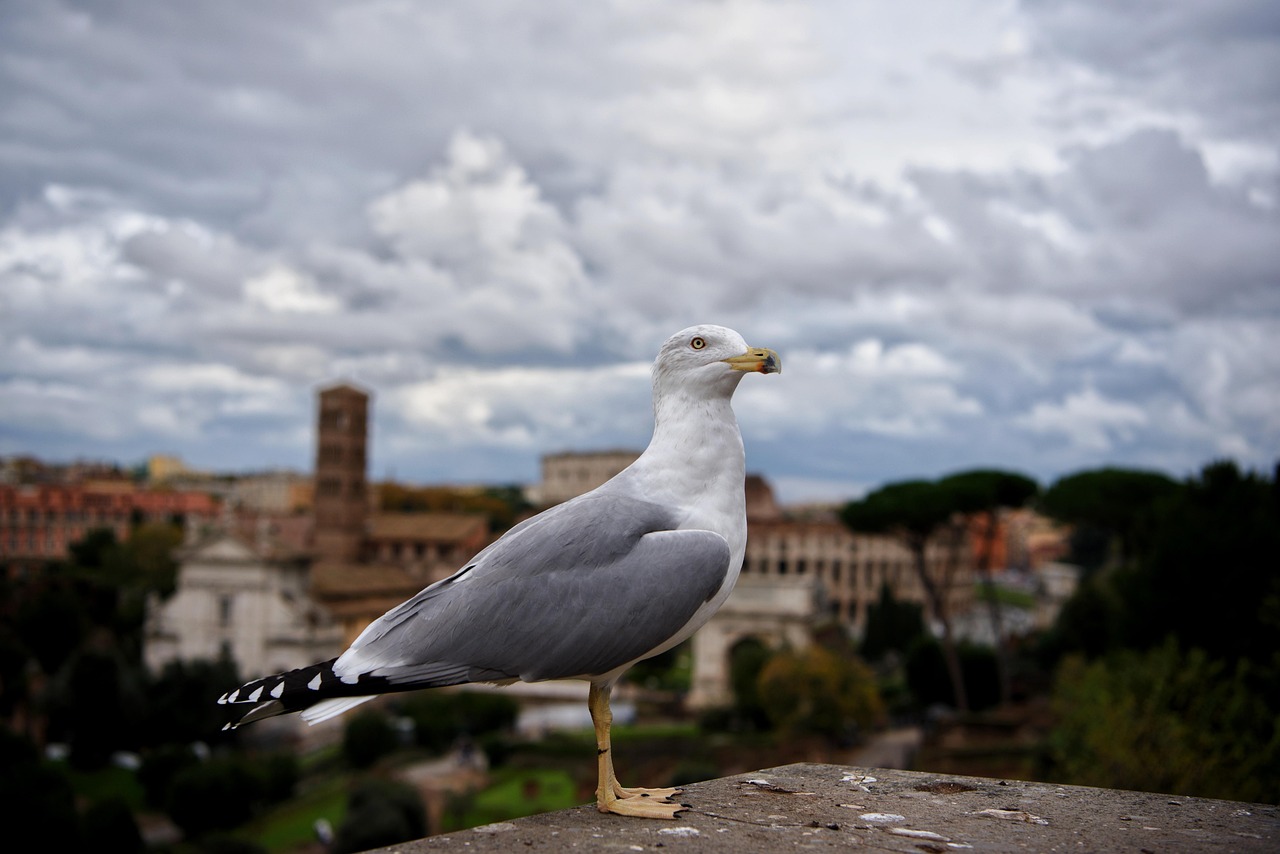
A luxury-first view across Rome’s rooftops and domes in the Eternal City
This chapter sets the tone for a luxury-focused guide to visit Rome Italy with confidence and calm—designed for travellers who value access, atmosphere, and time to linger. Rome is a city of layers: imperial stone, Renaissance light, and everyday Roman life unfolding in the same frame. When you slow down, the Eternal City becomes less of a checklist and more of a relationship.
As the capital of Italy, the city’s historic core is protected under a UNESCO World Heritage listing, and its city centre holds an extraordinary concentration of art, architecture, and museum-level masterpieces. The centre of Rome is wonderfully walkable, yet it can feel intense without a plan. The reassurance is simple: with a thoughtful rhythm, a few anchor reservations, and the right local support, you can truly explore Rome with ease.
Rome’s historic centre: a UNESCO World Heritage site and living museum
Rome’s historic core connects by foot in a way that feels almost cinematic. You might begin near the Pantheon’s ancient dome, cross a piazza where a fountain hushes the heat, and end at the Spanish Steps as twilight arrives. Along the way, many museums and churches act like calm chapters between the city’s headline sights, each one a small attraction in its own right. If you want a graceful best things framework, think of Rome in five threads: the heart of ancient Rome, Vatican City, curated museum visits, elegant walks through piazza life, and crafted dining.
Designing a luxury Roman getaway with private support
A high-end stay in Rome is less about doing more and more about doing it better. Private guides offer context without overwhelm, while a trusted concierge can secure timed entries, reserve the right table, and adjust plans when the city surprises you. If you’d like visual inspiration to imagine your own pace, you can browse our Trip gallery and start shaping what “Rome” means to you.
From here, we’ll move step-by-step: when to arrive, where to stay, and how to enjoy the city’s standout tourist attraction moments without stress—so your itinerary feels crafted, personal, and deeply yours.




Best time to visit Rome Italy – travelling to Rome from Fiumicino Airport for a seamless arrival

A classic Roman street scene for planning dates, light, and an effortless arrival
For many travellers, choosing dates is where excitement meets logistics, especially in high season. Spring (April to June) and autumn (September to October) are the sweet spots: Rome feels luminous and walkable, and crowds around the main attractions are gentler. These months also suit private touring, because you get comfort, space, and a calmer city to explore.
Arrivals usually flow through Fiumicino Airport (Leonardo da Vinci International) or Ciampino. For luxury travellers, a private transfer or luxury car service is the simplest way to begin with trust—no queues, no confusion, just a warm welcome and a smooth drive into Roma.
Seasonal comfort and how to avoid peak pressure
Rome’s weather shapes your days more than you might expect. In spring, you can linger longer at outdoor cafés and walk between outdoor sights and a museum stop without feeling rushed. In early autumn, the city feels softer at golden hour, especially near the river and in quieter streets just beyond the historic core.
- Spring (April–June): crisp mornings, long museum afternoons, excellent for elegant evening dining.
- Autumn (September–October): warm light, fewer tour groups, and a more relaxed pace around major sites.
- Mid-summer: doable with expert planning, early starts, and a midday rest, but expect heat and crowds.
Arriving with calm confidence from the airport
A pre-arrival checklist sounds simple, yet it’s where a seamless stay begins. Coordinate your hotel for early check-in where possible, confirm your museum time slots, and keep one flexible meal reservation in case your flight shifts. A luxury concierge can also support last-minute changes—quietly and efficiently—so you never feel stranded.
When traveling to Rome, your first hours should be gentle: a short orientation walk, an espresso at the bar, and an early night. It’s a small act of care that pays off for the rest of your time in Rome.
Stay in Rome: luxury hotels and neighbourhoods in the city center for an effortless base
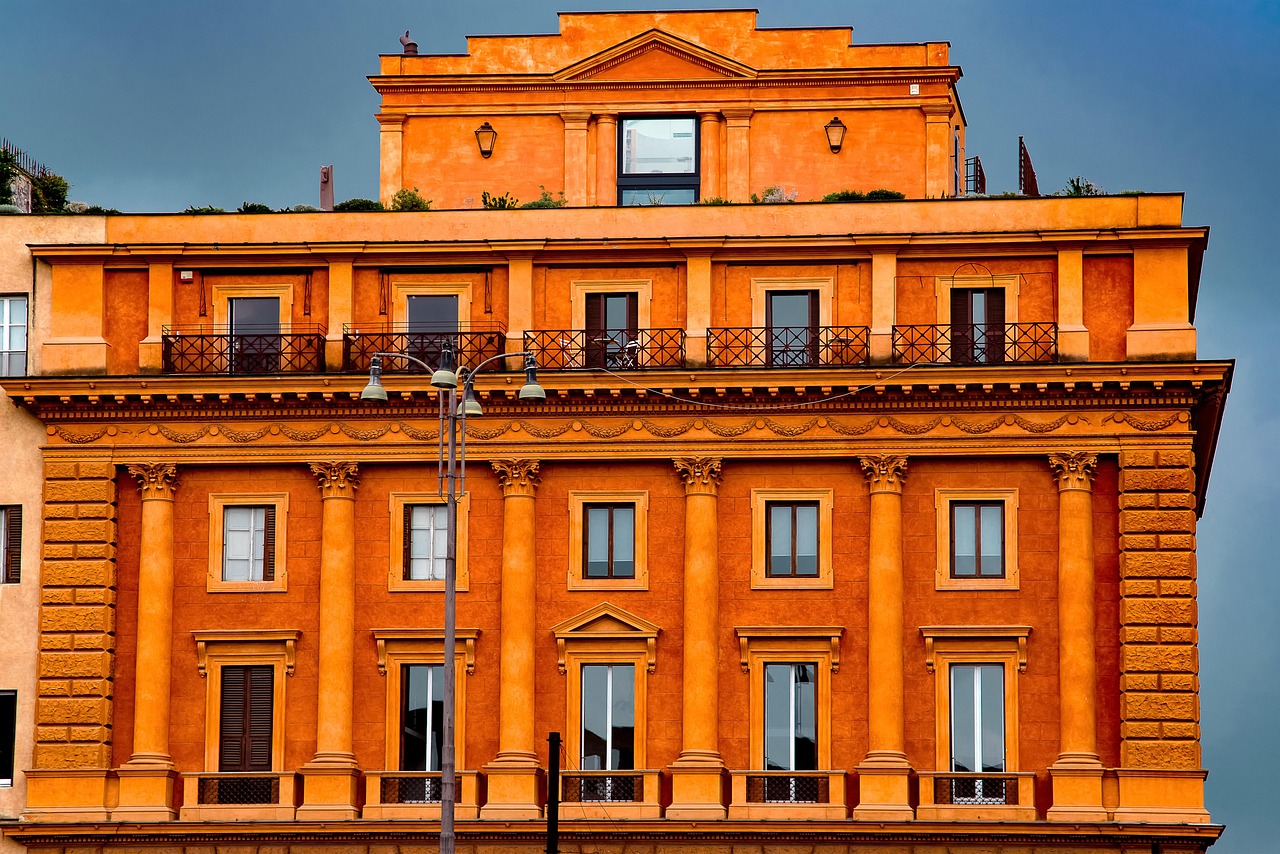
Where to base yourself for walkable luxury near Rome’s historic sights
If you’re searching for a neighbourhood guide that supports a luxury rhythm, the key is matching your base to your style of travel. Rome can feel wonderfully intimate when your hotel is placed well: you can step out early for a quiet piazza, return for a reset, then re-emerge for aperitivo with ease.
The city center offers unbeatable convenience for first-time visitors, especially if you want to drift between the Pantheon, Trevi Fountain, and elegant shopping streets. If you prefer calmer mornings, choose a quieter pocket just a few streets away; it often feels more residential while still keeping you near the center of Rome.
Choosing the right neighbourhood rhythm for your itinerary
For a designed itinerary, think in “walking loops” rather than pinpoints. A central base makes it easy to connect major sights without constant transport, while a slightly quieter address can deliver better sleep and a softer atmosphere after dark.
- Historic centre: ideal for first visits, iconic walks, and fast access to a favourite museum.
- Near the river: a graceful balance of connectivity and calm, especially for evening strolls.
- Trastevere edge: romantic and local, best if you enjoy late dinners and artisan neighbourhood energy.
Hotel types, comfort details, and what to expect
Rome excels at grand heritage properties—think marble staircases, discreet doormen, and suites with frescoed ceilings. Contemporary design hotels offer a cleaner aesthetic and often excellent spa facilities. Apartment-style stays can be perfect for families who want space and flexibility, while a villa-style escape outside the centre suits travellers extending into the countryside.
Pack with confidence: choose comfortable yet elegant shoes for cobblestones, and bring a light layer for cool evenings. Dress codes matter in churches and the Vatican; shoulders and knees should be covered to enter respectfully, whether it’s a neighbourhood basilica or the grandest sites. When expectations are clear, the city feels welcoming rather than tricky.
Things to do in Rome: Colosseum, Roman Forum and Palatine Hill – a private guide in the heart of ancient Rome
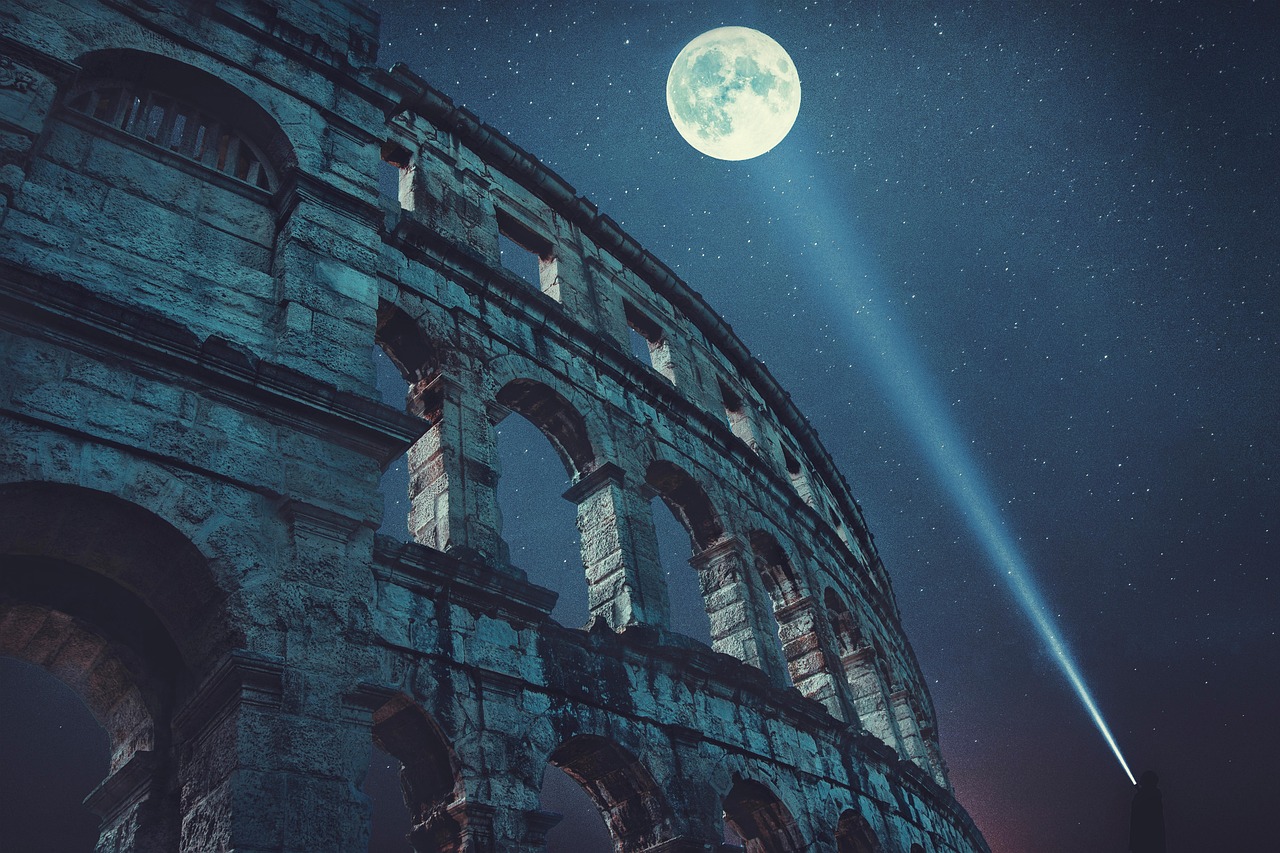
The Colosseum by evening light, one of the city’s most powerful historic sights
For travellers drawn to history, this is one of the defining things to do in Rome—an early start that unlocks the city’s most powerful morning. This is the heart of ancient Rome, where the Roman Empire still feels close enough to touch. When you stand between the Colosseum and the Roman Forum, you’re not simply seeing a tourist attraction—you’re stepping into the time of the Roman Empire.
Start with the Colosseum, then move through the Roman Forum and up towards Palatine Hill (the Palatine ridge where elite homes once stood). Finish with a viewpoint near Capitoline Hill, where the city’s scale becomes clear and the modern skyline meets ancient stone.
Visiting the Colosseum: an after-hours guided tour for a quieter experience
The luxury highlight here is a guided tour of the Colosseum with exclusive after-hours access. One couple described it as walking through softly lit ruins while their guide brought each shadowed corridor to life—especially the moment they heard the word gladiator spoken not as legend, but as human history.
There’s a particular kind of quiet when the day crowds leave. You notice the curve of stone, the acoustics, the way the city’s lights sit against ancient arches. It’s the best of Rome for travellers who want meaning over momentum.
To make this day feel seamless, book your tickets months in advance, especially in spring and autumn. A premium option often includes a timed entrance, hosted meeting point, and pacing that respects the heat and the stairs. Your guide may also tailor the narrative—architecture for design lovers, politics for history devotees, or family-friendly storytelling for multi-generational groups.
- Expect: priority entry, a calmer route, and space for questions.
- Plan: water, a hat in warmer months, and a long lunch afterwards.
- Connect: stroll towards a nearby piazza for an unhurried coffee and a famous fountain moment.
As you transition from the ruins, it’s easy to explore the city on foot—Rome rewards short scenic routes between attraction clusters and quieter streets.
Visit the Vatican early – Vatican Museums, Sistine Chapel and Peter’s Basilica tickets for an intimate morning
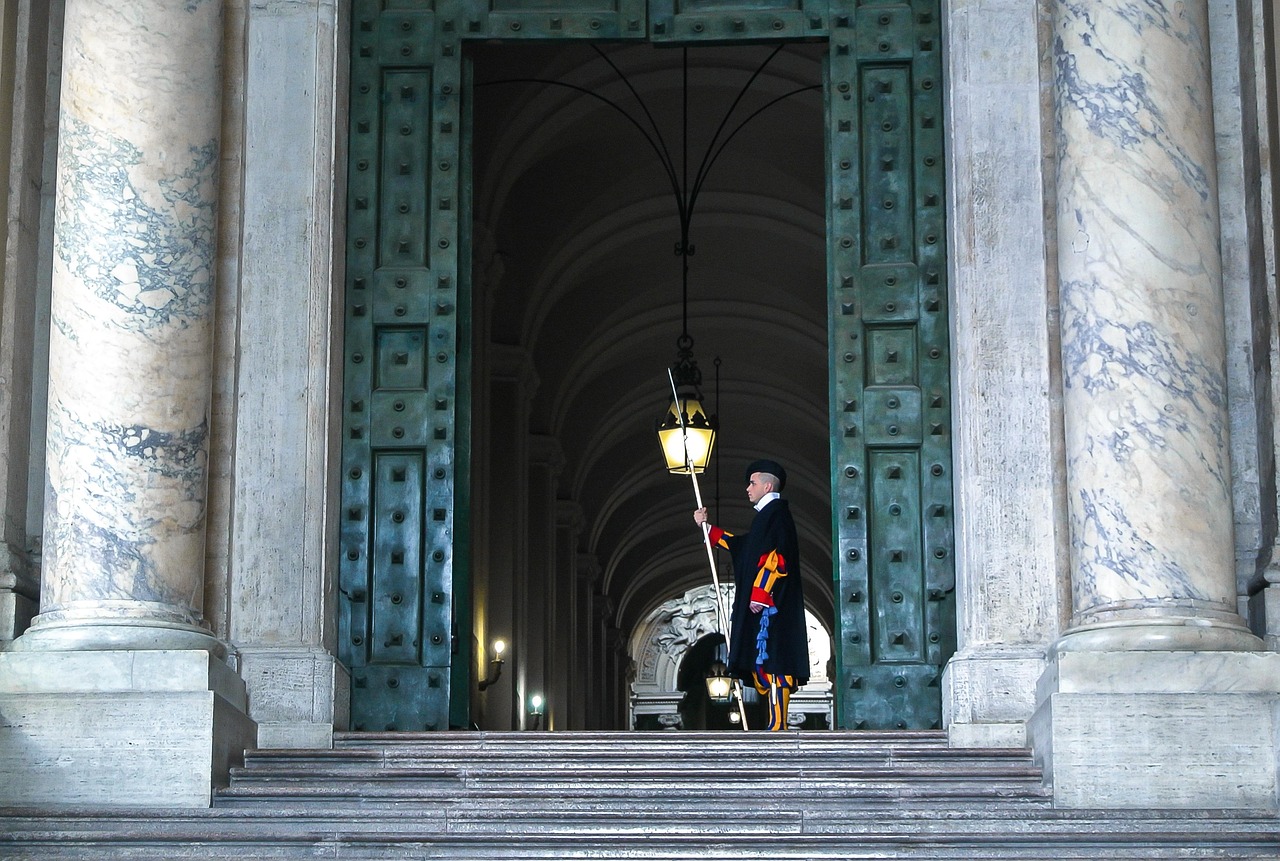
Dawn light over Vatican City for a quieter start at the Vatican Museums
To arrive early at Vatican City is one of the most reassuring ways to experience its artistic and spiritual heart. The difference is not subtle: early entry can feel like a private opening of the museum corridors, with space to pause, absorb, and breathe. If you want to visit the vatican with grace, begin before peak hours and let the day unfold slowly afterwards.
A luxury traveller once described a sunrise entry to the Vatican Museums before official opening as a personal spiritual journey. The galleries were quiet, the artworks felt closer, and the hush created a sense of reverence that crowds can sometimes dilute.
Vatican Museums and the Sistine Chapel: a museum route without the rush
Inside the museum complex, a guide helps you focus on what matters to you—whether that’s classical sculpture, tapestries, or the detail in ceiling panels you might otherwise miss. The Sistine Chapel is the emotional pinnacle; arriving early means you can take in the frescoes with a steadier heart.
For travellers who love Baroque drama elsewhere in Rome, it’s worth keeping an eye out for familiar names across the city too—Caravaggio in intimate chapels, Bernini in sculpted light and motion. These connections turn Rome into one continuous conversation, from museum galleries to street-level churches.
Dress codes, tickets for the Vatican, and a calm pace
Tickets for the Vatican should be reserved well ahead, and it’s wise to plan for security lines even with timed entry. Dress codes are strictly enforced: cover shoulders and knees, and keep bags streamlined for screening. For couples or families, build in a rest stop—water, a small snack, a quiet corner—so the experience stays pleasant.
- Wear: breathable layers that still meet the Vatican dress code.
- Carry: minimal valuables and keep phones secured in crowds.
- Choose: a guide who can read your energy and adjust the pacing.
Finish at Peter’s Basilica, where scale and symbolism can feel overwhelming without context. An expert guide will gently translate what you’re seeing—so awe becomes insight, not overload.
Trastevere, Rome: artisan shops, piazza life and a local neighbourhood walk
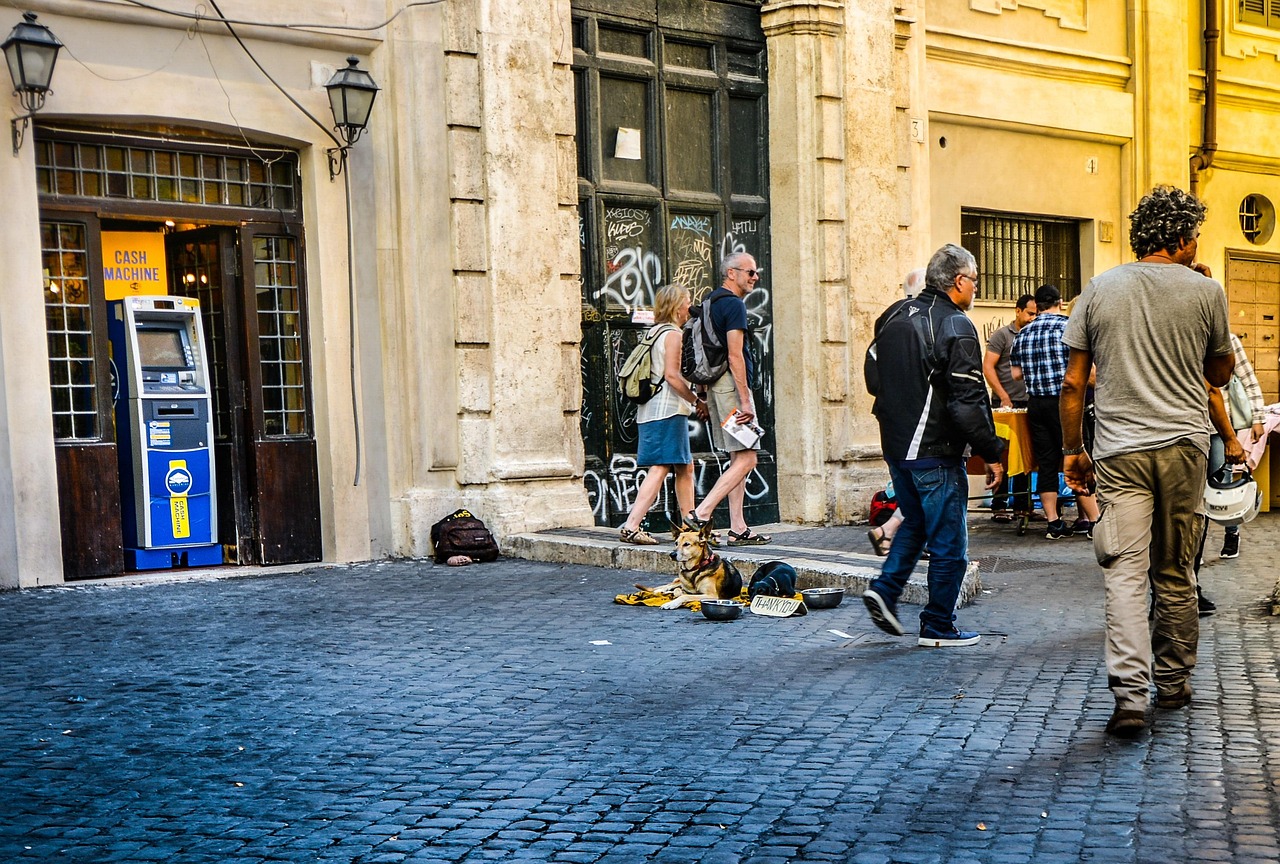
Golden-hour Trastevere: cobblestones, cafés, and local Rome beyond the postcards
When you’re ready for a different texture of the city, Trastevere is the invitation. This neighbourhood is where Rome feels human-scale: cobblestones, laundry lines, laughter from doorways, and the warmth of shared tables. It’s also where luxury travellers often feel most relaxed, because the pleasure is in noticing rather than “doing”.
Arrive in late afternoon and you’ll catch the neighbourhood at its most flattering. Light turns honeyed on old walls, and each piazza gathers a gentle buzz—families, students, and visitors blending together.
Trastevere artisan shops and the joy of slow discovery
This is the place to uncover small ateliers: jewellery, leather goods, handmade paper, and delicate textiles. An artist once shared how wandering Trastevere’s narrow alleys became a creative reset—meeting craftspeople who explained their process and showed tools worn smooth by use. The experience wasn’t transactional; it was personal, and it built trust in a way that souvenirs never can.
If you’re photographing workshops, always ask first. Many makers are proud to share, but the courtesy matters. Shopping etiquette is simple: greet with a soft “buongiorno”, ask questions with genuine curiosity, and allow time for conversation.
A micro-itinerary for a local neighbourhood walk
If you’d like a gentle structure that still feels free, try this micro-itinerary:
- Aperitivo: choose a terrace near a lively piazza and begin with something crisp and light.
- Small church visit: step into a quiet basilica-like space for five minutes of cool air and candlelight.
- Slow walk: cross back towards the river and the historic core, letting the evening guide you rather than a map.
Trastevere doesn’t demand anything from you. It simply offers Rome as it is—local, generous, and quietly creative.
Rome dining in Roma: Michelin-starred restaurants, Roman cuisine and a Tiber River sunset cruise
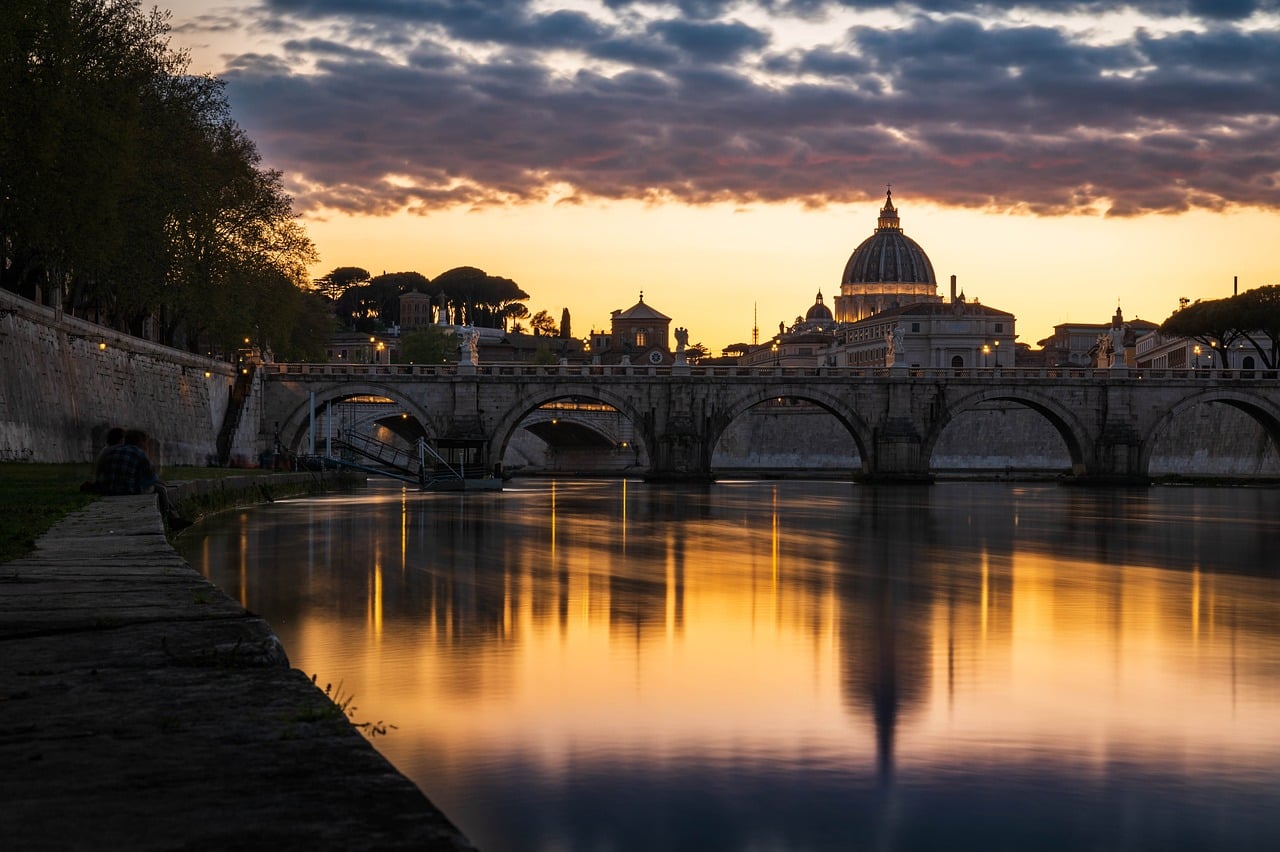
Glowing monuments along the Tiber River for a cinematic Roman evening
For evenings that feel truly considered, this pairing captures Rome’s most cinematic rhythm: a crafted dinner followed by river light. In Rome, luxury often means intimacy—being recognised at the door, guided through a tasting with confidence, and never feeling rushed through the final course.
Begin with a Michelin-starred restaurant that honours authentic Roman cuisine, then end on the water. It’s a sequence that feels designed, yet unforced, and it’s one of the most memorable ways to enjoy Roma after dark.
Michelin-starred Roman cuisine and reservations with confidence
Reserve well in advance, especially for the most sought-after tables and weekend seatings. When choosing a tasting menu, consider what you want the evening to feel like: playful and contemporary, or anchored in tradition. A concierge can also communicate dietary needs discreetly so you feel supported without fanfare.
One visitor remembered dinner in a centuries-old palazzo where the chef personally explained each course inspired by ancient Roman recipes. It created an immediate sense of trust—suddenly, it wasn’t “fine dining” as performance, but a conversation between past and present, shared together at the table.
A curated food tour option with elegance intact
If you want breadth without losing refinement, a curated food tour can be tailored to your pace. Choose an afternoon window that avoids heat and crowds, and keep the group small. A well-designed food experience balances tastings with short, beautiful walks—so it feels like an experience, not a sprint.
- Timing: late afternoon works well before dinner.
- Pace: fewer stops, better quality, more time to talk.
- Care: clear notes for allergies and preferences.
Then, the signature close: a luxury sunset cruise on the Tiber River with champagne. As Rome’s illuminated monuments come into view, the city feels gentler—reflected lights, soft air, and a sense of being held by history rather than chased by it.
Travel tips for visiting Rome – tips for traveling to Rome, day trip ideas, and getting around with confidence
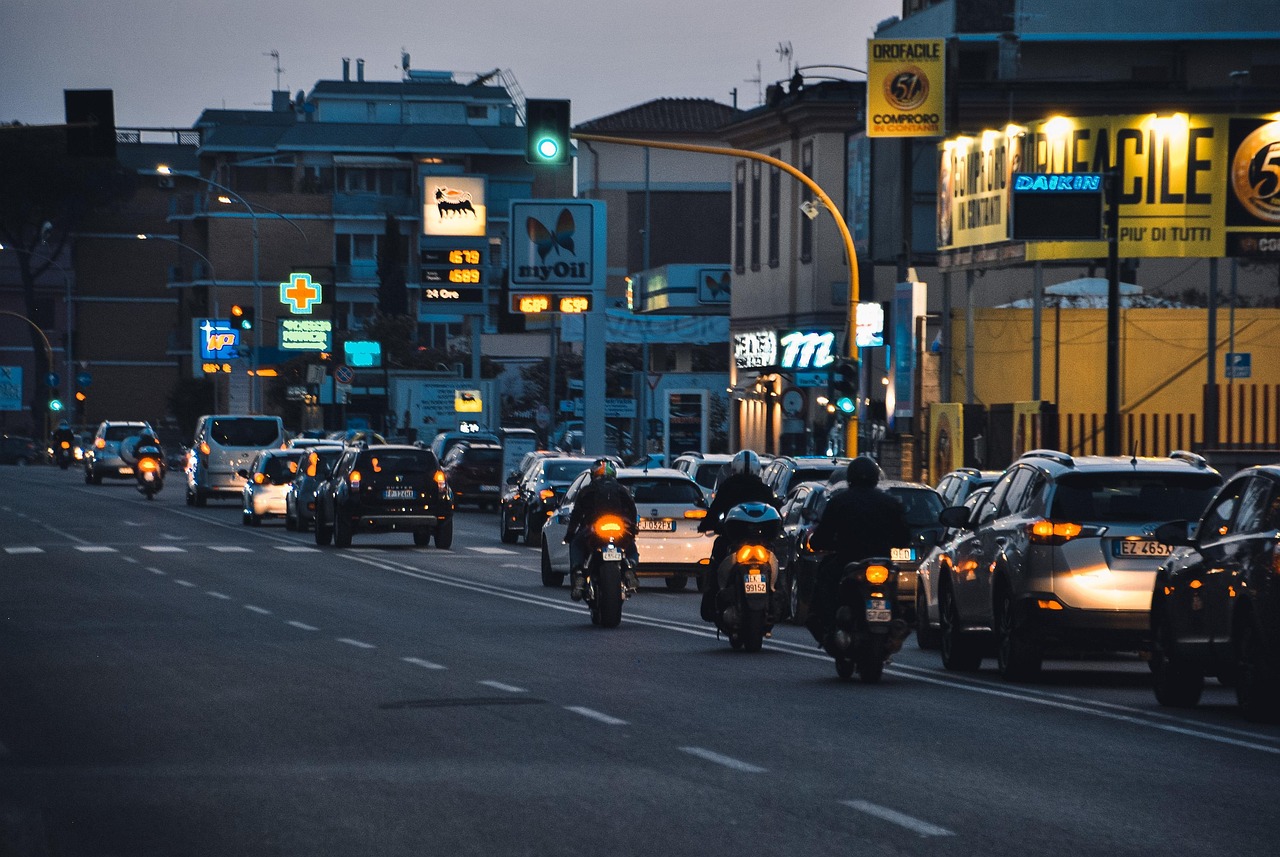
Night streets in Rome: smart planning, calm pacing, and confident movement after dark
Even the most experienced travellers appreciate practical guidance that feels reassuring. Rome is generous, but it’s also busy—so the simplest strategy is to choose one anchor experience per day and build buffer time around it. That’s how an itinerary stays seamless, even when a museum queue or a late lunch stretches longer than expected.
Rome is a city where the best days have shape: one major attraction, one slower neighbourhood moment, and one lovely meal. This approach helps you enjoy the highlights without feeling like you’re chasing every listing of attractions in Rome—and it keeps space for the spontaneous.
Tickets, timing, and the main attractions
Reserve the Colosseum and Vatican experiences early, and keep your confirmations accessible. For other popular spots in Rome—such as the Borghese gardens and the Borghese Gallery—timed entry is essential, and the collection feels more rewarding with a little context. For the Trevi Fountain, go early morning or late evening for a calmer, more photogenic moment by the fountain.
- Book tickets: prioritise timed entries for the main attractions.
- Build buffer: add 20–30 minutes between bookings, especially across the city of Rome.
- Tips for visiting: plan one indoor museum stop for the warmest hours, then return to outdoor walks.
In practice, attractions like the Colosseum and the Vatican Museums benefit from early starts, while smaller churches and a neighbourhood museum can be saved for later in the day. If you’re choosing places to visit, pick what matches your interests, not what the crowd is doing.
Getting around the city, safety, and day trip ideas
Rome is best explored on foot, with a private driver used selectively—particularly for evenings, airport runs, or when you want to cross town without losing energy. For quick hops around the city, a bus in Rome can work, though it’s rarely the most relaxing choice at peak times. Taxis are useful, but confirm the official queue at major points.
Safety is mostly about awareness, not anxiety. In busy areas, be mindful of common scams near major tourist attraction zones, keep valuables secured, and trust your instincts. You can stay open and curious without being careless.
For a day trip, choose by interest and minimise transit friction with expert support:
- Tivoli: historic villa gardens for design lovers and photographers.
- Ostia Antica: evocative ruins with space to wander, a quieter counterpoint to the Colosseum and Roman Forum.
- Countryside winery: a slower, sensory day with crafted tastings and a long lunch.
And if you’d like one extra, quieter experience inside Rome itself, we recommend visiting the catacombs—visit the catacombs with a guide for a thoughtful, atmospheric perspective beneath the streets.
Visit Rome Italy: reflections on the Eternal City
In the days after you visit Rome Italy, it’s rarely the headline sights that return first. It’s the light on stone as you crossed a small bridge, or the hush of early museum corridors before the day gathered pace. It’s the way Roma seemed to hold both grandeur and tenderness at once, without asking you to choose.
You might remember a glance exchanged during that nighttime Colosseum visit, when the ruins felt almost private and the past felt close. Or the steady hands of a craftsperson in Trastevere, shaping leather or setting metal, speaking about their work as if it were a family member. Or a moment of stillness inside a basilica, where the air cooled and time softened.
Perhaps what stays with you most is the feeling that you created space for meaning. You didn’t just collect attractions; you let the city meet you at your own pace, with care and confidence. Rome has a way of rewarding that choice—quietly, personally, and long after the return flight.
And then, on an ordinary afternoon at home, you may find yourself thinking of a fountain’s sound in a shaded piazza, and wondering—without urgency—what part of Rome will welcome you back next time.
F.A.Qs: visit Rome travel tips for luxury travellers
How many days in Rome is enough for a luxury pace?
For a luxury pace, 4 days is a sweet spot to enjoy the Colosseum, Vatican Museums, and unhurried neighbourhood time. If you can stay 5–6 days, you’ll experience Rome with more calm—adding the Borghese Gallery, longer meals, and a day trip without feeling rushed.
What are the do’s and don’ts in Rome?
Do book key tickets early, dress respectfully for churches, and keep your belongings secure in crowded areas. Don’t accept unsolicited “help” near major tourist attraction zones, and don’t overpack your itinerary—Rome is best when you leave room for long lunches and quiet walks.
Is it okay to wear jeans in Rome and at the Vatican?
Yes—jeans are completely fine in Rome, especially when styled neatly for restaurants and evenings. The only caution is religious sites: if your jeans are very ripped or paired with a top that leaves shoulders uncovered, you may be refused entry in the Vatican or a basilica.
Is $1000 enough for a week in Italy?
It depends on your style. For a luxury trip, $1000 for a week is unlikely to cover high-end hotels, private transfers, and curated experiences. For mid-range travel it may cover basics in some regions, but Italy’s major cities can be expensive—especially with museum tickets, transport, and dining.