Post Contents
- Rome City Centre 2026: Orientation and an Easy Itinerary Framework for City Center Rome Italy
- Ancient Roman Power in the Rome City Center: Colosseum, Forum, and Palatine with a Private Guide
- Trastevere Nights in Rome City Centre: Local Flavours, Santa Maria, and the Jewish Ghetto with Respect
- Hotel in Rome City Centre: Best Hotels in Rome City 2026 Tips and How to Get Around Rome Seamlessly
- What Rome Leaves With You After the City Centre: Reflections from Rome City Center Italy
- F.A.Qs: Rome City Center and Rome City Centre
Rome City Centre 2026: Orientation and an Easy Itinerary Framework for City Center Rome Italy
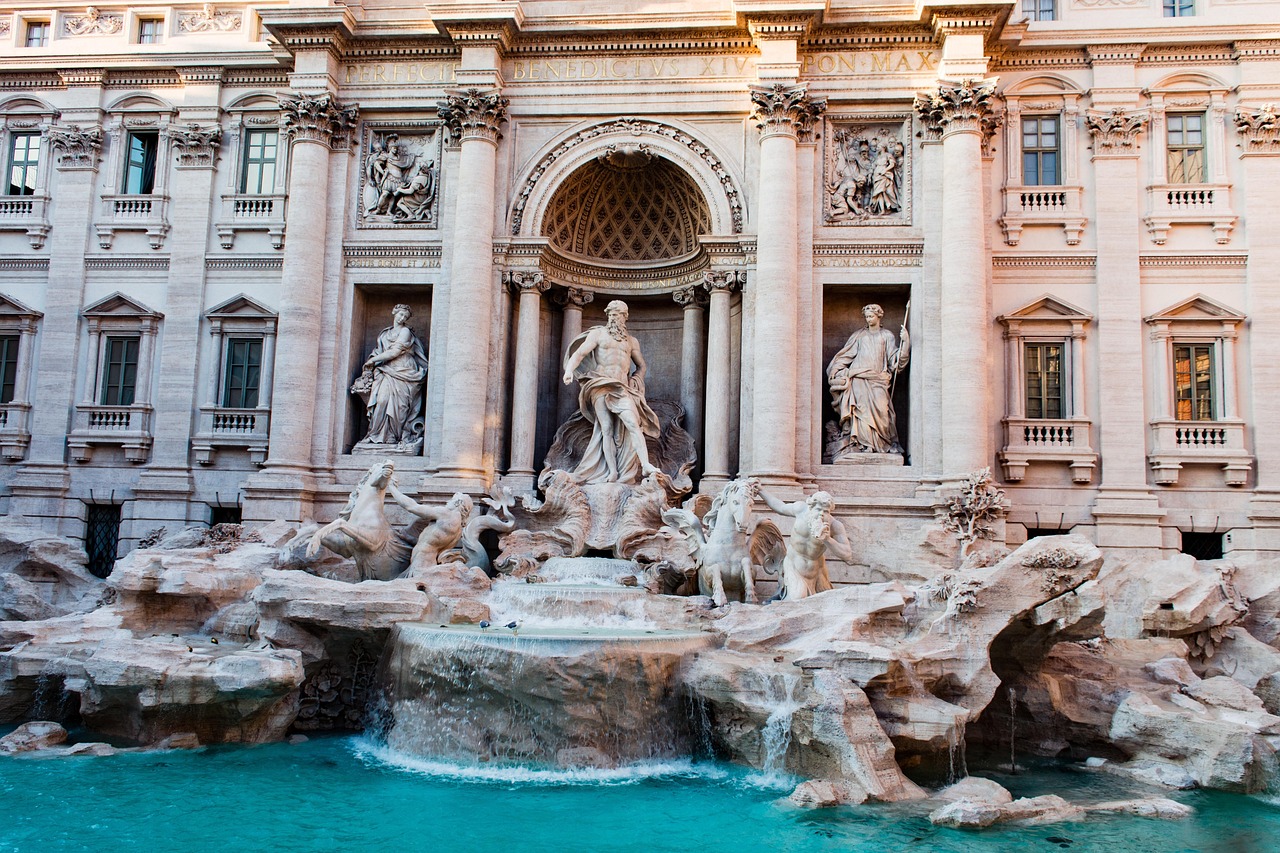
Rome City Centre 2026 Orientation and Itinerary Framework for first-time luxury travellers
Think of day one as a gentle orientation to city center rome italy—a soft landing that helps you feel at home in the rome city center before you start ticking off highlights. You’ll hear both spellings in conversation, and you’ll see why: the rome city centre is a feeling as much as a map, stitched together by piazza life, espresso rituals, and a walkable historic core. For high-end travellers, the goal is simple: move through the city with ease, and let Roma reveal itself in layers rather than lists.
The historic center isn’t one single district; it’s a graceful flow between neighbourhoods where a palazzo corner can lead to a sudden, sunlit piazza, and a discreet palace doorway hints at centuries of private life. You might step from a quiet lane into a baroque stage-set of stone and water, then drift onwards to another square that feels like the city is quietly performing just for you—in the very heart of rome.
First look at the historic center of Rome: key streets, piazza anchors, and confidence-building routes
In the historic center of rome, the distances are short, but the texture is rich. Start by learning the “spine streets” and landmarks: via del corso as the central axis, the bend of the Tiber as your compass, and a handful of piazza anchors where you can reset—Piazza Venezia, Piazza Navona, and the lanes leading toward Campo. If you’re staying in the centro, the best luxury is often simple: knowing you’re within walking distance of the scenes you came to imagine, without overplanning every minute.
Designer tip: when you’re choosing a time to stroll, aim for early morning when shop shutters lift and the city feels private. Later, the same stones glow warmly, and the ambience turns social around every fountain—especially near the pantheon, where a nearby caravaggio stop can add a little renaissance intensity without crowd pressure.
One-day and three-day itinerary spine to visit Rome in 2026—best of Rome without decision fatigue
For a one-day sprint that still feels human, keep it tightly designed and beautifully paced. Begin at the pantheon when it’s calm, then wander to piazza navona for borromini curves and street-level theatre, and on to the trevi fountain for that iconic, shimmering moment. From there, make a gentle stroll to the spanish steps in spagna, and finish with a quiet aperitivo rather than another queue—this is how you visit rome with style.
For three days, keep the same bones, but give each day a theme—ancient, artistic, and local—so you can explore the rome city center without decision fatigue. You’ll still see the best of rome, but with the reassurance of a clear itinerary and the freedom to linger where the city feels most like “you.”
- Day 1 Historic centre classics: Pantheon, Piazza Navona, Trevi, Spanish Steps, and via dei Condotti for a polished shopping street moment.
- Day 2 Ancient Roman Rome: colosseum, Forum, palatine perspectives, a quick look at a nearby domus site, and a slow walk towards the aventine.
- Day 3 Local evenings: campo de’ fiori energy, Trastevere lanes, and a crafted dinner that feels personal (budgeting is easier than you think, even with a few splurges in euro).
For photography, design a classic promenade linking via del corso, piazza del popolo, and venezia. The light is most beautiful in the final hour before sunset—especially with a view towards the altare della patria and the vittorio emanuele ii monument glowing softly above the traffic, plus the quiet luxury storefronts (including salvatore) that make this part of the rome city centre feel polished.
Our “rome without the rush” approach is a quiet luxury: pre-booked entry windows, early starts, and a late-day pause by a fontana to savor what you’ve seen. Widen the lens just a little to feel life around rome, around rome city, and around rome city center—Campo de’ Fiori mornings, corso vittorio evenings, and even a quick nod to sapienza for travellers curious about contemporary city rhythm in this part of rome.




Ancient Roman Power in the Rome City Center: Colosseum, Forum, and Palatine with a Private Guide
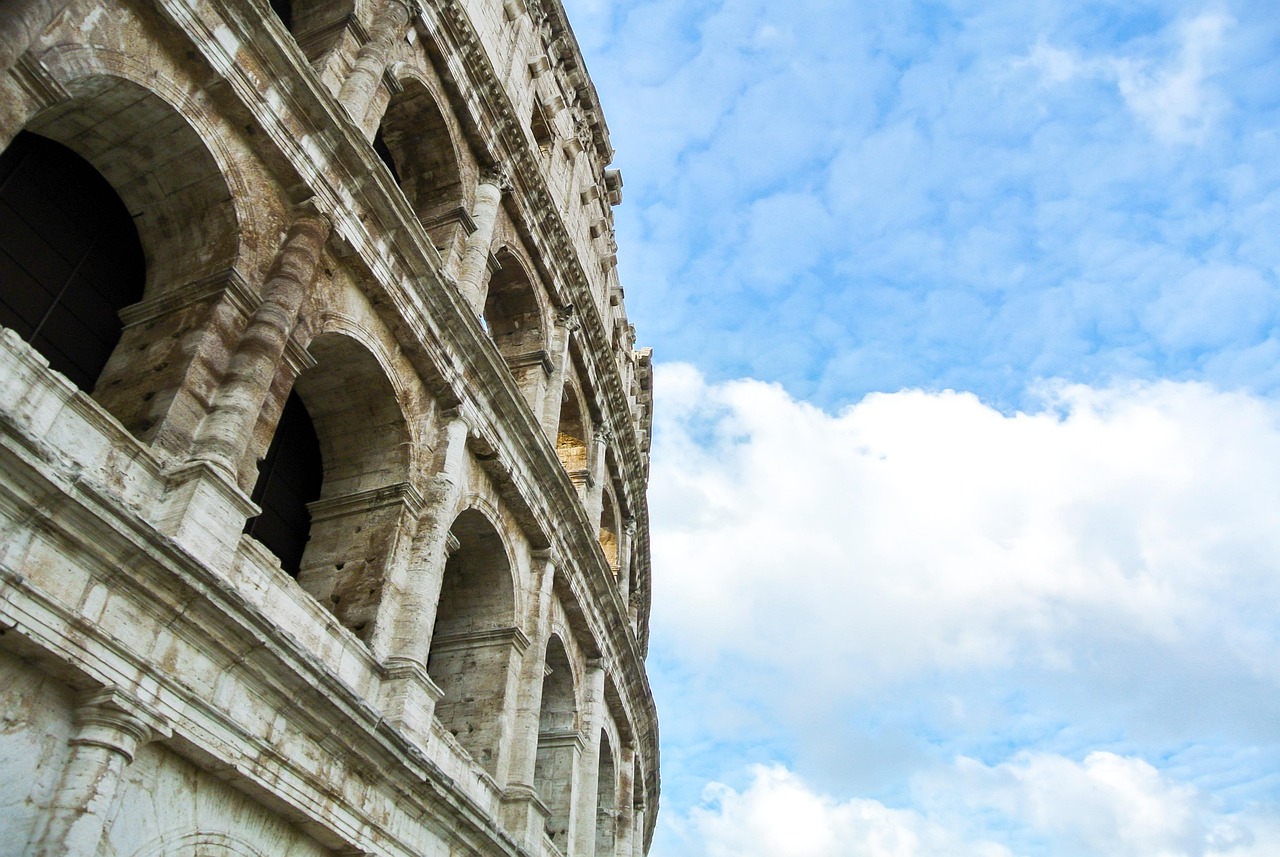
Ancient Roman Power in Rome City Center Colosseum and Forum in the morning light
There’s a reason the colosseum, Roman Forum, and Palatine combination sits at the emotional centre of most itineraries in the rome city centre. In the rome city center, these ruins don’t feel like a static museum; they feel like the city is still speaking. With the right expert context, you uncover the everyday ancient roman world—law, spectacle, gossip, devotion—and understand why Rome’s story still shapes how we imagine power in the city of rome.
Begin with the Colosseum when the air is cooler and your mind feels clear. Notice the engineering, the entrances, the scale that once held tens of thousands, and the way the stone holds light. This is where you follow in the footsteps of citizens who lived in a different century ad, yet loved drama as much as we do.
Archaeological access in the Rome city centre: timed entry, private guiding, and crowd-smart planning
For a seamless archaeological visit, choose timed tickets and treat the first entry window of the day as your best friend. A private guide can turn logistics into trust: meeting points are clear, pacing is calm, and the narrative is designed around you, not a flag-waving group. If you want an extra layer, look for an archaeological route that includes restricted areas or a quieter path across the Forum, then return to your hotel feeling energised rather than depleted.
Try to avoid midday in peak season, when heat and queues can pull attention away from the details. If your schedule is fixed, build in a shaded pause—Rome has generous café corners that restore confidence before you continue, especially if you’re travelling in 2026 when demand can be high.
Palatine Hill, Circus Maximus, and the Aventine: a calmer loop beyond the main crowds
From the Forum, climb to the Palatine for a perspective that re-orders the city in your mind. This is the vantage where legend and politics overlap, where the story of a roman emperor becomes less abstract and more human. Imagine augustus looking out over the city, weighing permanence against public opinion—then look down yourself, and let the scale settle in.
Continue towards circus maximus, where chariots once raced and crowds roared, and then allow the day to soften into one of its most romantic detours. The walk towards the aventine is quieter, greener, and feels like a secret kept in plain sight within the rome city centre.
For a hidden gems stop, pause at the Aventine Keyhole. It frames a perfectly aligned view towards peter’s Basilica, a tiny, crafted moment that feels made for two people standing close together. In a city built on grandeur, this small detail can become the memory you carry most carefully—proof that Rome’s magic often lives in the smallest frames.
Trastevere Nights in Rome City Centre: Local Flavours, Santa Maria, and the Jewish Ghetto with Respect
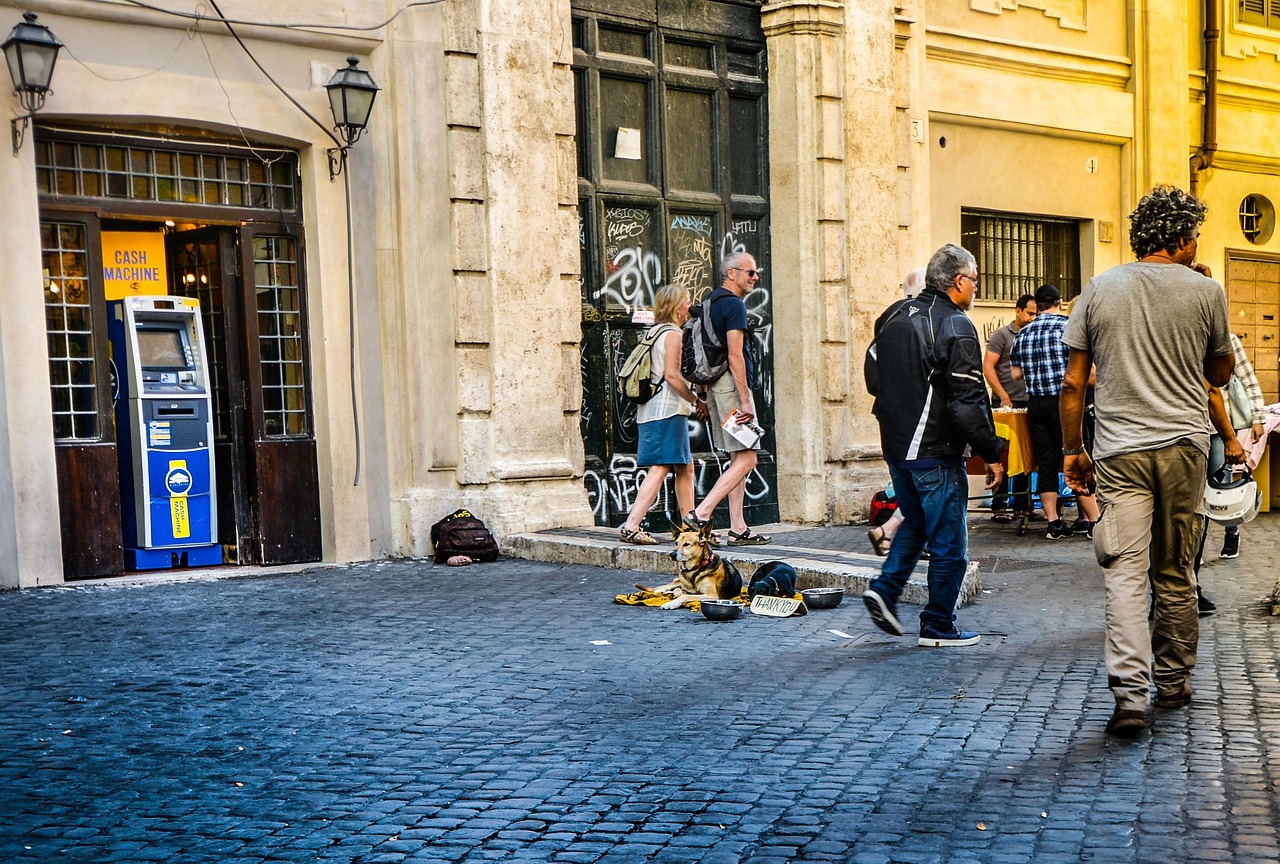
Trastevere Nights Local Flavours and the Jewish Ghetto with cobblestone lanes
After the big monuments, the Trastevere chapter of your trip is where the rome city center becomes local and personal. Trastevere is best explored slowly: cobblestone lanes, laundry lines, laughter spilling from doorways, and the warm presence of santa maria in Trastevere, where the church atmosphere seems to hold the neighbourhood together.
Let your evening be designed around appetite and curiosity. You’re not chasing a checklist; you’re uncovering flavour, stories, and the city’s softer rhythms, one candlelit table at a time—ideally with a reservation that protects your time and your mood.
Trastevere food tour insight: small groups, seasonal tastings, and local confidence
A solo traveller once told us their favourite rome city memory wasn’t a famous façade—it was joining a small-group food tour in Trastevere. The local guides shared insight rather than scripts, slipping down side streets to family-run addresses and market bites that most visitors would never find. By the end, the traveller felt they’d built real confidence in the rome city centre, simply by learning how locals order, linger, and talk about food.
If you’d like to do something similar, choose a tour that stays small and seasonal, and ask whether tastings include traditional staples alongside a modern twist. The right guide creates ease, and the whole night feels seamless—especially if you’re balancing early mornings with late dinners.
For daytime energy, start around campo de’ fiori with a market wander (it’s also lovely for a quick coffee and people-watching). In the early evening, the aperitivo scene lifts—then it’s a short walk to piazza navona, where curves, street music, and a glowing fountain turn the square into theatre.
From there, move respectfully into the ghetto. This part of rome city carries history that deserves care: keep voices low on residential lanes, dress thoughtfully, and choose places that honour tradition. For what to eat, ask for carciofi alla giudia when in season, or a classic pasta done properly; the simplicity is the point, and the people behind it matter in the jewish ghetto.
- Where to linger A calm table outdoors, watching the evening unfold without rushing courses.
- How to move Slow walking pace, minimal photos in sensitive areas, and genuine courtesy to residents.
- What to look for Menus that tell a story, not a trend, and staff who are proud to explain.
To finish on a high note, reserve one Michelin-starred dinner that treats Roman classics with respect. Luxury here isn’t about replacing tradition; it’s about craft—perfect ingredients, thoughtful service, and a room where you can talk together without competing with noise.
Hotel in Rome City Centre: Best Hotels in Rome City 2026 Tips and How to Get Around Rome Seamlessly
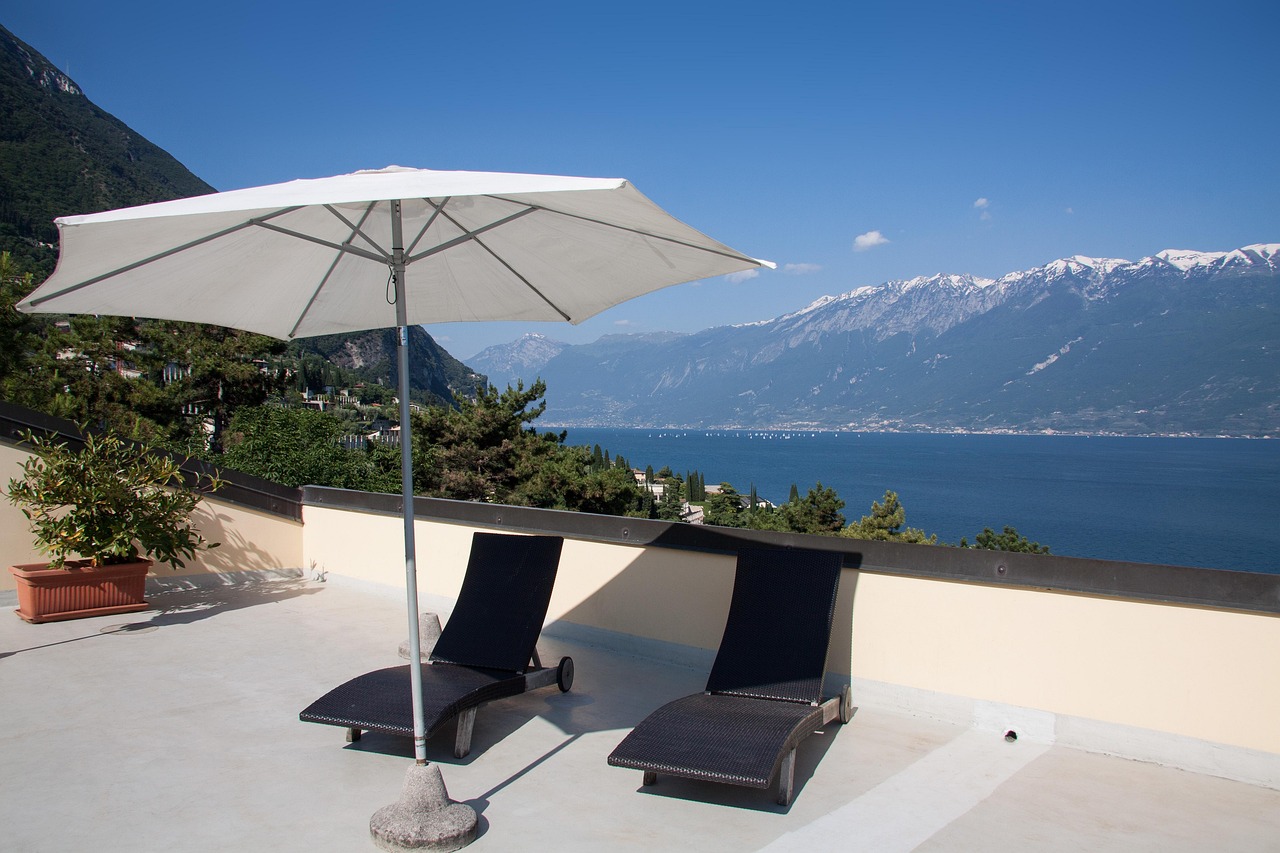
Hotel in Rome City Centre and How to Get Around Seamlessly with a rooftop terrace view
When planning a hotel in rome stay for 2026, “central” should mean more than a pin on a map. In the rome city centre, you want walkable access to the sights, but also a street that feels calmer at night—an address that supports sleep, elegance, and effortless transitions from museum day to dinner hour. The right hotel in Rome city center becomes your anchor: discreet, welcoming, and designed for ease.
For high-end travellers, the most important luxury is often what you don’t notice—quiet lifts, capable concierges, and returns that feel safe and unhurried. Choose a property that understands rhythm: breakfast without a rush, help with bookings, and a calm welcome back after a long day in the rome city center.
Hotel in Rome checklist: boutique style, spa quality, free WiFi, and a real rooftop terrace
Whether you prefer a grand palace feel or a smaller boutique property, shortlist with a practical eye. Look for a rooftop terrace or rooftop bar for that end-of-day exhale, and check that the spa offering is more than a token treatment room. Many of the best hotels in rome city also include thoughtful extras like free wifi that actually works, and staff who remember you on day two.
A quick checklist to keep decisions calm:
- 24-hour front desk and a night team you feel comfortable approaching.
- Reliable free wifi in rooms and public spaces.
- A proper terrace moment, even if it’s small and intimate.
- Soundproofing and room layout that supports rest.
- Read guest reviews for patterns, not perfection, and watch for recent notes if rooms were to renovate.
If you’re travelling for a celebration, ask for a room placement that fits the mood—higher floors for light, or a quieter courtyard for romance. For families, interconnecting options and lift access are worth prioritising, especially if you plan to spend long days in the historic center.
Airport arrivals and the best way to get around: Fiumicino, Ciampino, Termini, and public transportation
Most luxury arrivals come via fiumicino airport, with ciampino as a secondary option for certain routes. A pre-arranged private car or a premium shuttle strategy removes friction—especially for anniversaries, or when you’re landing with children and luggage. If you’re connecting by rail, note that rome termini station is efficient but busy; a meet-and-greet or car pick-up can feel like instant support (and it can be surprisingly cost-effective in euro when split).
Inside the city, the best way to get around is usually a mix. The metro and bus are useful for efficient hops, while private car services make evenings seamless when you’re dressed for dinner. Use public transportation with care: keep bags zipped, stay vigilant in crowded areas, and stand with intention rather than distraction—especially in the rome city centre at peak hours.
Practical reassurance matters in the Rome city center. Wear comfortable shoes for uneven stones, carry water in summer, and dress modestly for any basilica visit—especially at mary major, an early christian landmark with powerful papal connections. With expert planning and calm guidance, you can get around rome with confidence—knowing your return to your hotel in Rome will feel easy, safe, and restorative. If you’d like inspiration for crafted journeys across Italy, browse our Trip gallery.
What Rome Leaves With You After the City Centre: Reflections from Rome City Center Italy
Long after the “city centre” moments are photographed and filed away, the rome city centre stays with you in quieter ways. An anniversary couple once described the magic of a twilight walk along the Tiber River, when the historic lights made the water feel like silk and the stones looked softened by time. They didn’t talk about sights; they talked about how the city made them feel together—held, unhurried, and more present than they’d been in months.
An art enthusiast shared something similar after a private evening tour of the Vatican Museums and the Sistine Chapel. With space to breathe, the masterpieces stopped being “must-sees” and became personal encounters. In a hush of galleries, michelangelo felt less like a name and more like a living conversation across centuries, and the renaissance art landed with surprising tenderness.
And then there’s the joy of movement—like the family who spoke about their vespa tour through the rome city center. Zipping past ancient walls and sudden ruins, they felt the city wasn’t trapped behind glass; it was alive, layered, and playful. Even the route past castel sant’angelo became a kind of storybook, a reminder that Roma is both grand and wonderfully human; a sunrise detour toward villa Borghese can feel just as memorable.
Perhaps that’s the true gift of the rome city centre. You arrive expecting spectacle, but you leave with atmosphere: soft voices in a piazza, light on stone, the sound of water in a fountain, and the sense of being guided by care rather than pressure. Travel done well builds quiet confidence, and Rome has a way of making you trust your own pace.
When you think back, it may not be the biggest moments that return first. It may be a glance through a keyhole, a shared laugh over supper, or the way the city seemed to invite you to create your own meaning—gently, timelessly, and without asking you to rush back, only to wonder what you might notice next time.
F.A.Qs: Rome City Center and Rome City Centre
What is the city centre of Rome?
The city centre of Rome usually refers to the historic center around the Pantheon, Piazza Navona, trevi fountain, and the lanes between Campo de’ Fiori and Piazza Venezia. It’s the most walkable area in Rome, filled with piazza life, landmark churches, and elegant streets that connect major sights in the rome city centre.
What is a must eat in Rome?
A must-eat in Rome is a classic pasta such as cacio e pepe or carbonara, ideally in a neighbourhood trattoria where the technique is simple and precise. In season, try artichokes in the Jewish Ghetto, and finish with a gelato stop that prioritises flavour over flashy colours.
Is Rome city Centre a good place to stay?
Yes, Rome city centre is one of the best places to stay if you want a high-end trip with minimal transfers. You’ll be within walking distance of key sights, with excellent dining nearby, and you can return to your hotel easily for a rest before an evening out.
Is Rome city Center walkable?
Rome city Center is very walkable, especially within the historic core where many highlights sit close together. Expect uneven cobblestones and occasional steps, so comfortable shoes help. For longer hops, use the metro, taxis, or a private car service to keep the day seamless.