Post Contents
- Milan (Milano) at a Glance – things to do in Milan, main attractions, and a luxury flow
- Duomo di Milano & Piazza del Duomo – Milan Cathedral rooftops, tickets, and views
- Galleria Vittorio Emanuele II Glamour & La Scala Opera – luxury shopping and culture
- Fashion capitals of the world: Via della Spiga ateliers, Triennale, and modern Milano design
- The Last Supper at Santa Maria delle Grazie – tickets, Leonardo da Vinci, and a UNESCO site
- Brera District & Pinacoteca di Brera – art galleries, Braidense, and Academy of Fine Arts
- What Stayed With Us After Milan – milan italy places to see and lasting luxury memories
- F.A.Qs: Milan Italy places to see – quick answers for first-time visitors
Milan (Milano) at a Glance – things to do in Milan, main attractions, and a luxury flow
Milan and Milano at a Glance: a calm, design-led introduction to northern Italy’s style capital
This luxury destination guide meets you where high-end travel should begin: with reassurance, not rush. Milano rewards travellers who enjoy thoughtful design and a sense of flow—where each point of interest connects naturally to the next, and the heart of Milan feels surprisingly walkable between its grand piazza and quieter courtyard moments.
For a confident first sweep, picture a “see in Milan” snapshot that reads like a perfectly edited moodboard of best places to visit: Piazza del Duomo and the rooftop terraces, the Galleria Vittorio Emanuele arcade, La Scala, Castello Sforzesco, Parco Sempione, and the Navigli canals. These tourist attractions are the main attractions for a first-time itinerary, but how you stitch them together is what makes the city’s glamour feel personal—and what turns a checklist into true things to see.
See in Milan: a polished two days in Milan itinerary
If you have two days in Milan, a gentle rhythm keeps everything feeling crafted rather than crammed. Begin with museums and galleries in the morning (when your attention is freshest), then create space for shopping and design in the afternoons, and finish with aperitivo followed by refined dining.
- Mornings: art galleries, a museo stop, and quieter streets before peak crowds.
- Afternoons: appointments for boutiques, a modern skyline stroll, and slow coffee breaks.
- Evenings: aperitivo rituals, then a restaurant where the service feels like care.
One small luxury secret: build in time to simply sit in a piazza with an espresso and watch Milan’s choreography—tailored coats, purposeful steps, and an effortless sense of style that feels distinctly Italy’s.
Visit Milan confidently: transport, seasons, and day trips near Milan
The best time to visit is typically May to September, when the light is generous and you can linger outdoors. Milan’s metro and tram network is efficient, but for a more seamless flow—particularly if you’re balancing shopping bags, dinner plans, and evening reservations—a private chauffeured service can be a quiet form of support in the city of Milan.
For inspiration beyond the centre, keep “near Milan” on your horizon: Como and its lakefront villa culture, Bergamo’s historic centre, and the Lombardy region’s Sacro Monte di Varese. As the capital of Lombardy, Milano is also a smart base for exploring the wider Lombardy region in comfort. If you’d like to explore further through beautifully designed itineraries, you can browse our Trip gallery—a useful starting point when you’re mapping places to visit in Italy.




Duomo di Milano & Piazza del Duomo – Milan Cathedral rooftops, tickets, and views
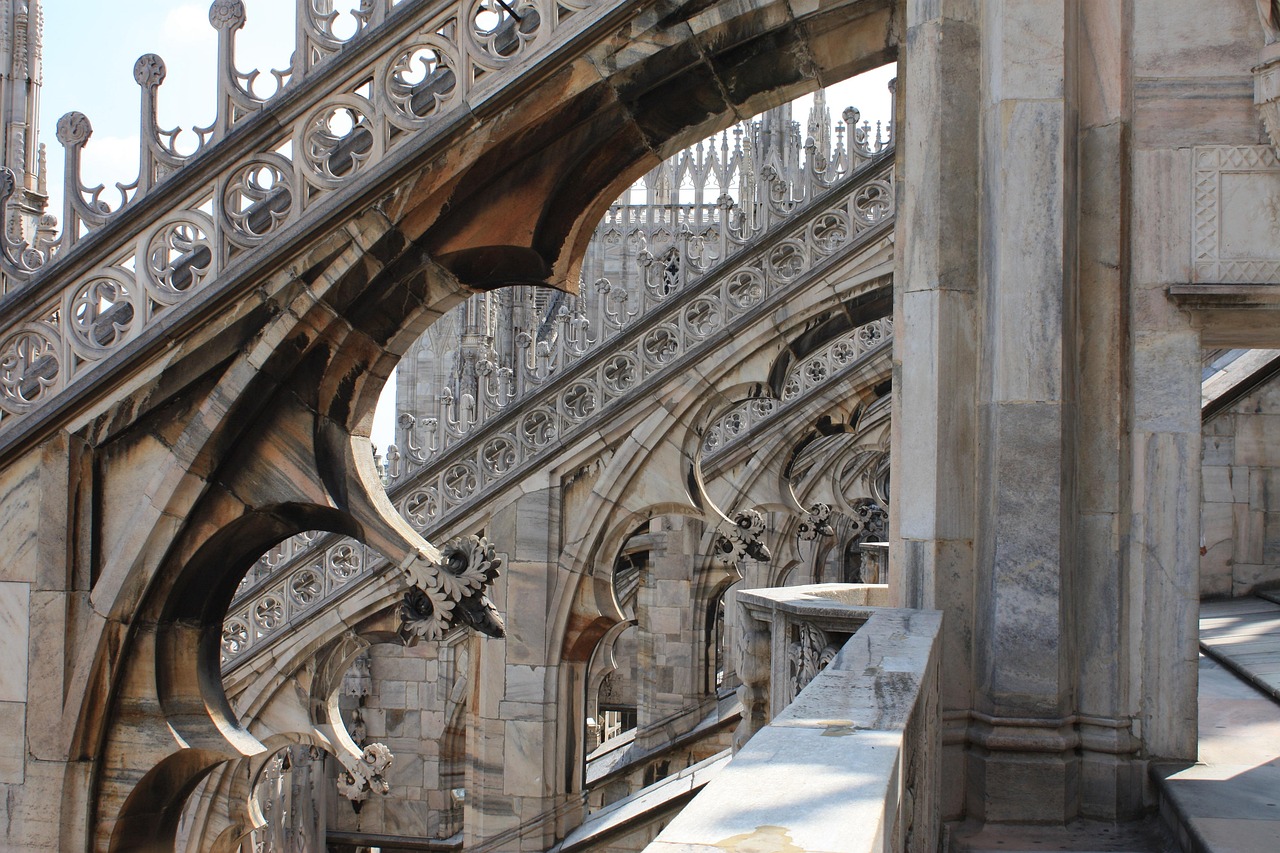
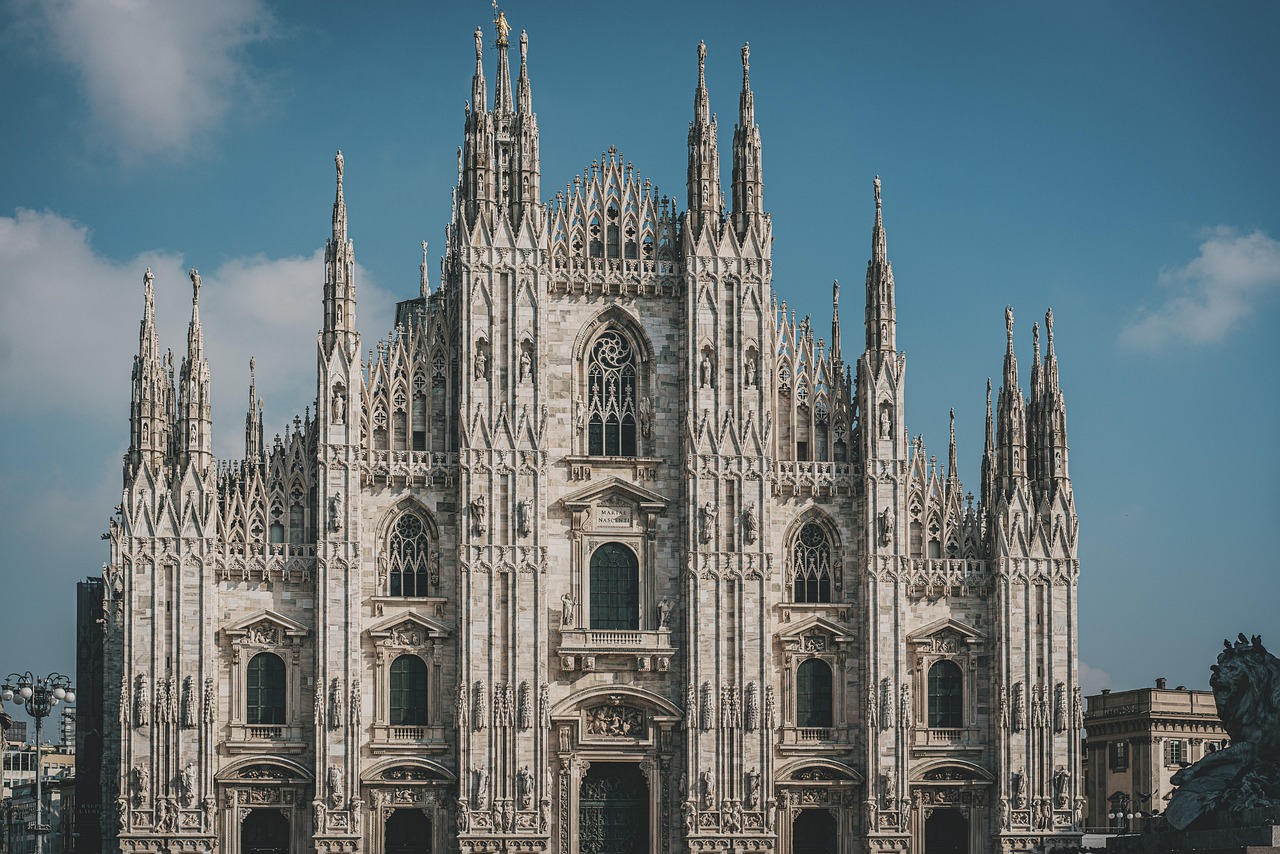
Duomo di Milano rooftops: Gothic spires, pale marble, and the city opening up below
Planning Duomo Milan rooftop tickets for Piazza del Duomo is one of the smartest decisions you can make in Milan, especially if you want the experience to feel calm and unhurried. This attraction is a Gothic masterpiece: pale marble, a forest of spires, and more statue silhouettes than you can count—one of the largest cathedrals ever built, and still astonishing in scale.
Arriving early, you’ll see the cathedral façade brighten as the day settles in. Then, as you ascend, the city of Milan reshapes beneath you—terracotta rooftops, modern towers, and the hum of life turning into a soft backdrop.
Duomo rooftops: a must-see view of spires, marble, and statues
A luxury traveller once shared their most unforgettable evening in Milano: a private midnight tour of the rooftops, paired with a sommelier-curated tasting. With the city below and the spires close enough to touch, the wine felt like a crafted companion to the skyline—proof that a classic experience can still feel intimate when designed with care.
It’s a must-see not because it’s famous, but because it changes your perspective. Up here, Milan’s confidence reads as architectural poetry.
Visit to the Duomo: time slots, lift access, and Museo del Duomo context
For confidence, purchase rooftop time slots online in advance; it helps you avoid long queues and choose the light you want—morning clarity or late-afternoon glow. Consider lift access if you prefer a smoother ascent, and dress elegantly and respectfully for the interior (covered shoulders is a wise default).
For context, construction started in 1386, and generations contributed to what you see today. There’s also a gentle layer of lore around the city’s patron saint, which locals reference with quiet pride. If you enjoy detail, the Museo del Duomo is well worth a visit, especially for understanding the craftsmanship behind the marble and the evolving design choices.
Galleria Vittorio Emanuele II Glamour & La Scala Opera – luxury shopping and culture
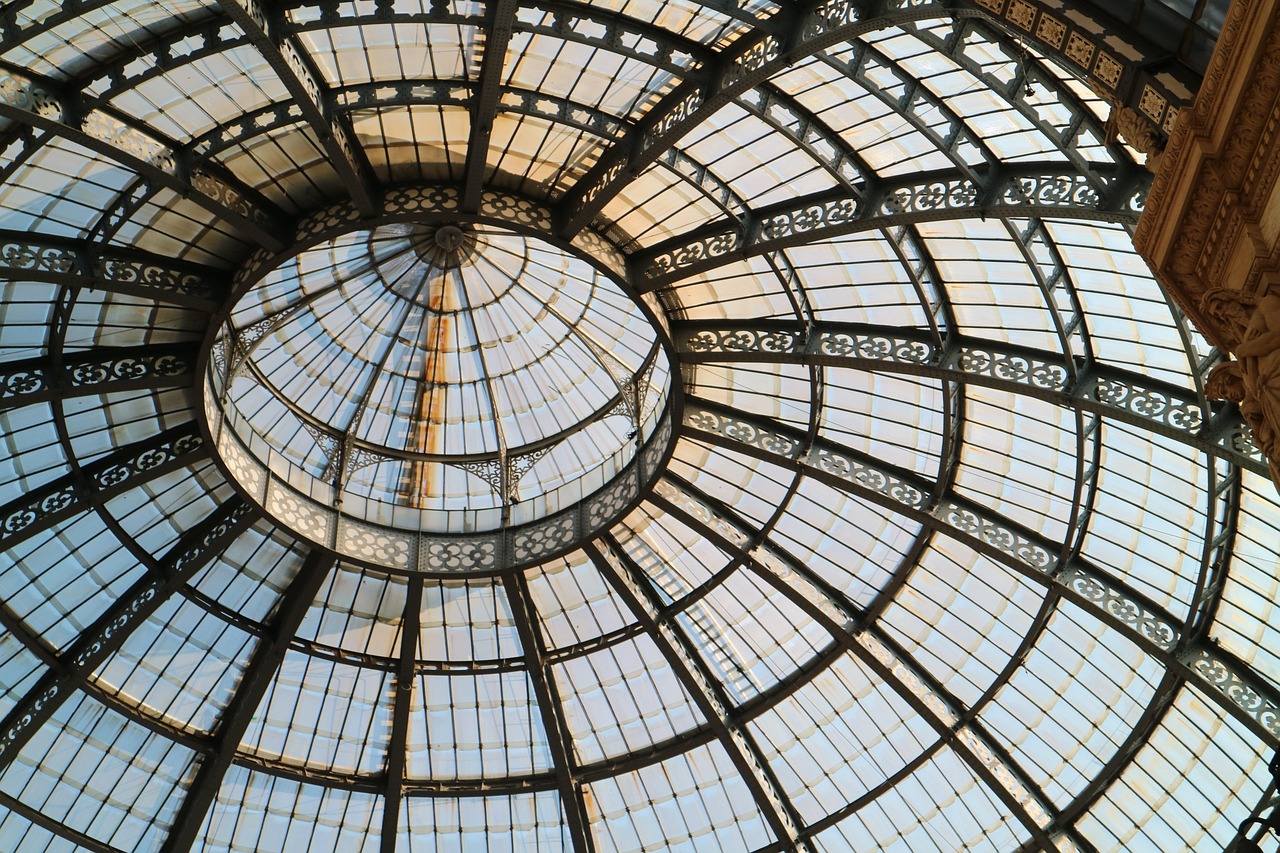
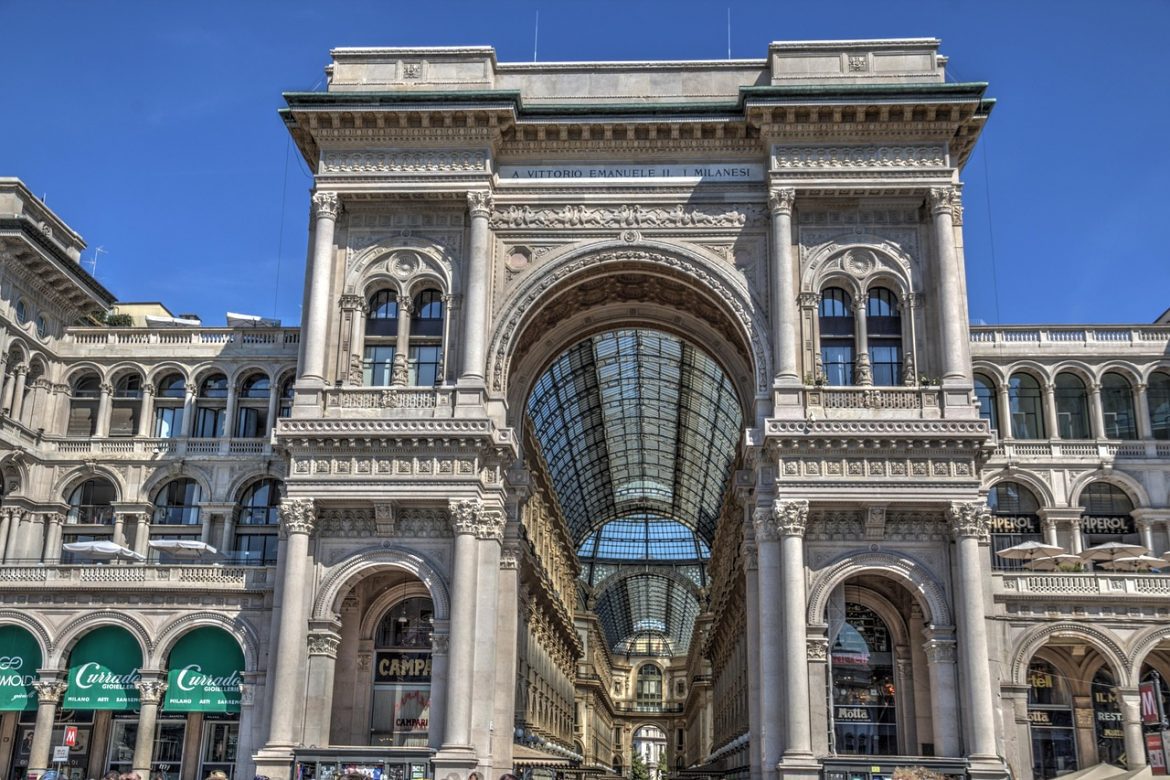
Galleria Vittorio Emanuele II: iron-and-glass elegance, boutique browsing, and a stylish pause next to the Duomo
The pairing of Galleria Vittorio Emanuele luxury shopping with La Scala is the city at its most polished—grand, effortless, and beautifully staged. In the Galleria, the iron-and-glass vaulting turns a simple stroll into an architectural event, and the space still functions as a living shopping mall where style and history share the same floor.
This is the moment to slow down, not speed up. You’re next to the Duomo, yet the mood shifts: less monumental awe, more Milanese elegance in motion.
Galleria Vittorio Emanuele: a gallery of style, coffee, and people-watching
Start with espresso and people-watching under the dome, then create a curated route with appointments. High-end travellers often find that scheduled visits offer better insight: calmer fitting rooms, more personal attention, and a sense of trust that the experience is built around you.
- Book ahead: request private viewing times for jewellery, leather goods, or made-to-measure.
- Build pauses in: a table for lunch can be as important as a purchase.
- Ask for local suggestions: staff often share nearby openings and lesser-known designers.
The atmosphere here is part of the story—an arcade that feels like a glamorous passageway between eras.
La Scala opera nights: the Museo, Bellini, and an elegant evening plan
La Scala is more than a performance venue; it’s a cultural anchor. For premium seats, secure tickets as early as your dates allow, and consider an expert guide for backstage context if you enjoy the craft behind the curtain. If you can’t align with a performance, the Museo is still a deeply atmospheric way to experience the theatre’s history, including nods to Bellini and other composers who shaped Italy’s operatic identity.
Nearby, refined aperitivo bars and tasting menus make it easy to design an evening that feels seamless. Tipping is appreciated but not compulsory—rounding up the bill or leaving 5–10% is a graceful gesture in restaurants.
Fashion capitals of the world: Via della Spiga ateliers, Triennale, and modern Milano design
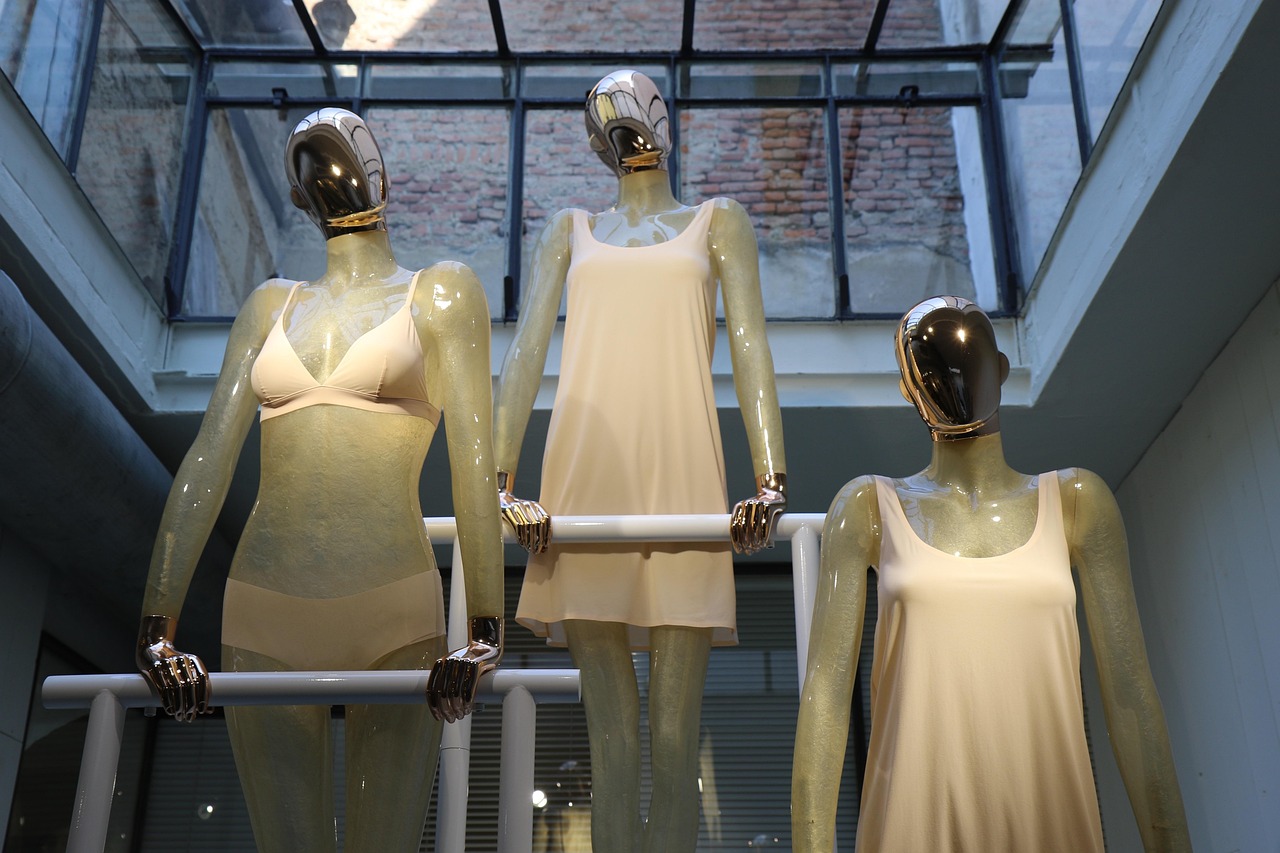
Fashion in Milano: craftsmanship, discretion, and design discipline on beautifully dressed streets
A Milan fashion tour ateliers Via della Spiga luxury styling session is where the city quietly reveals its genius: craftsmanship, discretion, and design discipline. Milan is one of the fashion capitals of the world, and also one of the fashion capitals where heritage houses sit comfortably beside emerging studios—each confident, each precise.
The most rewarding experiences often happen beyond the shopfront, where hands, fabrics, and ideas come together in private. This is the side of Milan that supports self-expression with warmth, not judgement.
Via della Spiga appointments: ateliers, Milanese styling, and craft
A private fashion tour typically begins with Via della Spiga for appointments, then moves into hidden designer workshops and atelier visits that uncover the city’s craft traditions. You’ll see how a sleeve is balanced, how leather is finished, and how colour is chosen for the way it catches daylight—small decisions that make a piece feel extraordinary.
One fashion enthusiast described their bespoke styling session with a renowned Milanese designer as unexpectedly reassuring: the guidance built confidence, the conversation offered local insight, and the approach felt deeply personal. Luxury, here, is the care taken to understand you.
Triennale and Piazza Gae Aulenti: a modern Milano skyline walk
To widen the lens, weave in the Triennale for exhibitions that connect fashion, furniture, and architecture. Then stroll around Piazza Gae Aulenti, where Milan’s contemporary skyline rises with a cool, intentional energy. It’s a reminder that this capital is always evolving—yet never loses its taste for proportion and detail.
The Last Supper at Santa Maria delle Grazie – tickets, Leonardo da Vinci, and a UNESCO site
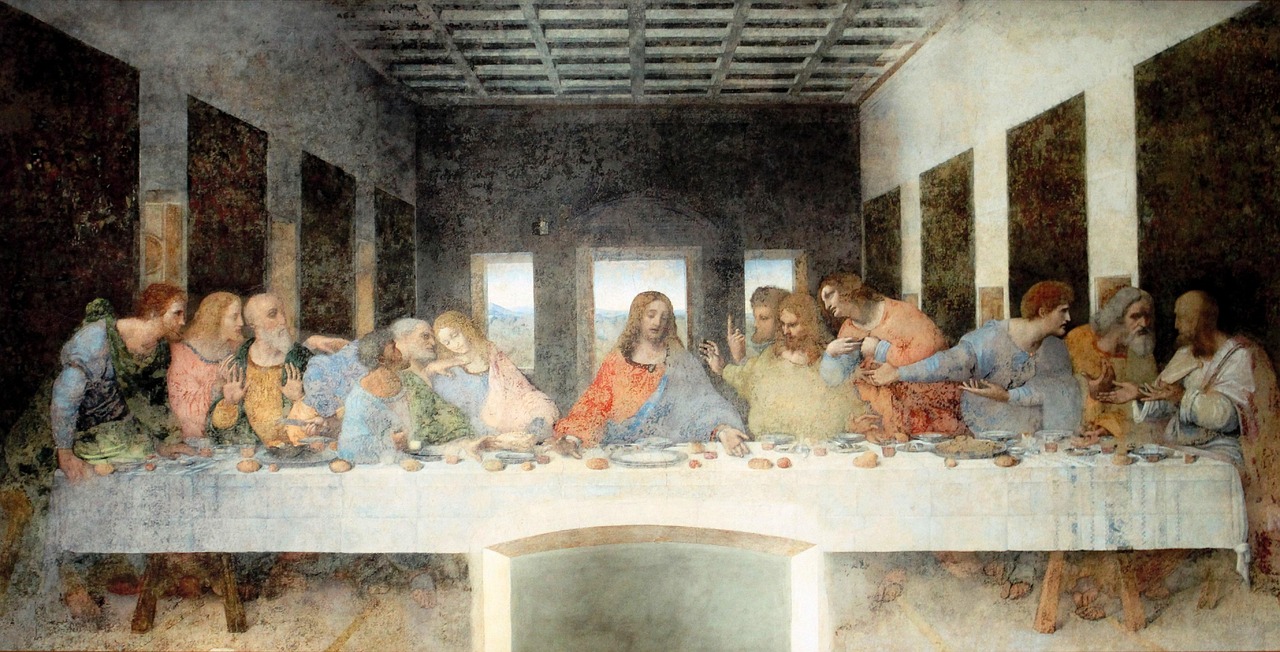
The Last Supper at Santa Maria delle Grazie: a fragile fresco, timed entry, and a truly quiet moment
Securing Last Supper tickets Santa Maria delle Grazie Leonardo da Vinci Milan is a rite of passage for art lovers—and it requires planning with patience. The Last Supper is a fragile fresco, protected by strict timed entry and controlled conditions, and demand remains high throughout the year.
Approach it the way you would a rare performance: with preparation, respect, and a willingness to let the moment be quiet.
Last Supper booking: make a reservation, understand timed entry, and pace your day
Make a reservation months ahead whenever possible, especially for peak season. If you value deeper understanding, a private guide can offer expert interpretation and a calmer, more personal pace—helping you notice gestures, expressions, and the emotional architecture of the scene without feeling hurried.
- Book early: ticket releases can sell out quickly, particularly in summer.
- Arrive gently ahead of time: timed entry is strict and queues can form.
- Keep your day light: pair this visit with one additional nearby point of interest, not three.
Santa Maria delle Grazie: a UNESCO World Heritage Site (unesco world heritage site) and a quiet extra
Santa Maria delle Grazie is a UNESCO World Heritage Site, and the setting shapes the experience. You’re not just seeing a famous image; you’re stepping into a living context of faith, patronage, and preservation. The name Grazie is spoken softly by locals, as if the place itself asks you to lower your voice.
When you want a quieter continuation, uncover the Church of San Maurizio for frescoes and atmosphere—less crowded, deeply moving, and a beautiful counterpoint to the intensity of Leonardo da Vinci’s masterpiece.
Brera District & Pinacoteca di Brera – art galleries, Braidense, and Academy of Fine Arts
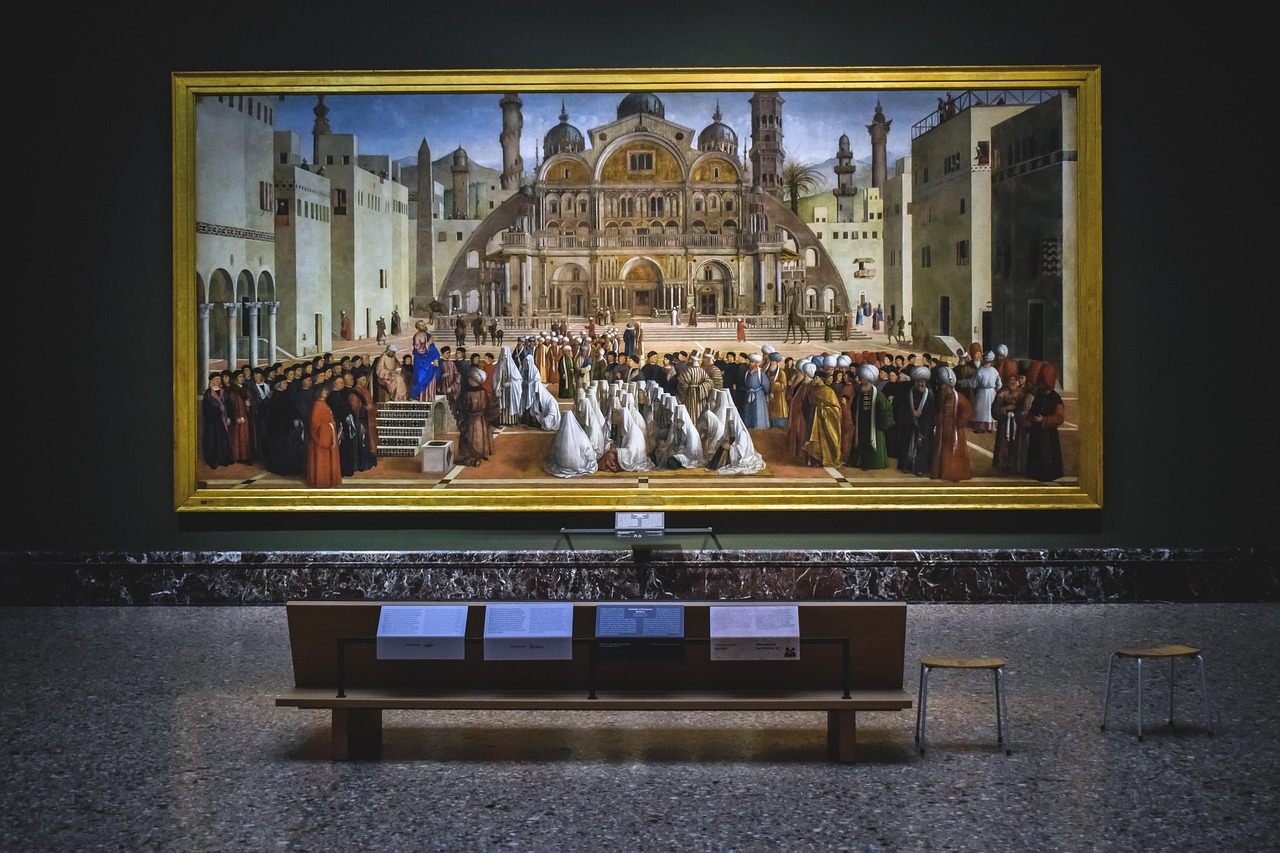
Brera: elegant streets, inviting cafés, and a museum afternoon that feels unhurried
Pinacoteca di Brera Brera district art galleries Milan is where you go to feel the city’s creative pulse up close. Brera is intimate and expressive: cobbled lanes, discreet luxury, and a rhythm that invites you to explore without an agenda. It’s one of the best places to slow down and let Milano show you its quieter confidence.
You’ll find small boutiques, bookshops, and art galleries tucked beside cafés—plus the occasional courtyard that opens like a secret room in a well-designed home.
Pinacoteca di Brera: Raphael, the Academy of Fine Arts, and the Braidense
The Pinacoteca di Brera holds extraordinary works, and seeing Raphael here can feel like a private conversation with the Renaissance. The museo is intertwined with the Academy of Fine Arts and the Accademia di Belle Arti tradition—often referenced locally as the accademia di belle—giving the neighbourhood an atmosphere that’s both scholarly and alive.
You may also hear references to the Braidense collection (and Braidense library heritage) within the complex—threads of Milan’s intellectual life woven into the same walls as its paintings.
Brera dining and courtyard strolls: Milanese flavour and the antique market
A visitor once recounted the joy of discovering hidden art gems in Brera, guided by a local art historian who helped uncover details most people miss: a symbolic flower, a glance between figures, a decision in pigment. The effect was trust-building in the best way—an insight into how this city rewards attention.
Later, the same traveller described an intimate Michelin-starred dinner where the chef personally explained the inspirations behind traditional Milanese dishes. Risotto alla Milanese arrived like a lesson in restraint—golden, precise, deeply comforting—and the experience turned a meal into culture. If you time your visit well, Brera’s antique market on the third Sunday of the month adds another layer of texture to the streets.
What Stayed With Us After Milan – milan italy places to see and lasting luxury memories
Milan Italy places to see lasting memories luxury travel is, in the end, less about what you managed to fit in and more about what quietly followed you home. It’s the marble light on the spires at dusk; the hush that settles in a gallery when you stop trying to “cover it all”; the simple kindness in a local “Buongiorno” that makes you feel gently held by the city.
What lingers is often small: standing above Milano and realising how calm the skyline feels from the rooftops, or noticing an unexpected detail in a fresco that stays in your mind for days. It might be the care in a chef’s explanation of something as humble as saffron and rice, and how that moment made you feel supported—seen, rather than served.
The journey feels seamless not because it was perfect, but because it was thoughtfully designed together, with space for rest, wonder, and the kind of confidence that comes from expert guidance without pressure. Milan’s glamour can be loud from a distance, yet up close it’s often quiet, human, and reassuring.
And once you’ve left, you may find yourself imagining a return—perhaps in a different season, or on a slower day near Como—simply to uncover what the city might show you next.
F.A.Qs: Milan Italy places to see – quick answers for first-time visitors
What should you not miss in Milan?
Don’t miss the rooftop terraces for panoramic views, the elegance of Galleria Vittorio Emanuele, and Leonardo da Vinci’s Last Supper at Santa Maria delle Grazie (book well ahead). For a more local layer, explore Brera and the Pinacoteca di Brera, then end with aperitivo and a crafted Milanese dinner.
What is the most visited place in Milan?
The complex at Piazza del Duomo is widely the most visited, thanks to the cathedral, rooftop access, and the surrounding centre. Booking your rooftop time slot online helps you experience it with more comfort and far less time spent in queues.
What is Milan, Italy best known for?
Milan is best known for fashion and design, landmark architecture such as the Milan Cathedral, and cultural icons like La Scala and The Last Supper. It’s also celebrated for its discreet luxury: impeccable service, beautiful interiors, and a confident contemporary spirit.
Are 2 days enough for Milan?
Yes—two days can be enough for a high-end first visit if you plan thoughtfully. Focus on one major sight each morning (rooftops, Last Supper, Brera), then keep afternoons for shopping and design, and evenings for aperitivo and dining. Booking key tickets in advance makes the pace feel calm, especially if you’re deciding what to do next as you go.