Post Contents
- Forum Italy First Steps Through the Roman Forum in Rome for a Roman Forum Rome Italy guide Palatine Hill Colosseum
- Pompeii Day in Italy Walking Streets Frozen in Time for a Pompeii ruins day trip Italy Roman history experience
- Amalfi Coast Italy A Seamless Cliffside Adventure for Amalfi Coast Italy travel logistics ferries villages hike
- Mount Etna Italy Night Hike With Expert Support for Mount Etna hike Italy guided tour safety volcanic activity
- Florence and Venice Italy Art to Canals With Personal Joy for Florence Uffizi Duomo Venice canals sunset Italy itinerary
- After Italy What the Forum Leaves in You for Italy reflection Rome Roman Forum memories
- F.A.Qs: Forum Italy and the Roman Forum in Rome
Forum Italy First Steps Through the Roman Forum in Rome for a Roman Forum Rome Italy guide Palatine Hill Colosseum
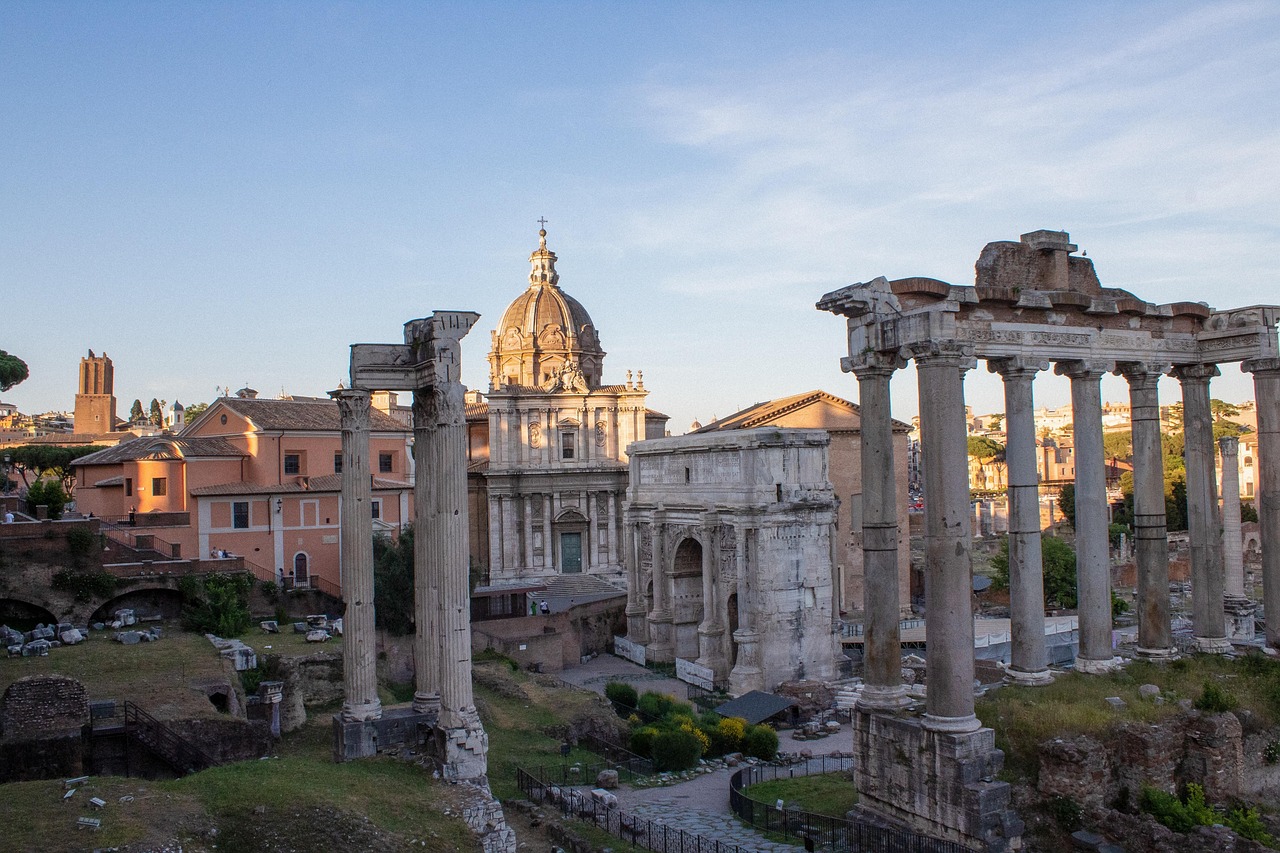
Forum Italy First Steps Through the Roman Forum in Rome where ruins lie between Palatine Hill and the Colosseum
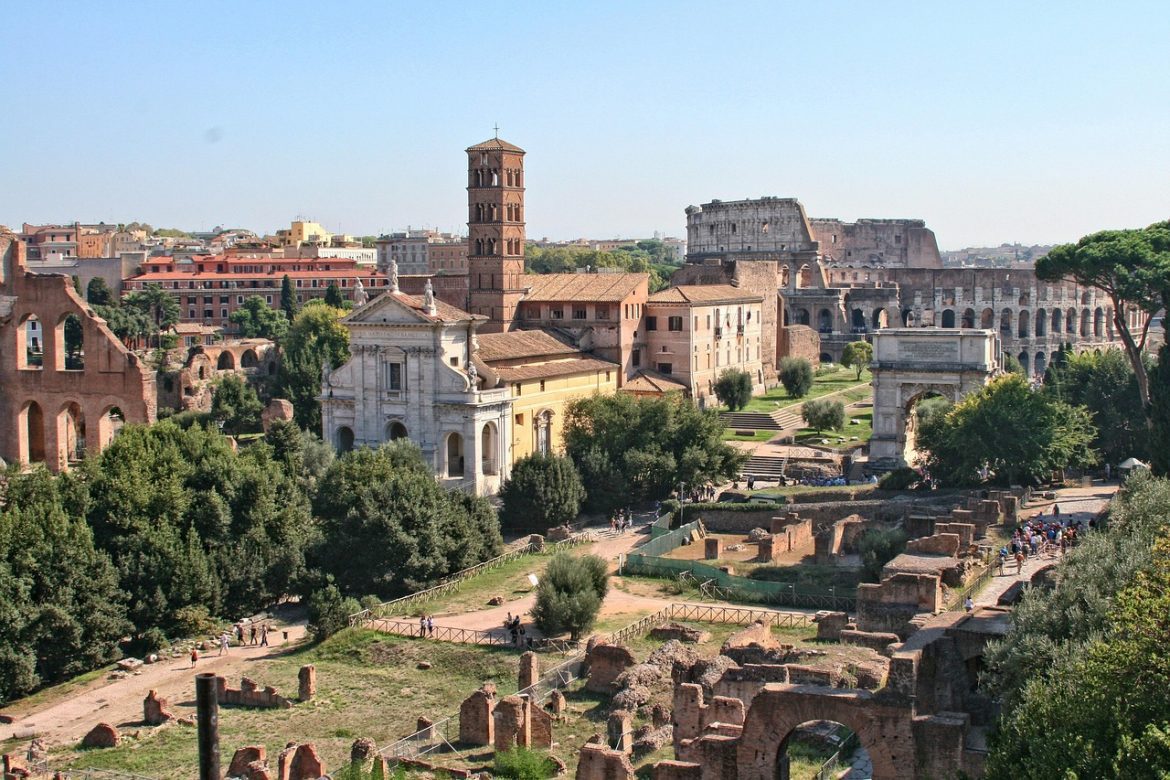
To begin a forum Italy journey well, it helps to picture the Roman Forum as a living corridor in Rome, set between the Palatine Hill and the Colosseum. This is the historic centre where Roman citizens once gathered, argued, traded, celebrated victory, and watched power change hands. The location feels surprisingly intimate: worn paving, broken columns, and birdsong above foundations that once held the weight of empire.
In Rome, the forum is one place where you can slow down and still feel the pulse of ancient Rome. Stand near the Via Sacra and imagine senators in white togas, a ruler returning from campaign, and a ceremony that could elevate a leader to deify status. It’s a gentle reminder that every century leaves a mark, even when the roof is long gone.
Visit schedule and a simple morning block in Rome
If you’re deciding between a tour and self-guided wandering, choose the option that best supports your style. A small-group tour brings expert context, while a self-guided route lets you linger in quiet corners. Either way, time-block your morning to avoid the hottest hours and peak queues—especially in summer.
- 08:30 Arrive early and enter with calm; take 10 minutes to orient yourself.
- 09:00 Walk the main forum spine, then pause at two or three standout ruins.
- 10:30 Climb towards the palatine hill viewpoints for perspective.
- 12:00 Finish with a light lunch near Piazza Venezia, then rest.
That simple schedule keeps the experience complete without feeling rushed. It also leaves space for the kind of insight that only arrives when you stop trying to “cover everything”.
Buildings, temple ruins, and the senate house that shaped a civilisation
Start with the Curia, the senate house where political decisions echoed through the republic and into imperial rule. Nearby, the Temple of Saturn anchors the imagination: Saturn’s shrine and the old treasury point to Rome’s commercial confidence. You’ll also notice the Temple of Vesta, a small sacred presence that hints at how deeply religious life and civic life overlapped.
For sheer scale, the Basilica of Maxentius and Constantine is the massive structure that recalibrates your sense of what a “building” could mean in this era. It’s easy to forget that walls we now see as fragments were once engineered to replace earlier forms, rising over crowds like a statement of stability. Somewhere between those stones, you can also sense how civil order, class tension, and public spectacle competed for space.
Look for iconic pause points that keep the forum legible. The Arch of Titus carries a Jerusalem reference that’s both artistic and unsettling in what it commemorates. The triumphal arch dedicated as the Arch of Septimius Severus (203) speaks to military pride and imperial messaging, while the Column of Phocas (608) feels like a last, late punctuation mark on a long narrative. Even the Cloaca Maxima tradition—Rome’s ancient drainage—reminds you the city was built on practical engineering as much as grandeur.
If you have the energy, lift your gaze towards Capitoline and remember the old stories: Romulus, the seven kings, and rival claims to power. It’s also the right moment to recall names that shaped the forum’s drama—Julius Caesar, and later Augustus—alongside figures like Pompey, whose shadow still feels notable in Roman history. In the end, the forum is less about perfect knowledge and more about trust: your ability to stand in Rome and let meaning arrive, piece by piece.




Pompeii Day in Italy Walking Streets Frozen in Time for a Pompeii ruins day trip Italy Roman history experience
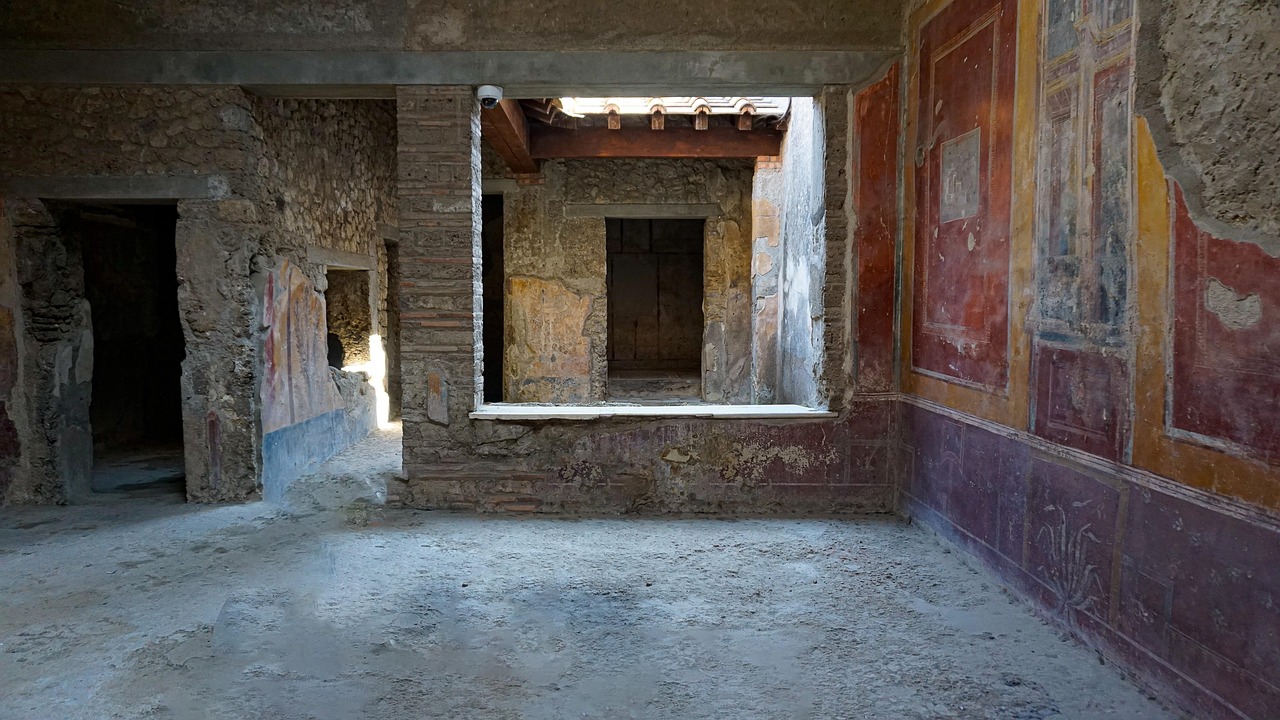
Pompeii Day in Italy Walking Streets Frozen in Time among preserved ruins and shadowed lanes
On a Pompeii ruins day trip in Italy, the Roman history experience can feel almost surreal. A traveller once told me that walking those streets felt like stepping into a paused afternoon—shadows sitting in doorways, wheel ruts etched into stone, and the strange quiet where you expect voices. You can almost imagine the ordinary moments: bread cooling, a shopkeeper counting coins, a child running ahead.
This is a place to explore with warmth and respect. The preserved homes are not a theme park set; they are remains of lives interrupted. When you slow down, you uncover details that guidebooks sometimes skim past—faded fresco colour, a threshold worn smooth, a courtyard that still catches the light.
Practical prep with reassurance for uneven stones
Pompeii rewards preparation, especially if you want the day to feel seamless rather than exhausting. Purchase skip-the-line tickets online, bring water, and wear comfortable shoes with grip; the stones are uneven and can be slippery. If you’re sensitive to heat, aim to arrive early, then take a shaded break around midday.
- Carry a small cash note for quick café stops near the site.
- Expect long walking: plan a gentle pace rather than powering through.
- Pause in quieter streets to reset your energy and mood.
What to explore for depth without overwhelm
Choose a few key blocks of streets and public spaces rather than trying to see everything. Focus on a forum-like main square feel, one set of frescoes, and a couple of preserved houses to understand domestic life. It helps to connect Pompeii back to ancient Rome: how culture, design, and daily habits travelled through the Roman Empire and returned again in art and architecture.
For timing, spring (April–June) or early autumn (September–October) gives you calmer pathways and kinder light for photography. It’s also when the experience feels most personal—less about jostling, more about gentle observation.
Amalfi Coast Italy A Seamless Cliffside Adventure for Amalfi Coast Italy travel logistics ferries villages hike
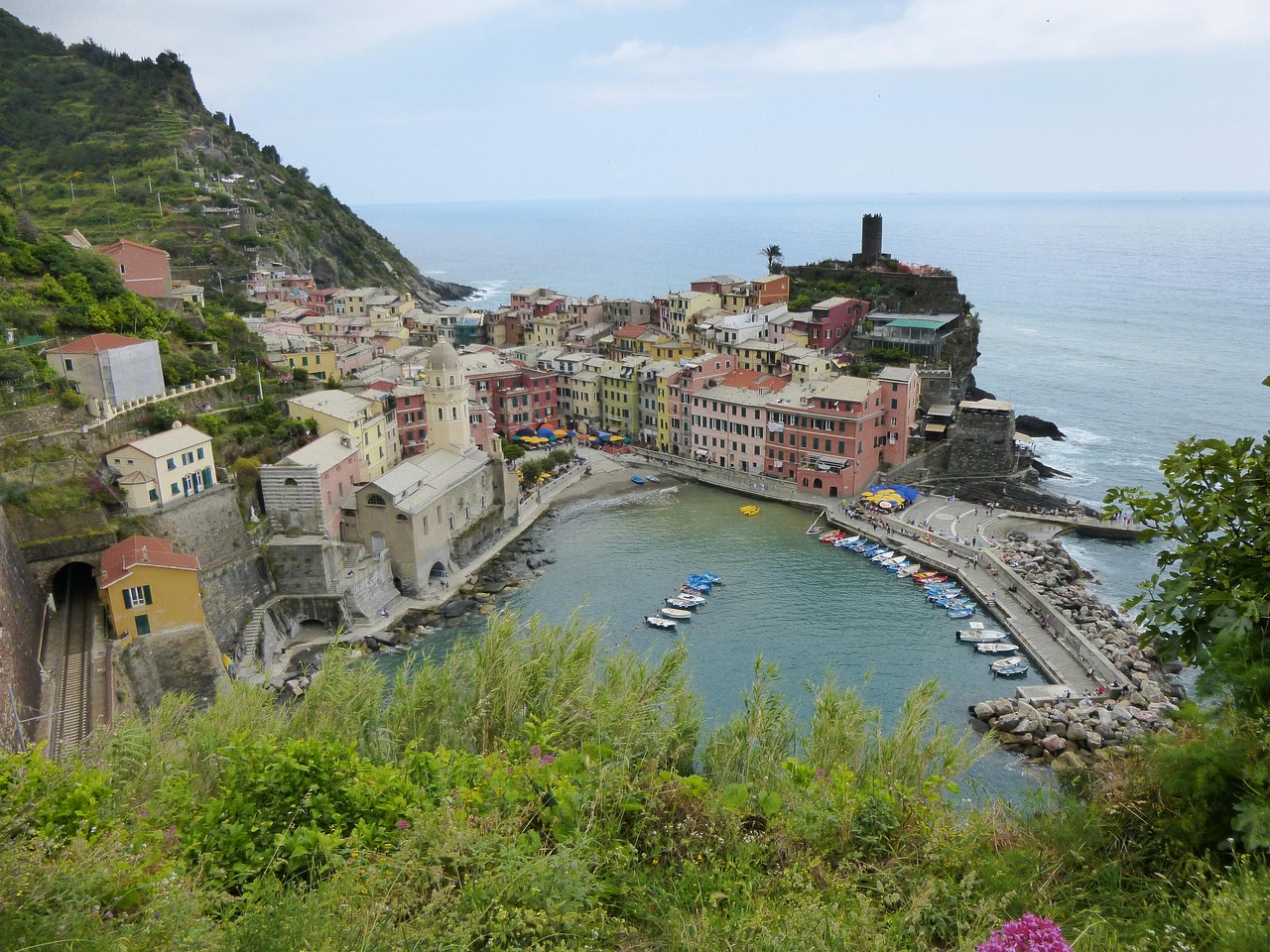
Amalfi Coast Italy A Seamless Cliffside Adventure with ferries, villages, and dramatic coastal paths
For Amalfi Coast Italy travel logistics, ferries, villages, and a hike can fit together with surprisingly little stress—if you design the day around simple connections. Use regional trains to reach the area, then switch to ferries to hop between seaside towns, letting the water do the work while you enjoy the view. If you want inspiration for stitching stops together, the Trip gallery can help you visualise a crafted route.
The adventure here is a different kind of thrill: cliffs that drop into blue, stairs that promise a viewpoint, and lemon-scented air that keeps you going. It’s also a place where high-end comfort matters—shade breaks, a long lunch, and a return plan that protects your confidence as the light changes.
Hike with wayfinding, sun safety, and cliffside viewpoints
Choose a marked trail that matches your fitness and the day’s heat, then start earlier than you think you need to. Carry water, wear sun protection, and give yourself permission to stop at the viewpoints that make the coastline feel close enough to touch. Adventure Seekers often try to push through, but the real reward is noticing the small shifts—rock colour, sea texture, the way villages cling to the slope.
Local flavour, slow rhythm, and dining etiquette that feels natural
Carry some cash for small vendors, especially for quick snacks or a granita. When you sit down to eat, open with a warm “Buongiorno”, then allow the meal to unfold without rushing; conversation is part of the experience. That simple care—being present—often leads to local recommendations you’d never find online.
Build a slow travel rhythm: perhaps a sunrise swim, a late-afternoon wander, and golden-hour photos when the cliffs soften. If you’re travelling longer, trains and ferries can also support a side-trip mindset towards Cinque Terre, letting you keep the coast theme while changing the scenery.
Mount Etna Italy Night Hike With Expert Support for Mount Etna hike Italy guided tour safety volcanic activity
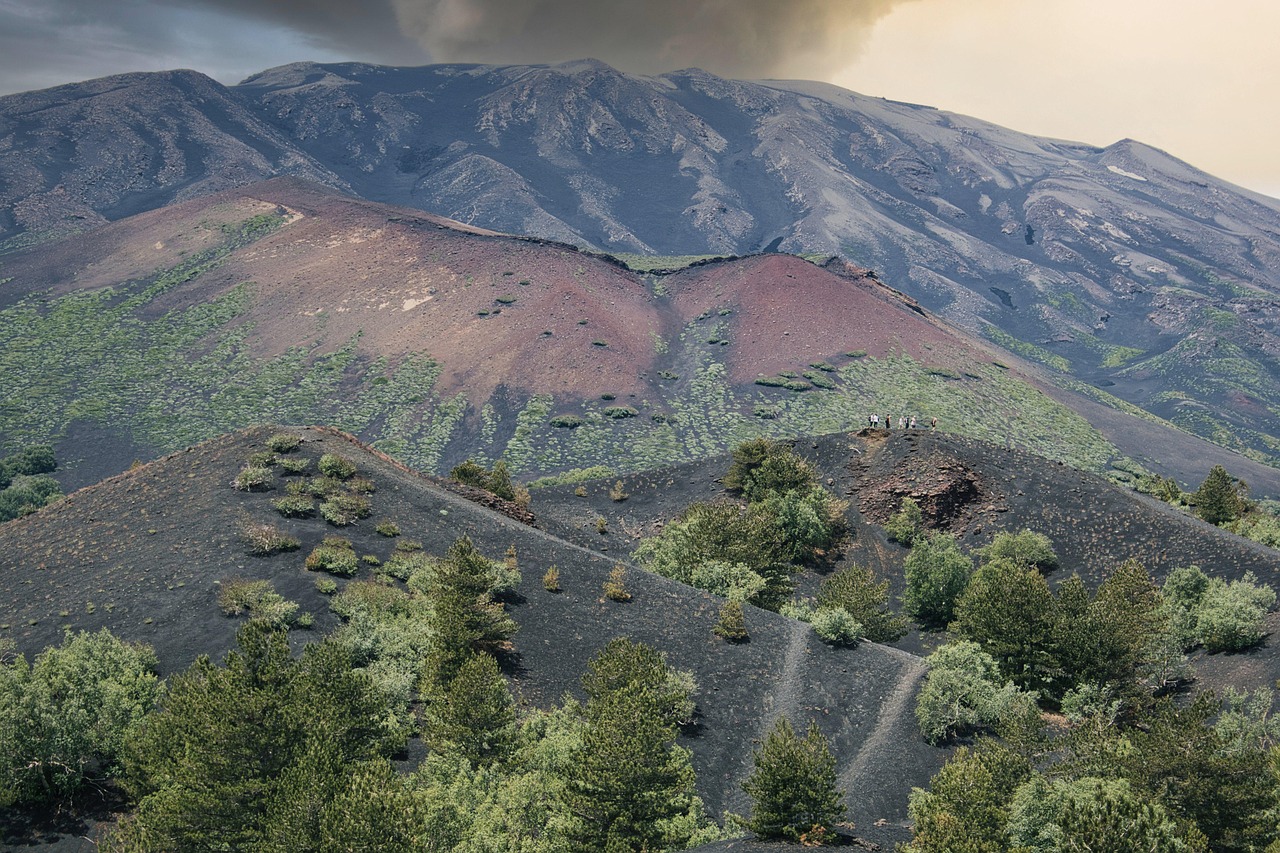
Mount Etna Italy Night Hike With Expert Support under a dark sky above ancient lava fields
A Mount Etna hike in Italy is one of those guided tour, safety-first adventures where volcanic activity becomes real, not theoretical. A solo adventurer once described summiting as the wind rose and the ground seemed to breathe—then, in the distance, molten lava glowed at night like a living ember. The awe is undeniable, but what stays with you is the steady support that makes the experience feel possible.
Etna is Europe’s highest active volcano, and that active status is exactly why you should be cautious. Choose an expert-led route with current monitoring, so your confidence comes from facts as much as excitement.
Safety, expert checks, and calm support when conditions shift
Join guided tours for updated volcanic activity info, sensible route choice, and gear checks. Temperatures can swing quickly; wind and dust can arrive without warning. A good tour leader reads the mountain like a language, and that calm guidance allows you to keep enjoying the moment.
- Sturdy boots with grip for loose volcanic gravel.
- Layers for warmth, plus a windproof outer shell.
- Headtorch for night sections and low visibility.
- Water and snacks to keep your pace steady.
What you will see from lava fields to crater viewpoints
The landscape is both ancient and constantly renewing: black lava fields underfoot, crater rims that feel like another planet, and layers that tell you which century shaped which slope. Your guide may point out how flows bury and remake the same ground, how a tower of cooled rock can form, and why the mountain’s structure keeps evolving.
When you finally stop and look out over Sicily, the emotional pay-off is simple and powerful. You realise you can choose bold experiences in Italy, and still travel with care—adventure and trust, together.
Florence and Venice Italy Art to Canals With Personal Joy for Florence Uffizi Duomo Venice canals sunset Italy itinerary
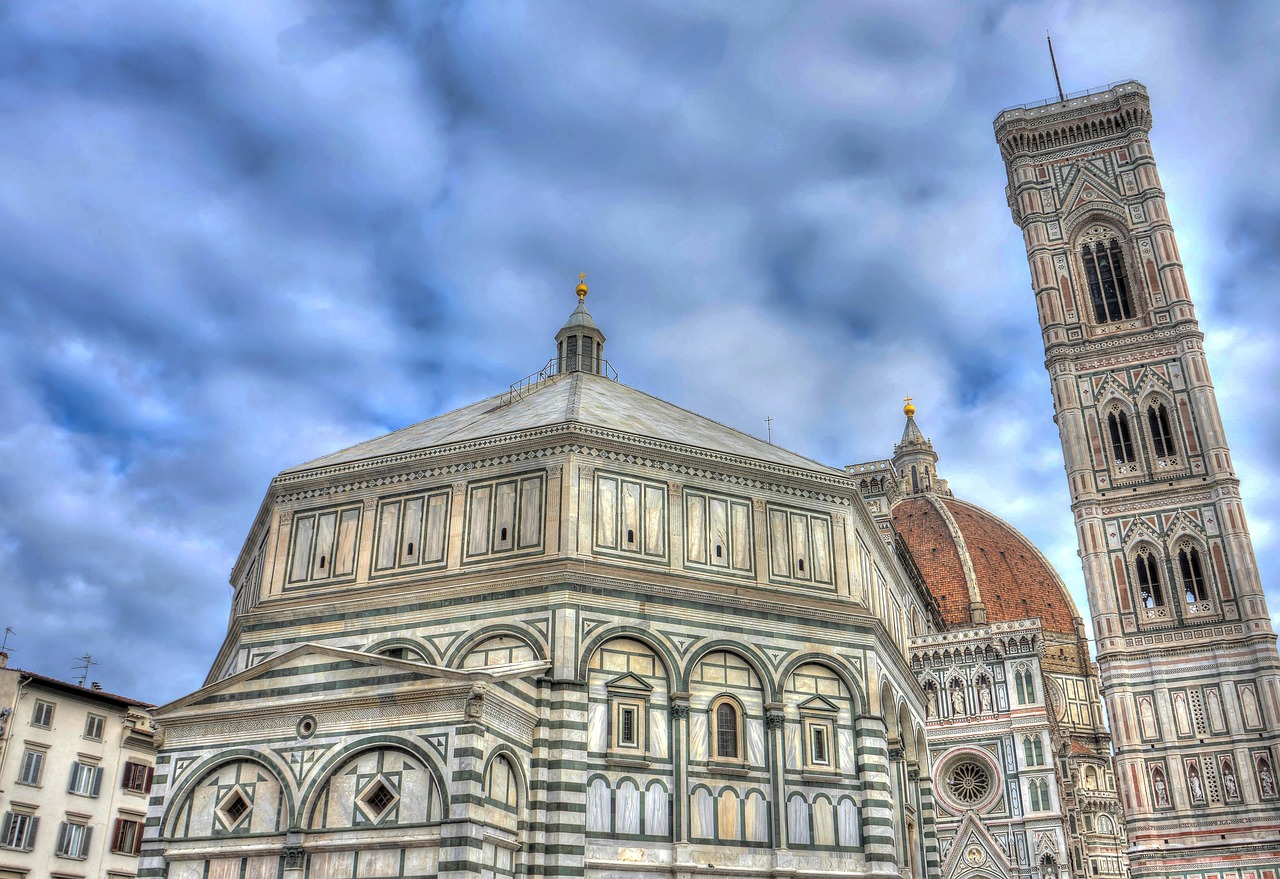
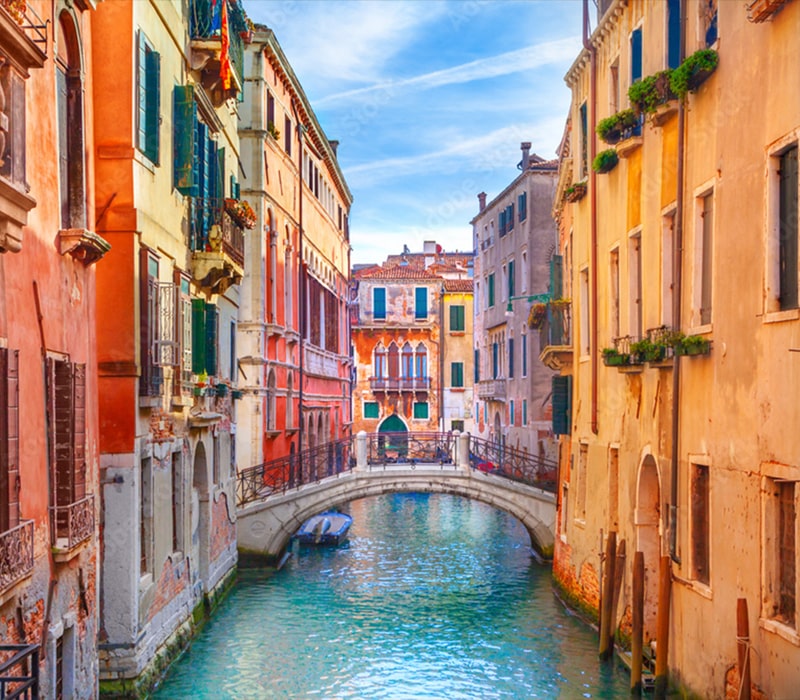
Florence and Venice Italy Art to Canals With Personal Joy from the Duomo to sunset waterlight
For a Florence Uffizi Duomo Venice canals sunset Italy itinerary, the trick is intention. Start in Florence with crafted focus: the Uffizi Gallery first when your mind is fresh, then the Duomo later when you can take your time with scale and detail. Art here isn’t just to “see”; it’s to absorb, like a quiet conversation across centuries.
Reserve timed entries where needed, then leave space for unplanned moments. High-end travel doesn’t mean over-scheduling—it means designing routes that stay walkable and protect your energy, so joy has room to arrive.
Florence in order, with intention rather than ticking boxes
Begin at the Uffizi in the morning, choosing a handful of rooms to explore deeply rather than racing through. Then cross the city at a gentle pace, letting small streets reset you. In the afternoon, approach the Duomo as both engineering and emotion: a building that holds ambition, faith, and meticulous craft in one silhouette.
And if you’re travelling with others, Tuscany offers a different kind of gallery—one made of hills and vineyards. A group once described the joy of cycling through the Tuscan countryside, stopping at wineries for tastings and chatting with winemakers. The shared effort made everyone feel closer, and the conversations were as memorable as the wine.
Venice at dusk, romantic canals, and a spontaneous gondola story
Venice asks for a slower heartbeat. Arrive before dusk, then simply wander bridges and narrow lanes until the light turns honeyed on the water. A couple I met described a spontaneous gondola ride at sunset, guided by a local who shared intriguing stories—about old merchants, hidden doorways, and the way the city has always balanced beauty with survival.
That contrast is the deeper insight: Florence gives you line, proportion, and the satisfaction of crafted detail. Venice gives you reflection, waterlight, and the feeling that beauty can be fluid. Together, they create a more personal sense of what you find moving.
After Italy What the Forum Leaves in You for Italy reflection Rome Roman Forum memories
After you’ve returned home, it’s often Rome that comes back first—not as a landmark, but as a sensation. The Roman Forum lingers as worn stone under open sky, and you notice how time can feel both vast and tender. You remember standing still in the forum, realising that the present is also a layer, quietly forming beneath your feet.
What stays isn’t a checklist of ruins. It’s the ash-quiet streets of Pompeii, the salt air on the Amalfi Coast, Etna’s restless glow, Florence’s deliberate beauty, and Venice’s slow water—held as one gentle thread. Each place offered its own pace, and you learned to honour it.
There’s also a softer confidence that remains: trusting your judgement, choosing expert help when it mattered, and letting local encounters guide you towards something more true than perfection. You might even find yourself noticing small rituals—greeting the day, taking time over a meal, allowing silence—because Italy made those moments feel valuable again.
And perhaps, when you next think of Rome, it won’t be with urgency. It will be with curiosity: the sense that another journey can be designed with the same care—unhurried, open, and quietly alive.
F.A.Qs: Forum Italy and the Roman Forum in Rome
Is Roman Forum worth visiting?
Yes—especially if you want a deeper sense of Rome beyond single monuments. The Roman Forum gives you atmosphere and context: politics, religion, and daily life layered into one open-air space. Arrive early or book a small-group tour to keep it calm, and plan time to pause rather than rush.
What is the famous Forum in Italy?
The most famous forum in Italy is the Roman Forum in Rome. It was the heart of public life in ancient Rome, where ceremonies, speeches, and civic decisions unfolded. Today it’s a remarkable archaeological area that connects naturally with the Palatine Hill and the Colosseum.
What’s the difference between Forum and Colosseum?
The Forum was Rome’s civic and religious centre, made up of temples, government buildings, and public spaces. The Colosseum (also called the Coliseum) was an amphitheatre built for spectacles and entertainment. Visiting both gives a fuller picture: how Romans governed, worshipped, and watched public events.
What is the Forum in Italy?
In Italy, a “forum” most often refers to a central public square in Roman times. The Roman Forum in Rome is the best-known example, but other cities had their own forums too. These spaces were designed for gathering, commerce, and civic life—places where history was made in everyday ways.