Post Contents
- Rome travel guide essentials – things to do in Rome for high-end travellers who want calm, not crowds
- Colosseum & Roman Forum – private access and a story-led guided tour into Ancient Rome
- Visit the Vatican after hours – Vatican Museums and Sistine Chapel tour for crowd-free wonder
- The centre of Rome on foot – Pantheon, Trevi Fountain, Spanish Steps, and Piazza Navona
- Trastevere at night – a tour in Trastevere and a Rome food tour in Trastevere for local cuisine
- Villa Borghese – gardens, a private boat ride, and a museum morning for calm in the city of Rome
- F.A.Qs: Rome, Italy attractions
- What stays with you after Rome – reflections on a high-end travel experience and return to Rome
Rome travel guide essentials – things to do in Rome for high-end travellers who want calm, not crowds
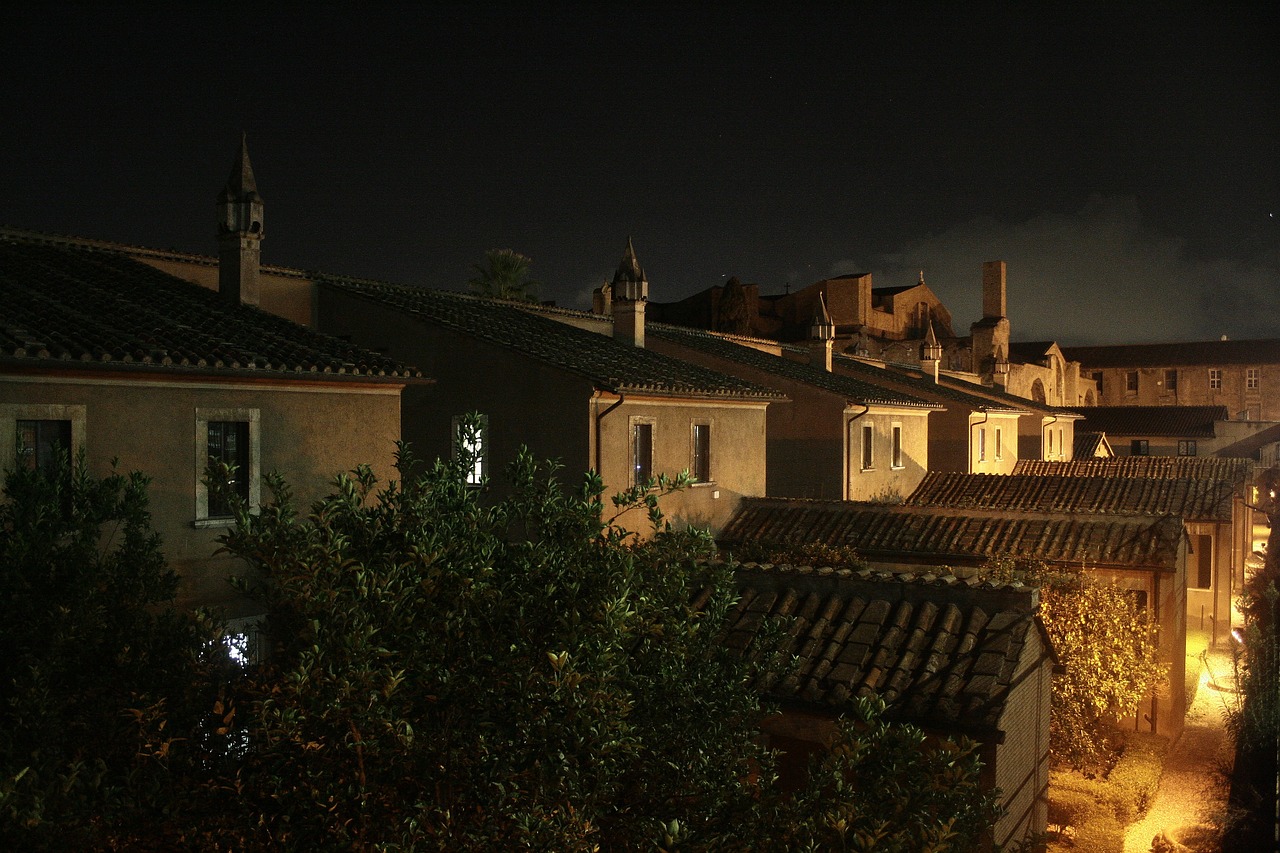
Rome travel guide essentials for a seamless start in the city of Rome
Think of this as a Rome travel guide and a list of things to do in Rome for high-end travellers who want beauty without bustle. Rome is a city, the capital of Italy, where marble grandeur and everyday life share the same pavement, and where Rome Italy attractions can still feel intimate with the right pacing. The hustle and bustle of Rome can feel intense at first, yet with expert planning we design days that stay elegant, unhurried, and genuinely restorative. You’ll discover that a calm rhythm isn’t about doing less; it’s about choosing the right experiences, in the right order, with support.
For weather and atmosphere, the best time to visit is April to June or September to October. Light is generous, terraces open, and Rome feels more breathable for walking between museums, piazzas, and long lunches. Even in peak season, early in the morning and late in the evening are the best times to see iconic spots in Rome, with a little space around you. That small shift creates a different way to experience Rome—more personal, and often more memorable.
Where to stay in Rome – refined hotels near the centre of Rome and near the Vatican
Where you stay in Rome quietly shapes everything: how you walk, when you pause, and how easily you return for a change before dinner. A refined base in the historic centre keeps the Pantheon and key piazzas close for elegant strolls, and it makes the centre of Rome feel effortless between appointments and aperitivo. If you prefer quieter mornings, staying near the Vatican can offer quiet streets and a gentle start, especially on museum days. Choose locations in Rome that suit your rhythm: some travellers love being steps from the action, while others prefer a short private transfer and a softer arrival.
Tickets in advance, a guided tour, and getting around with confidence
Rome rewards travellers who plan entry logistics early. For the Colosseum and the Vatican, tickets are sold quickly; it’s common for prime slots to vanish 30 days in advance, and that’s when you’ll really feel you need to book tickets to protect your schedule. If you’re set on a particular time, book tickets in advance rather than hoping for last-minute availability, and aim to lock key reservations well in advance so the day stays relaxed. For security and timed entry, having tickets in advance keeps the experience smoother—especially at the Vatican, where tickets can be the difference between serenity and queue fatigue.
- Book your Colosseum and Vatican Museum tickets online so your itinerary stays protected.
- Build your Rome itinerary around one major site per half-day, then add pauses for cafés, galleries, and one or two smaller museums.
- Use private transfers or a luxury car rental so the city of Rome feels seamless, especially at night.
- Be alert in busy areas—pickpockets exist—but Rome is generally safe, and moving with confidence helps around major attractions.
A note of care: Rome’s dress codes matter at religious sites. Cover your shoulders and knees, and you’ll feel welcomed and at ease when you step into basilicas and chapels. With a little thoughtful preparation, your first visit to Rome can feel crafted—gentle on the senses, and quietly exhilarating.




Colosseum & Roman Forum – private access and a story-led guided tour into Ancient Rome
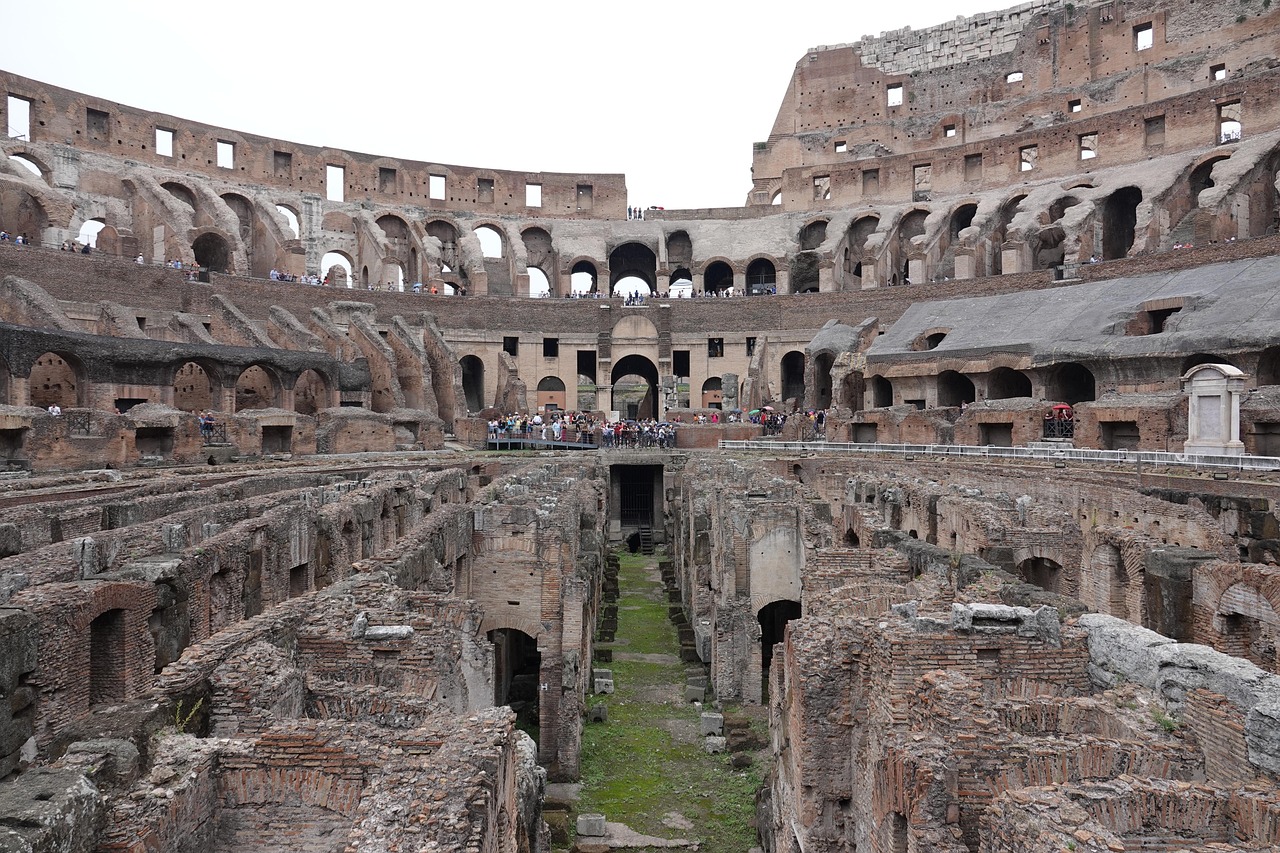
Colosseum and Roman Forum private access to Ancient Rome with a private guided tour of Rome
For many travellers, visiting the Colosseum and Roman Forum on a private guided tour of Rome is the moment the city clicks into focus. A private guided tour changes the entire texture of this attraction: instead of shuffling through facts, you uncover the Roman empire’s stagecraft—how entrances controlled crowds, how sound travelled, and why the arena was both entertainment and power. With a storyteller beside you, the Colosseum stops being a monument and becomes a living theatre you can almost hear.
Pair the Colosseum with the Forum for a single narrative walk. The shift from arena to civic centre is what makes the heart of ancient Rome so moving: an empire built not only on spectacle, but on law, ritual, and persuasion. In the Forum, your guide will point out fragments that seem small until you understand their meaning—steps where speeches once echoed, and stones worn by centuries of ordinary feet.
Palatine Hill at golden hour – quiet ruins and a view of Rome
Then comes Palatine Hill, a place to visit that offers calm without leaving the story behind. One traveller told us about standing on Palatine Hill as the light softened, watching it settle over ruins and rooftops. They described it as an emotional connection to centuries—less like looking at history, more like being folded into it. That view of Rome is intimate and timeless, the kind you don’t need to photograph to keep.
Circus Maximus and Giardino degli Aranci – a gentle pause between tourist attractions
Between major tourist attractions, we often design a softer interlude. A short detour to Circus Maximus gives you scale without crowds, then a few minutes at Giardino degli Aranci offers shade, scent, and a bench with perspective. This small pause helps your day feel calm rather than relentless, especially if you’re trying to see a lot in a short stay.
Practical touchpoints keep the experience seamless. Confirm entry flow and meeting points the night before, and allow time for security without stress. We pace the walk with water stops and shaded breaks, so it’s possible to visit even in warmer months. When you leave, you won’t just remember a ruin; you’ll remember how Rome made you feel—steady, curious, and surprisingly close to its ancient pulse.
Visit the Vatican after hours – Vatican Museums and Sistine Chapel tour for crowd-free wonder
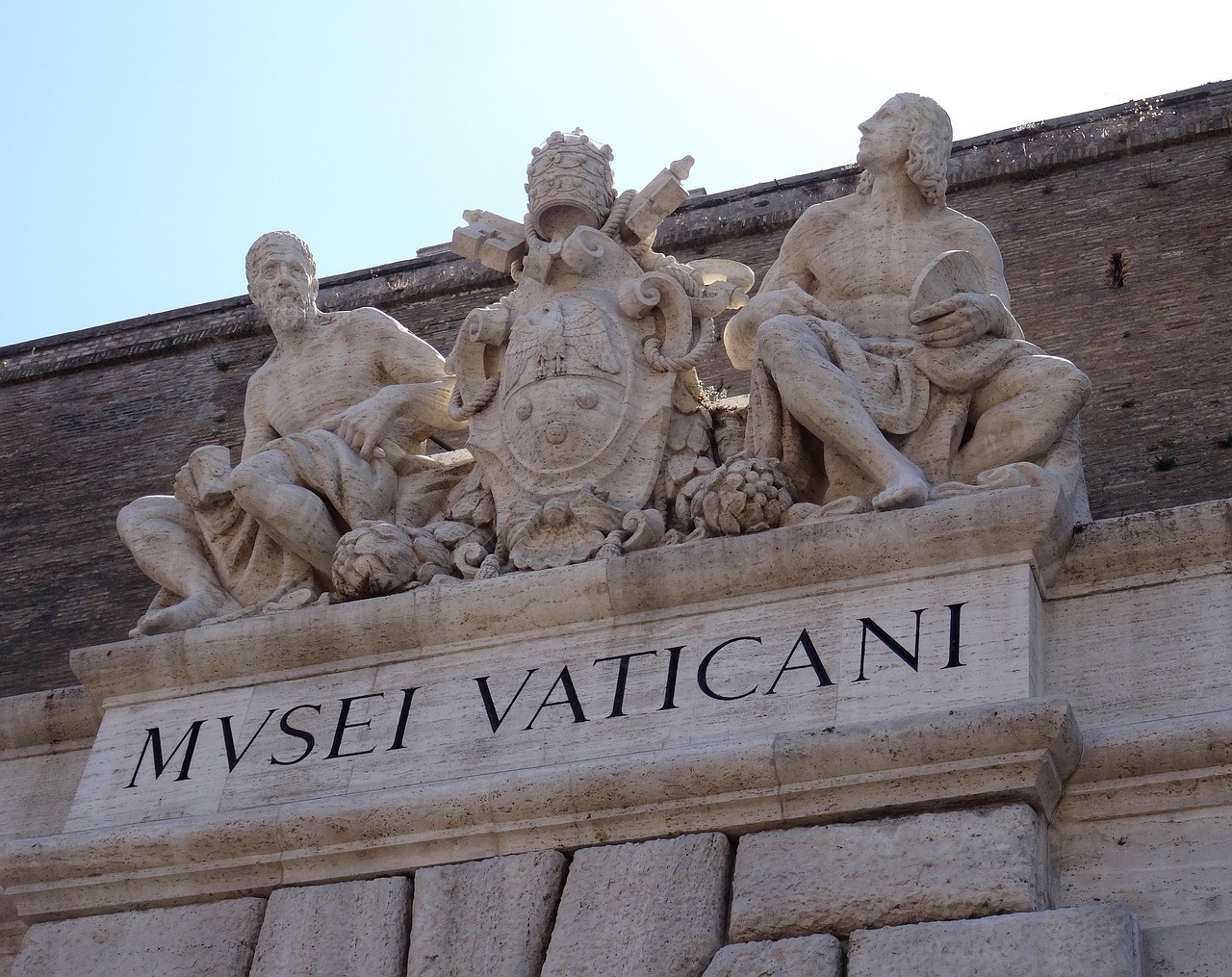
Visit the Vatican after hours for crowd-free wonder with an after-hours Vatican Museums and Sistine Chapel tour in Rome
An after-hours Vatican Museums and Sistine Chapel tour in Rome is one of the best things to do if you value space, silence, and detail. The Vatican can feel overwhelming in daylight; after hours, it becomes contemplative, almost like a private museum experience. You explore at a human pace, hearing your own footsteps and noticing the small things—how marble catches light, how a corridor narrows and then opens into grandeur.
Inside the Vatican Museum, curated insight makes all the difference. Rather than trying to see everything, you move with intention: a sequence of rooms that builds meaning and emotion, and keeps the museum visit focused. You’ll likely spend time with Raphael, whose balance and clarity feel almost modern, and you’ll sense how the collection was meant to astonish and persuade. With expert guidance, the museum becomes less a checklist and more a crafted story.
Sistine Chapel at night – the emotional crescendo of the Vatican Museums
One visitor described the awe of seeing Michelangelo’s ceiling illuminated during a night tour. They said it far surpassed daytime crowds, because the quiet allowed the mind to settle and the detail to rise. In the Sistine Chapel, you’re not fighting for a view; you’re simply present in the Sistine Chapel with time to absorb it. That’s where thoughtful planning becomes tangible—Rome, gently delivered.
Peter’s Basilica, dress code, and the dome climb
If you’d like to extend the evening, Peter’s Basilica can sometimes be added with care, depending on access and timing. The dome is a worthwhile climb for those who enjoy perspective; it’s one of the city’s most extraordinary vantage points and a beautiful way to see the skyline. Remember the dress code: shoulders and knees covered, even in summer, so you can enter without fuss. Some nearby churches are free to enter, and a few are free to visit, which can be a lovely, spontaneous addition when you still feel energised.
- Tickets well in advance matter most for after-hours Vatican access.
- Expect security lines, but they move smoothly with the right entry slot.
- The best way to see the Vatican is to prioritise a few galleries rather than every corridor.
In Rome, luxury is often quiet: the feeling of not being rushed, of having the right doors open at the right time, and of letting art meet you on your own terms.
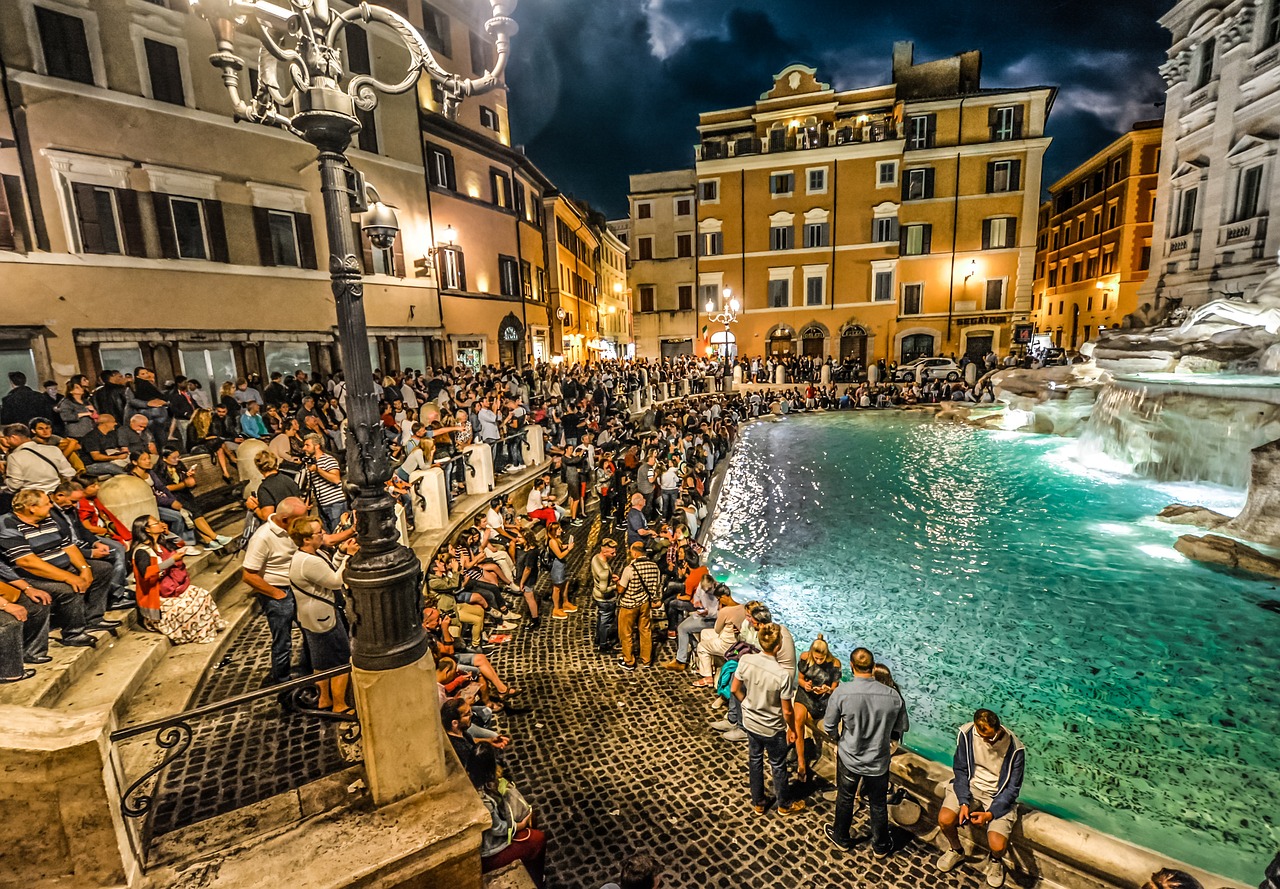
The centre of Rome on foot with a refined loop: Pantheon, Trevi Fountain, and Spanish Steps
If you’re mapping a graceful walking loop through the historic core, think in terms of a slow sequence rather than a sprint. This is the part of Rome where you can create a day almost entirely on foot, letting lanes and light guide you from one attraction in Rome to the next. If you only have a day to see Rome, this route delivers atmosphere with minimal transit. We design it to feel like scenes: the hush of the Pantheon, the theatre of piazzas, and the sparkle of fountains.
Begin at the Pantheon, whose proportions still feel impossible. Step inside, look up, and you’ll understand why Rome is a city full of architectural confidence. From here, drift towards Piazza Navona; the walk is as meaningful as the square itself, with small churches and courtyards that feel unexpectedly quiet. It’s an easy, elegant way to experience Rome without constantly checking a map.
Trevi Fountain rituals – when to go and how to throw a coin
At the Trevi Fountain, keep it simple and a touch ceremonial. Choose your angle, take in the sculpture’s movement, and then throw a coin with intention—over your left shoulder, with your right hand, if you like tradition. The best time is early or late, when the crowd softens and the sound of water returns. In a city built on spectacle, this small ritual feels surprisingly personal.
Spanish Steps, Piazza di Spagna, and the view from the top of the steps
Continue to the Spanish Steps and Piazza di Spagna (also called Spagna). There’s a gentle pleasure in reaching the top of the steps, then turning back to watch Rome perform its everyday elegance—shoppers, florists, couples lingering over gelato. Nearby, designer boutiques and historic cafés make an easy pause that feels refined rather than performative. If you want a graceful gateway to the historic core, Piazza del Popolo is ideal, especially as the light turns honeyed.
For contrast, you might glance at Vittorio Emanuele II, whose scale speaks to unified Italy and national ambition—and to the first king of Italy. This is where it helps to know what to see and what to skip: admire the viewpoint and the drama, then return to smaller streets. When you’re trying to see everything in one day, it can feel like you’re saving the best, yet Rome is kinder when you let it unfold without force.
Trastevere at night – a tour in Trastevere and a Rome food tour in Trastevere for local cuisine
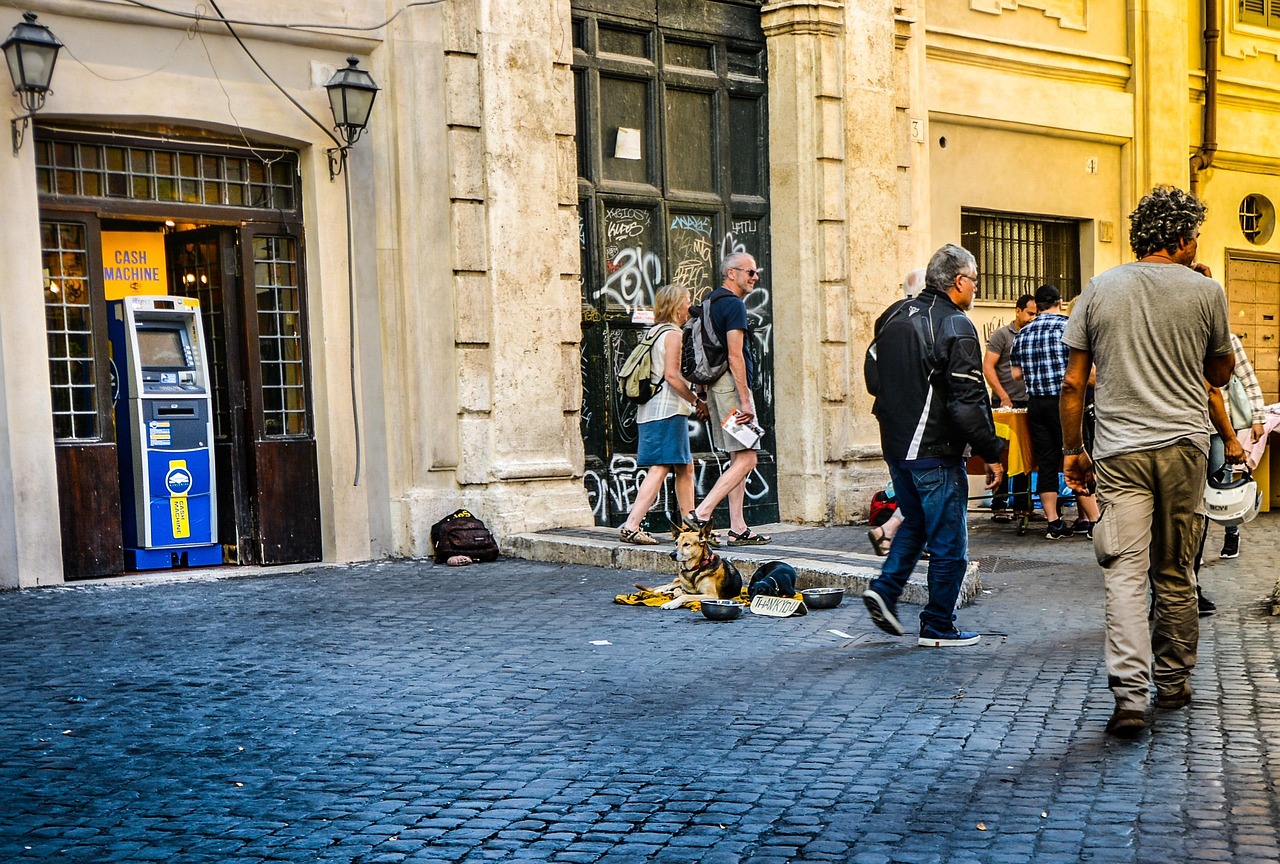
Trastevere at night with a tour in Trastevere and local cuisine
A tour in Trastevere, a Rome food tour in Trastevere, local cuisine is where the Eternal City turns warm and familiar. Trastevere’s cobblestone lanes are an intimate counterpoint to the grand attractions, and the neighbourhood invites you to explore without an agenda. Think ivy-draped facades, soft lamplight, and small artisan workshops where you can discover ceramics, leather goods, and paper made with care. For many travellers, this becomes one of our favourite things: a relaxed evening that feels authentically Roman.
One of our favourite ways to deepen connection is an intimate cooking class with a local chef. A traveller once told us that learning to fold pasta and balance sauces in Trastevere changed how they understood Roman flavours. It wasn’t about technique alone; it was about stories, family habits, and the confidence that comes from cooking together. The memory lingered long after they left Rome.
A Rome food tour with smart pacing, aperitivo, and street food
For a more social evening, a food tour can be designed with pacing that feels crafted, not rushed. Start with an aperitivo, then add one stop for street food, and finish with a refined sit-down meal where conversation can settle. This is Rome at its most human: laughter drifting from trattorias, waiters who remember your wine, and plates that taste like tradition. It’s easy to see why Rome earns a place on so many Italy travel wish-lists, especially when your time in Italy is limited.
Evening reassurance and choosing a reputable operator
Trastevere has a lively buzz after dark, so plan your return with care. Taxis are simple, and private transfers bring extra ease if you’re dressed for a special dinner. Keep belongings close in crowds—especially near busy corners—without letting vigilance steal the mood. When selecting an operator, look for clear group limits, transparent inclusions, and responsive communication; some travellers compare options to a Walks of Italy tour, using it as a benchmark for professionalism. Dietary needs can usually be personalised with care when you share details days in advance.
- Choose earlier dinner reservations for a calmer pace, or later for atmosphere.
- Ask your hotel to call a taxi, or pre-arrange a driver for seamless comfort.
- Prioritise quality over quantity—Rome is generous when you slow down.
Villa Borghese – gardens, a private boat ride, and a museum morning for calm in the city of Rome
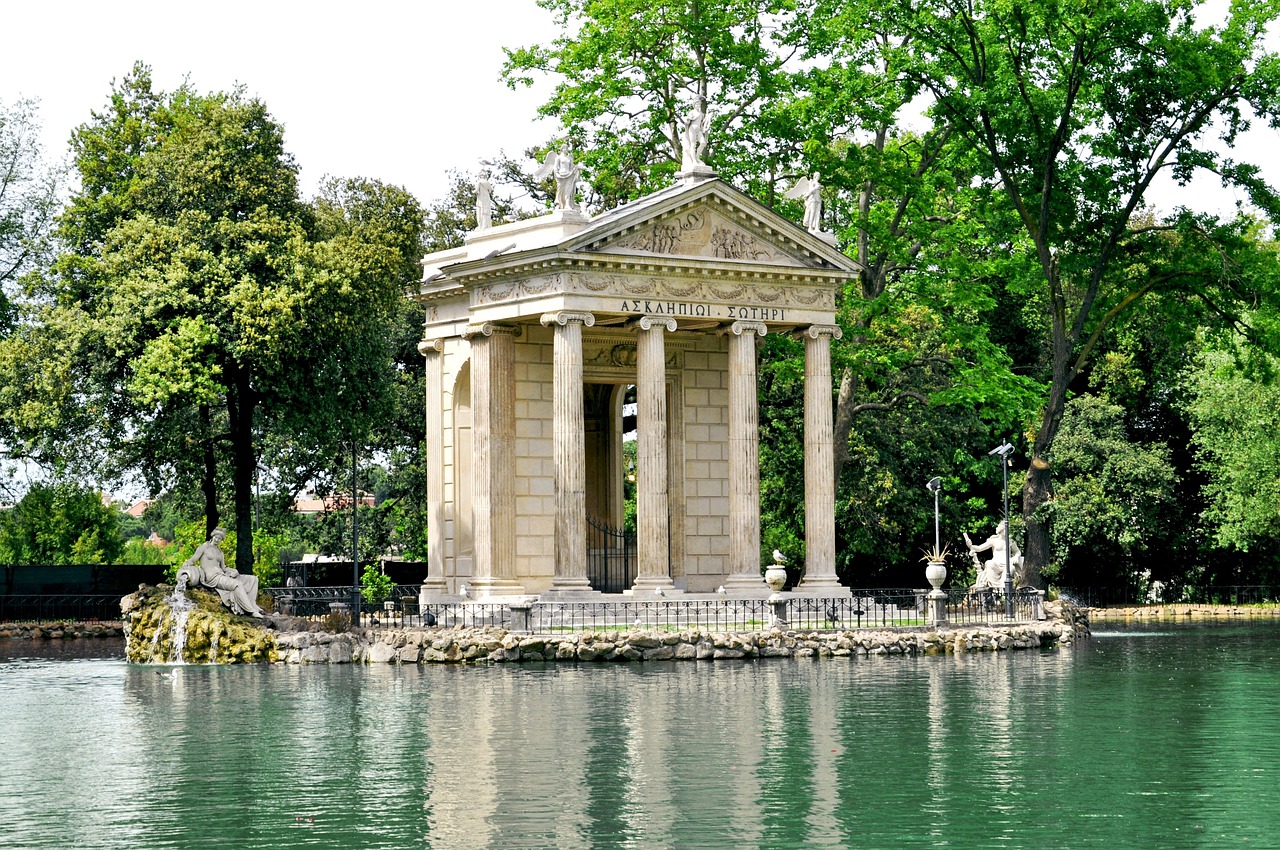
Villa Borghese and the museum, with a private boat ride in the city of Rome
A private boat ride through the Villa Borghese gardens, a museum in Rome, in the morning is the restorative counterbalance your Rome itinerary may not realise it needs. After the Colosseum and the Vatican, the body and mind often crave green space and quieter beauty, away from the busiest museums. Villa Borghese offers that gentle exhale: paths lined with pines, sculptures half-hidden by hedges, and benches that invite you to do nothing at all for a while. It’s also one of the best places to visit when you want elegance without intensity.
The private boat ride on the small lake is a romantic interlude that softens the pace of your trip. You glide past reflections and laughter, feeling a world away from traffic. This is the city of Rome at its most tender—where luxury is time, and the itinerary makes space for serendipity.
Museum time in Villa Borghese – curated highlights over a checklist
If you include a museum visit here, go curated rather than exhaustive. Choose a few rooms, a few works, and let them land, instead of rushing through every museum label. Many travellers focus on sculpture and painting highlights, and you might look out for Caravaggio, whose intensity feels startling in such a calm setting. The aim is to avoid fatigue, so you leave energised for the evening rather than depleted.
Ticketing, time slots, and fitting Villa into longer trips to Rome
Like much in Rome, timed entries matter. Secure your slot and plan a smooth arrival, especially in spring and autumn when demand spikes. This also fits beautifully into longer trips to Rome and a broader Italy itinerary: a gentle day in the park can sit between big sightseeing days, or serve as a recovery morning before a transfer outside Rome to other places to visit in Italy. With thoughtful design, this becomes one of our favourite pauses—quiet, confident, and effortlessly elegant.
Keep the day intentionally light. The park is an invitation to wander, not to conquer, and it’s a reminder that the best places to visit are not always the loudest.
F.A.Qs: Rome, Italy attractions
What are the top five attractions in Rome for first-time visitors?
Many travellers start with the Colosseum, the Forum, the Vatican Museums and Sistine Chapel, Peter’s Basilica, and the Pantheon. If you could prioritise one attraction in Rome, make it a story-led Colosseum visit, then balance it with an after-hours Vatican experience and an unhurried walk through piazzas so the city feels elegant rather than rushed.
What should you not miss in Rome, Italy, on a short stay?
Don’t miss a narrative visit to the Colosseum and the Forum, and plan your time at the Vatican so you can absorb the art without crowd pressure. Also, make time for a simple evening in Trastevere and a quiet pause in Villa Borghese—these calmer moments often become the memories that stay.
What not to do as an American in Italy when visiting Rome?
Avoid assuming rules are flexible at religious sites: dress modestly and keep your voice low in churches. Don’t skip booking major tickets in advance, and try not to eat in the most touristy spots right beside big monuments. Finally, be discreet with valuables in crowded areas; Rome is welcoming, but busy streets reward awareness.
Is it okay to wear jeans for sightseeing and dinner in Rome?
Yes—jeans are perfectly fine in Rome, especially for daytime sightseeing and smart-casual evenings. For upscale restaurants, pair them with polished shoes and a tailored jacket. If you’re exploring the Vatican or other churches, remember the dress code is about coverage: shoulders and knees should be covered, regardless of denim.
What stays with you after Rome – reflections on a high-end travel experience and return to Rome
In the days after, returning to Rome, reflections on high-end travel experience often arrive in small, unexpected ways. You might remember warm stone at dusk, the hush that fell as you stepped into a chapel, or the easy laughter that rose from a trattoria table. Rome is home to countless lives across centuries, and somehow it makes room for yours, too—briefly, generously, without needing you to prove anything.
The Palatine Hill sunset becomes a quiet metaphor. Not because it was dramatic, but because it felt like a connection: to Ancient Rome, to the people you travelled with, and to a version of yourself that slowed down enough to notice. That is the gift of the eternal city—its ability to make meaning feel both grand and ordinary at once.
Thoughtful support and expert planning can create ease, and trust can turn complexity into something that feels seamless. Yet what remains is not the logistics; it’s the personal texture. The way the air smelled near orange trees, the way a museum corridor guided you towards light, the way a simple meal tasted like a story you were allowed to borrow.
And perhaps that’s why people who once lived in Rome speak about it with such tenderness. The city doesn’t ask you to complete it. It asks you to listen, to wander, and to let it change you in small, honest ways—until one day you find yourself imagining when you might come back, not to tick off a list, but to meet the city, and yourself, anew.