Post Contents
- Fun things to do in Rome Italy – Best Things for a First Visit With Confidence
- Colosseum Private Guided Tour: Underground Arena Floor + Colosseum and Roman Forum
- Vatican Museum Early Access: Tour of the Vatican + Sistine Chapel at Dawn
- Cool Places Walk in Rome: Pantheon, Trevi Fountain, Spanish Steps & Piazza Navona
- Trastevere at Sunset: Aperitivo, Unusual Things to Do in Rome, and a Food Tour
- What Stayed With Us After a Visit to Rome
- F.A.Qs: Things to Do in Rome Italy
Fun things to do in Rome Italy – Best Things for a First Visit With Confidence
Things to do in Rome for a first visit, planned with ease
When you’re choosing fun things to do in Rome Italy for a first-time stay, the secret is not doing more—it’s designing a pace that lets the city sink in. Imagine it in layers: ancient stones, Baroque fountains, then modern Italian style in a perfectly cut jacket passing you on a Vespa. This is your permission to go to Rome with confidence, not urgency.
If you plan to visit Rome for the first time, anchor each day to one major attraction, then weave in smaller human moments—espresso at the bar, a quiet church, a boutique you simply drift into. It’s the difference between ticking off tourist attractions and building a personal relationship with this destination.
Quick orientation for Rome city neighbourhoods, top sites, and flow
The historic centre is wonderfully walkable, but distances can surprise you when you’re moving between major landmarks. Think in three zones you’ll naturally circle back to: the historic centre (Pantheon, Piazza Navona, Trevi Fountain), the edge of Vatican City (museums and St Peter’s), and Trastevere (evenings, cobbled streets, local dining). With this simple mental map, your Rome itinerary feels calmer—and taxis become strategic rather than constant.
If you want a touchstone for “places in Rome that feel like a pause”, consider the Borghese Gallery for a quieter, art-led afternoon—especially if you’ve already had a full morning of top attractions. It’s a graceful way to balance the grand with the intimate without pulling you too far off course.
Where to stay for a luxury first visit to Rome – logistics with care
For luxury travellers, “best places to stay” usually means location, soundproof comfort, and staff who can quietly support you—restaurant bookings, a private car, or a last-minute museum adjustment. Start by choosing places to stay in Rome that match your rhythm: boutique heritage hotels in the historic centre (walk-first days), palazzo-style stays near Piazza Navona (romantic evenings), or suite-led service close to the Spanish Steps (shopping and easy transitions). It’s a smart foundation for a first visit that still feels unhurried.
To reduce friction, mix modes. Public transport can be efficient for straightforward hops, but for comfort (especially after dinner) taxis or a private driver are often worth it—your time is part of the luxury. If you’re building a broader trip to Italy, you can browse inspiration in our Trip gallery and then tailor your visit to Rome around the experiences that matter most to you.
Finally, a few practical notes, offered with warmth and trust:
- Best time to visit: spring or autumn for mild weather and fewer tourist pinch-points in the historic centre.
- Booking: reserve private tours at least a month ahead for early-access and after-hours experiences that feel genuinely calm.
- Safety: Rome is generally safe, but stay vigilant in crowded areas, especially near major transport hubs.
- Etiquette: greet with “Buongiorno”, dress modestly for religious sites, and tip around 10% at upscale restaurants.
With those basics in place, the city Rome offers becomes less of a puzzle—and more of a beautifully supported, seamless discovery.




Colosseum Private Guided Tour: Underground Arena Floor + Colosseum and Roman Forum
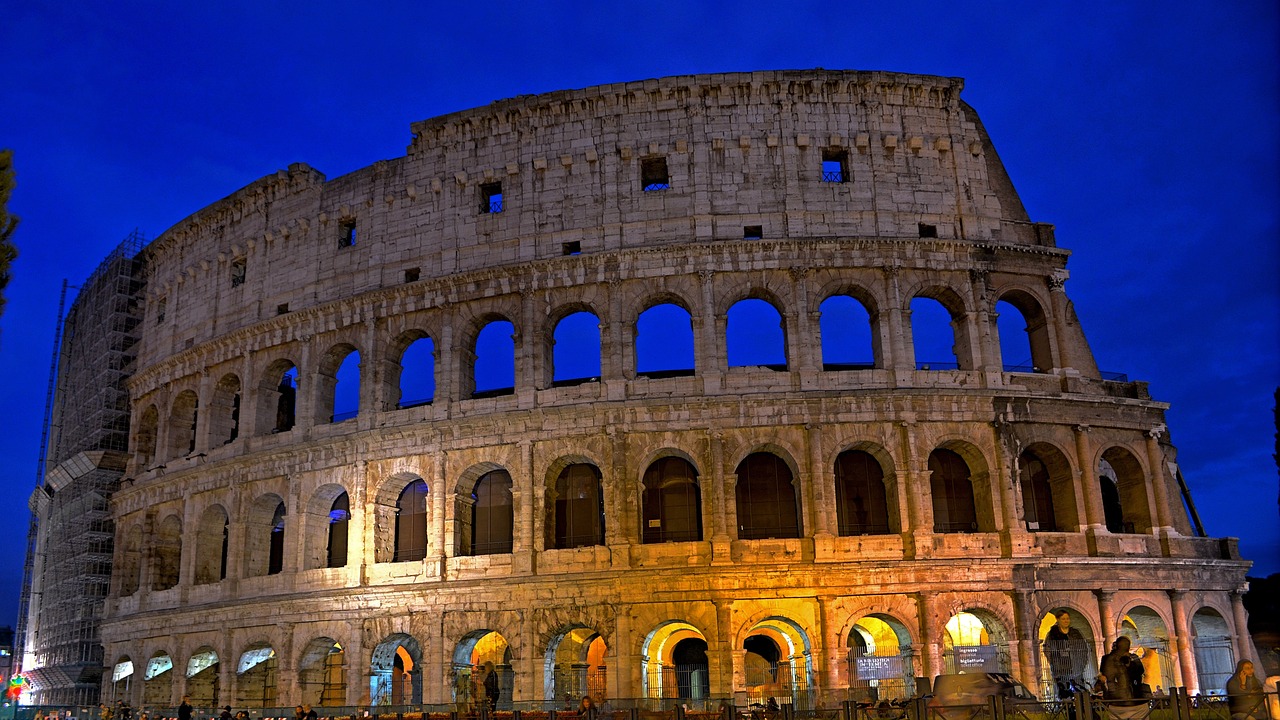
After-hours Colosseum access with a private guided tour
If you’re weighing a Colosseum private experience with underground access, this is the headline booking that changes how the monument feels. The Colosseum is often busy in the day, but a private evening approach can feel almost intimate—more like stepping into ancient Rome than moving through a tourist funnel. With an expert guide on a true guided tour, you explore restricted underground areas, then stand on the arena floor where the scale suddenly becomes real.
It’s hard not to feel the theatre of it all: the engineering, the crowd control, the way Romans designed spectacle as a language of power. Even if you’ve seen the amphitheatre before, this version is worth a visit—because access and atmosphere change everything.
Colosseum and Roman Forum with Palatine Hill – the smoothest pace
For depth, pair the Colosseum with the Roman Forum and Palatine Hill at a gentle pace. The forum and Palatine Hill route is not difficult, but it is uneven underfoot; a guide helps you choose the smoother paths and time your stops for shade, viewpoints, and seated pauses. If you’re travelling together, this is where a crafted rhythm matters: you’re not rushing, you’re uncovering how the city once worked.
As you move through the Forum, your guide can point out what’s easily missed—the alignments, the political stages, the quiet corners where roman ruins feel surprisingly personal. Many guests say this is the most rewarding part of the colosseum and roman forum story because it turns ruins into real lives.
A profound connection on an after-hours tour of the Colosseum
One luxury traveller told us their private after-hours visit created “a profound connection” to the Colosseum—without the daytime noise, they could hear their own footsteps and feel the weight of history. It’s an attraction in Rome that can feel overwhelming at noon; at night, it becomes contemplative and surprisingly exclusive, the kind of visit in Rome you remember for years. Some visitors even mention it in the same breath as the world’s great monuments—those that people casually group with the 7 wonders of the world—because the emotional impact is so immediate.
To complete the evening without overplanning, step out to a viewpoint above Circus Maximus, then take a gentle walk towards the Baths of Caracalla for a quieter sense of scale. This simple add-on makes the night feel complete, and it keeps you away from the busiest tourist streets while still staying close to the story.
Vatican Museum Early Access: Tour of the Vatican + Sistine Chapel at Dawn
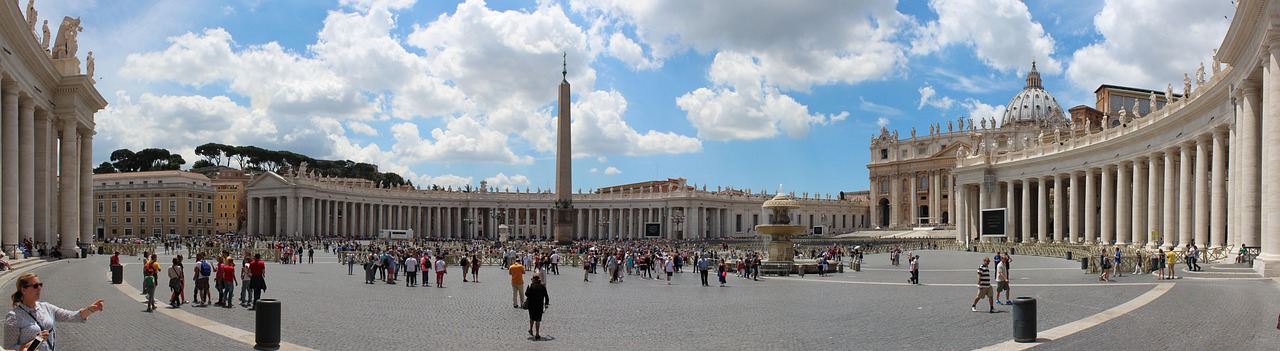
Vatican City at dawn to Escape the Crowds
For many first-timers, the most confidence-building plan is a Vatican Museum early-access morning with the Sistine Chapel. Early entry typically means you’re inside the Vatican Museums before standard ticket holders, with a shorter security process and a calmer flow through the galleries. In principle, it costs more than a general admission ticket, but the value is time, space, and ease—especially if you want to visit the Vatican without your morning feeling like a queue.
Because early-access slots are limited, book well ahead; for rooftop bars and special dining later, reservations are best made days in advance too. That’s not about exclusivity for its own sake—it’s about designing a seamless day where you’re supported rather than scrambling.
Sistine Chapel silence, etiquette, and the feeling of care
A traveller once described being mesmerised by the hush in the Sistine Chapel during an early private visit. With fewer voices in the room, the art becomes less of a “must-see” and more of a spiritual pause—something you feel in your chest, not just in your camera roll. If you’re sensitive to crowds, this is one of the kindest ways to experience the Vatican, and it keeps the morning genuinely comfortable.
Your guide will also help with the practical etiquette that protects the atmosphere: modest dress, respectful behaviour, and patience with security. It’s a small form of care that makes a big difference to how the morning unfolds.
Vatican Museum highlights and Raphael Rooms without the conveyor-belt feeling
The Vatican Museum can feel vast, so it helps to be selective. Prioritise the highlights that suit your interests: classical sculpture, tapestries, and the Raphael Rooms—where a slower pace rewards you with details most tourist groups miss. With the right guided tour, you avoid the densest corridors at the wrong moment, and “things to see” become a coherent story instead of a blur.
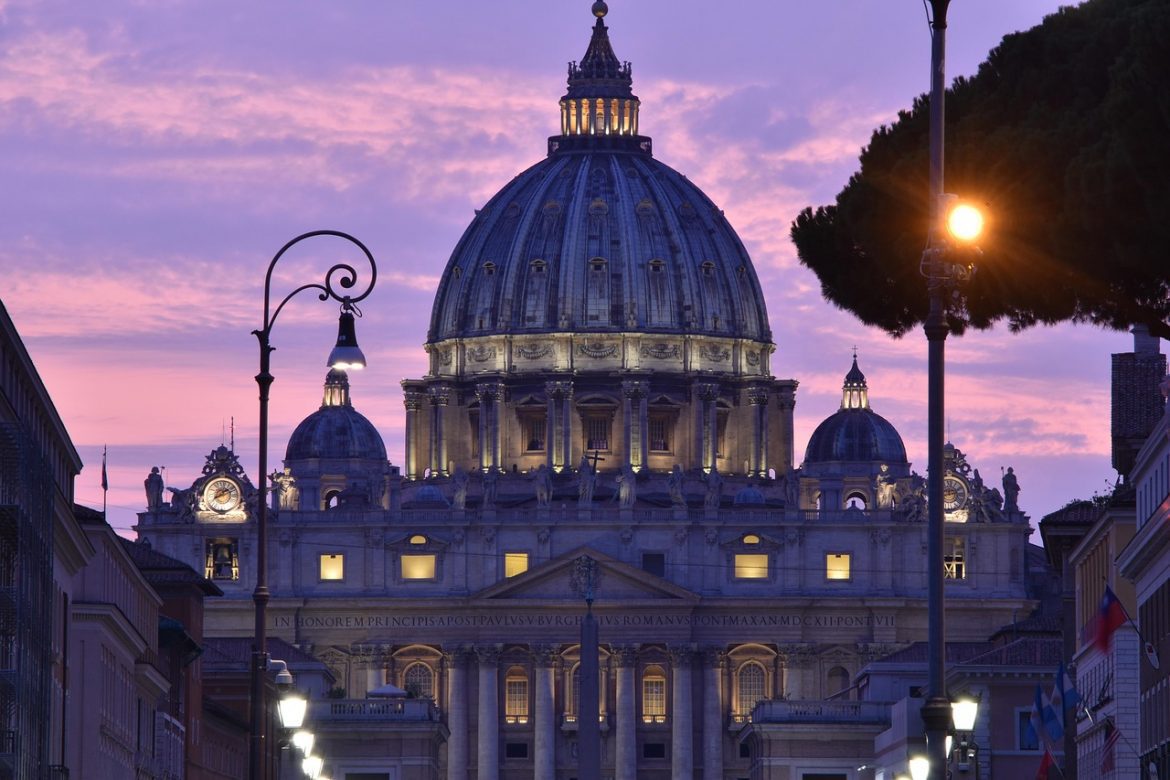
After the museums, continue to St Peter’s Basilica. Whether you call it St Peter’s Basilica or peter’s basilica, it’s the same awe: soaring space, patient craftsmanship, and a hush that can feel grounding even with other visitors around. Allow time for security queues, then move through with trust—this is a place where slowing down is part of the experience.
If you’d like an extra layer of comfort, plan a simple early breakfast nearby and treat the whole morning as your personal tour of the Vatican rather than a race. It’s the difference between “seeing it” and truly being there.
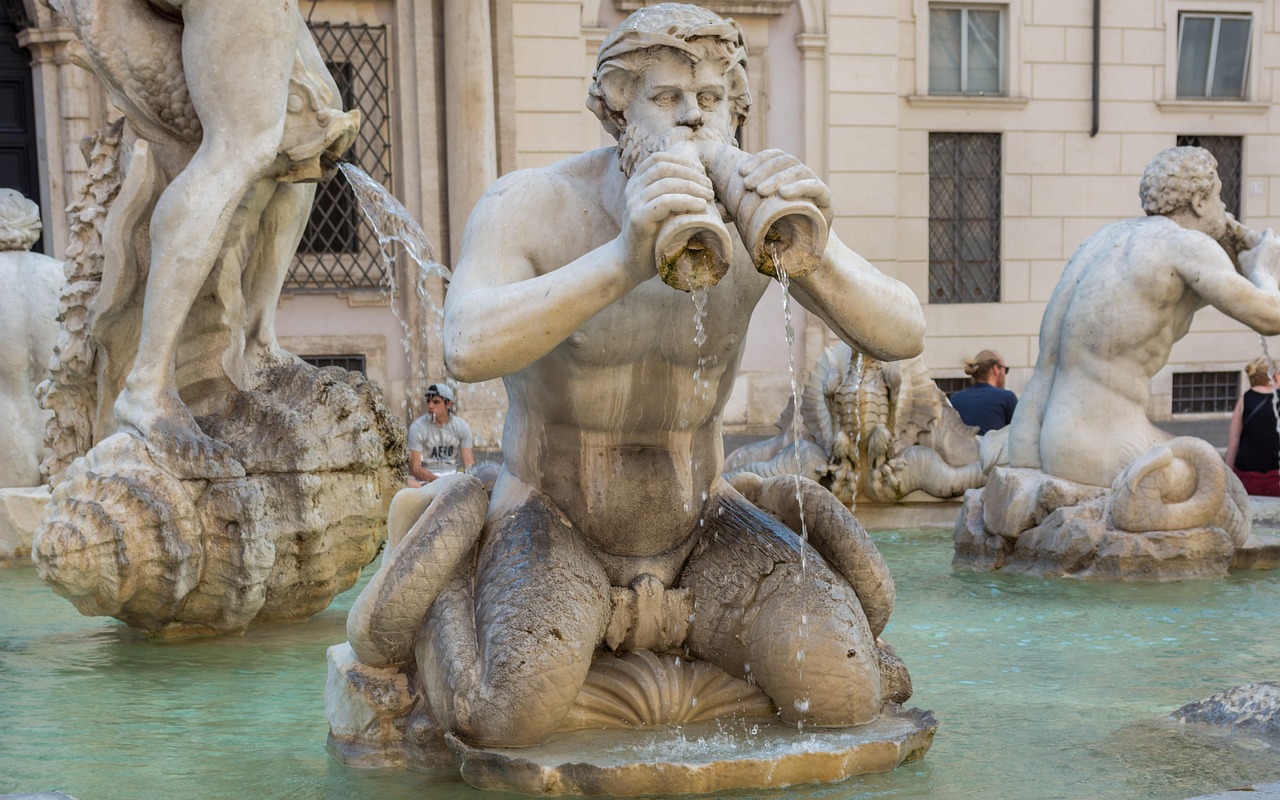
A classic historic-centre walk on foot: Pantheon to Piazza Navona
When travellers ask for an iconic historic-centre walk, what they often mean is: something stylish, doable, and full of atmosphere between bigger bookings. This loop is ideal on a lighter day because you can pause whenever you want, slip into a beautiful café, and let the beauty of Rome breathe around you. It’s also one of the most rewarding things to do in Rome when you want flexibility without sacrificing the classic highlights.
Start at the Pantheon, drift to Piazza Navona, then curve towards the Trevi Fountain before finishing near the Spanish Steps. It’s an elegant way to cover the centre’s most photogenic scenes without turning your day into a checklist.
Pantheon light, the hole in the roof, and timeless design
The Pantheon is one of those rare places that feels immediate no matter how many times you’ve seen it in photos. Stand beneath the oculus—the famous hole in the roof—and watch how light moves across the interior like a slow spotlight. If you’re wondering what to see in Rome that still feels calm, this is a perfect reset between busier stops.
If you’re visiting with an eye for art, this neighbourhood also offers small, meaningful detours. A short taxi hop can take you to a Caravaggio canvas in a church setting—quiet, close, and deeply human compared with larger museum halls.
Trevi Fountain ritual and Piazza Venezia with Victor Emmanuel II
For the Trevi Fountain, timing is everything. Go early or late, choose a spot slightly to the side for photos, and then do the ritual calmly: throw a coin without getting pulled into peak density. This is a classic tourist moment that can still feel charming if you approach it gently.
From there, treat the Spanish Steps as a stylish transition rather than a place to linger—perfect for people-watching and nearby boutiques, then onward to Piazza Venezia. The Victor Emmanuel II complex is grand, and it’s also a doorway into unified Italy as a story. Pause at the altar of the fatherland and the tomb of the unknown soldier; even for seasoned travellers, that tomb can be quietly moving.
These are cool things to thread together: not just places to visit, but scenes that change with the hour and your mood.
Trastevere at Sunset: Aperitivo, Unusual Things to Do in Rome, and a Food Tour
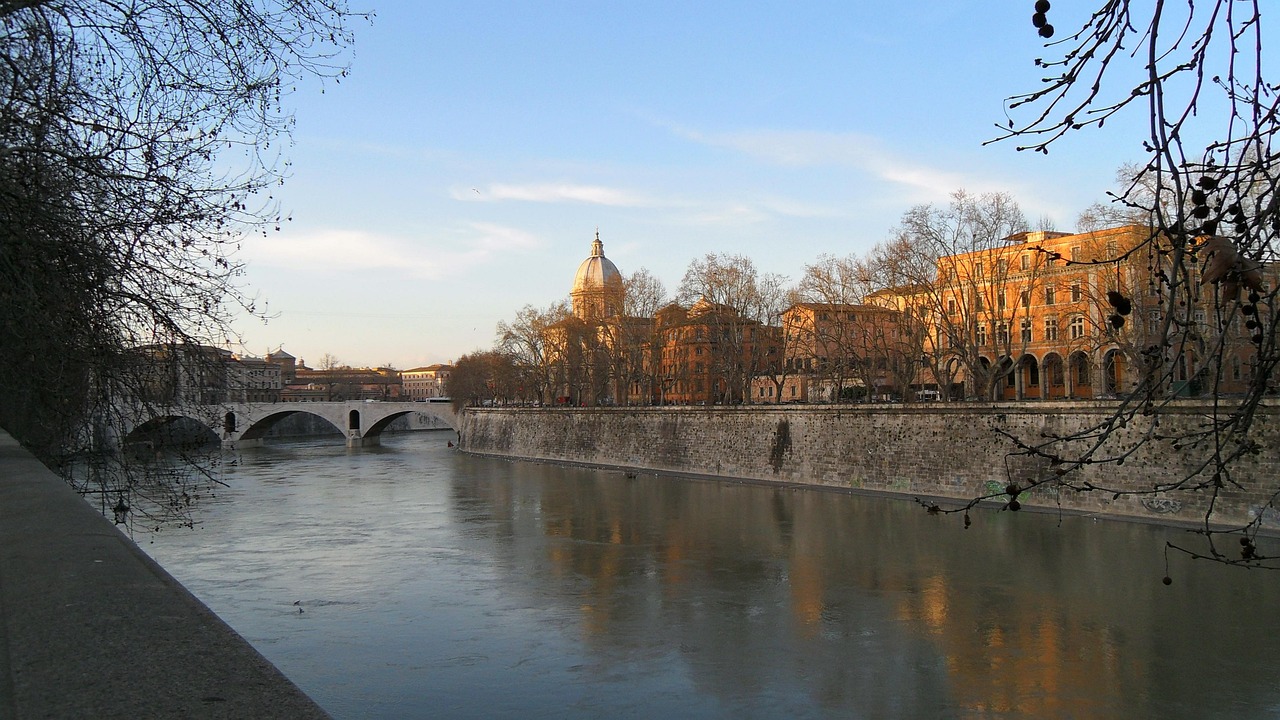
Trastevere at sunset: aperitivo and local evenings
For a warmer, more local-feeling evening, plan Trastevere as your signature night. Trastevere’s cobbled streets glow at golden hour, and the pace naturally softens—musicians tuning up, friends greeting each other, glasses catching the last light. Begin with an authentic Roman aperitivo, then let the neighbourhood carry you from one small moment to the next.
From there, you can create an evening that’s both stylish and deeply personal, without drifting into the most crowded tourist corridors.
Artisans, limoncello, and Santa Maria in Trastevere
One traveller shared their delight in uncovering hidden artisan workshops in Trastevere: a leatherworker at the bench, a printmaker lifting fresh ink, the simple generosity of a small tasting of homemade limoncello. These encounters are the opposite of rushing—they’re a reminder that the best travel memories often come from unplanned conversations, handled with trust and care.
For a meaningful anchor, stop at Santa Maria in Trastevere and spend a little time in the square. The church of Santa Maria is also a gentle reference point if you’re meeting someone or re-grouping after shopping; it keeps the night effortless.
Places to eat in Trastevere: Italian food and a curated food tour
Trastevere is one of the easiest neighbourhoods to dine well in, but quality varies street by street. For Italian food with confidence, choose either a classic trattoria that does a few dishes exceptionally well, or a contemporary tasting menu where the service is as polished as the cooking. If you’d like structure without queues, a small-group food tour can be a brilliant middle path—especially when it’s curated around produce, craft, and pacing rather than volume.
To keep things simple, here’s a high-end approach to choosing restaurants and treats:
- Choose one “destination” dinner and one flexible stop for a second glass of wine, so the evening still feels spontaneous.
- Ask your hotel concierge for the table locals request, not the one influencers film—service and consistency matter.
- Plan one elegant gelato stop, then keep walking—dessert tastes better in motion.
If you’re craving “away from the crowds” ideas that still feel comfortable, consider an Appian Way cycle with driver support, or see the catacombs with a private guide. It’s a beautiful contrast to central Rome—quiet, spacious, and unexpectedly restorative before you return to your rooftop view.
What Stayed With Us After a Visit to Rome
Long after a visit to Rome, what returns isn’t a list—it’s atmosphere. The hush that settled in the Sistine Chapel when the doors first opened; the weight of stone in the Colosseum when the crowds fell away; the way light slid across the Pantheon and made time feel temporarily irrelevant. Rome doesn’t just show you history—it shows you how small moments can carry enormous meaning.
There’s a particular tenderness to evenings here: the low hum of conversation in Trastevere, the easy kindness of a waiter who remembers your order, the quiet confidence of walking back through familiar streets. In the Eternal City, even the most famous attraction can become personal when you’re not trying to complete it.
Travelling together with thoughtful support creates space for wonder. With an expert guiding hand behind the scenes—timings, access, a calm plan—you’re free to notice what you would otherwise miss: a doorway left ajar, a candle burning in a side chapel, the soft echo of footsteps on ancient steps. The beauty of Rome often lives in these smaller details, and in the way the city asks you to slow down.
And perhaps that is Rome’s most enduring gift: it never feels finished. In the city Rome locals navigate daily, something new always appears—patient, layered, and quietly luminous—until the moment you choose to return to Rome.
F.A.Qs: Things to Do in Rome Italy
F.A.Qs on things to do in Rome, with practical planning tips
What are the top 5 things to do in Rome?
A strong top five is: a private Colosseum visit, the Colosseum and Roman Forum together, an early Vatican Museums morning with the Sistine Chapel, a historic-centre walk (Pantheon to Piazza Navona), and a Trastevere sunset aperitivo. This mix balances big monuments with neighbourhood life, and it keeps your days feeling seamless rather than overpacked.
What do people in Rome do for fun?
Romans socialise around food and passeggiata—the evening stroll—often meeting friends for aperitivo, then dinner. You’ll also see locals lingering in piazzas, browsing boutiques, and taking short cultural breaks in churches and galleries. For visitors, the simplest answer is to mirror that rhythm: slow down, choose one lovely stop, and let the neighbourhood set the pace.
What shouldn’t you miss in Rome?
Don’t miss the emotional contrasts: the scale of the Colosseum, the artistry of the Vatican, and the intimacy of neighbourhood evenings in Trastevere. In practical terms, book key tickets early and aim for off-peak timings so you can actually absorb what you’re seeing. Rome rewards travellers who protect a little space in the day.
What non-touristy things to do in Rome?
For a more local-feeling day, uncover artisan workshops in Trastevere, explore the Appian Way with driver support, and choose one excellent gelato stop away from the busiest streets. You can also visit smaller churches for art in a quiet setting, or plan a private, food-led evening that prioritises craft over crowds. For many travellers, these are the most memorable things to do in Rome because they feel personal rather than performative.