Post Contents
- Colosseum Moments in Rome at Dawn for a Luxury Experience in Italy and Ancient Rome
- How Big Is the Colosseum Facts About the Colosseum Size in Italy and Rome
- Roman Colosseum Facts and Years of History in Rome and the Roman Empire
- Uncover the Hypogeum Beneath the Arena in Rome and the Gladiatorial World
- Explore Upper Tiers Views Over Rome and Ancient Rome from the Largest Amphitheater
- Designed Evenings Exclusive Night Tours at the Colosseum in Rome Italy and Seven Wonders Atmosphere
- Seamless Tickets Timing and Local Etiquette for the Colosseum in Rome Italy
- What Stayed With Us After the Colosseum in Rome and Italy
- F.A.Qs:
Colosseum Moments in Rome at Dawn for a Luxury Experience in Italy and Ancient Rome
Colosseum Moments in Rome at Dawn
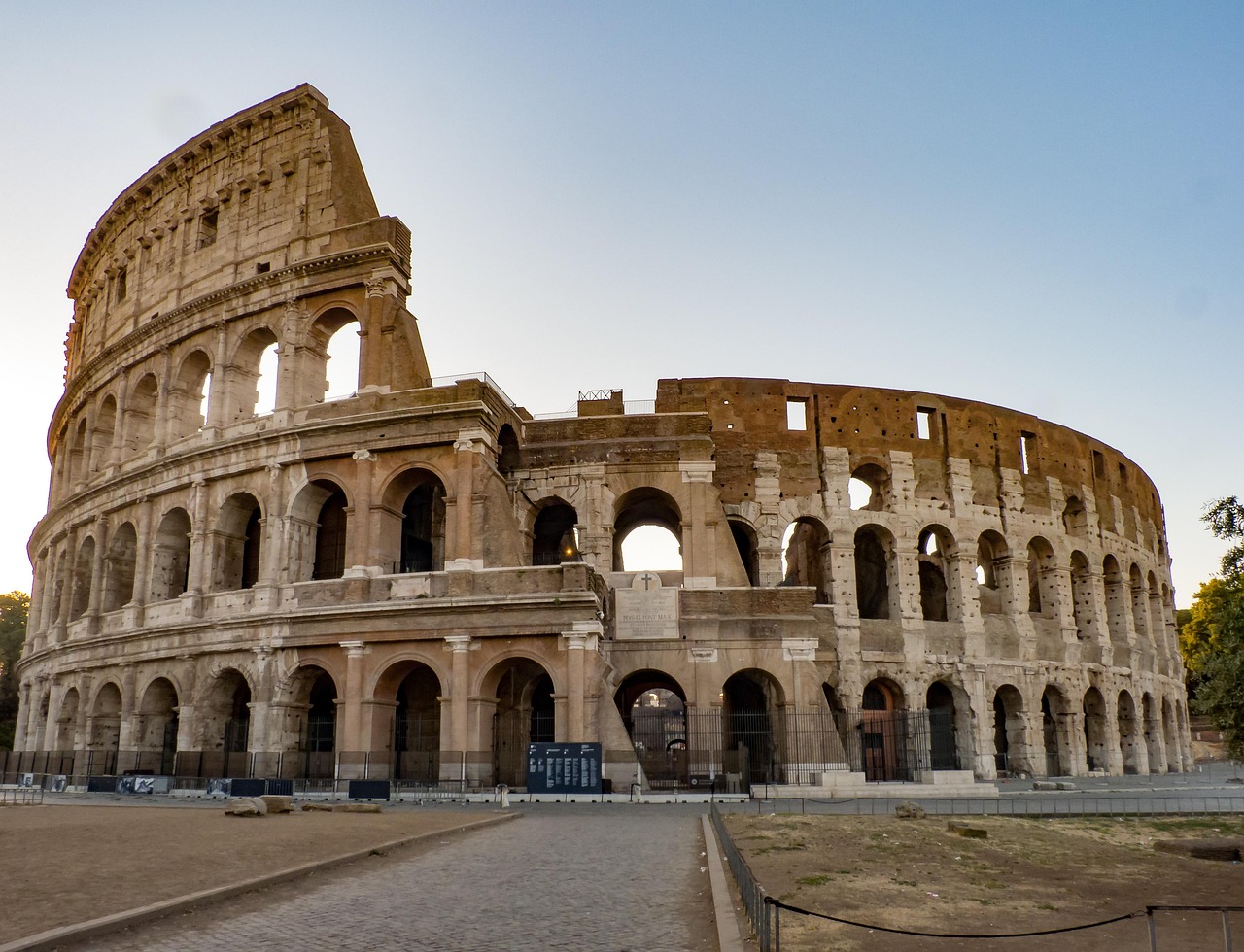
For a Colosseum Rome dawn visit luxury experience Italy, arrive while the streets are still rinsed clean with early light and the first café shutters are only beginning to lift. One luxury traveller told me she stepped into view of the Colosseum just as the morning sun cast long shadows across the outer arches, and she felt an immediate, personal hush—like the city was giving her the space to imagine.
As an icon and a marvel, the Colosseum continues to impress because it refuses to feel “finished”. Even if you’ve seen it in photographs, being there at dawn lets you discover texture: worn stone, softened edges, and the way Rome seems to gather around the amphitheater rather than compete with it.
Designing calm around a colossal monument
High-end travel in Rome is rarely about doing more; it’s about creating room for the moment. With an expert-led approach—often private—you can move with confidence, pause for photography, and listen to a crafted story without feeling hurried or swept along with the tourist tide.
There’s also a gentle reason “how big” matters here. When you stand before a structure that once held thousands, the history isn’t abstract; it becomes weighty and human, and you understand why people still speak of it with such care.




How Big Is the Colosseum Facts About the Colosseum Size in Italy and Rome
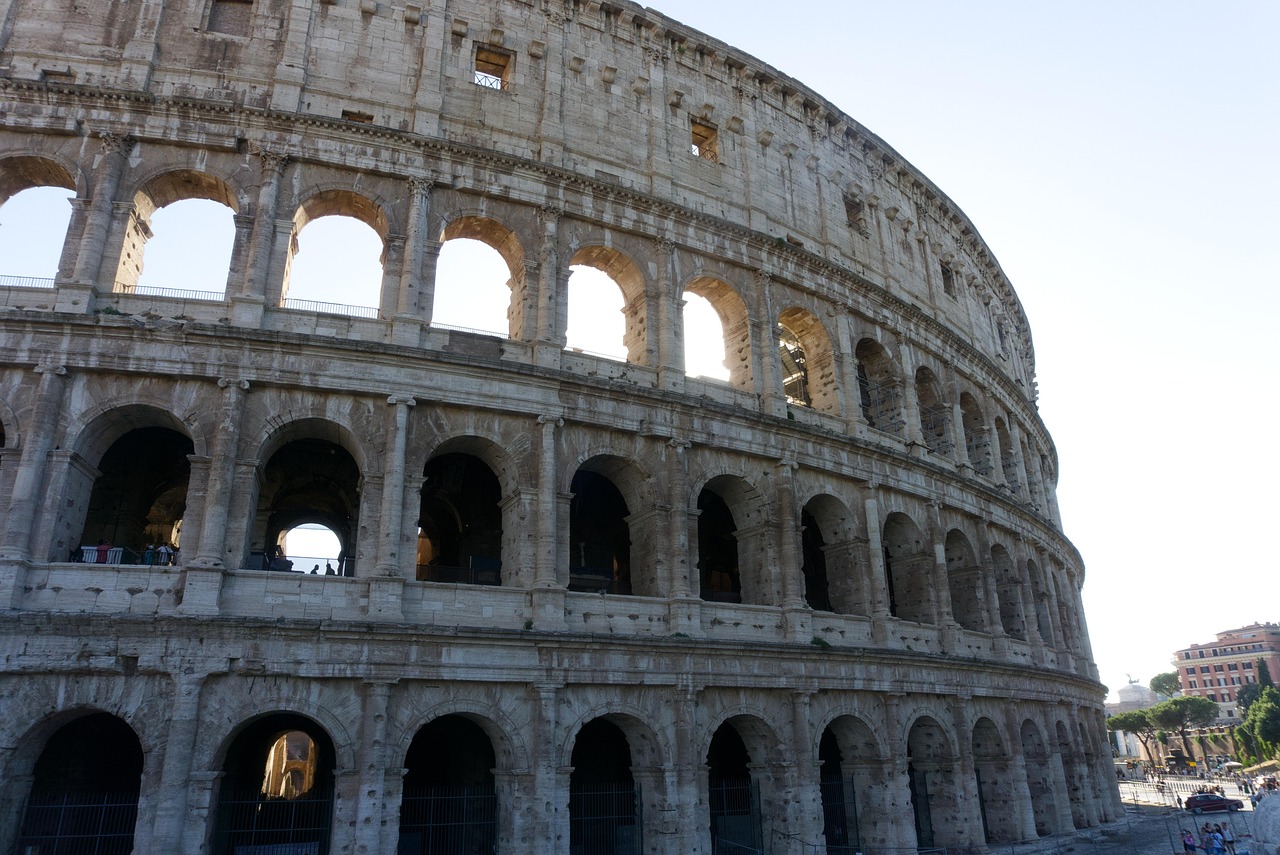
How Big Is the Colosseum Facts About the Colosseum Size
If you’re searching for how big is the Colosseum in Italy facts about the Colosseum measurements, here are the headline dimensions: it measures 189m in length, is 156 meters wide, and rises to roughly 50 metres high. For perspective, that’s the kind of footprint you feel in your stride; you don’t just look at it, you navigate it.
The plan is an oval, spreading across about 6 acres, and the exterior reads like a layered poem of arch upon arch. From the street you can spot the multi-level storey design—an architectural rhythm that makes the façade feel both orderly and alive.
Roman engineering you can actually see
Much of the structural strength comes from the logic of the arch and the disciplined repetition of forms. The outer shell used travertine stone, with material historically associated with Tivoli; you’ll also hear guides mention travertine as a shorthand for the warm, pale surface that catches the Roman sun.
Look closely and you’ll notice classical cues: corinthian columns at the upper levels and hints of the ionic order—details that reward a slower gaze. For high-end travellers, this is where an expert guide turns “big” into meaningful insight.
Capacity, movement, and the famous number
The design was built for flow as much as spectacle. It could seat up to 50,000 spectators, supported by 80 arches and 80 entrances that made crowd movement remarkably efficient for its era.
- Quick facts about the Colosseum: the building’s size was matched by careful logistics, from seating tiers to swift circulation routes.
- Facts about the Roman Colosseum: the events held ranged from public shows to staged scenes that echoed sport and ritual, including organised hunt programmes.
Today, an estimate often cited is around 7 million million visitors a year, which is precisely why timing and ticket design matter if you want the experience to feel intimate rather than rushed.
Roman Colosseum Facts and Years of History in Rome and the Roman Empire
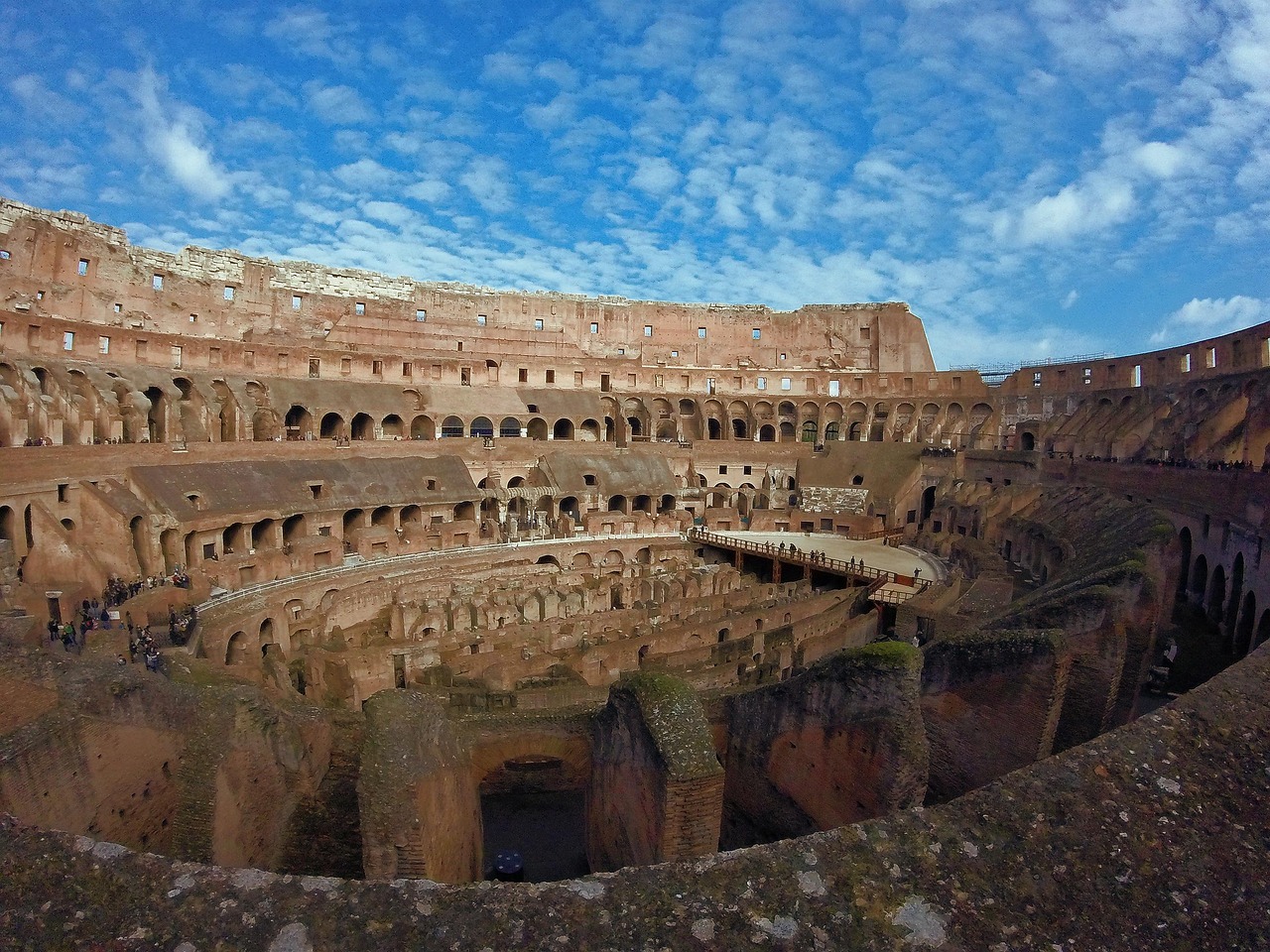
Roman Colosseum Facts and Years of History
For travellers looking up Roman Colosseum facts ancient Rome Vespasian Titus Domitian Italy, the timeline is both precise and surprisingly human. The colosseum was built under emperor vespasian, beginning in 72 a.d; by 76, much of the outer ring was rising, and the amphitheater was inaugurated under emperor titus in 80 a.d, with further changes later under domitian.
In the context of the roman empire, the setting matters. The Flavian project replaced the water and gardens of nero’s private palace complex, the domus aurea, returning prime ground to the ancient romans as a public monument—politics written in stone.
Power, people, and respectful truth
Any honest telling includes the uncomfortable realities: enslaved labour, violence, and a society that made public entertainment from human risk. Some did perish; others were trained as fighter performers, including the famous gladiator classes, whose lives were shaped by systems well beyond the arena floor.
A historian once joined a small group visit and asked everyone to pause, close their eyes, and recreate the sound of thousands of people rising at once. In that moment, the years of history felt less like dates and more like an emotional landscape—one you can explore with care.
Resilience through earthquake and fire
The structure has survived damage from an earthquake, episodes of fire, and centuries of reuse and removal, including valuable bronze fittings taken in later eras. Parts remain remarkably intact, while other sections have been restored to support modern access without pretending the building hasn’t lived a long, complicated life.
You may hear it called the coliseum in casual conversation; either way, its story is a reminder that Rome doesn’t preserve perfection—it preserves layers.
Uncover the Hypogeum Beneath the Arena in Rome and the Gladiatorial World
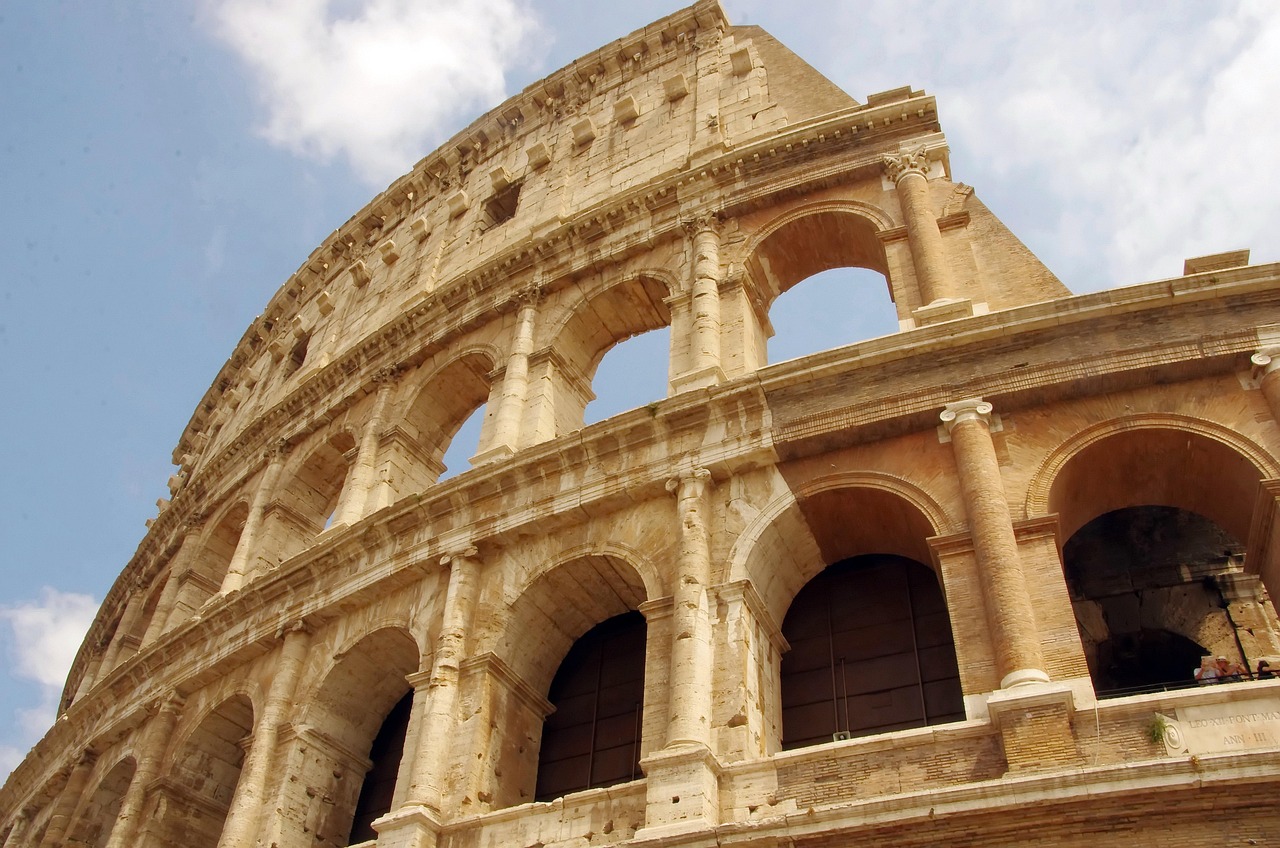
Uncover the Hypogeum Beneath the Arena
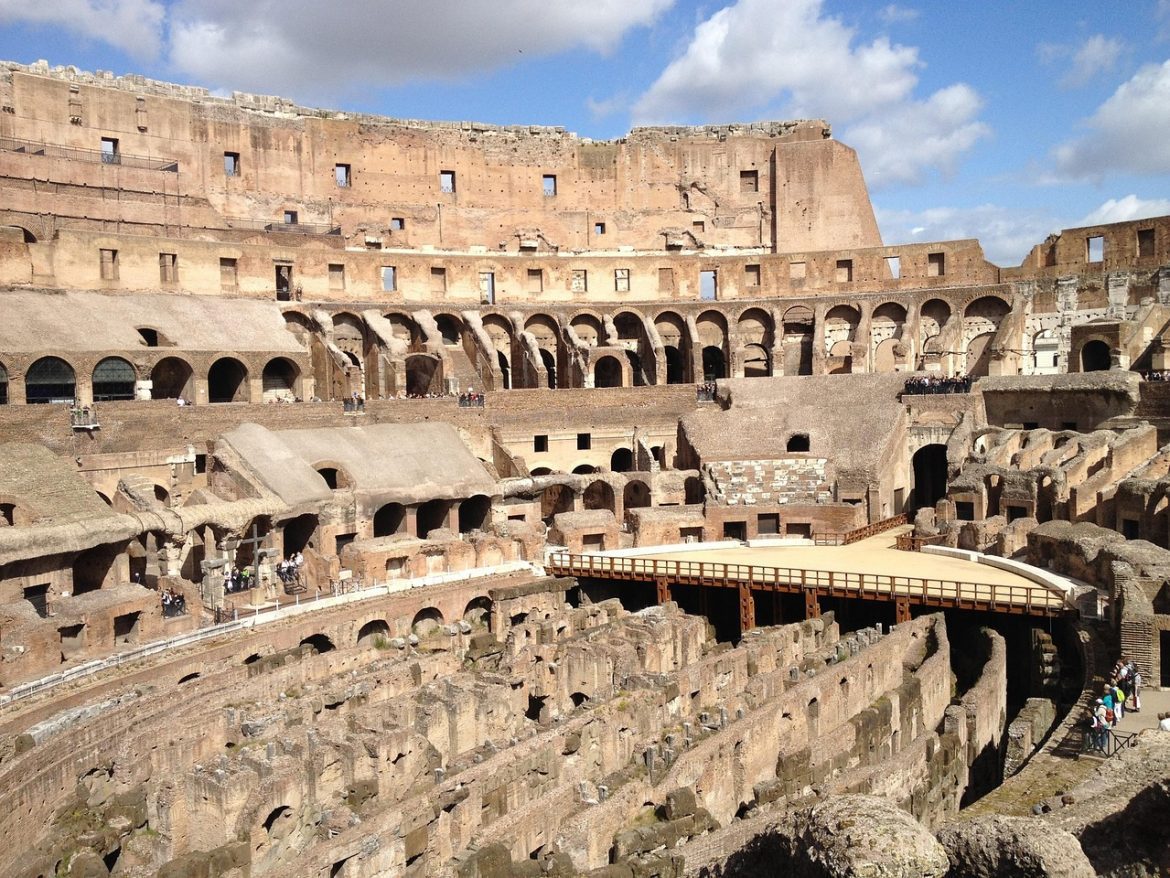
To uncover the backstage life of the amphitheater, book a Colosseum hypogeum tour underground chambers gladiator Italy experience. The hypogeum is where the performance began in private: corridors, holding areas, and a choreography of preparation that supported the show above.
What high-end travellers often love here is the quiet intelligence of the design. Guides point out how machinery and timing worked together—trap doors, lifts, and the repeated pattern some describe as 80 vertical access points that helped control movement beneath the boards.
One visitor on a private guided tour told me the most powerful moment was not sensational at all. It was hearing an expert explain how an engineer and a slave workforce coordinated cues so that a beast or a gladiator could appear with perfect timing, as if the building itself were breathing.
When the conversation turns to water spectacles, the best guides balance myth and evidence. You may hear discussion of naval battles and a brief naval display tradition—what is believed, what is debated, and why later subterranean structures made large-scale flooding unlikely.
Practical note: hypogeum access is limited and must be booked on special guided tours, so planning ahead is the simplest way to keep everything seamless.
Explore Upper Tiers Views Over Rome and Ancient Rome from the Largest Amphitheater
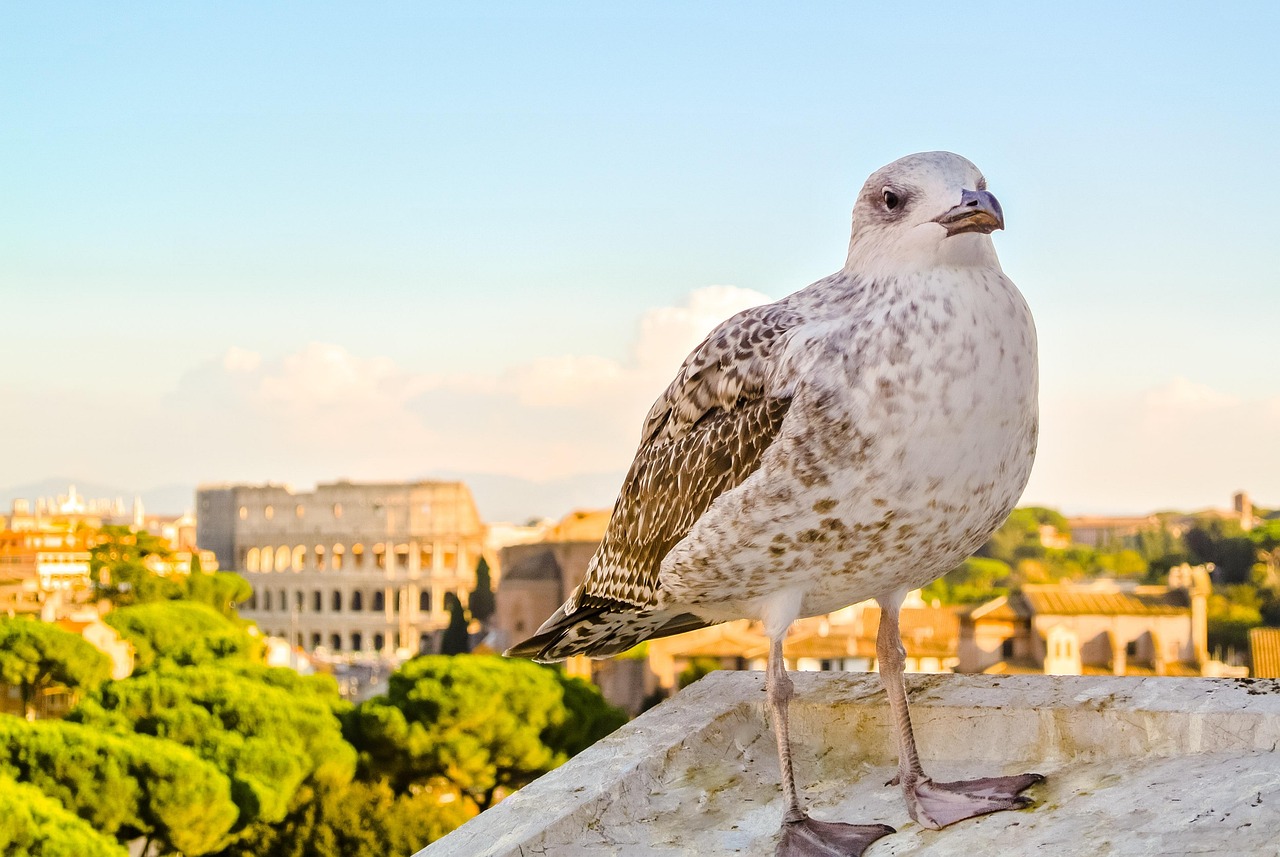
Explore Upper Tiers Views Over Rome and Ancient Rome
For Colosseum upper tiers panoramic views Roman Forum Palatine Hill Italy, rising to the upper levels is where the building’s scale becomes legible in relation to the city. From here, you see Rome unfurl—the Roman Forum spread below, and palatine hill lifting beyond it like a memory of ancient rome.
Seen from above, the Colosseum earns its claim as the largest amphitheater of the ancient world because you can finally read the geometry: how the seating embraced the arena, how the city’s ruins knit together, and how each sightline was designed for maximum drama.
Sunset romance with local indulgence
A couple once described their favourite version of the day: a sunset visit followed by a curated wine tasting overlooking the ruins. It felt modern and indulgent, yet it honoured the site—proof you can create romance in Rome without turning history into a backdrop.
It’s also a lovely place to remember Augustus and the broader story of civic life, because you can see how power, ritual, and public space were staged across the surrounding landscape.
Photography that celebrates seven wonders lore
An art lover told me she came for the bucket-list whisper of the seven wonders travel lore, then stayed for the contrast: ancient stone against modern streets, scooters passing beneath timeless arches. If you’re photographing, slow down and watch how light changes on the ruin—soft morning for warmth, late afternoon for sculpted shadows.
Designed Evenings Exclusive Night Tours at the Colosseum in Rome Italy and Seven Wonders Atmosphere
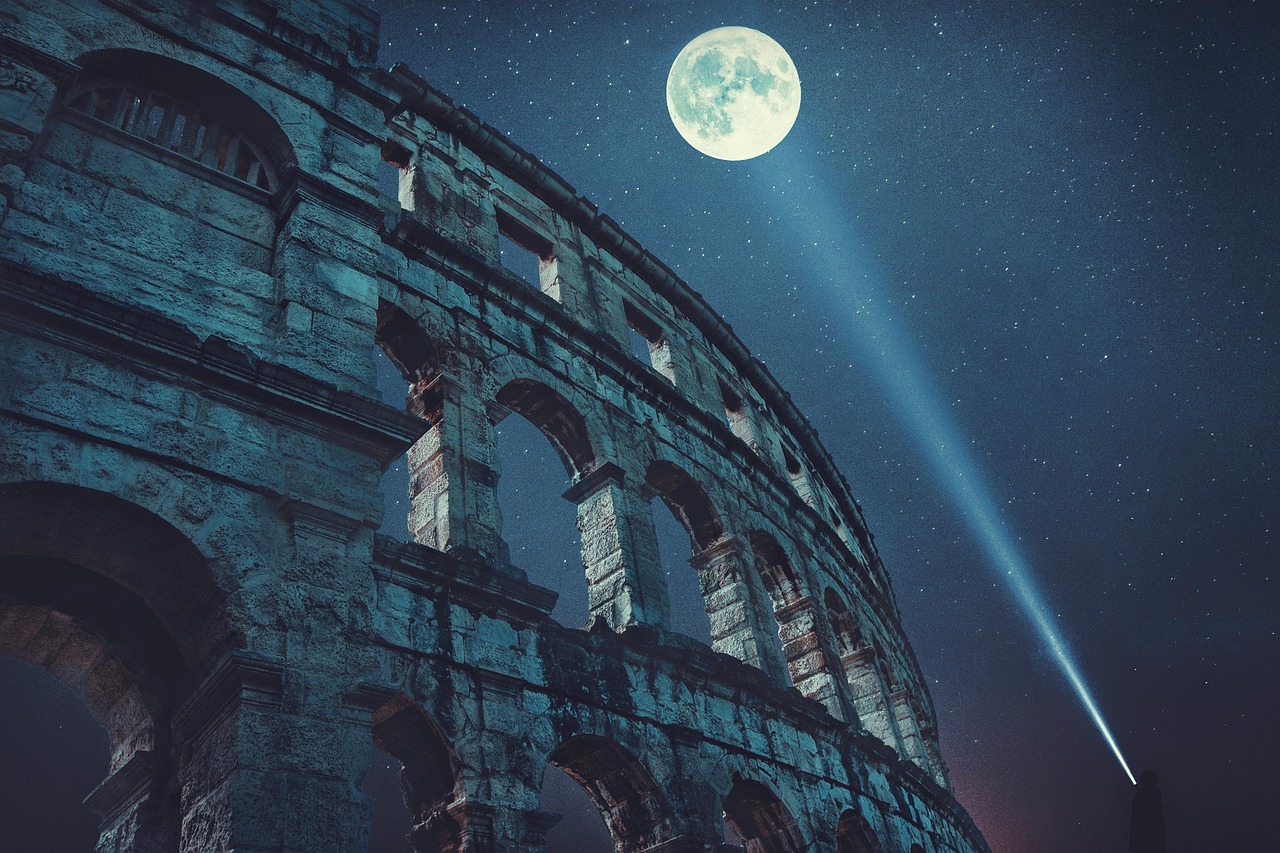
Designed Evenings Exclusive Night Tours at the Colosseum
For a Colosseum night tour Rome luxury experience Italy, the mood shifts the moment the lights come on. The stone feels calmer, the air cooler, and the building reads as quietly magnificent—less a crowded attraction and more a living chapter of Rome.
Premium options are often small-group by design, with storytelling that feels crafted rather than scripted. It’s an experience that can be deeply supportive for travellers who want to explore without the midday intensity.
Gladiatorial stories told together in the dark
On one evening visit, a historian travelling with a small group described the gladiatorial world without theatrics, focusing on discipline, status, and the social meaning of spectacle. Standing there together, you could sense how imagination fills the shadows—and why the Colosseum’s scale can feel emotionally moving.
Because these tours are timed, you can design the rest of your evening with confidence: a pre-booked car, a gentle walk, then dinner reservations that don’t feel rushed.
Comfort and safety, with quiet reassurance
Lighting and staff presence help guests feel steady on site. In surrounding areas, basic city awareness is enough—keep valuables close and be mindful of pickpockets where crowds gather, especially at the end of tour windows.
Seamless Tickets Timing and Local Etiquette for the Colosseum in Rome Italy
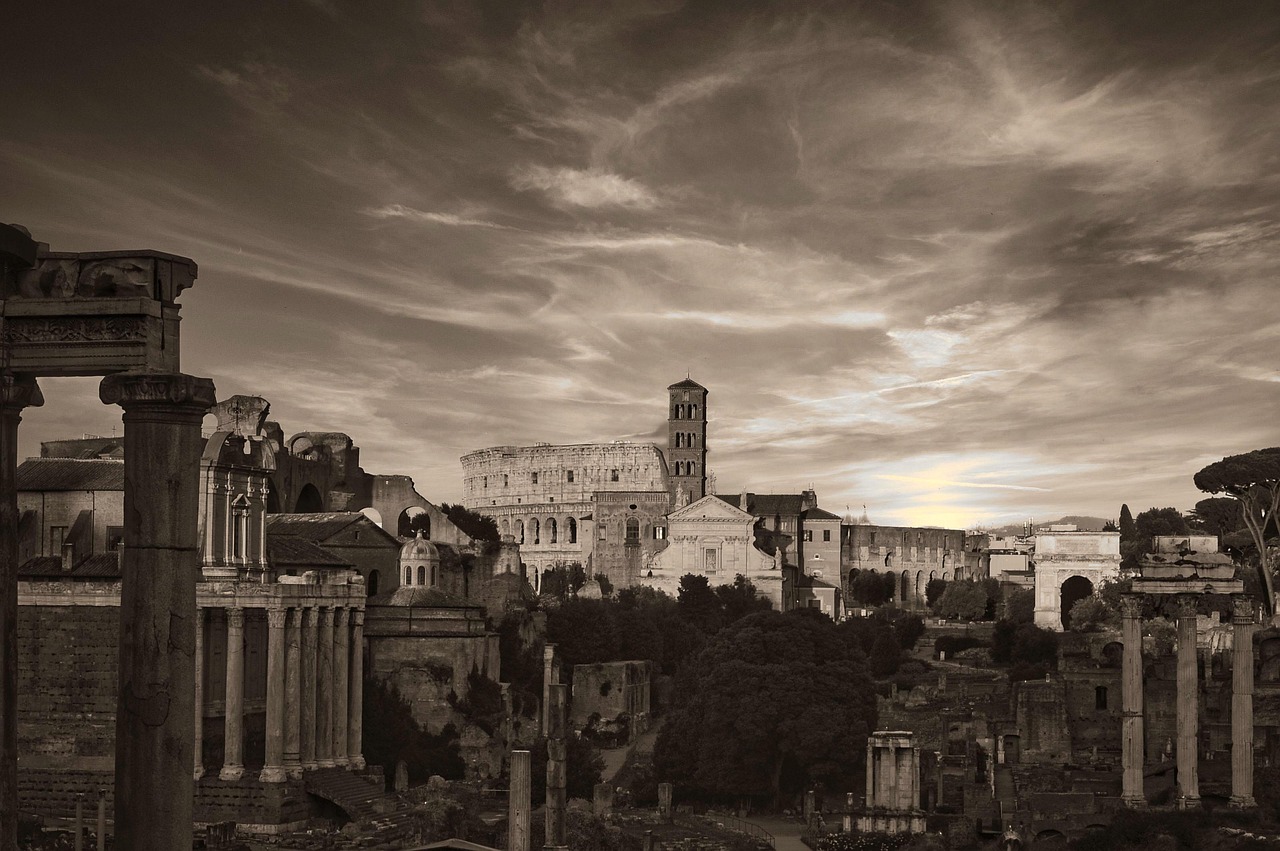
Seamless Tickets Timing and Local Etiquette
For Colosseum Rome tickets skip the line private guide Metro Line B Italy, the simplest luxury is certainty. Purchase tickets online in advance, and consider skip-the-line access to protect your time; prices commonly range from about 20 to 60 euros depending on whether you add the upper tiers or the hypogeum.
Timing changes everything. Early morning or late afternoon brings cooler temperatures and a gentler rhythm—often the difference between simply seeing the monument and actually feeling it.
Arriving in style and moving with confidence
Metro Line B stops at Colosseo, but many high-end travellers prefer taxis or private transfers for a more seamless arrival. Make it a small ritual: a few minutes to settle, a quick look at the façade, then step in with trust that your day has been designed well.
Try pairing your visit with the Roman Forum and Palatine Hill on the same ticket to build a fuller narrative of Rome. For inspiration as you plan, browse our Trip gallery and imagine how these sites can connect as one elegant story.
Local rules that protect the site and your comfort
- Dress comfortably but elegantly, and bring water in warm months.
- Avoid large backpacks, and follow no-touch guidance to preserve fragile surfaces.
- Hire an expert private guide if you want deeper insight and a more personal pace.
One final detail: check your entry time carefully—the single entrance window is what keeps the flow manageable when the crowds peak.
What Stayed With Us After the Colosseum in Rome and Italy
For Colosseum Rome reflection luxury travel Italy, what lingers is rarely a single photograph. It’s the sensation of scale settling into your body—the cool of stone, the shape of shadow, and the strange hush that arrives when you stop trying to “cover” the Colosseum and simply stand with it.
Later, over dinner, you may realise you’re still hearing echoes: not literal sound, but the idea of voices and footsteps, of a city that has always gathered itself around spectacle and story. There’s a quiet kind of confidence that comes from moving through such a vast place with care, especially when the experience has been thoughtfully designed to support you rather than rush you.
A historian in our circle said the most moving part wasn’t any single tale of battle, but the awareness that real lives—noble patrons, ordinary citizens, and the people forced to perform—were all held in the same architecture. An art lover spoke about returning to her images later and noticing how modern Rome kept slipping into the frame, as if reminding her that time doesn’t separate us as cleanly as we think. And for one couple, the memory became something softer: a shared glance at sunset and the simple gratitude of being present together.
Perhaps that is the Colosseum’s rare gift. It doesn’t demand urgency; it invites attention. Long after you’ve left, Rome continues to unfold in small, patient ways—if you keep noticing what it has been quietly teaching all along.
F.A.Qs:
How big is the Colosseum compared to a football field?
The Colosseum’s footprint is larger than many football pitches when you consider its full oval outline (about 189 metres by 156m). A pitch is a rectangle, so the comparison isn’t perfect, but the Colosseum often feels “stadium-sized” in a way you can sense as you walk its perimeter.
How many gladiators were killed in the Coliseum?
There isn’t a reliable, precise total for how many people died in the Colosseum, and claims online often go far beyond evidence. Historians agree that fatalities did occur, including among gladiators and others forced into the arena, but responsible guides focus on context rather than sensational numbers.
How long does it take to walk around the Colosseum in Rome?
A simple walk around the exterior can take 20–30 minutes, depending on crowds and photo stops. If you’re visiting inside with the main levels, plan around 60–90 minutes; add more time for the underground or upper tiers if you want a calmer pace.
Are there toilets in the Colosseum?
Yes, there are toilets available for visitors inside the Colosseum complex, though queues can form at peak times. If comfort matters, consider arriving early or booking a timed entry with a smaller-group tour, and use facilities before you climb to higher levels.