Post Contents
- Castel Sant’Angelo in Rome a first look before you visit castel sant’angelo Rome Italy terrace fortress overview
- History of Castel Sant’Angelo from mausoleum to papal fortress history of castel sant’angelo mausoleum of hadrian Emperor Hadrian commissioned Rome
- Inside the castle art, weapons and papal apartments inside the castle Castel Sant’Angelo museum papal apartments Sala Paolina fresco
- Terrace ramparts and panoramic Rome views at the top of the castle Castel Sant’Angelo terrace panoramic views Rome Tiber River statue
- Passetto di Borgo the secret route connected to the Vatican Passetto di Borgo di borgo corridor connected to the Vatican City Castel Sant’Angelo
- Practical guide opening hours tickets to Castel and getting to Castel opening hours tickets to castel sant’angelo getting to castel Rome Italy official tickets guided tour
- What stays with you after Castel Sant’Angelo Castel Sant’Angelo Rome Italy personal reflection terrace sunset
- F.A.Qs: Castel Sant’Angelo Rome Italy
Castel Sant’Angelo in Rome a first look before you visit castel sant’angelo Rome Italy terrace fortress overview
Castel Sant’Angelo in Rome a first look before you visit
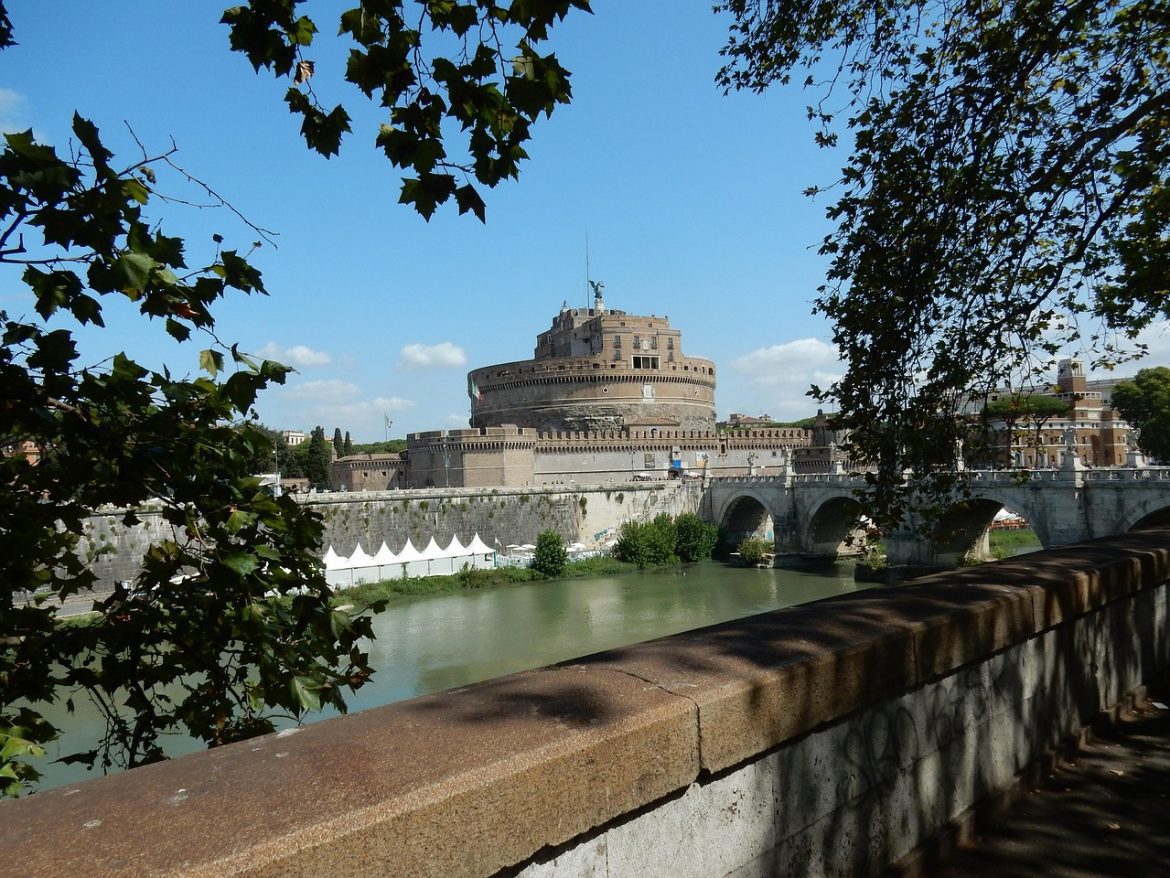
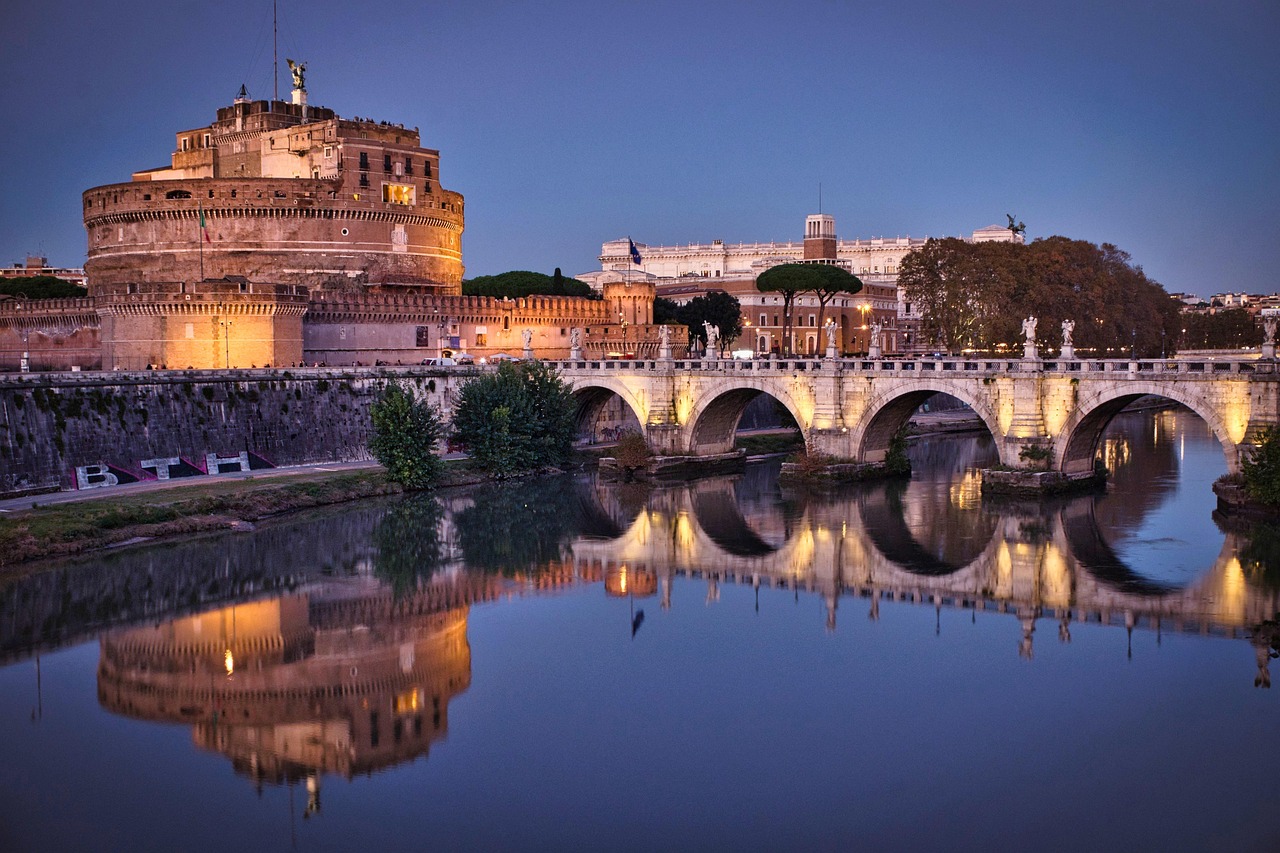
To visit Castel Sant’Angelo Rome Italy terrace fortress overview is to step into a landmark that feels both iconic and intriguingly personal. This building located in the center of rome, on the side of the tiber, has a presence you can spot from afar—rounded, resolute, and quietly theatrical as Rome flows around it.
Adventure Seekers often enjoy that it’s not a single “big room” museum. The route is part of the story: you explore your way upward, from heavier stone and shadow into bright air, and the shifts in atmosphere feel intentionally crafted—like Rome is letting you uncover its layers one landing at a time.
How the route unfolds inside the fortress
The first thing to know is that the visit is naturally structured. You enter, take in an atrium and display areas, then begin rising through ramps and corridors that spiral around the core. The famous spiral ramp was designed for movement and defence, but today it’s your gentle guide through different rooms that range from austere military spaces to ornate papal interiors.
If you’re travelling together, it helps to agree on a rhythm: slow down for details, then pick a few “must-see inside” moments and let the rest be discovery. With that approach, you’ll create a seamless flow rather than feeling overwhelmed.
The most photogenic approach via the ponte
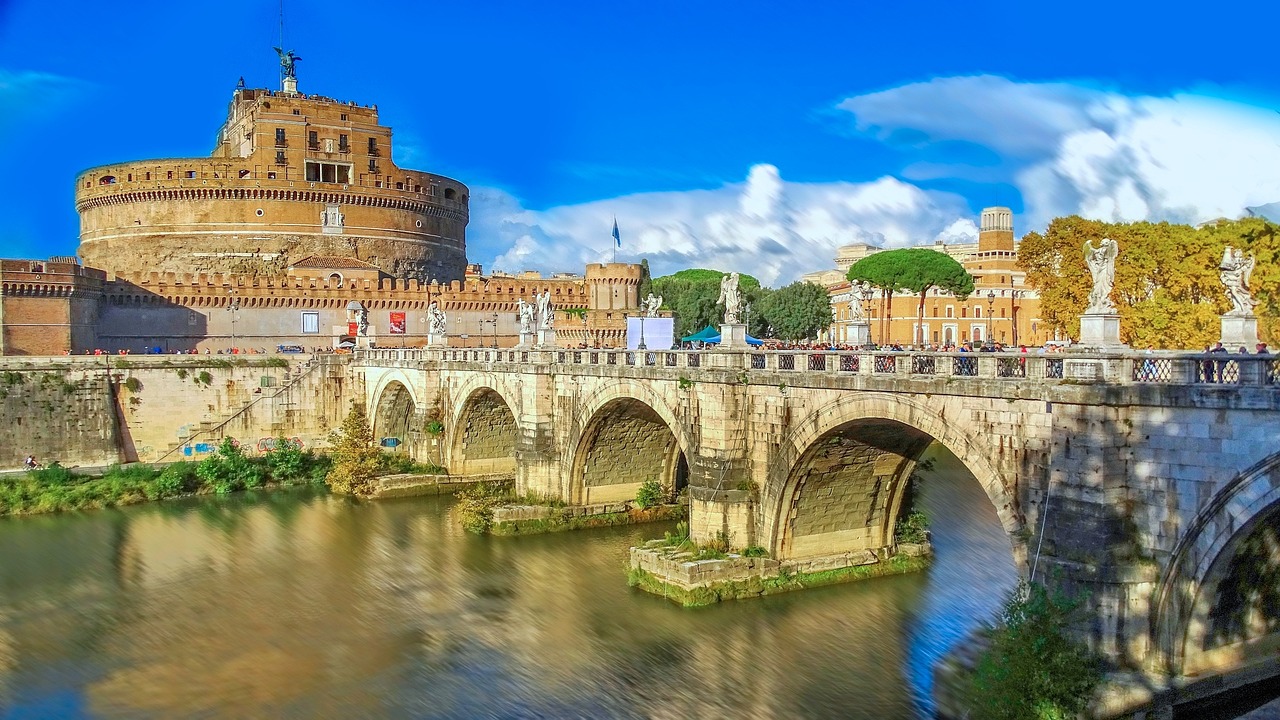
Arrive via Ponte Sant’Angelo, the ponte that feels like a ceremonial runway into the fortress located ahead. The angels lining the bridge pull you forward, and spotting Bernini’s work—especially the statue of an angel with its poised expression—adds a quiet thrill before you even cross the threshold.
Many travellers tell us their first emotion here is a surprising sense of time travel: part museum, part fortress, part legend. In Rome, that blend is a gift—an invitation to trust your curiosity, and to let history feel alive rather than distant.
Transition: Once you’ve taken in that first view, the real story begins—because this “castle” wasn’t born as a castle at all.




History of Castel Sant’Angelo from mausoleum to papal fortress history of castel sant’angelo mausoleum of hadrian Emperor Hadrian commissioned Rome
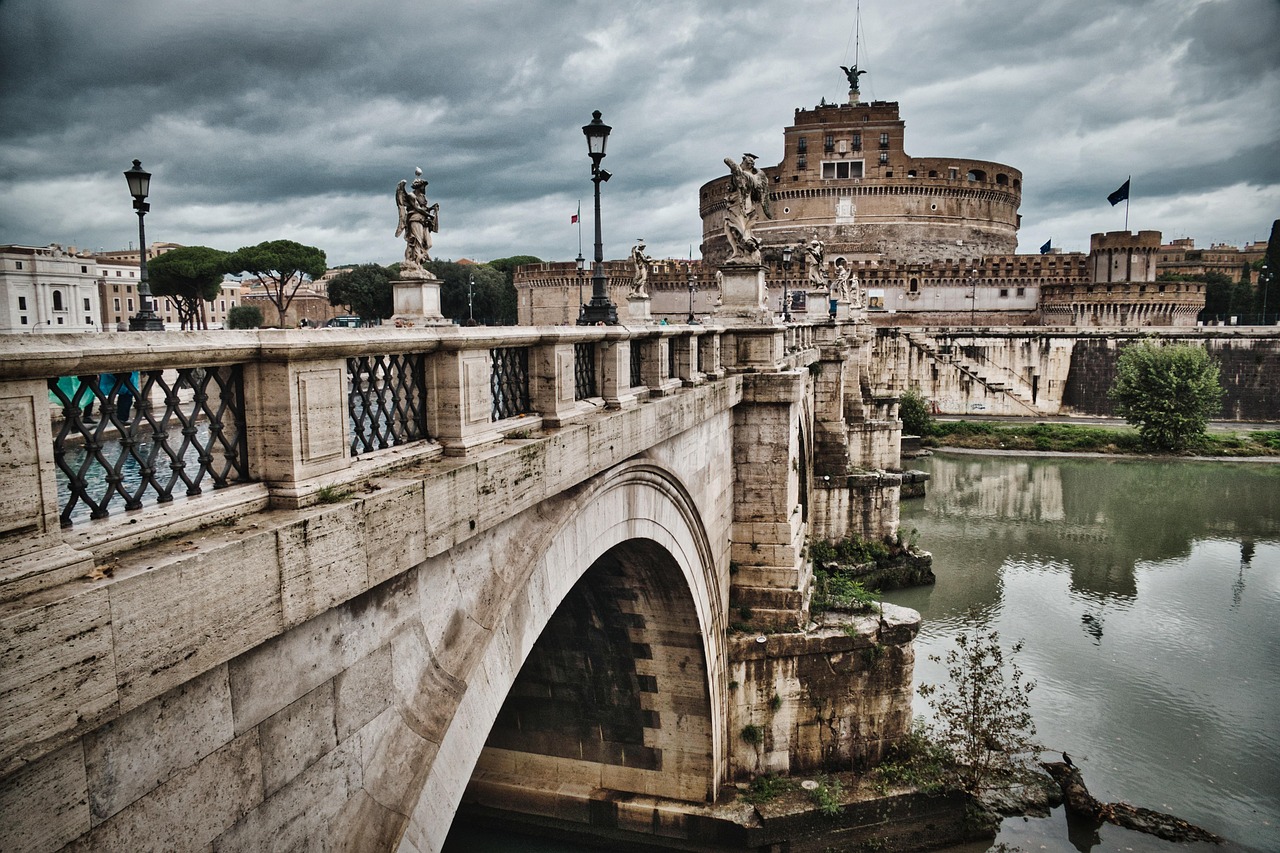
History of Castel Sant’Angelo from mausoleum to papal fortress
The history of castel sant’angelo mausoleum of hadrian Emperor Hadrian commissioned Rome begins with ambition, engineering, and an imperial desire to be remembered. Emperor Hadrian commissioned what was originally built as a monumental tomb—the mausoleum that would house his ashes and those of his successors, a striking statement in ancient Rome.
Construction was built between 123 and 139 AD, and by 135 it was already reshaping the skyline; it reached completion in 139. Calling it the mausoleum of hadrian is more than a label—it’s a reminder that before it was a fortress, it was an act of legacy, set close to the river as a formal gateway to the city.
From mausoleum to defensive walls and bastion
Over centuries, power in Rome shifted, and so did the building’s purpose. The tomb became a strategic stronghold, tied to the city’s defensive walls and the wider system of the Aurelian Walls. Its approach via the Aelian Bridge (the ancient predecessor to today’s bridge route) made it ideal for controlling movement across the river.
As threats changed, it evolved into a bastion—and eventually a fortress with a reputation for resilience. It was used as a prison at points in its long life, which adds a darker, adrenaline-tinged layer for travellers who enjoy uncovering the less polished edges of Rome’s past.
The 590 plague legend and Archangel Michael
Then comes the story that changes everything: the plague of 590. According to tradition, Pope Gregory processed through the city in prayer and saw michael the archangel—Archangel Michael—atop the monument, sheathing his sword. The vision was taken as a sign of the end of the epidemic, and the name Castel Sant’Angelo took hold, binding stone and legend together.
You still feel that blend of fear and hope in the place today. For a cultural enthusiast, it’s a powerful insight: Rome’s monuments don’t just “survive”—they absorb meaning.
Look closely and you’ll spot flashes of later eras too, from royal symbolism linked to Vittorio Emanuele II to stories of a solemn funeral procession passing nearby, with the castle as silent witness. In Rome, even a single building becomes a timeline you can walk through.
Transition: After the big timeline, the most satisfying part is stepping inside—because the rooms reveal how the city’s power once moved behind closed doors.
Inside the castle art, weapons and papal apartments inside the castle Castel Sant’Angelo museum papal apartments Sala Paolina fresco
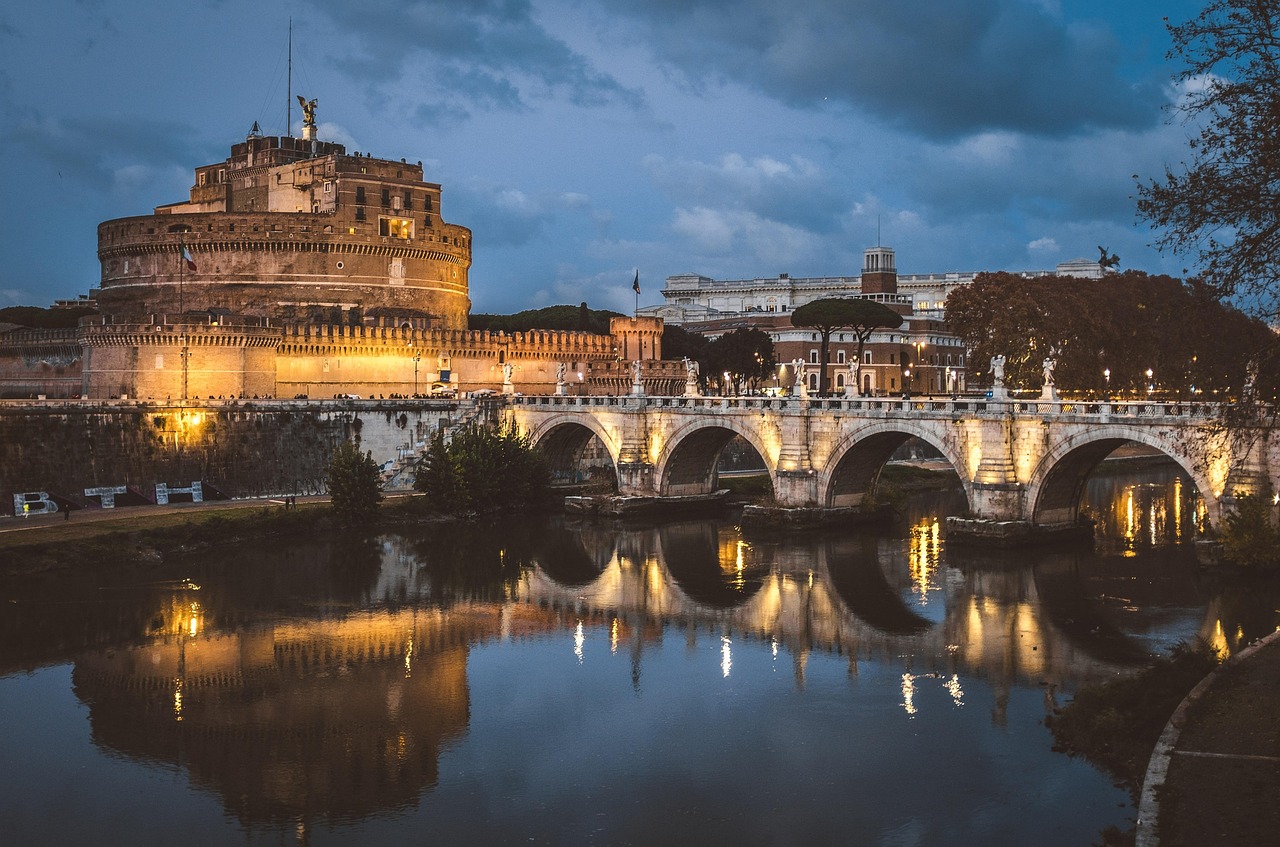
Inside the castle art, weapons and papal apartments
Inside the castle Castel Sant’Angelo museum papal apartments Sala Paolina fresco is where the experience becomes tactile: cool walls, sudden courtyards, and intimate rooms that feel unexpectedly lived-in. If you’ve ever wanted to see inside a place where faith, politics, and survival were designed to work together, this is it.
The visit often begins with a practical orientation: a cortile, museum signage, and info panels that help you discover what you’re looking at without needing to rush. Think of it as a curated trail through centuries—carefully crafted, but still open to personal interpretation.
Level-by-level highlights to see in Castel Sant’Angelo
Move with intention, but leave space for the unexpected. You’ll pass structural remnants of Hadrian’s time, then step into rooms that feel like a changing mood board of Rome itself. In places, you’ll notice the museum identity too—national museum style presentation within a building that never stops feeling like a stronghold.
If you’re choosing what to prioritise, these are reliable anchors for an adventure-friendly route:
- Atrium and early galleries for context and calm pacing before the climb.
- Weapon displays and ancient armour that add an edge to the cultural story.
- Courtyards and passages where you sense how each part of the castle once served a strategic purpose.
That mix—art and weapons, refinement and grit—creates a satisfying tension, especially for travellers who like their culture with a pulse.
Papal apartments and Sala Paolina
The papal apartments are where the atmosphere turns from military to private. These decorated rooms feel like a guarded refuge: a study, a reception space, and a sense of controlled elegance. It’s easy to imagine a papal residence here—protected, elevated, and quietly opulent in a city that could turn volatile overnight.
Don’t miss Sala Paolina. The fresco work is the sort that makes you fall silent mid-step, because it’s both devotional and political—power expressed through colour, allegory, and detail. If you enjoy noble family histories, you’ll also notice names like Farnese and Barberini woven into the broader narrative of patronage and influence.
Photography is generally allowed, but it’s wise to watch for restrictions in specific exhibition rooms. That small respect keeps your memories stress-free—and helps everyone enjoy the museum with care.
Transition: When you’re ready, the building leads you upward again—towards the wind, the light, and one of the most affecting viewpoints in Rome.
Terrace ramparts and panoramic Rome views at the top of the castle Castel Sant’Angelo terrace panoramic views Rome Tiber River statue
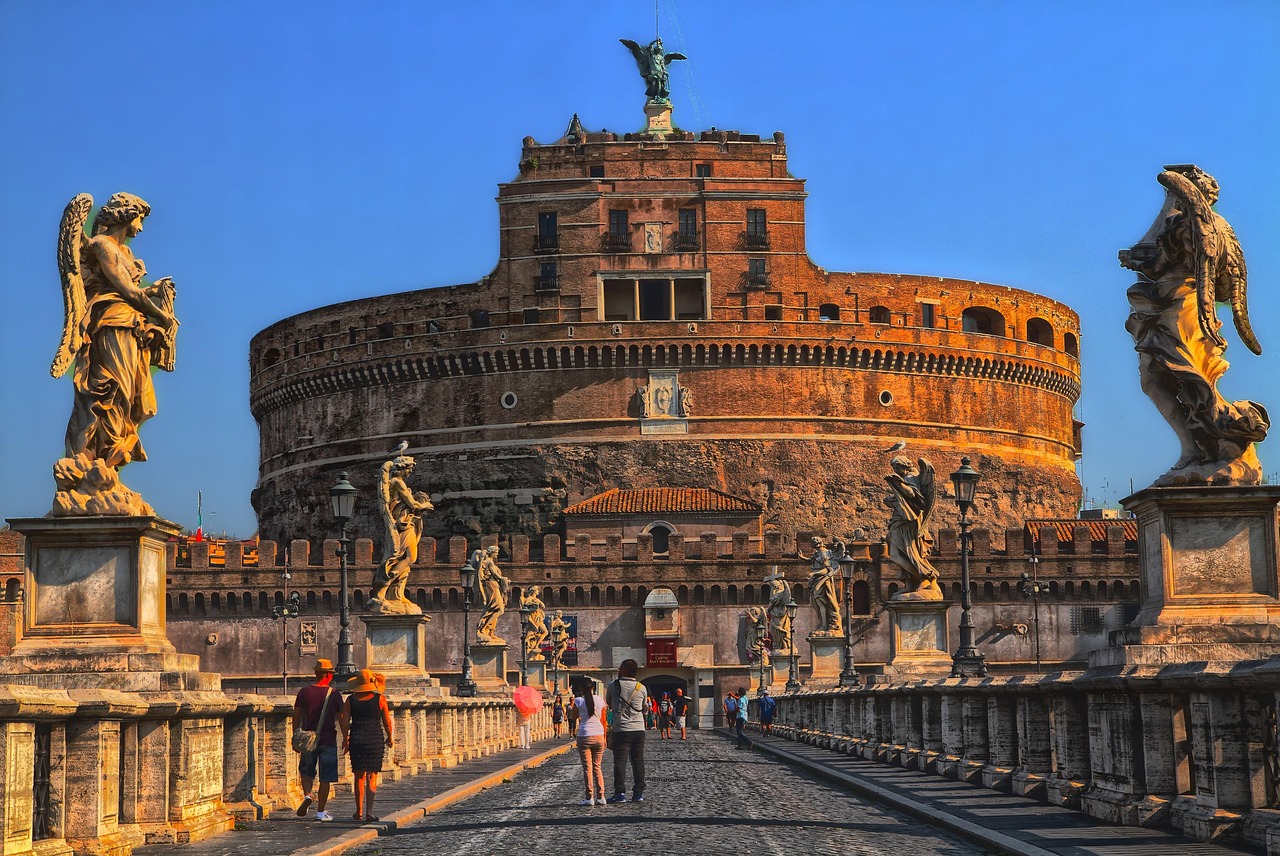
Terrace ramparts and panoramic Rome views at the top of the castle
Castel Sant’Angelo terrace panoramic views Rome Tiber River statue is the moment many travellers remember most vividly. The climb itself feels like part of the adventure—stone corridors and narrow turns giving way to open air—and then, suddenly, you’re on the terrace with Rome laid out in every direction.
This is the top of the castle where time seems to slow. People often share a quiet awe here, especially at sunset: the tiber below, the domes warming in late light, and the city humming at a distance. It’s not loud excitement—more a steady, personal realisation that you’re truly in Rome.
Panoramic sightlines for a trip to Rome
From the ramparts, you can orient yourself with confidence—an expert way to “read” the city. Look towards peter’s in Vatican City, then swing your gaze across rooftops and landmarks that define any trip to rome.
On a clear day, you can pick out favourites and plot your next walk:
- St Peter’s and the Vatican, glowing like a compass point.
- Navona and surrounding historic streets, a softer maze of Rome.
- The Colosseum and hints of the Roman Forum in the distance.
The view feels panoramic in the truest sense—less a photograph, more a living map you carry with you afterwards.
The statue and sword on top
Above you stands the angelic figure that anchors the legend: the statue of Michael with the sword on top—a visual echo of protection and warning. This statue of the angel is more than decoration; it’s a symbol that the city’s stories don’t just sit in museums, they hover over streets and riverbanks.
Stand there for a moment longer than you planned. Many travellers say it’s where they feel the deepest trust in their own curiosity—because Rome rewards those who pause.
Transition: If the terrace is the open-air crescendo, the next chapter is the opposite—quiet, hidden, and full of intrigue.
Passetto di Borgo the secret route connected to the Vatican Passetto di Borgo di borgo corridor connected to the Vatican City Castel Sant’Angelo
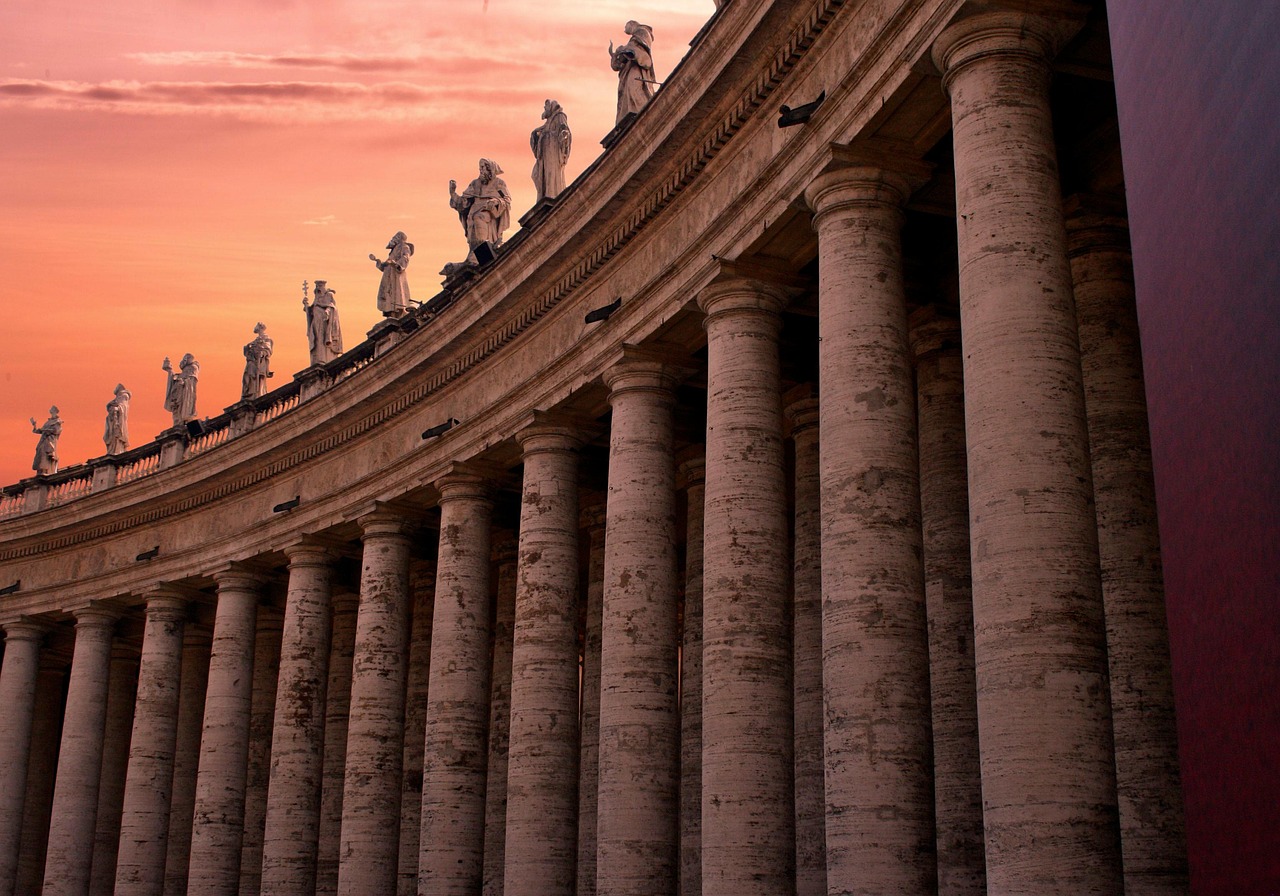
Passetto di Borgo the secret route connected to the Vatican
Passetto di Borgo di borgo corridor connected to the Vatican City Castel Sant’Angelo sounds like a legend until you understand what it really is: a fortified passage, built for escape and survival. The Passetto di Borgo is the spine of a very Roman idea—power needs a way out, just in case of danger.
For Adventure Seekers, it’s one of the most thrilling concepts in the city: a secret route you can almost feel under your feet, even when you’re not walking it. The mystery is real, but so is the reassurance—Rome designed these spaces for protection, and today they’re approached with museum-level care.
Why the di borgo corridor matters
The corridor was built to link the fortress and the seat of the Church, literally connected to the vatican through a hidden line of movement. This is why the story is inseparable from the Vatican itself: it’s about safeguarding leadership, not just architecture.
When access is offered, it’s usually via special openings or a guided tour format with controlled numbers. That structure makes the experience feel exclusive yet safe—designed for visitors who want deeper insight without any uncertainty.
What it feels like to move through secret corridors
Travellers describe it as cinematic: shadowed stone, narrow perspective, and the awareness of centuries of footsteps. One guest told us it felt like walking alongside silence itself—like Rome had turned down the volume so you could hear the past.
Even if you don’t enter the passage on your day, knowing it’s there changes how you see the area. The streets around the Borgo start to feel like part of a larger, hidden blueprint—Rome as a city of visible splendour and invisible strategy.
Transition: To keep the day feeling seamless, the final piece is practical—timing, tickets, and how to arrive with calm confidence.
Practical guide opening hours tickets to Castel and getting to Castel opening hours tickets to castel sant’angelo getting to castel Rome Italy official tickets guided tour
Practical guide opening hours tickets to Castel and getting to Castel
This opening hours tickets to castel sant’angelo getting to castel Rome Italy official tickets guided tour planning section is here so your experience feels crafted, not stressful. Rome rewards early starts, comfortable shoes, and a little local insight—especially if this is your first visit to the castel sant’angelo and you want it to run smoothly.
For most travellers, the best seasons are spring and autumn: mild weather, kinder light for photography, and fewer queues. If you can, arrive early in the morning for a quieter, more personal feel—your best chance to explore at your own pace and design the day around what excites you most.
Opening hours and official tickets with prices
Opening hours can vary by season and special closures, so check close to your date. Standard entry is typically around €15, with discounts for EU citizens under 25 and children; buy official tickets where possible for the most seamless entry.
If you want an experience upgrade, consider a guided tour for deeper context in the papal rooms, or look for unique twilight openings in peak periods when the ramparts feel almost theatrical. A good guide can support you with storytelling that makes the art, weaponry, and architecture click together.
Getting to castel and on-the-ground comfort
Getting to castel is refreshingly straightforward. The fortress is a 10-minute walk from the bridge approach, and public transport is reliable. If you’re coming from the Vatican side, metro connections around Ottaviano are handy, and buses also run through nearby arteries.
Bring comfortable footwear for uneven stairs and outdoor ramparts; this isn’t a polished palace corridor. Safety is generally high, but keep valuables secure in busy piazza areas, especially at peak hours.
For travellers who love tradition, ask locally about events and historic echoes—Rome has a way of surprising you. The Girandola fireworks tradition is a memorable cultural thread tied to the area, and stories of Lepanto drift through the city’s wider memory like an undertone. For more crafted inspiration across Italy, you can browse our Trip gallery when you’re ready to imagine what comes next.
Transition: After the planning and the stone, the real souvenir is less tangible—something you carry quietly, long after you’ve left the river behind.
What stays with you after Castel Sant’Angelo Castel Sant’Angelo Rome Italy personal reflection terrace sunset
Castel Sant’Angelo Rome Italy personal reflection terrace sunset is not just a memory of a monument, but a lingering atmosphere you can’t quite file away. Rome has a way of feeling perfectly preserved and yet always changing, as if each return visit edits the story slightly—like a thought you keep redesigning in your mind until it fits who you are now.
It might be the quiet weight of stone under your hand, or the way light settles on the river at dusk. Many travellers hold on to one intimate image: standing on the terrace as the city softens, the tiber river slipping below, and a calm sense of trust rising within you—proof that curiosity, handled with care, is its own kind of compass.
The layered identity lingers too: castel sant’angelo as mausoleum, as fortress for the popes, as refuge, as musei space, as museum of power and vulnerability. Somewhere between the weapon displays and the decorated rooms, you glimpse how a city survives—by turning fear into design, and urgency into craft.
And then there’s the human scale of it all. You leave thinking not only of grand corridors and angels, but of quieter thresholds: a half-open doorway, a shadowed stair, a hint of domus life hidden behind a façade. In the eternal city, that is the gift—an invitation to notice the next hidden passage with patience, and to let Rome reveal itself one ordinary street at a time.
F.A.Qs: Castel Sant’Angelo Rome Italy
F.A.Qs: Castel Sant’Angelo Rome Italy practical answers
Is it worth visiting Castel Sant’Angelo in Rome?
Yes—especially if you enjoy culture with a sense of adventure. You get a layered story (from imperial mausoleum to fortress and museum), excellent views over Rome from the terrace, and immersive rooms that feel both intimate and strategic. It’s also a manageable site: the route is clear, and you can tailor the pace to your energy while still leaving with real insight.
Why is Castel Sant’Angelo closed today?
Closures can happen for public holidays, special state events, maintenance, or occasional security needs due to its proximity to the Vatican area. The most reassuring approach is to check the official site or trusted ticket platform on the morning of your visit, then adjust your Rome plan with a nearby alternative such as a river walk or a museum slot.
Can you walk around Castel Sant’Angelo for free?
You can enjoy the exterior for free—walking along the river, approaching via Ponte Sant’Angelo, and taking photos of the castle’s dramatic walls. To enter the building and access galleries, ramparts, and the terrace viewpoint, you’ll need a ticket. Even without entry, the approach is one of the most photogenic walks in central Rome.
Is Castel Sant’Angelo connected to the Vatican?
Yes. Castel Sant’Angelo is historically linked to the Vatican by the Passetto di Borgo, a protected corridor created as an escape route in times of danger. Access to the passage is not always available, but it can open through special visits or guided tours. Knowing this connection adds depth to what you see inside the castle.