Post Contents
- A Famous Fountain Moment in Roma for a Trevi Fountain in Rome first visit experience
- Uncover the Trevi Fountain Baroque architecture history Nicola Salvi Italy with a famous fountain lens
- Coins Into the Trevi and the coin toss Trevi Fountain Italy toss a coin return to Rome
- Design a Seamless Trevi District Adventure with best time to visit Trevi Fountain Italy Barberini metro Tridente district
- After the Fountain What Stays With You for Trevi Fountain Italy reflection travel inspiration
- F.A.Qs: Trevi Fountain Italy
A Famous Fountain Moment in Roma for a Trevi Fountain in Rome first visit experience
A Famous Fountain Moment in Roma as the Trevi Fountain appears between Rome’s winding lanes
The Trevi Fountain doesn’t announce itself with a grand boulevard; it reveals itself in a sudden, cinematic opening between lanes, right at the junction of three streets. For many travellers, that first glimpse feels like stepping into a living stage set—water’s roar, stone’s glow, and a crowd that somehow still leaves space for private awe. If you’re arriving with an adventurous spirit, the thrill is not just seeing it, but discovering how the city’s tight streets can hide something so vast.
One adventure seeker told us they stumbled upon the Trevi Fountain at dawn, when the sky was still pale and the city felt freshly washed. They had planned to sightsee later, but instinct pulled them down a quiet lane—and suddenly the fountain was there, almost empty, as if Rome had opened early just for them. That calm start created real confidence for the rest of their day: a few unhurried photos, a deep breath, and the sense that the Eternal City can be met on your own terms.
Travel inspiration in the piazza as water meets street life
Even on busier days, the piazza is part of the experience: performers, artists, and the lively hum of conversation set a tempo that feels unmistakably Roman. You’ll hear the water first, then feel the scale—towering figures, dramatic shadows, and a soundscape that softens traffic and time. Around the edges, artisans and small stalls add local colour, and it’s easy to imagine how generations have returned here for the same simple pleasure: stand, look, listen.
The Trevi Fountain is one of those landmarks you can reach naturally while walking between key sights in the city of Rome—think the Spanish Steps, or even looping your day from ancient ruins towards a more modern café stop. The fountain is easily accessible on foot, and that matters for high-end travellers who value a seamless flow over a rigid checklist. With the right pacing, you can explore without rushing, letting Rome feel crafted around you rather than conquered.
Design your first look with care and trust
Crowds can feel intense here, especially mid-morning to late afternoon, but there’s a reassuring truth: you don’t need to “win” the moment. If you arrive early, or return late, the atmosphere changes completely—and if you prefer support, a well-designed plan can remove friction. At Designer Journeys, we help you create a grounded first encounter, so your experience is personal, calm, and together with the city rather than against it.




Uncover the Trevi Fountain Baroque architecture history Nicola Salvi Italy with a famous fountain lens
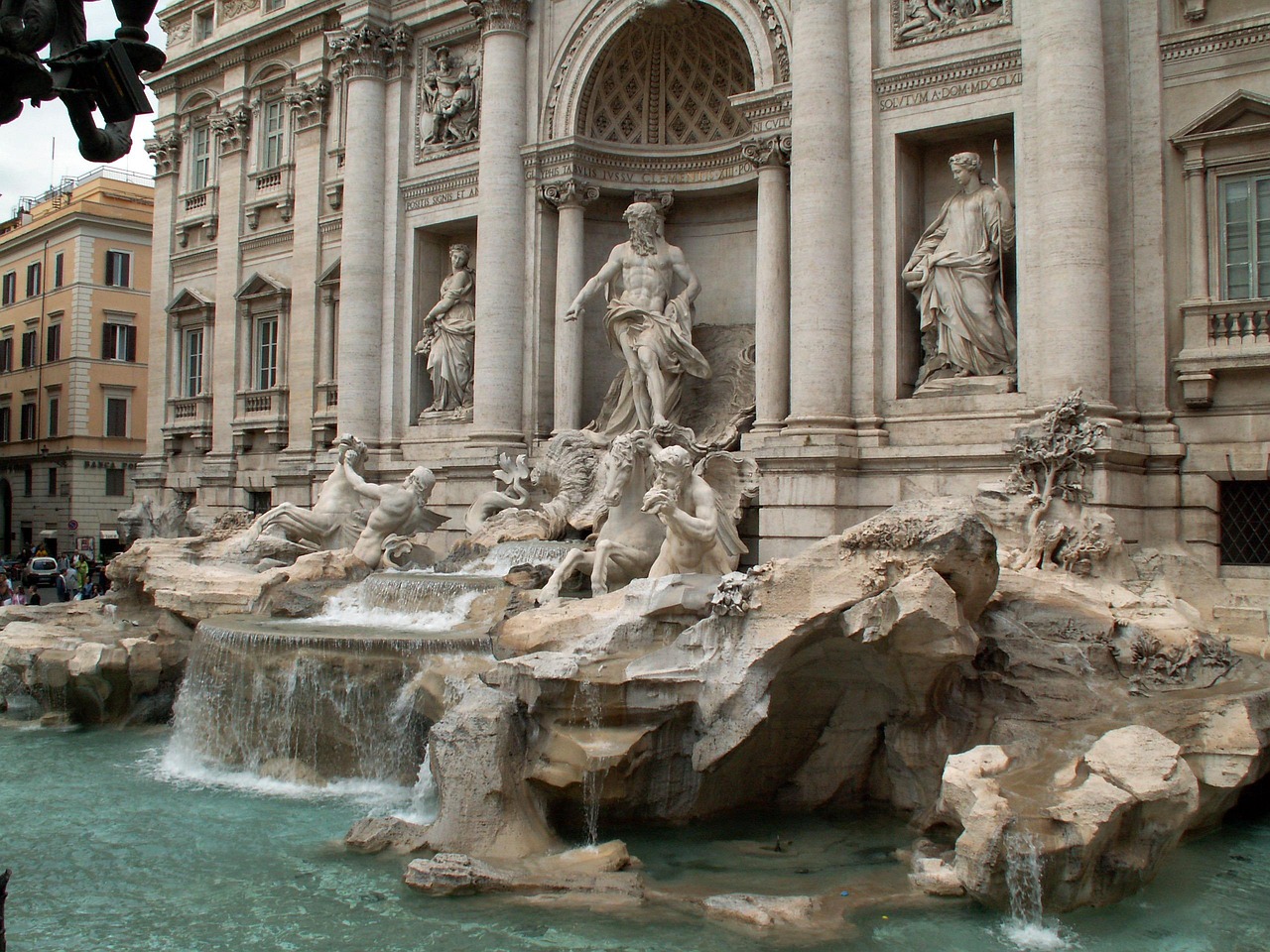
Uncover the Baroque Fountain in Rome with the Trevi Fountain’s sculpted façade
To appreciate the Trevi Fountain baroque architecture history Nicola Salvi Italy is to see more than a beautiful backdrop—it’s to read a layered story of engineering, papal ambition, and public art. The Trevi Fountain was built as a Baroque masterpiece linked to an ancient aqueduct, and that connection matters: this is beauty with a practical purpose. Long before postcards and reels, the Virgo aqueduct carried potable water into Rome, shaping daily life as much as it shaped the city’s imagination.
The project gained momentum under pope clement xii, who commissioned a new fountain worthy of Rome’s theatrical spirit. Work began in 1732, led by architect nicola salvi, and the fountain was completed in 1762—an arc of time that mirrors Rome itself: patient, layered, and always becoming. If you enjoy cultural context, this is the kind of history that makes stone feel alive.
La Fontana di Trevi sculpture read like a story
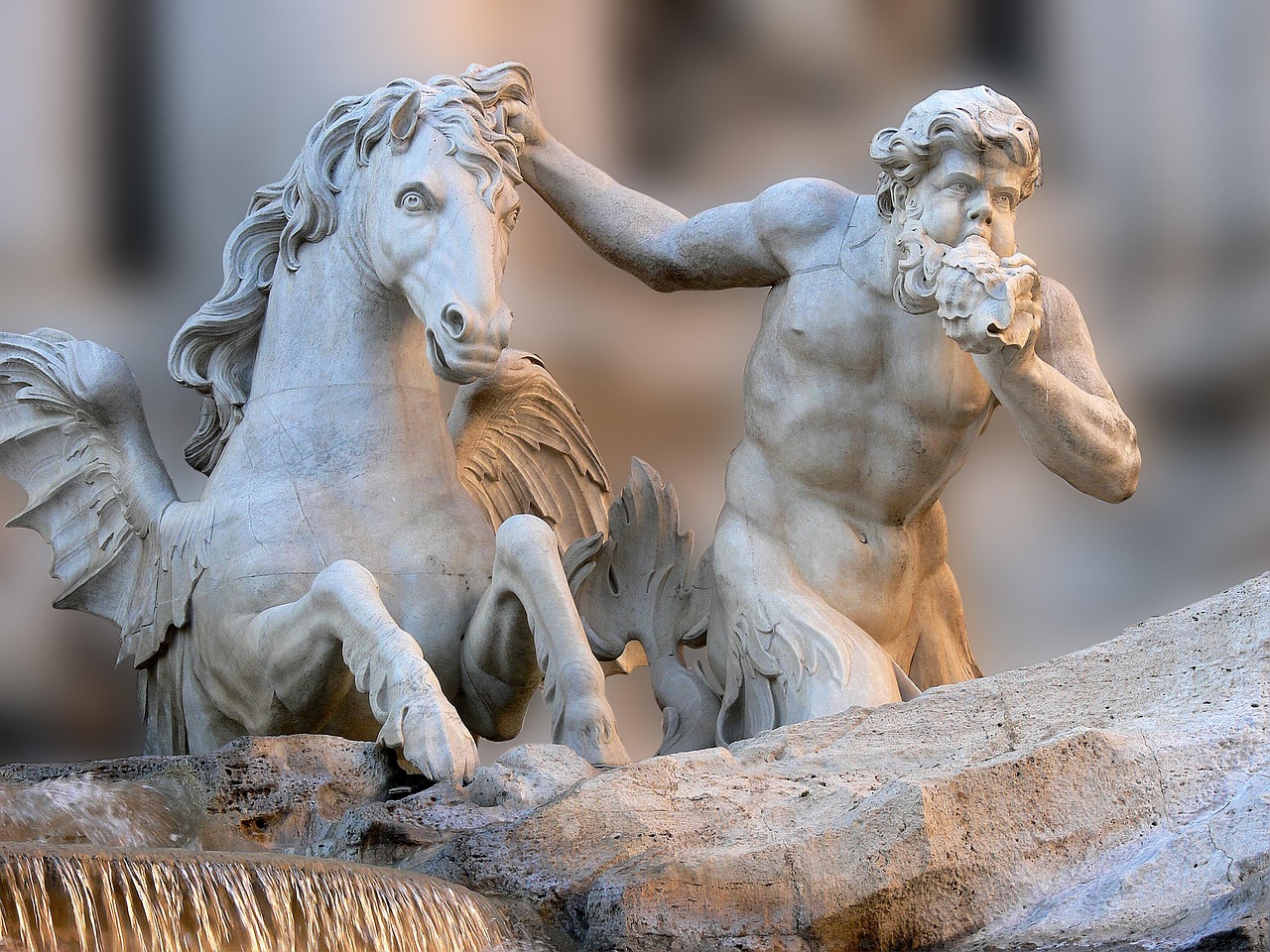
At the centre stands Oceanus, often mistaken for Neptune, riding a shell-shaped chariot. Look closer and you’ll spot tritons guiding sea horses, their movement carved into stillness with dramatic skill. The chariot pulled through a cascade of water feels like a freeze-frame from myth, and the whole scene is framed by the palazzo façade behind it—specifically Palazzo Poli—turning architecture into theatre.
There’s a reason this Italian fountain has become Rome’s most famous: it’s not just scale, but storytelling you can feel in your chest. The travertine stone holds light beautifully, shifting from honey to silver depending on the hour. And while photographs capture the outline, being there captures the sound—water that seems to move through you, not just past you.
Bernini’s influence and the artists who preserved Rome’s most famous fountain
Although Nicola Salvi’s vision defines what you see today, Bernini’s earlier ideas and Bernini’s flair for dramatic urban staging hover in the background of the fountain’s design story. Some travellers like to trace the “what-ifs” of Rome, including the influence of pope urban viii and the artistic currents swirling through the city around 1730. In paintings, giuseppe pannini captured the daily theatre of Rome’s most famous fountain and its surrounding piazza life, reminding us that crowds and wonder have always coexisted here.
If you’re the type who travels for insight, pause for a moment and notice how the palazzo backdrop amplifies the figures—an intentional trick of baroque architecture. It’s a famous fountain, yes, but it also sits among the famous fountains in the world because it makes public space feel elevated, shared, and deeply human. The fountain’s fame endures because it is art you don’t have to enter a museum to experience.
- Look for motion: sea horses, swirling drapery, and the sense of water “breaking” through stone.
- Notice the setting: the façade turns the square into a stage where everyone becomes part of the scene.
- Listen: the roar is part of the design, not an accident—sound creates atmosphere.
Coins Into the Trevi and the coin toss Trevi Fountain Italy toss a coin return to Rome
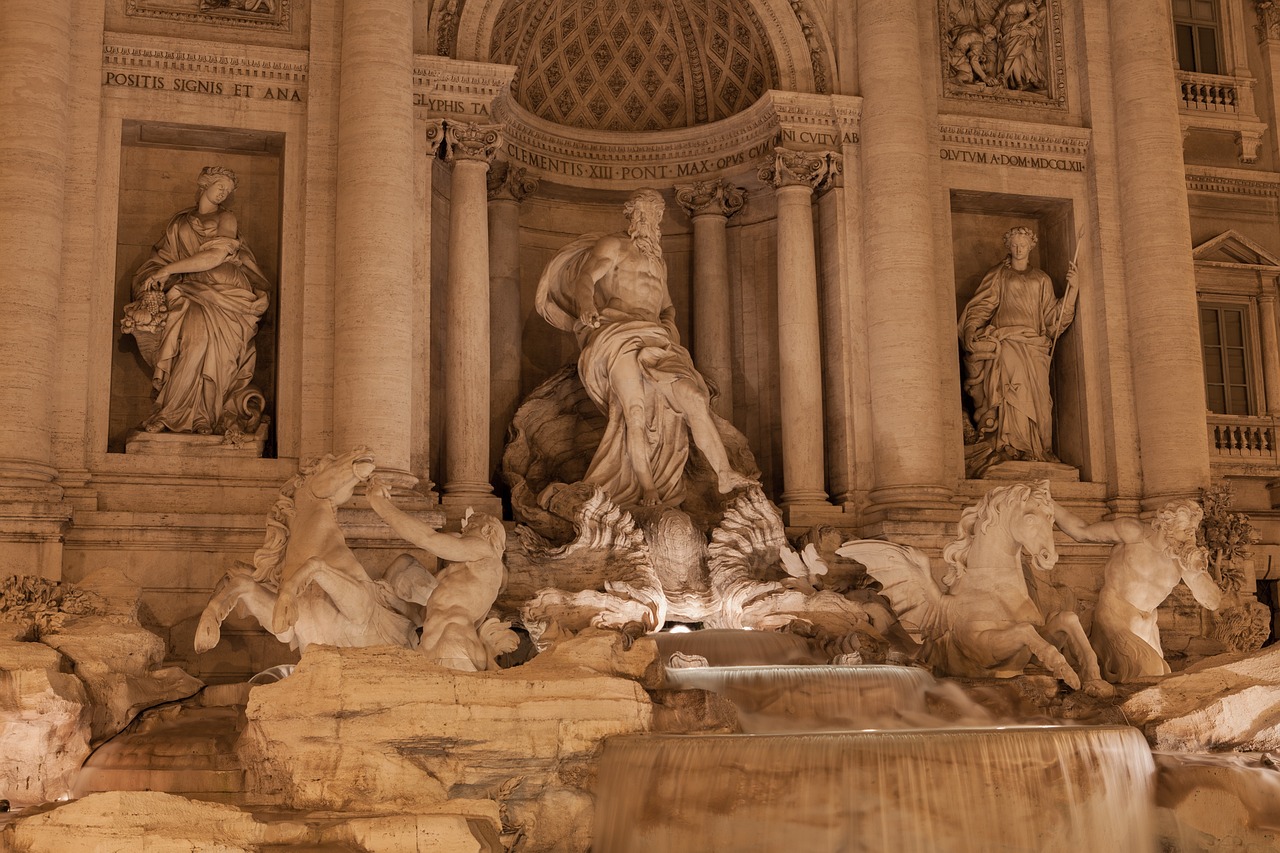
Coins Into the Trevi and the coin toss ritual at the Trevi Fountain
The coin toss Trevi Fountain Italy toss a coin return to Rome tradition is delightfully precise, and that precision is part of the fun. Stand with your back to the water, using your right hand to throw a coin over your left shoulder, and let it arc behind you. That single gesture—throw a coin, then listen for the tiny splash—has carried centuries of hope, and many visitors say it makes the vastness of travel feel suddenly personal.
Folklore shifts depending on who you ask, and it’s best held lightly. One coin is said to ensure your return, a simple wish for return to Rome that feels both romantic and practical. Others choose two coins for the “find love” story, while three coins appears in some modern retellings as a bolder twist, sometimes called the third coin legend. Whatever you believe, tossing coins can be a grounding ritual in a busy square.
Coins into the Trevi with meaning and local support
It’s worth knowing that coins thrown into the water are collected and directed towards charitable work via caritas, turning private wishes into a shared support system. In that sense, the tradition mirrors Rome at its best: individual stories held together by community. If you’re travelling with family, it can become a gentle teaching moment—one family told us how they explained the sculptures to their children while sharing gelato nearby, creating a multi-generational link to the city.
There’s also a quiet thrill in the action itself. A solo traveller once described the moment as unexpectedly moving: the Trevi Fountain’s grandeur made them pause, breathe, and reflect on where they were headed next. Sometimes, a coin into the fountain is less about superstition and more about giving yourself permission to imagine a return—back to Rome—when life allows.
Ritual etiquette with confidence and care
Because the Trevi Fountain is protected by law, treat it with respect: don’t sit or climb on the edges, and keep the flow moving so everyone can have their moment. If you’re photographing, step aside after you’ve got what you need; that small courtesy keeps the experience gracious. The best memories often come from feeling part of something shared, not from holding the front row too tightly.
For travellers who prefer a little more ease, we can design a guided stop that includes local insight on where to stand for photos without blocking the main approaches. Your guide can also share a simple tip: watch the rhythm of the crowd, then throw the coin when there’s a natural pause—so the coin into the water lands with a satisfying splash, not a stressful fumble.
Design a Seamless Trevi District Adventure with best time to visit Trevi Fountain Italy Barberini metro Tridente district
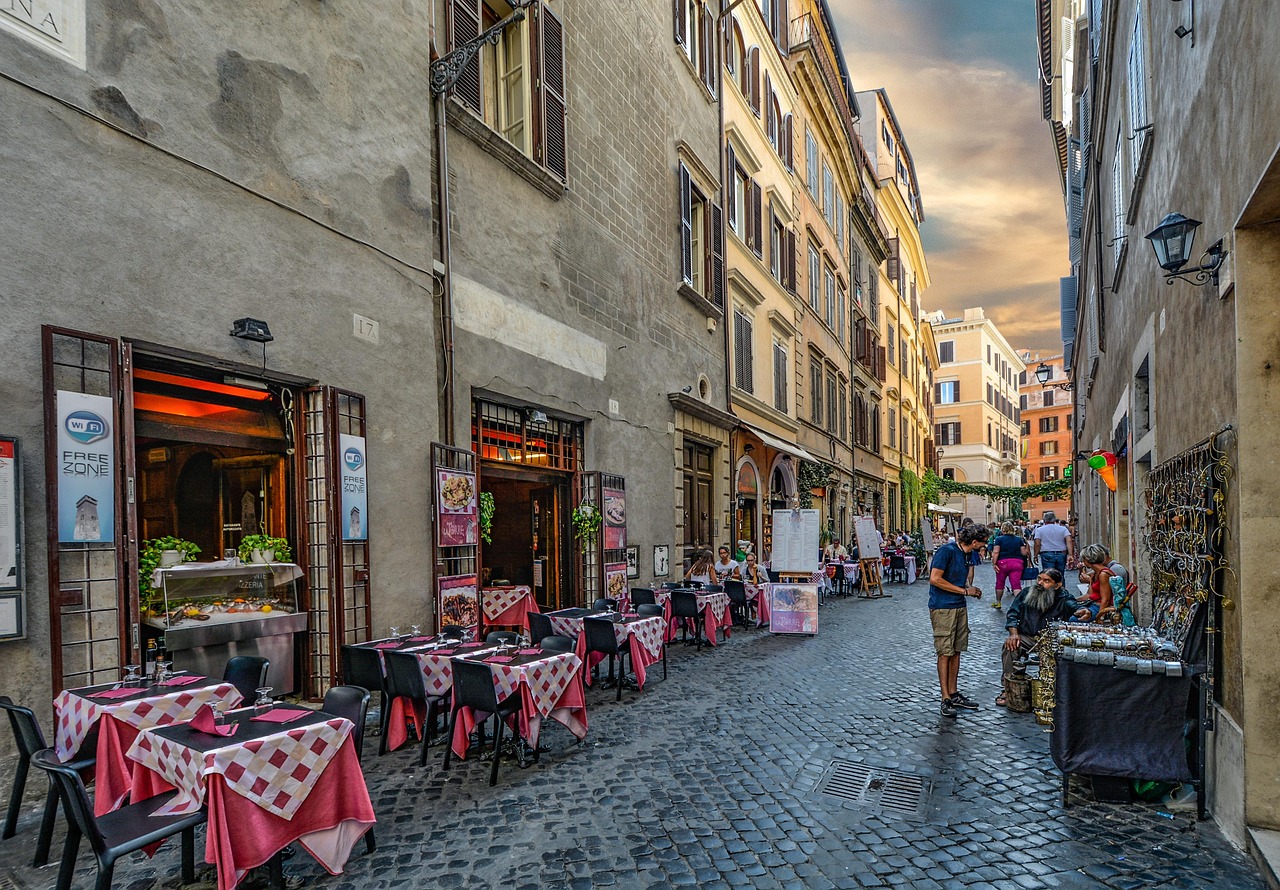
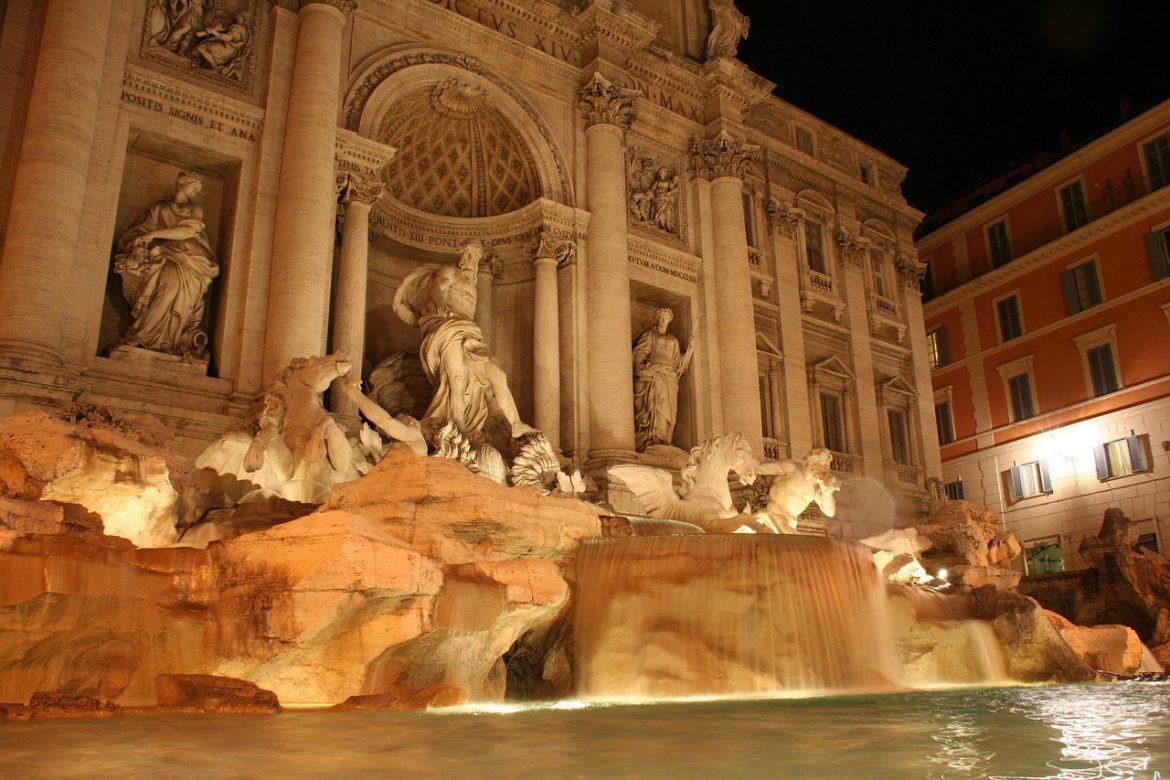
Design a Seamless Trevi District Adventure near the Trevi Fountain at night
If you’re searching for the best time to visit Trevi Fountain Italy Barberini metro Tridente district routes, think like an adventurer with taste: choose edges, not peaks. Early morning offers breathing room and cleaner photos; late evening brings a different kind of magic as illumination turns water into liquid light. A nighttime visit can feel romantic and quietly daring at once—Rome softened, sound amplified, and the fountain’s drama made even more cinematic.
For logistics, Rome’s metro system is straightforward, and Barberini on Line A is the closest stop. From there, the walk becomes part of the pleasure: slip through lanes such as via dei crociferi, notice small courtyards, and let anticipation build as you approach the square. If you’re balancing the Colosseum and other headline sights, this area slots in beautifully as a later pause—less about ticking boxes, more about letting the city unfold.
Best time to visit and how to arrive feeling seamless
There’s no entrance fee, which keeps the Trevi Fountain wonderfully democratic, but it also means timing matters. Bring a small euro coin (or a couple), and keep a little € handy so you’re not searching through a wallet in a crowd. Comfortable shoes are non-negotiable: cobblestones are part of Rome’s charm, but they’re easier to enjoy when your feet feel cared for.
If you’d like your day to feel crafted rather than improvised, consider booking a private or small-group experience with travel experts who understand pacing. You can browse our Trip gallery for inspiration, then design a route that keeps the Trevi Fountain as a highlight without letting it dominate your day. The goal is a seamless experience that leaves room for spontaneity, not a schedule that squeezes it out.
Explore the Tridente district with local style
The Trevi district connects naturally with the Tridente district, where Rome’s shopping and café culture feels polished yet alive. This is where you can explore unique boutiques, linger over espresso, or lean into la dolce vita with an unplanned aperitivo stop. You’ll also find a pleasing route towards the Spanish Steps—an easy continuation if your group wants one more iconic scene before dinner.
- Safety with ease: stay vigilant for pickpocketing in the densest moments, and agree a simple meet-point if travelling together.
- Photo strategy: step to the outer edges for wider shots, then return for detail close-ups.
- Comfort: pack light, keep valuables close, and give yourself time to simply listen to the water.
One seasoned visitor told us their favourite memory wasn’t a perfect photo, but the street-scene: performers, artisans, and the sound of water as a constant backdrop. That’s the real adventure here—letting a famous landmark lead you into smaller, local moments you couldn’t have planned.
After the Fountain What Stays With You for Trevi Fountain Italy reflection travel inspiration
Trevi Fountain Italy reflection travel inspiration often arrives later, once you’ve walked away and the sound of water fades into the wider city. You might remember the brightness of stone under evening lights, or the way the crowd briefly fell quiet as someone’s coin disappeared into the blue-green surface. The Trevi Fountain can feel like a shared living room for the Eternal City—art in public space, offered to everyone, asking nothing except your attention.
There’s a particular kind of awe that stays with you: not the rush of a checklist, but the steady sensation of having stood before something made with care and belief. Perhaps you’ll recall Oceanus and his sweeping presence, or the moment you noticed how the palazzo façade turns sculpture into theatre. And perhaps you’ll remember yourself there—calmer than expected—realising you can trust your own pace in a city that so often tempts people to hurry.
Voices, laughter, street music, families leaning in for a better view, solo travellers pausing in quiet thought—these details stitch the memory together. In that mix, it’s easy to feel part of something bigger, together, without needing to prove anything. Rome has a way of gently reminding you that wonder isn’t rare; it’s simply what happens when you slow down enough to notice.
Long after Italy becomes a story you tell at dinner, you may find the fountain returning in small flashes: the imagined weight of a wish, the cool air near the water, the softened light on stone. A simple ritual can be a turning point—not because it promises certainty, but because it invites curiosity. And sometimes, that quiet curiosity is how the next journey begins.
F.A.Qs: Trevi Fountain Italy
F.A.Qs: Trevi Fountain Italy with sculpture details and the Palazzo Poli backdrop
Why is the Trevi Fountain so famous?
The Trevi Fountain is famous for its monumental Baroque design, its dramatic sculptures, and the way it transforms a small square into a theatrical public space. It’s also linked to Rome’s water history through an aqueduct, and it’s beloved for the coin-toss tradition that connects visitors across generations.
What movie made the Trevi Fountain famous?
While the Trevi Fountain has been celebrated for centuries, the film Roman Holiday helped cement its modern, international allure by romanticising Rome’s streets and iconic landmarks. Many travellers still arrive with that classic, cinematic image of the city in mind.
What is behind the Trevi Fountain?
Behind the Trevi Fountain is the grand façade of Palazzo Poli, which acts as an architectural stage set for the sculptures and flowing water. The building’s presence amplifies the fountain’s scale and drama, making the whole scene feel like a carefully composed artwork within the city.
What does the word Trevi mean in Italian?
Trevi is commonly linked to “tre via” or “three roads”, referring to the spot where three roads meet near the fountain. That idea of converging streets fits the experience perfectly: winding lanes lead you in, and suddenly the fountain appears as if you’ve reached a hidden centre.