Post Contents
- Vatican City essentials to visit the Vatican City Rome Italy with the official website
- Saint Peter and St Peter’s Basilica with Michelangelo Dome climb Italy
- Vatican Museums and Sistine Chapel with Michelangelo Raphael Rooms Italy
- St Peter’s Square with Bernini colonnade and papal audience Pope Italy
- Necropolis within the Vatican City with guided tour San Pietro Italy
- What stays with you after Vatican City
- F.A.Qs: Vatican Rome Italy travel planning
Vatican City essentials to visit the Vatican City Rome Italy with the official website
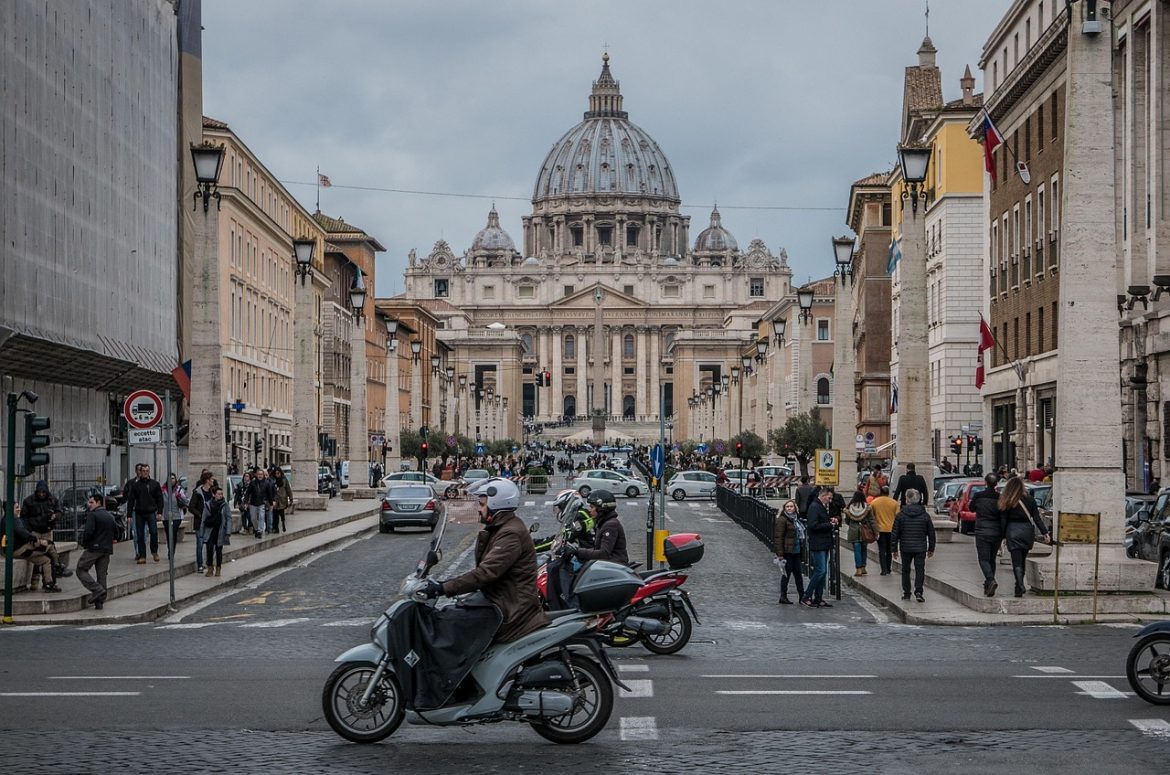
Vatican City essentials before you visit the Vatican in Rome Italy with planning tips and calm routes
If you’re using visit the Vatican City Rome Italy planning official website searches to shape your trip, you’re already thinking like a designer—starting with clarity, then building the feeling. The Vatican is both a tiny city-state and the home of the Holy See, which sits at the centre of the wider Catholic Church and the Roman Catholic Church. That layered identity is part of why it’s a UNESCO World Heritage site: you’re not just seeing monuments, you’re stepping into a place where faith, governance and creativity have been intertwined for centuries.
For high-end travellers who want adventure without stress, the essential mindset is this: you’re here to explore the Vatican with steady pacing and a little structure. You’ll be walking on stone for hours, often under bright sun, so comfortable shoes and water aren’t “basic”—they’re the foundations of a day that feels curated rather than chaotic.
Arriving smoothly from the heart of Rome
From the heart of Rome, the simplest routes are designed for speed and ease. Take Metro Line A to Ottaviano-San Pietro (a brisk, lively walk through Prati), or to Cipro (handy for the Vatican Museums entrance). Buses also run frequently towards the Vatican area, but if you want predictable timing, metro plus a short walk is usually more seamless.
Create a calm walking plan: arrive early, pause briefly for water, and don’t burn your energy on the first queue you see. The Vatican’s security checks are airport-style—metal detectors, bag inspection, and patient lines—so pack light and keep your essentials accessible.
Vatican tickets, timing and when a guided tour helps
For the museums, the best support you can give yourself is to buy tickets in advance. Use the official website to book Vatican tickets with timed entry; it’s the most reliable way to reduce waiting and protect your energy for the art. Expect security checks to add time even with reservations, so build in a buffer and keep your morning unhurried.
A guided tour adds real value if you want deeper insight without needing to read every plaque. It’s also a smart choice when you’re short on time, because a good guide will design an efficient route and help you uncover quieter corners.
- Shoulder seasons (spring and autumn) bring kinder weather and slightly lighter crowds.
- Start early, then take a local coffee pause in Borgo or Prati to reset without losing momentum.
- Dress modestly—cover shoulders and knees—and keep a light layer for interior coolness.
Interesting facts that actually matter on the ground: the Lateran Treaty was signed on February 11, establishing the modern Vatican as a sovereign entity. That Vatican City state status explains why entry feels like crossing into a distinct jurisdiction—security, etiquette and rules are consistent, and it’s worth treating the day with the same respect you’d give any national landmark.
If you’d like to keep your wider Italy trip feeling crafted, browse our Trip gallery for inspiration that pairs Rome with slower, more personal stays beyond the city.




Saint Peter and St Peter’s Basilica with Michelangelo Dome climb Italy
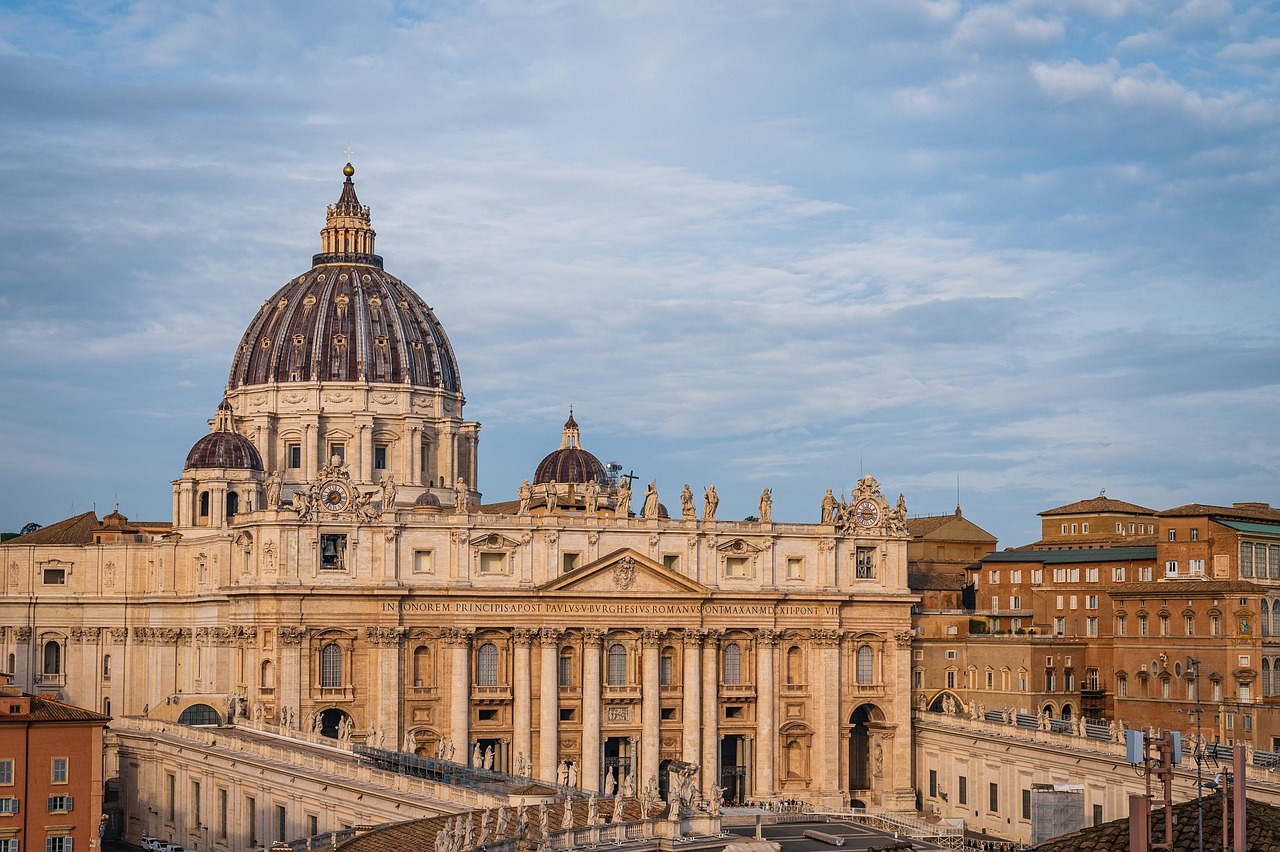
Saint Peter and St Peter’s Basilica the climb, the calm, the craft
When your notes read Saint Peter St Peter’s Basilica Michelangelo Dome climb Italy, you’re aiming for the moment where adventure meets reverence. St Peter’s Basilica is a place you can enter for free, yet it feels immeasurably rich—an anchor point for a pilgrim, a historian and a design lover all at once. To experience it well, arrive early, move with confidence, and allow the scale to slow your breathing rather than speed it up.
From Constantine to completed in 1626
The storyline is long, but it can be held simply. The first great church here began under Constantine in the 4th century, and centuries later it was rebuilt into the form we recognise now. Along the way you’ll hear names like Bramante, Maderno and della Porta; the building’s central nave draws you forward like a runway, guiding your gaze towards light and stone in measured rhythm.
The final structure was completed in 1626, but what you feel inside is less “date” than atmosphere—quiet grandeur, immense craft, and the sensation of moving through a living archive.
Entry flow, security and the cupola climb
The queue patterns shift day by day, but the flow is predictable: security first, then a steady stream into the basilica. Keep your bag minimal, stay hydrated, and let patience be part of the experience; this is one of those places where calm manners help everyone stay together.
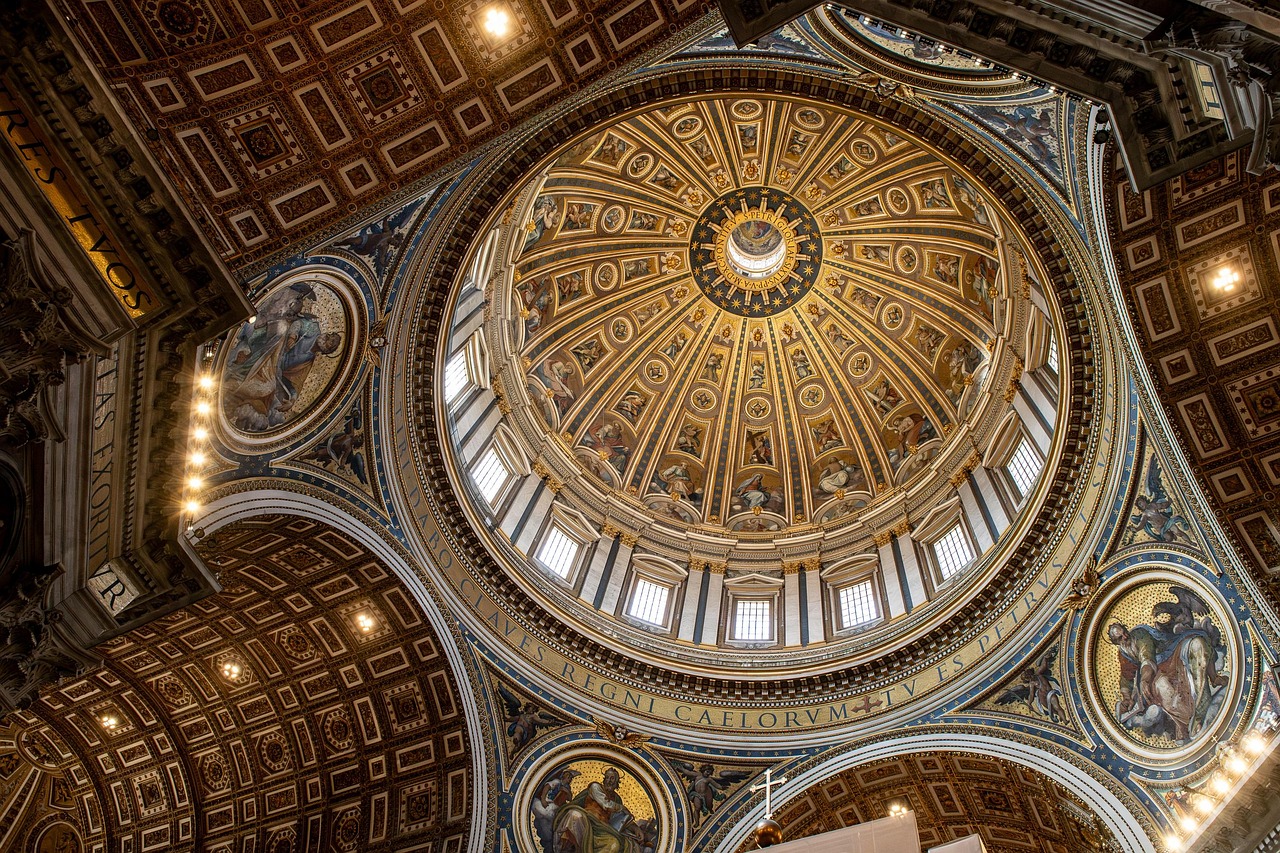
Now for the adventure-seeker reward: the cupola. A traveller once told me that climbing to the top of the dome felt like “earning” Rome—step by step, their perspective widening until Rome’s rooftops spread out like terracotta waves. At the summit, the wind carried a kind of clarity, and the view turned into a personal moment of awe and reflection rather than just a photo.
If you’re choosing between lift and stairs, design it around your stamina and timing. The last section is on foot regardless, and it’s narrow—so it’s best when you’re comfortable with close quarters.
Inside, look for elements often described as designed by Michelangelo, and take time with sculptural details without blocking the flow. Keep voices low, step aside for prayerful visitors, and remember that care is part of good travel. This is also why many describe it as the largest church in the world and a largest Christian landmark—its cultural weight is matched by living meaning.
Finally, hold a little space for the story beneath: the tomb of Saint Peter and the sense of continuity that draws generations back to Saint Peter’s—not only as tourists, but as seekers of history, beauty and belonging.
Vatican Museums and Sistine Chapel with Michelangelo Raphael Rooms Italy
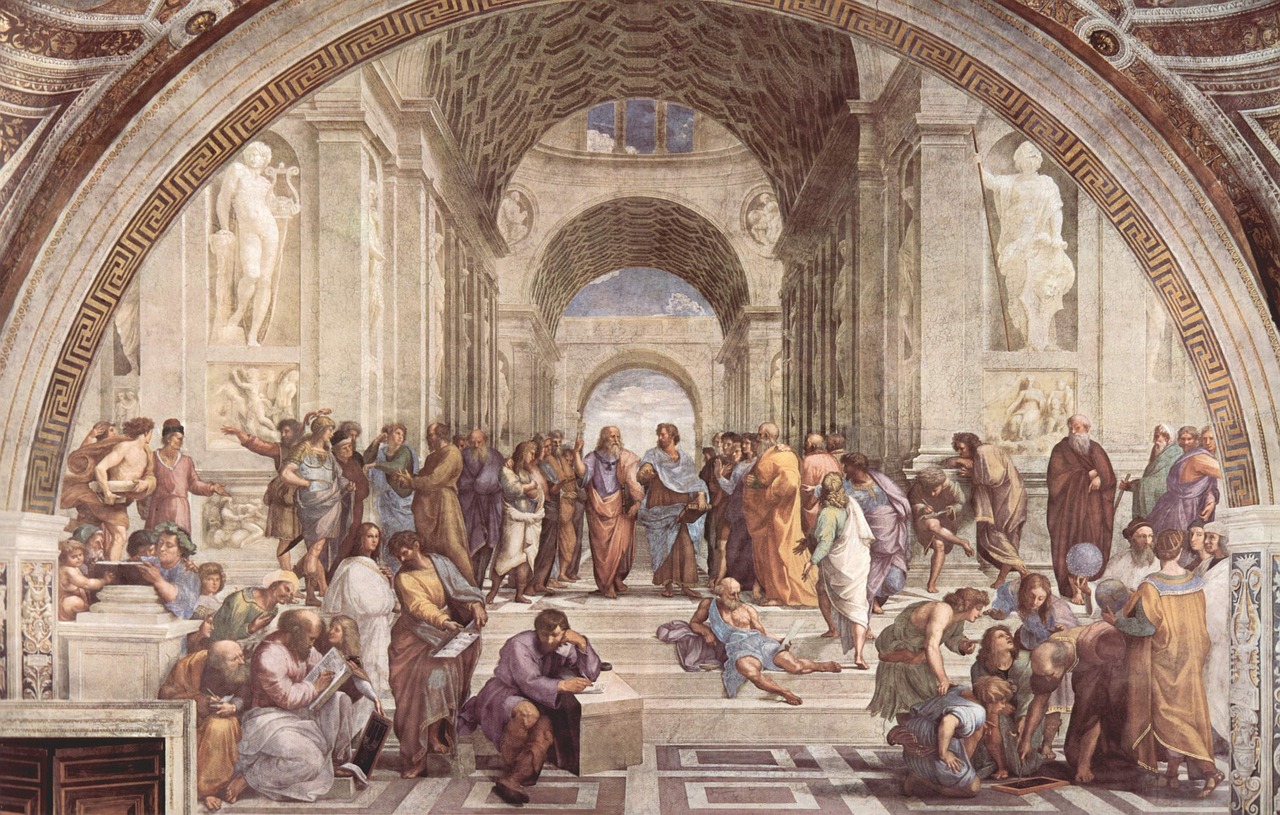
Vatican Museums and Sistine Chapel art you can feel
If your search trail says Vatican Museums Sistine Chapel Michelangelo Raphael Rooms Italy, you’re ready for an art morning that feels intentionally crafted. The Vatican Museums can overwhelm even expert travellers, so the secret is to design your route: protect your energy early, then spend it on the rooms that matter most to you. Think of the museums as a long, beautiful corridor of choices rather than a checklist.
Plan the Vatican palaces like a designer
Enter with a timed ticket, keep your water accessible, and look for moments of stillness between galleries. The skip-the-line advantage isn’t just about time—it’s about emotional bandwidth. With a calm start, you’ll be more present for the artwork that stops you in your tracks.
It helps to know that parts of the collection grew from a pivotal moment in 1506, when collecting and commissioning accelerated. Today the museums are open to the public, but the feeling is still that you’re moving through layered private worlds—corridors, courtyards and palace spaces built to frame power and beauty.
Julius II, Raphael and an emotional Sistine Chapel encounter
To make the history human, hold one name in mind: julius ii—also known as pope julius ii—whose ambition shaped the artistic direction of the era. The Raphael Rooms are a perfect place to slow down: stand close enough to see brushwork and step back to see the composition click into place. Choose one fresco detail—a hand gesture, a fold of fabric—and let that be your anchor for active looking.
Then comes the Sistine Chapel. One visitor, who had studied Michelangelo’s ceiling for years, told me the real impact wasn’t intellectual—it was physical, like their chest tightened as the scale became real. Seeing Michelangelo’s work in person turned “art history” into a living encounter, and they left in a kind of quiet gratitude.
To keep the experience seamless, know the etiquette: silence cues are strict, photos are not allowed, and staff will keep the crowd moving. If you’re travelling as a group, decide a meeting point outside the chapel so you can move with less stress and more trust.
- Artists to notice without overload: Raphael, Perugino, Botticelli, Angelico and Beato Angelico.
- One masterpiece moment: pick a single ceiling panel to study for 60 seconds—then let yourself simply look.
- When crowds rise, take a micro-break in a quieter gallery before continuing.
By the time you exit, you’ll likely feel both full and slightly untethered. That’s normal; the museums are built to do that—layering beauty until you feel time expand.
St Peter’s Square with Bernini colonnade and papal audience Pope Italy
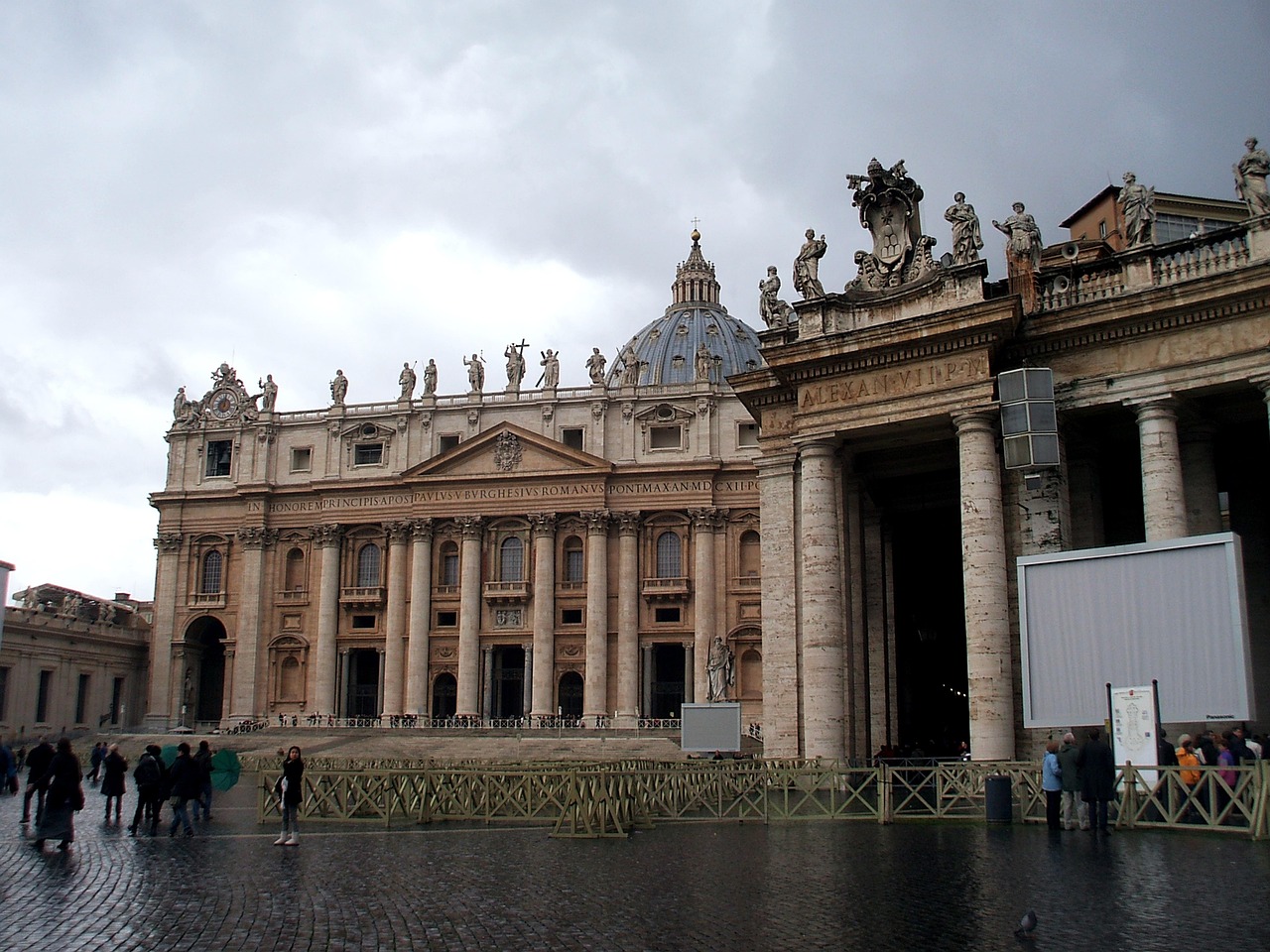
St Peter’s Square Bernini’s design and a papal moment
For travellers searching St Peter’s Square Bernini colonnade papal audience Pope Italy, this is where architecture becomes emotion. Peter’s Square is a grand piazza designed to hold thousands, yet it can still feel personal when you stand in the right place and let the geometry settle around you. The space is theatrical in the best Baroque way—made for movement, gathering and that first inhale when you realise how vast it is.
Bernini, baroque drama and a feeling of welcome
The sweeping colonnade is the genius touch: arms of stone that curve as if to gather the crowd. Gian Lorenzo Bernini shaped the square under Alexander VII, and the result is pure baroque confidence—symmetry, depth, and a sense of ceremony even on an ordinary morning.
To uncover the design, try this: stand near the centre line and watch how the columns visually “stack” as you shift position. It’s a simple movement that turns you from spectator into participant.
How to experience a papal moment with care
A papal gathering—often called a papal audience—can be one of the most spiritual and cultural experiences in Rome, whether you are devout, curious, or simply open. You may see the pope appear to greet pilgrims and visitors; what to expect is a long wait, sun exposure, security checks, and a surprisingly tender atmosphere when the crowd settles.
One adventurer described the anticipation as a shared heartbeat: standing together among thousands, they felt unity rather than anonymity. If you want that experience with confidence, bring water, wear a hat, and keep your shoulders and knees covered. Most of all, give yourself support by choosing a spot with a clear exit route—so you can step out if heat or crowds become too much.
Context, without heaviness: the pontiff leads a global community and works with the Curia, the administrative body you may hear referenced in commentary. Even if you’re not part of the faith, the moment can still feel meaningful—an encounter with history in motion, held in a very human space.
For photographs, early light is gentler and helps you capture stone texture without harsh contrast. Then, once you’ve taken your shot, try standing still for thirty seconds—your own quiet inside the crowd.
Necropolis within the Vatican City with guided tour San Pietro Italy
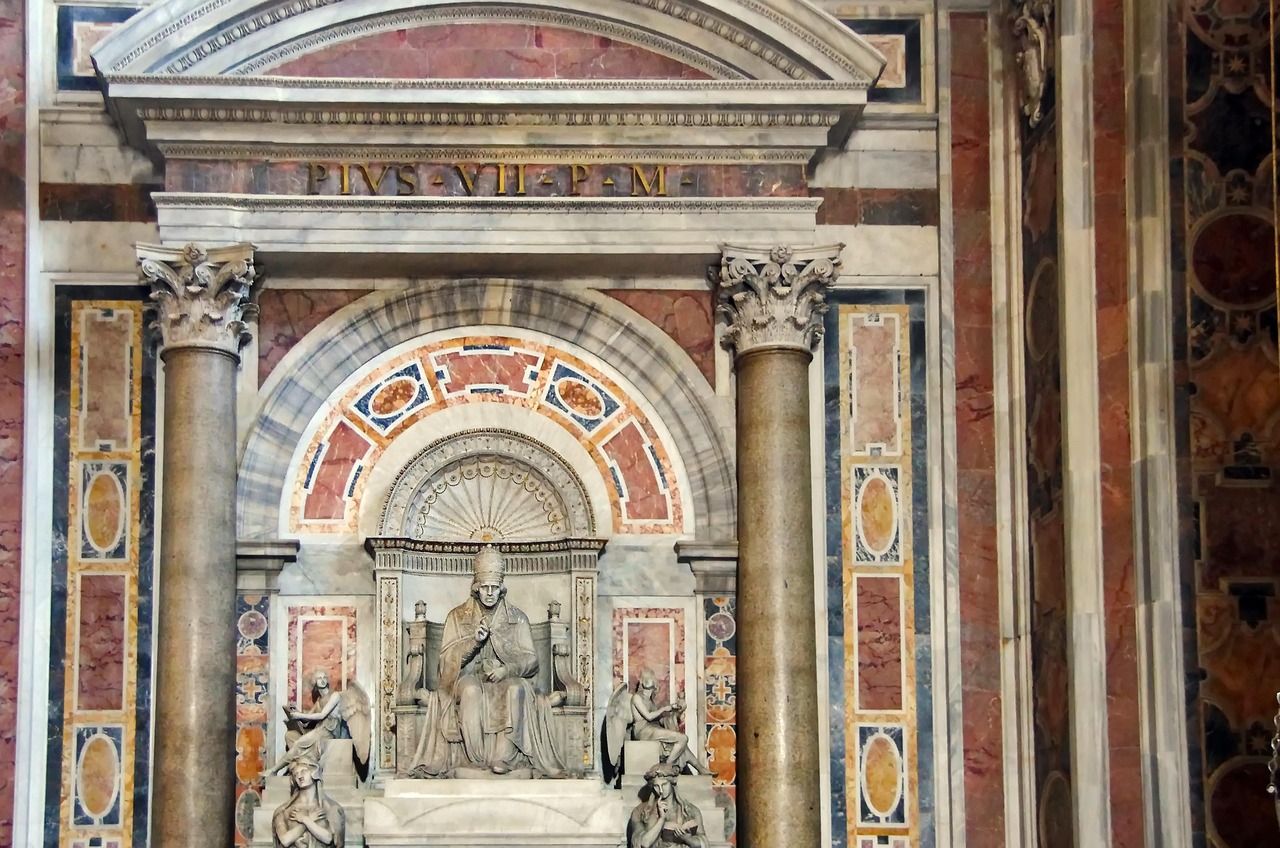
Necropolis and hidden layers within the Vatican City
If you’ve been searching Vatican necropolis tomb of Saint Peter San Pietro Italy guided tour, you’re looking for the Vatican’s most intimate layer. The necropolis experience takes you beneath the basilica into a quieter world of ancient corridors and tombs. It’s usually accessed via a pre-arranged guided tour, and emotionally it feels different from the grandeur above—more enclosed, more reflective, and often surprisingly moving.
Vatican necropolis history and Pius XII excavations
The Vatican necropolis preserves ancient Roman layers, including 1st century AD burials that reveal how this area once functioned as a cemetery outside the old city. Excavations during the era of Pius XII reshaped modern understanding of early Christian Rome, and they’re often connected in visitor imagination to the tradition of the tomb below the altar.
Because numbers are limited, treat this like a micro-journey: arrive a little early, carry minimal belongings, and bring your calm attention. The aim isn’t to “do it fast”, but to step carefully through time.
Behind the scenes names and Vatican administration
You may hear references to the Vatican library or wider Vatican administration, which can sound opaque. In simple terms, these are parts of the institution that preserve knowledge and manage daily governance; the cardinal secretary of state is a senior figure you might hear mentioned in news or guide commentary. It’s not something you need to study—just a little cultural literacy that helps you feel oriented.
Planning-wise, this is where many travellers struggle: fitting the underground visit into a day that also includes the basilica and the museums. If you’re doing basilica and the vatican museums in one day, protect your energy with a shaded lunch break in Prati and a slow fifteen-minute reset before heading underground.
- Refuel well: water, something salty, and a short seated pause before the next security line.
- Look for “San Pietro” signage on maps and stops—use it as your navigation anchor.
- Choose one intention: history, architecture, or personal reflection—then let the visit unfold.
Names you’ll spot (and why they matter): Nicholas III and Nicholas V appear in stories of building and patronage; Sixtus IV echoes through Renaissance legacy; and popes like Urban VII and Urban VIII appear in timelines and inscriptions (you may also hear “pope urban” in casual narration). In more recent memory, John Paul II is a name many visitors recognise, threaded into modern pilgrimage and remembrance.
What stays with you after Vatican City
Long after you leave Vatican City, it’s often the sensations that return first, not the facts. The hush that gathers after the Sistine Chapel, when even the busiest minds fall quiet for a moment. The wind at the top of the dome, where the city feels both close and impossibly old, and your own thoughts become clearer as the skyline stretches away.
You might remember the soft echo of footsteps in stone corridors, the way light slides across marble, or how the crowd in the square felt like a living tide—sometimes overwhelming, sometimes strangely comforting. There is no single correct response to sacred places: wonder, overwhelm and calm can all be honest companions, and you don’t need to perform any particular emotion to have “done it right”.
Art, faith and history meet differently in each person. For some, the Vatican is a gallery of genius; for others, it’s a homecoming of belief; for many, it’s simply a day when the scale of human creation becomes undeniable. Let your response be personal, and trust your pace—because meaning tends to arrive softly, often after you’ve already walked back into Rome.
If you carry anything home, let it be one small detail: the curve of bernini’s embrace, a patch of Roman light, or a memory of silence held among strangers—quiet proof that the journey continues inward, long after you’ve left the city behind.
F.A.Qs: Vatican Rome Italy travel planning
Is the Vatican in Rome Italy?
The Vatican is within the city of Rome, but it is its own sovereign city-state surrounded by Rome, Italy. In practice, you reach it using Rome’s transport and neighbourhoods (like Prati), yet you’ll notice distinct security, rules, and an independent governance linked to the Holy See.
Can you wear jeans at the Vatican?
Yes, jeans are generally fine, as long as your outfit meets the modest dress code. Aim to cover shoulders and knees when entering religious sites such as St Peter’s Basilica. Avoid ripped or very short styles, and bring a light layer so you can adjust easily without stress.
Which pope had mistresses?
Some popes in earlier centuries were surrounded by scandal, and historical sources discuss relationships and mistresses in certain papacies. It’s a complex topic because records vary in reliability and context. If this interests you, a reputable history guide or museum commentary can provide balanced background without sensationalism.
Is Vatican free to enter?
Entry to St Peter’s Basilica is free, though you still pass through security and queues can be long. The Vatican Museums require paid tickets, and booking timed entry in advance is strongly recommended. Special areas, such as the necropolis, typically require a guided visit and separate arrangements.