Post Contents
- Florence Duomo first look at Santa Maria del Fiore for planning and pace in Duomo Florence
- Brunelleschi dome climb Florence Italy 463 steps booking with confidence for the Brunelleschi dome
- Santa Maria del Fiore cathedral interior Vasari Zuccari fresco Florence with art acoustics and the crypt
- Baptistery of San Giovanni Gates of Paradise Giotto bell tower Opera del Duomo Museum Florence in one crafted circuit
- What stays with you after the Florence duomo reflections Santa Maria del Fiore dome Italy
- F.A.Qs: Santa Maria del Fiore and the Duomo Florence
Florence Duomo first look at Santa Maria del Fiore for planning and pace in Duomo Florence
Florence Duomo first look at Santa Maria del Fiore
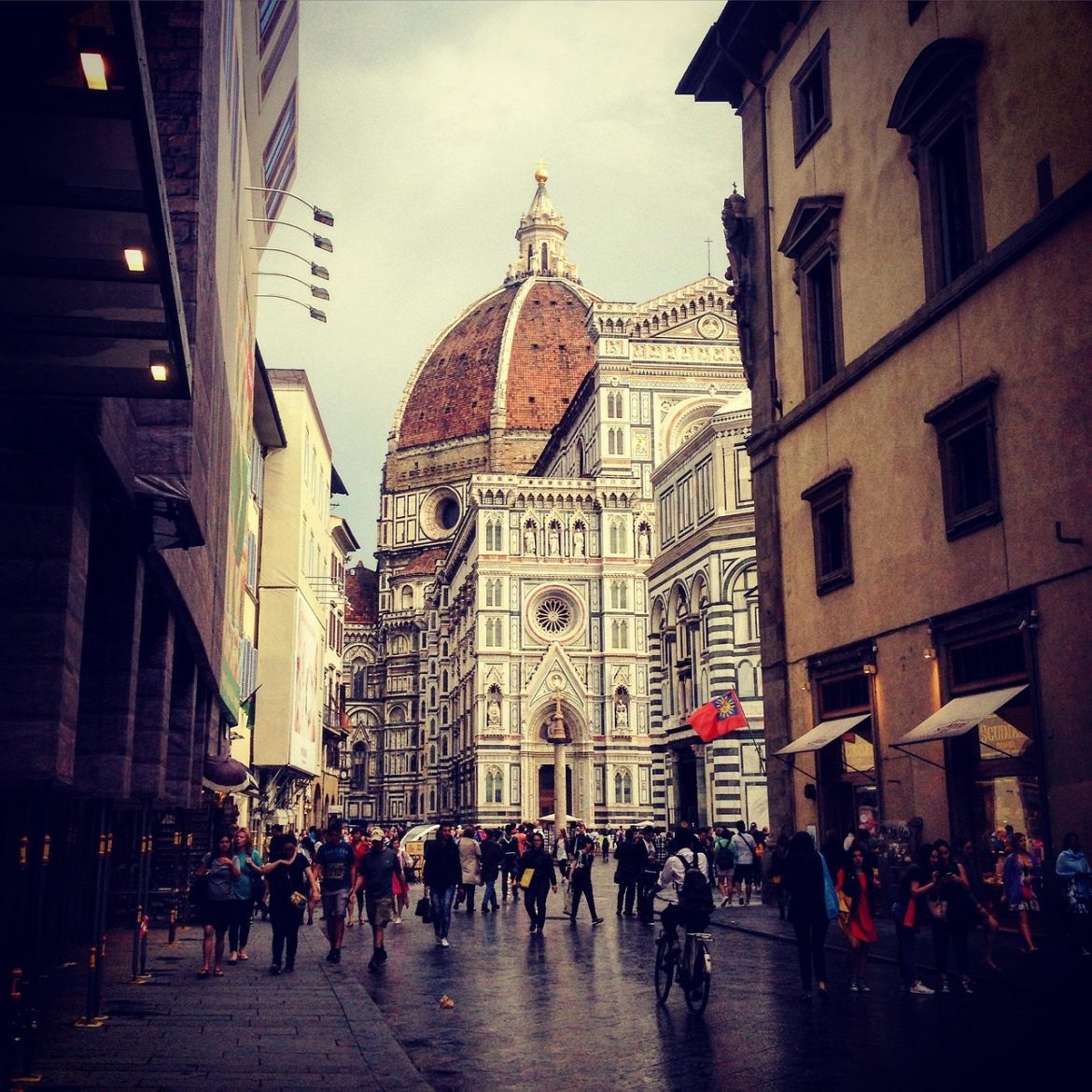
For Florence duomo Florence Italy planning Santa Maria del Fiore cathedral, begin by simply arriving—slowly—into Piazza del Duomo, the UNESCO-protected heart where Florence feels both grand and surprisingly human. The cathedral of Florence is a symbol of Florence not because it shouts for attention, but because it rewards the traveller who chooses to pause, look up, and let the day unfold with care.
Orient yourself first: the cathedral, the baptistery, the bell tower, and the museum all sit within a few minutes’ walk, yet each asks for a different tempo. If you’re an adventure seeker, you’ll feel the pull of the dome immediately, but give yourself permission to explore the square before you climb—your confidence comes from context, not speed.
Uncover the story behind the Duomo of Florence
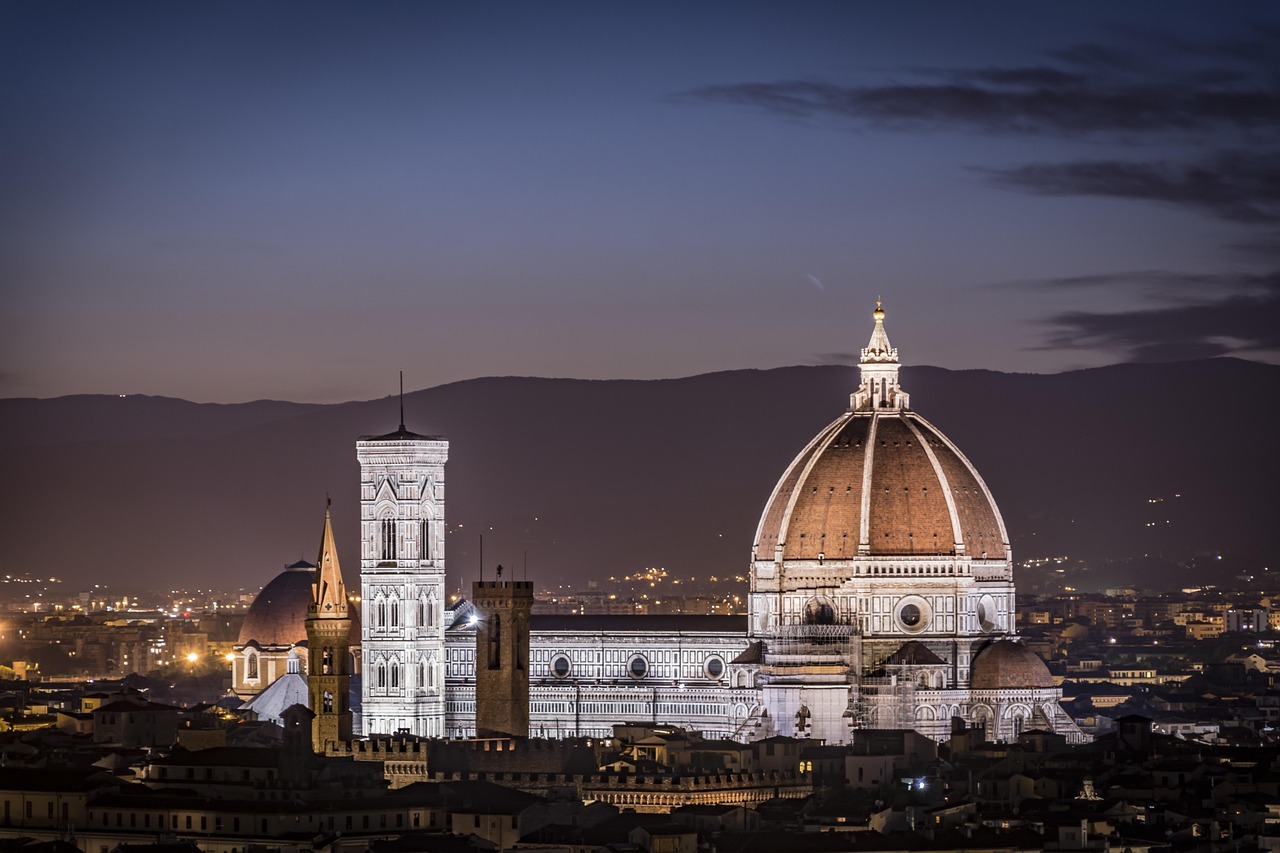
The project was designed by Arnolfo di Cambio at the end of the 13th century, with the first stones set in 1296. The early vision was Gothic in spirit—reaching upward, purposeful—yet the skyline-defining leap came later when Filippo Brunelleschi solved the impossible: how to raise a huge dome over an octagonal, polygonal base without traditional wooden centring. By 1434, the rising cupola was already changing Florence’s horizon, and on 25 March 1436 the church was consecrated, a moment that still feels present when the light hits the stone.
It’s worth holding one quiet truth: Santa Maria del Fiore is one of the largest churches in the world, and among the largest churches in the world by scale, yet it sits comfortably within a walkable city. That contrast—immense ambition, intimate streets—is part of what makes the duomo feel so crafted.
Exterior details that make the first look unforgettable
Step close and you’ll see the cathedral’s polychrome marble patterning, with green marble accents that shift colour as clouds pass. The façade you see today is largely 19th-century work by de Fabris; it’s ornate, theatrical, and photogenic, but the calmer magic often hides on the side of the cathedral where the crowds thin and the geometry reads more clearly.
Arriving is easy: the complex is accessible by bus, or it’s around a 15-minute walk from Santa Maria Novella station. For a more seamless start, aim for early morning or late afternoon—better light, less heat, and a gentler rhythm between sites. If you want to go deeper later, keep this Trip gallery saved as a daydream for another Italian return.
Before you buy anything or queue anywhere, create a simple “visit the duomo” strategy: choose your priority—views, art, archaeology, photography—and trust that doing fewer things well often feels more luxurious than doing everything quickly.




Brunelleschi dome climb Florence Italy 463 steps booking with confidence for the Brunelleschi dome
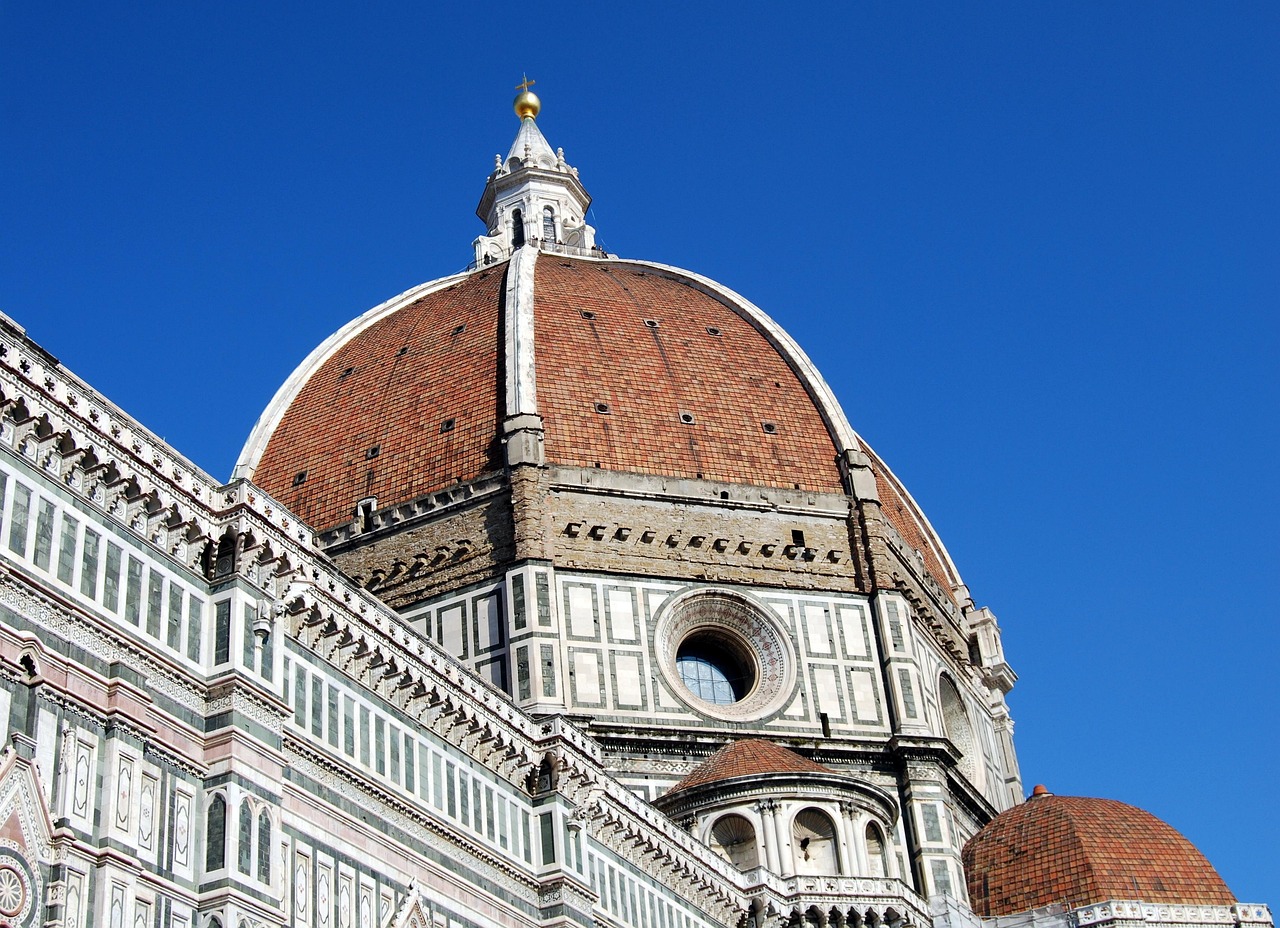
Brunelleschi dome climb for adventure seekers
If Brunelleschi dome climb Florence Italy 463 steps booking is on your mind, treat it like a small, confidence-building expedition rather than a box to tick. The 463 steps are real—narrow passages, occasional bottlenecks, and a steady vertical gain—yet the reward is one of those dome in Florence moments you remember with a quiet grin years later.
Design your pace like an expert would: comfortable shoes, a small bottle of water, and the willingness to pause without apology. Adventure in Florence isn’t always about speed; sometimes it’s about steady breath and a calm mind in a tight stairwell.
Booking and timing for a seamless dome day
For the most seamless experience, do your booking online and choose a timed slot; the official website is the safest place to confirm entry rules and opening times. A combined pass can simplify your day across the cathedral complex and reduce queue stress, which matters when you’re trying to keep the experience personal.
One adventure seeker told us their sunrise climb felt like having Florence to themselves—cool air, fewer voices, and a sense of private permission to be awed. If you can’t do sunrise, the first available slot still carries that calmer energy.
On the way up to the cupola and lantern
As you climb between the inner and outer shells, you’re moving through Brunelleschi’s engineering—a structure still studied because it’s one of the largest masonry domes ever built, and often described as the largest in the world in its category. Look for the curve of the brickwork and the way the space tightens, then opens again, like the building is guiding your attention.
Near the top, the city suddenly arrives beneath you: terracotta roofs and terracotta tiles, pale river light, and the geometry of streets that once organised a Renaissance worldview. At the lantern viewpoint, Florence spreads out in a full panorama—the kind that makes you understand why the dome became a north star for travellers and architects alike.
- Pack light: a small crossbody bag is easier than a tote on narrow steps.
- Keep your hands free: phone secured, water capped, no dangling scarves.
- Take micro-breaks: step aside when possible and let your breathing reset.
- Bring patience: slow-moving queues are normal in tight sections.
One caring note: if you experience vertigo, claustrophobia, or knee trouble, it’s wise to skip without regret. We support that decision wholeheartedly—Florence offers plenty of wonder at ground level, and your trust in your own limits is part of travelling well.
Santa Maria del Fiore cathedral interior Vasari Zuccari fresco Florence with art acoustics and the crypt
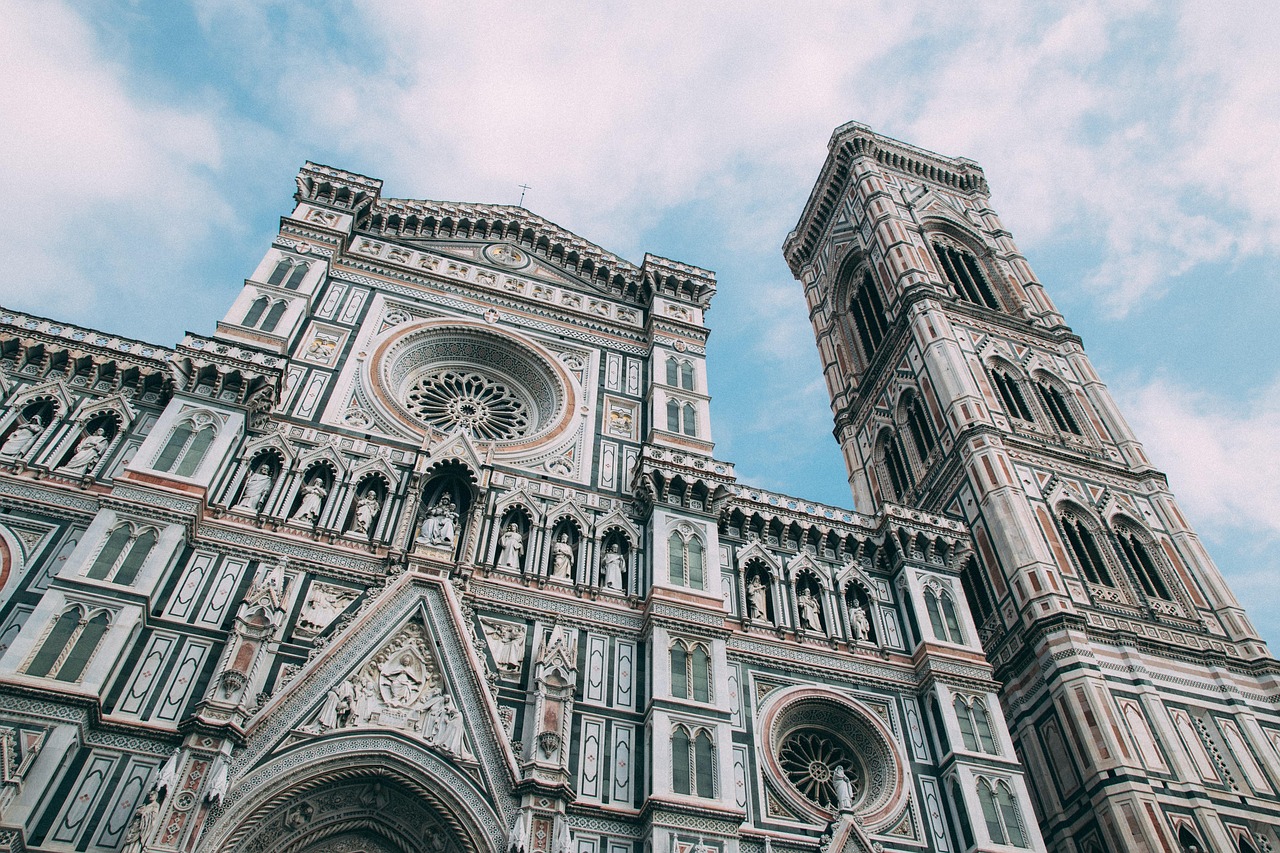
Inside Santa Maria del Fiore cathedral art acoustics and crypt
For Santa Maria del Fiore cathedral interior Vasari Zuccari fresco Florence, step inside with the same respect you’d bring to any living sanctuary. This is an active place of worship, so dress modestly and move with care; when it’s busy, the experience improves if you aim for quieter edges before you drift inward.
The shift from bright piazza to cool interior is immediate. The cathedral of santa maria del holds you in a vast basilica volume that can feel spare at first glance, but the stillness is the point—space here is part of the artwork.
Art, stained glass windows, and a moment you cannot photograph
Give your eyes time to adjust, then begin to uncover details: stained glass windows that colour the floor, monumental piers, and the sense of proportion that makes a whisper feel important. If you have access, the sacristies add another layer of craftsmanship, quietly showing how function and beauty can exist together.
One impressionable moment we return to is hearing a choir inside this acoustically remarkable interior. The sound rose, held, and softened—less performance than atmosphere—turning a cultural and artistic visit into something deeply personal.
Frescoed imagery under the dome and the layer beneath
Look up towards the dome’s Last Judgement cycle, frescoed on a scale that almost defies comprehension. Vasari began the work in 1572, and Zuccari continued it after 1579; you don’t need an art degree to explore it—just choose one scene, follow the figures, and notice how your focus steadies after the climb.
Then go down rather than up: the crypt of the cathedral reveals the church of Santa Reparata, with the crypt offering a cool, archaeological pause beneath the marble grandeur. This is where Florence becomes layered time: earlier foundations, quiet stones, and the simple understanding that great cities are built in chapters.
If you want optional depth, choose an audio guide or a guided tour to connect individual works to real names. Inside, you may encounter references to Domenico di Michelino and the city’s literary pride, and you can also look for the painted monument to Niccolò da Tolentino by Andrea del Castagno dated 1456. A good guide may even link andrea del castagno and paolo uccello in one story of Florentine artists; del castagno and paolo uccello become more than names when you’re shown what to notice and why it matters.
Baptistery of San Giovanni Gates of Paradise Giotto bell tower Opera del Duomo Museum Florence in one crafted circuit
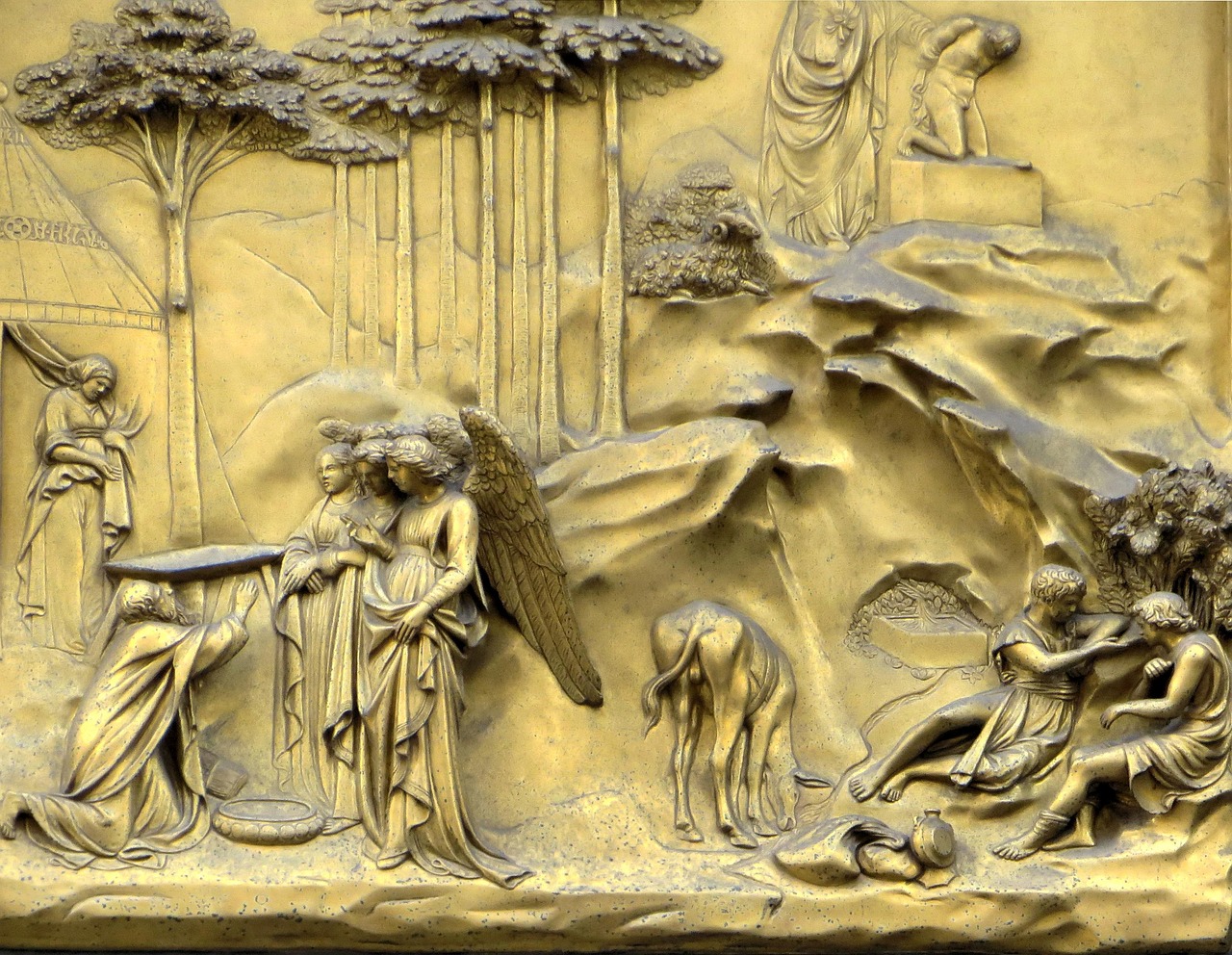
Baptistery of San Giovanni bell tower and Opera del Duomo museum
Baptistery of San Giovanni Gates of Paradise Giotto bell tower Opera del Duomo Museum Florence sounds like a lot—and it is—but it can feel surprisingly seamless when you design the order with care. Start at the baptistery, move vertical if your legs and energy agree, then finish indoors at the museo where the details reward close looking.
The baptistery of San Giovanni and Ghiberti’s bronze doors
The baptistery of San Giovanni is an early masterpiece of craft, and its famous bronze doors are a lesson in patience and precision. The Gates of Paradise are by Lorenzo Ghiberti (often shortened to ghiberti in guidebooks), while Andrea Pisano contributed another set of doors that deserve their own slow appreciation. Stand back first for composition, then step closer to see how the narratives are carved like miniature theatres.
Even if the baptistery interior has restricted access at times, the exterior alone can be worth the stop. Let it be a small ritual before the bigger views.
Giotto’s campanile and choosing your vertical adventure
Giotto began the bell tower, and after his death in 1337 the project was carried forward by others including Francesco Talenti. If you’re choosing between climbs, the campanile offers a different perspective: the dome feels closer, and the city reads in crisp layers. In a single day, some travellers do both climbs; others choose one based on light, temperature, and how their body feels—both choices are valid.
If you want the dome to be the headline, climb it first, then treat the bell tower as an optional encore. If you’re more cautious, the bell tower can be a confidence warm-up before the dome on another day.
Opera del Duomo museum and the originals up close
The Opera del Duomo Museum, also called the opera del duomo museum or simply opera duomo in conversation, is where the complex becomes intimate. You’ll see many sculptures removed for preservation, and you can finally stand close enough to notice tool marks, expressions, and the softness of carved marble that photographs never capture. Make time for Luca della Robbia—his glazed works have a clarity that feels almost modern.
For a high-end traveller, this museum is also a comfort stop: climate-controlled, paced, and deeply rewarding after heat and crowds outside. It’s culture with room to breathe.
- Simple route: baptistery first, then bell tower, then museum, leaving the cathedral for a quieter time slot.
- Queue strategy: buy combined tickets online and keep your QR code handy for faster entry.
- Solo-friendly: start early, take a mid-morning café pause, and return for museums when the piazza duomo peaks.
- Keep it local: stay alert for pickpockets in busy areas and keep valuables secure.
After the intensity of art and steps, a small local reward matters. One traveller told us they got happily lost in the narrow lanes near the piazza, then discovered a hidden gelato shop—simple, authentic, and perfect after an ambitious morning. Let that be part of your design: a small celebration that makes the day feel truly yours.
What stays with you after the Florence duomo reflections Santa Maria del Fiore dome Italy
Florence duomo reflections Santa Maria del Fiore dome Italy often arrive later, not in the square itself but in the quieter minutes after you leave. You’ll notice it when the crowd noise fades: the way light sat on stone, the way your footsteps sounded under high arches, the way the city seemed to hold its breath as you climbed.
Imagine the dome not as a trophy, but as a crafted memory. Effort becomes perspective; the narrow stairwell becomes a lesson in patience; the view becomes a gentle reminder that you can do something slightly brave without forcing yourself to be fearless. That kind of confidence travels well—it follows you into new streets, new museums, new mornings.
What lingers for many travellers is surprisingly small: the warmth of the marble colours outside at dusk, the hush of the basilica interior, the sudden swell of a choir note that made you stop mid-step. You don’t need to keep proving you were there; the day settles inside you like a private landmark.
And when Florence feels far away again, that’s when Santa Maria del Fiore returns most clearly—quietly, faithfully—like Italy leaving a light on in the distance, inviting your curiosity to wander back in its own time.
F.A.Qs: Santa Maria del Fiore and the Duomo Florence
What is Santa Maria del Fiore known for?
Santa Maria del Fiore is known for Brunelleschi’s dome, its striking marble exterior, and its role as the architectural heart of Florence. It’s also celebrated for the vast interior, the dome fresco cycle, and the wider Piazza del Duomo complex including the Baptistery and museum.
Who is buried in Santa Maria del Fiore?
Filippo Brunelleschi is famously buried in the cathedral, honoured for creating the dome that reshaped Florence’s skyline. The cathedral complex also connects to earlier layers of the site, which you can explore through the crypt area beneath the church.
Are the Duomo and Santa Maria del Fiore the same?
Yes. “The Duomo” is the common name locals use for Florence’s cathedral, whose full name is Santa Maria del Fiore. People often say “Duomo” to refer to the whole cathedral complex, including the dome, bell tower, baptistery, and museum ticketing.
Is there a dress code for Santa Maria del Fiore?
Yes. As an active place of worship, modest dress is required: shoulders and knees should be covered, and visitors may not be allowed inside if clothing is too revealing. Comfortable shoes are also a smart choice, especially if you’re combining the cathedral visit with climbs.