Post Contents
- Venice by Canal Getting Oriented in the Lagoon Venice canals guide and water transport
- Grand Canal Gondola Moments Palazzi and Four Bridges Grand Canal Venice gondola ride
- Rialto Market Local Life Along the Canal Rialto Market Venice canal local produce
- Cannaregio Many Canals and Getting Lost on Purpose Cannaregio Venice canals authentic smaller canals walk
- Dorsoduro to San Marco by Vaporetto Water Bus Vaporetto water bus Venice canal route
- What Venice’s Canals Leave With You Venice canals reflection Italy travel memories
- F.A.Qs: Venice Italy canal essentials
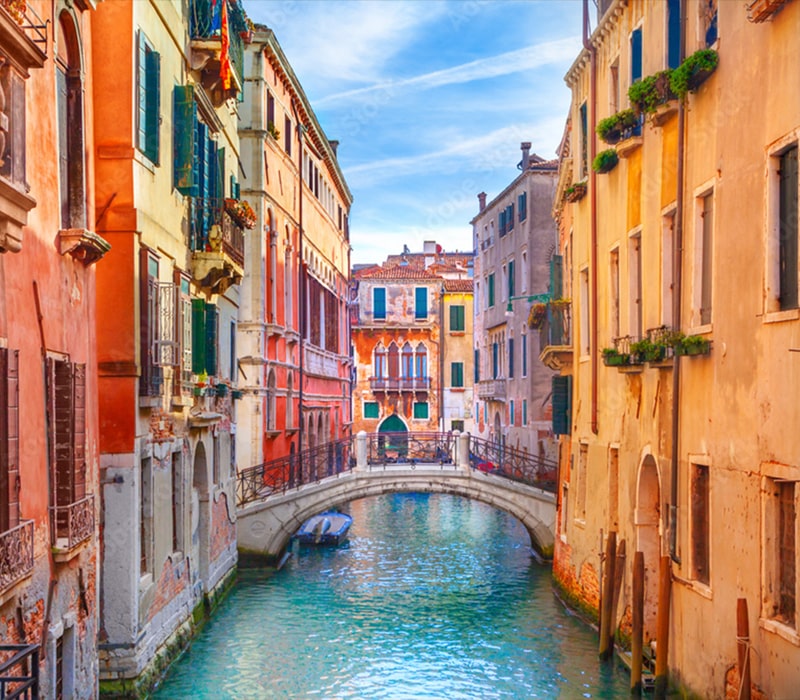
Venice by Canal Getting Oriented in the Lagoon Venice canals guide and water transport
Venice by Canal Getting Oriented in the Lagoon, a Venice canals guide for Italy lagoon water transport
Think of Venice as a floating mosaic: marshy islands in a lagoon, tightly packed into neighbourhoods where water transport is the original design. A short walk can feel like a small expedition, because every canal bends your sense of direction in the most delightful way. For adventure seekers, that’s not a problem to solve—it’s part of what makes Venice feel alive.
Here’s the reassuring expert insight: the city works because it’s built around its network of 150 canals and about 400 bridges. You don’t need to “master” it in a day; you just need a few anchors, a little trust, and the confidence to allow a wrong turn to become a personal discovery.
Venice canals and lagoon logic in three simple moves
Moving through Venice is really a mix of waterway hopping and short walks between bridges. If you imagine each district as a small island-world, the routes become seamless: step off a boat, cross one or two bridges, and you’re into a new pocket of life.
- Vaporetti: the public boats that feel like a water bus—reliable, social, and ideal for designing scenic commutes.
- Water taxis: private and crafted for comfort, especially when you value time, luggage ease, or a quieter arrival.
- Walking: the magic-maker—slow enough to uncover courtyards, shopfronts, and sudden views over the canal.
Pack with care: stones on the walkway can be slippery, and waterproof shoes are genuinely worth it. Venice lives with the tide, and in acqua alta season low-lying areas can flood briefly—plan a flexible morning and you’ll feel supported rather than stressed.




Grand Canal Gondola Moments Palazzi and Four Bridges Grand Canal Venice gondola ride
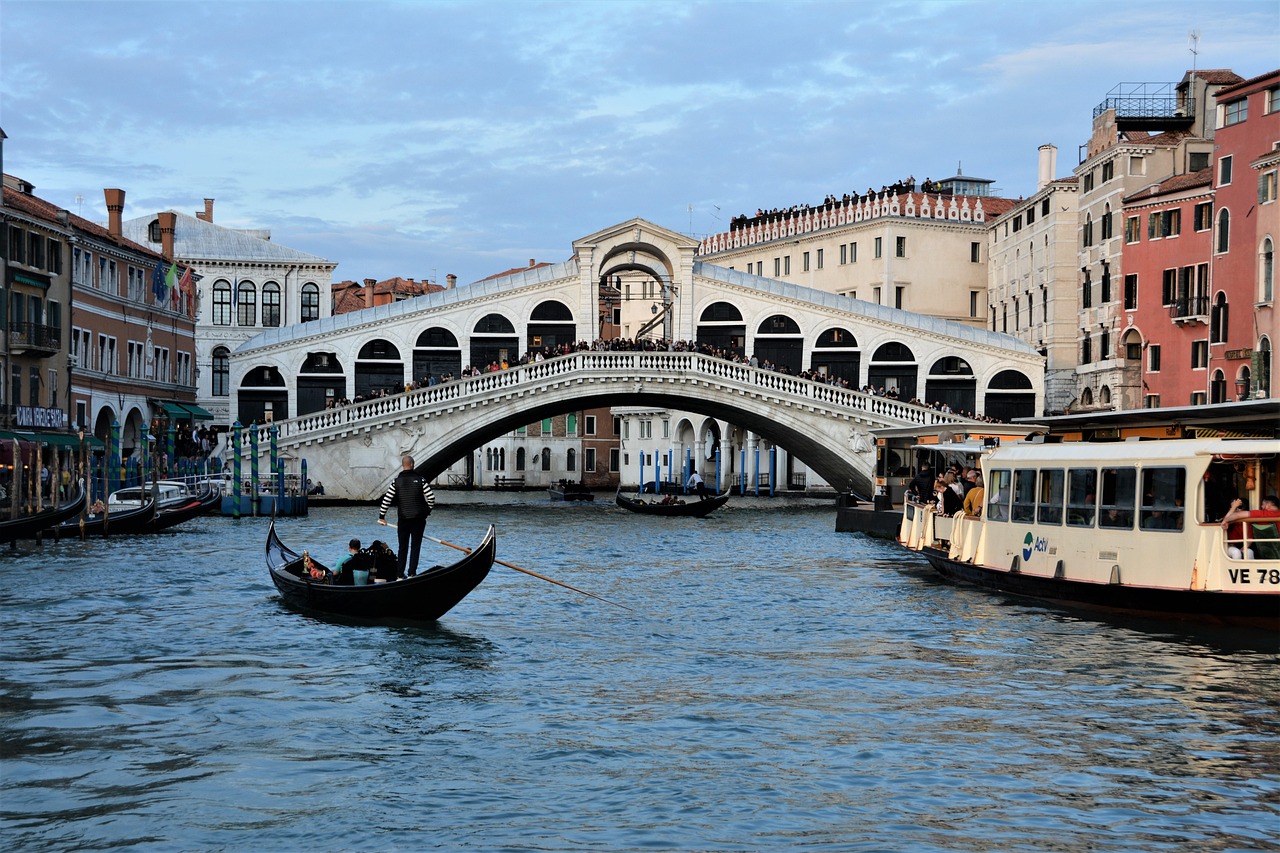
Grand Canal Gondola Moments Palazzi and Four Bridges, a Grand Canal Venice gondola ride past palazzi
The Grand Canal is Venice’s reverse-s ribbon, the water stage where the city’s finest façades perform as you pass. A classic Grand Canal Venice gondola ride Italy palazzi four bridges day feels both cinematic and oddly intimate, because the water draws you close to details you’d miss on foot. Look up and you’ll see historical buildings layered in architectural styles that span centuries.
From the waterline, the palazzo fronts become a design lesson: gothic tracery like lace, byzantine touches that hint at old trade routes, and crisp Istrian stone alongside limestone flourishes. Keep an eye out for Ca’ Pesaro—its grandeur reads differently from a moving gondola, as if the canal edits the view for you.
Four bridges to collect across the Grand Canal
For an adventure-minded game, “collect” the four bridges and let each crossing reset your perspective. You’ll want to note the Rialto Bridge by Antonio da Ponte, then the Accademia Bridge (dell’accademia), the Scalzi Bridge (degli scalzi), and the Constitution Bridge by Calatrava (della costituzione), the Spanish architect whose modern lines always spark debate.
Gondola guidance, with warmth and honesty: expect around €80–€100 for 30 minutes, typically covering the boat and gondolier (songs are not guaranteed, but atmosphere is). Agree your route before you step in, especially if you’d like a quieter canal detour away from the busiest stretch. Tip gondoliers modestly when the service feels truly crafted—when they’ve designed a smooth line through tight corners and made it feel effortless.
One couple we met carried a secret all day: their proposal was planned for the moment the gondola drifted near the Bridge of Sighs. It wasn’t flashy or cliché; it was simply two people, gondolas and water, and a pause in the city’s usual noise—proof that Venice can still create space for something private.
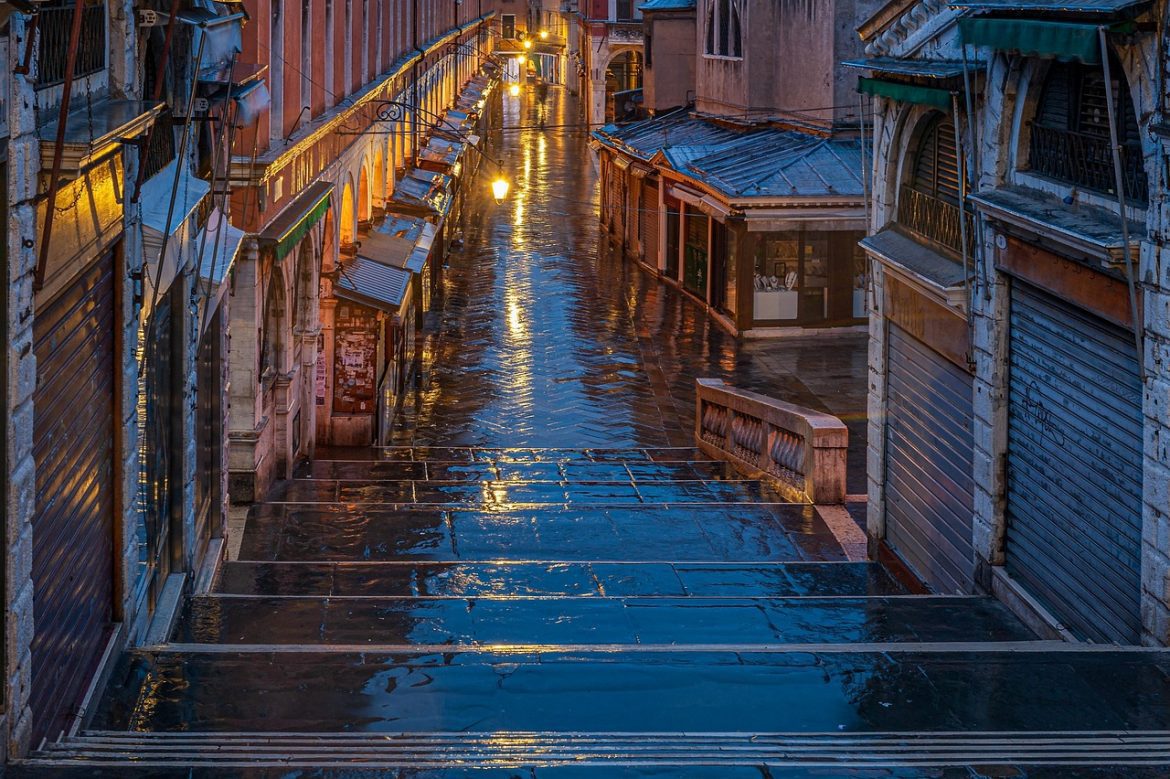
Rialto Market Local Life Along the Canal Rialto Market Venice canal local produce
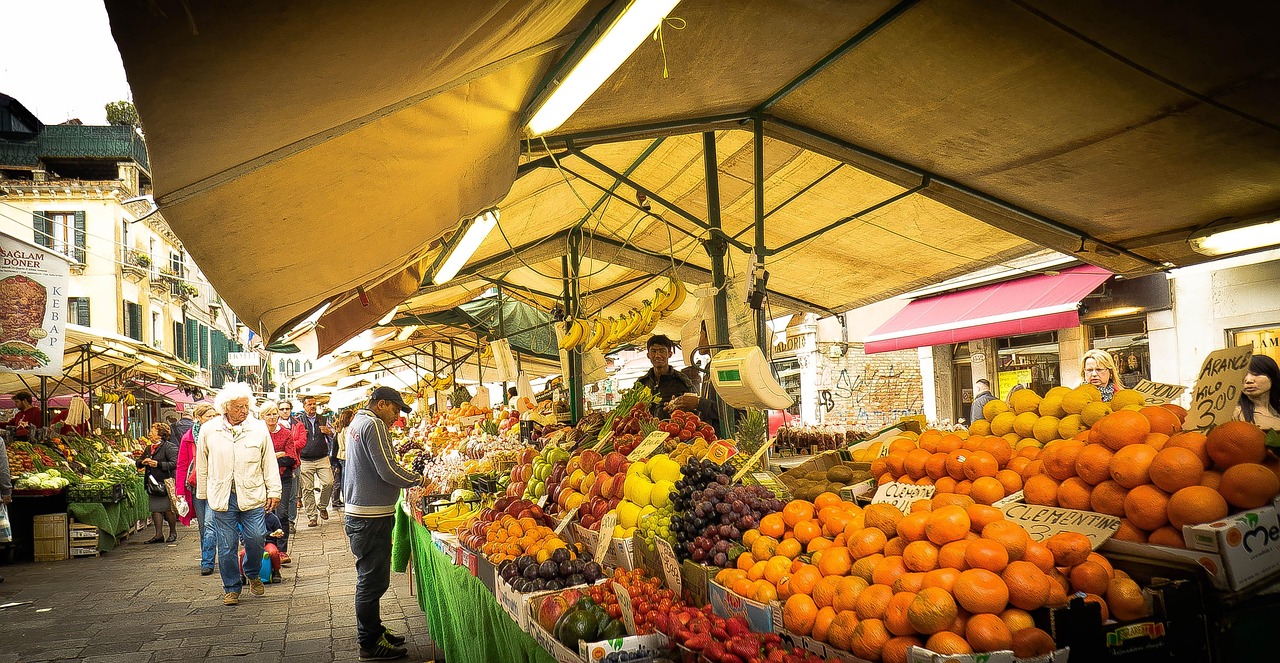
Rialto Market Local Life Along the Canal, early morning at Rialto Market in Venice
If you want Venice to feel local, time it like a resident: arrive early for Rialto Market Venice canal Italy local produce energy. You’ll see fruit and vegetable barges easing in, while stallholders trade greetings that sound like a daily ritual. The market is a cultural enthusiast’s goldmine—real life, not a performance.
Let your senses do the guiding. There’s the salt edge from the Adriatic Sea, the glint of water under the bridges, and the quick music of voices bouncing off stone. For a moment, you’re not “touring” Venice; you’re simply part of a morning current.
Rialto tasting and etiquette for a respectful adventure
- Try seasonal fruit, simple cicchetti-style bites nearby, or market-fresh snacks that suit a quick wander.
- Photograph with care: ask first when faces are close, and keep queues moving in tight lanes.
- Move with patience—Venetian routines come first, and you’ll be welcomed more warmly for it.
Afterwards, step up to the Rialto Bridge for a brisk viewpoint, then drop back down to the canal edge. That shift—from height to water level—gives you an insight into how Venice balances spectacle and daily life in the same square metre.
Cannaregio Many Canals and Getting Lost on Purpose Cannaregio Venice canals authentic smaller canals walk
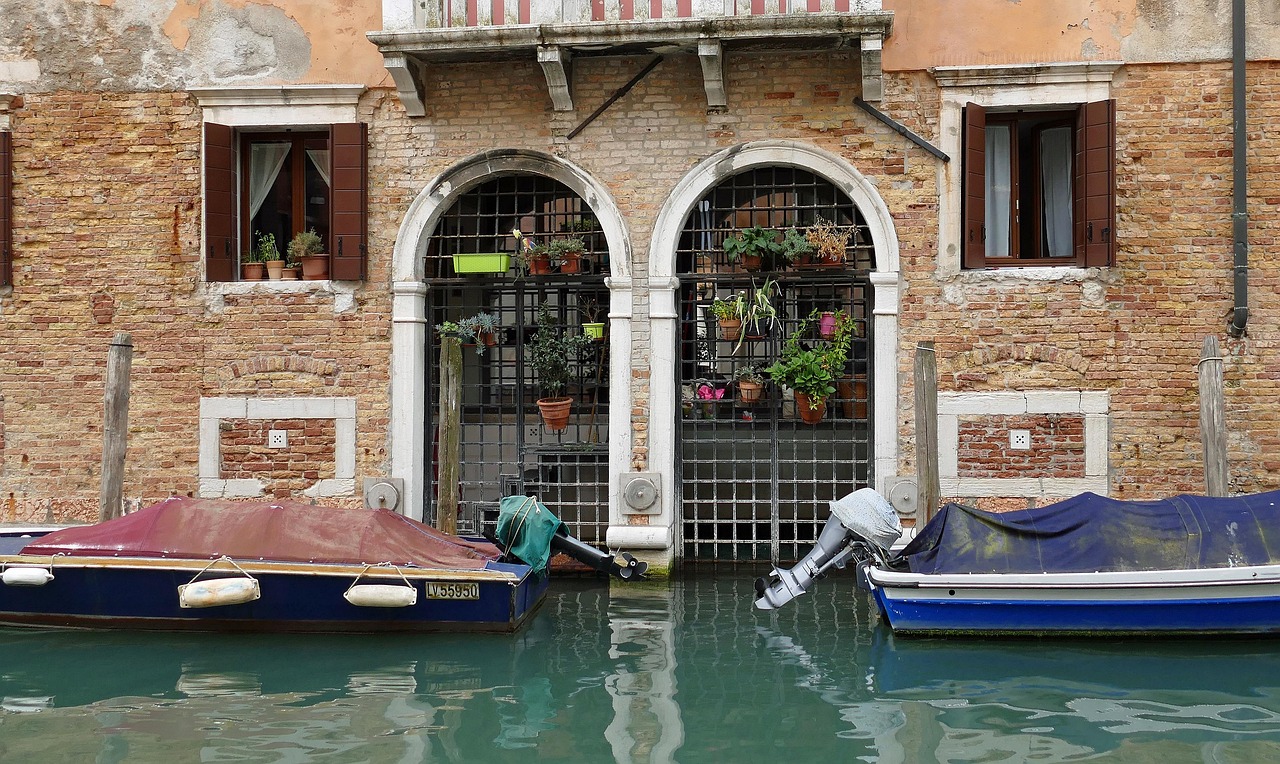
Cannaregio Many Canals and Getting Lost on Purpose, wandering smaller canals in Cannaregio Venice
Cannaregio is where you go to explore a softer-edged adventure—Cannaregio Venice canals Italy authentic smaller canals walk, with fewer crowds and more ordinary beauty. This is the Venice that feels lived-in: a shop opening slowly, a neighbour greeting another across water, a door left ajar for a moment of breeze. It’s also where “many canals” stop feeling like a fact and start feeling like a lifestyle.
A traveller once told us they got lost in the labyrinth and decided to stop fighting it. That choice led to a tiny studio where a local artisan shaped leather by hand, and later a hidden café where the owner quietly recommended a pastry without fuss. The lesson wasn’t about navigation—it was about letting the city lead, while keeping a couple of anchors in mind so you never lose confidence.
Use simple markers: a familiar bridge, a favourite shopfront, or the direction of the sunlight on the water. There’s a particular thrill in finding a canal in venice where the water is close and the streets narrow into sudden wooden bridge crossings. Those small transitions—stone to wood, silence to laughter—are the real craft of the district.
Be mindful near homes: keep voices low, and take photos with care so the experience feels supportive for Venetians as well as visitors. And if you can, gift yourself two different moods—Venice’s canals at dusk, and Venice’s canals in the early morning hush—because Cannaregio changes completely with the light.
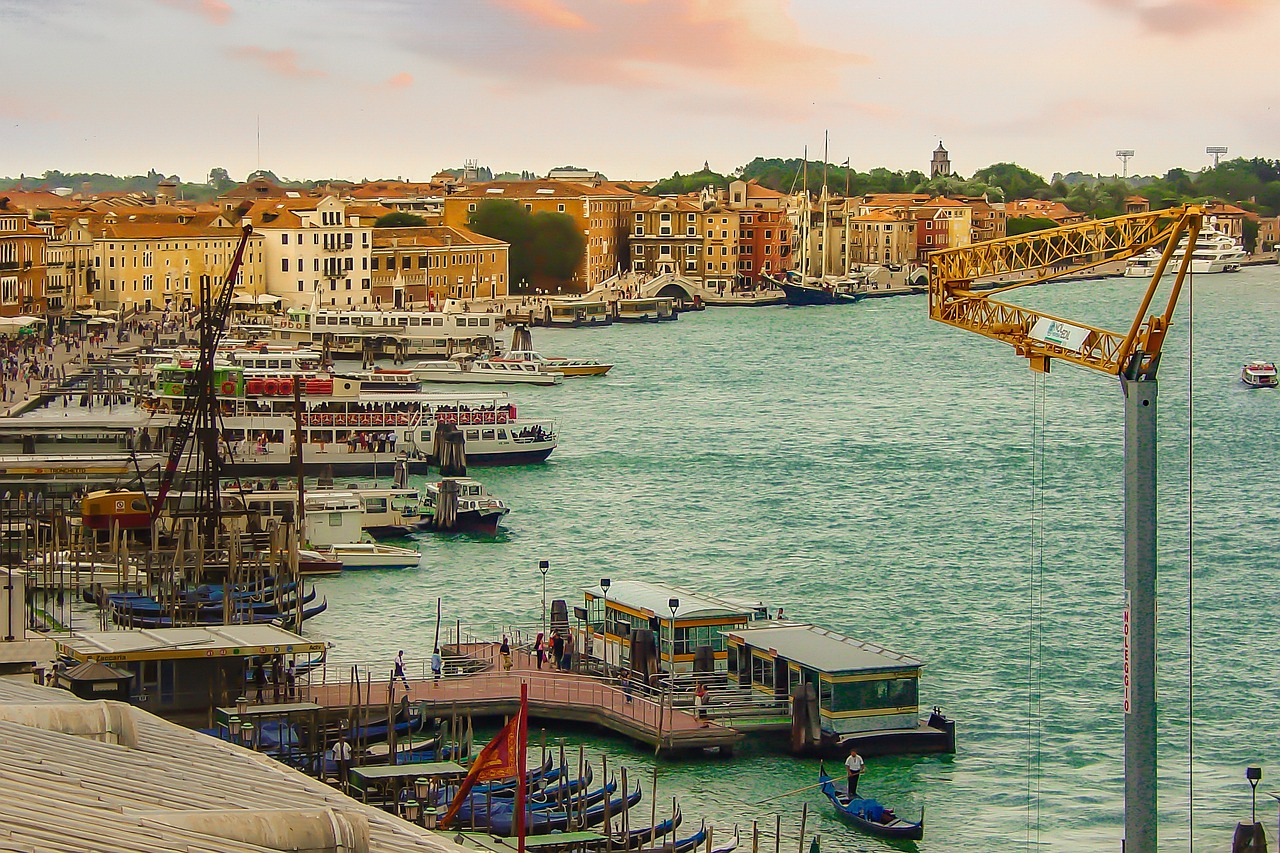
Dorsoduro to San Marco by Vaporetto Water Bus Vaporetto water bus Venice canal route
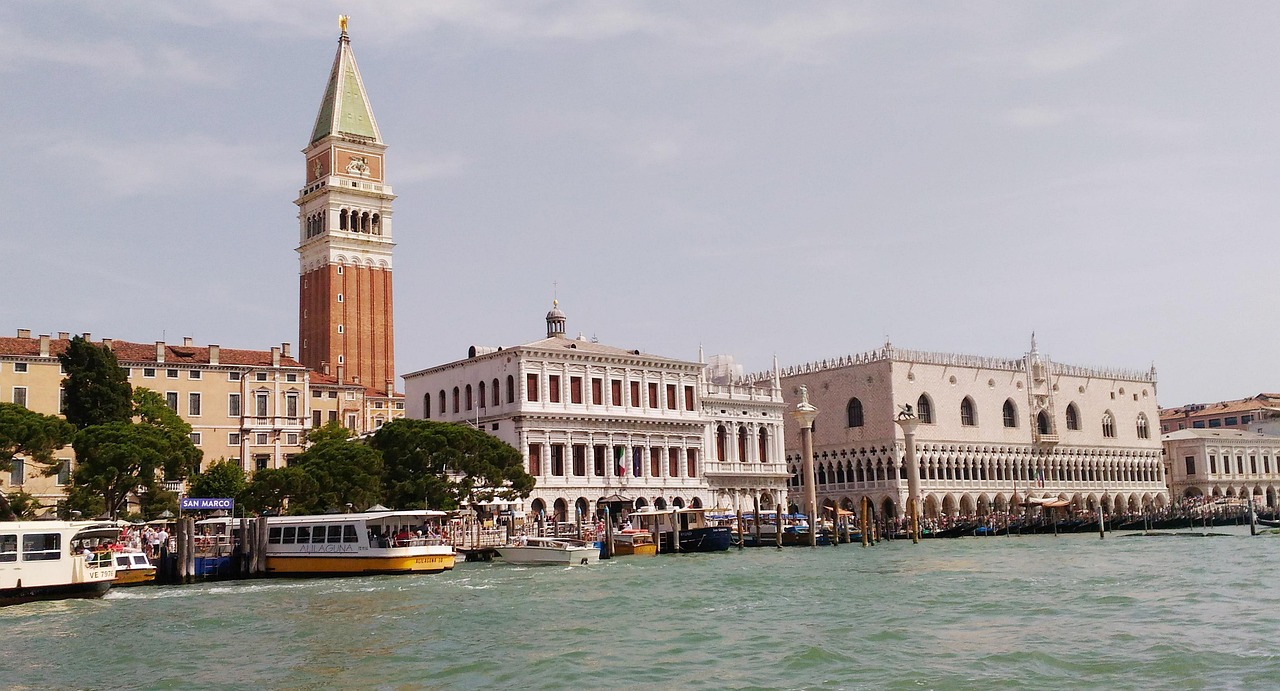
Dorsoduro to San Marco by Vaporetto Water Bus, a vaporetto glide across Venice
For a scenic, high-reward commute, design a vaporetto water bus Venice canal route Italy Dorsoduro San Marco day. Once you understand tickets and stops, the system feels beautifully logical: validate, wait, board, and let the water do the work. Vaporetti can be busy at peak times, yet the rhythm is dependable—and that reliability is its own kind of luxury.
Begin in Dorsoduro and aim for a seat with a view. As you glide, Santa Maria della Salute rises at the edge like a sculpture set down by the sea; it’s the signature of Baldassare Longhena, and a masterpiece of balance and drama. Culture lovers can also nod to Peggy Guggenheim nearby—proof that Venice keeps collecting art even after the fall of the Venetian Republic.
San Marco rewards after the water bus
Arriving towards San Marco by water is a quiet thrill: the basin opens, the façades sharpen, and suddenly the city feels ceremonial. From here you can step towards Basilica di San Marco, Mark’s Square, and the Doge’s Palace—an architectural trio that carries Venice’s late medieval power in its stones. It’s worth remembering the Venetian Republic in 1797 as a turning point; the city changed, yet the water still holds its memory.
If you’re arriving via the railway station, note the area around Santa Lucia train station and the nearby Scalzi crossing. If you’re coming from the bus terminal, you’ll likely pass through Santa Croce first—another reminder that Venice is a patchwork of districts stitched by canal routes. For more inspiration as you plan, browse our Trip gallery and imagine your own crafted arrival.
- Book online for major sights to avoid long lines and protect your energy.
- Check hours carefully—seasonal opening times can change week to week.
- Travel smart: April to June or September to October often brings pleasant weather and fewer crowds.
Deep-cut texture for your inner map: Venice sits in Veneto, and its relationship with the tide shapes everyday decisions. The canals are often an average depth of 5 metres, and you can sometimes glimpse the viewpoint towards the island of San Giorgio as you cross the open water northeast of the city. In Venezia, even a commute feels like a scene designed just for you.
What Venice’s Canals Leave With You Venice canals reflection Italy travel memories
Venice canals reflection Italy travel memories is not really about what you managed to see; it’s about how you moved. By canal, distance changes: a short journey becomes a drifting meditation, and sound arrives softened, as though the city has wrapped it in water. Even time behaves differently, because each bridge becomes a pause, each corner an invitation to notice.
Long after you leave Venice, what stays is often small. A gondola turning gently into shadow; the hush of a side lane; the way a waiter offered quiet support with a smile when the rain arrived. The city asks for trust and care, and it gives back intimacy—moments you could not have designed alone, no matter how expert your planning.
Sometimes you remember the light more than the landmarks: a pale sheen on stone, a gold flare on the canal, a kindness from a local that made you feel, briefly, as if you belonged. And in that memory there is a steady wonder—the sense that the next turning of the water is still waiting, and that you will meet yourself differently when you follow it.
F.A.Qs: Venice Italy canal essentials
What is the famous canal in Venice Italy?
The most famous canal in Venice, Italy is the Grand Canal. It curves through the heart of the city, linking key areas and showcasing some of Venice’s finest façades from the water. It’s also the main route for public boats, water taxis, and traditional gondolas, which makes it an ideal first canal experience if you want both beauty and ease.
What is a must eat in Venice?
A must-eat in Venice is cicchetti, the city’s small snacks often enjoyed with a drink at a bàcaro. You’ll find simple, flavourful options built around seasonal ingredients, seafood, and vegetables, especially near Rialto. For adventurous eaters, the joy is in trying a few varieties and letting the day’s market produce guide your choices.
Why is the Grand Canal in Venice famous?
The Grand Canal is famous because it is Venice’s main waterway and its most spectacular open-air gallery of architecture. From a boat, you pass grand palazzi, bridges, and waterfront details that reveal the city’s trading history and artistry. It also represents how Venice functions day to day: transport, ceremony, and daily life sharing the same ribbon of water.
What drink is Venice known for?
Venice is well known for the Spritz, particularly the Venetian-style aperitivo enjoyed before dinner. You’ll see it everywhere from elegant hotel terraces to small local bars along a canal. It’s typically light, refreshing, and sociable—perfect for settling into the city’s unhurried rhythm as evening arrives and the water begins to mirror the lights.