Post Contents
- How to Visit Vietnam with Confidence for Essentials, Best Time and Itinerary
- Northern Vietnam Travel Guide to Favourite Places from Hanoi to Ha Long Bay
- Central Vietnam Travel Guide for Hoi An, Hue and Da Nang Romance and Heritage
- Southern Vietnam Travel Guide to Ho Chi Minh City and the Mekong Delta in Style
- Best Places to Visit in Vietnam with Luxury Hotels and Top Things
- Travel Tips for Traveling in Vietnam with Flights, Bus and Etiquette
- After Vietnam What You Carry Home as Travel Reflections
- F.A.Qs: Vietnam travel questions
How to Visit Vietnam with Confidence for Essentials, Best Time and Itinerary
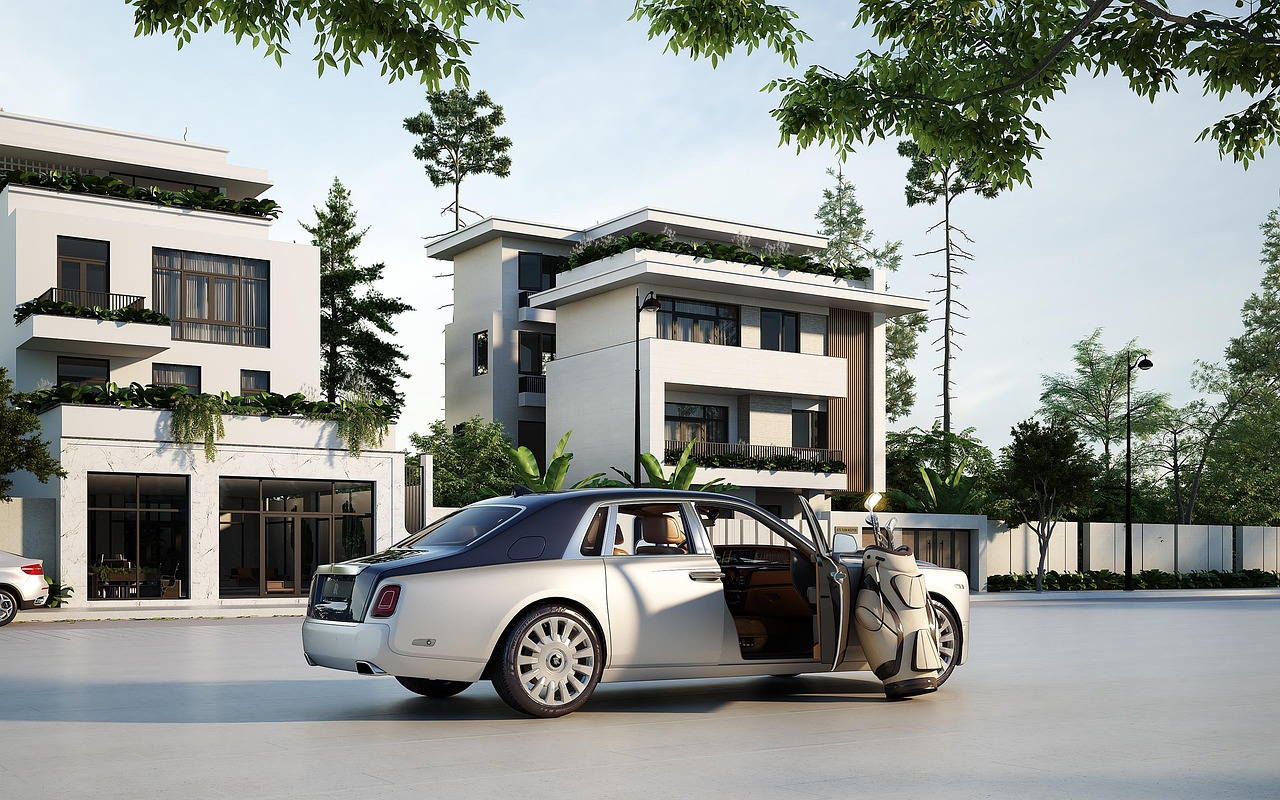
How to Visit Vietnam with Confidence for a luxury-paced arrival
If you’re looking for Vietnam travel guide essentials, the best time to visit Vietnam, and a reassuring way to plan your trip itinerary, start by letting the country set the rhythm. Vietnam can feel wonderfully alive, but it can also be hot and humid in ways that surprise first-time visitors—especially in the south of Vietnam and along the central coast. Between October and April, conditions are generally calmer and easier to enjoy in a more dressed-up, unhurried style.
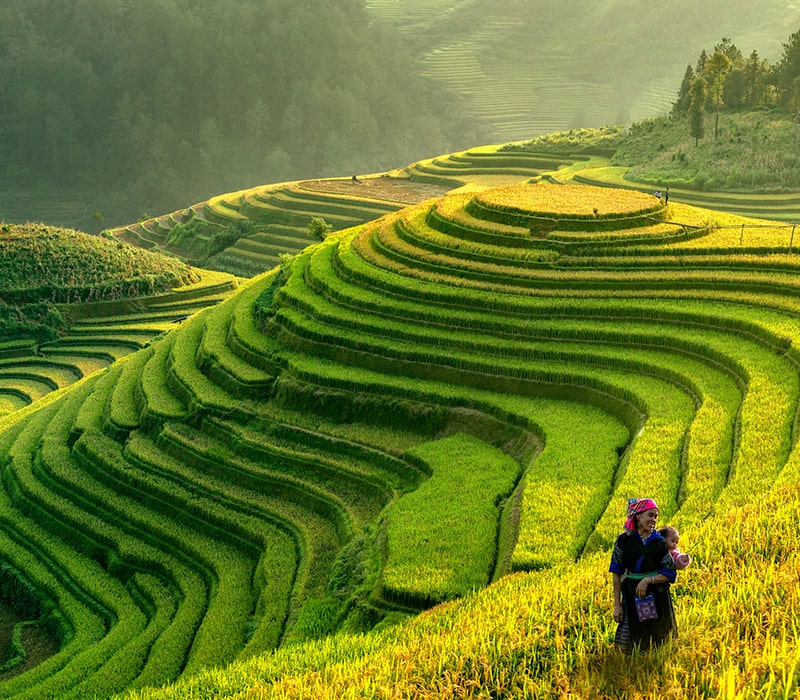
Vietnam’s geography is your first design decision. The length of Vietnam is substantial, and the length of the country means experiences change quickly from north Vietnam to the south—cooler hills, then heritage cities, then tropical beaches. For a luxury-paced trip, many travellers find 10–14 days in Vietnam ideal; with 2–3 weeks, you can slow down, add a beach extension, and create more personal time with guides and makers.
Best time to go to Vietnam and how each region feels
In northern Vietnam, evenings can be crisp in the hills, while Hanoi often feels soft and mild in winter. Central Vietnam can be bright and coastal, while southern Vietnam leans warmer and more humid—perfect for a beach interlude when planned well. If you only remember one line, let it be this: the best time to visit is October to April for comfort, clarity, and fewer weather disruptions.
Vietnam visa, travel insurance and calm first-day logistics
Most high-end travellers do best with a simple, pre-arranged Vietnam visa approach based on nationality and entry point, plus travel insurance that covers medical care and trip changes. The common travel pinch-points—airport queues, currency, luggage timing—are all manageable with a private transfer and a hotel that understands early check-in. If you’ve ever followed a well-thumbed Lonely Planet and loved the spontaneity, you’ll recognise the difference here: backpacking Vietnam can be exhilarating, but luxury travel is about space, time, and quiet trust in your operator.
- Itinerary mindset: design fewer bases, stay longer, and protect your mornings for culture and your afternoons for rest.
- Operator standard: choose reputable names for cruises and private tours, so quality and safety are never a question.
- Etiquette made easy: a modest layer for temples and a respectful tone go a long way in Vietnamese tourism.
With that foundation, your visit to Vietnam can feel supported from the moment you land—confident, seamless, and deeply personal.


Northern Vietnam Travel Guide to Favourite Places from Hanoi to Ha Long Bay
Northern Vietnam Favourite Places and Quiet Grandeur from Hanoi to Ha Long Bay
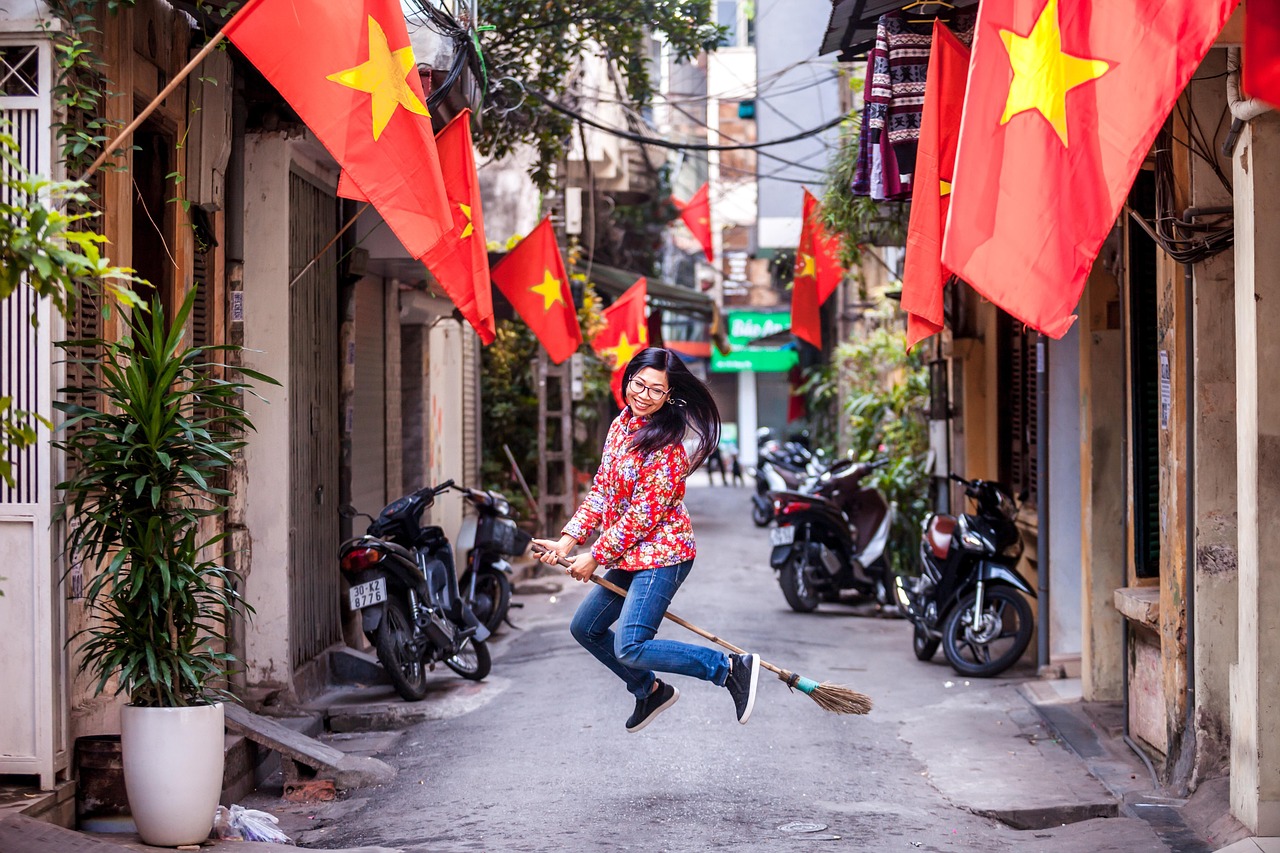
This Northern Vietnam travel guide focuses on the classic arc—Hanoi Old Quarter, Ha Long Bay and Lan Ha Bay, Ninh Binh, and Sapa—while keeping the pace refined. Begin in Hanoi, the capital of Vietnam, where a personalised walking tour through the Old Quarter becomes the most elegant way to understand daily life. With an expert guide, street food can be designed for comfort and quality: thoughtful tastings, clean venues, and calm breaks in shaded courtyards rather than rushed pavement stops.
Hanoi and the Old Quarter with a local guide and art-led insight
One traveller told us that their greatest Hanoi moment wasn’t a headline attraction, but a chance encounter. During a quiet turn off the main lanes of the Old Quarter, they met a local artist who asked what they were curious about—then invited them into a secret gallery, hidden behind an unmarked door. It was intimate, human, and deeply Vietnamese: the kind of cultural insight that only happens when a journey is crafted with time to wander.
Let your guide balance the sensory joy of Hanoi with small comforts: a late-morning start after breakfast, a coffee stop with filtered light, and a short route that avoids the busiest crossings. It’s a gentle way to explore without the city feeling overwhelming.
Ha Long Bay and Lan Ha Bay on a luxury cruise
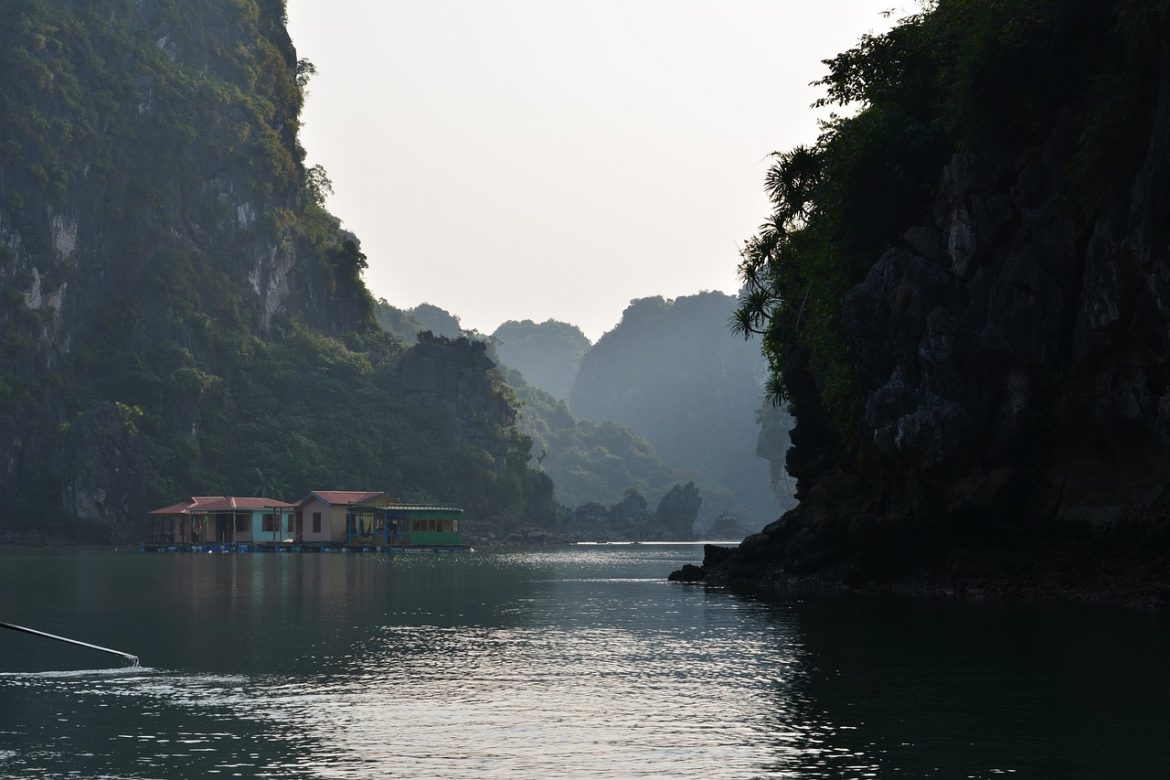
From Hanoi, the shift to the water feels like an exhale. Ha Long Bay is famous for towering limestone formations rising from emerald water, and the best way to experience it is on a luxury cruise that prioritises privacy. Look for suites with balconies, spa experiences timed for golden hour, and private dining that feels genuinely quiet rather than performative. If you prefer fewer boats, Lan Ha Bay can feel more serene, while still delivering the iconic limestone scenery.
A traveller once described their sunset cruise in Ha Long as “pure tranquillity with a salt-air glow”. They enjoyed a private seafood feast—simply prepared, impeccably fresh—while the sky softened into rose and grey. In that moment, Vietnam’s grandeur felt close enough to touch, yet utterly peaceful.
For a refined day trip, Ninh Binh offers river routes threaded through limestone, rice fields, and temple silhouettes—an easy contrast to the city. Then, if you want cooler air, head to Sapa for mountain views and a glimpse towards the highest mountain in Vietnam, Fansipan. Note that northern Vietnam during January can be misty and surprisingly cool; choose warm layers and a hotel with a fireplace-like ambience for evenings.
Central Vietnam Travel Guide for Hoi An, Hue and Da Nang Romance and Heritage
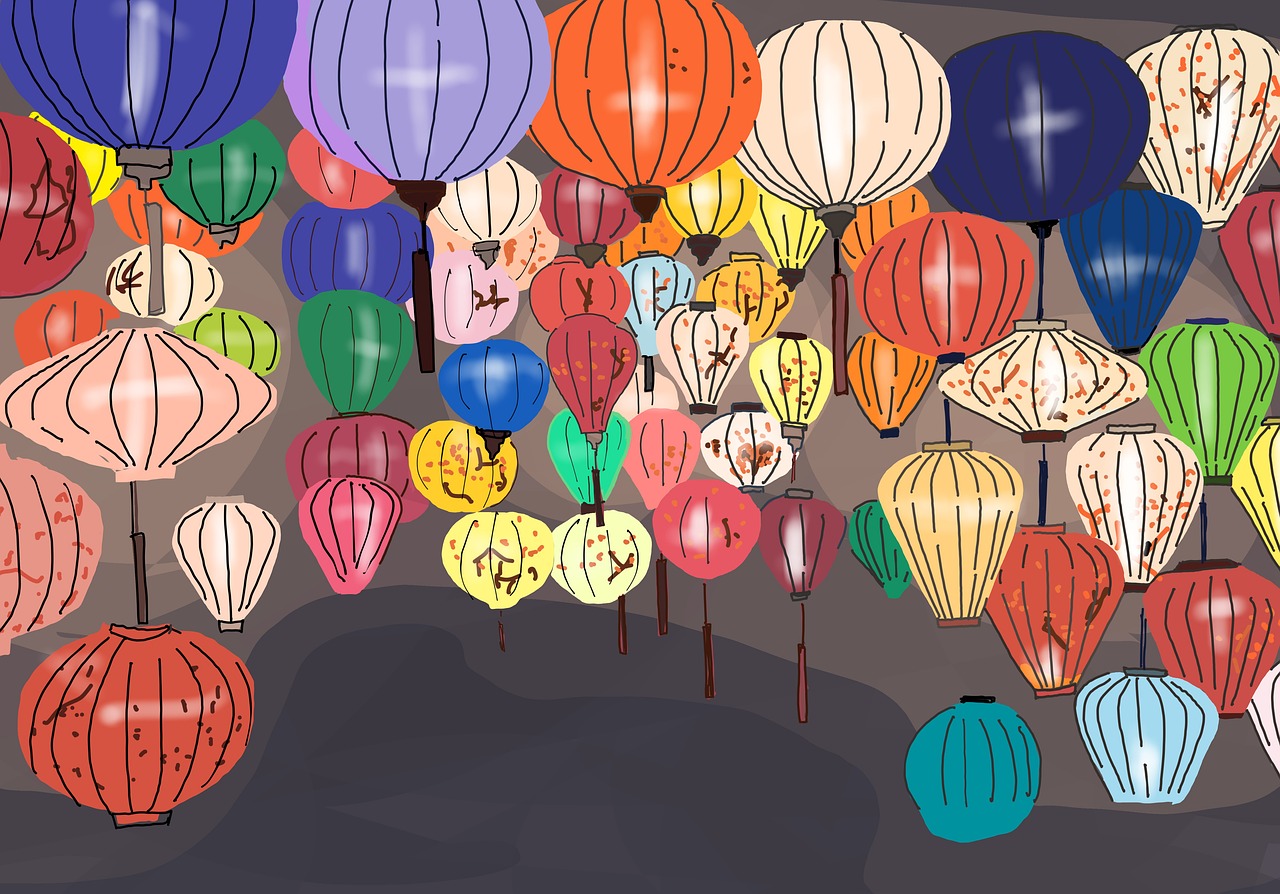
Central Vietnam Designed for Romance and Heritage in Hoi An at twilight
This Central Vietnam travel guide brings you to Hoi An, Hue, Da Nang and Phong Nha, where romance and heritage sit side by side. In Hoi An at twilight, lanterns warm the streets into a gentle glow, and the town becomes a stage for slow, elegant wandering. This is where you can create a private dinner by the riverside, then step into a tailor’s studio for made-to-measure pieces—ready for tomorrow’s event without stress.
Hoi An evenings designed for seamless romance
A couple once told us their favourite Hoi moment felt almost effortless. Their reservations were aligned, their driver knew exactly where to wait, and their tailor delivered a custom-designed outfit to the hotel before breakfast. They spent the evening dining under lantern light, feeling that rare blend of culture and sophistication where nothing jars. Hoi An can be busy, but with the right timing—early evening stroll, later dinner, quieter lanes—you can uncover its softer side.
Between fittings and riverside walks, allow time for Vietnamese craftsmanship: leather goods, handwoven textiles, and delicate homewares that travel beautifully. It’s shopping, but discreet—more maker-meets-traveller than marketplace bustle.
Hue and UNESCO world heritage explored with care
Hue carries imperial memory with a calm, reflective tone. Explore the citadel and tombs with a private guide who understands respectful pacing and context, particularly around sacred spaces and family shrines. Hue is also one of the best places to engage with UNESCO world heritage in a way that feels grounded: arrive early, step aside for quieter corners, and let the stories breathe rather than racing through highlights.
Da Nang offers a modern pause—a city in Vietnam where contemporary cafés and clean-lined hotels make it easy to reset. It’s also a natural bridge to the coast; when you’re choosing beaches in Vietnam, consider quieter, higher-end stretches where service is discreet and the sand feels spacious. For the adventurous, Phong Nha cave experiences can be extraordinary, provided comfort and safety are designed in: reputable operators, the right equipment, and an itinerary that avoids peak crowding. In the wider Phong Nha-Ke Bang National Park context—sometimes loosely referenced as Bang national park by travellers—timing is everything, so you can explore without rush and return to a restful lodge by evening.
- Hoi: plan fittings early, then enjoy lantern-lit streets later when day-trippers fade.
- Hue: choose a private guide for deeper stories and a quieter route through heritage sites.
- Phong: prioritise reputable safety standards so the cave day feels exhilarating, not exhausting.
Southern Vietnam Travel Guide to Ho Chi Minh City and the Mekong Delta in Style
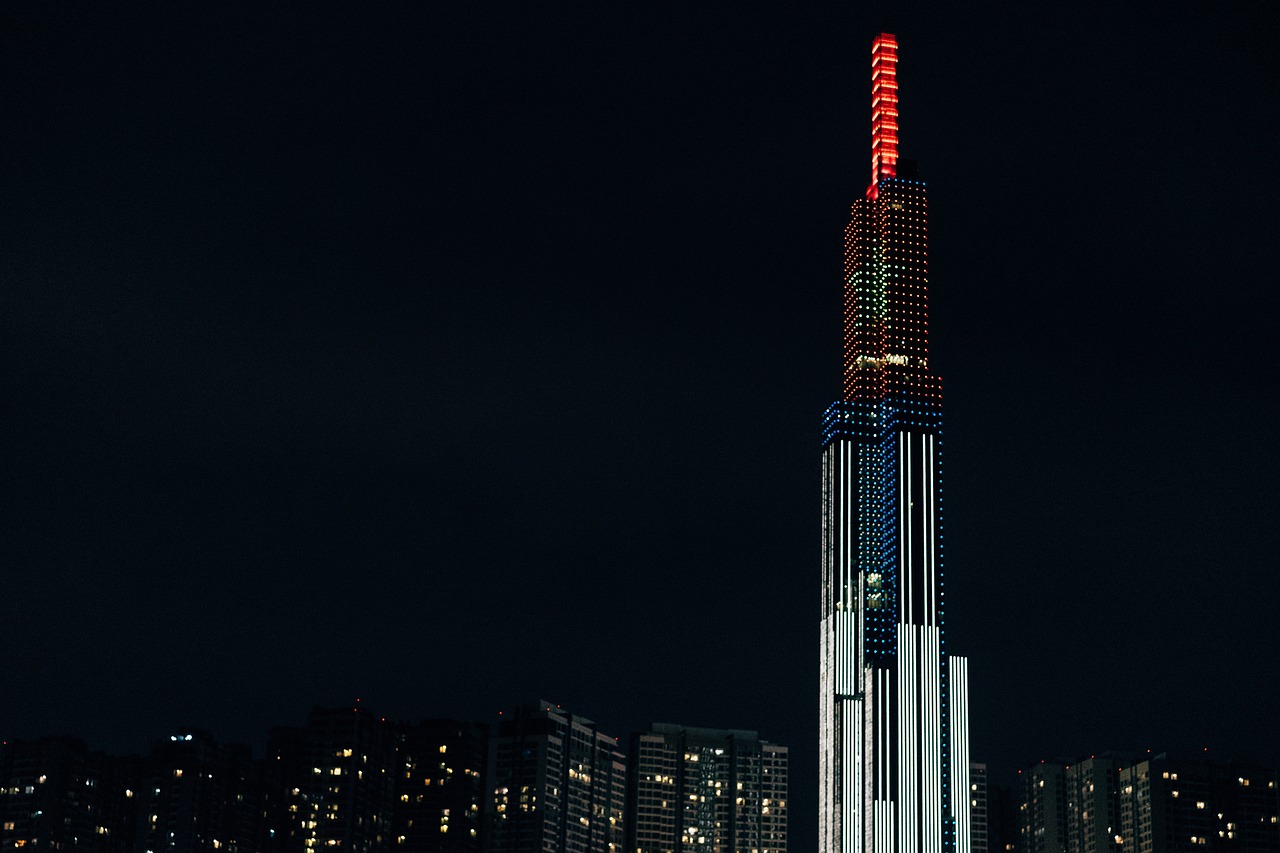
Southern Vietnam and the Mekong Delta with Style from Ho Chi Minh City
This Southern Vietnam travel guide centres on Ho Chi Minh City (also known as Saigon or HCMC), the Mekong Delta, and beach extensions like Phu Quoc and Mui Ne. In Ho Chi Minh City, lean into a curated approach: design-forward neighbourhoods, rooftop evenings, and Vietnamese food that goes beyond the obvious. Think tasting menus that reinterpret classics, coffee experiences led by baristas who treat each cup like a craft, and art spaces that add texture to the city’s modern pulse.
Ho Chi Minh City, Saigon and a thoughtful approach to history
Ho Chi Minh City holds layers of story, and you can engage with them in a gentle, high-end way. If Vietnam War sites are on your mind, a private guide can offer context without sensationalism, with time afterwards for something lighter—a gallery visit, a design shop, or a calm lunch. This balance helps many travellers process history while still enjoying the warmth of the present.
Evenings in Saigon can feel glamorous without being loud. A well-chosen rooftop, a table with a breeze, and a driver waiting below turns a busy city into an experience that feels held and secure.
Mekong Delta slow travel with a private sampan
In the Mekong Delta, the tempo changes. With a local guide and a private sampan-style route, market mornings become intimate rather than overwhelming. You’ll drift past fruit orchards, watch boats exchange goods, and learn how water shapes daily life—quiet insight delivered through conversation, not a megaphone.
For beach time in the south vietnam arc, Phu Quoc island offers barefoot luxury: calm water, soft sand, and sunsets that feel made for lingering. Mui Ne brings dunes and sea breezes, ideal if you want a little motion—kite-splashed horizons, then spa recovery. Nha Trang is another option depending on your Vietnam trip rhythm, though many high-end travellers prefer the calmer pockets of Phu Quoc.
If you’re planning a longer Southeast Asia route, Vietnam pairs naturally with Thailand for islands and wellness, or Cambodia for temple history—especially if you want a seamless regional journey with consistent standards of care.
Best Places to Visit in Vietnam with Luxury Hotels and Top Things
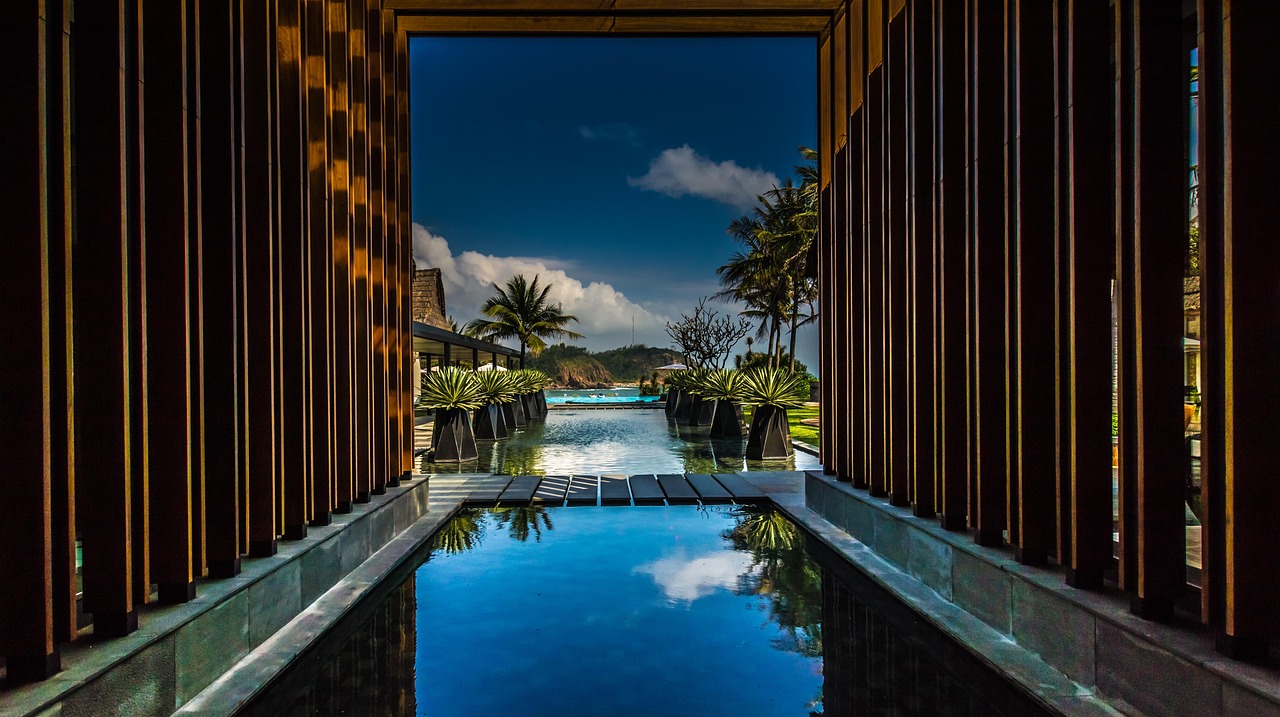
Best Places to Stay and Things to Do in Vietnam with a luxury design lens
If you’re searching for the best places to visit in Vietnam, luxury hotels, and top things to do in Vietnam, the answer is less about collecting pins and more about choosing where to linger. In Hanoi, two or three nights gives you time for the Old Quarter, galleries, and unhurried meals. In Ha Long Bay, an overnight cruise is the difference between seeing scenery and feeling it. In Hoi An, slow evenings are the magic; in Ho Chi Minh City, a curated plan turns energy into elegance.
Best places and things to do in Vietnam for high-end travellers
Elevated experiences in Vietnam are often private, art-led, or after-hours—small doors that open when your trip is designed with intention. This is where luxury feels like access and ease, not excess.
- Private dining: chef’s tables, garden settings, or suite dining on a cruise, with flavours tailored to you.
- Spa rituals: Vietnamese-inspired treatments that restore after travel days and flights.
- Art and design: contemporary galleries in Hanoi, ateliers in Hoi An, and discreet maker shopping.
- UNESCO: heritage sites approached early and respectfully, with space to absorb rather than rush.
Crafted destination mixing for culture, nature and beach
The most satisfying way to travel is to choose two core themes—perhaps culture and nature, or heritage and beach—and let everything else support them. When you try to do all of Vietnam at once, even a premium hotel can’t save the feeling of being hurried. Instead, design a trip to Vietnam that alternates intensity and ease: city days, water days, then a beach reset.
It’s also worth setting expectations around budget travel versus luxury value. Splurge tends to pay the most personal return in three places: space (better rooms and views), time (direct transfers and fewer queues), and expertise (a guide who unlocks context, not just logistics). If you’d like inspiration for what’s possible, browse our Trip gallery for thoughtfully curated journeys.
Travel Tips for Traveling in Vietnam with Flights, Bus and Etiquette
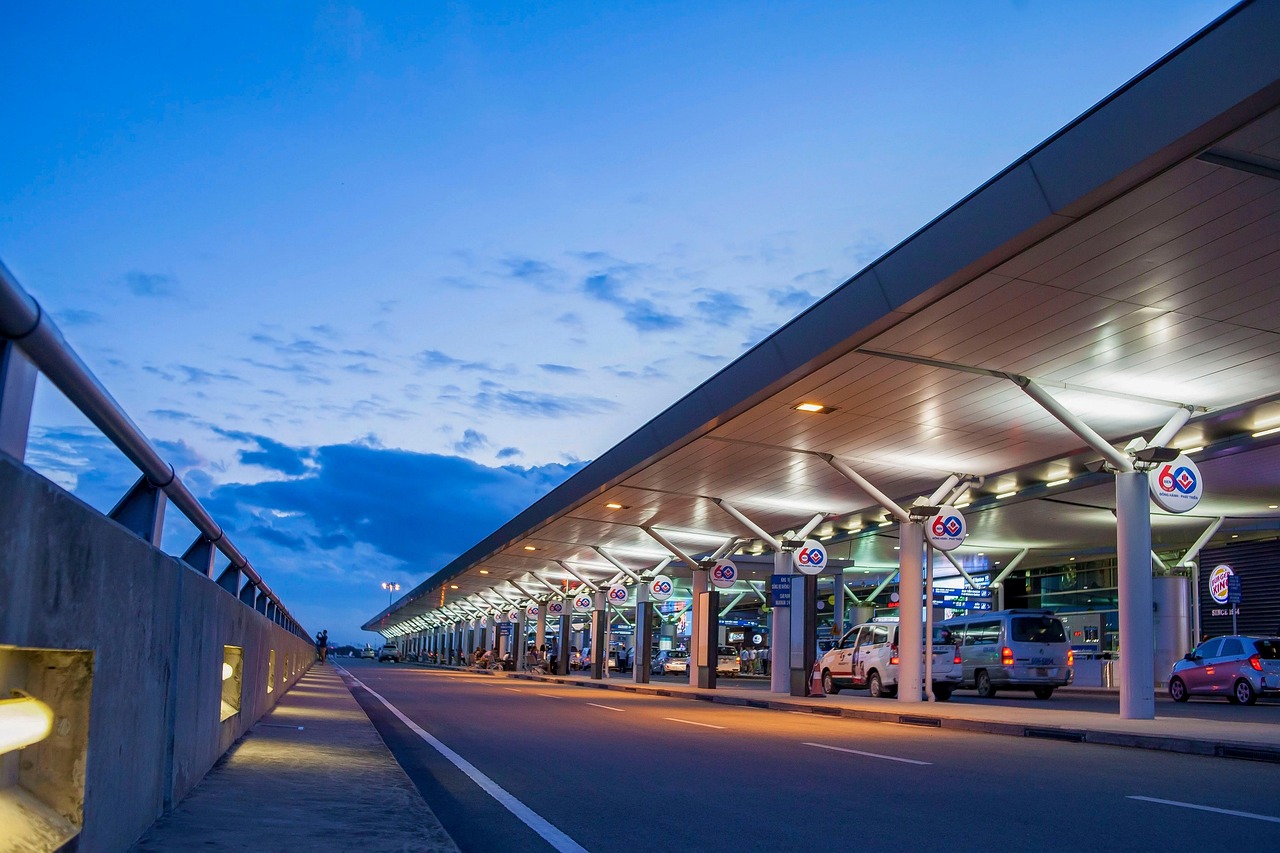
Travel Tips for Seamless Getting Around in Vietnam with premium airport calm
For travel tips on traveling in Vietnam—covering flights, bus choices, etiquette, SIM cards, tipping, and visas—think of comfort as a system. Internal flight routes between Hanoi, Da Nang, and Ho Chi Minh City can save hours, and premium lounges make transit feel calm rather than chaotic. This is often the best way to get distance under control when the itinerary spans multiple regions.
Flights, ground transfers and when a private driver is worth it
A short flight can protect your energy, especially when you’re moving from Hanoi to central Vietnam or down to Ho Chi Minh City. On the ground, a private driver is worth it when you’re doing a day trip to Ninh Binh, travelling with luggage, or planning evenings where you’d rather not negotiate taxis. A bus can make sense for certain simple routes, but for high-end travellers it’s usually best reserved for short, well-reviewed services—comfort varies, and time is precious.
Motorbike culture is part of Vietnam’s charm, but motorbike safety is also where many travellers need extra care. If you’re tempted, consider a controlled experience (quiet streets, helmets, professional riders) rather than riding independently in dense traffic.
Local etiquette, SIM cards and tipping with trust
Local etiquette is straightforward and reassuring: dress modestly when visiting temples, and use both hands when giving or receiving items. Buy a local SIM card with data at the airport or a reputable shop, so navigation and communication stay seamless—especially useful when coordinating with your operator for support.
Tipping is appreciated but not mandatory in Vietnam; in upscale establishments, around 10% is a polite norm. And because quality matters, book private tours and cruises early through operators you trust, particularly in Ha Long Bay and during peak season.
After Vietnam What You Carry Home as Travel Reflections
Vietnam travel reflections often arrive quietly, long after the suitcase is unpacked. What lingers isn’t a checklist of places to visit, but the way the country held you: the hush of limestone bays, the warmth of Vietnamese hospitality, and the ease of being guided with care rather than pushed by urgency. You may remember how your own inner tempo changed—more attentive, more open, more confidently curious—because the journey was designed to let you notice.
Small personal threads tend to glow the brightest. An artist’s invitation in Hanoi that made culture feel like friendship. A shared meal on still water where conversation softened into listening. A tailored garment in Hoi An that fitted not only the body, but the moment—quiet proof that craft and comfort can travel together.
In the end, Vietnam’s beauty doesn’t insist. It waits—patient, layered, and generous—ready to be uncovered again when the season feels right and your curiosity returns.
F.A.Qs: Vietnam travel questions
Is $1000 enough for 2 weeks in Vietnam?
It can be enough for a simple, budget-focused itinerary, especially if you use basic hotels and local transport. For high-end travellers, $1000 is unlikely to cover two weeks once you add premium rooms, private guiding, internal flights, and a quality cruise. Consider it a starting point for spending money rather than a complete luxury budget.
What mistakes should you avoid in Vietnam?
The most common mistakes are trying to cover too much distance too fast, booking cruises or tours without checking operator quality, and underestimating weather differences between regions. It also helps to avoid temple visits in revealing clothing, and to plan airport transfers in advance so arrivals feel calm rather than stressful.
Can I wear red in Vietnam?
Yes, you can wear red in Vietnam, and it’s often seen as a positive, celebratory colour. As with anywhere, context matters: dress more modestly in temples and formal sites, and choose breathable fabrics in warmer months. In cities like Hanoi and Ho Chi Minh City, red is a normal fashion choice.
Is it safe for Americans to go to Vietnam right now?
Vietnam is generally considered a safe destination for Americans, particularly in well-travelled areas and with sensible precautions. As with any international trip, check current government travel advice, keep valuables secure in busy districts, and use reputable operators for transport and tours. Many travellers find that local hospitality feels warm and welcoming.