Post Contents
- Bac Ha Travel Guide Vietnam destination for adventure seekers and a quieter destination
- Best time Bac Ha Vietnam Sunday market itinerary for a seamless stay and accommodation
- Travel to Bac Ha from Hanoi to Lao Cai bus and road options with confidence
- Bac Ha Sunday market Vietnam Bac Ha market experience and a colourful attraction
- Trek Bac Ha Vietnam rice terraces village homestay and countryside attraction
- What Bac Ha Leaves With You and cultural connection in Vietnam
- F.A.Qs: Bac Ha Vietnam travel guide answers
Bac Ha Travel Guide Vietnam destination for adventure seekers and a quieter destination
Bac Ha Travel Guide to a Quieter Vietnam Beyond in Lao Cai province
Think of this Bac Ha travel guide as an invitation to a Vietnam destination for adventure seekers who want something more grounded than the busiest tourist routes. Bac Ha sits in Vietnam’s northern highlands, in Lao Cai province, and it rewards travellers who prefer discovery over noise. The pace is slower, but the days feel full: early mist, market mornings, and long walks where the scenery seems to open up just for you.
Bac Ha town is small, practical, and quietly lively—especially around market time—without feeling staged. The centre of Bac Ha town has cafés, a few comfortable places to stay, and just enough movement to feel connected, then it softens quickly into lanes, fields, and hillside paths. It’s a destination where you can create a refined, crafted stay while still keeping the experience local and human.
Bac Ha Vietnam culture and why ethnic markets matter
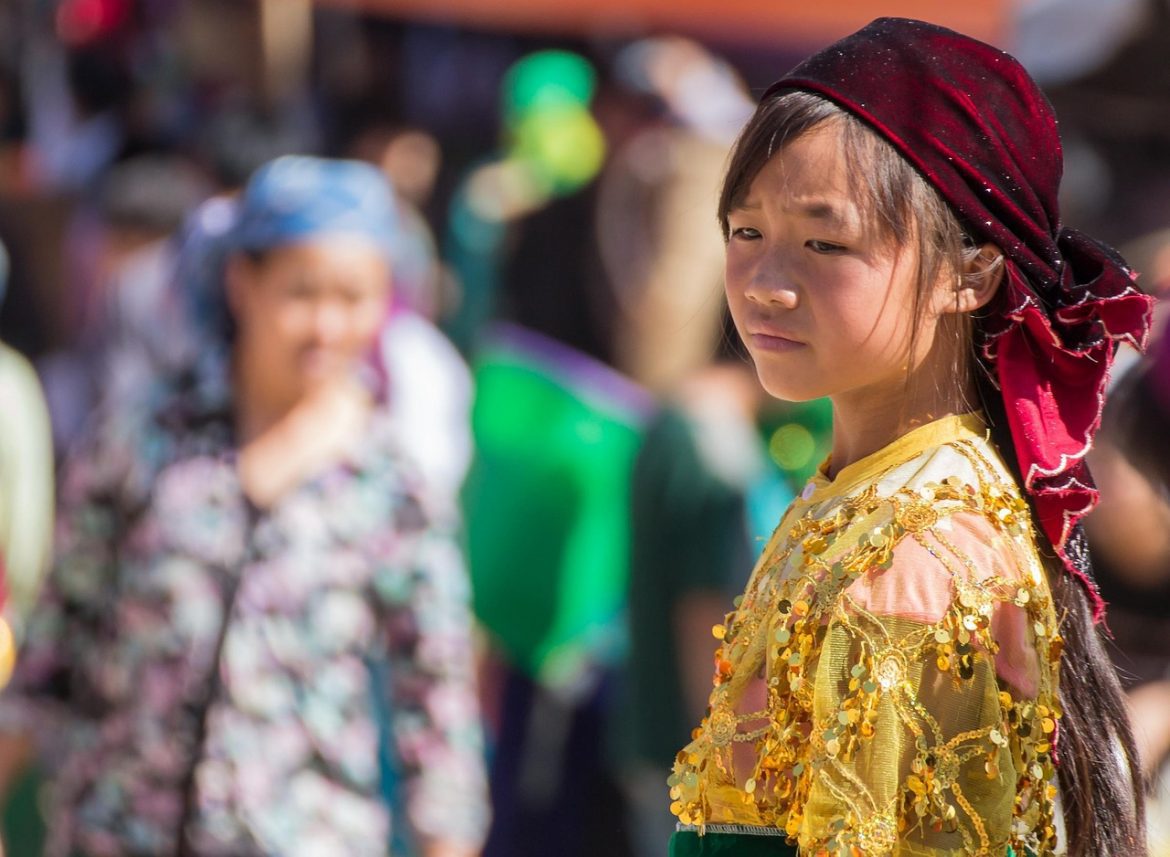
In Bac Ha district you may meet Hmong people—particularly the Flower Hmong—alongside Dao communities, plus Tay and Nung neighbours. These groups aren’t here as a performance for tourists; they live and trade on their own terms. That’s why ethnic markets matter: they’re social, practical, and emotional meeting points, where families reconnect and news travels as quickly as laughter.
Mountains around Bac Ha scenery for early starts
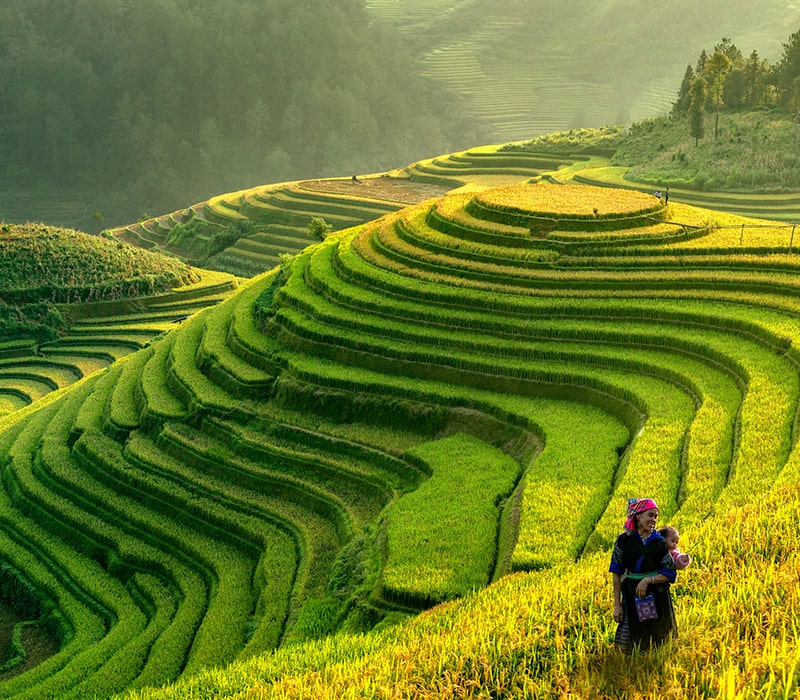
The mountains around Bac Ha are at their most compelling in the first hours of light. Mist can drift across ridges, and the rolling hills look almost painted, especially after a cool night. If you’re weighing Sapa versus Ha Giang, Bac Ha can be the middle ground: less tourist-saturated than Sapa, less logistically intense than Ha Giang, and wonderfully untouched in feel while still easy to design into a seamless northern Vietnam route.


Best time Bac Ha Vietnam Sunday market itinerary for a seamless stay and accommodation
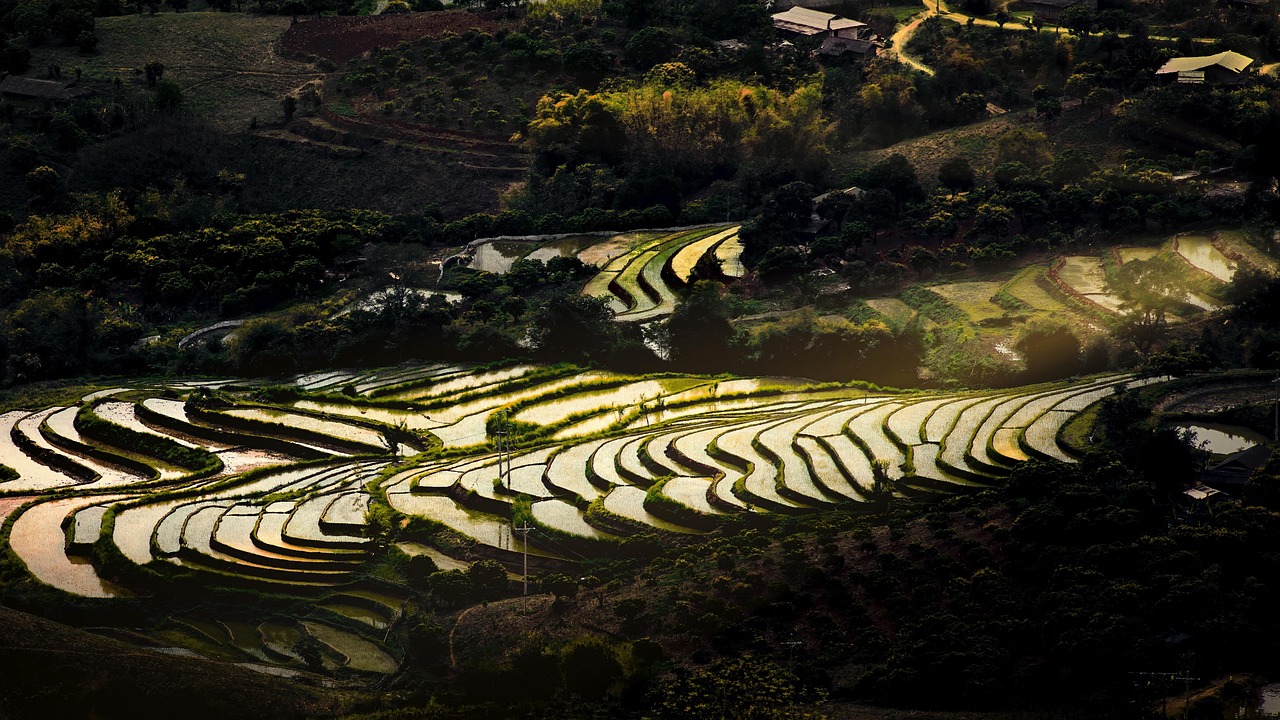
Best Time to Visit Bac Ha and Design a Seamless Itinerary with rice terraces
For planning, the best time Bac Ha Vietnam Sunday market itinerary usually lands in spring or autumn, when clear skies make trekking comfortable and the roads feel calmer. In these seasons, Bac Ha mornings are crisp, viewpoints are sharper, and you can move between market and village walks without battling humidity. During the rainy season, Bac Ha can still be beautiful, but trails become slick and mountainside weather changes quickly—so it pays to design a slower pace.
The Sunday market is the anchor. To make it feel seamless, aim for a dawn arrival: you’ll see stalls assembling, smell breakfast simmering, and experience the market flow before it peaks. This is where Bac Ha feels most alive—yet still intimate enough for gentle people watching and unhurried conversations.
Sunday market mornings in Bac Ha town that feel effortless
A simple rhythm works best: arrive early, eat, explore textiles first, then drift towards produce and livestock areas with care and respect. If you’re staying overnight, your morning starts calmer; if you’re arriving from elsewhere, you’ll want more buffer time than a map suggests.
- Two days in Bac Ha: Day 1 arrive and settle; Day 2 Sunday market plus an afternoon trek.
- Three to five days: Add Ban Pho and a river outing, or connect Bac Ha with other northern Vietnam stops.
- Longer loops: Fold Bac Ha into a crafted highlands journey, then browse inspiration in our Trip gallery.
Accommodation choices and how to choose with care
Accommodation in Bac Ha ranges from small guesthouses to family-run stays. Guesthouses in Bac Ha town suit travellers who want private comfort and flexible evenings; a homestay supports deeper cultural insight and helps local households directly. If you’re debating a day trip from Sapa, know the trade-off: you’ll see the market, but you’ll miss the quieter village hours when trust is built in small moments. To truly choose Bac Ha, consider staying at least one night—your experience will feel less rushed, more personal, and more connected.
Travel to Bac Ha from Hanoi to Lao Cai bus and road options with confidence
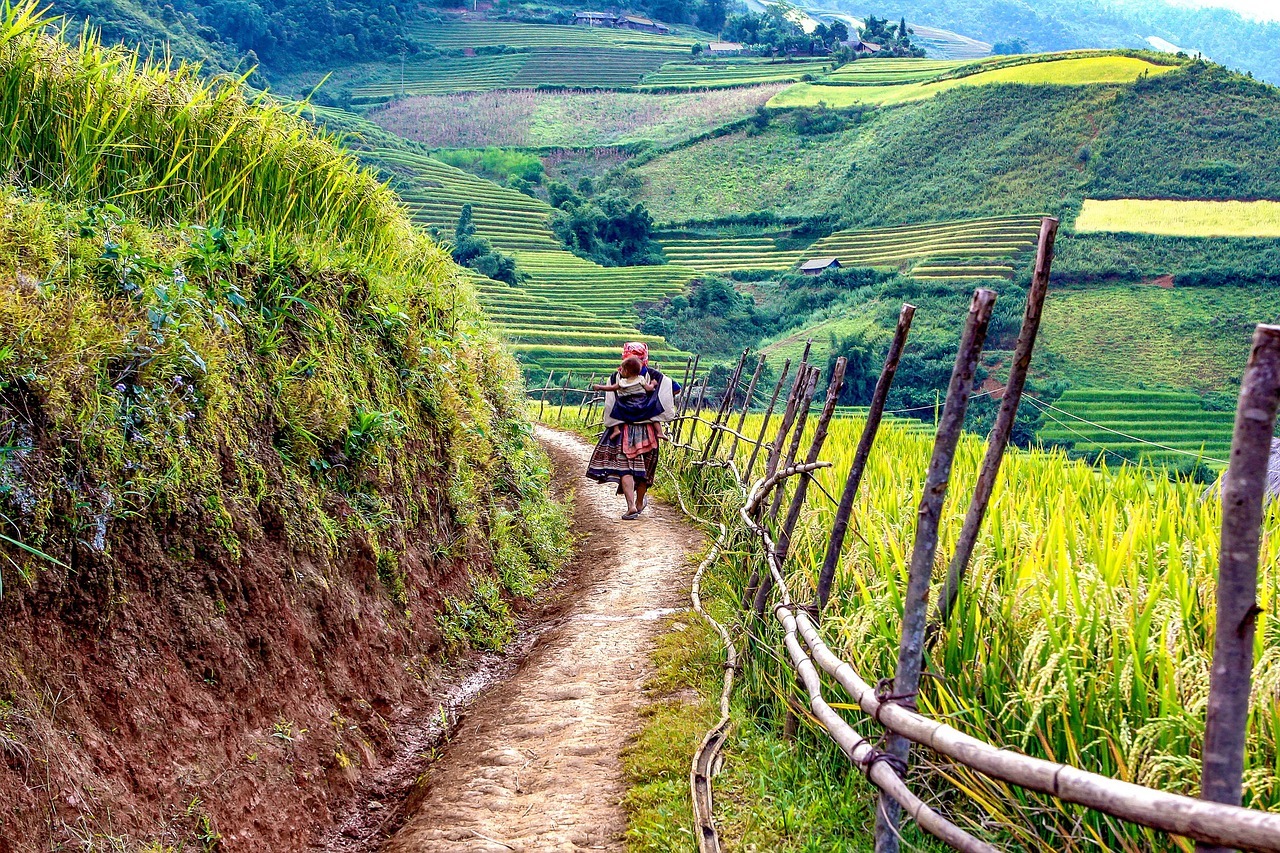
Travel to Bac Ha from Hanoi and Lao Cai with confidence on mountain roads
This chapter is your practical map for travel to Bac Ha from Hanoi to Lao Cai bus and road options, designed for reassurance as much as efficiency. Most travellers route through Hanoi, then continue to Lao Cai, and finally connect onward to Bac Ha. Timetables can shift, so build in a buffer and treat the journey as part of the experience—Vietnam’s highlands are scenic, but they ask for patience.
The classic route is straightforward: Hanoi to Lao Cai by overnight train or bus, then onward from the Lao Cai bus station to Bac Ha by local bus or arranged transfer. Public transport works if you’re flexible; if you prefer a seamless, high-end feel, a private car offers comfort on the winding roads and lets you stop for viewpoints and coffee.
Bus versus private car and how to get to Bac Ha safely
A shared bus is budget-friendly and sociable, but can be slower and less predictable. A private driver costs more, yet it reduces friction—useful if you’re carrying camera gear, travelling together, or simply prioritising calm. Whichever you choose, keep the journey safe: sit away from the back if you’re prone to motion sickness, take breaks, and avoid travel in heavy rain where visibility drops quickly.
Southeast Asia context for Thailand Laos and Cambodia routes
If you’re moving through Southeast Asia—perhaps combining Thailand, Laos, or Cambodia—Bac Ha is still best approached via Hanoi and Lao Cai in Vietnam. Cross-border routes can be done, but they add variables that eat into your time on the ground. For most travellers, local experts (drivers and guides) offer the right blend of support and trust, helping you arrive feeling cared for rather than depleted.
Bac Ha Sunday market Vietnam Bac Ha market experience and a colourful attraction
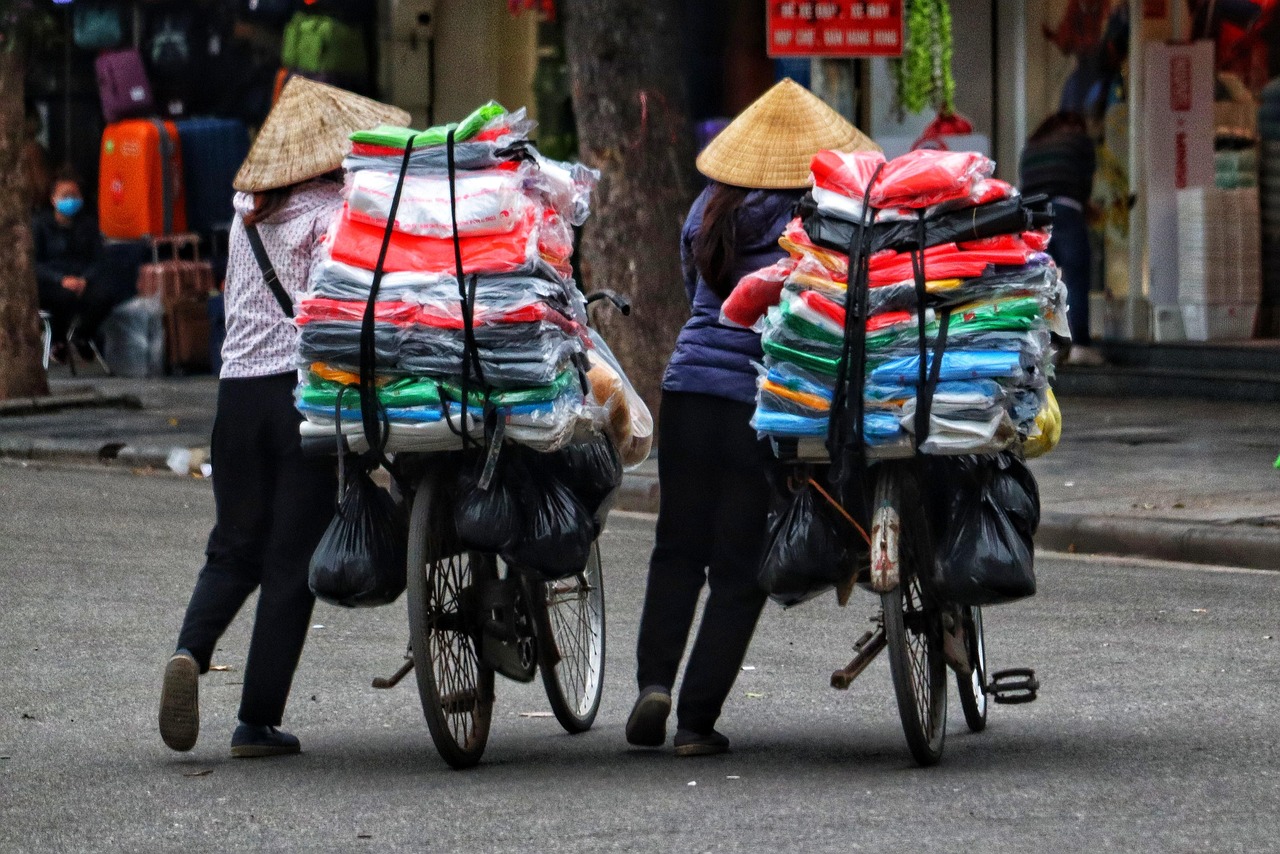
Explore Bac Ha Sunday Market for Colourful Local Life in Vietnam
To explore Bac Ha Sunday market Vietnam Bac Ha market experience properly, start before the town fully wakes. One traveller told us about arriving at dawn, hearing the first calls across the lanes, and watching the famous Sunday market bloom—quietly at first, then suddenly alive with colour. It’s the kind of morning you don’t forget, because it feels genuinely local rather than staged for a tourist snapshot.
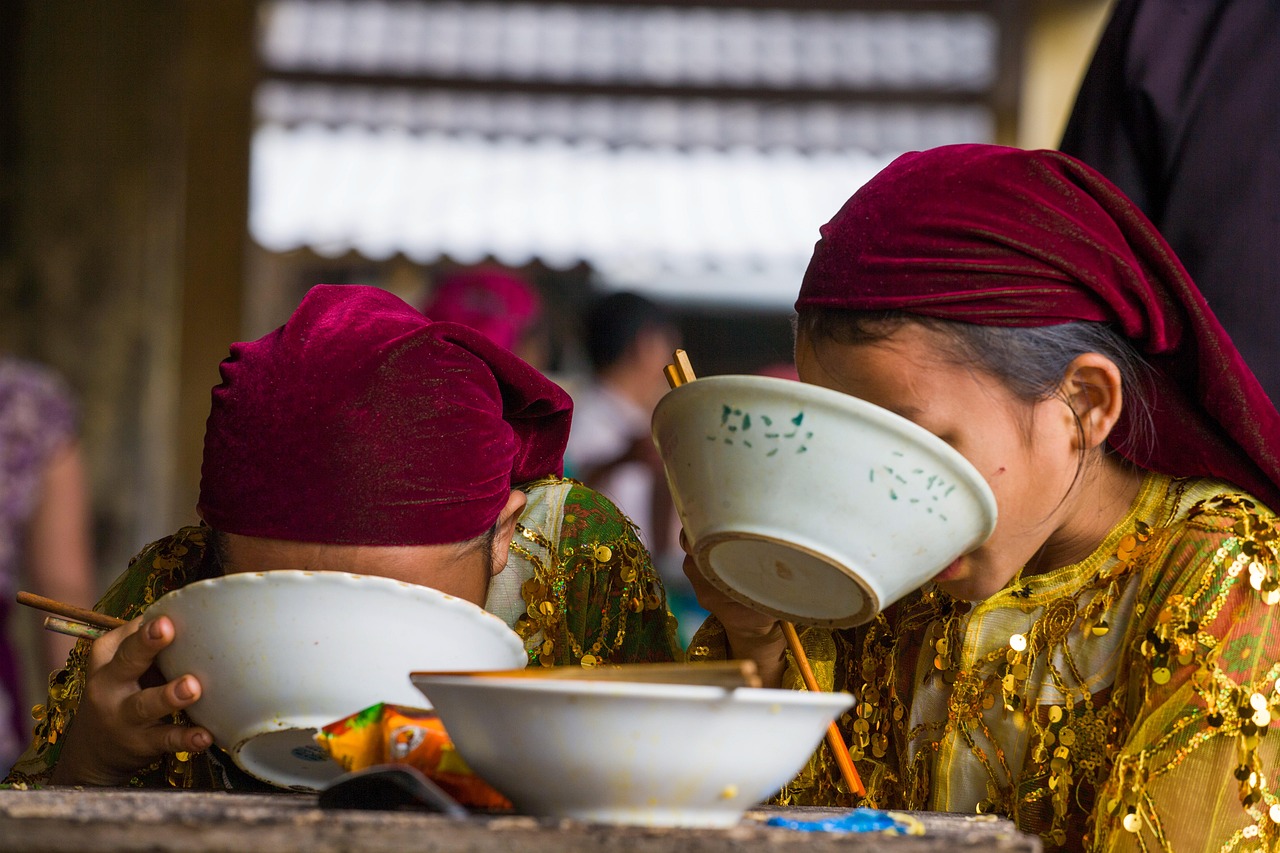
What makes Bac Ha special is not just what’s sold, but who gathers. Flower Hmong and Dao (sometimes written Dzao) women wear clothing that has been made, dyed, and embroidered with patience—details you can spot in cuffs, collars, and pleats. You’ll find handwoven fabrics, simple tools, baskets, and household goods beside everyday produce, herbs, and seeds; it’s a working market, not a boutique.
Bac Ha market food rituals from pho to corn wine
Food is part of the social fabric. Try pho for breakfast, or sample regional snacks as you wander. You may be offered rice or corn wine; accept if you wish, but it’s perfectly polite to smile, touch your cup, and decline softly if you don’t drink. In some corners you’ll also see local specialities like horse meat—approach with curiosity and respect, and only if it aligns with your comfort.
Respectful etiquette with ethnic minority communities
Market access fees are minimal, but bring extra cash for truly crafted items and fair bargaining. Not every souvenir is handmade; look for signs of real work—natural dyes, slight irregularities, and the maker nearby. Dress modestly, ask permission before photographing people, and keep interactions warm. In Bac Ha, care builds trust quickly, even in a crowded space.
- Best buys: textiles, indigo pieces, small baskets, practical tools made for daily life.
- What to skip: identical stacks of factory-made trinkets with no local maker present.
- Small gesture: learn a greeting, or simply offer a genuine smile before you point a camera.
Trek Bac Ha Vietnam rice terraces village homestay and countryside attraction
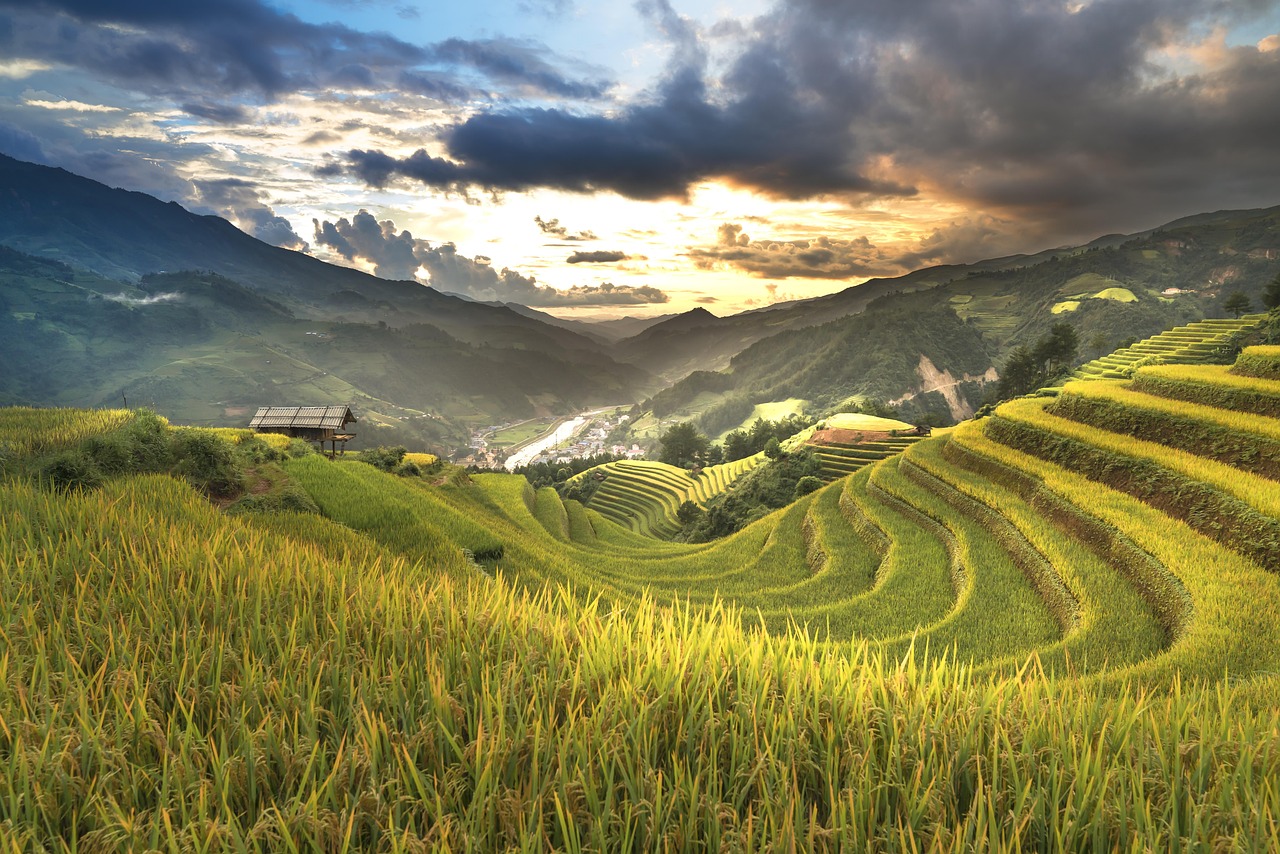
Trek Bac Ha Landscapes to Villages, Terraces and Homestays in Vietnam
Beyond the market, trek Bac Ha Vietnam rice terraces village homestay routes and you’ll meet the region at its most intimate. Paths begin close to Bac Ha town and quickly slip into rice fields, wooded edges, and ridgelines where the scenery feels wide and quiet. For adventure seekers, this is the signature counterpoint to the market energy: fewer voices, more birdsong, and the steady rhythm of your own steps.
One visitor described the thrill and challenge of trekking here—early climbs, shifting light, and then a sunrise spilling over terrace lines while mist lifted from the valleys. Bac Ha isn’t extreme mountaineering, but it can be demanding: muddy sections after rain, uneven stone, and long descents that work the knees. A paced, confident approach—rather than speed—makes it far more enjoyable.
Ban Pho village and surrounding villages for slower insight
Ban Pho village is a beautiful anchor stop, known for a gentler rhythm and a sense of everyday life continuing as it always has. With a guide, you can pass through surrounding villages, greet farmers, and learn why certain crops suit certain slopes. If time allows, add Coc Ly for a river-side change of scenery, or a nearby waterfall after the rains for a cooler pause between walks.
What to pack for Bac Ha and how to read mountainside weather
Comfort and safety matter in the highlands, especially when clouds roll in. Bring sturdy shoes for slippery ground, carry water, and layer for sun and sudden rain. If fog thickens, slow down and stay close to your group; the mountainside can hide turns and drop-offs.
- Footwear: grippy walking shoes (not smooth trainers).
- Layers: light waterproof, warm top for early starts, sun protection.
- Support: a local guide adds context, safer routing, and community-led tourism benefits.
For many travellers, the most meaningful night is a homestay with a Flower Hmong family. An adventurer once shared how they bonded over shared meals, then followed storytelling hikes between hamlets the next morning. If you join, arrive with humility, remove shoes when asked, accept what’s offered with gratitude, and remember that respectful curiosity is the most elegant way to connect.
What Bac Ha Leaves With You and cultural connection in Vietnam
What Bac Ha leaves with you is not a checklist, but a feeling—of being held by small kindnesses in Vietnam, without fuss or performance. It might be the quiet dignity of traditional dress, the way embroidered patterns catch the light, or the memory of laughter rising from a market corner as strangers share a bench for a moment.
Later, you may find it’s the simplest scenes that return: steam from breakfast, a child’s wave on a hillside path, the soft shift of fog as morning opens. In Bac Ha, trust is built slowly—over a meal, a careful greeting, a shared walk where nobody needs to rush. That sense of care travels both ways, and it changes how you see the role of a traveller: less taking, more listening, more support given quietly and consistently.
And perhaps that is Bac Ha’s gentlest gift—confidence to keep exploring Vietnam beyond the obvious, with curiosity and gentleness together. When you imagine your next journey, you might notice you’re no longer searching for the loudest highlights, but for places where the human rhythm feels true, and where you have time to simply be present.
F.A.Qs: Bac Ha Vietnam travel guide answers
F.A.Qs: Bac Ha Vietnam travel guide practical questions
How do I get from Bac Ha to Ha Giang?
There’s no simple direct route most days. The most reliable option is to travel back via Lao Cai or another transit hub, then continue onward by bus or private car. For comfort and time control, many travellers arrange a private driver for part or all of the journey, especially on mountainous roads where weather can slow progress.
Is Bac Ha worth visiting on weekdays?
Yes, if you’re coming for trekking, village walks, and a quieter feel in Bac Ha town. Weekdays are calmer and can feel more personal, but the biggest cultural surge is the Sunday market. If your schedule allows, pair a weekday trek with a Sunday morning market for the most balanced experience.
Is Bac Ha worth visiting?
Bac Ha is worth visiting if you value cultural insight, highland scenery, and a more untouched rhythm than many headline stops in northern Vietnam. The market, food, and community life feel real rather than staged, and it’s a rewarding place to travel slowly—with a guide or thoughtful planning—for deeper connection and confidence.
Is the Bac Ha dog aggressive?
Most dogs you’ll see in Bac Ha are village or household dogs and are typically used to people passing by. As anywhere, avoid sudden movements, don’t approach puppies, and ask before touching an animal. If you’re concerned while trekking, give dogs space, keep calm, and follow your guide’s lead.